❌

Reading view

Apple shares hit new all-time closing and intraday highs

Apple logo

In Nasdaq trading today, shares of Apple Inc. (AAPL) rose $0.48 to $333.74 to hit a new all-time closing high. Apple’s all-time intraday high was also set today at $334.98.

Apple’s 52-week low stands at $201.50.

Today’s trading volume for AAPL shares was 63,196,563 versus Apple’s average trading volume of 54,686,906 shares.

Apple’s PE Ratio currently stands at 40.40.

Apple currently has a market value of $4.902 trillion, making it the world’s second-most valuable company.

The top five U.S. publicly-traded companies, based on market value:

  1. NVIDIA (NVDA) – $4.912T
  2. Apple (AAPL) – $4.902T
  3. Alphabet (GOOGL) – $4.231T
  4. Microsoft (MSFT) – $2.925T
  5. Amazon (AMZN) – $2.659T

Selected companies’ current market values:

• Taiwan Semi (TSM): $2.252T
• Tesla (TSLA): $1.488T
• Meta Platforms (META): $1.695T
• Berkshire Hathaway (BRK-A): $1.087T
• Walmart (WMT): $906.425B
• Advanced Micro Devices (AMD): $909.696B
• Intel (INTC): $552.056B
• Cisco (CSCO): $473.938B
• Netflix (NFLX): $310.883B
• SoftBank (SFTBF): $220.206B
• IBM (IBM): $275.786B
• Dell (DELL): $254.787B
• Disney (DIS): $166.045B
• Sony (SONY): $122.428B
• Adobe (ADBE): $90.177B
• Spotify (SPOT): $98.65B
• Nokia (NOK): $69.447B
• Hewlett-Packard (HPQ): $20.961B
• SiriusXM (SIRI): $9.937B
• BlackBerry (BB): $6.06B
• Sonos (SONO): $1.727B
• Liquidmetal (LQMT): $0.181B
• RealNetworks (RNWK) was delisted from U.S. exchanges on December 21, 2022 and is no longer publicly traded.🍩

Apple all-time high (AAPL) via NASDAQ here.

MacDailyNews Take: To the moon, Alice. To the moon!


Please help support MacDailyNews — and enjoy subscriber-only articles, comments, chat, and more — by subscribing to our Substack: macdailynews.substack.com. Thank you!

Support MacDailyNews at no extra cost to you by using this link to shop at Amazon.

Like 🙂 or dislike 🙁 this post below!

The post Apple shares hit new all-time closing and intraday highs appeared first on MacDailyNews.

  •  

Apple shares hit new all-time closing and intraday highs

Stock chart

In Nasdaq trading today, shares of Apple Inc. (AAPL) rose $5.76 to $333.26 to hit a new all-time closing high. Apple’s all-time intraday high was also set today at $334.68.

Apple’s 52-week low stands at $201.50.

Today’s trading volume for AAPL shares was 59,624,981 versus Apple’s average trading volume of 54,664,537 shares.

Apple’s PE Ratio currently stands at 40.40.

Apple currently has a market value of $4.895 trillion, making it the world’s second-most valuable company.

The top five U.S. publicly-traded companies, based on market value:

  1. NVIDIA (NVDA) – $5.023TT
  2. Apple (AAPL) – $4.895T
  3. Alphabet (GOOGL) – $4.325T
  4. Microsoft (MSFT) – $2.980T
  5. Amazon (AMZN) – $2.688T

Selected companies’ current market values:

• Taiwan Semi (TSM): $2.109T
• Meta Platforms (META): $1.683T
• Tesla (TSLA): $1.469T
• Berkshire Hathaway (BRK-A): $1.055T
• Walmart (WMT): $913.508B
• Advanced Micro Devices (AMD): $816.833B
• Dell (DELL): $253.543B
• Intel (INTC): $487.421B
• Cisco (CSCO): $431.883B
• Netflix (NFLX): $313.073B
• SoftBank (SFTBF): $223.341B
• IBM (IBM): $206.051B
• Disney (DIS): $173.009B
• Sony (SONY): $124.819B
• Spotify (SPOT): $98.404B
• Adobe (ADBE): $93.544B
• Nokia (NOK): $57.897B
• Hewlett-Packard (HPQ): $22.077B
• SiriusXM (SIRI): $10.54B
• BlackBerry (BB): $5.357B
• Sonos (SONO): $1.679B
• Liquidmetal (LQMT): $0.135B
• RealNetworks (RNWK) was delisted from U.S. exchanges on December 21, 2022 and is no longer publicly traded.🍩

Apple all-time high (AAPL) via NASDAQ here.

MacDailyNews Take: Onward amd upward, Cupertino soldiers!


Please help support MacDailyNews — and enjoy subscriber-only articles, comments, chat, and more — by subscribing to our Substack: macdailynews.substack.com. Thank you!

Support MacDailyNews at no extra cost to you by using this link to shop at Amazon.

Like 🙂 or dislike 🙁 this post below!

The post Apple shares hit new all-time closing and intraday highs appeared first on MacDailyNews.

  •  

Apple shares hit new all-time closing and intraday highs

Apple logo

In Nasdaq trading today, shares of Apple Inc. (AAPL) rose $12.64 to $327.50 to hit a new all-time closing high. Apple’s all-time intraday high was also set today at $328.72.

Apple’s 52-week low stands at $201.50.

Today’s trading volume for AAPL shares was 58,741,821 versus Apple’s average trading volume of 54,375,570 shares.

Apple’s PE Ratio currently stands at 39.70.

Apple currently has a market value of $4.810 trillion, making it the world’s second-most valuable company.

The top five U.S. publicly-traded companies, based on market value:

  1. NVIDIA (NVDA) – $5.147T
  2. Apple (AAPL) – $4.810T
  3. Alphabet (GOOGL) – $4.526T
  4. Microsoft (MSFT) – $2.939T
  5. Amazon (AMZN) – $2.743T

Selected companies’ current market values:

• Taiwan Semi (TSM): $2.195T
• Meta Platforms (META): $1.667T
• Tesla (TSLA): $1.483T
• Berkshire Hathaway (BRK-A): $1.073T
• Walmart (WMT): $913.03B
• Advanced Micro Devices (AMD): $871.377B
• Intel (INTC): $518.281B
• Cisco (CSCO): $469.977B
• IBM (IBM): $273.502B
• Dell (DELL): $275.78B
• Netflix (NFLX): $310.925B
• SoftBank (SFTBF): $218.098B
• Disney (DIS): $166.688B
• Sony (SONY): $122.34B
• Spotify (SPOT): $99.839B
• Adobe (ADBE): $91.669B
• Nokia (NOK): $65.958B
• Hewlett-Packard (HPQ): $22.653B
• SiriusXM (SIRI): $10.487B
• BlackBerry (BB): $6.286B
• Sonos (SONO): ~$1.98B
• Liquidmetal (LQMT): ~$0.135B
• RealNetworks (RNWK) was delisted from U.S. exchanges on December 21, 2022 and is no longer publicly traded.🍩

Apple all-time high (AAPL) via NASDAQ here.

MacDailyNews Take: Gaudy (yet still woefully undervalued)! To the moon, Alice. To the moon!


Please help support MacDailyNews — and enjoy subscriber-only articles, comments, chat, and more — by subscribing to our Substack: macdailynews.substack.com. Thank you!

Support MacDailyNews at no extra cost to you by using this link to shop at Amazon.

Like 🙂 or dislike 🙁 this post below!

The post Apple shares hit new all-time closing and intraday highs appeared first on MacDailyNews.

  •  

Apple shares hit new all-time closing and intraday highs

Apple logo

In Nasdaq trading today, shares of Apple Inc. (AAPL) rose $1.99 to $317.31 to hit a new all-time closing high. Apple’s all-time intraday high was also set today at $323.45.

Apple’s 52-week low stands at $201.50.

Today’s trading volume for AAPL shares was 41,376,714 versus Apple’s average trading volume of 54,682,654 shares.

Apple’s PE Ratio currently stands at 38.42.

Apple currently has a market value of $4.660 trillion, making it the world’s second-most valuable company.

The top five U.S. publicly-traded companies, based on market value:

  1. NVIDIA (NVDA) – $4.930T
  2. Apple (AAPL) – $4.660T
  3. Alphabet (GOOGL) – $4.302T
  4. Microsoft (MSFT) – $2.904T
  5. Amazon (AMZN) – $2.660T

Selected companies’ current market values:

• Taiwan Semi (TSM): $2.195T
• SpaceX (SPCX): $1.833T
• Tesla (TSLA): $1.483T
• Meta Platforms (META): $1.667T
• Berkshire Hathaway (BRK-A): $1.073T
• Walmart (WMT): $913.03B
• Advanced Micro Devices (AMD): $871.377B
• Intel (INTC): $518.281B
• Cisco (CSCO): $469.977B
• Netflix (NFLX): $310.925B
• IBM (IBM): $273.502B
• Dell (DELL): $275.78B
• SoftBank (SFTBF): $218.098B
• Disney (DIS): $166.688B
• Sony (SONY): $122.34B
• Spotify (SPOT): $99.839B
• Adobe (ADBE): $91.669B
• Nokia (NOK): $65.958B
• Hewlett-Packard (HPQ): $22.653B
• SiriusXM (SIRI): $10.487B
• BlackBerry (BB): $6.286B
• Sonos (SONO): ~$1.98B
• Liquidmetal (LQMT): ~$0.135B
• RealNetworks (RNWK) was delisted from U.S. exchanges on December 21, 2022 and is no longer publicly traded.🍩

Apple all-time high (AAPL) via NASDAQ here.

MacDailyNews Take: To the moon, Alice. To the moon!


Please help support MacDailyNews — and enjoy subscriber-only articles, comments, chat, and more — by subscribing to our Substack: macdailynews.substack.com. Thank you!

Support MacDailyNews at no extra cost to you by using this link to shop at Amazon.

Like 🙂 or dislike 🙁 this post below!

The post Apple shares hit new all-time closing and intraday highs appeared first on MacDailyNews.

  •  

Data Centers Are Making Electricity Brutally Expensive for the Public

Despite a financial situation more reminiscent of a Ponzi scheme than a technological revolution, the data center boom is continuing at a rapid pace, bringing novel kinds of biological contamination, ear-splitting noise, and unprecedented levels of pollution to communities across the US.

Those environmental burdens also come with a financial one: skyrocketing demand for electricity, which is increasing the cost of utilities for renters and homeowners alike.

According to a report by Monitoring Analytics, an independent monitor for the largest transmission company in the US, PJM, data center demand is expected to drive over $23 billion in customer price increases by 2028. That eye-watering figure, first spotted by Fortune, is a direct result of the country’s old and confusing electrical infrastructure, which ultimately leaves regular people, not the tech industry, holding the bag.

Whether they’re data centers, factories, or other large facilities, Fortune points out that local regulators and transmission companies like PJM have a hard time figuring out who’s responsible for rising energy demand. While a small power line from a data center campus to a nearby substation is easily billed to the data center, figuring out who to invoice gets harder further on down the line, particularly with shared infrastructure like the substation itself, or the long-distance transmission lines connecting to it.

Though utility companies can and do charge data centers for the electricity they use, Fortune observes that the facilities undergirding the AI boom can “fine tune” their electricity use minute-by-minute, gaining an edge that the average consumer could only dream of.

Because many utility companies charge based on a system of “peak demand” — a measure of a customer’s energy usage at the exact moment the collective grid hits peak demand — data centers have gotten into the habit of scaling down right when the grid measures highest demand. That’s not because they’re actually trying to use less power, but because that narrow window is what determines how high their bill will be. In reality, their overall usage remains the same.

This is more or less the scenario that played out in a Bitcoin mining operation in Texas, where the company Riot Platforms agreed to cut its power use on hot summer days, only to ramp back up massively at night. In exchange, the company negotiated for a lower flat electricity rate overall, and even snagged some state subsidies meant to encourage responsible energy use.

Load-shifting like this can genuinely help the grid, but it also means companies with the ability to game the system get rewarded with subsides that an average household will never get. And because companies are merely changing when they suck their juice — not how — subsidized load-shifting ends up being a poor strategy for reducing electrical use overall.

And while data centers are just the most contemporary example of this practice, the shrewd manipulation of US energy markets by for-profit corporations dates back decades. That may not be comforting news for citizens scrambling to hold data center firms accountable in the here-and-now, but it should at least give them an idea of where to start looking for inspiration.

More on data centers: New York Becomes First State to Ban AI Data Centers

The post Data Centers Are Making Electricity Brutally Expensive for the Public appeared first on Futurism.

  •  

AI Bubble Fears Are Starting to Spill Over

Yet another domino appears to be falling as part of the Rube Goldberg machine that will eventually pop the AI investment bubble.

Earlier this month, economic forecasters were sounding the alarm that overspending on AI was at a level far more severe than Black Tuesday, the day that jump-started the worst economic catastrophe in the history of the industrial economy. Now, investors seem to be coming to that same conclusion all on their own.

This week, Taiwanese semiconductor giant Taiwan Semiconductor Manufacturing (TSMC) posted its second-quarter earnings results, revealing a staggering revenue of over $40 billion — a record-breaking sum for the company.

While that should come as welcome news to investors, the results had the exact opposite effect, sending shares of TSMC stocks tumbling by four percent. That in turn led the tech-heavy Nasdaq 100 index to fall by 1.4 percent Thursday, compounding losses from Wednesday, Bloomberg reported.

The issue seems to be TSMC’s revision to its capital expenditure. As the key manufacturer for chip design company Nvidia — arguably one of the most pivotal players in the AI boom — TSMC is a major bellwether for investor confidence around the buzzy tech.

The trouble is that, in addition to posting record revenue, the Taiwanese chip firm raised its 2026 spending forecast to a range of $60-64 billion, up from $52-56 billion. That shift will test how much more spending investors are willing to stomach on AI, a technology that has yet to justify the nearly $1.6 trillion spent developing it over the past decade.

Zooming out, the market’s response seems to indicate a few things. For starters, good news is clearly not enough to maintain confidence in the tech industry’s ability to make AI a financial success. It likewise signals that belief in the AI bubble is no longer confined to a few brave contrarians, but is becoming a mainstream narrative, as investors grow wary of an industry which promises the Moon, yet only seems to deliver hot air.

More on the AI bubble: Tech Billionaires Are Quietly Rooting for AI Bubble to Collapse

The post AI Bubble Fears Are Starting to Spill Over appeared first on Futurism.

  •  

Short Sellers Are Having a Field Day Betting Against SpaceX as Shares Continue to Slip

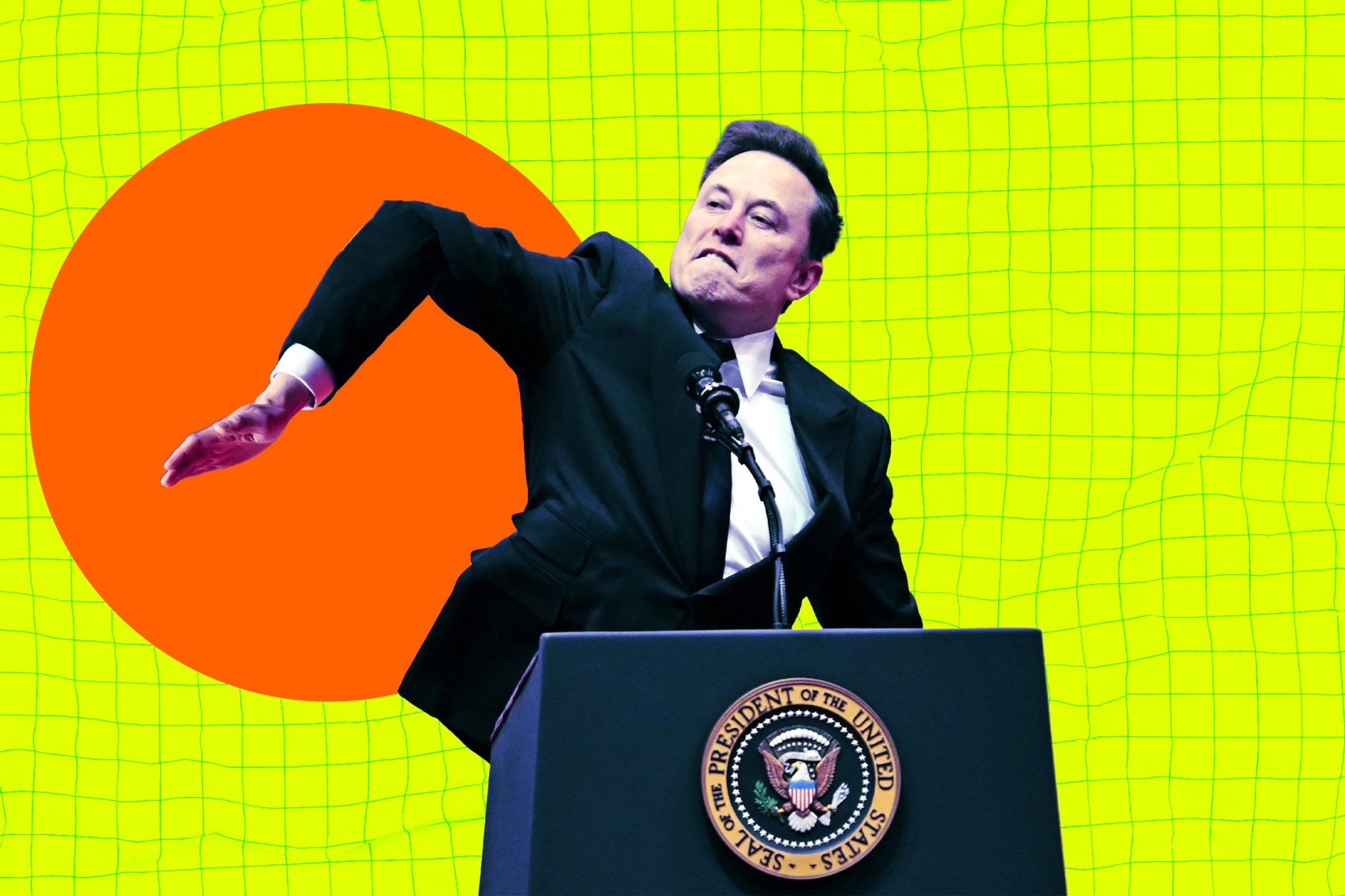
SpaceX bears are smelling blood in the water. As its stock languishes below its IPO price  — at press time, $131 — short sellers are going all in against the company, hoping to make a killing off of CEO Elon Musk’s faltering pull on investors.

As CNBC reports citing data from S3 Partners, 185 million SpaceX shares are now sold short, which is nearly 29 percent of its publicly tradable shares, when it was around only five to seven percent three weeks ago.

It’s one of the highest levels of short selling for a company in its first month of being publicly traded, Ihor Dusaniwsky, a managing director at S3, told Bloomberg.

“The recent price weakness has spurred short selling as well as the anticipation of lockups expiring soon,” he added, referring to the additional SpaceX shares that will soon be tradeable and will play a large role in how the stock performs.

SpaceX priced its IPO at $135 a share and seemed to set the tone when its price rose to $150 on its opening day and powered past $200 in the days that followed. Those blockbuster gains were short-lived, however. Its price has steadily declined over the past month, losing a third of its value since its peak.

Investors have questioned Musk’s vision for the company — which includes an ambitious pivot to building orbital AI data centers — while its path to profitability remains unclear. Last year, the company lost nearly $5 billion.

Musk’s decision to combine SpaceX with his AI startup xAI before the IPO has also exposed the rocket company to xAI’s numerous controversies, such as its chatbot Grok being used to generate millions of nonconsensual sexualized images of real people. Before, the public fascination around spaceflight had helped shield SpaceX against anti-Musk sentiment.

Off the back of this waning enthusiasm, short sellers have seen their paper profits surge to $3.88 billion, Bloomberg reported Wednesday.

But the next few months could be a key turning point for the stock’s performance — or further sink its hopes. Only a small percentage of SpaceX’s shares were made available when the company went public as a measure to prevent insiders from quickly cashing out and crashing the stock price. But around half of its shares will be unlocked from now until December, dwarfing what’s currently available.

If investors dump those unlocked shares, it could send SpaceX’s stock tumbling. Experts have warned that this period of gradually unlocking stocks could be considerably volatile— which isn’t exactly reassuring, given the company’s recent performance.

More on SpaceX: SpaceX Investors Are Lamenting All the Money They’ve Lost

The post Short Sellers Are Having a Field Day Betting Against SpaceX as Shares Continue to Slip appeared first on Futurism.

  •  

SoftBank CEO Says You’re Too Stupid to Understand What’s Going on If You Believe the AI Bubble Is Real

With hundreds of billions of dollars still flowing into the tech industry, it’s becoming harder and harder to deny the reality that the US economy is enmeshed in a financial bubble of incredible proportions. As recent polls have shown, the majority of Americans don’t only agree that there is an AI bubble, they’re increasingly concerned about it as well.

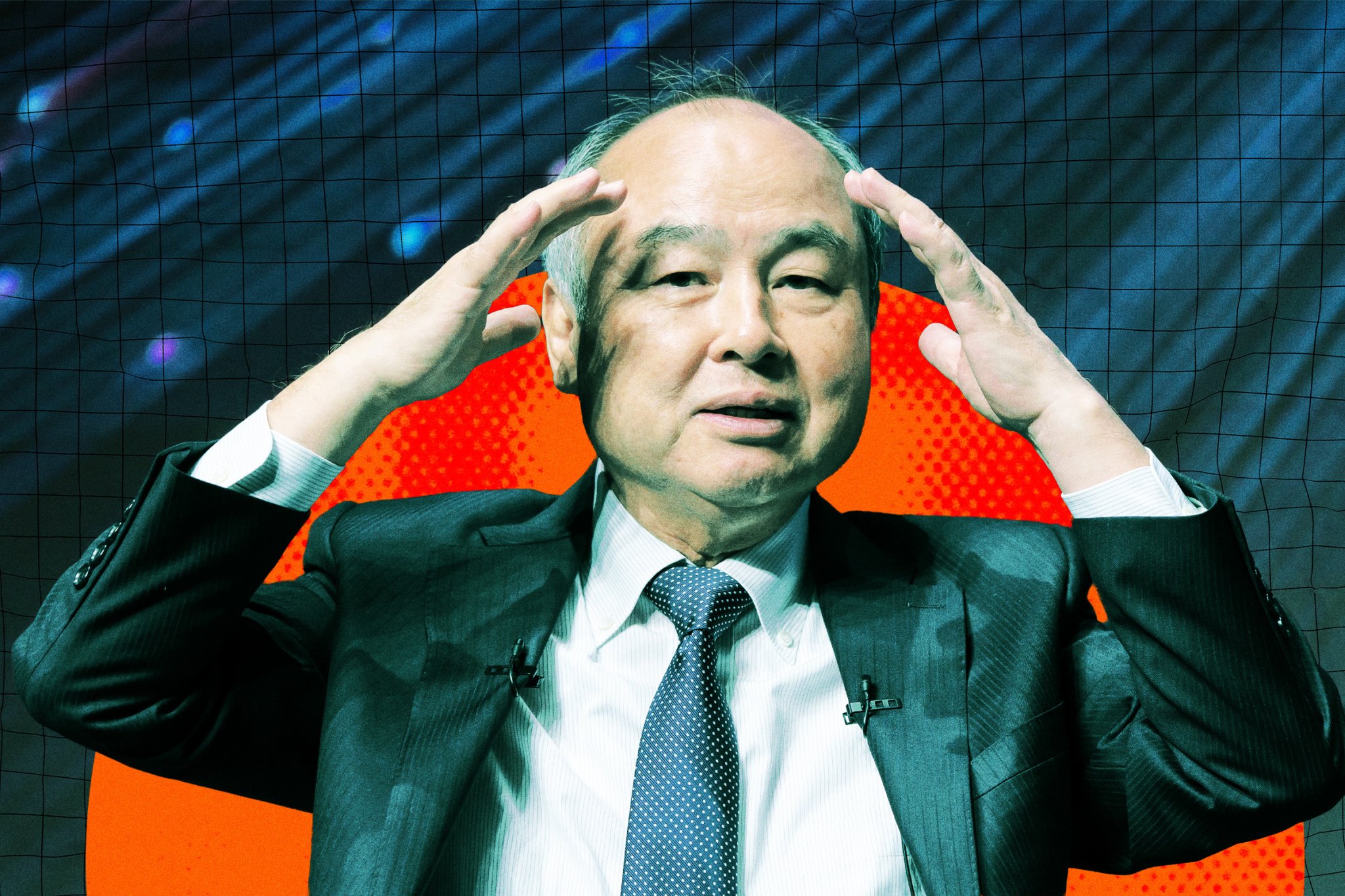
One man who isn’t swayed is Japan’s richest investment mogul, SoftBank CEO Masayoshi Son. Speaking at his company’s annual corporate conference in Tokyo, Son groused that any talk of an AI bubble is “absurd,” adding that he’s willing to waste trillions of dollars a year for decades if that’s what it takes to make AI a financial success.

“Asking if AI is a bubble is absurd. I don’t think people who ask that ‌question know ⁠what AI is about,” Son said to conference attendees, as Reuters reported. “Every year $5 trillion, or 800 trillion yen, you might ​think that’s a lie, but I am confident that’s what it will cost.”

Son has previously said he thinks it’s “blasphemy against AI if you say it’s a bubble,” claiming that the tech’s “potential will be unlocked.”

But whether the tech industry can ever make AI financially viable is a particularly sensitive issue for SoftBank. The investment bank has lavished ChatGPT maker OpenAI with nearly $65 billion so-far, a spend so enormous that it forced major credit ratings agencies to downgrade SoftBank’s standing over the last few months.

As S&P Global’s analysts wrote when they downgraded SoftBank’s outlook from “neutral” to “negative” in March, the “liquidity of SoftBank Group’s investment portfolio will worsen because OpenAI now accounts for a bigger share of it.”

In particular, S&P warned against the exact path CEO Son seems to be doubling down on.

“The additional investment will further reduce SoftBank Group’s financial capacity, in our view,” S&P’s credit report explained. “We estimate that the additional investment in OpenAI will knock nearly four percentage points onto the company’s [loan-to-value] ratio, worsening this key financial metric.”

These invectives evidently haven’t spooked Son, who once predicted that AI superintelligence would exist by 2035.

Now, he’s adding five years to that prediction: “The business model will be viable because by 2040,” Son said, “if AI revenue ​makes up 20 percent of global GDP, spending 800 trillion yen a year is a rounding error.”

More on AI: Americans Increasingly Alarmed About Tech Industry’s Looming AI Bubble

The post SoftBank CEO Says You’re Too Stupid to Understand What’s Going on If You Believe the AI Bubble Is Real appeared first on Futurism.

  •  

In Case You Still Think Insider Trading on Prediction Markets Isn’t Real, Trump’s Teleprompter Guy Just Got Busted for Getting Rich on Betting What He Would Say

Insider trading has long run rampant on prediction markets like Kalshi and Polymarket. We’ve seen shady accounts profit from accurately predicting the US invasion of Venezuela, resulting in arrests, or correctly guess everything that was going to happen at this year’s Super Bowl half-time show.

Now, in a particularly egregious instance of the worrying trend, president Donald Trump’s longtime teleprompter operator made tens of thousands of dollars by betting on Kalshi what the president would say, sources familiar with the matter told ABC News.

According to the sources, federal investigators with the Commodity Futures Trading Commission are in settlement talks with Trump’s technical assistant, Gabriel Perez, over allegations that he used inside knowledge to win more than $100,000.

That’s despite Trump being well-known for going on lengthy, off-script tirades during his infamously incoherent speeches.

Kalshi, which has started to crack down on insider trading, was alarmed by the activity.

“Our surveillance team promptly flagged and referred these trades to the CFTC, and we are cooperating and assisting regulators,” Kalshi’s lead lawyer, Bobby DeNault, told ABC in a statement.

Despite Trump being in the news today about manipulating markets by promoting companies on Truth Social, the White House claimed that it had “strict ethics guidelines that we expect all staffers and officials to follow.”

“The staffer in question is fully cooperating with the CFTC,” White House spokesperson Davis Ingle told ABC.

At the time of writing, Perez is still one of the president’s teleprompter operators, despite glaring evidence he was enriching himself on Kalshi. Given the Trump administration’s lengthy track record of throwing its staff under the bus following controversies, we wouldn’t be shocked to see the technical assistant get the axe sooner rather than later.

But we’re not holding our breath over any imminent federal rules and regulations aimed at prediction platforms.

Government insider trading allegations have plagued Trump’s second term. And Trump has long sided with prediction market companies in their fight with state gambling regulators. His family has extensive ties to the industry as well, with his son, Donald Trump Jr, serving as an advisor to both Polymarket and Kalshi.

Netizens were left shaking their heads following the latest revelation.

“Even his teleprompter guy is corrupt,” one user wrote on Bluesky.

“Feel like it’s been too long since there was a prediction-market scandal?” reporter Ben Horney tweeted. “You’re in luck.”

More on Kalshi: Kalshi Says It’s Busted a MrBeast Staffer for Insider Trading

The post In Case You Still Think Insider Trading on Prediction Markets Isn’t Real, Trump’s Teleprompter Guy Just Got Busted for Getting Rich on Betting What He Would Say appeared first on Futurism.

  •  

Prices Already Spiking at Trump’s Mysterious Gas Stations That Promised Cheap Fuel

Liberty-loving patriots who got themselves amped up about president Trump’s new gas stations are in for a rude surprise.

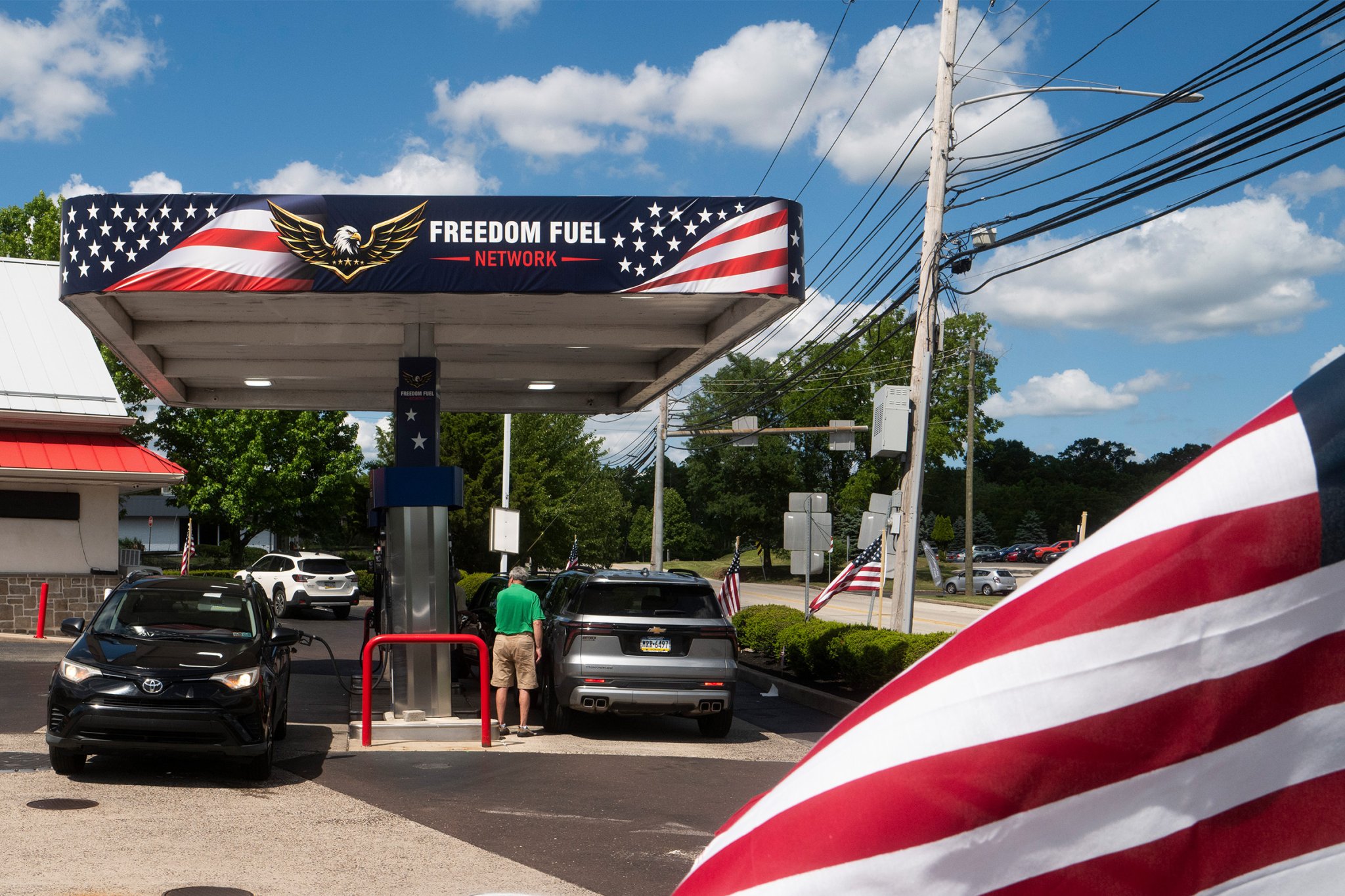
When the White House announced the “Freedom Fuel” network last week, it bragged that the price at the pump would be just $3.47 per gallon — in honor, of course, of “our 47th president.”

But using data on the gas price tracking platform GasBuddy, The Hill found that the locations had prices that were at least $3.57 per gallon, with multiple videos on social media reflecting the same.

Unless Trump is planning to be president again four decades from now, we’d say this attempt to glorify himself has missed the mark.

Though some Freedom Fuel prices are lower than the national average — which is hovering around $3.80, according to the AAA — they’re still fluctuating as much as what you’d see at a typical gas station. One location in New Jersey climbed past the national average to $3.89 on Wednesday, before falling again to $3.57. Some had prices as high as $4.49.

A White House representative acknowledged that Freedom Fuel wasn’t immune to the routine fluctuations of a volatile market, not to mention local pricing.

“The prices at the gas stations will fluctuate — possibly coming down even further — depending on the market and the location,” the representative told CBS News.

Experts have needled the stunt, convinced that it won’t work out in the long-term.

“Stations selling at this price, it’s not sustainable,” GasBuddy’s head of petroleum analysis Patrick De Haan told the Philadelphia Inquirer last week, noting rising crude oil prices after Trump rekindled aggressions with Iran. “Generally, when losses happen, somebody’s got to pay for it.”

How Freedom Fuel is subsidizing the cost of its cheap gas is unclear. What company is running the locations is equally opaque. Some customers said that the Freedom Fuel stations were simply existing gas stations that were rebranded.

If nothing else, it speaks to the chintziness of Trump’s self-aggrandizing projects during his second term in office. In his first year, he heavily promoted a meme coin owned by his family, the value of which immediately plummeted. He also tried to hype the launch his own “Trump Mobile” network by teasing a new purportedly made-in-the-US smartphone, which turned out to be a repackaged Chinese device.

More on finance: Trump Fans Confused by How Their Investments in His Crypto and Stock Are Now Worth a Tiny Fraction While He’s Getting Richer

The post Prices Already Spiking at Trump’s Mysterious Gas Stations That Promised Cheap Fuel appeared first on Futurism.

  •  

OpenAI Strikes Bold Deal With Kalshi to Mix Together the Most Hated Technologies in Existence: AI and Prediction Markets

Is it not enough to simply watch the beautiful game, unadorned?

These days you might use an AI chatbot to keep abreast of what’s happening in the World Cup. And that AI chatbot, in a sign of the times, might try to shove prediction market odds in your face as another way of ostensibly keeping you up to speed. Because are you really getting the full picture if you don’t know where a bunch of gamblers fall on the outcome?

This is exactly what OpenAI is doing. The Sam Altman-led company quietly struck a deal with Kalshi, which lets you bet on outcomes far beyond sports, to show its prediction market data in ChatGPT, the New York Times reported.

It’s perhaps the inevitable melding of two of the most divisive innovations to come out of the tech industry in recent years.

Searching France and Spain on ChatGPT ahead of their quarterfinal clash on Tuesday returned a graphic that showed that Les Bleus had a 60 percent chance of winning, according to the reporting. (We hope no one acted on that information.) Asking about the England and Argentina game on Wednesday showed that the Three Lions had a 54 percent chance of coming out on top.

Neither side promoted the deal, and the graphic is tellingly light on branding. There are no logos and no outbound links. The only sign of the collab is a small notice in the bottom left corner stating, “Source: Kalshi.”

This is the first partnership of its kind for OpenAI. The company recently updated its help page to stress that users “cannot place bets through ChatGPT,” with the Kalshi data being limited to “queries related to the 2026 World Cup,” according to the NYT.

Zooming out, it’s another sign of prediction markets laundering their image by glomming themselves onto other, more credible brands. In January, Kalshi partnered with CNN to provide its real-time prediction data on the news network’s broadcasts. Its rival Polymarket entered into a similar partnership with Dow Jones, the publisher of The Wall Street Journal, that same month. Both have also partnered with Google to show their data in search results.

Unlike traditional betting platforms, prediction markets don’t frame what they provide as gambling: they provide markets, not bets. They allow you to wager on all kinds of real-life events, ranging from the geopolitical outcomes to the completely trivial. Polymarket lets you bet on the destruction caused by wildfires and the use of nuclear weapons, for example, while also giving you the chance to make a buck on whether Cristiano Ronaldo will cry at the World Cup. (He did.)

Their fuzzy legal framework, plus their Wild West approach to gambling, has led to numerous controversies. Suspiciously timed bets on massive events like the US’s capture of ousted Venezuelan president Nicolás Maduro have raised concerns of rampant insider trading and put pressure on lawmakers to crackdown on the platforms. Arrests have been made in some cases, but these have been rare.

Put simply, for OpenAI, it may be somewhat risky to associate itself with all this baggage, which might be why the Kalshi collaboration is very limited — at least for now.

More on: Grim New Prediction Market Lets Gamblers Bet on Raging Wildfires

The post OpenAI Strikes Bold Deal With Kalshi to Mix Together the Most Hated Technologies in Existence: AI and Prediction Markets appeared first on Futurism.

  •  

The Economics of Data Centers Creating Jobs Are So Bad That They Sound Like a Joke

Whenever big data center developers roll into town, their pitch ends up sounding something like this: hand over your land and your resources, throw in a decade of government subsidies, and we’ll give your ailing little burg some jobs, tax revenue, and a shiny new facility to boost the local economy.

Sounds like a no-brainer, right? Not so fast, cowboy.

In theory, more tax revenue means money for schools, roads, and first responders. In practice, states and counties are waving those taxes in order to entice tech companies to set up shop — while existing campuses put major strain on local communities. One analysis found that Georgia, Virginia, and Texas each lose over $1 billion a year to state data center incentives, while at least fourteen states don’t even disclose data center tax breaks in the first place.

The down-stream impacts don’t really materialize either. Researchers at Georgia Tech found that in rural areas, data centers typically employ fewer than 100 permanent workers and are likely to import specialized services from outside the community.

While this can temporarily boost unemployment numbers, any broader, long-term impacts are not guaranteed and are highly dependent on local conditions. As the Georgia Tech researchers explain, “the sweeping job and wage growth often promised during local recruitment efforts is unlikely to arrive on its own.”

But the jobs creation claim is where the pitch really falls apart. In Iowa, the Cedar Rapids Economic Development Center recently disclosed that two ongoing data center projects — one for Google carrying a price tag of at least $576 million and another for Blackstone firm QTS starting at $750 million — are contractually required to create a combined minimum of just 61 permanent jobs.

In other words, for $1.3 billion in combined capital coming into the city, Cedar Rapids is only guaranteed 61 permanent positions, a spend of $21.3 million per job. That’s even worse than the $136 million Ark Data Center going up in Northeastern Ohio, which is projected to create a whopping ten full-time jobs when all is said and done.

And while Cedar Rapids brags that these developments will bring “thousands of construction and trade jobs,” that may not be to the city’s benefit. Not only are data center construction jobs temporary — and therefore highly dependent on the whims of notoriously unreliable data center developers — they’re also putting quite the squeeze on the construction market.

As a recent analysis by the firm Turner & Townsend found, the rush to build so many data centers has created a “two-speed construction market,” where top-dollar AI projects drive up costs for other developments like housing, while sucking up the skilled labor needed in other sectors.

That report found that 87 percent of global construction markets are experiencing shortages of mechanical, electrical, and plumbing (MEP) specialists, while the cost and lead-time of acquiring MEP components rises. That’s great news for MEP contractors, but the trade-off is higher costs for everything else we might want to build.

That’s before we even mention how disastrous data centers are for the environment — making it all the more insulting that taxpayers are forced to foot the bill for the tech industry’s vastly exaggerated promises.

More on data centers: The Pollution Being Churned Out by AI Data Centers Is So Severe That It’s Almost Incomprehensible

The post The Economics of Data Centers Creating Jobs Are So Bad That They Sound Like a Joke appeared first on Futurism.

  •  

CEO Pleads With AI Industry to Stop Charging So Much to Replace Human Labor

With each passing day without an AI labor revolution, the tech industry’s pricing scheme for AI is becoming more and more disconnected from reality — so much so that even its biggest clients are starting to revolt.

Speaking during an interview on CNBC‘s “Squawk on the Street” segment earlier this week, CEO of cybersecurity giant Palo Alto Networks Nikesh Arora implored the tech industry to lower the cost of AI.

During the segment, the chief executive argued that the cost to use large language models (LLMs) has to drop by 20 percent by 2027 — and 90 percent by 2028 — for the tech to be useful to enterprises.

“We need to see the pricing for AI come down,” Arora said.

Zooming out, Arora’s pleas for cheaper AI are instructive. For your average CEO, the ostensible value of any AI tool is in its ability to automate human workers and either slash payroll costs or keep them low — hence the trillions of dollars capitalists have poured into the industry.

There’s just one problem: AI, or more specifically, LLMs, can’t seem to make automation happen in an effective way, and some argue they never will. Instead, AI has largely become a tool to discipline labor, to squeeze more work out of every worker and keep margins high.

Unfortunately for the CEOs of the world, the rising cost of AI threatens to disrupt even this less-than-optimal arrangement.

Approaching the issue from the opposite end — though without the drama of a CEO experiencing buyer’s remorse — is tech critic Ed Zitron. In a separate interview with the same CNBC panel, Zitron argued that the AI industry is a “$10 to $30 billion [total addressable market] industry pretending to be a $1 trillion one.”

The critic’s diagnosis is essentially the same: the tech industry’s pricing assumes a level of AI demand and value creation that doesn’t exist. The difference between the two is that Arora needs that to change in order to justify his outrageous AI bill, forcing a confession in line with one of the tech industry’s fiercest critics.

More on AI: Companies That Embraced AI Are Now Rotting Away in a Very Specific Way

The post CEO Pleads With AI Industry to Stop Charging So Much to Replace Human Labor appeared first on Futurism.

  •  

Energy Transition Impacts: Sector and Country Impacts from a Demand-Driven Model

The global economy has reached the “messy middle” of the energy transition where renewable energy and electric vehicles are prevalent enough to affect the demand for fossil fuels without entirely displacing them. This introduces new tensions and volatilities to established industries from energy to transport and countries from Canada to Indonesia.
  •  

Competitiveness, Cost and Climate: Five Themes From the BNEF Summit Amsterdam

The US energy landscape is changing quickly. Demand for artificial intelligence is driving up power demand while electric vehicle (EV) adoption slows down and enters a more complex phase. Together, these trends are reshaping how utilities, policymakers, financiers and automakers respond to emerging challenges in the energy sector.
  •  

‘Mega-consumers’ of food and energy cost environment $5.7tn a year, study finds

Top 10% generate climate and biodiversity damage bill that exceeds economies of most countries, say researchers

The environmental damage bill racked up by the highest-consuming 10% of the world’s population has reached up to $5.7tn a year – larger than the economy of every country except the US and China, a study has found.

Mega-consumers in this group are concentrated in the global north, accounting for more than half the population of the US and 40-45% of people in the EU.

Continue reading...

© Photograph: Francis R Malasig/EPA

© Photograph: Francis R Malasig/EPA

© Photograph: Francis R Malasig/EPA

  •  
❌