❌

Reading view

'We were genuinely surprised': 'Superworms' can clean extremely delicate skeletons lickety-split, and that's a game changer for museums

The skeleton of a wolf or bat you admire at the natural history museum may look pristine, but it wasn't always that way β€ͺ—‬ there's a good chance flesh-eating beetles helped prepare those bones for display. For decades, many museums have relied on colonies of dermestid beetles to strip soft tissue, like skin and muscles, from skeletons. Unlike the harsh chemicals that would otherwise be used for bone preparation, these beetles can be gentler and clean hard-to-reach areas. But these colonies are a hassle to keep up, and escaped beetles can even be dangerous for valuable museum specimens that don't need their skin removed. Now, researchers may have found an even better biological cleanup crew.

In a new study published July 1 in the journal PLOS One, scientists found that superworms (Zophobas morio) β€” large beetle larvae commonly sold as pet food β€” can clean skeletons just as effectively while offering practical advantages. The larvae removed soft tissue from animals ranging from tiny bats to a 9-pound (4.2 kilograms) wolf without damaging even the most delicate bones.

Two of the paper's authors, Niloofar Alaei Kakhki, a postdoctoral researcher at the State Museum of Natural History Stuttgart in Germany, and Morteza Monfared, a researcher at the Ferdowsi University of Mashhad in Iran, answered our questions via email about what makes superworms unique and how they could be used in laboratories and museums.

Kenna Hughes-Castleberry: Why are these critters called "superworms?" What makes them different from other beetle larvae?

Niloofar Alaei Kakhki and Morteza Monfared: Compared with the larvae of many other beetles, Zophobas morio larvae are much larger, which is one of the reasons they are so effective at removing soft tissue from bones.

What makes them truly unique, however, is their life cycle. Most beetle larvae pupate automatically once they reach the appropriate size. In contrast, superworms require an additional trigger: They must be isolated individually before they will pupate and develop into adult beetles. As long as they remain together in crowded conditions, they stay in the larval stage for several months.

This characteristic provides a major advantage for skeleton preparation. Because the larvae remain larvae for an extended period, they can be used repeatedly for cleaning specimens without rapidly developing into adult beetles. After each cleaning cycle, they can simply be fed a vegetable-based diet, allowed to recover, and then used again.

This also makes them safer than beetles commonly used for skeleton preparation, such as Dermestes. Adult dermestid beetles can reproduce, and females may lay eggs on β€ͺ—‬ or even inside β€ͺ—‬ skeletal specimens. If eggs or larvae are accidentally introduced into museum collections, they can become a serious pest and damage valuable specimens. Since superworms do not develop into adults unless they are intentionally isolated, this risk is greatly reduced, making the method safer for museum collections.
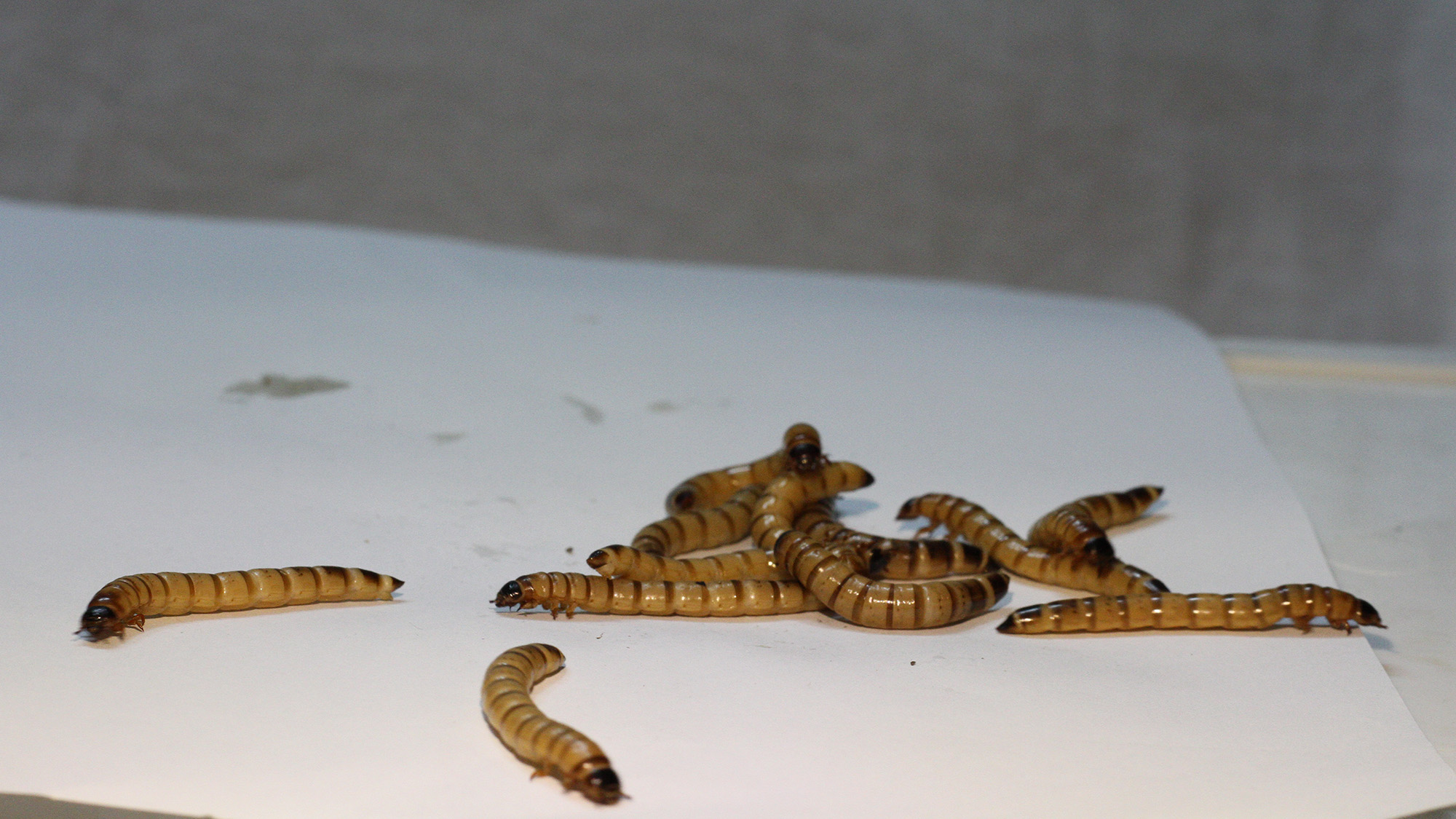
A close up of a series of brown worms on a white piece of paper.

A group of superworms in their larval stage. (Image credit: Niloofar Alaei Kakhki and Morteza Monfared)

KHC: How did you figure out that the worms could clean the skeletons? Was that surprising?

NAK and MM: Several years ago, we started keeping a colony of Zophobas morio larvae (superworm) as live food for birds. As bird-watchers, we were often asked to help care for injured wild birds, so maintaining our own colony was more practical than purchasing larvae repeatedly. We fed the larvae mainly with vegetable scraps, such as cucumber, potato and banana peels.

One day, we ran out of vegetable waste. After lunch, we placed a leftover chicken bone with a small amount of meat still attached into the colony. To our surprise, the larvae gathered around it almost immediately and removed the remaining tissue with remarkable speed. Watching hundreds of larvae work together so efficiently was fascinating, and it immediately made us wonder whether they could be useful for something beyond animal feed.

At the same time, we were volunteering at the Zoology Museum of Ferdowsi University (ZMFUM), where preparing skeletal specimens was one of our regular responsibilities. We had experience with conventional preparation methods, including manual cleaning, boiling and burial. Although effective, these methods were often time-consuming and carried the risk of damaging delicate bones or losing small skeletal elements.

After observing how efficiently the larvae cleaned the chicken bone, we decided to test whether they could also prepare skeletal specimens. The first trials were remarkably successful. Within only a few hours, the larvae removed the soft tissues while leaving even delicate bones intact. Seeing the quality of the cleaned specimens was genuinely surprising and convinced us that this approach had real potential.

From that point on, whenever suitable animal specimens became available, we continued testing the method under different conditions, gradually refining it and optimizing the protocol. Over the following years, these observations evolved into the standardized, efficient and safe skeleton preparation method presented in our study. Yes, we were genuinely surprised. We already knew that superworms could consume a wide variety of organic materials, but we did not expect them to clean skeletons so quickly, so thoroughly, and with so little damage to even the most delicate bones.
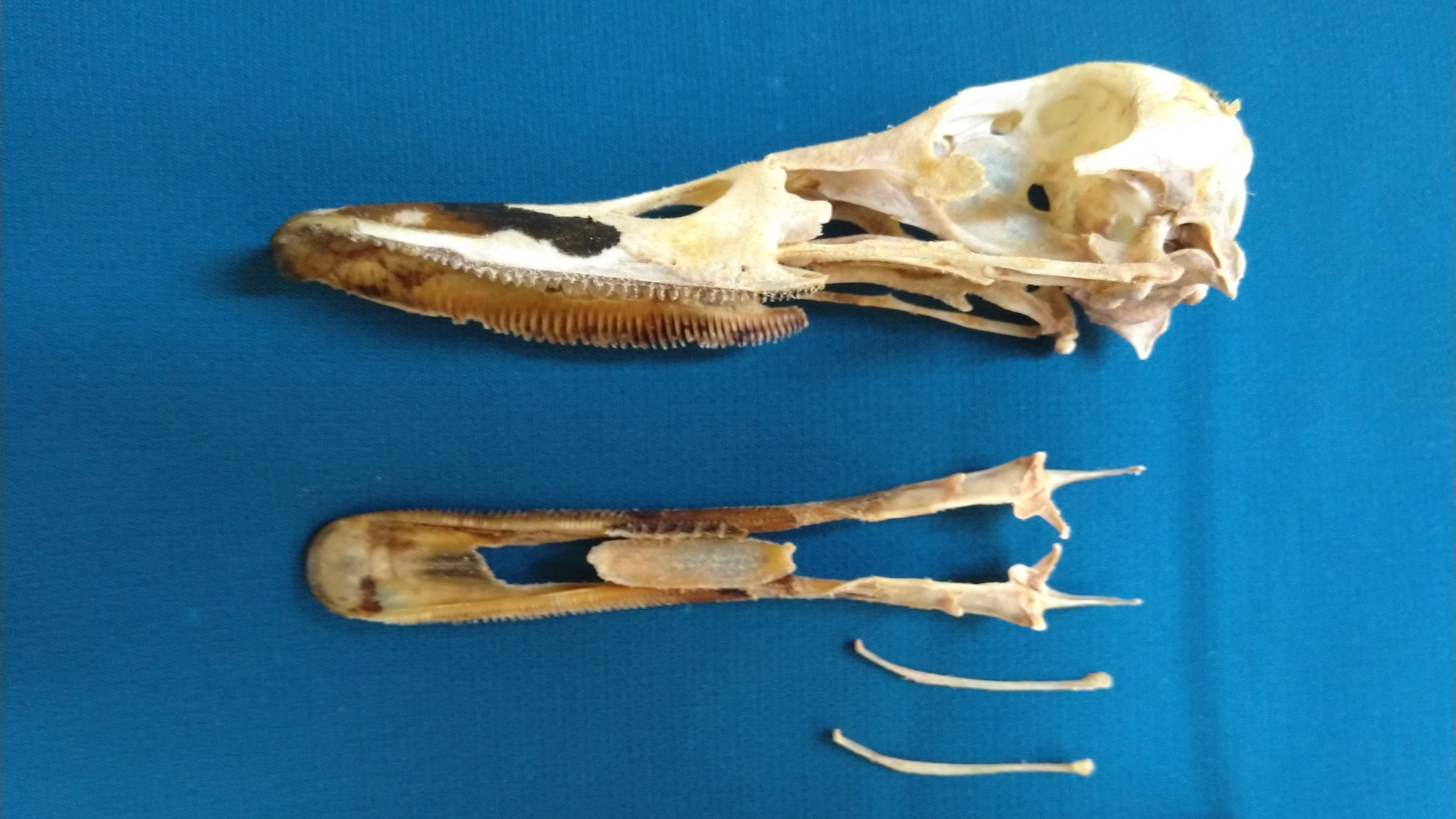
A close up of two halves of a bird skull with delicate white bones next to it against a blue background

A delicate bird skull after being cleaned by superworms. (Image credit: Niloofar Alaei Kakhki and Morteza Monfared)

KHC: How do these superworms compare to other skeleton-cleaning products, like chemical cleaners? Are the worms better or worse at this task?

NAK and MM: Based on our experience, superworms offer several important advantages over existing skeleton preparation methods.

Compared with dermestid beetles, one of the biggest advantages is colony management. Because superworms only pupate when they are isolated individually, their life cycle can be controlled much more easily. As long as they are kept together, they remain as larvae and continue cleaning specimens. This greatly reduces the risk of accidentally introducing adult beetles or their eggs into museum collections, which is a major concern when working with dermestid beetles.

Compared with traditional methods such as boiling, manual cleaning or burial, the larvae also save a great deal of time and effort. Manual cleaning, especially for delicate specimens, can take many hours and always carries the risk of breaking or losing small bones. In contrast, the larvae can remove soft tissues efficiently while preserving even fragile skeletal elements.

Every preparation method has its own strengths and limitations, and the best choice depends on the type of specimen and the goals of the researcher. However, based on our experience using a wide range of preparation techniques, we believe that superworms provide an efficient, safe and practical alternative for many museum and research applications.

Rather than replacing every existing method, we see this technique as a valuable new tool that museums, universities and research laboratories can adopt and adapt according to their own needs.
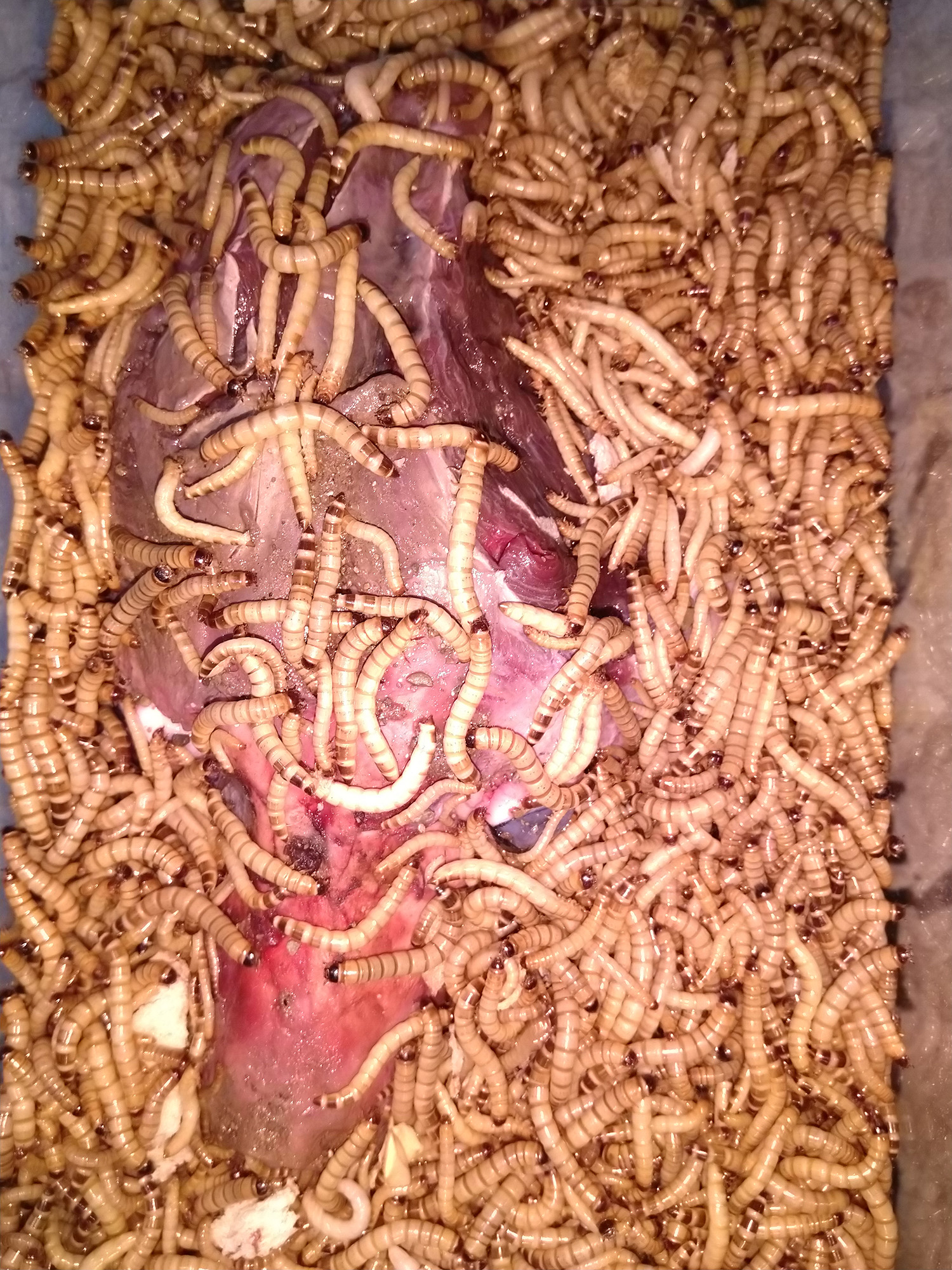
A red skull is half covered by brown worms.

A wolf skull being "cleaned" by superworms. (Image credit: Niloofar Alaei Kakhki and Morteza Monfared)

KHC: On average, how much does it cost to use the worms?

NAK and MM: It is difficult to estimate an average cost because prices vary considerably between countries and suppliers. Rather than the initial purchase price, the long-term maintenance cost is what makes this method attractive.

A colony can be established from a relatively small number of superworms. Once the larvae reach the appropriate stage, a portion of them can be isolated to pupate and develop into adult beetles. These adults reproduce and generate new larvae, allowing the colony to become self-sustaining over time.

The equipment required is also quite simple. The colony can be maintained in plastic or glass containers with wheat bran as the bedding, at approximately 25 degrees Celsius [77 degrees Fahrenheit]. Between skeleton preparation cycles, the larvae can be fed inexpensive vegetable scraps, allowing them to recover before being used again. Larvae can remain in the larval stage for several months, meaning the same colony can be used repeatedly.

Another advantage is that the colony size can easily be adjusted to meet the needs of different users. A museum or laboratory processing a large number of specimens can maintain a larger colony, while smaller collections can operate with far fewer larvae.

Overall, we find the method is relatively inexpensive to establish and maintain, especially when compared with the time, labor and specialized facilities often required for traditional skeleton preparation methods.

KHC: Do you envision museums and laboratories implementing these superworm cleaners in the future? Why or why not? Is the cost worth it?

NAK and MM: We believe this method has the potential to be adopted by many museums, universities and research laboratories, particularly those that regularly prepare skeletal specimens.

One of its greatest advantages is that it combines efficiency, safety and relatively low operating costs. Compared with some traditional approaches, it requires only basic equipment and does not rely on expensive chemicals or specialized enzymatic treatments. This makes it especially attractive for smaller museums and institutions with limited resources.

We also see advantages in terms of colony management. Because the life cycle of superworms can be controlled, the risk of introducing damaging museum pests is much lower than with some other biological cleaning methods. At the same time, the larvae can be reused repeatedly over several months, making the system practical for long-term use.

Ultimately, whether this method is worthwhile depends on the needs of each institution. However, based on our experience, we believe it offers an excellent balance between cost, efficiency, safety and specimen quality. Perhaps one of the most rewarding aspects of this approach is that it works with a natural biological process rather than against it. Instead of relying on harsh treatments, the soft tissues become a food source that supports the growth of another organism, creating a sustainable cycle while producing clean skeletal specimens. We believe this is one of the most appealing aspects of the method.
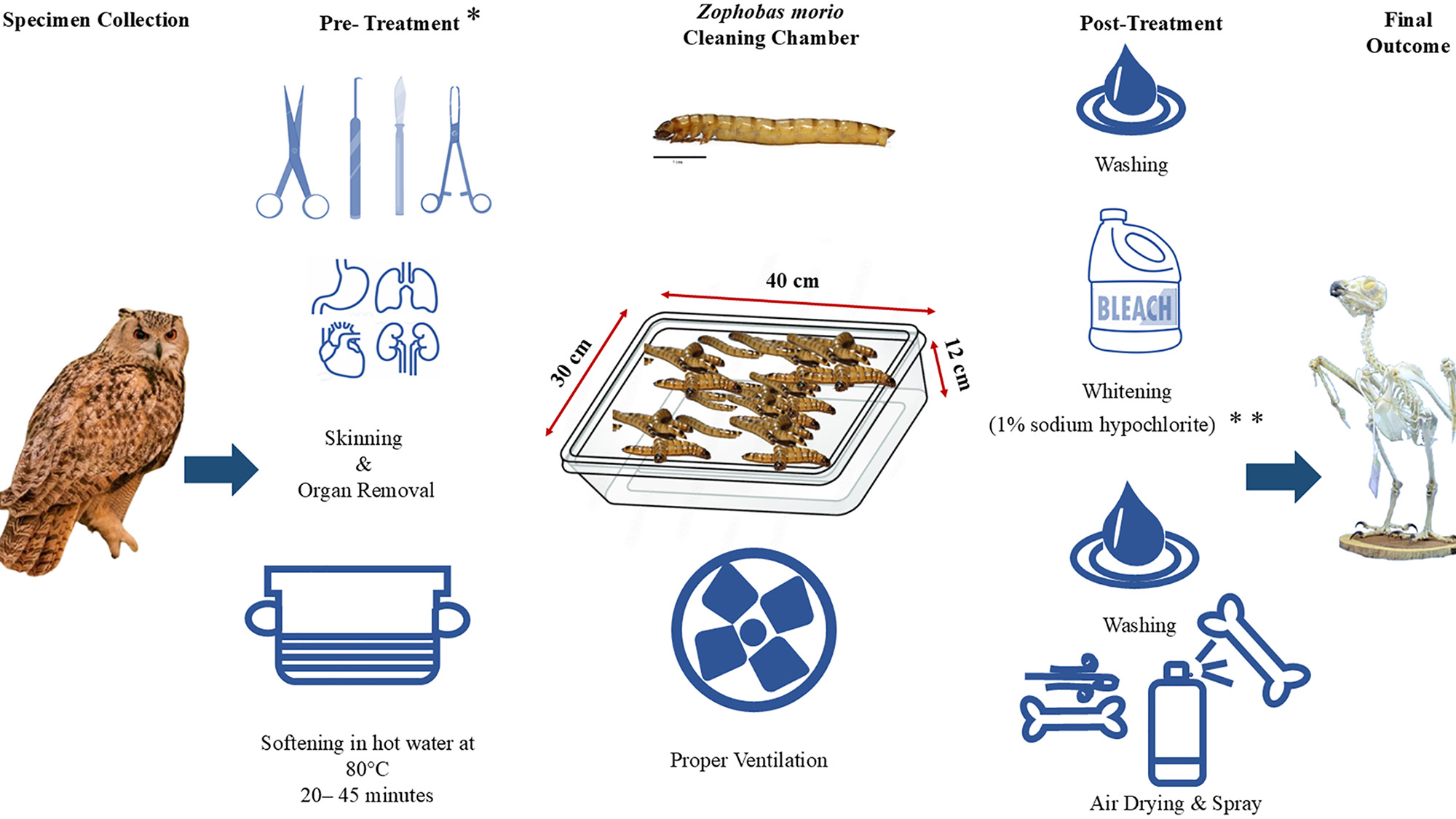
A diagram showing several steps for cleaning an owl skeleton.

A diagram showing how the worms could be implemented in skeleton preparations. (Image credit: Rastekar et al., 2026, PLOS One, CC-BY 4.0)

KHC: Are there any fun stories from your research you can share?

NAK and MM: We have collected quite a few memorable stories over the years!

One of the funniest happened while we were experimenting with burial as a skeleton preparation method. We buried the head of a Persian onager (Equus hemionus) on the university campus. Unfortunately, the specimen had already begun to decompose and had a very strong smell. Even after it was buried, we knew exactly where it was because that part of the campus still smelled terrible. We avoided walking past it whenever possible, but anyone who happened to pass by immediately noticed the odor. At one point, campus security even came over to ask what we were doing, probably wondering why we were digging a hole and burying something on university grounds!

Another memorable story involved our superworms colony itself. In the early days, we kept the larvae in our office at the Zoology Museum (ZMFUM). Almost everyone who entered the room was startled by the sight of thousands of large larvae constantly moving around in their containers. Many people kept their distance at first. But over time, as we explained their biology and demonstrated how useful they were for our research, people's reactions changed. Some visitors even became genuinely interested in the colony, and a few who were initially afraid eventually asked to hold the larvae themselves.

Those moments reminded us that science is not only about experiments and data; it can also change the way people think about animals that are often misunderstood.

KHC: If there's one thing you want our readers to take away from your work, what would it be?

NAK and MM: If there is one message we hope readers take away from our work, it is that nature often has far more to offer than we initially realize.

Many organisms are known for a single, well-established application. Zophobas morio, for example, is widely recognized as animal feed and, more recently, for its ability to consume certain plastics. Our work shows that the same species can also provide an entirely different and unexpected solution to a practical problem in museum science.

This reminds us that the first known application of an organism is not necessarily its most valuable one. Sometimes, its second or even third application can have an even greater impact. Discovering those possibilities begins with curiosity, careful observation and a willingness to ask new questions.

This interview has been edited for length and clarity.
  •  

What is the roundest animal?

Animals come in a wide range of shapes and sizes, from spindly stick insects to blubbery whales. Round animals are harder to come by, but they're more common in the ocean than on land. So what is the roundest animal, and why are round animals uncommon?

At a glance, round animals might not seem that out of place on land. After all, small mammals like rabbits and pikas often look a bit spherical when their fur is puffed out and they're sitting. But Chris Law, an evolutionary biologist at the University of Washington in Seattle, said this shape is mostly an illusion.

"They're physically not as round as they appear to be," he told Live Science.

A sphere has the lowest surface-area-to-volume ratio of any shape, which is ideal for heat conservation. Law said the ability to curl or scrunch into a sphere can be essential to the survival of small animals, which lose heat more quickly than larger animals do.

Three images side by side showing round furry rodent-like animals.

Some small and furry mammals like the cotton-tail rabbit, Ezo flying squirrel and northern pika make look spherical when they're scrunched up and sitting down, but in reality they're not as physically round as they appear to be. (Image credit: Chris Rogers/Satoru S/feathercollector via Getty Images)

Rolling into a circle can also offer protection. To safeguard their vital organs, animals like armadillos and hedgehogs roll into balls when threatened, leaving only their armor or spikes exposed to predators. But when you look at the skeletons of these supposedly round critters and their shape when they're not scrunched up, they aren't round at all, Law said.

Sign up for our newsletter

Life's Little Mysteries logo with a question mark in a magnifying glass

(Image credit: Marilyn Perkins / Future)

Sign up for our weekly Life's Little Mysteries newsletter to get the latest mysteries before they appear online.

In fact, there are several reasons why round creatures are rarely found on land. Being perfectly round all the time would make it difficult to fit into small spaces, which is a key survival technique for avoiding predators, he added, and with the effects of gravity, having a lot of unsupported round mass puts strain on an animal's body. Overly round mammals, like obese cats and dogs, often suffer joint issues and other health problems.

"As a round animal, you're probably going to lose mobility, and you're going to be picked off by predators pretty easily," Law told Live Science.

There are exceptions, however. For example, beetles are small enough not to be affected as much by gravity and can fit into nooks and crannies without much wiggling. Their round shape coupled with their hard carapace makes them more difficult for predators to eat. And rain frogs puff up into a round shape to keep predators from removing them from their hiding spots.

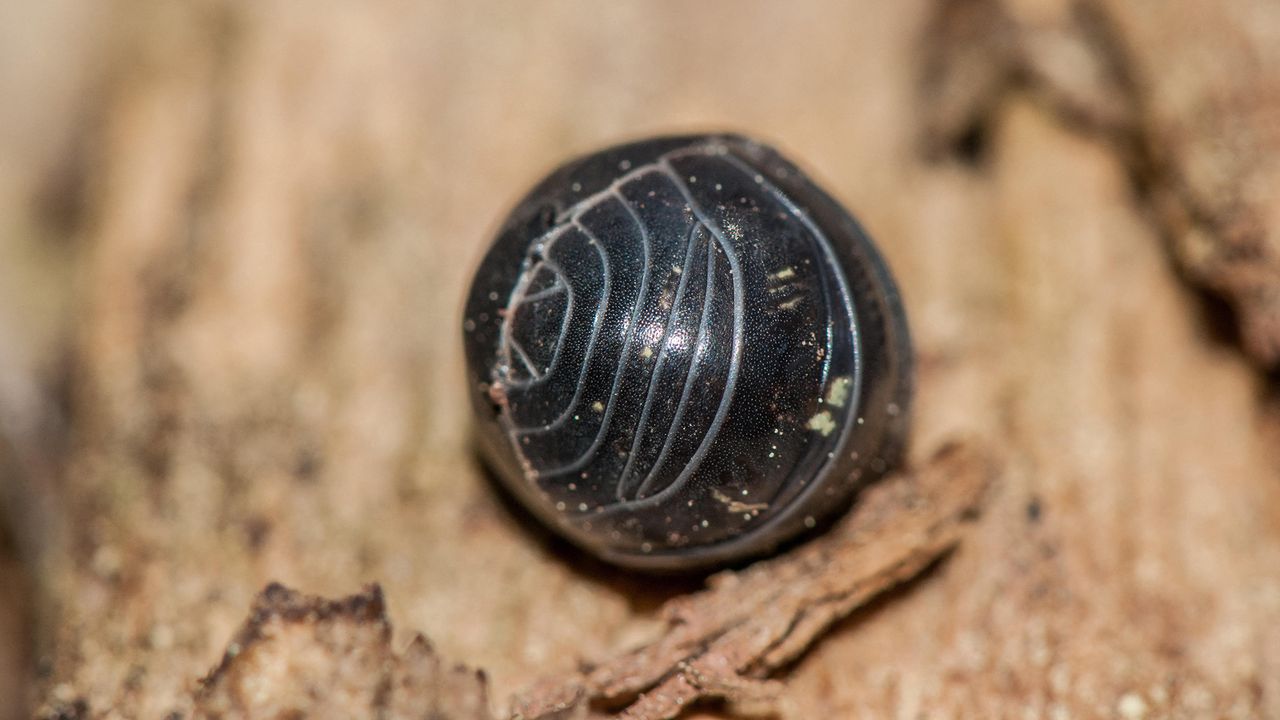
If we're counting animals that are only round sometimes, then pill bugs (also known as rolly pollies) might take first place for the roundest land animal. But if not, rain frogs, and beetles like ladybugs, are the top contenders for the roundest land animal. But even these animals aren't perfectly round; ladybugs have flat bottoms to make it easier to move around, and rain frogs are less spherical when not puffed up.

Round sea animals

Being round at sea is a little more feasible than it is on land. In fact, sometimes, it's critical to survival.

Karly E. Cohen, a biomechanist at Friday Harbor Labs in Washington, studies lumpsuckers, a type of fish she describes as "quite round." These bulbous fish have suction cups made of enamel on their stomachs, which they use to latch on to surfaces at the bottom of the ocean. Lumpsuckers have armor, also made of enamel, covering their round shape. According to Cohen, lumpsuckers' roundness plays a huge part in keeping them attached to the seafloor or other surface. The curve of their bodies, coupled with the tooth armor, modifies the drag around the animal, creating a force that pushes them down rather than shooting them into the water column.

A close up of a small round fish on a rock.

A lumpsucker sits on a rock. These animals use their enamel armor and their round shape to stay anchored to the ocean floor. (Image credit: MWCPhoto via Getty Images)

Although gravity still works underwater, buoyancy helps push objects up, meaning the effects of gravity do not feel as strong at sea as they do on land. According to Cohen, lumpsuckers can get around just fine, if a bit more slowly than their more streamlined neighbors. And like pufferfish and porcupine fish, lumpsuckers' round shape and uninviting exterior make them tough to swallow β€ͺ—‬ literally.

"There's no real good way to eat an apple whole; you have to take a bite," Cohen told Live Science. "And then this thing is armored, so it's very hard to take a bite."

All about symmetry

Despite their spherical shape, lumpsuckers don't quite win the award for the roundest animal. Lumpsuckers, like most animals, have bilateral symmetry, which means they are divided into two symmetrical sides across one plane of symmetry. But there are animals that have radial symmetry, which means they are symmetrically arranged in a circle around a central point with multiple planes of symmetry.

Echinoderms β€ͺ—‬ which include sea stars, sea urchins and sand dollars β€ͺ—‬ have pentaradial symmetry, which means they have five planes of symmetry arranged around a central point. According to Laurent Formery, a developmental biologist at the Oceanological Observatory of Banyuls-sur-Mer in France who studies echinoderms, scientists aren't entirely sure of the benefits of pentaradial symmetry or why echinoderms are the only modern animals that have it.

However, Formery thinks being divided into five sections instead of two may give echinoderms better sensory perception than bilaterally symmetrical animals. Echinoderms have decentralized nervous systems, meaning that instead of a brain, they have a series of neurons distributed evenly across their body, and photoreceptors all over their skin.

"They are kind of like a big crawling eye and brain, so they are receiving information from everywhere," he told Live Science. "They have a completely different way, that is difficult for us to imagine, of interacting with their environment."

A close up of a spiny sea urchin on the sandy sea floor.

An urchin in the genus Histocidaris. Underneath their spines, sea urchins are almost perfectly spherical. (Image credit: Volgi archive via Alamy)

Because of this unique organization, radially symmetrical animals can sense predators from any direction. They can also easily switch which segment of their body is in the lead, making it easier for them to change directions to capture prey.

Discounting their spikes, certain species of sea urchin are almost perfectly spherical. Like lumpsuckers, sea urchins' spherical shape, coupled with their spines, makes them difficult meals for predators, Formery said. Sponges lack any symmetry, so they can develop all sorts of body shapes. One species, called the death ball sponge, looks like a Sputnik lamp, with many hook-covered spheres attached to its spindly "arms."'

Under the sea, urchins in the genus Histocidaris, like Histocidaris purpurata and Histocidaris formosa, are the closest to perfect spheres, making them the top candidate for roundest animal.

Although roundness might be uncommon in the animal kingdom, Cohen said it's fascinating to study these animals and the reasons for their adaptations.

"As somebody that's interested in the tools and ways organisms work in their environments," she said, "they're a real treasure trove of evolution."

What do you know about the animal kingdom? Test your knowledge with our animal quiz!

  •  

Epigenetic mechanism explains how some plants cope with salt stress

Due to artificial irrigation and rising temperatures, the concentration of salts (including sodium chloride, or "table salt") is increasing in soils worldwide. This is not only an environmental problem but also a challenge for agriculture. For example, increased salinity can disrupt the water balance of most plants (known as glycophytes) or even lead to their death, including crops.

  •  

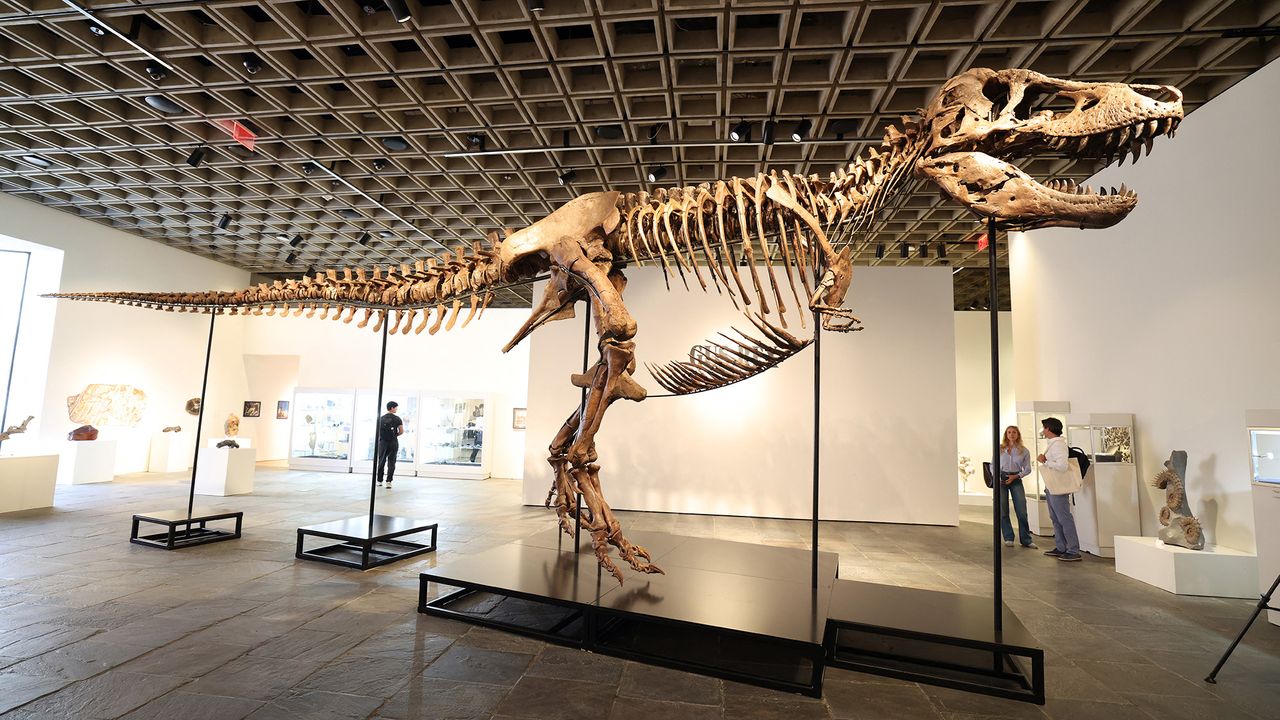
'Another dinosaur has entered the luxury collectibles market': Gus the T. rex just sold for $50 million. Here's what its loss means to science.

On July 14, 2026, "Gus," one of the most complete specimens of Tyrannosaurus rex, went to an as yet unidentified buyer for US$50.1 million. This auction at Sotheby's set a record for most valuable fossil ever sold. Another dinosaur has entered the luxury collectibles market, a reminder that even Earth's deepest history can be sold to the highest bidder.

To paleontologists like me, however, a fossil like "Gus" β€” excavated from the Hell Creek Formation in South Dakota over three years starting in 2021 by commercial collector Thomas Heitkamp and his team β€” is not a trophy or a work of art. It is an irreplaceable scientific archive. Fossils preserve evidence of evolution, extinction, growth, disease, injury and ancient ecosystems. They are finite, nonsubstitutable records of life’s history on Earth.

Science depends on independent verification of claims and healthy debate. Researchers must be able to revisit specimens, test earlier conclusions and ask new questions.

But once a scientifically important fossil enters a private collection, access for researchers is no longer guaranteed. Collectors typically sequester their fossils in their homes. Even when privately owned specimens are loaned to museums, the owners can change their minds, ending access at any time. This issue is especially of note when it comes to Tyrannosaurus rex; a 2025 study found that while there were 61 T. rex fossils in public trusts at that time, 71 were privately held.

That is why the Society of Vertebrate Paleontology, of which I'm a long-term member and president-elect, has long argued that scientifically significant vertebrate fossils belong in the public trust, curated in museums and universities that preserve them permanently, make them available for research and share them with the public.

Finding a fossil

Supporters of commercial fossil sales often argue that without sales to private collectors, specimens like "Gus" would remain buried or erode away. They’re right about one thing: Discovery matters. Many extraordinary fossils have been found by ranchers, hikers, amateur collectors and commercial excavators. Paleontology is accessible to everyone who has an eye for observing nature β€” you don't need to be an expert with academic credentials to make an important discovery.

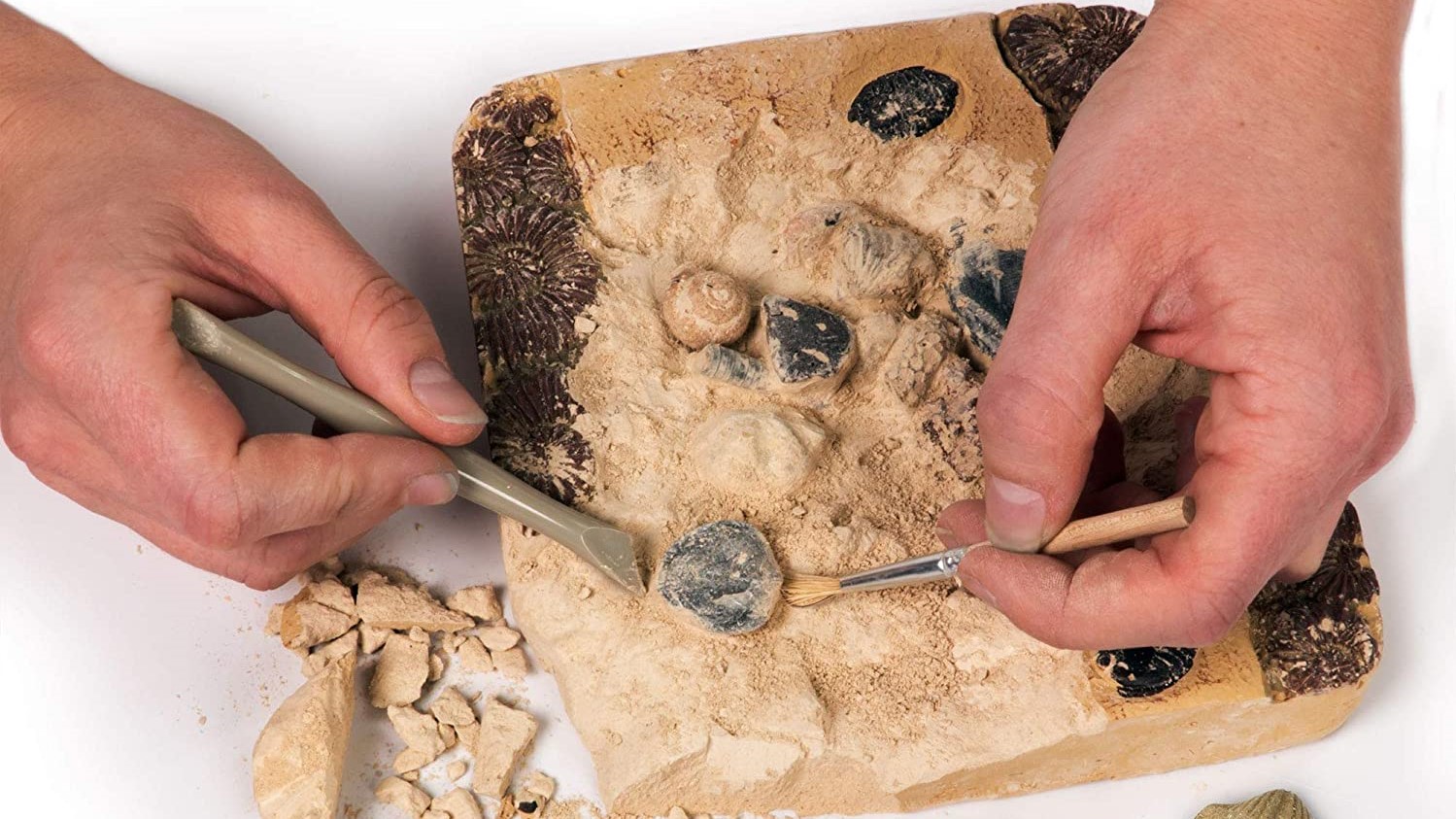
A close up of a person's hands unearthing rocks from a tan block

Fossil kits are sold on Amazon and other online retailers, encouraging curiosity in budding paleontologists. (Image credit: Amazon)

But discovery is only the beginning. A fossil's scientific value depends on careful documentation of where it was found, the rocks surrounding it, and the plants and animals preserved alongside it. Those details allow scientists to reconstruct ancient ecosystems, understand how an animal lived and died, and interpret how its remains became fossilized. When that contextual information is incomplete or lost, much of the fossil's scientific value is lost as well.

Yet even discovery, excavation and publication barely scratch the surface of a fossil's scientific importance. The greatest scientific value of a specimen often comes decades later, when researchers ask new questions and apply new technologies that earlier generations never imagined. A specimen that seems fully studied today may yield surprising new information tomorrow, but only if it is still available for study.

Delayed discoveries

Consider the iconic dinosaurs, including T. rex, Triceratops, Diplodocus and Stegosaurus, first collected more than a century ago. Early paleontologists could describe their shapes but had no way to dig deeper by peering inside the bones. Because those specimens were preserved in museum collections, later generations could revisit them with technologies that didn't exist when they were discovered.

Paleontologist Larry Witmer and his collaborators at Ohio University started using CT imaging 20 years ago to reconstruct the internal anatomy of historic dinosaur fossils without damaging them, based on how X-rays travel through specimens. Brain cavities, inner ears, air spaces, nerves and blood vessels became visible for the first time, revealing how dinosaurs balanced, heard, smelled and perceived their world.

Henry Fricke, Thomas Cullen and other geochemists have used isotopic signatures preserved in fossil teeth and eggshells to reconstruct dinosaur diets, migration patterns and body temperatures. This research has revealed how dinosaurs lived: what they ate, how they moved through ancient landscapes, and even how warm their bodies were.

More recently, molecular paleontologist Jasmina Wiemann and her collaborators have identified chemical traces preserved in fossil bone, eggshell and skin that reveal aspects of dinosaur biology unimaginable even a generation ago. Until now, paleontologists had no way to know details about metabolic rates and reproduction or the colors of skin, feathers and eggs.

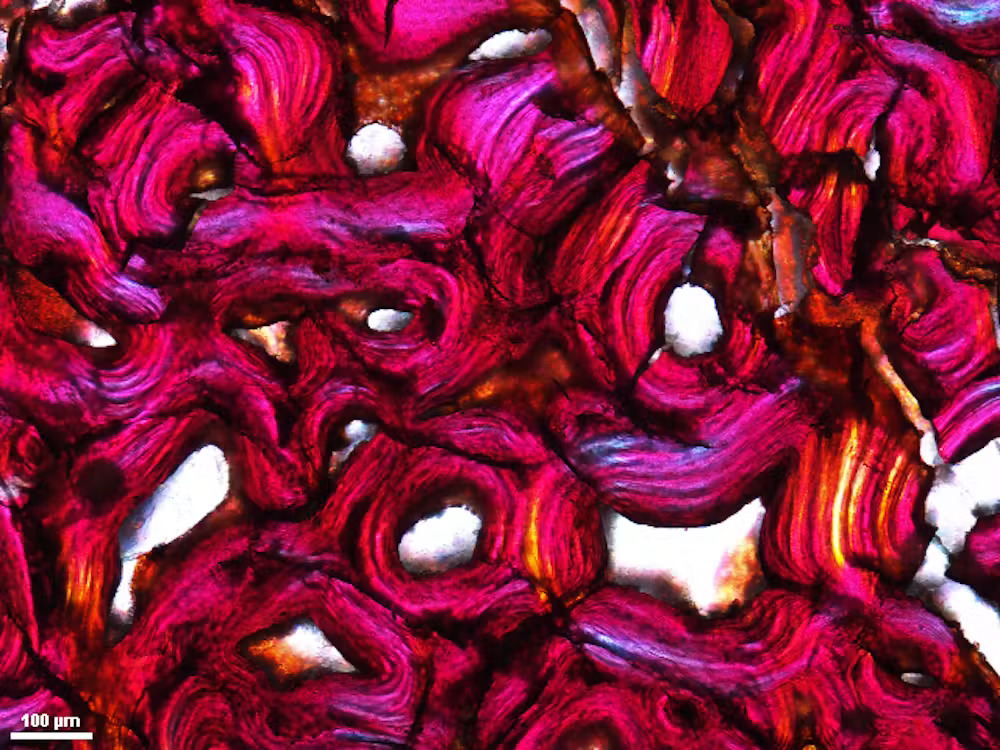
A close up of red cells under a microscope

A thin section of aΒ DiplodocusΒ femur reveals the microscopic architecture of the bone, preserving a record of the animal's growth and life history.Β  (Image credit: Kristina Curry Rogers)

In my own research I use microscopes to uncover the hidden stories preserved inside dinosaur bones and teeth. Thin sections of fossil bones reveal that dinosaurs grew more like mammals and birds than like oversized reptiles. Microscopic modifications to bones capture traces of ancient scavenging, and tiny signatures deep inside baby dinosaur bones indicate the moment of hatching.

None of these discoveries would have been possible if the original fossils had vanished into inaccessible private collections.

Shared natural heritage, on the auction block

Fossils are not static objects whose scientific value is exhausted once they are described. Their value grows as science advances, but only if future researchers can continue to examine the original specimens.

Of course, sometimes dinosaur fossils are rescued from obscurity through purchase and immediate deposition or donation to natural history museums. Some of the world's most important dinosaur fossils are accessible today because individuals, companies or organizations with the means to acquire extraordinary specimens recognized that they belong where scientists can continue to study them and where future generations can learn from them.

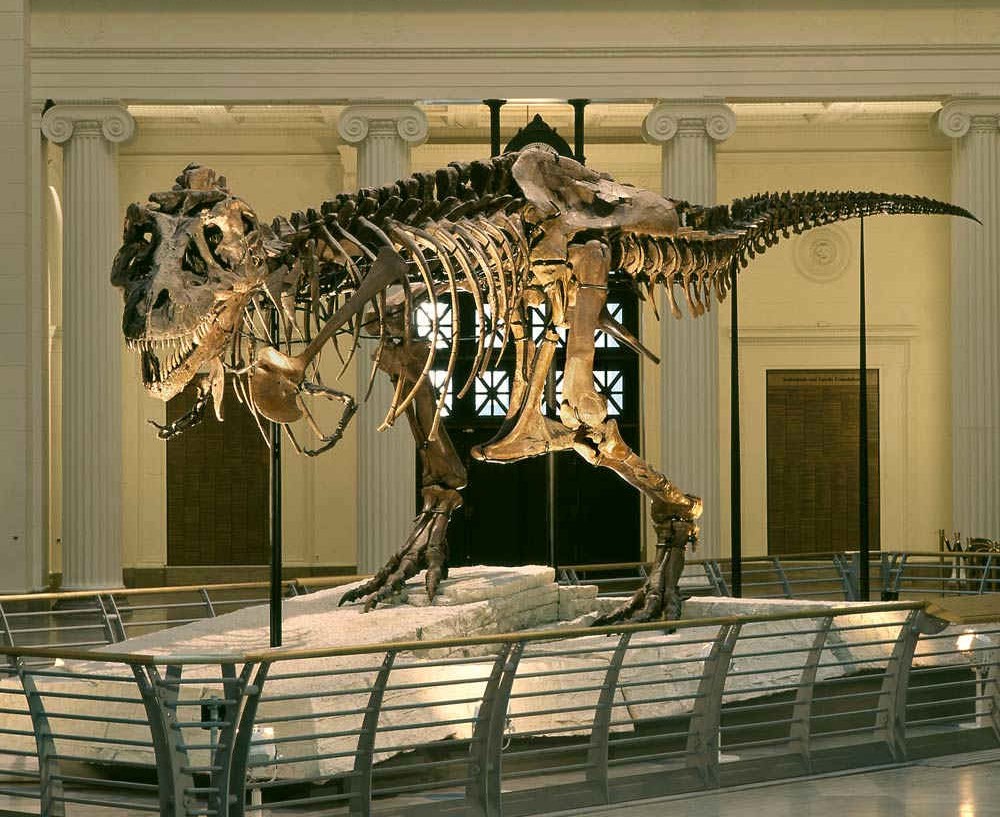
The <em>Tyrannosaurus rex</em> named Sue, shown here at The Field Museum in Chicago, may not have used her little arms much when she was alive, scientists say.

Schoolchildren were among the first to visit 'Sue' theΒ T. rexΒ once it was displayed at the Field Museum of Natural History in Chicago, Ill., thanks to funding from the California State University system, Walt Disney Parks and Resorts and McDonald's. (Image credit: copyright The Field Museum)

Purchasing a fossil in order to place it permanently in the public trust is fundamentally different from acquiring it as a private collectible: One expands access, the other leaves access uncertain.

But as fossil prices rise into the millions, museums increasingly cannot compete. The most significant fossils are no longer reliably entering public collections. Instead, they are becoming luxury assets whose market value supersedes their scientific value.

Dinosaurs belong to our shared natural heritage. They inspire wonder because they connect all of us to a world unimaginably older than our own. For me, the question raised by auctions like the one on July 14 of "Gus" is not who can afford to own these relics of the past. It is whether future generations have the chance to study and learn from them.

This edited article is republished from The Conversation under a Creative Commons license. Read the original article.

How much do you know about the king of the dinosaurs? Test your knowledge with our T. rex quiz!

  •  

New Winged Robot Can Fly and Swim Like a Puffin

Scientists hoped for years to make a machine that could emulate the movements of diving birds, such as puffins, and offer an affordable, unobtrusive way to monitor fragile marine ecosystems. A team of researchers at M.I.T. has been able to create such a waterproof winged robot, according to a study published July 9 in the journal Science.
  •  

Orange-lipped monkey that roars and snorts deep in Congo rainforest is new species to science

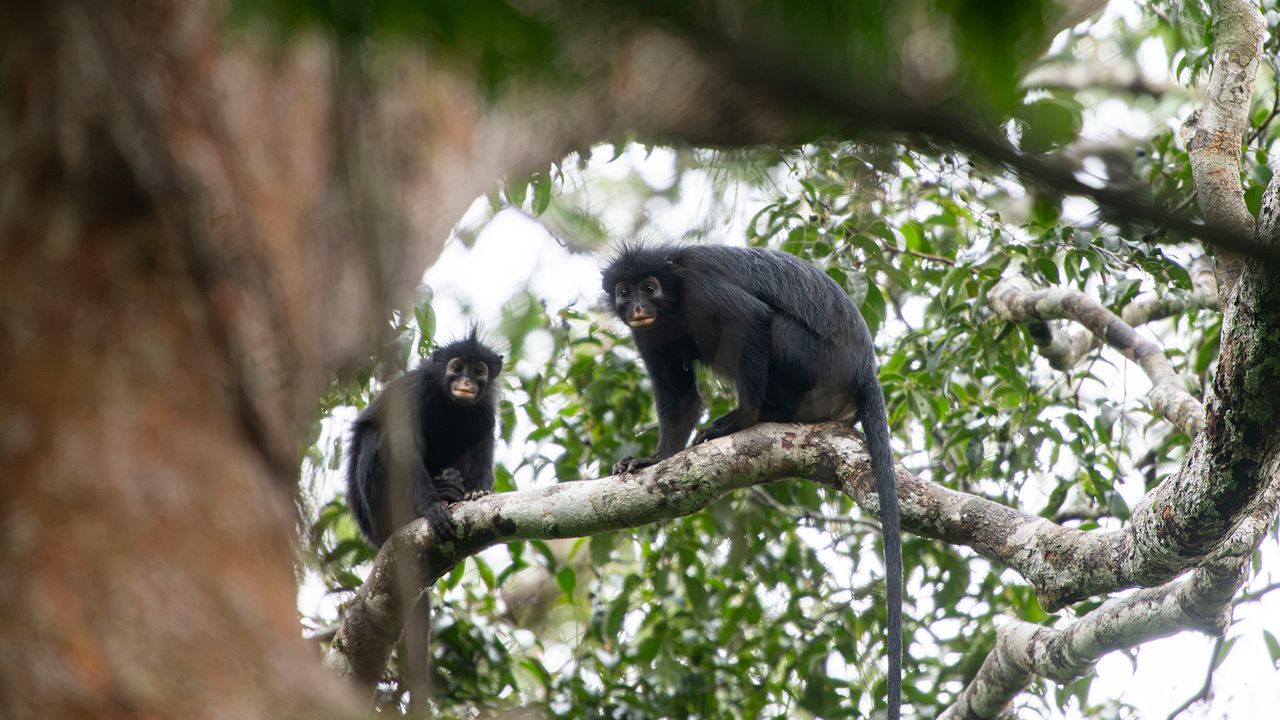
Scientists have identified a new species of monkey that has orange lips and makes unique roars and snorting sounds. The distinctive monkey lives in a remote region of the Democratic Republic of the Congo (DRC).

It is only the fifth new monkey species to be identified in Africa in the past 75 years, and there might be more unknown monkey species in the region, scientists behind a new study suggested. Researchers named the newly identified species of monkey Colobus congoensis, after the region, and it is known by the common name "likΒ­weli" in the local Kilanga language.

"This is remarkable because it's not very common these days to find a new, never-before-documented primate species, let alone a relatively large species of monkey," said Joshua Linder, an anthropologist and president and co-founder of the The Forest Collective, a nonprofit that aims to conserve and restore tropical rainforests.

In 2008, conservationists in the dense rainforests of Lomami National Park, within the Congo Basin in the DRC, photographed an unidentified monkey, but it was partially obscured. Then, in 2018 a similar-looking animal was captured on camera, prompting study co-author Junior Amboko, a Lomami National Park researcher and a Florida Atlantic University anthropologist, to set out to find the mysterious monkey.

To see what was already known, Amboko and his colleagues showed the pictures to people from 52 villages around the park.

"These people really know the fauna and flora in the forest," Amboko told Live Science. "In only eight villages, people knew the monkey β€ͺ—‬ and these were hunters, who know the economic value of animals or how much food each animal can provide, but even they didn't know much."

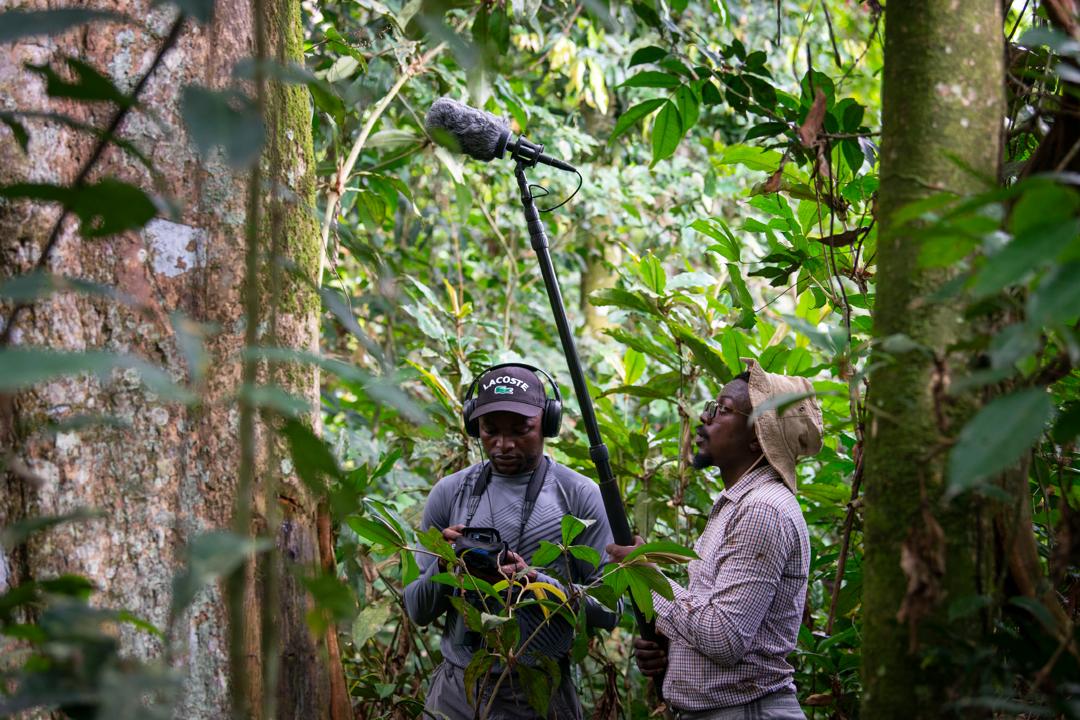
Two men wearing long sleeves and hats stand in the middle of a dense jungle.

The researchers worked in the Lomami National Park, within the Congo Basin in the Democratic Republic of Congo. (Image credit: Daniel Rosengren, Frankfurt Zoological Society Β )

Hunters of the Balanga ethnic group called the monkey "likweli," although the meaning of this name isn't known. Some in the Mituku local communities called the species "kasaba nkoni," which Amboko said means "the branch shaker." This refers to the way colobus monkeys leap from branch to branch, Amboko said.

In their searches between 2018 and 2022, the researchers recorded 114 sightings of the species across an estimated range of about 660 square miles (1,700 square kilometers) naturally isolated between the Lomami and Lualaba rivers. They reported their findings July 15 in the journal PLOS One.

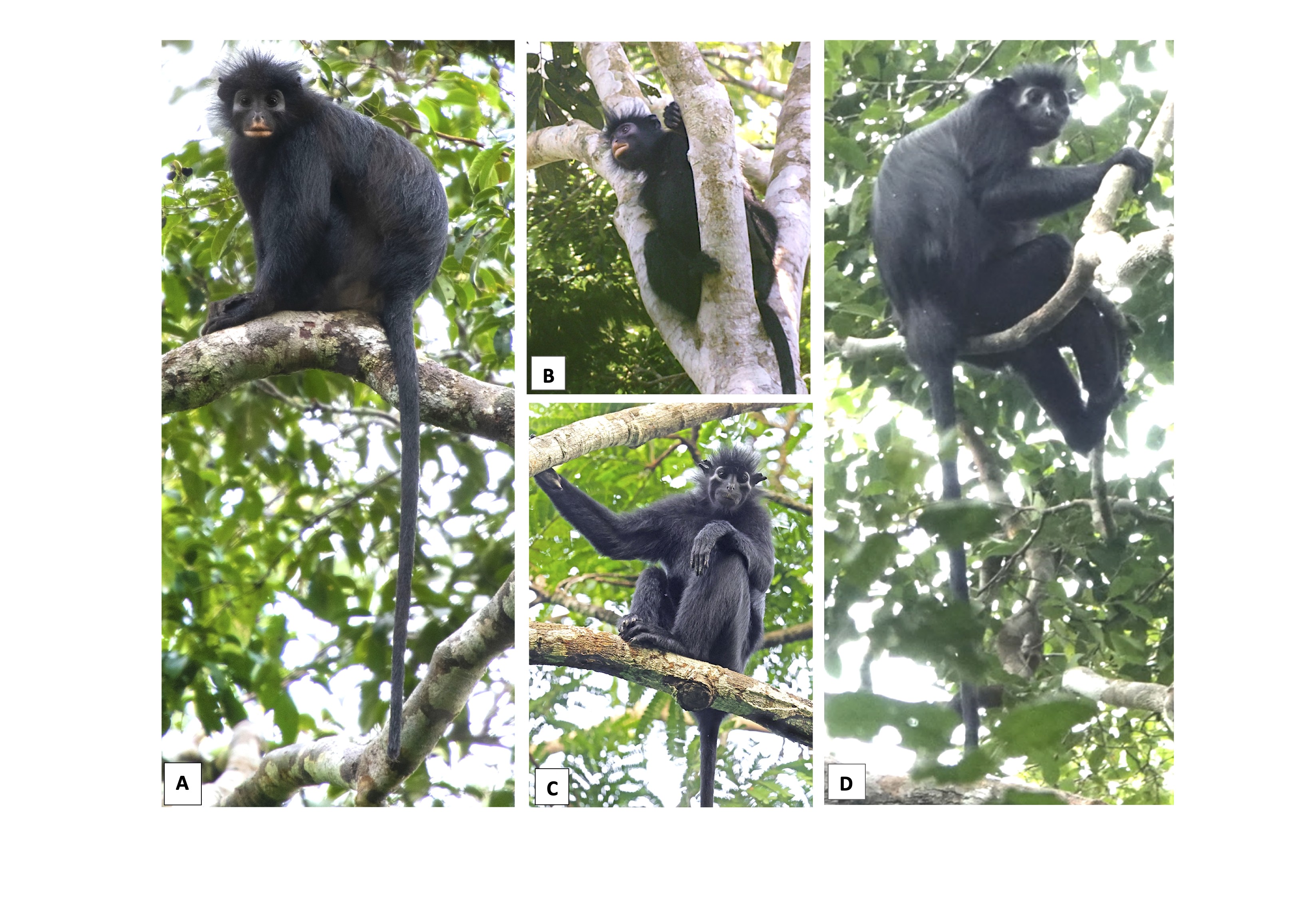
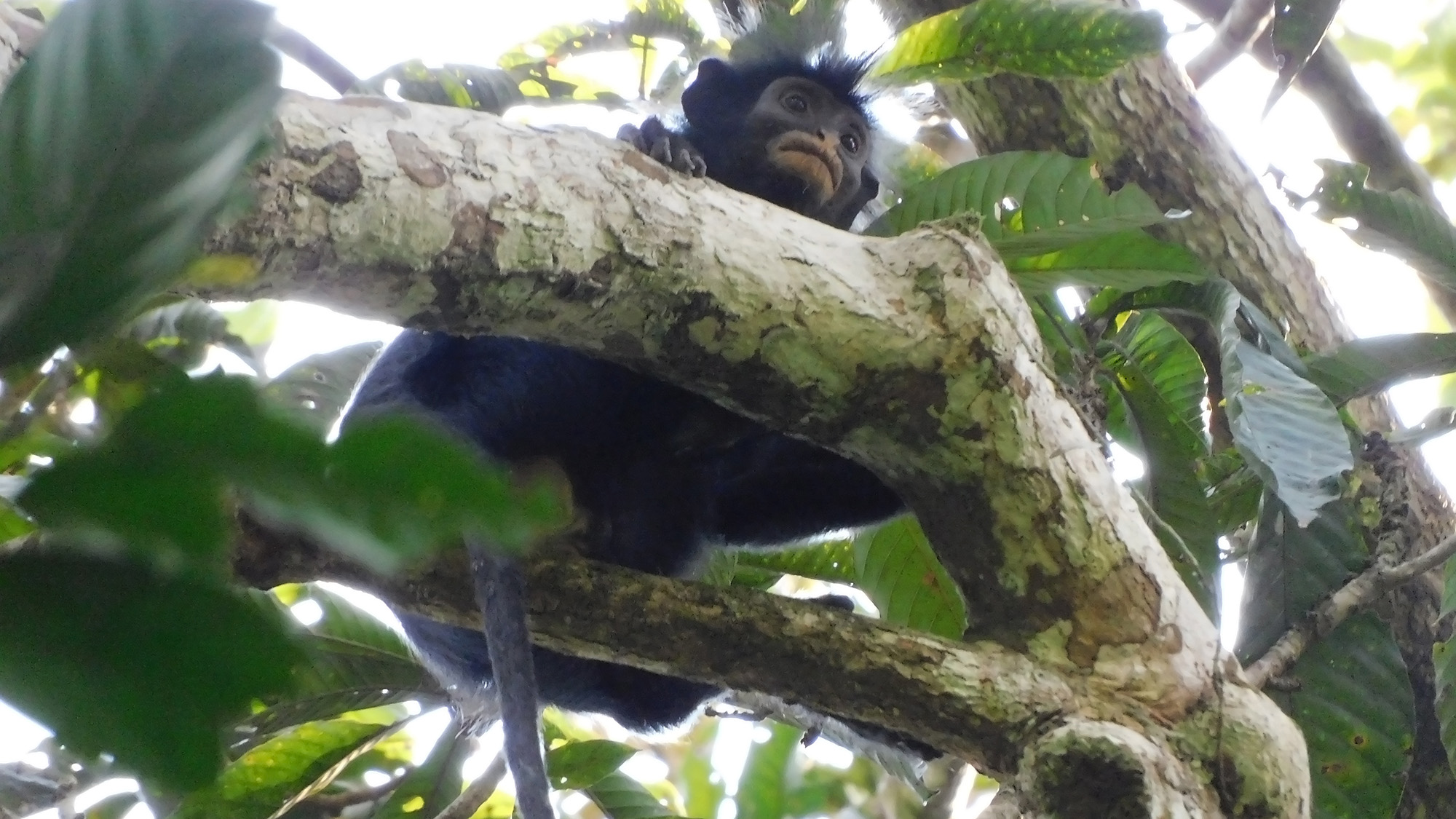
The monkeys, seen hanging out in groups of between one and 20 individuals, are mainly glossy black, but they have a conspicuous orange patch around the mouth and nose. Bare gray skin on their cheekbones makes it look as if they're wearing masks. They also have a patch of white fur around the anus.

"We're going with the face and the rump as the two distinctive traits," said study co-author Kate Detwiler, an anthropologist at Florida Atlantic University. "If you see the face, you see this unique bare skin that's orange cream. And then if you're coming from behind, you see this white patch."

Images of three black monkeys in trees.

DNA analysis confirmed C. congoensis was a previously unknown species. (Image credit: Daniel Rosengren, Frankfurt Zoological Society Β )

The monkeys, which weigh about 15 pounds (7 kilograms), also make deep, loud roars, punctuated by distinctive snorts. These unique‬ vocalizations distinguish them from other colobus monkeys, Detwiler told Live Science.

By taking samples, and sequencing DNA, from monkeys killed by hunters and destined for the illegal bushmeat trade, and comparing the results with what’s in museum collections and datasets of genetics, skulls, teeth and pelts for other colobus monkeys, the team confirmed that C. congoensis was a previously unknown species.

"My lab got the tissue sample and did the genetics, and we were shocked by how divergent the key area of the mitochondrial genome was from other colobus monkeys," Detwiler said.

A close up of an orange-lipped monkey in a tree

Researchers think the new species diverged up to 5.78 million years ago. (Image credit: Daniel Rosengren, Frankfurt Zoological Society Β )

The monkeys live in the same forest as the Angola colobus (Colobus angolensis), but their closest relatives are black colobus monkeys (Colobus satanas), which live around 750 miles (1,200 kilometers) to the west, in Cameroon, Gabon and Bioko Island.

"The fact that the results show that the closest living relative to this new species is the black colobus located 1200 km away in West Africa is equally remarkable," Linder, who was not involved in the new study, told Live Science via email.

Detwiler estimates that these close relatives diverged between 5.78 million and 3.44 million years ago β€ͺ—‬ the longest known split between species within the Colobus genus. "The discovery is reshaping our understanding of African monkey evolution," she said.

Given the small geographic range, rare sightings and increasing habitat loss, the researchers recommend that C. congoensis be classified as endangered on the IUCN Red List.

The discovery also emphasizes the importance of Lomami National Park, where another previously undescribed monkey, the lesula (Cercopithecus lomamiensis), was reported in 2012 by a team that included Detwiler.

The Congolian rainforest ranging across this part of Africa is the world's second-largest tropical forest, after the Amazon, and about 60% of it is in the DRC. "It is a paradise for biodiversity," Amboko said, adding that there might be more undescribed primate species there. "If we are able to discover two big new primate species, who knows how many other new mammals, fish, reptiles or plants there could be?"

What do you know about chimpanzees and great apes? Test your smarts with our primate quiz!

  •  

Scientists are deep-freezing koala eggs and sperm to protect the species from extinction

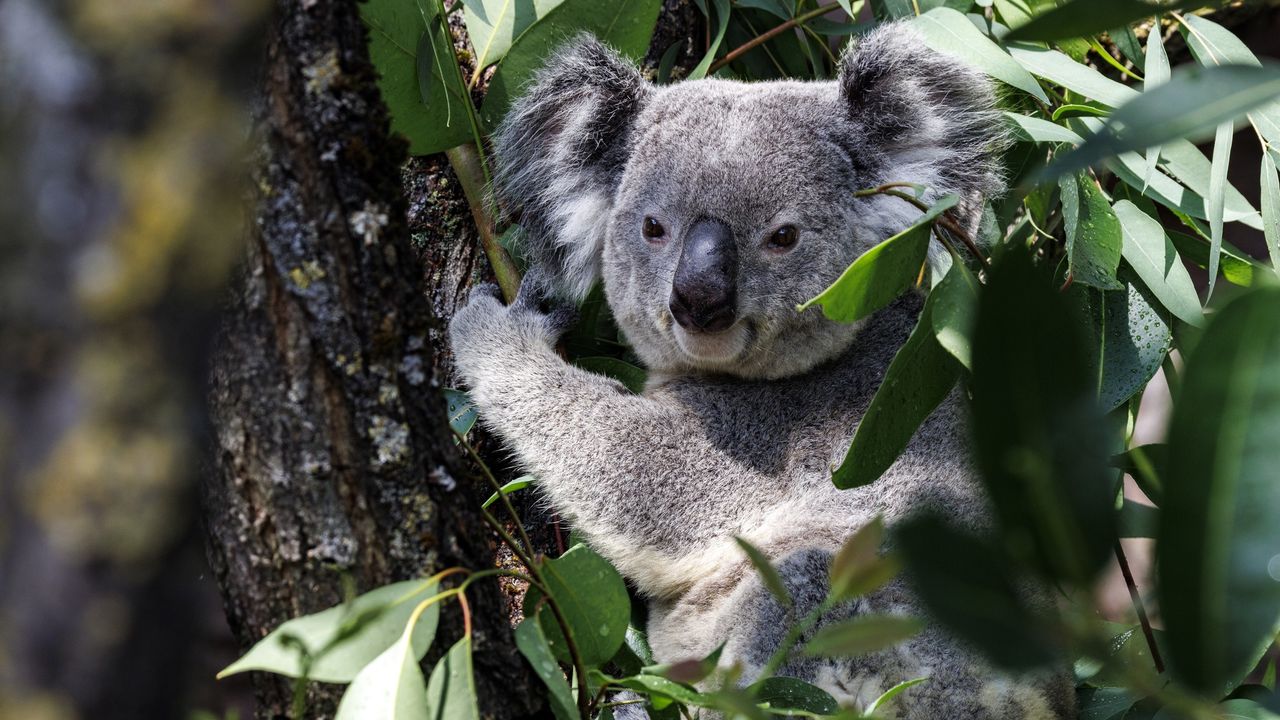
Scientists in Australia are deep-freezing koala eggs and sperm as a "genetic backup" to save the wild population from future extinction.

The backup could be used to create healthy koala embryos through artificial insemination and in vitro fertilization (IVF), the researchers said in a statement. When koalas (Phascolarctos cinereus) die, unique traits and diverse genes that may help them adapt to changing environments are lost, but the new project offers a way to store this valuable material, the team said.

"Losing genetic diversity can weaken future generations and decreases the ability of the species to adapt to challenges," Andres Gambini, a reproductive biologist at the University of Queensland who is involved in the project, said in the statement. "This project will create a safe and systematic way to rescue and preserve koala spermatozoa and eggs to support future conservation programs."

Australia is facing a paradox with its koalas. In some regions of Queensland and New South Wales, koala populations have crashed by as much as 80% since the late 1990s due to deforestation, bushfires, drought and disease. This prompted the Australian government to change koalas' conservation status in their eastern range from "vulnerable" to "endangered" in 2022.

Meanwhile, in parts of southern Australia, koalas are overabundant. However, the places where koalas are currently thriving may not be able to support a booming population much longer, because the animals are overbrowsing and killing the trees they need to survive, recent research suggests.

To protect against koalas' decline, the scientists will freeze koala reproductive cells in liquid nitrogen (LN2), which has a boiling point of minus 321 degrees Fahrenheit (minus 196 degrees Celsius). This method would enable the team to cryopreserve the cells for several decades until they are needed, said Vincent Lynch, an evolutionary developmental biologist and associate professor of biological sciences at the University at Buffalo in New York.

Every year, many koalas are admitted to wildlife hospitals because of illness or injury and sadly, not all of them survive.

Andres Gambini, reproductive biologist at the University of Queensland

"I've successfully woken cells up that were frozen in LN2 a couple of decades ago," Lynch, who is not involved in the koala project, told Live Science in an email.

The sperm and eggs will be supplied by wildlife hospitals that will harvest sex cells from dead koalas or koalas that can no longer breed due to disease or trauma, according to the statement.

"Every year, many koalas are admitted to wildlife hospitals because of illness or injury and sadly, not all of them survive," Gambini said.

The researchers will then test the cells for Chlamydia pecorum, a highly contagious and deadly form of chlamydia. In koalas, this infection causes painful urinary tract infections, gastrointestinal issues, and conjunctivitis, which can lead to blindness. It can also cause infertility in females. C. pecorum is one of the main contributors to koalas' decline in recent years, with infertility driving a sharp reduction in the number of koala joeys being born. In the worst-affected populations, situated mostly in Queensland and New South Wales, almost 90% of koalas are infected with chlamydia.

If the reproductive cells contain C. pecorum, "we have the technology now to remove the infection from the samples," Steve Johnston, an associate professor of animal reproduction and captive husbandry at the University of Queensland who works on the koala project, said in the statement.

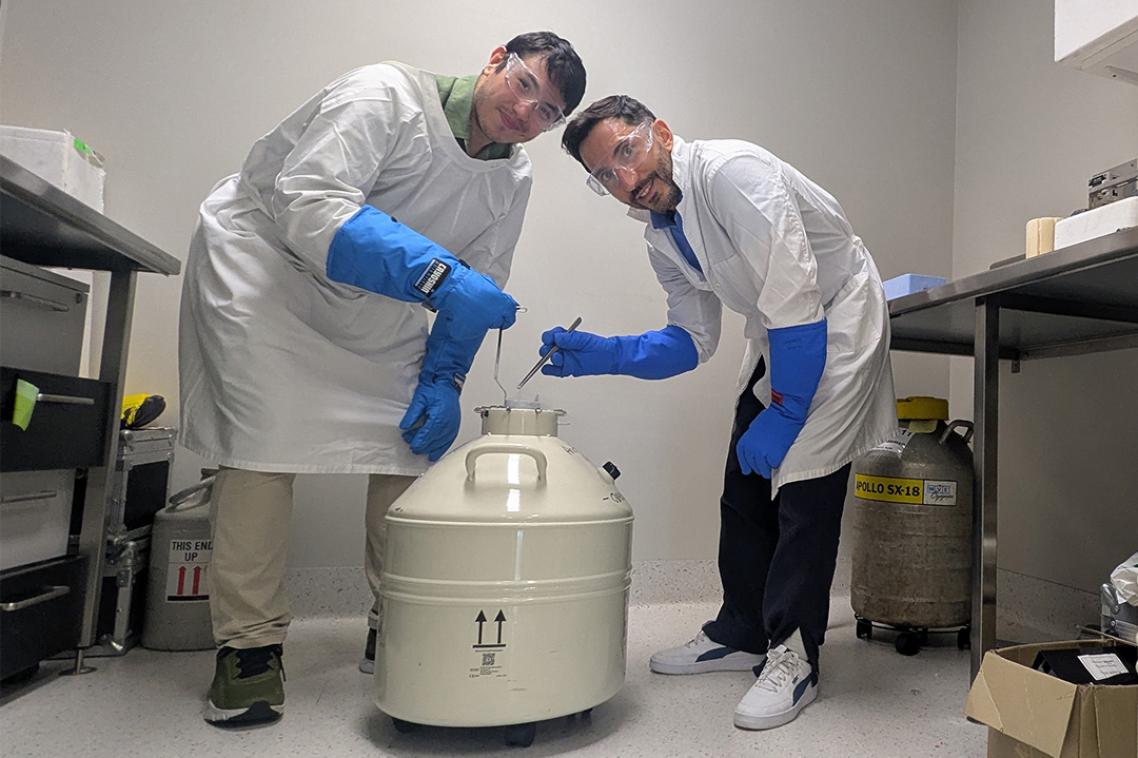
Two scientists posing with a liquid nitrogen storage cannister in a laboratory.

Andres Gambini and doctoral student Patricio Dandy Palacios, who participated in the project, want to preserve koala sex cells in liquid nitrogen. (Image credit: The University of Queensland)

In 1998, Johnston was part of a research team at the University of Queensland that created the world's first koala joey born through artificial insemination. The new project also builds on a 2025 study, led by Gambini, that produced the first-ever IVF kangaroo embryos. (These did not result in live births; at the time, the scientists said that would take another decade.)

It's unclear how many sperm and egg cells the researchers plan on freezing, and it's hard to say how many cells they would need to ensure the survival of healthy koala populations, as the number of cells required is probably increasing with time, Lynch said. As koala populations shrink, genetic material is being lost at an accelerating pace, so the team will have to get more samples as time goes on to obtain the same amount of diversity.

The project does not replace more traditional conservation approaches β€” such as habitat protection, disease management and population monitoring β€” but researchers cannot afford to wait until populations are smaller and genetic diversity is harder to recover, Gambini said.

Although conservationists are concerned about the fast rate of koalas' decline, "there is a chance" that scientists can save the species through cryopreservation, Lynch said.

"I support multipronged approaches like this," he said. "By preserving the environment with traditional conservation we allow re-introductions because the species have somewhere to live."

  •  

Songbirds are in crisis as trappers and smugglers force them into lucrative bird-singing competitions

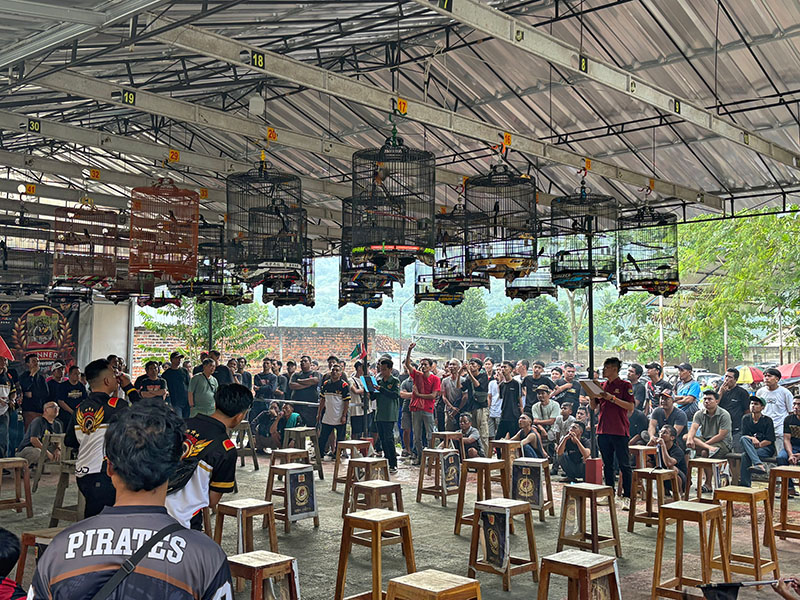
On a Sunday afternoon in April, the main minibus terminal in Sukabumi, Indonesia, looked sleepy from the outside. But in an open space round the back, hundreds of men were gathered. Amid chatter and cigarette smoke, the air buzzed with excitement, for one of the region's biggest bird-singing competitions was set to begin, and a motorbike was among the prizes.

As the day progressed, dozens of songbirds were brought out for their 10-minute rounds, from tiny garden sunbirds and grey-cheeked bulbuls to larger oriental magpie-robins and orange-headed thrushes. Then the emcee announced the main event β€” the singing contest among the highly popular, strikingly handsome white-rumped shamas β€” and a hush fell over the crowd.

The shamas' owners murmured final words of encouragement and stepped away from their cages. Judges swept in with clipboards, assessing each bird for its song, ability to hold a steady tune, volume and showmanship. Soon it was down to a final two birds ... and then "Baby White" was crowned the winner amid cheers from the crowd.

Indonesians have a long-standing culture of keeping birds as pets, and songbirds are especially popular, prized by collectors for their melodious singing and colorful plumage. "I keep songbirds as a hobby, to relieve stress and also gain a bit of money," explained Harry Gunawan, a 78-year-old businessman and owner of 39 shamas, including the multiple prizewinning Baby White, while waiting for his new motorbike.

Gunawan's shamas are among an estimated 66 million to 84 million caged birds that are kept across Java, the island where 56 percent of Indonesia's population lives and one in three households owns birds. These include more than 3 million white-rumped shamas and 2 million oriental magpie-robins. Wild birds are believed to be better songsters; hence, many are trapped in forests then crammed into tiny crates, drainpipes and even plastic bottles, destined for pet markets in Jakarta, Surabaya and other big cities. Birds that survive the journey β€” estimates of mortality rates range from 30 to 80 percent β€” will spend the rest of their lives confined to cages.

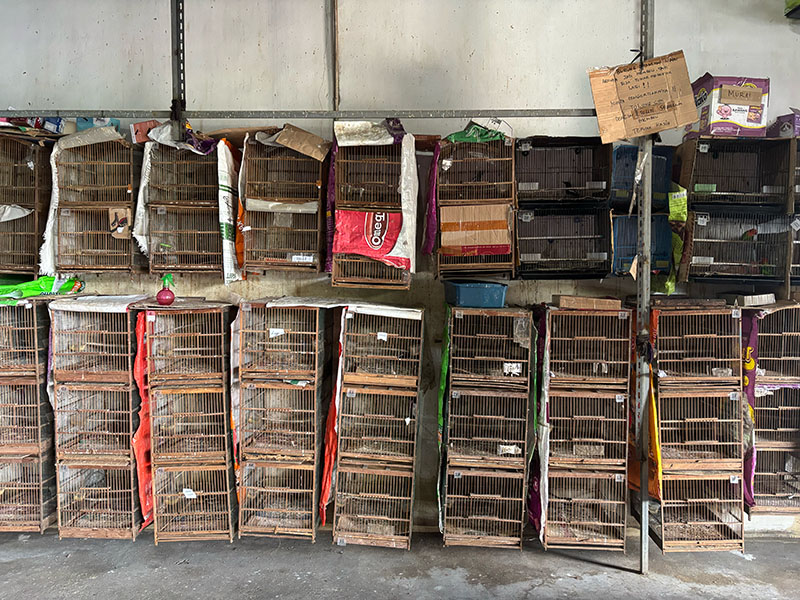
A series of cages hanging from an outdoor bazaar.

Since the 1970s, songbird competitions have grown in popularity across Indonesia. With goats, motorcycles, watches and money (sometimes worth up to 10 years’ salary) up for grabs, the events are driving hordes of people to keep songbirds as pets. (Image credit: Sandy Ong/Knowable Magazine)

This birdkeeping hobby, paired with the growing popularity of singing competitions, has already driven some species to extinction and many species β€” also threatened with habitat loss β€” are on the brink, a phenomenon dubbed "the Asian songbird crisis."

"The silent forest is really happening," says Agung Nur Haq, who is in charge of conservation at the Wak Gatak Songbird Rescue and Rehabilitation Center near Pontianak, West Kalimantan.

Experts warn that action must be taken quickly, or the consequences may be dire and irreversible. If nothing is done and populations can't recuperate, says Alexander Lees, a conservation biologist at Manchester Metropolitan University in the United Kingdom, we may experience an "empty forest syndrome," whereby forests appear intact and lush but are devoid of animals.

Birds in demand

The illegal bird trade is thriving elsewhere in southeast Asia, including Vietnam, Thailand, Malaysia and Singapore. But "Indonesia's songbird trade is one of the world's most prolific," says Chris Shepherd, a wildlife trade expert at the Center for Biological Diversity in Canada. "It's terrifying."

The biodiversity-rich nation is home to about 1,800 bird species β€” more than double the number found in the United States. Of those, one in five have been spotted in pet markets, including protected, endangered and endemic species (ones found nowhere else). These include the endangered black-winged myna and the Javan green magpie, of which fewer than 250 and 100 wild individuals, respectively, remain.

Estimates suggest that up to 30 percent of Indonesia’s population, some 90 million people, keeps between 164 million and 187 million wild-caught songbirds.

"There may be more birds behind bars than left in the wild," wrote Lees in an overview of the songbird crisis in Current Biology.

A series of crates piled on top of each other against a wall.

Songbirds for sale at a pet shop in Pontianak city, in the Indonesian province of West Kalimantan. Many birds sold in the country's sprawling trade are trapped from forests and transported over long distances in dark, cramped conditions, winding up in shops such as this in big cities. Up to 80 percent of birds die in transit, and those that survive will likely spend the rest of their lives in cages. (Image credit: Sandy Ong/Knowable Magazine)

The fondness of Indonesians for caged birds stems from a centuries-old belief among the Javanese, the country's largest ethnic group, that a man is considered successful if he possesses five elements: a wife, a house, a vehicle, a ceremonial dagger and a bird. The bird symbolizes that he is in touch with his softer side, and can indulge in both work and leisure. In a 2025 study, researchers found that a bird's singing ability was the biggest driver of demand β€” after that, people preferred rare, endemic or unusual birds that flaunt one's status.

Singing competitions emerged in the 1970s as another reason to keep songbirds. These local or regional events are typically held monthly or weekly, involving up to 1,000 birds.

"The owners go home with, at the very least, tons of prestige, but more often lots of prize money, sometimes up to 10 years' salary," says acoustic biologist Benjamin Mirin, founder of the Creative Conservation Lab with Cornell University. Competitors also stand to win exclusive trophies, goats, motorcycles and even cars.

Mirin, who has been studying the songbird trade since 2018, says the events can be life-changing. "They're so popular and financially beneficial that they're accelerating the poaching of birds to the point where now the forests are falling silent."

Unfortunately, wild-caught birds are perceived to have better song quality and a wider singing repertoire than their captive-bred counterparts. As a result, competitions "have been driving the demand in certain species," says Serene Chng, a wildlife trade researcher at TRAFFIC, a nonprofit focused on reducing harmful and illegal trafficking of plants and animals.

An expert group formed by the International Union for Conservation of Nature has identified 52 species that are most impacted by trade in Asia. These include the straw-headed bulbul (known for its lovely duets) and the Bali starling (with its stark white plumage and electric-blue eye ring). Although Indonesian law forbids the capture and trade of more than 500 bird species, many of them songbirds, enforcement is weak, thanks to poor resources, corruption and other factors. Consequently, several species, including the Javan pied starling, are now locally extinct.

It's hard to predict what will happen to ecosystems if songbird species are wiped out en masse in Indonesia. Birds play important ecological roles: pollinating plants, dispersing seeds and helping with insect control. The Pacific island of Guam offers a cautionary tale: It lost nearly all of its songbirds after the brown tree snake, which preyed on the birds and their eggs, was accidentally introduced after World War II. Guam's forests shifted to what Lees has described as "a nightmarish alternative state as a spider-dominated ecosystem." It was, he says, "pretty catastrophic."

Indonesia is much larger and far less isolated, so "your starting conditions are not as bad," says Lees. "But if we don't recuperate some of those populations, then we can expect maybe similar sorts of downstream impacts."

A sanctuary

Government agencies have had some success in tracking down wild-captured birds but are reluctant to confiscate them because they lack a place to house them. This dilemma in West Kalimantan province, a hotspot for illegal bird trade activity, led to the establishment of the Wak Gatak sanctuary by the nonprofit group Planet Indonesia.

One of its key aims is to provide suitable facilities to encourage more frequent confiscations and rescues by authorities with Indonesia's natural resources and conservation agency, BKSDA, while ensuring the welfare of confiscated songbirds, says Abrar Ahmad, a technical advisor for terrestrial conservation at Wak Gatak.

The center, which sits on a leafy plot near the city of Pontianak, is worlds apart from the dark, cramped conditions birds endure when smuggled aboard a truck or ship. On a morning in April, visitors turn off a sleepy road and drive past the gates down a short muddy track. Dragonflies flit lazily through tall grass and a smattering of coconut, banana and durian trees sway in the distance. The facilities are modest: a small office block with light-filled aviaries.

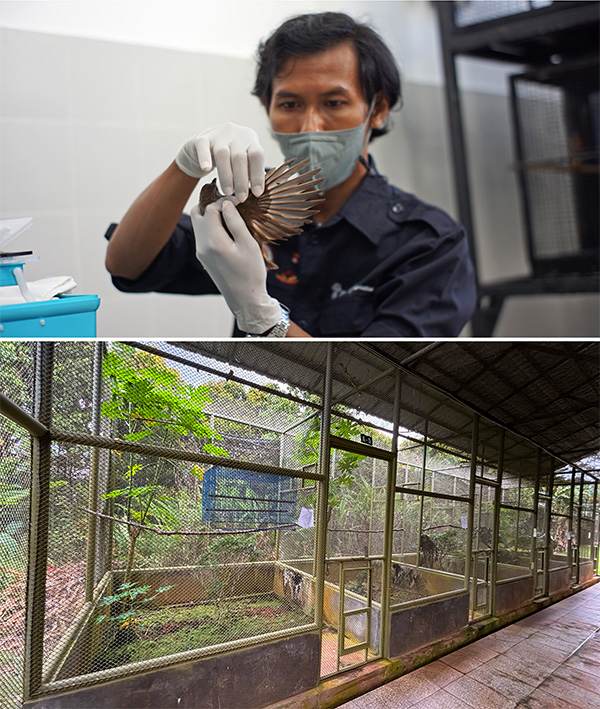
Animals often arrive at Wak Gatak in an alarming state: Malnourished, with missing feathers, many appear fatigued or withdrawn, says Happy Ferdiansyah, Wak Gatak's head veterinarian. Some birds have wounds on their upper beaks from gnawing on cage bars, while others β€” especially if they're more territorial β€” suffer leg fractures from fighting with other birds in close quarters.

"A lot of them, 70 to 80 percent, die within the first two weeks. Their condition is very poor," says Ferdiansyah.

Two images, the top showing a man with a mask and gloves holding a bird and the bottom showing large room-sized cages with habitats in them

Veterinarian Happy Ferdiansyah inspects a bird at Wak Gatak Songbird Rescue and Rehabilitation Center in Pontianak, West Kalimantan (top). Rescued birds spend time in rehabilitation cages (bottom) after going through a quarantine period; eventually, birds that are suitable for life in the wild will be released back into the forest. (Image credit: Β© YAYASAN PLANET INDONESIA/RONI BIA SANTO (TOP), SANDY ONG (BOTTOM))

To avoid causing the birds further stress, his team conducts only a visual inspection of the new arrivals. Those that are obviously ill are transferred to the on-site clinic for treatment. The rest are transferred to cages in quarantine.

The birds receive vitamins, nourishment (an assortment of fruits, insects, sugar syrup and so on), in addition to enjoying more space β€” one or two individuals typically share an oven-size cage. They remain in quarantine for at least 14 days, a critical time period when diseases such as avian influenza and Newcastle disease tend to manifest, says conservation director Haq. To test for these and other issues, Ferdiansyah and his fellow vets analyze blood and stool samples, in addition to carrying out rapid antigen tests.

Once their health has been given the all-clear, the birds are moved to rehabilitation aviaries on the opposite side of the premises. These enclosures are much more luxurious: bathroom-size, dotted with green plants, with generous views of the surroundings and sky.

Here, stimulation is key, as is getting the birds comfortable with flying again. "The aviaries have different perches and plants for the birds to hop around or to hide in the bush," says Ferdiansyah. "We also do food enrichment like giving them live insects or putting the food in different places."

Only some birds are fit for release. Those that appear habituated to people are not good candidates; they may continue to approach humans and might teach non-natural calls to wild birds or just fail to communicate with them. The center, for example, currently houses four locally endangered and protected common hill mynas β€” glossy black starlings with heavy orange bills that are renowned for their intelligence and mimicry. When I visited, the birds happily wolf-whistled, chuckled and offered the traditional Islamic greeting "As-salamu alaykum," among smatterings of Indonesian chatter. These mynas have been at Wak Gatak for nearly a year and will remain there for the foreseeable future.

But for birds that are suitable to release, the center works with BKSDA to identify possible sites. Ideally, these would be forest lands in good condition, with abundant food and water, minimal human activity and few natural predators like civets and snakes, says Ferdiansyah. A local community that's supportive of conservation is a plus β€” increasing positive outcomes, such as survival and reproduction, by 10 percent, according to a 2023 study that analyzed 305 wildlife restoration projects in 80 countries.

Once a site is determined and permits are secured, Ferdiansyah and his team transport the birds β€” as they did at the end of April, taking 130 birds to a nature reserve seven hours north of Pontianak. At such sites, the team carries out what’s known as a soft release, placing the birds in a large makeshift cage that allows them to acclimate to their new surroundings. After four to 10 days, the team opens the cage, allowing the birds to fly away when ready. Team members stay on for up to two weeks, tracking the birds to make sure they're settling in problem-free.

It's rough, sweaty work, says Ferdiansyah, but highly rewarding. The center has so far helped 348 songbirds return to the wild. The April release is their largest to date, and included some crimson sunbirds and greater green leafbirds, the latter of which is endangered. Another 705 birds were seized in December from a ship at the local port in Pontianak. Within hours, most of the birds had died. But 36 are still recovering at Wak Gatak and 22 have been rehabilitated and released.

Nearly 3,000 birds from 45 species have passed through the center's doors since it opened in 2022. It’s proof that such a rehabilitation facility β€” the only one in Indonesia for the foreseeable future β€” can make an impact.

But given how many songbirds are in peril, its work is a drop in the ocean.

To slow the crisis, experts say it must be fought on multiple fronts, but above all, at its root: demand. It requires "thinking about how we can shift attitudes and behaviors to reduce pressure on wild populations," says Lees, who explores such measures in a look at the state of the world’s birds in the 2022 Annual Review of Environment and Resources. In 2023, the Wak Gatak team carried out a campaign across some of the city's billboards, discouraging people from joining songbird competitions. And in the coming months, they'll host a series of behavior-change workshops in two towns close to forests where birds are commonly poached and competitions are growing in number.

Shifting the needle will not be easy. Indonesia's songbird hobbyist groups are powerful β€” in 2018, they successfully petitioned to have five species downlisted from the national list of protected birds. Plus, government officials often take part in competitions themselves. In 2018, for example, then-president Joko Widodo presided over the President's Cup, one of Indonesia's most prestigious songbird competitions, even entering his own white-rumped shama.

Yet change is possible: Ferdiansyah himself kept four songbirds as a kid because they "sounded very nice" and he thought he could make them happy. But when he entered veterinary college, he realized the error of his ways and set the birds free.

This article originally appeared in Knowable Magazine, a nonprofit publication dedicated to making scientific knowledge accessible to all. Sign up for Knowable Magazine's newsletter.

Are you a bird nerd? Find out with our bird quiz!

  •  
❌