Login

Astronomers Find an Atmosphere on a Nearby Earthlike Planet
It’s the first potentially habitable world known to host an atmosphere, making it a lead contender in the search for life beyond our solar system.

 Future spacecraft may travel farther by drawing momentum from planets, sunlight, and the solar wind instead of onboard fuel. Every conventional rocket faces the same problem: it must carry the material that propels it. Since Konstantin Tsiolkovsky described the rocket equation in 1903, spacecraft have burned fuel and expelled it backward to move forward under [...]

By analyzing nickel isotopes preserved in the 66-million-year-old debris left by the Chicxulub impact, researchers conclude that the asteroid responsible for Earth’s last mass extinction most likely belonged to an exceptionally rare class of primitive meteorites called carbonaceous chondrites of the Ornans type (CO chondrites).
The post Dinosaurs May Have Been Wiped Out by ‘Oddball’ Space Rock appeared first on Sci.News: Breaking Science News.
If you still picture Mars as a monotonous red desert, it may be time for an update.
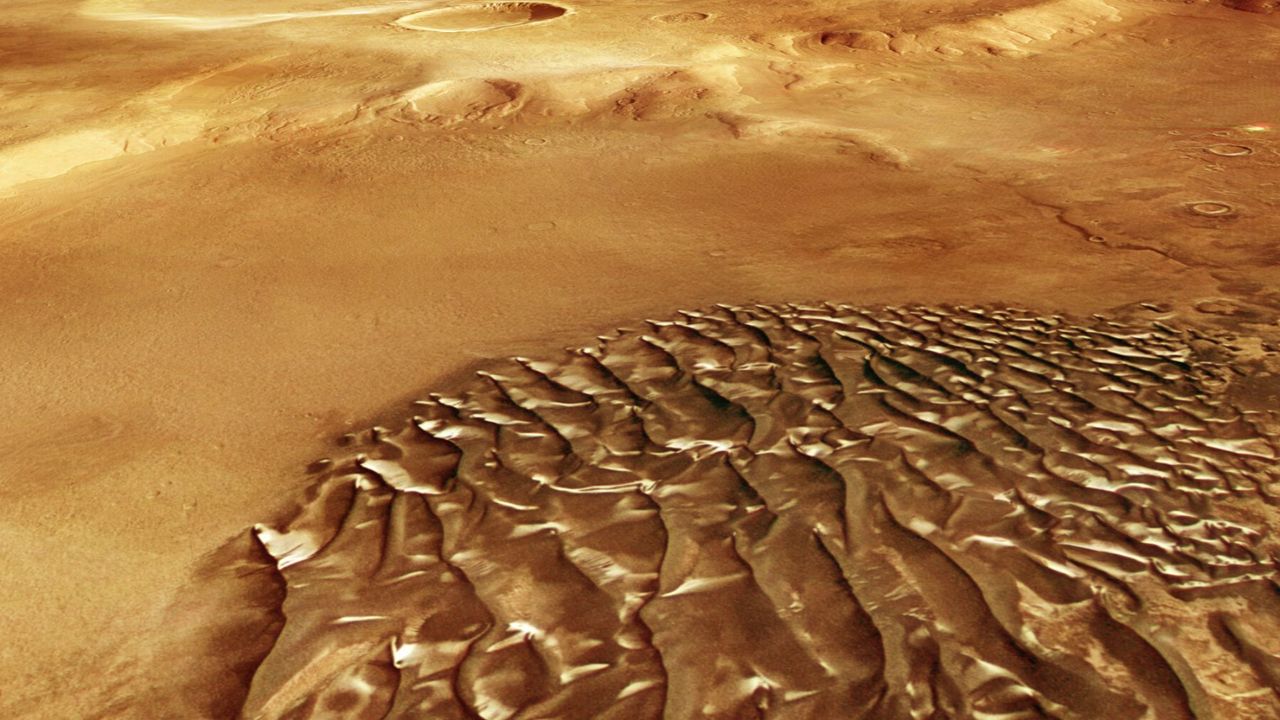
The European Space Agency's Mars Express orbiter has been capturing some of the Red Planet's most surreal landscapes, and its latest images reveal a sprawling field that looks like molten metal frozen across the floor of an ancient Mars crater.
The shimmering "waves" aren't metal at all, however. They are dark sand dunes dusted with seasonal frost, much of it carbon dioxide, or "dry ice," that settles on the surface during Martian winters, giving the dunes their uncanny chrome-like sheen, according to ESA.
The rest is a trick of light and contrast. Because the dark sand absorbs light and the white frost reflects it, the interplay transforms the landscape into something that looks more like a scene from a sci-fi movie than a windswept Martian plain.
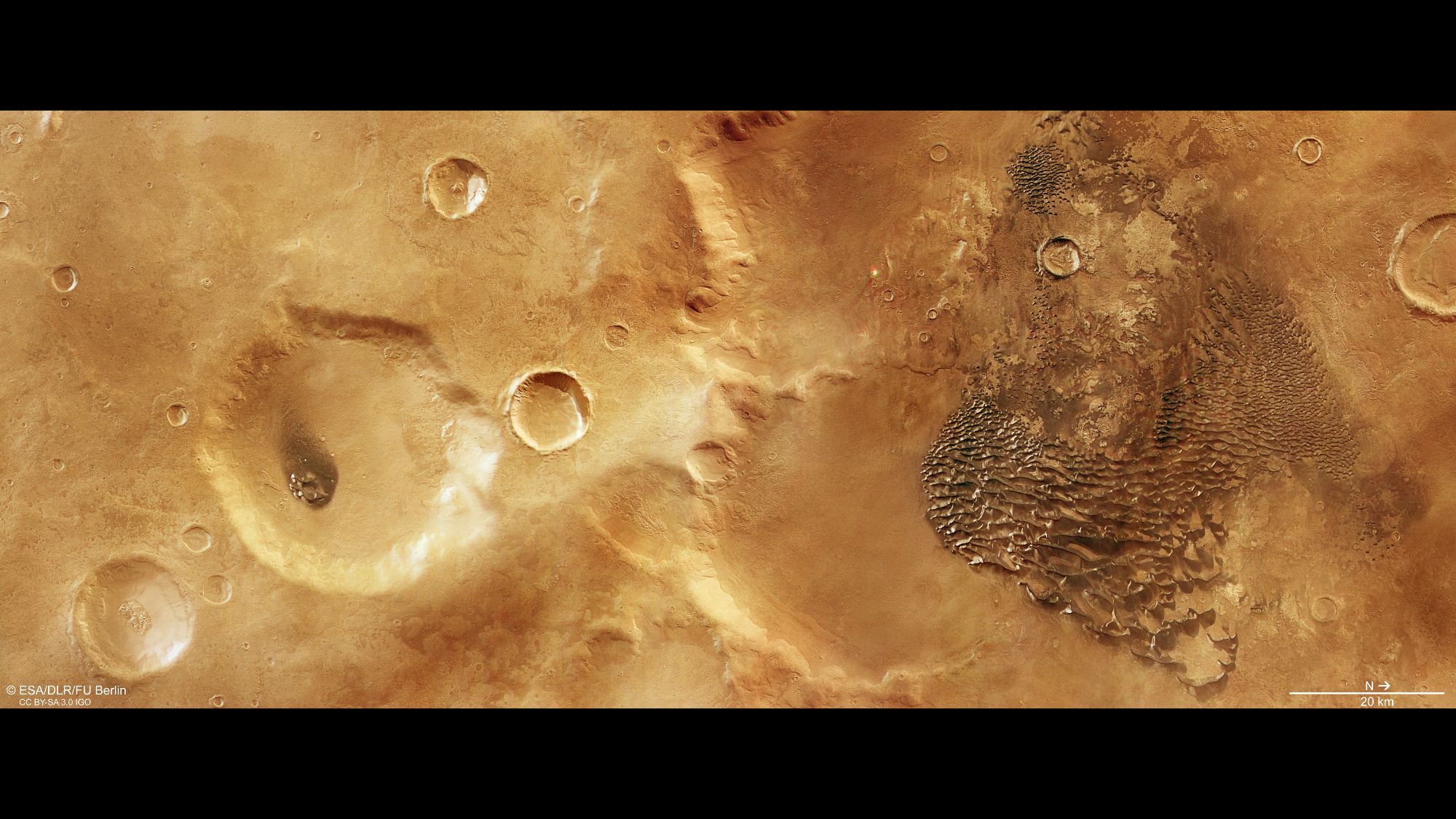
Over thousands of years, Martian winds have sculpted this volcanic sand into dunes that now ripple through the floor of Kaiser Crater, a 129-mile-wide (207-kilometer-wide) impact basin in the planet's southern highlands. The bowl-shaped crater acts as a giant sand trap that prevents the sand from escaping, according to NASA.
The dunes themselves are darker than much of Mars' surface because they are made of fine, basaltic sand rich in volcanic minerals such as pyroxene and olivine, rather than the iron-oxide dust that gives the planet its familiar rusty-red appearance and its famous moniker, the Red Planet.
Because the crater floor remains visible between the ridges, scientists think there is a relatively limited sand supply shaping the field. Still, these ripples of sand are massive, extending for several kilometers and towering more than 100 meters (320 feet) above the surrounding terrain.
The landscape isn't just visually dramatic, it also preserves clues to a time when Mars was a very different world.
Today, Mars is wrapped in an atmosphere little more than a thin veil that is 100 times thinner than Earth's and slowly leaking into space. That makes it harder for winds to lift and transport sand than it is on our own planet. Yet the soaring dunes inside Kaiser Crater show that Martian winds have nonetheless been powerful enough to sculpt vast landscapes over time, perhaps during a period when the Martian atmosphere was thicker a few billion years ago.
The new image adds to a growing collection of striking Martian scenes captured by Mars Express, which has been orbiting the Red Planet since 2003. Just last month, the probe tracked a frenetic cluster of 30 dust devils swirling through the canyons of Mamers Valles, also in the northern hemisphere.
Over the spring and summer, the orbiter similarly spotlighted the planet's vast and complex geological history, from Shalbatana Vallis — carved by groundwater floods about 3.5 billion years ago into winding valleys that span the length of Italy — to a massive blanket of dark volcanic ash elsewhere on the world that has spread across a large chunk of the terrain over just the last 50 years, having either been redistributed by Martian winds or exposed as the overlying dust was blown away.
However desolate Mars may appear from afar, there is certainly no shortage of activity on its surface — or discoveries still waiting to be made.
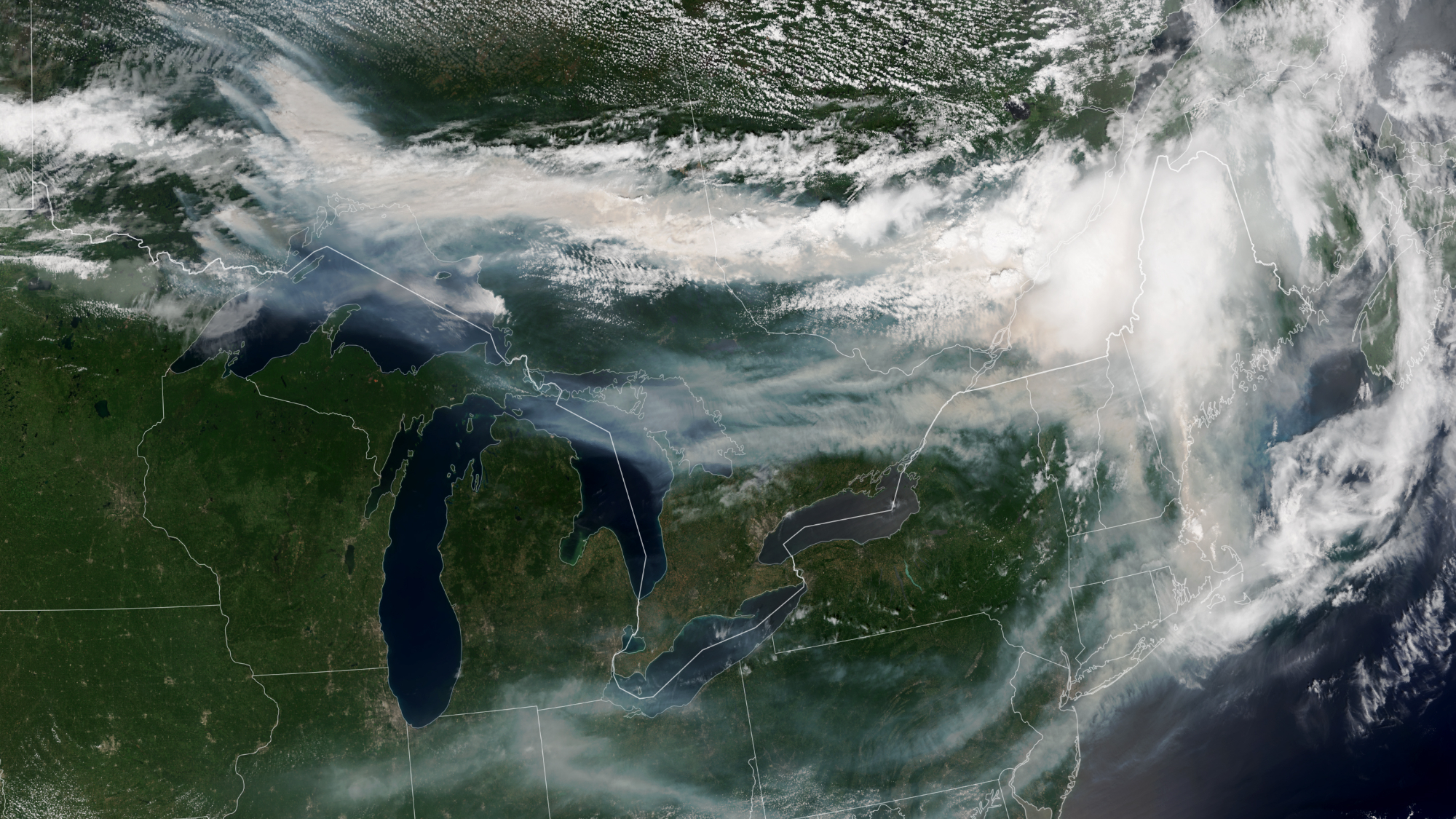
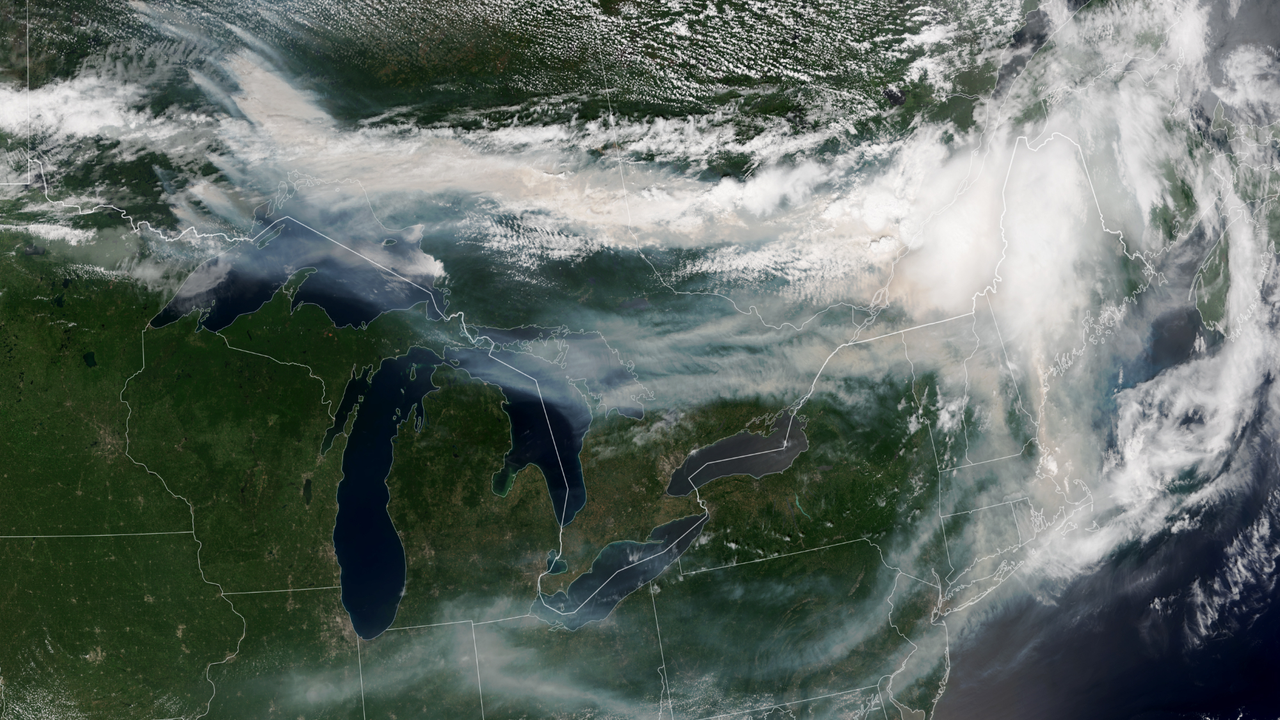
The wildfires tearing across Canada are so extreme that the smoke billowing upward can be seen from space.
Over 850 wildfires are currently devastating Canada, as reported by the Canadian Interagency Forest Fire Center. The fires are spreading across Manitoba, Saskatchewan and Ontario; most remain completely uncontrolled.
In addition to the immense destruction caused by the fires themselves, the smoke from these fires is causing serious concerns about dangerously poor air quality all across Canada and even in the northeastern United States. As far as New York, the air quality on Thursday (July 16) was labeled "very unhealthy" after the state activated emergency air quality protocols.
The smoke is so expansive it's clearly visible in this image captured on July 14 from Earth orbit.
Studying wildfires and wildfire smoke from orbit can give us a bigger picture view of these catastrophic event. This data is important for disaster relief in the short term — but also in the long-term. With climate change continuing to progress due to human activities like burning coal for cheap power, we can expect natural disasters to worsen. Among the many effects of climate change, this includes longer and more intense wildfire seasons, especially in regions that are already susceptible to fire such as these regions across Canada.
The new image was captured by the NOAA-21 satellite with the instrument VIIRS (Visible Infrared Imagine Radiometer Suite). You can see massive plumes of smoke over southeastern Canada treading into the northeastern U.S. Thick smoke covers swaths of Canada's landscape and wisps of smoke trail all the way down through New York and across the U.S.
Most of this smoke, at least the smoke we can see in this satellite image, is coming from wildfires in northwestern Ontario. As the wildfires continue to burn, satellites like NOAA-21 will be keeping watch.
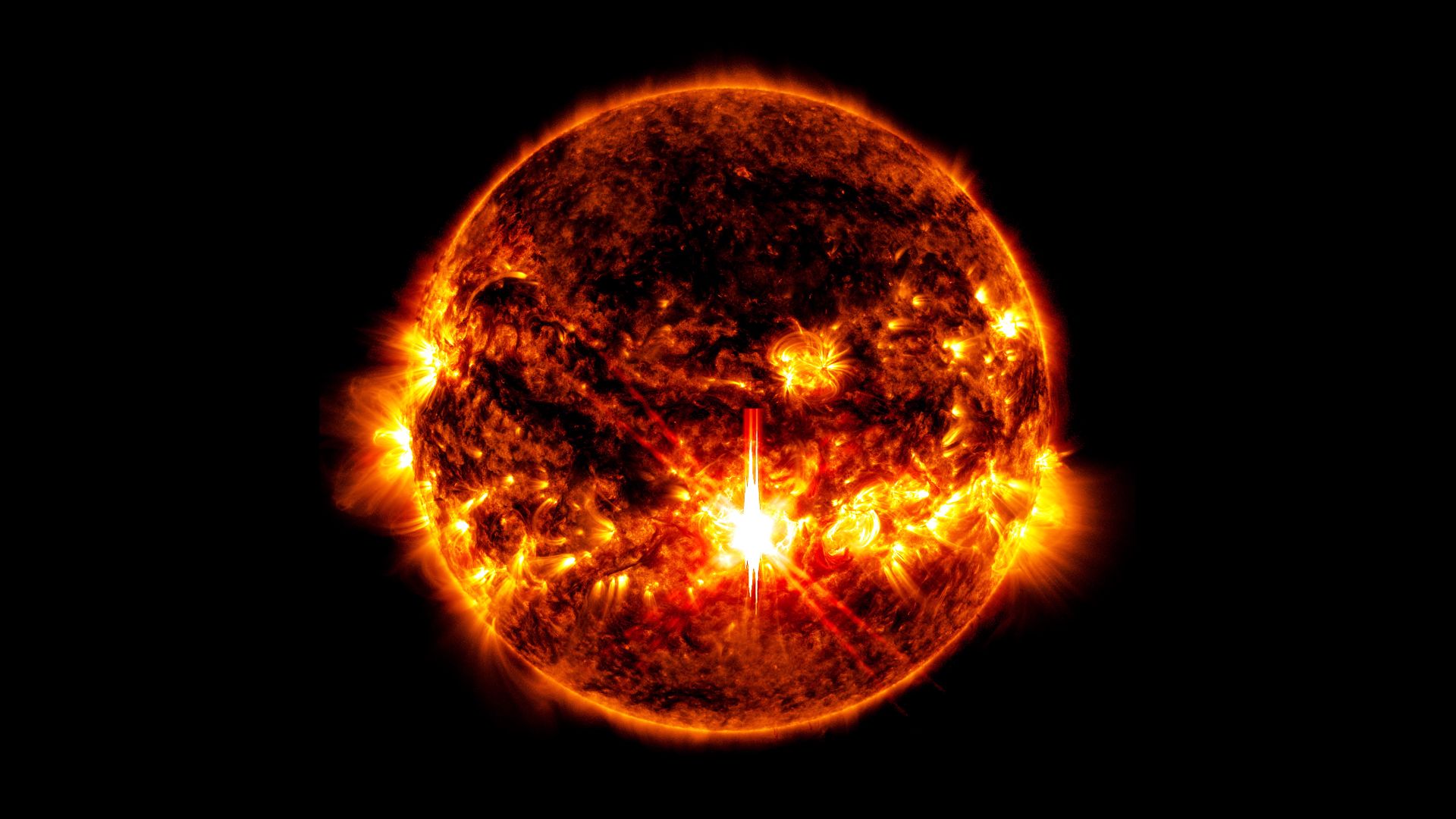
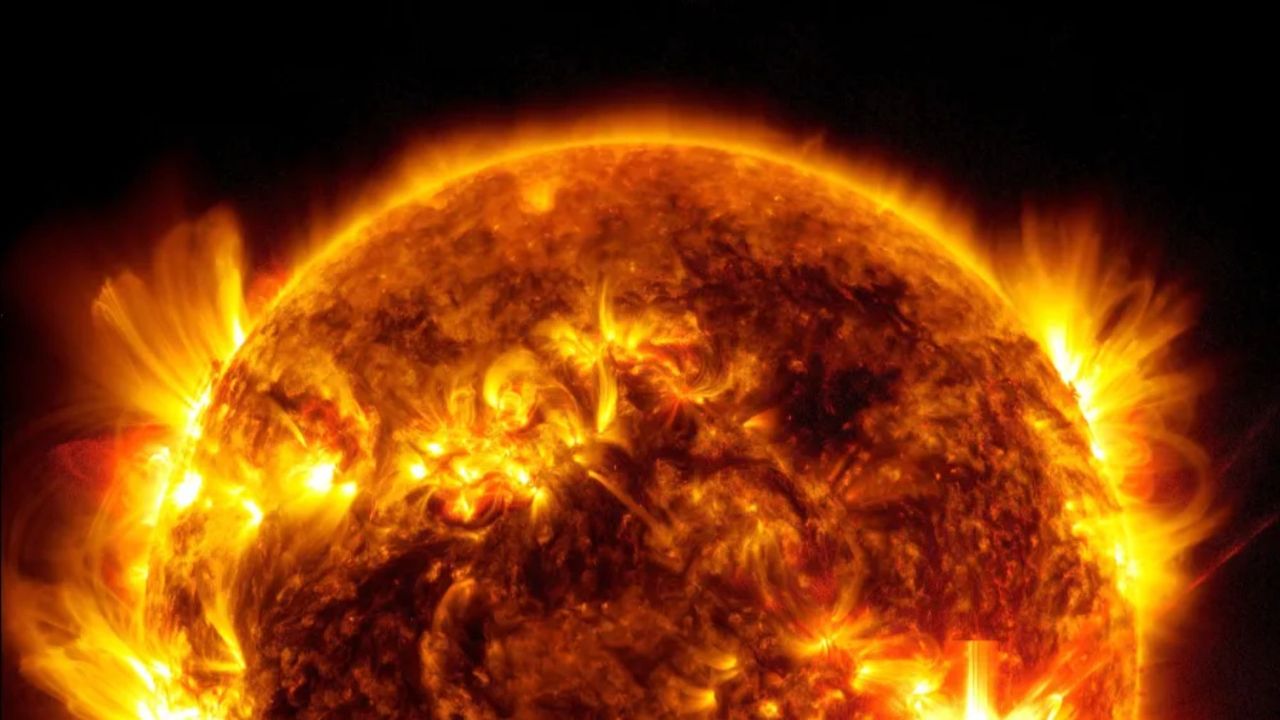
The most powerful solar storms to strike Earth may pack a bigger punch than scientists realized, according to a new study that suggests the impacts of extreme space weather have been underestimated.
Researchers found evidence that the apparent upper limit on Earth's response to the strongest solar storms may be an artifact of how solar wind has been measured rather than a true physical ceiling. If confirmed, the findings suggest that rare "once-in-a-thousand-year" geomagnetic storms could have a greater impact on modern technology than current estimates indicate, according to a statement.
"Our planet's magnetic field does a really great job of protecting us against many space weather effects and so they often just show up as glitches or beautiful aurora," Maria Walach, co-author of the study from Lancaster University, said in the statement. "There are however extreme cases."
Solar storms occur when eruptions from the sun, such as coronal mass ejections and solar flares, send clouds of charged particles hurtling toward Earth. While they can produce spectacular auroras, they can also disrupt satellites, GPS, radio communications and power grids.
History has shown the damage even less extreme storms can cause. The 1859 Carrington Event, the strongest geomagnetic storm on record, disrupted telegraph systems around the world and pushed auroras from their usual high-latitude skies near the Arctic and Antarctic to locations as far south as the tropics. Another powerful storm in 1989 collapsed Quebec's power grid, leaving millions without electricity, while the 2003 "Halloween storms" disrupted satellites, GPS and radio communications.
While the study doesn't suggest that an unprecedented solar storm is imminent, it argues that scientists may need to rethink how they estimate the severity of the rarest events — an increasingly important challenge as modern society grows more dependent on satellites and other vulnerable technologies.
The researchers traced the apparent upper limit to where most solar wind measurements are collected. Many observations of extreme events come from spacecraft near the Sun-Earth Lagrange Point 1 (L1), about 1 million miles (1.5 million kilometers) upstream of Earth. Because the strongest solar wind tends to weaken somewhat before reaching Earth, comparing L1 measurements with conditions at our planet can make it appear that Earth's upper atmosphere stops responding to increasingly intense solar wind, even when it does not.
To test that idea, the team analyzed more than one million solar wind measurements collected by NASA spacecraft orbiting much closer to Earth, where the solar wind directly interacts with our planet's magnetic field. Those observations showed that electrical currents flowing through Earth's upper atmosphere continued to increase alongside stronger solar wind, with no sign of the previously assumed upper limit. The results suggest that exceptionally powerful solar storms could generate stronger geomagnetic disturbances — and greater impacts on satellites, communications systems and power grids — than earlier estimates predicted.
"Fortunately, these very extreme cases are rare, but this also means we have limited data to work with and only time will tell what happens at the very extreme one-in-a-thousand-year kind of event," Walach said in the statement.
The study comes as the sun remains near the peak of its roughly 11-year solar cycle, known as solar maximum, when sunspots, solar flares and coronal mass ejections become more frequent. During the current cycle, strong geomagnetic storms have repeatedly sent auroras far beyond their usual polar skies.
In May 2024, the strongest geomagnetic storm in more than two decades illuminated skies across much of the United States and Europe while causing intermittent disruptions to high-frequency radio communications, GPS-guided equipment and some satellite operations. Although significant, that event was far less powerful than the Carrington Event — or the even rarer storms the new study suggests may be possible.
The findings were published July 15 in the journal Nature.
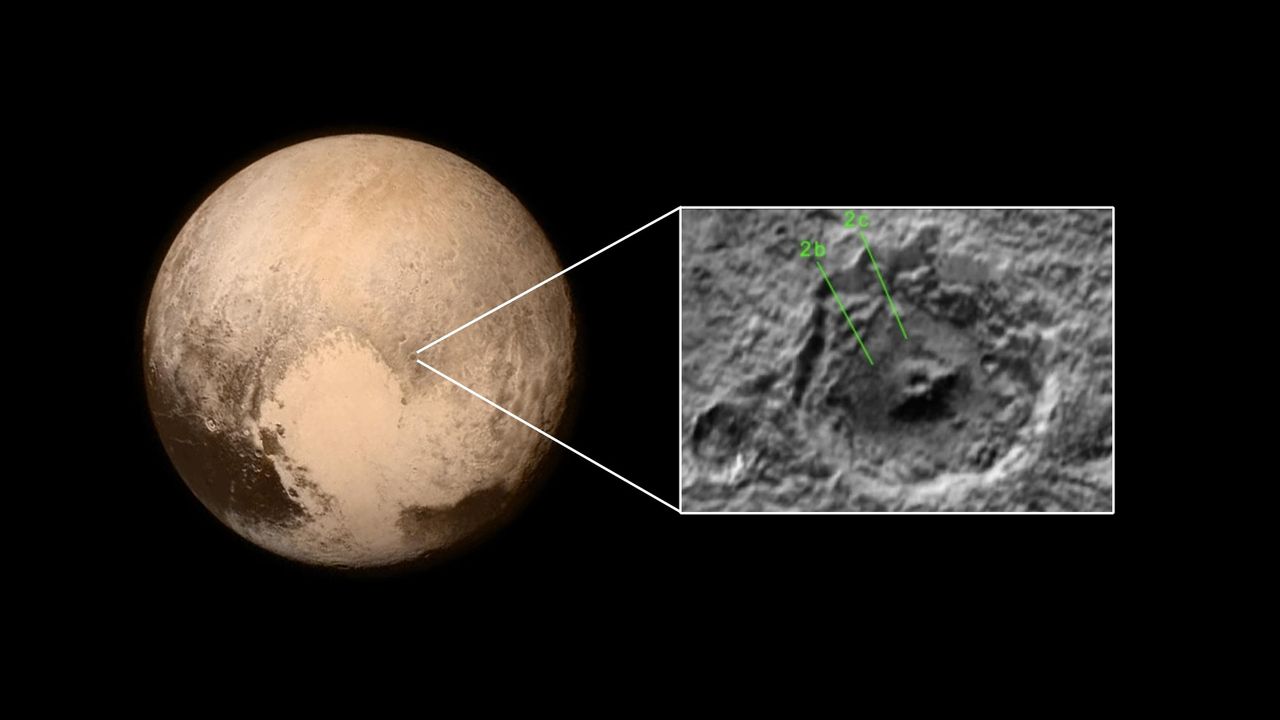
The aftermath of landslides have been found in images of Pluto's surface taken when the New Horizons mission flew past the dwarf planet in 2015. The landslides are evidence that the icy world is still active, albeit on geological timescales.
A team led by geologist Marco Emanuele Discenza pored over images taken by New Horizons' LORRI (Long-Range Reconnaissance Imager) instrument, which was capable of detecting surface features as small as 984 feet (300 meters). They found convincing evidence for six landslides in total that have taken place down the inner walls of three craters on the western edge of Sputnik Planitia, the heart-shaped feature that characterizes Pluto's appearance.
Previously, geological features left behind by landslides have been found on a host of bodies in the solar system, including Mars, Ceres in the asteroid belt, some of the icy moons of the gas giants, and even Pluto's companion, Charon. However, these are the first to be found on Pluto.
A landslide that fell 1.4 miles (2.2 kilometers) was identified in Pluto's Coughlin crater, close to a secondary crater on Coughlin's rim that may have triggered the landslide in the first place. Two further landslide features were seen in Giclas crater, and another three were spotted in a third, unnamed, crater.
The landslides were identifiable by their large debris aprons that spilled out onto the crater floors, the distance the landslide material travelled ranging being between 6.3 and 9 miles (10.1 and 14.5 km). Some of these debris aprons appeared bumpy, as if they contain large boulders of solid ice, while the areas around the source of the landslides feature well-defined, concave-shaped cliffs where material has broken away and tumbled down the craters' steep walls.
The great lengths that the debris rolled means that Pluto's landslides are among the most mobile in the solar system, a product of low gravity and low-friction icy rubble. The largest of the debris aprons covers 50 square miles (130 square kilometers), which would be large enough to bury a small city or a large town.
Landslides are important processes in shaping planetary surfaces, enabling the transport of material across great distances. The trigger for Pluto's landslides, however, is not yet clear. While the landslide in Coughlin appears to have been caused by a smaller impact nearby, the other five have less certain origins. One possibility is thermal stresses in the surface ice caused by the slight temperature changes that cause Pluto's volatile materials – among them molecular nitrogen, carbon monoxide and methane – to periodically sublimate and then condense again. These temperature changes are the result of Pluto subtly heating up and cooling down as its elliptical orbit brings it slightly closer to the sun, crossing inside Neptune's orbit, and then moving farther away again.
There is also evidence for more landslides in other craters, but New Horizons' coverage of Pluto's surface was limited as it hurriedly flew past on July 4, 2015, and the imagery required to confirm these other landslides is lacking.
The findings were published in the journal Icarus.
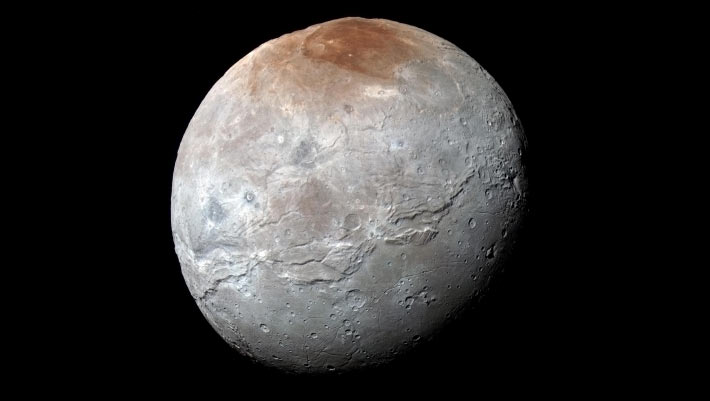
New research indicates that Pluto’s largest moon, Charon, may continue to lose rotational energy despite the pair’s long-standing tidal lock, offering scientists a rare glimpse into the hidden interiors of distant icy worlds.
The post Pluto’s Moon Charon May Still Be Slowing Its Spin, Study Suggests appeared first on Sci.News: Breaking Science News.
Nearly 400 days and a billion kilometers after leaving Earth, China’s Tianwen-2 spacecraft has arrived at its target: the near-Earth asteroid 469219 Kamoʻoalewa, also known as 2016 HO3. And the mission’s first photo of the rock has already had scientific impact, reopening an ongoing investigation over whether Kamoʻoalewa began as a chunk of the Moon.Continue reading "Tianwen-2 arrives at target asteroid Kamoʻoalewa"
The post Tianwen-2 arrives at target asteroid Kamoʻoalewa appeared first on Astronomy Magazine.
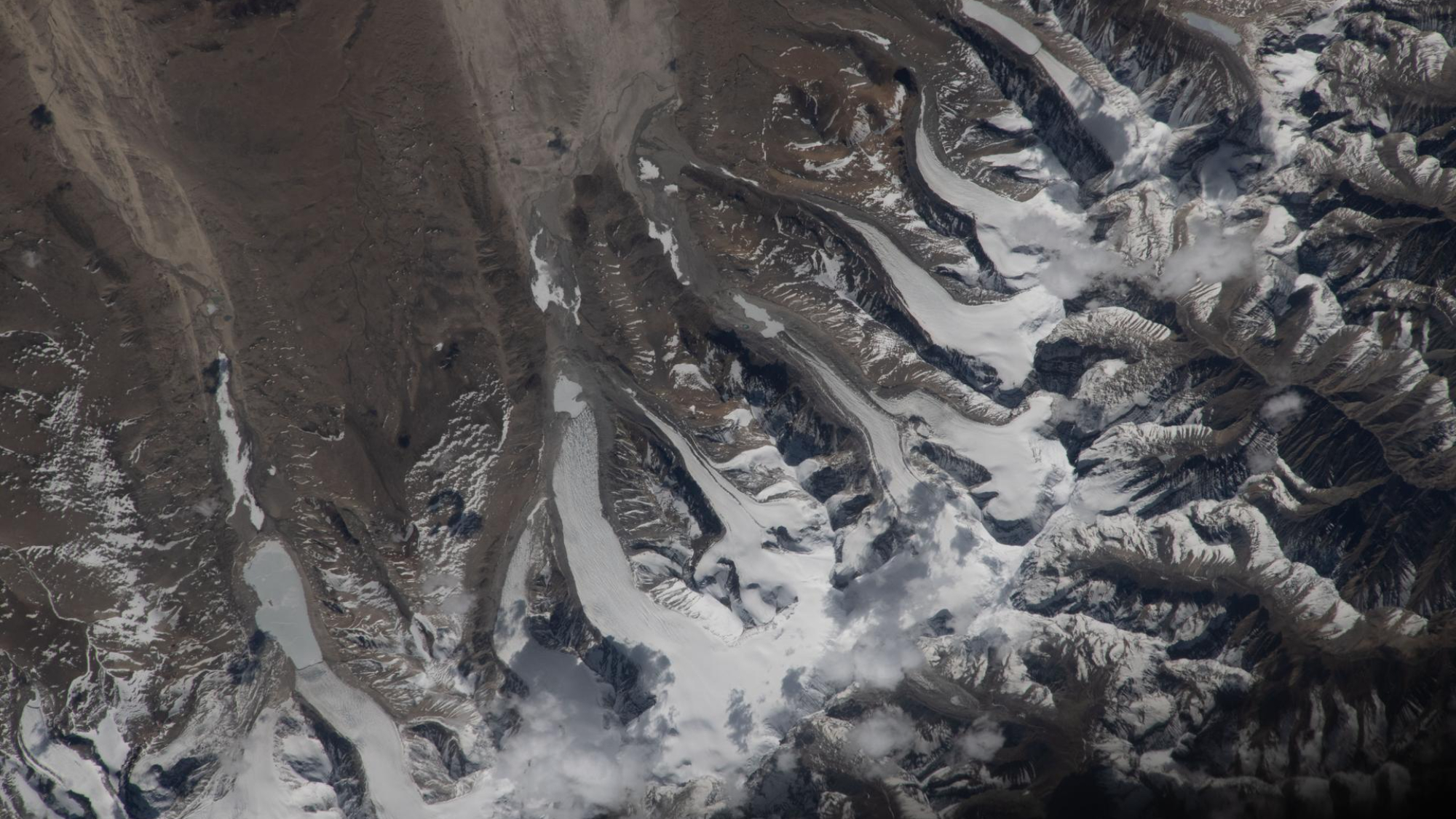
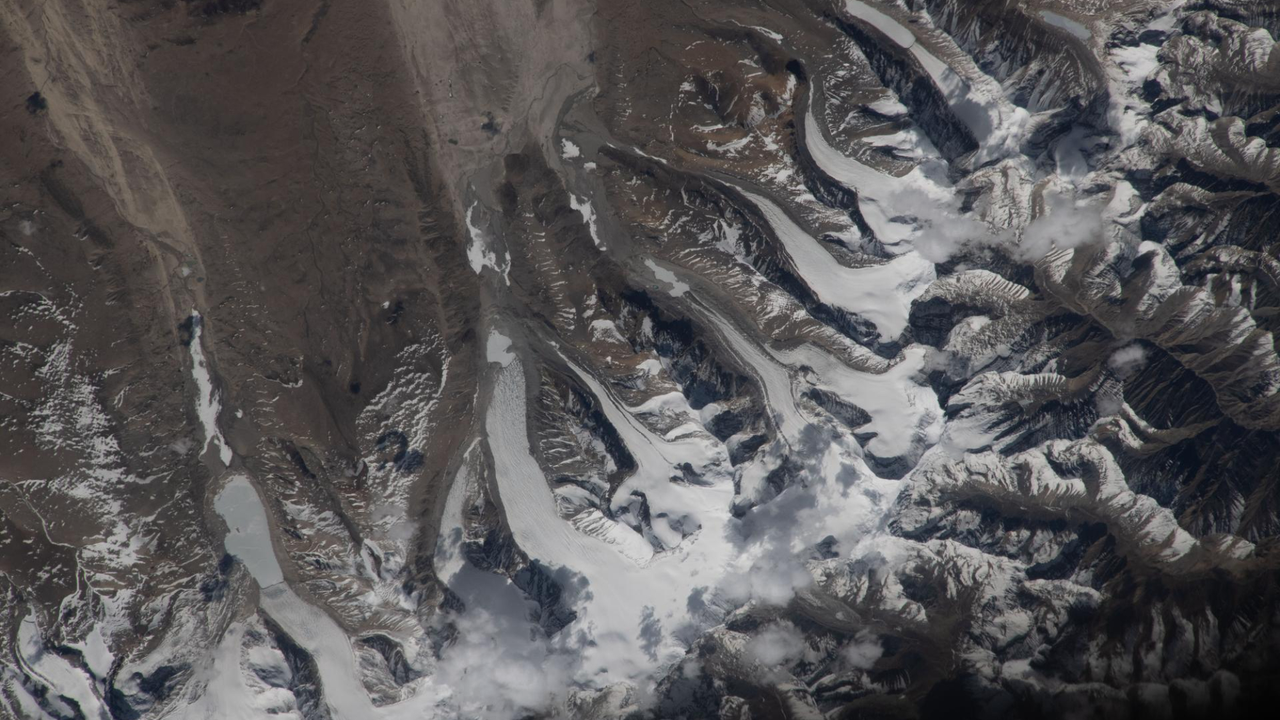
Towering glaciers flow down the Himalayas' northern slopes like icy giants cascading onto China's Tibetan Plateau.
Back in May, from aboard the International Space Station 259 miles (417 kilometers) above Earth, NASA astronaut Jessica Meir peered out the station's windows with her camera and captured a breathtaking sight.
In that fleeting moment from space, she captured the northern slopes of the Himalaya mountains stretching into China. And atop the mountains, slow-moving rivers of glacial ice carve their way downhill.
This view shows the enormity of this mountain range, which separates Nepal from China's Tibetan Plateau. The Himalayas have the highest mountains in the world, including Mount Everest, with over 110 mountain peaks surpassing 24,000 feet (7,300 meters) of elevation above sea level. Ranging across five countries (Nepal, India, China, Bhutan and Pakistan) the mountain range is about 1,500 miles (2,400 kilometers) wide.
With the range being so incredibly expansive, this view from space offers a unique vantage point from which we can see a large swath of the mountains in motion. Even in a helicopter, you would get a fairly localized view of individual mountains in the Himalayas. This view provides a striking scene that you cannot see from the surface of our planet.
This view is also a reminder of how important space is in our evolving understanding of climate change. As our planet continues to change and sea levels rise with warming temperatures, we can see glacial movement from space. This is an important resource to researchers fighting to better understand climate change so we can better fight it. With access to information about glaciers and how they melt, move and flow across the world, we can be better prepared to protect our planet and its inhabitants.
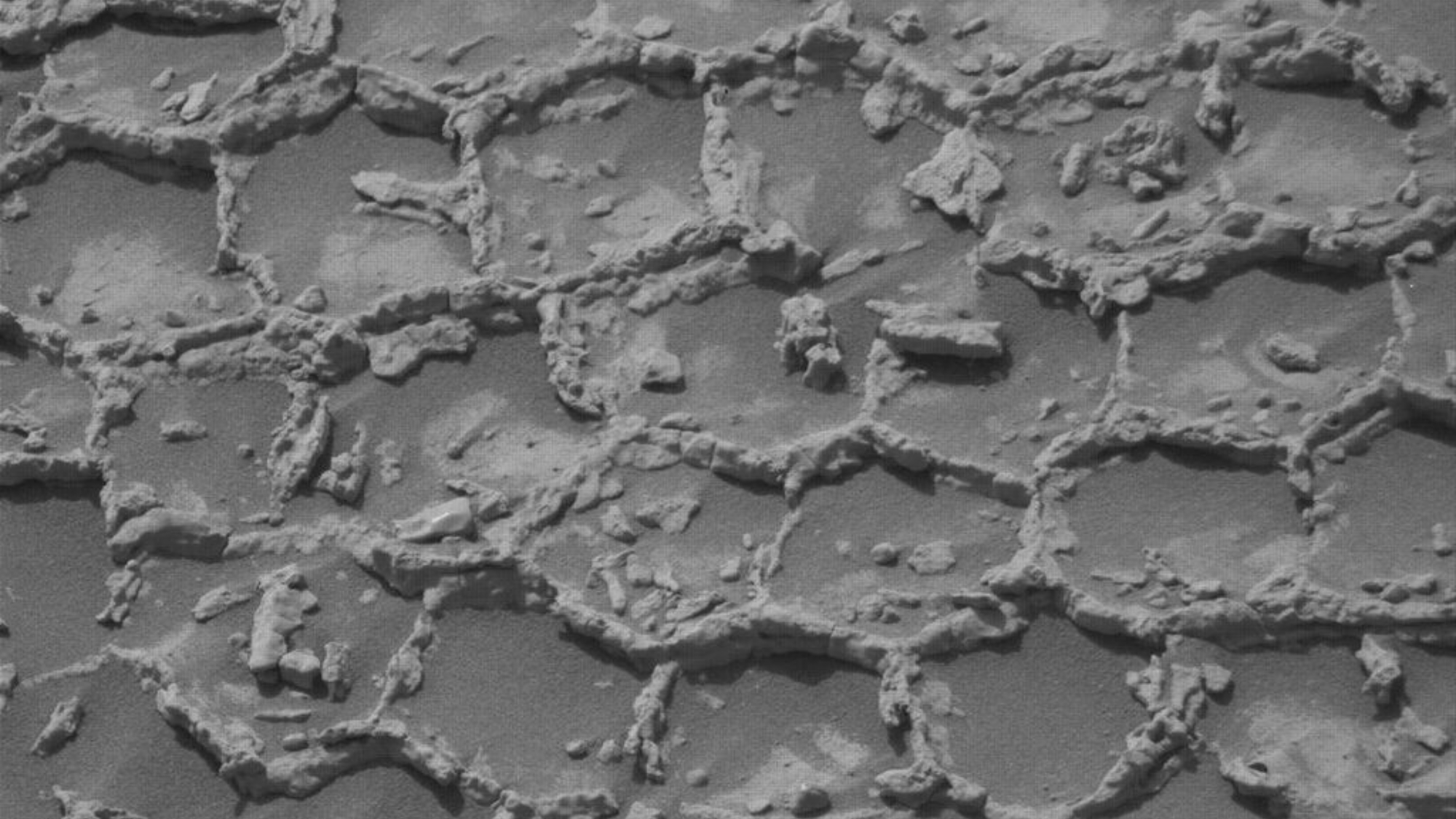
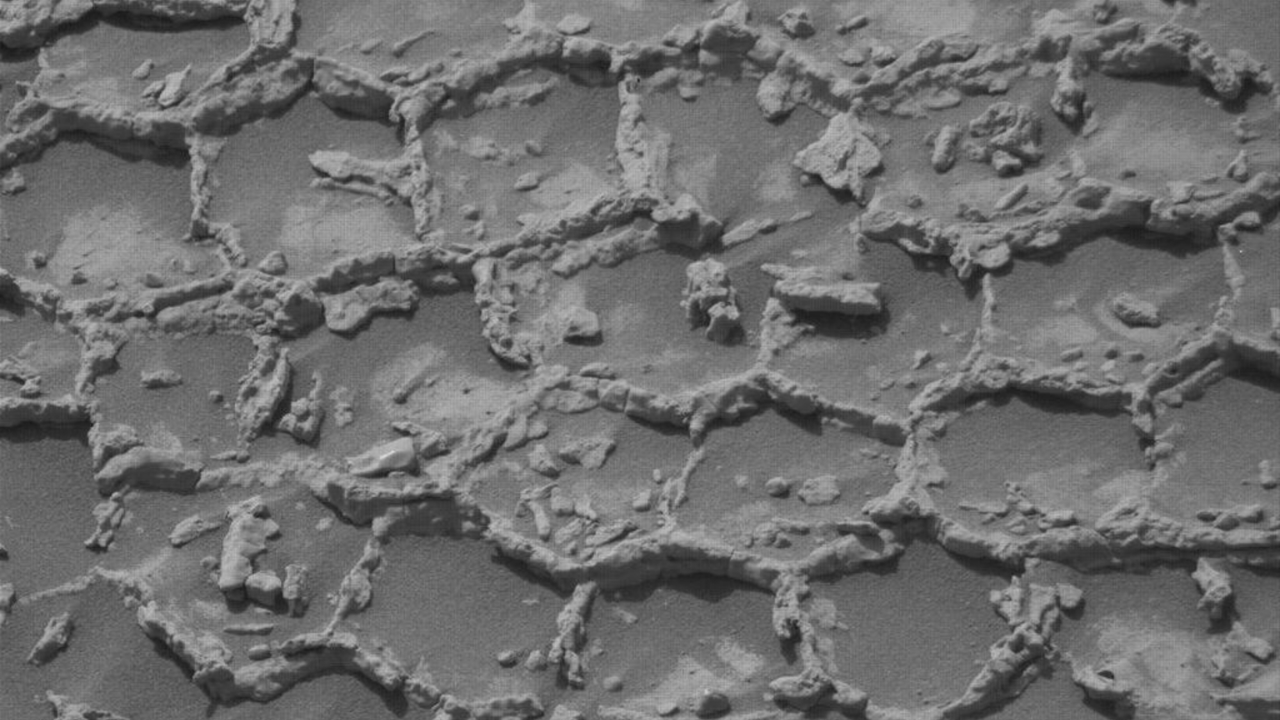
NASA's Curiosity rover has spotted a strange honeycomb texture on the surface of Mars. But what is it?
Almost 14 years since landing on the Red Planet, Curiosity is still hard at work exploring. And in new observations, Curiosity has revealed an image that is certainly ... peculiar.
Curiosity went to get a closer look at an area first observed from Mars orbit, and found what appears to be a honeycomb structure in on the planet's surface. Polygonal shapes, nearly identical to one another, make up a pattern almost like a Martian wallpaper or carpet.
But what is it? Why does it look like that? What is a honeycomb doing on Mars?
This is one of many mysteries we have yet to solve on Mars. While the team saw this area first from orbit around the planet, when the rover arrived and saw this structure they were surprised, they shared in a blog post.
In addition to the honeycomb texture, the area was littered with dark rocks and strewn around. But even these pebbles lack explanation. Did they "float" down from higher rock levels, did they launch out of Gale crater during some ancient collision or could they possibly even be meteorites from outside of Mars that ended up strewn across the surface? Researchers think any one of these explanations could be possible.
Previous, similar dark stones have been found on Mars with minerals like nickel that are common in meteorites and uncommon in Mars rocks. But are these similar? Perhaps part of a similar collision event? We don't yet know.
As researchers find new mysteries on Mars, they also continue to find new ways to investigate the unknown. With further study, they will explore both these strange honeycombs and the dark rocks scattered amongst them.
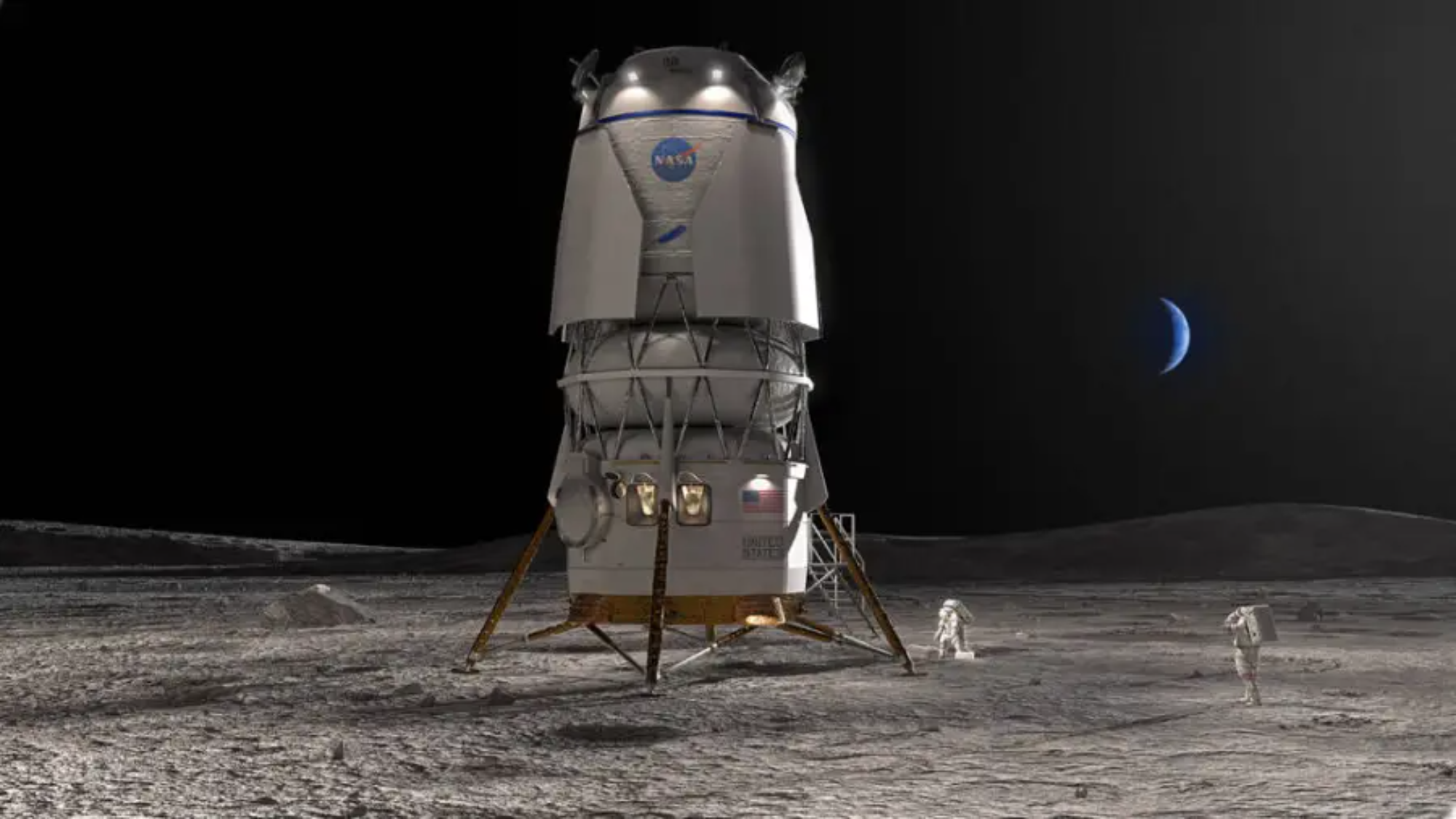
Landing spacecraft on the moon could contaminate ancient clues about how life may have originated on Earth, a new study finds.
As NASA continues on with its plan of sending astronauts back to the moon with the Artemis program, researchers are exploring what possible unintended consequences may arise from humans visiting the lunar surface. For instance, Artemis IV will land astronauts near the moon's south pole and the agency has future plans for building a longer-term moon base on the lunar surface, which would require many more trips. And indeed, a new study has found the exhaust from spacecraft involved with these landings could expel enough methane to contaminate the moon's surface — possibly destroying molecules that could help to explain how life may have originated on Earth.
"We are trying to protect science and our investment in space," senior study author Silvio Sinibaldi, the planetary protection officer at the European Space Agency, said in a statement. "Our activity can actually hinder scientific exploration."
While experts have had concerns for some time about how rocket launches on Earth pollute our planet and atmosphere, scientists have only really considered this issue with our own planet. This is especially because we haven't been to the moon's surface in over 50 years; concerns of accidental effects of a lunar landing simply haven't been top-of-mind. That's what makes this new study so important. It points to a potential issue that could mean that future moon landings might actually be detrimental to science.
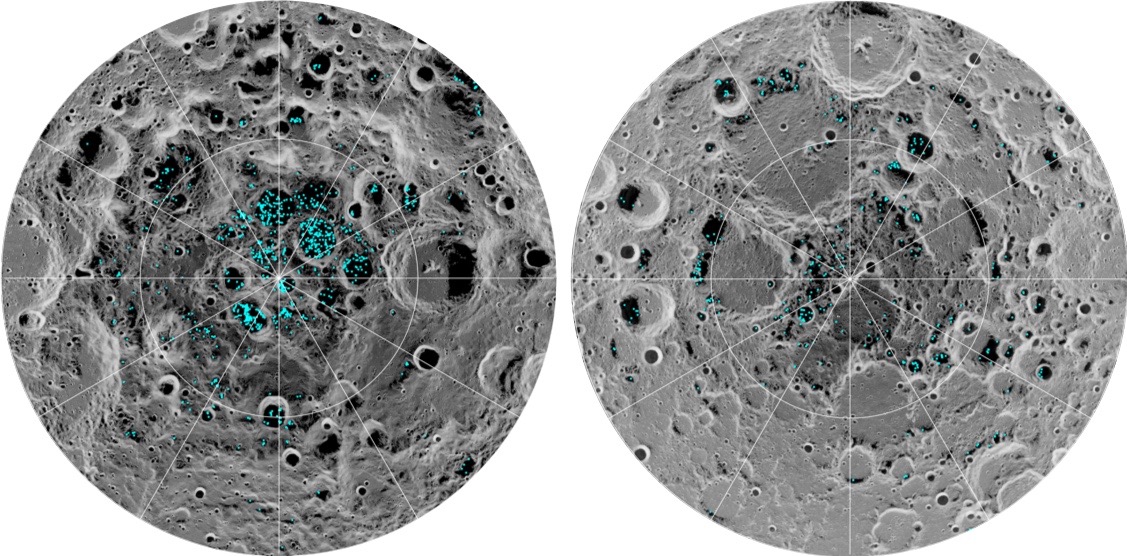
So why do we think the signs of life could be hiding on the moon? It's actually hiding in ice. Dark craters near the moon's poles, which exist in perpetual shadow, hold ancient ice. This ice is thought to contain material from asteroids and comets that smashed into the moon billions of years ago. Trapped in lunar ice to this day, these bits of ancient collisions could include what the researchers describe as "prebiotic organic molecules," or molecules that could have preceded life on Earth.
It's thought that these molecules from asteroid and comet visitors could have sparked life on Earth, and by studying those possibly trapped on the moon, researchers could be looking at the molecules that ended up combining and creating life as we know it.
The molecular history of life on Earth is pretty much nonexistent on our own planet, as it was largely destroyed by the billions of years of changes we've experienced. But the moon has remained mostly unchanged, so these wells of ice are a uniquely-preserved sampling of pre-life molecules.
"We know we have organic molecules in the solar system — in asteroids, for example," Sinibaldi said. "But how they came to perform specific functions like they do in biological matter is a gap we need to fill."
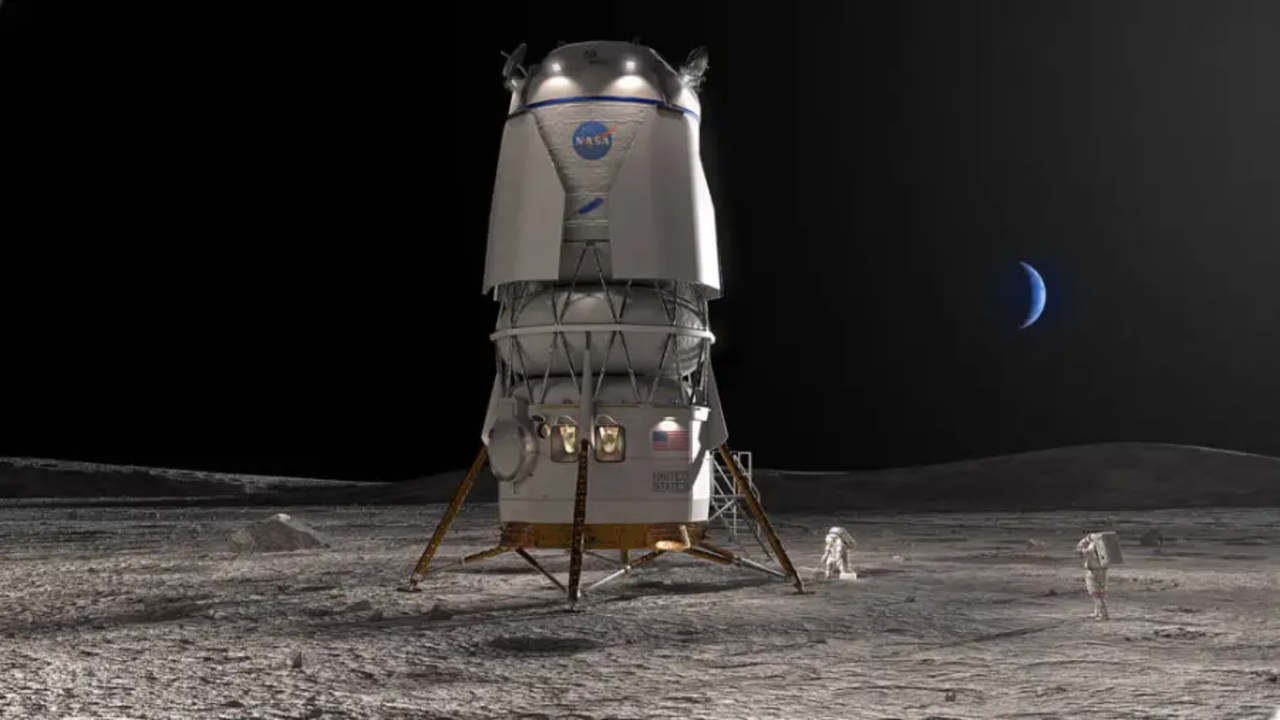
This ice exists in a somewhat fragile ecosystem, so left alone in darkness, this ice isn't going anywhere anytime soon. But with Artemis, NASA is planning on sending crewed landers to the moon's south pole. That might pose a problem. With computer models in this new study, researchers have shown that the methane exhaust from these landers could very quickly and permanently contaminate this ancient ice, destroying the molecular evidence sealed within.
In those computer models, the researchers simulated how methane, the main organic component expelled by planned lunar landers, would spread across the moon's surface after a landing at the south pole. While the simulations included the effects of solar wind and radiation, the moon's lack of an atmosphere caused the methane to spread incredibly quickly, reaching the moon's north pole in under two lunar days.
Within one lunar week (which is roughly seven months on Earth), over half the methane was trapped at the moon's cold polar areas, with a whopping 42% of the substance trapped at the south pole compared to 12% at the north pole. This methane could collect in the same cold pockets where ice and ancient molecules have been collected for billions of years, possibly contaminating this finite, scientific evidence.
"Their trajectories are basically ballistic," lead author Francisca Paiva, a physicist at Instituto Superior Técnico in Portugal, said in the statement. "They just hop around from one point to another."
In better news, there may be a way to circumvent some of this methane disturbance. For instance, the study suggests it's possible that by choosing colder landing sites, scientists can avoid having the methane travel as quickly or as far. Additional simulations are needed to better understand how exhaust compounds travel on the moon, however, as well as the risks that this poses for scientific investigations and if there are other materials lunar trips will involve that could contaminate the environment. Above all, the new study's team emphasizes that as we push toward future lunar exploration, it is key to balance our dreams of settling the moon with preserving its priceless history.
"We have laws regulating contamination of Earth environments like Antarctica and national parks," Paiva said. "I think the moon is an environment as valuable as those."
This work was described in a study published last year in the journal the American Geophysical Union.
China’s Tianwen 2 mission returns its close view of Earth's tiny "quasi-moon" Kamoʻoalewa.
The post Tianwen 2 Arrives at Quasi-Moon Kamoʻoalewa, Returns Images appeared first on Sky & Telescope.
We might be living through a comet shower created by a star that millions of years ago jostled the Oort Cloud surrounding the solar system.
The post Did a Passing Star Shower Us with Comets? appeared first on Sky & Telescope.
When you think of an asteroid impact, you’re probably imagining something like the cataclysmic event that nearly wiped out the dinosaurs. In an astonishingly rare event, a rock the size of the island of Manhattan could come hurtling from deep space towards Earth and destroy the world.
On the contrary, asteroids are generally leftover debris from the primordial solar system that didn’t become part of a larger body, like a planet or moon, and they’re not particularly rare. Scientists estimate that there are about 1 billion asteroids and comets classified as near-Earth objects, or NEOs. NEOs are generally much smaller than the asteroid that killed the dinosaurs. They range from weakly held-together piles of rubble 200 meters (700 feet) across, to the minuscule 2024 BX1, approximately 44 centimeters (17 inches) across.
For several decades, astronomical surveys of the sky have looked for these asteroids. NASA’s Center for Near-Earth Object Studies (CNEOS) Fireball and Bolide Database has records of over 1,000 incidents of objects colliding with our planet since the mid-1990s. Among these is a set of 11 objects that scientists detected before they hit Earth, known as imminent impactors. Finding imminent impactors allows scientists unique opportunities to study the smallest building blocks of the solar system, enabling them to learn more about asteroid composition, structure, and history.
A team of scientists recently conducted a study on how the newly built Vera Rubin Observatory could detect more imminent impactors before they strike Earth. They examined the CNEOS Fireball and Bolide Database impact records spanning February 1, 1994, to January 1, 2026, for records of the asteroids’ coordinates, velocities, and the energy they released at the time of collision.
They found that 343 NEOs met this criterion, including 5 known imminent impactors. Using these recorded data, they reconstructed the objects’ pre-impact characteristics. The team predicted the asteroids’ orbital paths from the recorded coordinates and velocity. Assuming the objects were spherical, they estimated the size from velocity and impact energy. From this information about the asteroids’ state before impact, the team could then simulate whether the Rubin Observatory would have detected them.
When small asteroids hit Earth, they mostly burn up in the atmosphere, producing a bright flash that is relatively easy to spot compared to when they are in space. The Rubin Observatory can see objects up to 10 billion times dimmer than the brightest star in the night sky, Sirius. To predict if the Rubin Observatory can detect dim NEOs, the team used the solar system simulator SORCHA. SORCHA takes an observatory’s specifications and the physical properties of the NEOs and uses these to determine whether the observatory could detect them. It also estimates the measured sizes and speeds of the NEOs, and predicts when the observatory would have seen them.
At the Rubin Observatory, an imminent impactor is considered discovered if it’s observed at least 3 separate times over 15 days before hitting Earth. So this team applied this same criterion to their simulation. They found that of their 343 impactors, SORCHA estimated that the Rubin Observatory would have discovered 14 of them before impact.
They also found that SORCHA predicted 4 additional impactors that could have been observed at least once, potentially allowing scientists to search other telescope data for evidence of their existence in pre-collision images. Based on these results, the team estimated that the Rubin Observatory could find 4% of all objects longer than 1 meter (3 feet) before they hit Earth. This percentage of discovery translates to 1 to 2 imminent impactors detected every year, at least double their current discovery rate.
The ability to more consistently find imminent impactors would allow researchers to study the smallest pieces of the solar system in detail and to draw general conclusions about the properties of objects that could potentially collide with Earth. This would also allow scientists to more accurately calculate the orbits of imminent impactors, determine where more meteorites land to recover them, and keep tabs on the extremely rare but more hazardous large impactors for planetary defense initiatives. So, humanity can learn more about the ancient solar system, and hopefully avoid going the way of the dinosaurs while doing so!
The post How many asteroids can we detect before they hit Earth? appeared first on Sciworthy.
Japan’s Hayabusa 2 mission has revealed another "snowman" asteroid — a pair of asteroids attached with a narrow neck. The contact binary could help shed light on planet formation.
The post Hayabusa 2 Completes Flyby Past Asteroid Torifune appeared first on Sky & Telescope.
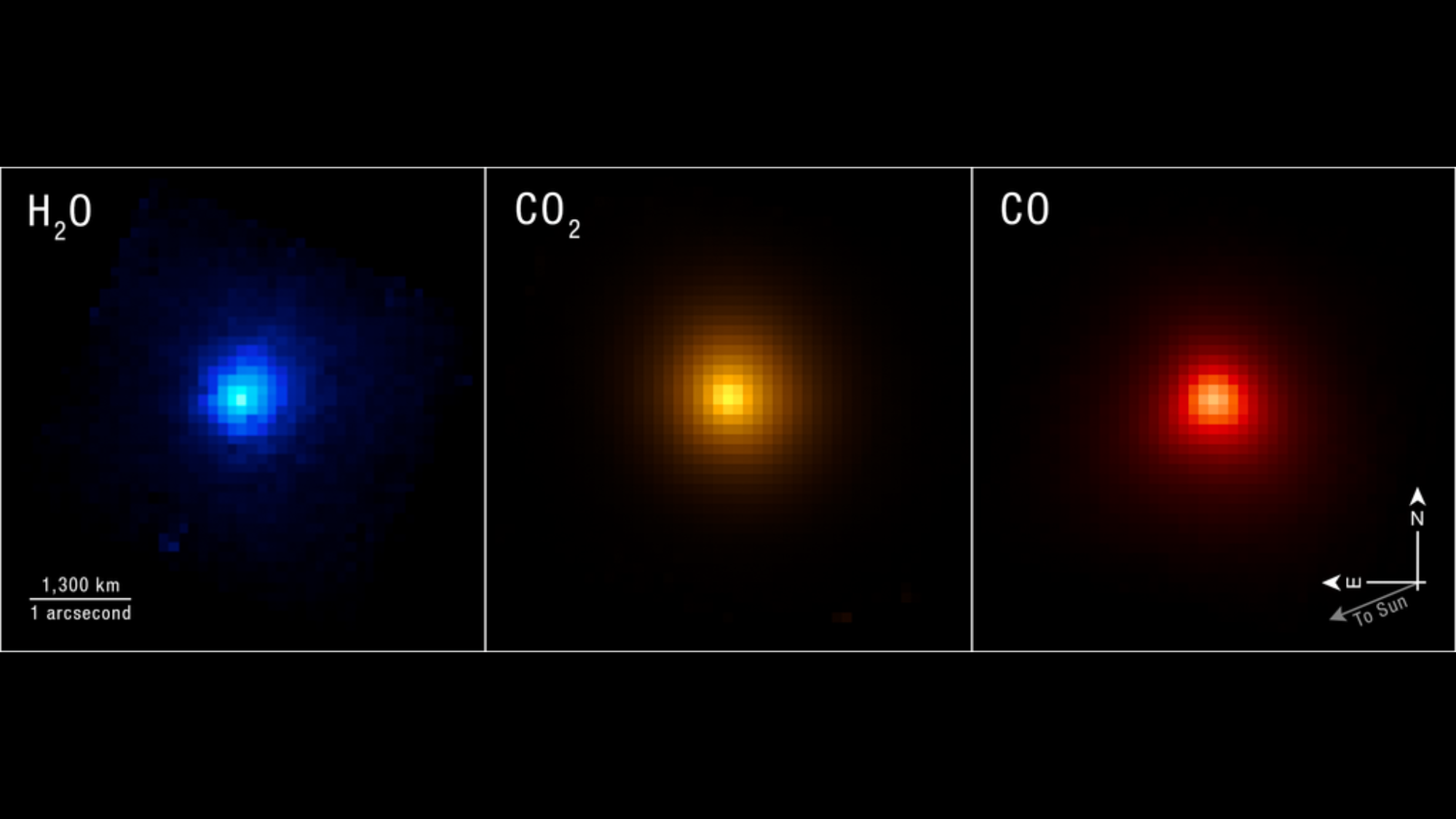
NASA's James Webb Space Telescope is finding clues that are leading scientists closer to understanding the origins of the interstellar comet 3I/ATLAS.
Comet 3I/ATLAS captured the world's attention when it was discovered nearly a year ago on July 1, 2025. The comet was first spotted by the Asteroid Terrestrial-impact Last Alert System (ATLAS), and is only the third interstellar object every discovered.
The comet swooped through our solar system, passing by Earth at a far (and safe) distance on its tour of our cosmic neighborhood. It is on a long trajectory that will take it out of our solar system, never to return.
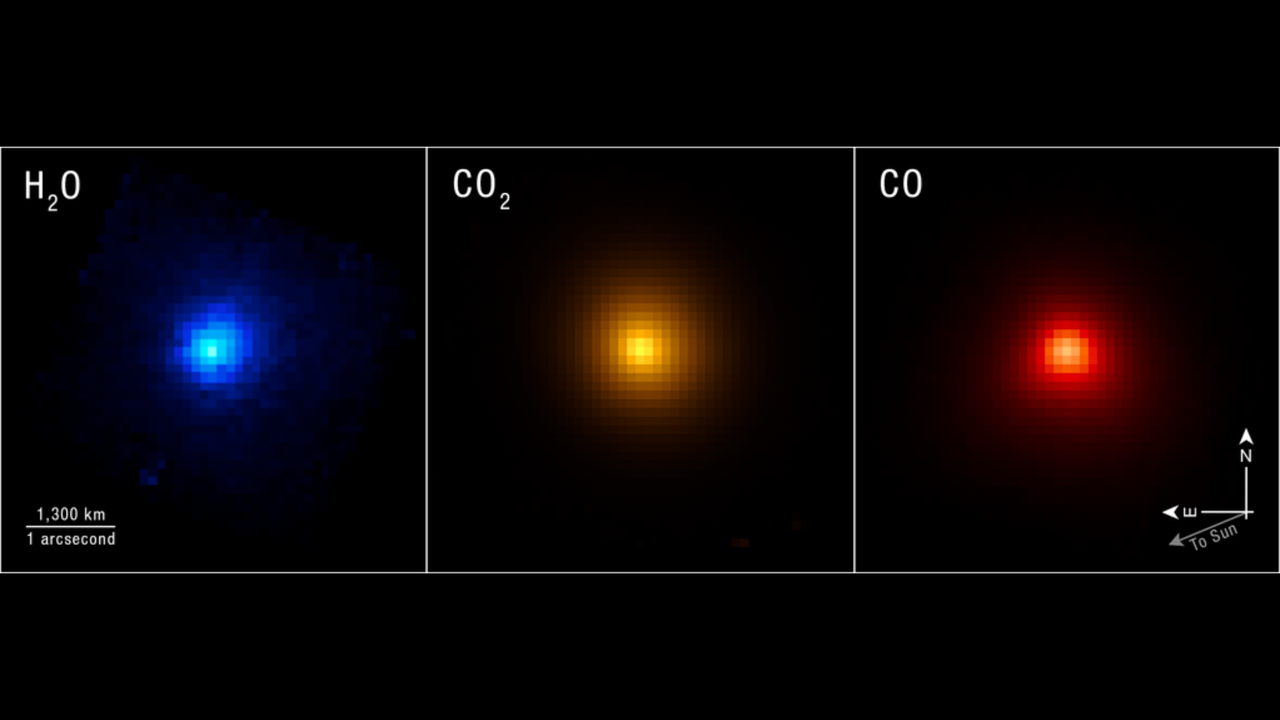
In observations from the James Webb Space Telescope, scientists were able to look in the direction the comet as it began moving away from the sun in December of last year. While in close proximity to our star, the sun's heat warmed the comet, making it extra bright and easy to observe.
With this view, astronomers were able to calculate some of the ratios of the chemicals present in the comet. This further highlighted that the object is from out of our solar system, as they found ratios of carbon and heavy hydrogen not found in comets in our solar system.
Researchers described their results in a new paper published June 22 in the journal Nature.
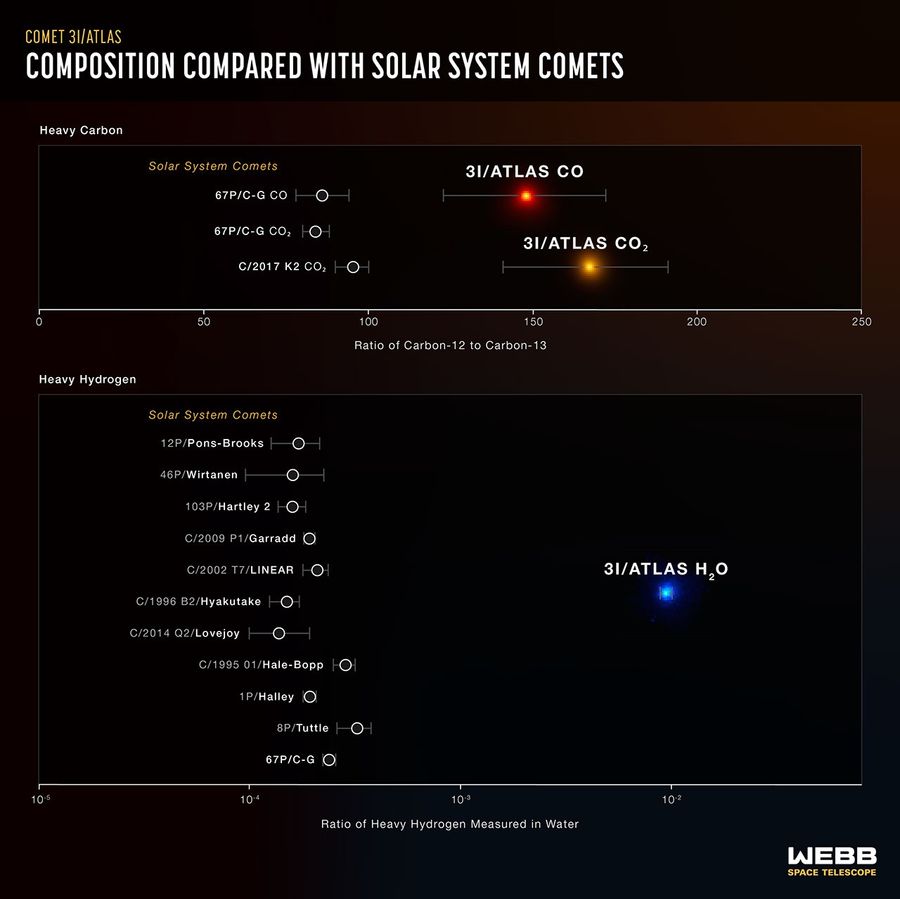
Being only the third interstellar object ever found, people were excited about 3I/ATLAS. They were so excited, in fact, that conspiracies about the object sprouted up quickly. Due to it being from outside of our solar system, some claimed that the comet could be some sort of alien spaceship, similar to the initial suspicions about the interstellar object 'Oumuamua found years earlier.
But with new information coming in from space telescopes, and astronomers eager to understand this object better, these clues are leading us closer and closer to the true origins of this strange comet.
 Astronomers have found that interstellar comet 3I/ATLAS contains an unusually large amount of methanol. Every interstellar object that passes through our solar system offers a rare chance to sample material forged around another star. Now, new observations of comet 3I/ATLAS using the Atacama Large Millimeter/submillimeter Array (ALMA) have revealed a chemical surprise: the comet is [...]
 The discovery of all five nucleobases on Ryugu strengthens the idea that life’s molecular ingredients formed in space before reaching Earth. A new study reports that samples from the asteroid Ryugu contain all five fundamental nucleobases, the molecular “letters” of life. Tiny asteroid grains can preserve chemical clues about the ingredients that may have helped [...]
Exploding stars have left their radioactive mark on our planet. Now scientists have found more evidence of a particularly violent event in Earth’s more ancient past.
The post Exploding Stars Sprinkled Ancient Earth With Radioactive Iron and Plutonium appeared first on Sky & Telescope.