❌

Reading view

Sleep Tracking on Apple Watch Without Chasing Scores

Sleep tracking on Apple Watch can make an invisible part of daily health easier to understand. Each morning, the watch may show sleep duration, stages, interruptions, overnight vitals and a score intended to summarize the night.

That information can be useful. It can also create a new habit of judging the entire day before getting out of bed.

One low score may make a person feel tired before noticing how they actually feel. A few minutes less deep sleep can become a source of concern. Going to bed can even start to feel like a test that must be passed rather than a normal biological process.

Apple Watch sleep data works better as a long-term observation tool than as a nightly verdict. The goal is not to collect perfect scores. It is to notice repeatable patterns and make small changes when those patterns match real-life problems.

What Apple Watch Measures During Sleep

Apple Watch estimates sleep using movement and signals collected while it is worn overnight. Depending on the model and available features, the Health and Sleep apps can show total sleep time, awake periods and estimates for core, deep and REM sleep.

The watch may also collect sleeping heart rate, respiratory rate, wrist temperature and other overnight metrics. The Vitals app compares several of these measurements with the user’s established typical range.

A sleep score compresses parts of the night into one number or category. Apple’s score considers factors including sleep duration, consistency and time spent awake. That makes it convenient, but convenience should not be confused with a complete medical interpretation.

The watch cannot know whether a stressful conversation kept someone awake, whether a child interrupted the night or whether the wearer woke feeling unexpectedly refreshed after fewer hours. It estimates physiological and behavioral signals. The person still supplies the context.

Sleep Tracking Apple Watch Data Works Best as a Trend

One night can be distorted by almost anything: travel, alcohol, illness, noise, a late meal, room temperature or a loose watch band. Even the position of the arm can affect sensor collection.

A weekly or monthly view is more useful because it reduces the influence of isolated nights. Patterns begin to emerge around bedtime consistency, total duration and changes in overnight vitals.

To review longer sleep trends on iPhone:

Health > Search > Sleep > select the weekly, monthly or six-month view

Look first at sleep duration and timing. These measurements are generally easier to interpret than small changes in individual sleep stages.

A person who repeatedly sleeps less on work nights may have a scheduling issue. Someone whose sleep becomes more fragmented after late caffeine may have found a useful connection. A consistently irregular bedtime may explain more than whether deep sleep moved by 12 minutes on Tuesday.

The data becomes valuable when it supports an observation that can lead to a realistic adjustment.

Sleep tracking - A close-up of a person’s wrist wearing a smartwatch with a light-colored band displays a sleep score of 84 marked "High" and a vibrant circular graph, highlighting the importance of apple watch screen care for clear, accurate readings.
Image Credit: Apple Inc.

Do Not Treat Sleep Stages as Exact Measurements

Core, deep and REM sleep are presented as distinct colored sections, which can make them appear more precise than they are. Apple Watch estimates these stages from signals available at the wrist. A clinical sleep study uses additional equipment and is designed for medical evaluation.

That does not make the stage information worthless. It means small nightly differences should not be overinterpreted.

A person does not need to increase deep sleep manually or achieve a perfect proportion of REM sleep. Sleep architecture changes naturally across age, stress levels, exercise, illness and different parts of the night.

Use stage data to notice substantial or persistent changes, not to compete with yesterday’s chart. Spending 15 minutes less in one estimated stage is not automatically a health problem.

Start With How You Feel

Before opening the Sleep app, notice how the morning feels.

Was waking difficult? Is concentration normal? Is there unusual daytime sleepiness? Does the body feel recovered after exercise? Was the night interrupted for an obvious reason?

This brief self-check prevents the score from defining the experience. Someone may feel fine after a lower-rated night, while another person may feel exhausted despite receiving a favorable score.

The most useful interpretation combines both sources: subjective experience and device data. When they repeatedly agree, the pattern deserves attention. When they conflict for one night, there may be no reason to react.

Use Vitals as Context, Not a Diagnosis

The Vitals app can show whether overnight measurements such as heart rate, respiratory rate, wrist temperature and sleep duration fall within a typical range. It becomes more useful after the watch has collected enough nights to establish a personal baseline.

An outlier may reflect alcohol, medication, elevation, intense training or the beginning of an illness. It may also be an ordinary variation or imperfect reading.

Several unusual metrics appearing together may provide more context than one isolated number. Even then, Apple Watch data should not be used to diagnose a condition independently.

Persistent symptoms, breathing concerns, extreme daytime sleepiness or major changes in sleep should be discussed with a qualified healthcare professional. Bring the trend data if it helps describe what has been happening, but do not let the watch replace an evaluation.

Build a Routine Around Behavior, Not Scores

The healthiest use of sleep tracking is to connect the data with actions a person can actually control.

A consistent bedtime may improve the pattern. Charging the watch before the evening makes tracking more reliable. Reducing late caffeine, adjusting the bedroom temperature or moving an intense workout earlier may also produce noticeable changes.

To set a sleep schedule:

Health > Search > Sleep > Full Schedule & Options > Add Schedule

A schedule can provide Wind Down reminders and help keep bedtime more regular. It should remain a helpful structure rather than a rigid obligation. Life will occasionally interrupt it.

Choose one adjustment and observe it for a week or two. Changing five habits after one poor night makes it difficult to identify what helped.
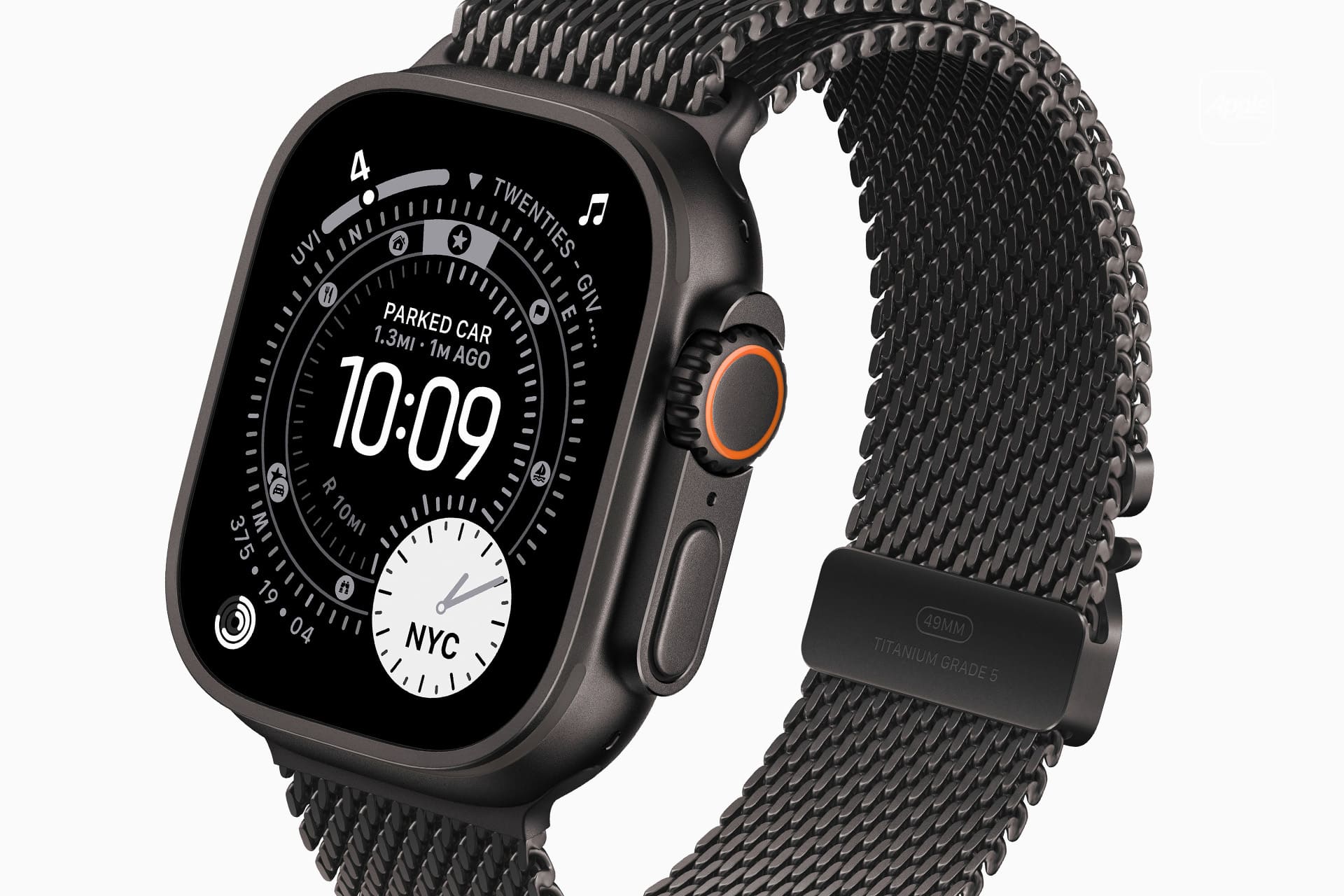
A close up of an Apple Watch Ultra, showcasing its sleek design and advanced features.
Image Credit: Apple Inc.

When Sleep Tracking Creates More Stress

Some people become preoccupied with improving sleep data, repeatedly checking results or worrying that a low score guarantees a bad day. The anxiety can itself make falling asleep more difficult.

That is a sign to reduce exposure to the numbers.

Sleep tracking can be turned off temporarily, or the data can be reviewed only once per week. Another option is to avoid checking the score in the morning and examine trends at a neutral time later.

To change sleep tracking settings:

Watch app on iPhone > My Watch > Sleep

A break does not erase the knowledge already gained. A person who has learned that regular timing and less late caffeine improve sleep may no longer need a daily chart to confirm it.

The device should support rest, not supervise it.

A Better Way to Read the Morning Report

A practical morning review can remain simple. Check whether the watch recorded the full night. Notice total duration. Consider whether the bedtime was typical. Look for any major change in overnight vitals, then move on.

There is rarely a need to analyze every stage, compare several apps or search for explanations after one ordinary variation.

Sleep tracking on Apple Watch is most useful when it reveals something that was difficult to see without data: a repeated shortfall in duration, an inconsistent schedule or a pattern linked to habits and recovery.

The score can summarize one night, but it cannot grade the person who slept through it. A healthier measure is whether the information helps create calmer nights, better days and fewer reasons to think about the watch after waking.

The post Sleep Tracking on Apple Watch Without Chasing Scores appeared first on AppleMagazine.

  •  

Multi-Omic Insights Reveal Cardiometabolic and Depression Links

In a groundbreaking longitudinal study encompassing nearly half a million individuals, researchers have unveiled intricate patterns and biological underpinnings that link cardiometabolic diseases (CMDs) and depression. These two prevalent and often coexisting health conditions have long posed challenges due to their complex interaction and compounded risk on mortality. Now, through a multinational, multi-omic analytic approach, this study sheds new light on how these diseases develop, interlace over time, and ultimately impact life expectancy, offering hope for earlier detection and more precise interventions.

Cardiometabolic diseases—which include chronic conditions such as cardiovascular disease, type 2 diabetes, and metabolic syndrome—are among the leading causes of death globally. Depression, meanwhile, remains a colossal mental health burden, often running parallel to various physical ailments. The coexistence, or multimorbidity, of CMDs and depression exacerbates health outcomes significantly, yet the trajectory of how one condition progresses to include the other and the biological mechanisms driving this interaction have remained elusive.

Leveraging data from the UK Biobank, the largest population-based health cohort, the study followed 467,592 participants initially free of both CMD diagnoses and depression. Over a 14.6-year period, the scientists meticulously chronicled disease transitions using advanced multistate models. These allowed them not only to identify disease onset patterns but also to map complex pathways outlining progression from health to single disease states and then to multimorbidity.

The findings revealed that within the follow-up window, more than 64,000 participants developed CMD alone, while approximately 17,500 were diagnosed with depression exclusively. Crucially, over 6,100 individuals progressed to multimorbidity, reflecting the convergence of these conditions in a significant subset of the population. Importantly, the risk of subsequently developing the alternate condition was substantially elevated for those already affected by either CMD or depression, underscoring the bidirectional relationship between physical and mental health.

Further delving into survival outcomes, the researchers observed that individuals with multimorbidity faced a 13 to 22 percent increase in mortality risk compared to those free of disease, accompanied by a marked reduction in life expectancy averaging between 3.6 to 3.8 years. Such stark contrasts reinforce the clinical urgency of understanding and managing the intersection of CMDs and depression rather than treating them in isolation.

However, a nuanced discovery emerged from the survival analysis: the mortality impact of coexisting CMD and depression appeared additive rather than synergistic. This suggests that while coexistence heightens risk, the two diseases may operate through largely independent pathways driving mortality, a revelation that could recalibrate how treatment priorities are structured.

To decipher biological signatures predictive of disease progression and multimorbidity, the study incorporated multi-omics platforms—comprehensive analyses including proteomics, metabolomics, genomics, and methylomics. These high-dimensional tools allow scientists to detect subtle molecular changes reflecting pathophysiological shifts and prognostic biomarkers far earlier than clinical symptoms emerge.

Remarkably, proteomic models stood out in their predictive prowess. When applied to the 15-year risk horizon for CMD-depression transitions, these models achieved area-under-the-curve (AUC) values ranging between 0.70 and 0.91. This performance significantly eclipsed that of traditional clinical risk models, heralding a new dawn where molecular profiling could transform risk stratification and preventive strategies.

Distinct multi-omic signatures were identified at each disease transition point—whether from health to CMD alone, health to depression alone, or the combined pathway leading to multimorbidity. These signatures could reflect unique biological processes such as inflammatory cascades, metabolic dysregulation, neuroendocrine changes, or immune system perturbations, each contributing distinctively to disease progression.

The implications of these findings are far-reaching. With multimorbidity presenting as a growing global health challenge, understanding its trajectory and molecular footprints empowers clinicians and researchers to design targeted interventions that transcend symptom management. Early identification of individuals at highest risk via omic biomarkers could enable precision medicine approaches that pre-empt illness onset or halt progression.

Furthermore, by elucidating the distinct yet interconnected biological pathways linking CMDs and depression, this research challenges the traditionally siloed view of mental and physical health. It advocates for integrated care models that address the whole person rather than fragmented disease entities, a paradigm shift essential for improving patient outcomes in real-world settings.

The study also leverages rigorous multistate modeling, a sophisticated statistical technique allowing for dynamic representation of illness progression over time. This approach captures the complexity inherent in chronic disease trajectories, encompassing not only onset but transitions between disease states and eventual mortality. Such modeling enhances the granularity of epidemiological insights far beyond conventional methods.

As large-scale biobanks increasingly incorporate multi-omic data, the ability to unravel disease biology at unprecedented depth will only grow. The present study exemplifies how marrying big data with cutting-edge analytic frameworks can unveil novel insights into multimorbidity, transforming epidemiology into a powerful tool for precision health.

This research arrives at a critical juncture where global populations face rising burdens of chronic diseases intertwined with mental health challenges. Targeted, biologically informed strategies could ease the strain on healthcare systems and improve quality of life for millions living with overlapping disease burdens.

While promising, the findings also urge cautious optimism. The translation of molecular signatures into routine clinical tools requires further validation and contextualization across diverse ancestral and environmental backgrounds. However, these initial steps firmly establish a conceptual blueprint for future studies to build upon.

Taken together, this extensive investigation pioneers a new frontier in understanding the intertwined evolution of cardiometabolic diseases and depression. By uniting longitudinal clinical data with multi-omics analyses and sophisticated modeling, it heralds a transformative approach toward unraveling multimorbidity’s mysteries and paves the way for early, targeted prevention.

The convergence of CMDs and depression, previously viewed as a devastating clinical overlap, now emerges as a tractable problem awaiting targeted intervention—fueling hope that integrated molecular insights will soon translate into lifesaving real-world applications. This revolutionary research sets the stage for a future where vulnerability to complex chronic disease is revealed well before symptoms arise, opening unprecedented avenues for personalized health preservation.

Subject of Research:
Multi-omic signatures and disease trajectories linking cardiometabolic diseases and depression

Article Title:
Multi-omic signatures and trajectories of cardiometabolic diseases and depression

Article References:

Yang, G., Jiang, X., Wang, J. et al. Multi-omic signatures and trajectories of cardiometabolic diseases and depression.
Nat. Mental Health (2026). https://doi.org/10.1038/s44220-026-00678-6

Image Credits: AI Generated

DOI:
https://doi.org/10.1038/s44220-026-00678-6

  •  

Harnessing Machine Learning to Solve Complex Inverse Problems in Semiconductor Analysis

In a groundbreaking advancement poised to revolutionize semiconductor analysis, a team of researchers from the Institute of Science Tokyo has pioneered a tandem neural network (TNN) architecture that dramatically accelerates the inference of vital material parameters from transistor measurements. This novel machine learning framework addresses one of the most vexing challenges in semiconductor physics—the multivalued inverse problem—achieving unprecedented speed and accuracy that eclipses traditional computational methods.

Semiconductor devices underpin nearly every aspect of modern electronics, from smartphones to sophisticated computing systems. The performance and reliability of these devices hinge on intricate material properties such as defect densities, trap states, and charge carrier mobilities. While engineers can rapidly measure transistor behavior through current-voltage characteristics, deciphering the precise material attributes driving this behavior remains an elusive inverse problem. Conventional approaches rely heavily on iterative simulations and optimization techniques, often consuming hours or even days to converge on plausible solutions.

At the heart of the difficulty lies the phenomenon of multivaluedness: distinct combinations of semiconductor material parameters can yield virtually indistinguishable transistor responses. This ambiguity complicates the task of tracing device performance back to its physical origins. The research team recognized that conventional simulation frameworks are ill-equipped to navigate this degeneracy efficiently. Their insight was to harness the power of tandem neural networks, an innovative deep learning configuration capable of simultaenously enforcing physical consistency and mathematical plausibility in parameter estimation.

The tandem neural network developed by the team couples two interconnected models operating in series. The initial inverse model proposes candidate sets of material parameters based on observed transistor behavior. This output then feeds into a forward model pre-trained to reconstruct transistor characteristics from material parameters. By integrating the forward model’s reconstructions into the training loss function of the inverse network, the system effectively teaches itself to generate solutions that not only fit the measurement data but also align with the physical laws governing transistor operation.

Training this sophisticated architecture required an extensive dataset of over 1,000 simulated transistor measurements, specifically focusing on amorphous indium-gallium-zinc oxide (a-IGZO) transistors—a material of significant interest for flexible and transparent electronics. The dataset spanned a parameter space roughly 1,000 times broader than previous studies, encompassing six key variables: defect density, electron trap states, and carrier mobility among them. Astonishingly, the TNN inferred all six parameters from a single transistor current-voltage curve in less than one millisecond, achieving near-perfect accuracy across the range.

Beyond simulations, real-world validation was paramount. The researchers fabricated a series of a-IGZO transistors under five distinct processing conditions in their laboratories. When subjected to the TNN analysis, the model reproduced the measured device characteristics with exceptional fidelity, requiring no parameter tuning or iterative refinement. This immediate, high-precision performance marks a quantum leap compared to traditional simulation-dependent approaches that demand repetitive calculations, often spanning hours or days.

Assistant Professor Keisuke Ide, one of the principal investigators, highlighted the transformative implications of this speedup: “Our tandem neural network achieves a computational acceleration exceeding six orders of magnitude relative to conventional device simulation methods. This means what once took days can now be done almost instantaneously, radically changing the landscape of semiconductor diagnostics and research.”

The implications of this advancement extend well beyond academic curiosity. In industrial manufacturing, instantaneous and ultra-accurate assessment of transistor material properties can serve as an integral part of quality control, allowing defects and performance variants to be detected and addressed on the production line in real-time. This rapid feedback loop could markedly reduce waste and improve yield in semiconductor fabrication facilities.

Moreover, the TNN framework paves the way for autonomous laboratories where artificial intelligence designs, executes, and interprets experiments with minimal human oversight. By swiftly and reliably unraveling complex material-property relationships, AI-driven research tools can accelerate innovation cycles, optimizing device designs and material formulations in ways previously unattainable due to computational bottlenecks.

Interestingly, the tandem neural network architecture is not conceptually limited to semiconductors alone. The researchers underscore its potential applicability across a broad spectrum of inverse problems characterized by multivaluedness, spanning materials science, chemistry, optics, and possibly even biological systems where multiple underlying parameter sets may produce indistinguishable observational data.

The Institute of Science Tokyo, newly established in 2024 through the merger of Tokyo Medical and Dental University and Tokyo Institute of Technology, serves as a nexus for such cutting-edge interdisciplinary research. This project exemplifies the institute’s mission to advance scientific understanding and technology in ways that create tangible value for society.

As the demands for faster, smaller, and more efficient semiconductor components intensify, novel computational tools that can disentangle the complex interplay of material parameters swiftly and accurately become indispensable. The tandem neural network approach represents a critical milestone on this journey, ushering in a new era where machine learning not only supplements but fundamentally transforms physical sciences research.

This rise of AI-powered physics inference is poised to fuel accelerated material discovery, optimized manufacturing, and ultimately, enhanced electronic devices that power tomorrow’s technological landscape. With this tandem neural network, researchers have cracked open the door to solving multivalued inverse problems at blistering speeds, a feat that was once considered beyond reach.


Subject of Research: Semiconductor material characterization using machine learning

Article Title: Tandem Neural Network Rapidly Solves Multivalued Inverse Problems: Application to Oxide-Semiconductor Characterization

News Publication Date: 27-May-2026

Web References: https://doi.org/10.1002/aisy.70437

Image Credits: Institute of Science Tokyo

Keywords

Artificial intelligence, machine learning, semiconductor analysis, inverse problems, multivaluedness, twin neural networks, material characterization, oxide semiconductors, transistor diagnostics, amorphous indium-gallium-zinc oxide, computational speedup, autonomous laboratories

  •  

PGS Browser: Personalized Polygenic Score Analysis Platform

In the ever-evolving field of genomics, a significant leap has been achieved with the introduction of the PGS Browser, a novel public platform designed to transform the way researchers, clinicians, and individuals interact with polygenic scores. Polygenic scores (PGS) are quantitative measures that capture the cumulative effect of numerous genetic variants across the genome, predicting an individual’s predisposition to complex traits and diseases. This new platform promises not just accessibility but also interpretative power, enabling a personalized approach to genomic data that could reshape personalized medicine and risk assessment paradigms worldwide.

At the heart of this transformative tool lies a sophisticated integration of vast genomic datasets, advanced computational algorithms, and user-friendly interfaces. The PGS Browser aggregates polygenic scores derived from an array of large-scale genome-wide association studies (GWAS), providing an unprecedented resource where users can explore the genetic architecture of diverse traits. One of the platform’s most compelling features is its capacity to personalize polygenic risk predictions by incorporating individual genetic data with contextual healthcare analytics, bridging the longstanding gap between raw genetic information and actionable clinical insights.

Traditionally, polygenic scores have been calculated using fixed sets of genetic variants, often constrained by limited population samples or specific ancestral backgrounds. This poses significant challenges regarding the portability and generalizability of these scores across diverse populations. The PGS Browser addresses this limitation head-on by incorporating multi-ancestry datasets and advanced statistical models that recalibrate polygenic scores for diverse genetic ancestries. This opens new horizons in achieving equity in genomic medicine, ensuring individuals from underrepresented populations have access to precise, contextually relevant risk evaluations.

The technical backbone of the PGS Browser involves complex methodologies that include linkage disequilibrium (LD) adjustment, penalized regression frameworks, and machine learning techniques, all optimized for high-throughput and scalable analysis. These computational advances optimize the balance between predictive accuracy and overfitting, a persistent challenge in polygenic score modeling. By dynamically adjusting for confounding genomic features and population stratification, the platform produces risk scores that are both statistically robust and biologically interpretable.

One of the critical innovations within the platform is its interpretability module, designed to unpack the black-box nature of polygenic predictions. Users are not only presented with their personalized polygenic scores but also receive detailed visualizations and annotations explaining the contribution of key genetic loci, biological pathways involved, and potential gene-environment interactions. This level of detail empowers clinicians to make informed decisions and patients to understand the genetic basis of their risks, paving the way for targeted preventative strategies and lifestyle modifications.

From a healthcare perspective, the implications of the PGS Browser extend far beyond academic research. The platform is a strategic tool for genetic counseling, allowing healthcare providers to identify individuals at elevated risk for complex diseases such as cardiovascular disease, diabetes, and certain cancers before clinical symptoms manifest. Early identification through polygenic risk enables preemptive interventions, personalized monitoring, and tailored therapeutic approaches, underscoring a shift from reactive to proactive medicine.

Moreover, the PGS Browser operates with a commitment to transparency and reproducibility, addressing critical concerns in genetic epidemiology. All computational workflows are openly accessible, enabling peer verification and fostering collaborative improvement. The platform also integrates with existing biobank data through standardized protocols, facilitating validation studies and meta-analyses that enhance the reliability of polygenic scores across global cohorts.

A particularly noteworthy aspect of the platform is its potential role in pharmacogenomics. By correlating polygenic scores with drug response phenotypes, the browser could assist in identifying individuals who might benefit from specific medications or require dosage adjustments. This integration with personalized medicine elevates the clinical utility of polygenic scores from risk stratification to therapeutic optimization, highlighting the multi-dimensional impact of genomic data in patient care.

The PGS Browser also bridges the gap between research and public engagement. Designed with intuitive navigation and educational resources, it invites an increasingly genomically literate public to explore their genetic predispositions within a responsible and secure framework. This democratization of genetic information fosters greater awareness and empowerment while maintaining stringent privacy standards, an essential consideration in the era of big data.

In operational terms, the platform boasts scalability features capable of handling millions of individuals’ data concurrently, a necessity given the rapid expansion of genomic databases worldwide. The utilization of cloud-based infrastructures, coupled with containerized computational environments, ensures flexible deployment across various institutional settings while preserving data security and compliance with regulatory frameworks such as GDPR.

From a scientific perspective, the availability of such a public platform catalyzes the discovery of novel gene-trait associations by allowing researchers to perform systematic, large-scale analyses that correlate polygenic scores with phenotypic data. This accelerates the identification of biological mechanisms underlying complex traits, informing subsequent functional studies and therapeutic development pipelines.

Ethical considerations permeate the development and deployment of the PGS Browser. The platform incorporates informed consent modules, guidelines on interpretation limitations, and warnings against deterministic views of genetic risk. By fostering responsible use and interpretation, the platform promotes ethical standards within a field where genetic data can easily be misunderstood or misapplied.

Furthermore, the PGS Browser represents a leap forward in standardizing polygenic score methodologies. Historically, disparate scoring algorithms and variable reporting conventions have hindered comparability across studies. This unified platform offers a harmonized framework that promotes methodological consistency, enabling the scientific community to consolidate findings and build upon a shared foundation.

The cross-disciplinary collaboration manifested in the creation of the PGS Browser highlights the convergence of genetics, bioinformatics, data science, and clinical medicine. This integrative approach is crucial to addressing the complexities of polygenic risk and translating genomic insights into tangible health benefits, marking a pivotal moment in the genomics era.

Looking forward, the PGS Browser sets the stage for continuous evolution. Planned enhancements include integration with longitudinal health records, expansion of trait coverage particularly in psychiatric and neurological domains, and real-time updating as new GWAS data emerge. Such adaptability ensures the platform remains at the forefront of personalized genomics research and application.

In conclusion, the PGS Browser embodies a landmark achievement in the democratization and personalization of polygenic score analysis. By merging rigorous computational techniques with accessible design and ethical mindfulness, it empowers a broad spectrum of users to harness the predictive power of genomic data. This innovation holds transformative potential for healthcare, research, and public understanding, catalyzing a new era in precision medicine where genetic insights are personalized, interpretable, and actionable like never before.


Subject of Research: Development and deployment of a public platform for personalized polygenic score analysis and interpretation.

Article Title: PGS Browser: A Public Platform for Personalized Polygenic Score Analysis and Interpretation.

Article References:
Kolosov, N., Reeve, M.P., Briotta Parolo, P.D. et al. PGS Browser: a public platform for personalized polygenic score analysis and interpretation. Nat Commun (2026). https://doi.org/10.1038/s41467-026-74461-7

Image Credits: AI Generated

  •  

Seismocardiography Estimates Cardiorespiratory Fitness in Elderly

In a groundbreaking advancement for geriatric health assessment, researchers have unveiled a novel nonexercise approach to estimate cardiorespiratory fitness in older adults by utilizing seismocardiography (SCG). This innovative technology harnesses the subtle vibrations produced by cardiac activity, enabling precise monitoring of cardiovascular function without the need for physical exertion. As aging populations increase globally, the demand for accessible and reliable methods to evaluate heart and lung fitness has never been higher, making this development not only timely but also revolutionary.

Cardiorespiratory fitness traditionally requires exercise testing, involving treadmill or bicycle protocols that may pose risks or be impractical for elderly individuals with limited mobility or chronic conditions. The novel system employing SCG bypasses these challenges, offering a safe and feasible alternative that significantly minimizes patient burden. SCG captures micro-vibrations generated by the heart during each beat using sensitive accelerometers placed on the chest, translating mechanical cardiac events into quantitative data reflective of cardiovascular performance.

The study, led by Sundberg, Gates, and Boraxbekk among others, meticulously validated the use of SCG signals against established measures of cardiorespiratory fitness, such as VO2 max testing, across a diverse cohort of older adults. Their results demonstrated remarkable correlation, confirming that SCG can serve as a reliable proxy for exercise-based evaluations. This breakthrough is poised to transform clinical practice by facilitating widespread cardiovascular screening and monitoring in geriatric populations without exposing them to physical strain.

One of the pivotal technological advances underpinning this approach is the enhancement of signal processing algorithms that can accurately decipher the complex mechanical patterns of heart activity from SCG data. These algorithms filter noise and artifacts, isolating key features such as timing intervals between cardiac events that are indicative of cardiac output and fitness levels. By employing machine learning techniques, the research team optimized predictive models that link SCG metrics with cardiorespiratory capacity.

Beyond the impressive technical accomplishments, the application of SCG for fitness estimation aligns perfectly with the principles of personalized medicine. By providing continuous, noninvasive monitoring methods, clinicians can tailor interventions and lifestyle recommendations based on real-time fitness metrics, facilitating proactive management of cardiovascular health. This could substantially reduce the incidence of cardiovascular events, improve quality of life, and enhance longevity in aging adults.

Importantly, this methodology opens new avenues for remote health monitoring. The compact sensors utilized for SCG are lightweight, unobtrusive, and capable of wireless transmission, enabling integration with mobile health platforms. This may empower elderly individuals to measure their cardiorespiratory fitness regularly from the comfort of their homes. Such democratization of health data can lead to earlier detection of functional decline, prompt clinical interventions, and reduced healthcare costs.

From a physiological perspective, seismocardiography reveals intricate interactions governing heart mechanics, including myocardial contractility and valve function, which are directly tied to oxygen delivery and utilization — the cornerstone of cardiorespiratory fitness. This depth of insight surpasses conventional pulse or blood pressure monitoring, offering a richer dataset for comprehensive cardiovascular assessment. The capacity to obtain these insights passively without exercise expends minimal energy, crucial for frail patients.

The research also emphasizes the feasibility of SCG in monitoring dynamic changes in fitness over time. Whereas exercise-based testing reflects a snapshot requiring considerable effort and clinical resources, SCG’s accessibility permits serial measurements that track progression or regression in cardiorespiratory health. This longitudinal view enhances clinicians’ ability to evaluate treatment efficacy and adjust care plans appropriately.

Moreover, SCG technology exemplifies the convergence of biomechanics, biomedical engineering, and data science, epitomizing modern healthcare innovation. The fusion of robust sensors with advanced computational methods has produced a tool that transcends standard diagnostic modalities, offering a more comprehensive and patient-friendly option. This interdisciplinary synergy highlights the potential for future wearable technologies to expand their role in chronic disease management.

Addressing limitations, the study carefully acknowledges challenges such as variability in SCG signal quality due to anatomical differences and external factors. However, by employing adaptive algorithms and calibration protocols, the researchers have mitigated many of these issues, ensuring consistent performance across diverse patient profiles. Ongoing refinements aim to further enhance accuracy and user-friendliness, making broad clinical adoption realistic.

The implications of this research extend beyond geriatric cardiology, potentially influencing rehabilitation programs, sports science, and preventive medicine. With further validation, SCG could monitor athletes’ fitness without exhaustive testing or assist in evaluating pulmonary function in respiratory diseases. Its versatility underscores the broad applicability of biomechanical sensing in health monitoring paradigms.

In conclusion, the integration of seismocardiography for the nonexercise estimation of cardiorespiratory fitness in older adults marks a paradigm shift in cardiovascular health assessment. By circumventing the constraints of traditional exercise testing, this technology enables safe, efficient, and insightful evaluations that can be performed repeatedly and remotely. As the elderly demographic surges worldwide, the deployment of such innovative methods will be pivotal in optimizing healthcare delivery and promoting healthier aging.

The promise of SCG transcends mere technological novelty; it represents a compassionate approach to health evaluation that respects the physical limitations and safety of vulnerable populations. Empowering healthcare providers with precise, noninvasive tools enriches clinical decision-making and enhances patient outcomes. Looking ahead, continued research and integration with digital health ecosystems will likely establish seismocardiography as a cornerstone in the management of cardiovascular fitness.

Ultimately, the study spearheaded by Sundberg and colleagues not only broadens scientific understanding but also provides a tangible blueprint for implementing cutting-edge sensing technologies in everyday clinical practice. The synergy of engineering excellence, clinical insight, and patient-centric design encapsulates the future of medical innovation — one that prioritizes accessibility, safety, and actionable intelligence for all.


Subject of Research: Nonexercise estimation of cardiorespiratory fitness in older adults using seismocardiography.

Article Title: Seismocardiography for nonexercise estimation of cardiorespiratory fitness in older adults.

Article References:
Sundberg, M., Gates, A.T., Boraxbekk, C.J., et al. Seismocardiography for nonexercise estimation of cardiorespiratory fitness in older adults. BMC Geriatr (2026). https://doi.org/10.1186/s12877-026-07771-6

Image Credits: AI Generated

  •  

Postnatal Bilirubin Rise Predicts Newborn Health

In the ever-evolving landscape of neonatal medicine, a groundbreaking study has reaffirmed the enduring predictive power of a critical early indicator: the rate at which total bilirubin levels rise postnatally. This development promises to refine the way clinicians anticipate and manage the risks associated with neonatal jaundice, a common yet potentially severe condition affecting newborns worldwide. For decades, the focus has been on absolute bilirubin levels at specific times, but the latest research shifts attention to the kinetics of bilirubin elevation, offering a more dynamic and perhaps more accurate prognostic tool.

Neonatal jaundice arises from elevated bilirubin in the bloodstream, a byproduct of the normal breakdown of red blood cells. While most cases resolve spontaneously without complication, a subset of infants develop dangerously high bilirubin levels, leading to a risk of bilirubin-induced neurological damage. Early identification of these infants is vital to intervene promptly, thus sparking intense research into more reliable predictive markers. The recent study not only confirms the relevance of the bilirubin rate of rise (ROR) but also presents robust data supporting its consistent predictive ability regardless of demographic or clinical variations.

The authors utilized comprehensive longitudinal data spanning several neonatal cohorts to characterize the nuanced relationship between bilirubin kinetics and subsequent clinical outcomes. The analysis employed advanced statistical modeling to parse out temporal trends from confounding variables, yielding more precise thresholds and timelines. These findings validate the utility of monitoring bilirubin’s ROR within the first hours to days after birth as an essential tool for neonatal surveillance and risk stratification, potentially more informative than single bilirubin measurements taken in isolation.

What distinguishes this work is its methodological rigor and expansive dataset that incorporates contemporary postnatal care realities, including early discharge practices and the prevalence of phototherapy. The investigators found that infants demonstrating a rapid bilirubin increase within the initial 24 to 48 hours required closer monitoring as they displayed a heightened probability of developing severe hyperbilirubinemia. Importantly, these infants could be identified before reaching conventionally alarming absolute bilirubin thresholds, which often occur later.

This focus on the dynamic parameter of bilirubin ROR complements traditional nomograms and guidelines currently used to guide clinical interventions such as phototherapy and exchange transfusions. By integrating rate of change data, clinicians are empowered with a forward-looking perspective reflective of the physiological trajectory rather than retrospective static points. This reframing facilitates earlier and more nuanced clinical decision-making, possibly translating to better neonatal outcomes and less invasive treatments.

Moreover, the findings address longstanding uncertainties about the variation in bilirubin metabolism among diverse populations. The authors report that the ROR metric remains consistently predictive across a spectrum of ethnic backgrounds, gestational ages, and birth weights. This universality enhances its appeal as a standard clinical parameter, offering equitable risk assessment where traditional bilirubin charts might underperform due to population biases.

The study further elaborates on the biochemical mechanisms underpinning bilirubin’s postnatal surge, connecting these processes to hepatic enzyme maturation and erythrocyte turnover rates. By contextualizing the observed clinical patterns with molecular insights, the research bridges the gap between laboratory science and bedside care. This integrative approach paves the way for future explorations targeting molecular interventions that could modulate bilirubin dynamics at an even earlier stage.

Critically, the reassessment of bilirubin kinetics arrives at a moment when neonatal care protocols face increasing pressures from early hospital discharges and outpatient jaundice surveillance challenges. The identification of reliable predictors that can be captured with non-invasive serum tests or even transcutaneous monitoring devices holds promise for streamlining care pathways. The emphasis on ROR could reduce reliance on repeated blood draws, alleviating infant distress and healthcare burdens alike.

Another important implication of this research lies in its potential to influence healthcare policy and parental counseling practices. Clear evidence supporting the significance of the bilirubin rate of rise equips healthcare providers with stronger tools to communicate risks effectively. This clarity is crucial to assuage parental anxieties and to promote adherence to follow-up schedules essential for timely interventions while avoiding unnecessary overtreatment.

The adoption of bilirubin ROR as a standard metric will, however, require integration into established workflows and electronic health record algorithms to automate risk alerting. The study’s supplementary data describes pilot implementations where this integration enhanced workflow efficiency and prompted earlier therapeutic action, underscoring the practical applicability of these findings beyond academic settings.

In conclusion, this pivotal research revitalizes the concept that not just the magnitude but the velocity of bilirubin increase after birth carries substantial prognostic weight. It suggests a paradigm shift towards kinetic monitoring as a cornerstone of neonatal jaundice management, urging continuous vigilance and adaptation of clinical protocols to include rate-focused assessments. Such a paradigm promises to safeguard vulnerable neonates worldwide from bilirubin-associated harm more effectively than ever before.

Future research is anticipated to delve deeper into the interplay of genetic factors affecting bilirubin metabolism with the observed kinetic patterns. Coupled with advancements in point-of-care devices, these insights might eventually enable personalized jaundice management, tailored precisely to each newborn’s metabolic profile and risk trajectory.

As the medical community embraces this enhanced predictive capacity, the ultimate beneficiaries will be the families and infants navigating the fragile early days of life. By preempting severe jaundice through refined monitoring of the bilirubin rate of rise, clinicians can deliver more timely care, minimize complications, and ensure that neonatal jaundice remains a manageable, rather than perilous, condition in modern pediatrics.


Subject of Research: Predictive metrics for neonatal jaundice severity focusing on the postnatal total bilirubin rate of rise.

Article Title: Predictive ability of postnatal total bilirubin rate of rise endures.

Article References:
Bhutani, V.K. Predictive ability of postnatal total bilirubin rate of rise endures. Pediatr Res (2026). https://doi.org/10.1038/s41390-026-05246-3

Image Credits: AI Generated

DOI: https://doi.org/10.1038/s41390-026-05246-3

  •  

New wearable glove lets people feel their data through heat and touch

Most of us experience data by looking at screens filled with charts, graphs and numbers. But what if you could actually feel your data instead of just seeing it? Researchers at the University of Adelaide have developed an experimental wearable glove called ThermoPhy that turns information into physical sensations. The glove uses heat, touch and […]

The post New wearable glove lets people feel their data through heat and touch appeared first on Knowridge Science Report.

  •  
  •  

Insights from 173,303 Pakistan Genome Analyses

A groundbreaking analysis of 173,303 exomes and genomes from the Pakistan Genome Resource (PGR) has unveiled compelling insights into the genetic architecture of human diseases and the therapeutic potential of loss-of-function (LoF) variants. This expansive dataset offers unprecedented resolution into homozygous loss-of-function (homLoF) mutations across diverse genes, providing critical human biological data that challenge and refine preclinical models. The ramifications for drug discovery are profound, underscoring the value of population-based genomic studies in elucidating gene function and safety profiles of potential therapeutics.

The PGR study corroborated previously established phenotypic associations for numerous homLoF variants. For instance, homozygous LoF mutations in LDLR were linked to hypercholesterolemia, while variants in LPL were associated with elevated triglyceride levels. Similarly, ANGPTL3 and APOB homLoF carriers exhibited notably reduced cholesterol and triglyceride profiles, whereas variants in ADCY3, POMC, MC4R, and MRAP2 were implicated in obesity phenotypes. These observations not only validate the penetrance of key metabolic genes but also affirm the rigorous phenotyping framework employed by the PGR.

Delving into therapeutically relevant homLoF variants, the study sheds light on the nuanced interplay between genotype and phenotype in neurodegeneration. LRRK2, a well-known protein kinase whose gain-of-function variants increase Parkinson’s disease risk, was examined in the context of loss-of-function. Notably, two PGR participants harboring homozygous LRRK2 pLoF variants exhibited early-stage kidney disease, a phenotype absent in heterozygous carriers. This human evidence mirrors renal dysfunction observed in LRRK2 knockout rodent models and preclinical trials with LRRK2 inhibitors in primates, suggesting a need for vigilant renal monitoring in therapeutic contexts targeting LRRK2.

In the realm of metabolic disease, a participant with a homLoF variant in SLC2A4—the gene encoding GLUT4—demonstrated type 2 diabetes, aligning with experimental models where GLUT4 deficiency impairs glucose homeostasis. Contrastingly, homLoF variants in DENND1B, previously linked to obesity and implicated in MC4R signaling pathways, did not confer obesity phenotypes in the cohort. This could indicate a lack of functional penetrance of DENND1B in human energy balance, differing substantially from prior murine models. Moreover, carriers of homLoF mutations in POMC, MC4R, and MRAP2 exhibited elevated BMI, reinforcing their contributory role to obesity.

Cardiovascular research insights emerged with RXFP1, a gene encoding a receptor extensively studied for its role in fertility, fibrosis, and cardiac function. Despite the gene’s pivotal role in murine reproductive and cardiovascular models—where its absence causes pronounced phenotypes—16 PGR individuals with RXFP1 homLoF variants spanned ages 30 to 73 years with no consistent deficits. Subtle associations with reduced waist-to-hip ratio and myocardial infarction risk were noted, and echocardiographic evaluations revealed mild variations in cardiac function among some homozygotes. Such findings suggest that the translational relevance of RXFP1 as a therapeutic target may be overestimated from rodent data, urging a recalibration of expectations for RXFP1 agonist therapies.

The hepatoprotective potential of CIDEB inhibition also gained support from PGR findings. Fourteen individuals homozygous for CIDEB loss-of-function variants displayed no liver disease, and burden analyses correlated CIDEB deficiency with decreased levels of liver enzymes ALT and AST and a reduced risk of non-alcoholic fatty liver disease. This human genetic evidence bolsters the rationale for targeting CIDEB therapeutically with siRNA or other modalities, highlighting an encouraging safety profile for chronic intervention.

Surprising evolutionary biology insights were uncovered in the reproductive gene PRDM9, a histone methyltransferase essential for meiotic recombination hotspot determination. While Prdm9 knockout mice exhibit infertility, PGR identified multiple human homLoF variant carriers of PRDM9 with proven fertility and successful reproduction. This stark species divergence reveals that PRDM9’s indispensability in meiosis is not conserved in humans, emphasizing the complexity of translating mouse genetic models to human biology.

Sensory gene analyses revealed functionally impactful homLoF mutations in TRPM8, an ion channel activated by cold stimuli. RBG cohort phenotyping demonstrated that carriers exhibited delayed cold-induced pain sensitivity and increased tolerance to cold-related discomfort, aligning with murine knockout models. Intriguingly, genome-wide association studies link TRPM8 variants to migraine susceptibility, positing TRPM8 inhibition as a promising therapeutic avenue. The PGR data indicate that complete loss of TRPM8 is generally well-tolerated, mitigating safety concerns for pharmacological antagonism targeting migraine prevention.

Collectively, these results highlight the critical importance of integrating large-scale human genomic data with functional assays to delineate gene-disease relationships and therapeutic potential. The PGR exemplifies how comprehensive population-based sequencing can validate, refine, or refute biological assumptions derived from animal models, fostering a more precise paradigm for drug target validation. By profiling rare homLoF variants and linking them with detailed phenotypic data, the study provides invaluable resources for developing safer, more effective genetic-driven therapies.

This study also accentuates the value of consanguineous populations, such as the Pakistani cohort, which enrich for homozygous rare variants and enable the detection of recessive phenotypes difficult to observe in outbred populations. Such datasets maximize the discovery power for identifying natural human knockouts, thereby informing on both the efficacy and potential deleterious effects of gene inactivation.

Beyond specific gene findings, the broader implication is a caution against uncritical extrapolation from model organisms to human physiology. While murine models remain indispensable, discrepancies evidenced in PRDM9 and RXFP1 underscore that human genetic data are indispensable for accurate target validation and safety assessment. This alignment between genotype, phenotype, and therapeutic action forms the cornerstone of precision medicine.

As the PGR and similar initiatives continue to expand, the integration of genomics with phenotypic and clinical data will catalyze a new era of therapeutic development truly grounded in human biology. The promise of harnessing human loss-of-function variants lies not only in uncovering disease mechanisms but also in guiding drug discovery toward targets with validated human safety and efficacy profiles, ultimately accelerating the path from bench to bedside.

This landmark study published in Nature offers a crucial template for leveraging population genomics in drug development, emphasizing the necessity of human genetic evidence to underpin the next generation of therapies. The insights gleaned provide a roadmap for more rational, genetics-informed clinical decision-making, heralding a future where personalized medicine and pharmacogenomics converge to transform healthcare.


Subject of Research: Genomic analysis of homozygous loss-of-function variants in the Pakistan Genome Resource and their implications for human disease and drug target validation.

Article Title: Analysis of 173,303 exomes and genomes in the Pakistan Genome Resource.

Article References:
Koch, C., Khalid, S., Khan, M.Z. et al. Analysis of 173,303 exomes and genomes in the Pakistan Genome Resource. Nature (2026). https://doi.org/10.1038/s41586-026-10667-5

Image Credits: AI Generated

DOI: https://doi.org/10.1038/s41586-026-10667-5

  •  

IRB Barcelona Leads MD4SB Project to Advance Dynamic Representation in Structural Biology

In the ever-evolving landscape of biomedical research, the advent of molecular dynamics simulations has heralded a new era of insight into the dynamic behavior of biological macromolecules. Yet, despite the immense volumes of data generated by these simulations, much remains untapped due to the lack of adequate infrastructure for storage, sharing, and reuse. Addressing this critical gap, the MD4SB (Molecular Dynamics for Structure-based Biology) project emerges as a visionary initiative poised to revolutionize how molecular dynamics data is integrated, managed, and exploited across Europe.

Set to launch in September 2026, MD4SB is a collaborative endeavor funded with €10 million under the Horizon Europe program and coordinated by the Institute for Research in Biomedicine (IRB Barcelona). The project unites 25 partners spanning eight countries, encompassing academic institutions, European research infrastructures, supercomputing centers, as well as biotech and pharmaceutical companies. By doing so, it offers a multidisciplinary approach aimed at transforming fragmented computational efforts into a coherent, accessible, and reusable resource for the scientific community.

At the core of MD4SB is the establishment of an innovative infrastructure designed to dynamically describe biological macromolecules through molecular dynamics data. Unlike traditional structural biology methods that primarily capture static snapshots of molecules, molecular dynamics simulations reveal the conformational flexibility and temporal evolution of proteins and nucleic acids. This dynamic information is crucial for fully understanding molecular function, interaction mechanisms, and especially drug binding processes, thus providing a more nuanced picture for drug discovery initiatives.

MD4SB builds on the foundations laid by the Molecular Dynamics Data Bank (MDDB), which pioneered a distributed platform adhering to the FAIR principles—making data Findable, Accessible, Interoperable, and Reusable. The project advances this concept by integrating molecular dynamics data within three major European Research Infrastructures: Instruct-ERIC, which specializes in structural biology; ELIXIR, focused on life sciences data management; and EU-OPENSCREEN ERIC, a chemical biology and compound screening infrastructure. This integration ensures that molecular dynamics data becomes a shared asset rather than an isolated entity confined to individual laboratories.

Leveraging the capabilities of Europe’s largest supercomputing centers—specifically the Barcelona Supercomputing Center (BSC-CNS), CINECA in Italy, and the Jülich Supercomputing Centre (JSC)—MD4SB provides the computational muscle necessary for processing, storing, and analyzing massive datasets. These centers, combined with emerging AI Factories, will enable cutting-edge analysis pipelines that augment traditional molecular dynamics approaches with artificial intelligence, thus enhancing the extraction of biologically meaningful patterns from complex simulations.

One of the landmark objectives of MD4SB is to catalyze early drug discovery by enabling scientists to visualize the dynamic movements of proteins and other biomolecules that are often invisible in static crystal structures. Molecular dynamics simulations can reveal transient binding pockets and allosteric sites, which are pivotal for designing new therapeutic compounds with higher specificity and efficacy. By facilitating access to these insights within existing infrastructures, MD4SB aims to speed up the identification of drug candidates and reduce costly experimental failures.

Industry engagement lies at the heart of MD4SB’s strategy. Leading pharmaceutical companies such as Almirall and Sanofi are involved as associate partners, providing critical feedback to ensure that the developed platform not only serves academic research but also aligns with industrial requirements. The involvement of Nostrum Biodiscovery—a biotech spin-off from IRB Barcelona and BSC-CNS—further exemplifies the project’s commitment to bridging the gap between fundamental research and commercial application by easing the transition of innovations into practical tools.

Dr. Modesto Orozco, coordinator of MD4SB and head of the Molecular Modelling and Bioinformatics laboratory at IRB Barcelona, highlights the transformative potential of this initiative: “For the first time on a European scale, MD4SB will merge structural biology, molecular dynamics, artificial intelligence, and drug discovery into a seamless ecosystem. Our vision is to democratize molecular dynamics, making it a common capability accessible to researchers across disciplines.”

The strategic approach of MD4SB entails the seamless coupling of three complementary research infrastructures, encompassing the full spectrum of biomedical research phases: from structural protein characterization, data stewardship and interoperability, to chemical biology screening for therapeutic potentials. This holistic integration enables unprecedented collaborative workflows, where data generated in one context can be analyzed, reanalyzed, and repurposed across diverse scientific domains.

Central to the success of MD4SB will be its adherence to data standards and protocols that guarantee FAIR compliance, ensuring that the vast repositories of molecular dynamics simulations remain discoverable and usable well beyond the lifespan of individual projects. This commitment is indispensable in preventing the loss of valuable computational endeavors, promoting reproducibility, and fostering innovation driven by shared resources.

By significantly expanding the accessibility and applications of molecular dynamics data, MD4SB promises to address a longstanding bottleneck in the life sciences: the disconnect between data generation and data reuse. The project envisions a future where high-quality, large-scale molecular simulations are no longer restricted to elite research groups but are a universally available asset, fueling discoveries in biology, chemistry, and medicine.

The timeline for MD4SB spans four years, during which it will not only develop and deploy the integration platform but also benchmark its utility through real-world case studies involving both academic and industry partners. Through this collaborative validation process, the project expects to establish best practices, refine analytical tools, and build a sustainable infrastructure that institutionalizes molecular dynamics as a pillar of modern biomedical research.

In conclusion, MD4SB heralds a transformative chapter for the European research ecosystem by converging molecular dynamics with cutting-edge computational resources and artificial intelligence within a unified framework. Its success will empower scientists to decode the dynamic complexity of biological molecules at an unprecedented scale, accelerating drug discovery pipelines and fostering interdisciplinary collaboration in the era of data-driven bioscience.


Subject of Research: Molecular dynamics integration and infrastructure for structure-based biology, drug discovery, and biomedical research.

Article Title: MD4SB: Revolutionizing Molecular Dynamics Data Sharing and Integration Across Europe

News Publication Date: June 17, 2026

Web References:

Image Credits: IRB Barcelona

Keywords: Molecular dynamics, Structural biology, Supercomputing, Artificial intelligence, Drug discovery, Data infrastructure, FAIR data, Biomedical research, European Research Infrastructures, Computational biology

  •  

PLSaoNET: Revolutionizing Industrial Network Training with a Deterministic Approach

In recent years, the evolution of industrial sensing technologies has been pivotal to the advancement of intelligent manufacturing systems. Among various approaches, artificial neural networks (ANNs) have garnered immense attention due to their remarkable capability to model complex data relationships. However, applying these networks effectively in real-world industrial environments remains a formidable challenge, primarily due to the noisy, nonlinear, and often limited datasets encountered in such settings. Recognizing these constraints, a team of researchers led by Professor Lanxiang Sun at the Shenyang Institute of Automation, Chinese Academy of Sciences, has forged a transformative approach. Their groundbreaking solution, known as the Partial Least Squares-assisted Optimization Network (PLSaoNET), promises to redefine the application of neural networks in industrial sensing by embedding statistical interpretability into the heart of deep learning models.

Traditional neural networks typically commence training through random initialization of weights—a process that, while standard, lacks any guiding framework grounded in data characteristics. This randomness poses inherent limitations, especially when the amount of training data is limited or when the data exhibits high noise levels and nonlinear relationships, both common in industrial scenarios. Such conditions often result in poor generalization and unstable predictive outcomes, thereby hindering practical deployment. The innovation from Professor Sun’s team circumvents these issues through a statistical method known as Partial Least Squares (PLS), a classic tool renowned for its interpretability and robustness in linear regression tasks.

PLS works by extracting latent variables that capture the fundamental relationships between independent variables (input features) and dependent variables (output targets), offering a transparent statistical framework. While PLS excels in linear modeling, it lacks the capability to model complex nonlinear dynamics. The research team ingeniously leveraged the strengths of PLS by integrating its solutions as the initial conditions within a neural network architecture. Specifically, the number of PLS latent variables dictates the number of neurons in the network’s hidden layer, and the PLS-derived weight matrix initializes the neural connections. This initialization endows the neural network with a statistically meaningful starting point, effectively eliminating the guesswork inherent in random weight assignments.

Such a well-founded initialization transforms the learning process from an unfocused blind search into a systematic refinement of the PLS solution, integrating nonlinear modeling capabilities while preserving interpretability. This fusion of statistical rigor and deep learning adaptability addresses one of the fundamental bottlenecks in industrial data modeling, enabling the network to capture both the global trends identified by PLS and the nuanced nonlinear interactions vital for accurate predictions.

Moreover, industrial datasets frequently suffer from uneven label distributions, posing significant challenges during the training of neural networks using stochastic gradient descent. Fluctuations in loss values caused by biased mini-batch samples can lead to instability and degrade the overall learning process. To counter this, the researchers implemented a stratified sampling-based training strategy. In this approach, the entire dataset is divided into strata based on label value ranges, ensuring that each mini-batch during training samples from each stratum proportionally. This methodology smooths gradient updates, fortifying the network’s robustness against skewed data distributions and enhancing training stability substantially.

Professor Sun has emphasized that the primary motivation behind PLSaoNET is not to pursue architectural complexity but to advocate for models that produce stable, reliable outputs even when faced with small, noisy datasets that typify industrial environments. By embedding PLS’s statistical solutions into neural network training, the model’s learning trajectory gains a trustworthy, transparent foundation from which to build more complex representations.

To validate the efficacy of PLSaoNET, the research team conducted comprehensive experiments in two realistic industrial applications: the online monitoring of iron ore concentrate slurry grade using laser-induced breakdown spectroscopy (LIBS), and diesel fuel quality assessment with near-infrared (NIR) spectroscopy. Both cases involve complex spectral data with significant noise and nonlinear characteristics—ideal testbeds to showcase the robustness of PLSaoNET. Results consistently demonstrated superior prediction accuracy and generalization capabilities over traditional PLS regression and conventionally initialized backpropagation neural networks.

A particularly revealing insight emerged from the visualization and analysis of hidden layer weights in the LIBS slurry model. While the PLS model alone lacked precision, the dominant latent variables it extracted aligned clearly with known spectral emission lines from key mineral elements like silicon, magnesium, and iron, reflecting true physical relevance. In contrast, networks initialized randomly exhibited neuron weights that failed to selectively identify meaningful spectral features, resulting in noisy, uninterpretable representations. The PLSaoNET model, however, preserved the interpretability inherent to PLS by focusing attention on these dominant spectral features while simultaneously allowing fine-tuned retraining that accentuated secondary information related to elements like calcium and aluminum. This balance effectively suppresses overfitting and elevates model reliability.

Not content with theoretical validation alone, the team successfully deployed PLSaoNET within a live LIBS slurry analyzer at a mineral processing plant for real-time iron ore concentrate grade monitoring. This real-world application underscores PLSaoNET’s practical value in lowering the barriers to widespread adoption of artificial neural networks in industrial contexts. By anchoring the initial network parameters in statistically meaningful solutions and employing thoughtful training strategies, PLSaoNET represents a crucial step toward integrating cutting-edge AI models into complex, noise-prone industrial environments where data scarcity and variability have historically impeded progress.

Looking beyond its immediate applications, PLSaoNET delivers a broader paradigm shift, suggesting that harmonizing classical statistical techniques with modern deep learning can unlock new frontiers in intelligent industrial sensing. As manufacturing systems increasingly embrace digital transformation, methods like PLSaoNET that offer interpretability, stability, and adaptability will become indispensable tools for building resilient, data-driven infrastructures.

In conclusion, the work by Professor Lanxiang Sun and colleagues embodies a fusion of statistical principled approaches and adaptive machine learning techniques, producing an ANN model that addresses longstanding challenges in industrial data analysis. With its innovative PLS-based initialization and stratified sampling training, PLSaoNET not only enhances predictive performance but also paves the way for more interpretable, reliable AI systems in industrial manufacturing. As industries worldwide continue to seek intelligent sensing solutions that function robustly under real-world constraints, PLSaoNET stands out as a promising, practical breakthrough.


Subject of Research: Advanced artificial neural network design for improved industrial sensing under constraints of small, noisy, and nonlinear datasets.

Article Title: PLSaoNET: A Generalized ANN Model Under PLS Statistical Constraints for Industrial Sensing

News Publication Date: 5-May-2026

Web References:
http://dx.doi.org/10.1016/j.eng.2026.01.032

Image Credits: Lanxiang Sun


Keywords

Industrial sensing, artificial neural networks, partial least squares, PLSaoNET, stratified sampling, nonlinear modeling, intelligent manufacturing, spectral analysis, laser-induced breakdown spectroscopy, near-infrared spectroscopy, deep learning initialization, model interpretability, industrial data analytics

  •  

Synthetic Data: Challenges and Insights in Gastrointestinal Medicine

In recent years, the advent of artificial intelligence (AI) has reshaped the landscape of medical research and clinical practice, ushering in an era where machines replicate—and increasingly surpass—human cognitive abilities in various domains. Among the most intriguing developments is the capability of AI systems to assimilate vast troves of real-world data, allowing algorithms to accurately recognize complex patterns within clinical environments. This includes the identification of intricate pathological features, accurate labeling of disease states, and support in making critical healthcare decisions. Central to this revolution is the notion of synthetic data generation, a cutting-edge technology poised to tackle longstanding barriers impeding medical innovation, particularly in the realm of gastrointestinal (GI) medicine.

Synthetic data generation refers to the process through which artificial datasets are created by AI algorithms, mimicking the statistical properties and underlying structures of real-world clinical data without exposing sensitive patient information. This technique promises to solve two critical challenges: preserving patient privacy and reducing the often exorbitant costs and logistical complexities associated with curating and annotating healthcare datasets. By producing realistic, unbiased, and privacy-preserving synthetic data, researchers and clinicians could unlock unprecedented opportunities for training sophisticated AI models and improving clinical decision support systems tailored to gastrointestinal health.

In the context of gastrointestinal diseases, where early detection and precise diagnosis are often paramount, synthetic data offers a transformative potential. GI disorders encompass a broad spectrum of conditions, such as inflammatory bowel disease, colorectal cancer, and liver cirrhosis, each demanding nuanced understanding and timely intervention. Traditional approaches to gathering data for AI training encounter significant roadblocks, including patient consent restrictions, heterogeneous data quality, and the inherent rarity of some disease presentations. Generating synthetic equivalents of such data not only bridges these gaps but also enables the continuous refinement of diagnostic algorithms through virtually unlimited and diverse data augmentation.

From a technical standpoint, generating high-fidelity synthetic GI data entails leveraging advanced generative models, such as Generative Adversarial Networks (GANs), Variational Autoencoders (VAEs), and diffusion models. GANs, for example, pit two neural networks against each other in a zero-sum game—the generator strives to create realistic data indistinguishable from original datasets, while the discriminator attempts to detect artificiality. This adversarial process gradually improves the quality of synthetic outputs, rendering them increasingly suitable for downstream clinical applications. However, the GI domain presents unique challenges due to the complexity and variability inherent in endoscopic images, histopathological slides, and multi-omics data.

A profound technical hurdle lies in ensuring that synthetic gastrointestinal datasets retain clinical validity and biological relevance. Unlike generic image synthesis, medical data synthesis must preserve subtle yet critical diagnostic details, such as mucosal texture alterations, microvascular patterns, and lesion morphology. Obtaining this level of fidelity mandates incorporating domain-specific constraints and annotation-guided synthesis protocols. Furthermore, the synthetic data must demonstrate robustness to common sources of variability: differences in imaging devices, procedural inconsistencies, and patient-specific anatomical variations. Without these safeguards, downstream AI models risk being trained on data that poorly represents true clinical scenarios and yield unreliable predictions.

Another pivotal aspect of using synthetic data in gastrointestinal medicine is its contribution to overcoming privacy legislation hurdles like HIPAA or GDPR. Traditional anonymization methods risk compromising data utility or may be insufficient in preventing re-identification attacks. Conversely, by training generative models on real patient data and producing artificial yet representative datasets, synthetic data generation preserves privacy inherently, as no direct personal identifiers or actual patient samples are included. This feature fosters a more open collaboration across institutions and research groups, catalyzing the development of multipurpose AI-driven tools capable of detecting early-stage GI malignancies, monitoring disease progression, and predicting therapeutic responses.

Despite the tremendous promise of synthetic data, translating this innovation from research laboratories to clinical workflows demands meticulous validation and regulatory compliance. Clinical decision support systems powered by synthetic data-driven AI must undergo rigorous testing against gold standards to verify their safety and effectiveness. Interpretability also remains a significant concern, as clinicians must trust and understand AI recommendations to incorporate them confidently in patient care. Efforts to integrate synthetic data into regulatory frameworks, combined with transparent reporting of generative model performance metrics, will be crucial to achieving widespread clinical acceptance.

Synthetic data not only enhances diagnostic AI but opens new frontiers for medical education and professional training in gastroenterology. Trainees often face limited exposure to rare or complex cases, which impedes skill acquisition and confidence-building. High-quality synthetic datasets can provide diverse and unlimited case simulations, including pathologies that might be encountered infrequently but require high diagnostic acumen. This approach supports immersive, hands-on learning without compromising patient safety or privacy, helping to shape the next generation of gastroenterologists equipped with AI-enhanced diagnostic abilities.

Moreover, the adoption of synthetic data dovetails with the broader trend of precision medicine and personalized healthcare. By complementing real patient data with synthetic counterparts generated under controlled conditions, AI models can better capture the heterogeneity of gastrointestinal diseases, including genetic, environmental and lifestyle factors. This richer informational substrate empowers clinicians to tailor interventions more precisely, leading to improved patient outcomes, reduced adverse effects, and optimized resource utilization. Synthetic data thus acts as a cornerstone technology in enabling AI systems to realize their full potential in individualized care pathways.

Nevertheless, emerging research highlights several critical challenges that warrant attention for synthetic data to reach its full utility. One major issue is preventing the inadvertent introduction of bias during data synthesis, which could propagate and amplify healthcare disparities if not carefully addressed. Ensuring equitable representation across demographics, comorbidities, and clinical settings is imperative. Additionally, synthetic data generation must grapple with the potential for overfitting or hallucination, where models produce plausible yet clinically inaccurate artifacts. Developing rigorous validation metrics, cross-institutional benchmarking, and consensus guidelines will be necessary steps to mitigate these risks effectively.

In parallel, fostering multidisciplinary collaboration among clinicians, computer scientists, data privacy experts, and ethicists will accelerate the adoption of synthetic data paradigms. This convergence of expertise will enable the design of sophisticated pipelines that uphold ethical standards, comply with legal mandates, and optimize clinical relevance. It will also stimulate innovation in enhancing generative model architectures, integrating multi-modal data sources, and streamlining model deployment within real-time endoscopy or pathology workflows.

Reflecting on the current trajectory, the era of synthetic data in gastrointestinal medicine signals a paradigm shift from data scarcity and privacy constraints toward unprecedented data abundance and accessibility. As AI algorithms evolve and healthcare systems embrace digital transformation, synthetic data will be pivotal in democratizing access to high-quality datasets, unleashing creativity in algorithm development, and fostering robust, scalable solutions for early disease detection and personalized treatment. The implications extend beyond GI diseases, serving as a blueprint for AI-driven clinical innovation across medical specialties.

In conclusion, the synthesis of artificial yet clinically meaningful datasets represents one of the most promising frontiers in AI and medicine. While significant challenges remain—technical, ethical, and regulatory—the momentum and early successes within gastrointestinal medicine are compelling. Future research should focus on refining generative approaches, validating AI models trained on synthetic data across diverse populations, and embedding these technologies seamlessly into clinical practice. Ultimately, the judicious application of synthetic data holds the key to unlocking the full transformative power of artificial intelligence for improved patient care and health system efficiency worldwide.


Subject of Research: Synthetic data generation and its application in gastrointestinal medicine.

Article Title: Synthetic data generation: challenges and perspectives for gastrointestinal medicine.

Article References:
Gatoula, P., Iakovidis, D.K., Diamantis, D.E. et al. Synthetic data generation: challenges and perspectives for gastrointestinal medicine. Nat Rev Gastroenterol Hepatol (2026). https://doi.org/10.1038/s41575-026-01216-6

Image Credits: AI Generated

  •  

Consumo de energia dos centros de dados vai triplicar até 2030. China prepara-se para liderar o mercado

Um relatório da Global Data prevê que a China vai ultrapassar os Estados Unidos na corrida dos centros de dados. Segundo os especialistas, a energia vai tornar-se o novo “ouro digital”.

The post Consumo de energia dos centros de dados vai triplicar até 2030. China prepara-se para liderar o mercado appeared first on Tek Notícias.

  •  

Scientists Develop New Technique to Protect Privacy of Electrocardiogram Data

In a groundbreaking development addressing the burgeoning concern of privacy in modern medical technology, researchers at the University of Kansas have unveiled a transformative artificial intelligence (AI) model designed specifically to safeguard sensitive biometric data embedded within electrocardiograms (ECGs). This innovation is poised to reshape how medical institutions share and analyze vital cardiovascular data without compromising patient confidentiality. Electrocardiograms have long been renowned for their role in capturing the heart’s electrical activity to diagnose and monitor cardiac health; however, as AI integration deepens, these signals inadvertently reveal more than just clinical information — exposing personal attributes such as sex, age, race, and even uniquely identifiable biometric markers.

The research team at Kansas, led by doctoral candidate Fairuz Shadmani Shishir in collaboration with the KU Medical Center, has pioneered the privacy-preserving variational autoencoder (PP-VAE). This novel AI architecture is specially engineered to retain the clinical utility of ECG data while systematically obfuscating sensitive biometric features that might otherwise be inferred through advanced AI analysis. The dual objective of PP-VAE is both technically sophisticated and ethically imperative, ensuring that predictive diagnostic accuracy remains uncompromised while minimizing the risk of privacy breaches inherent in sharing raw biomedical signals.

Electrocardiograms, traditionally viewed as a straightforward diagnostic tool, have grown in complexity with modern AI techniques that can extrapolate a multiplicity of patient traits beyond the cardiovascular parameters they were designed to measure. Shishir notes that these advanced systems can uncover “soft biometrics” such as demographic information, which raises pressing data governance and patient privacy challenges. By developing PP-VAE, the researchers aim to reimagine ECG data processing whereby sensitive attributes are masked without degrading the signal quality necessary for important medical prognoses, such as identifying patients at risk of left ventricular ejection fraction (LVEF) abnormalities, a critical indicator linked to heart failure and mortality risk.

The technical underpinning of PP-VAE involves training independent convolutional neural networks to disentangle and suppress identifiable biometric markers while preserving clinically relevant features within the ECG signal. This balancing act required careful engineering to ensure that the encoded ECG data remained diagnostically rich, capable of supporting predictions related to conditions such as left ventricular hypertrophy and forecasting five-year mortality risk. The research showcased that their method consistently outperformed or competed with other state-of-the-art AI models, marking a significant stride in machine learning’s ability to harmonize privacy with clinical efficacy.

Importance of such privacy-preserving strategies becomes particularly clear against the backdrop of the healthcare industry’s increasing reliance on data sharing for collaborative research, AI model development, and multi-institutional patient care coordination. The KU team articulates that unrestricted data sharing without privacy controls introduces tangible risk vectors for patient re-identification and misuse. PP-VAE proposes a scalable approach toward enabling secure exchange of ECG data, thus fostering innovation and improving medical outcomes while staunchly protecting individual privacy rights.

This research also touches on the profound issue of bias within AI-driven medical diagnostics, which has historically contributed to disparities in healthcare delivery among marginalized populations. The team consciously incorporated balanced datasets reflective of gender and racial diversity in their model training to mitigate bias and improve generalized performance across varied demographic groups. While initial validations were primarily conducted using data from KU Medical Center and publicly available datasets, future work is projected to expand this cross-regional training, enhancing the robustness and impartiality of the model when applied globally.

Another compelling facet of this breakthrough is the planned public release of the PP-VAE model, reflecting the researchers’ commitment to transparency, collaboration, and democratization of AI tools in medicine. By allowing institutions worldwide to access and further refine the model with local datasets, the innovation promises to catalyze a new era of secure, privacy-conscious healthcare analytics. Adoption of PP-VAE could alleviate prevalent trust issues among patients concerned about the confidentiality of their biometric health information—a critical barrier to broader acceptance of AI-driven healthcare technologies.

Furthermore, the researchers discuss the broader implications for data-driven diagnosis, illustrating how balancing the protection of sensitive attributes with clinical utility could become a standard principle in biomedical AI applications beyond cardiology. This approach offers a blueprint for addressing ethical and privacy challenges that increasingly pervade the intersection of health data science and artificial intelligence.

The University of Kansas team’s work is also distinguished by its multidisciplinary nature, featuring collaboration between electrical engineering, computer science, and cardiovascular medicine experts. Such an integrated approach enabled the synthesis of advanced machine learning expertise with intimate clinical insight, culminating in a pragmatic solution tailored precisely to real-world healthcare needs.

This pioneering study was recently published in Scientific Reports, showcasing detailed methodology, experimental evaluations, and comparative performance analyses that underscore the efficacy and potential transformative impact of PP-VAE. Supported by the American Heart Association, this research is an exemplar of innovative technological stewardship addressing one of the most pressing challenges in digital health.

As AI continues to proliferate across medical diagnostics, models like PP-VAE will undeniably play a critical role in shaping ethical frameworks and technological architectures for future patient data management. By protecting sensitive biometric identifiers embedded in ECG data, the model not only preserves patient autonomy but also enhances the potential for AI-driven insights to be safely harnessed for better clinical outcomes worldwide.

The journey ahead involves validating and deploying this technology in diverse healthcare environments globally to ensure scalability, efficacy, and fairness remain intact as data heterogeneity increases. Yet, with the foundational work from the University of Kansas, a robust and privacy-conscious approach to ECG analysis and beyond appears well within reach, heralding a new era of secure AI-driven cardiovascular care.


Subject of Research: Privacy-preserving AI models for electrocardiogram data analysis
Article Title: Safeguarding Patient Privacy in Electrocardiogram Analysis with AI-driven Models
Web References: Scientific Reports Article
Image Credits: Fairuz Shadmani Shishir / University of Kansas

Keywords

Privacy-preserving AI, Electrocardiogram (ECG), Variational Autoencoder, Convolutional Neural Networks, Biomedical Data Security, Cardiovascular Diagnostics, Left Ventricular Ejection Fraction, Patient Privacy, Machine Learning Bias, Medical Data Sharing, Artificial Intelligence in Healthcare, Clinical Decision Support

  •  

Apenas 14% das empresas estão preparadas para tirar máximo partido da cloud na era da IA

Num momento em que quase todos reconhecem a cloud como peça central das estratégias digitais, um novo estudo aponta uma contradição relevante: o investimento e a ambição em torno da IA estão a crescer mais depressa do que a maturidade tecnológica necessária para os suportar.

The post Apenas 14% das empresas estão preparadas para tirar máximo partido da cloud na era da IA appeared first on Tek Notícias.

  •  

Earthquake Experts Modeled 1,000 Years of Activity in California—What They Found Now Has Scientists Concerned

California could be due for a major earthquake in the near future, according to concerning new models based on data comprising 1,000 years of quake activity on the West Coast.

According to recent findings, tectonic stress has quietly been building in California to levels not seen since the last major earthquake in the region, which bore a magnitude of 7.9 and struck the West Coast nearly 170 years ago.

That event, known as the Fort Tejon earthquake, affected the greater Los Angeles area, and since the time of those historic rumblings, researchers have grown increasingly concerned about a period of seismic silence that could point to the likelihood of an event of similar magnitude at some point in the future.

The potentially concerning new forecast was detailed in a recent study by an international team of researchers led by Dr. Liliane Burkhard of the Division of Space Research and Planetary Sciences (WP) at the Physics Institute of the University of Bern, which focused on historic earthquake data as a means of gauging current stress loading at Cajon Pass.

The study, published in the Journal of Geophysical Research: Solid Earth, indicates tectonic stress levels that are now believed to exceed the highest seen during the years the team surveyed.

The “Earthquake Gate” at Cajon Pass

The researchers aimed to investigate stress that has slowly built along the San Andreas and San Jacinto faults and incorporated what they likened to an “earthquake gate” at Cajon Pass, which, in their models, functioned like a point of control that governed the size of earthquakes and whether they could spread to both systems.

For their research, they used a four-dimensional earthquake cycle model that allowed them to replicate certain processes both in spatial dimensions and across time.

Using a millennium of reconstructed earthquake data from the region based on geological information such as radiocarbon dates, unusual events recorded in dendrochronological data (i.e., information obtained from tree rings), and historical information sources, the team gave this to the model they devised.

Dr. Burkhard said the team’s simulation offered them a unique opportunity to better understand the ways stresses in the fault system build up over long periods of several centuries.

“By running the earthquake history of Southern California as a simulation, we can estimate the extent to which the fault system is already under stress today,” Dr. Burkhard said. The results of those simulations weren’t particularly promising either: according to Burkhard, current stress levels in the region are the highest they have been in 1,000 years, based on the data.

Concerning New Earthquake Data

The team also identified significant new information regarding the function of the so-called “earthquake gate” at Cajon Pass.

“The earthquake gate concept captures something important about how fault junctions work,” Burkhard said in a recent statement. “Cajon Pass doesn’t simply block or channel earthquakes: It responds to stress conditions, and those conditions change over centuries.”

Not only this, but Burkhard and her team also determined that a key element to these quakes involves not only the level of stress that accumulates at a single fault, but perhaps more significantly, the way stress between two systems can align. This is because, as the stress across a pair of faults rises together over longer periods, this appears to be most conducive to a large joint rupture comparable to the 1857 Fort Tejon earthquake.

Conversely, if stress levels are not in concert as they evolve, the team determined that this causes quakes that probably will not propagate beyond the junction.

In short, a more severe earthquake event today would entail a joint rupture that crosses the Cajon Pass, as opposed to one constrained either to the San Andreas or the San Jacinto Fault alone. Should such an event occur, it would likely impact one of the largest population centers, as well as a crucial infrastructure system that supplies energy and transportation to surrounding areas.

For Burkhard, “The question of when and how the next major earthquake will occur in this region is one of the most pressing problems in applied geoscience.” Based on the team’s findings, they say that their new modeling hopes to provide a much more complete picture of the science behind the factors that could lead to a major quake—conditions that could apply equally to other parts of the world as they do to California.

Burkhard adds that her team’s study is not intended merely as a prediction for when the next major earthquake could potentially occur, but also as a means of preparing for future quakes and mitigating their effects.

“What we can say is that the system is critically stressed and that physics-based models like ours give a clearer picture of the range of scenarios we should be prepared for,” Burkhard says. “This information is important for hazard assessment, infrastructure planning, and emergency preparedness.”

The team’s study, “Cajon Pass and the Southern San Andreas Fault System: Earthquake Cycle Stress Accumulation and Present‐Day Loading,” appeared in the Journal of Geophysical Research: Solid Earth.

Micah Hanks is the Editor-in-Chief and Co-Founder of The Debrief. A longtime reporter on science, defense, and technology with a focus on space and astronomy, he can be reached at micah@thedebrief.org. Follow him on X @MicahHanks, and at micahhanks.com.

  •  

A New View of the Spectroscopic Universe

A photograph of a telescope opened at dusk.

The Sloan Digital Sky Survey (SDSS) fundamentally changed the way modern astronomy research is done. This “grand and bold thing” is not frozen in a museum exhibit, however: instead, the SDSS telescopes and team have continued to iterate. The collaboration recently described the fifth generation of this groundbreaking survey in The Astronomical Journal.

Roots in History

Astronomy is now without question a “big data” science. While a lucky few researchers still occasionally travel to distant mountaintops to sojourn with the stars, most astronomers who can describe their work as “observational” rarely ever leave their laptops. Petabytes of historical data, including images, spectra, enormous simulation archives, and more, are available the instant one’s fingers touch a keyboard. As a result, the speed of discovery has increased exponentially, and the barriers to cutting-edge research have dramatically shrunk.

A cartoon of the Earth with three telescopes roughly geographically distributed as they are for the SDSS V survey.

A schematic of the SDSS-V survey facilities and targets. Click to enlarge. [Kollmeier et al. 2026]

While no paradigm shift can be pinned to an exact date, astronomy’s turn towards the data-rich era arguably began in 1998 when SDSS first began collecting data. This was among the first of the “industrial” surveys that observed large swaths of the sky with electronic detectors and used automated pipelines for bulk data processing. In the years since, larger robotic telescopes have begun to mimic the SDSS strategy of “mowing the sky.” The latest of these successors, which itself may usher in another paradigm shift in terms of data volume and availability, is the soon-to-begin Legacy Survey of Space and Time at the Vera C. Rubin Observatory.

While SDSS’s twin 2.5-meter telescopes (one in New Mexico and one in Chile, allowing the survey to observe the entire sky) are dwarfed by Rubin’s 8-meter mirror, there is still thrilling science to be done with these moderate-sized observatories. This is especially true after a series of upgrades to the spectrographs and thanks to a deep expertise in not only survey-style science, but also in project management and survey planning. In 2021, in the middle of COVID-19 delays and distancing requirements, the team began upgrades to their existing facilities and construction of a brand new telescope to kick off the latest survey, SDSS-V.

The Next Generation

A two-panel figure showing top-down views of the milky way galaxy with different density contours overlaid.

The density of target stars for the SDSS-V survey compared to a previous spectroscopic survey. Click to enlarge. [Kollmeier et al. 2026]

In a wide-ranging publication that references not only astronomy research articles but also Plato, the Bhagavad Gita, an Egyptian tomb, and Tolstoy, the large collaboration describes that this latest survey is divided into three parts: the Milky Way Mapper, the Black Hole Mapper, and the Local Volume Mapper. The preexisting telescopes, which are outfitted with hundreds of tiny robots that can swivel fiber optic cables into place to collect spectra of up to 500 objects at a time, will handle the first two of these “mappers.” A brand-new facility in Chile that’s specifically designed to map the structure of nearby gas will handle the last mapper. Instead of aiming the fibers at a known star or galaxy, this telescope will instead collect a spectrum for every point across an area the size of the full Moon with every exposure.

By the end of the survey, SDSS-V will have collected optical and near-infrared spectra for roughly 6 million objects spread across the whole sky, as well as time-series spectra from about a million of these sources. This dataset, which is unprecedented in both its spatial and temporal coverage, will allow researchers to probe questions ranging from how quasars evolve over time to how commonly young stars have brown-dwarf companions. Long since SDSS initiated the era of industrial survey astronomy, this latest publication shows how the survey continues to lead the way.

Citation

“Sloan Digital Sky Survey. V. Pioneering Panoptic Spectroscopy,” Juna A. Kollmeier et al 2026 AJ 171 52. doi:10.3847/1538-3881/ae0576

The post A New View of the Spectroscopic Universe appeared first on AAS Nova.

  •  
❌