❌

Reading view

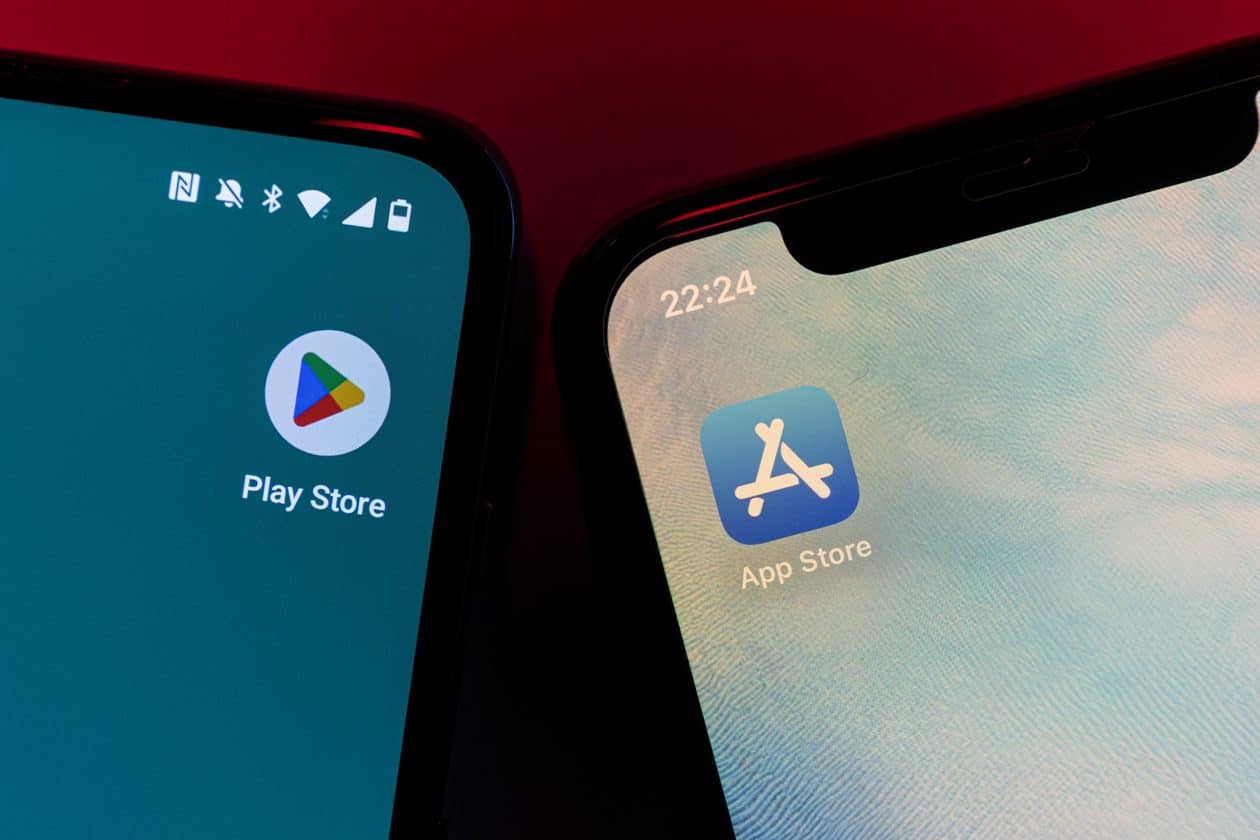
Apple e Google são pressionadas a banir apps que geram nudez com IA

A Apple e o Google foram intimados por um procurador de San Francisco a remover aplicativos que gerem imagens de nudez não consensuais.

As notificações extrajudiciais foram enviadas pelo procurador David Chiu, que exigiu a remoção de 13 aplicativos de troca de rostos (face swap) os quais permitem que usuários criem imagens de nudez sem o consentimento das pessoas envolvidas, com o auxílio da inteligência artificial (IA). Ele solicitou ainda o rompimento das relações comerciais com os desenvolvedores desses apps.

Chiu comentou o conflito com esse segmento de apps e a problemática da relação desses aplicativos com grandes empresas de tecnologia:

Gerar imagens íntimas não consensuais é ilegal, prejudicial e completamente inaceitável. […] Essas empresas têm a responsabilidade de garantir que os aplicativos em suas plataformas não facilitem abuso sexual. […] O fato de algumas das maiores e mais consolidadas empresas de tecnologia do mundo estarem facilitando isso precisa acabar.

Pesquisadores das universidades de Cornell e Georgetown descobriram que, de 155 apps de criação de deepfakes, 70% deles permitiam gerar conteúdos com nudez sem quaisquer restrições — demonstrando que mesmo os apps que não são promovidos como tal não impedem práticas criminosas. Uma investigação da Tech Transparency Project (TTP) revelou números parecidos.

A Apple possui um histórico delicado com o tema: embora esses estudos apontem leniência com a existência desse tipo de ferramenta na App Store, a Maçã possui um rastro de combate a esse tipo de prática — ainda que sob pressão governamental —, a exemplo da ameaça de remoção do X em meio à polêmica com a geração de imagens de nudez com o auxílio do Grok.

Ao longo dos últimos meses, a empresa foi criticada por autoridades como o governo do Reino Unido e o estado americano da Virgínia Ocidental para combater a proliferação de apps com conteúdo adulto em meio a crianças e adolescentes.

Representando o Google, Dan Jackson afirmou que centenas desses aplicativos foram excluídos da loja do Android:

O Google Play não permite aplicativos que contenham conteúdo sexual, e tomamos continuamente medidas proativas para detectar e remover apps com conteúdo prejudicial. […] Quando recebemos denúncias, investigamos e agimos rapidamente, o que, nesses casos, incluiu suspender centenas de aplicativos que violavam nossas políticas e restringir termos de busca relacionados, como “nudify”, em nossa loja.

A Apple, por sua vez, optou por não comentar o caso.

via WIRED
  •  

WhatsApp agora permite iniciar conversas só com o nome de usuário

Após três meses em fase de testes, o recurso de nome de usuário do WhatsApp finalmente parece estar funcionando entre os usuários que já haviam reservado seu username, ampliando a disponibilidade da funcionalidade.

Aos que efetuaram a reserva, o WhatsApp começou a exibir um banner no topo da lista de conversas, informando que ele já está ativo e explicando que agora ele pode ser compartilhado com outras pessoas. Caso você queira verificar o nome de usuário de algum dos seus contatos, basta abrir a conversa com ele para conferi-lo.

Exibição de notificação sobre nome de usuário no WhatsApp
Imagem: WABetaInfo

De acordo com o WABetaInfo, o recurso está sendo liberado de forma gradual para quem já reservou um nome de usuário. Se esse for o seu caso, basta tocar no botão de adicionar (na aba Conversas) para abrir a lista de contatos, e em seguida, digitar o nome de usuário na barra de pesquisa.

Vale lembrar que isso não afetará a visualização dos números de telefone nos contatos com os quais você já iniciou uma conversa anteriormente. Nos moldes de rivais como o Telegram, os nomes de usuário apenas introduzem uma nova opção de acionar um determinado contato, alterando a primeira interação dos usuários, já que o número de telefone deixa de ser a única forma de iniciar uma conversa.

O WhatsApp está liberando o recurso completo de nomes de usuário para “uma fração muito limitada da sua base instalada no iOS e Android”, incluindo tanto versões betas quanto estáveis do aplicativo.

  •  

Apple Continues To See Steady Flow Of Android Switchers In 2026

Getting people to switch their phone setup remains a top goal for Apple. According to new research from Consumer Intelligence Research Partners, a solid chunk of buyers are still making the leap from rival devices. The firm looked closely at people who bought a new iPhone in the US during the first few months of […]

The post Apple Continues To See Steady Flow Of Android Switchers In 2026 appeared first on The Mac Observer.

  •  
  •  

Huawei Mate XT 2: il brevetto svela design e nuovo meccanismo di piegatura

Dopo aver stupito il mercato con il Mate XT e il successivo Mate XTs, entrambi caratterizzati da una particolare struttura a tre sezioni, nuove informazioni suggeriscono che il prossimo Huawei Mate XT 2 potrebbe andare in un'altra direzione per quanto riguarda il design ed il meccanismo di piegatura.

COSA CAMBIA SU HUAWEI MATE XT 2

Sono state condivise in queste ore alcune immagini associate ad un brevetto che in tanti ricollegano proprio al Mate XT 2 di Huawei. Gli schemi si soffermano parecchio sul sistema di chiusura: al posto del meccanismo a Z visto sui modelli passati, il dispositivo sembrerebbe orientarsi verso una meccanismo di piegatura interna.

Si prospetta anche un'altra novità da sottolineare. Mentre i modelli attuali fanno affidamento esclusivo sul grande pannello flessibile, il nuovo Huawei Mate XT 2 includerebbe uno schermo esterno dedicato. In pratica, il dispositivo potrebbe essere utilizzato anche da chiuso, senza dover necessariamente aprire il display principale ogni volta.


Lo Smartphone piccolo che va bene a tutti? Motorola Edge 50 Neo, compralo al miglior prezzo da Unieuro a 239 euro.

CLICCA QUI PER CONTINUARE A LEGGERE

  •  

Google must open Android to rival AI agents, EU orders

The European Union is stepping up its actions against US tech giants under the Digital Markets Act, which is intended to ensure fair competition between digital platforms. On Thursday, the European Commission issued two rulings to limit Google’s dominance.

The Commission ordered Google to open up the Android operating system to AI assistants other than its own Gemini, ensuring that they had the same access to applications and operating system services. A second ruling ordered Google to share search data that only it is big enough to collect with other search engines.

Google has hit back at the measures, warning that they could create security issues for users. “Today’s decisions risk undermining vital privacy and security guardrails for millions of Europeans. We have repeatedly offered solutions to safeguard users while satisfying the DMA’s goals, but these rulings discount extensive evidence of user harm,” said Kent Walker, Google’s President of Global Affairs, in a company blog post.

The EU move doesn’t just cause problems for Google but for CISOs as well, warned Roman Stanek, CEO of Good Data AI. “Enterprise security has always leaned on a simple assumption, that apps are boxes, and the OS decides what crosses the box. But once multiple agents get equal system-level reach, access to screen context, cross-app actions, background execution, that assumption breaks.

“CISOs need to stop treating ‘AI assistant’ as a single, well-understood permission and start treating it as a category risk, one they have to govern like they govern app stores and MDM policies today. That requires device policies that name which agents can hold system-level permissions, not just which apps are installed. It means DLP and conditional access rules that account for an agent reading and acting on data, not just an app requesting it.,” he said.

  •  

Hearty: a app que dá aos pais ideias prontas para passar tempo de qualidade com os filhos

Entre a correria do dia a dia, arranjar ideias novas para brincar com os filhos nem sempre é fácil. Com Hearty, organize centenas de atividades por idade e categoria, para pais, avós e até professores usarem em casa.

The post Hearty: a app que dá aos pais ideias prontas para passar tempo de qualidade com os filhos appeared first on Tek Notícias.

  •  

iPhone Loyalty Rate Climbs to 87% as Switching to Android Slows

iPhone owners are sticking with the platform at a higher rate than a year ago, with new research firm CIRP putting iPhone loyalty at 87% for the first quarter of 2026.


CIRP's latest quarterly survey found that just 12% of new iPhone buyers in the March quarter had come over from an Android phone, with the remaining 1% arriving from a feature phone, a different smartphone platform, or buying a smartphone for the first time. That puts loyalty three percentage points above the same quarter a year earlier, when 14% of buyers switched from Android and the overall loyalty figure sat at 84%.

The firm has been tracking this movement for years by asking iPhone buyers what device they owned right before their purchase, among other questions about how they shop. Across the periods it measured recently, the share of buyers coming from Android has held in a fairly narrow 11% to 15% band, a much smaller pool of switchers than in the iPhone's early years, when Apple was still expanding beyond AT&T to other U.S. carriers and picking up large numbers of new users in the process.

The trend held steady in early 2024 too, when 13% of buyers arrived from Android and loyalty came in at 85%. CIRP's numbers suggest the bulk of smartphone owners settled on a platform long ago, and only a small slice change sides each year. This is a pattern other recent surveys have pointed to as well, even if their methodology and figures differ from CIRP's.

Apple will roll out Siri AI, its overhauled AI assistant, in iOS 27 later this year, which could help retain existing iPhone owners. Attracting Android converts is a separate challenge, though Apple's upcoming foldable iPhone will introduce a new form factor that may appeal to some existing Android foldable owners.
Tags: Android, CIRP

This article, "iPhone Loyalty Rate Climbs to 87% as Switching to Android Slows" first appeared on MacRumors.com

Discuss this article in our forums

  •  

EU Orders Google to Give Rival AI Apps the Same Android Access as Gemini

The European Commission today formally ordered Google to give third-party AI services the same access to Android device features that Gemini has. Europe's Digital Markets Act requires software makers like Apple and Google to grant equal interoperability to third-party apps and services, and the EC is enforcing it.


DMA interoperability rules are why Siri AI won't be available in the European Union when iOS 27 launches. While Apple tried to work out an agreement with regulators before launching ‌Siri‌ AI in Europe, Google did the opposite. Instead of asking, Google just launched Gemini integration on Android and opted to deal with the consequences afterward. Google's strategy gives Android users in Europe full Gemini access while it works on compliance with the DMA.

The European Commission is giving Google a full year to implement changes that will meet the Digital Markets Act requirements, and that's before any legal appeals Google might make.

The European Commission is making many of the same demands of Google that it made of Apple. Google must allow AI apps to access 11 features, such as:

  • AI services must be accessible through voice commands like "Hey Google" or through access points like the home button or another activation button.

  • AI services must be able to complete actions in and across apps, including completing long-running tasks in the background.

  • Google must allow AI services to access context from apps and device sensors so AI can offer proactive services and anticipate user needs.

  • Google has to give AI apps sufficient hardware and software resources, including access to its on-device AI models to execute tasks.


Google is required to implement the majority of the European Commission's changes by August 1, 2027.

Shortly after announcing ‌Siri‌ AI, Apple said EU regulators would not accept any of its proposed solutions to introduce the feature, and refused to engage on options that "preserve privacy and security." Apple wanted to use a Trusted System Agent that would allow third-party virtual assistants to safely access the same device capabilities as ‌Siri‌ AI.

Apple said the Digital Markets Act would require it to give any AI system "nearly unlimited access to a user's device," along with the ability to act on that information autonomously.

The European Commission claims Apple was "unable to develop interoperability solutions that meet essential EU privacy and security standards" and instead asked for a blanket exemption from the interoperability requirements, which the EC did not grant.

In response to the EC's mandate, Google said the requirements "risk undermining vital privacy and security guardrails for millions of Europeans." Google hasn't given information on its next steps, but it says it plans to "continue advocating for a balanced approach that protects privacy and security while supporting market goals."
This article, "EU Orders Google to Give Rival AI Apps the Same Android Access as Gemini" first appeared on MacRumors.com

Discuss this article in our forums

  •  

Europa, il DMA obbliga Google ad aprire Android e i dati di Search ai rivali dell'AI

Google dovrà consentire a OpenAI e agli altri concorrenti nel settore dell’intelligenza artificiale di accedere ad alcune funzioni di Android e a una parte dei dati utilizzati per migliorare il motore di ricerca. La Commissione europea ha definito nel dettaglio gli obblighi previsti dal Digital Markets Act, dopo una procedura avviata sei mesi fa. Bruxelles vuole ridurre il vantaggio di cui Google dispone sia nella ricerca online sia nei servizi AI, favorendo la crescita di alternative a Search e Gemini e ampliando le possibilità di scelta per gli utenti europei.

PIÙ ACCESSO AD ANDROID

Google dovrà aprire agli assistenti AI concorrenti undici funzioni di Android. Questo permetterà ai servizi rivali di interagire più direttamente con lo smartphone e di svolgere operazioni che oggi sono più facilmente accessibili a Gemini. Un assistente diverso da quello di Google potrà essere richiamato con un comando vocale, in maniera simile a “Hey Google”, e utilizzare alcune funzioni del telefono per cercare informazioni su luoghi, avviare attività o prenotare un taxi.

Le novità dovrebbero arrivare da luglio del 2027 con la prossima versione di Android.
Google potrà comunque controllare che i servizi interessati rispettino i requisiti previsti per la sicurezza informatica e la protezione dei dati prima di concedere l’accesso. La Commissione ritiene che le garanzie introdotte siano sufficienti a proteggere utenti e dispositivi. Le undici funzioni non saranno quindi aperte indistintamente a tutte le aziende, ma solo a quelle che supereranno le verifiche richieste.

DATI RICERCA ANCHE A OPENAI E ALTRI CONCORRENTI

Dal prossimo gennaio, Google dovrà rendere disponibile anche una parte dei dati utilizzati per migliorare i propri servizi di ricerca. Potranno accedervi OpenAI e gli altri servizi AI che integrano funzioni di ricerca sul web. Le informazioni dovranno essere anonimizzate e serviranno ai concorrenti per migliorare la qualità dei risultati. Per la Commissione, l’accesso a questi dati può ridurre almeno in parte la distanza da Google, che può contare sulle informazioni raccolte in anni di utilizzo del proprio motore di ricerca.

Google potrà esaminare le richieste e bloccare l’accesso qualora rilevi rischi per la cybersicurezza o la protezione dei dati. Bruxelles ha previsto anche una formula per stabilire il prezzo che le aziende interessate dovranno pagare.

“Grazie a queste misure speriamo di vedere emergere alternative a Google Search e ai servizi AI di Google, come Gemini, e che gli utenti nell’Unione europea possano beneficiare di una scelta più ampia”, ha dichiarato Henna Virkkunen, vicepresidente esecutiva della Commissione europea con delega alla sovranità tecnologica.


Il miglior iPhone di sempre? Apple iPhone 17 Pro, compralo al miglior prezzo da Digitalparadise.it a 1,073 euro.

CLICCA QUI PER CONTINUARE A LEGGERE

  •  

Meta avviserà i genitori se un adolescente parla di autolesionismo con Meta AI

Meta avviserà i genitori quando dalle conversazioni di un adolescente con Meta AI emergeranno riferimenti al suicidio o all’autolesionismo. Gli avvisi sono già attivi negli Stati Uniti, nel Regno Unito, in Australia e in Canada per gli account collegati agli strumenti di supervisione di Instagram. Meta prevede di estendere gli avvisi al resto del mondo entro la fine del 2026.

Quando un ragazzo affronta questi argomenti con Meta AI, il sistema gli mostra già i contatti dei servizi di assistenza e lo invita a rivolgersi a un genitore, a un consulente o a un altro adulto di fiducia. Il nuovo sistema permetterà a Meta di avvisare anche il genitore che supervisiona l’account, fornendogli alcune indicazioni preparate con il supporto di esperti per affrontare la situazione. L’avviso potrà partire anche quando i riferimenti non sono del tutto espliciti. Per riconoscere queste conversazioni, Meta ha sviluppato un sistema AI specifico con il contributo di genitori e specialisti della salute mentale.

Prima di essere inviato, ogni avviso generato dal sistema sarà verificato da una persona. Se le intenzioni dell’adolescente non saranno del tutto chiare, Meta preferirà comunque informare il genitore, mettendo in conto anche la possibilità di qualche segnalazione non necessaria. Instagram informa già i genitori quando un adolescente effettua, a breve distanza, diverse ricerche su suicidio e autolesionismo. I genitori possono anche visualizzare gli argomenti affrontati dall’adolescente con Meta AI nell’ultima settimana.

Meta sta lavorando anche a un sistema per contattare i servizi di emergenza quando una conversazione con Meta AI fa pensare a un rischio imminente di suicidio, sia nel caso di adulti sia di minorenni. Una procedura simile viene già utilizzata su Facebook e Instagram per i post considerati credibili. Nel 2025, secondo i dati diffusi dall’azienda, le segnalazioni ai soccorritori sono state più di 19.000 in tutto il mondo.

L’azienda ha coinvolto oltre 75 professionisti della salute mentale specializzati negli adolescenti per rivedere il modo in cui Meta AI risponde a questo tipo di richieste. Gli esperti hanno esaminato centinaia di conversazioni, valutando le singole risposte, il contesto e le domande successive. Meta vuole evitare che il chatbot risponda in modo troppo freddo o chiuda il dialogo in maniera brusca. Meta AI dovrà riconoscere lo stato d’animo del ragazzo e indirizzarlo verso un aiuto esterno, senza limitarsi a mostrare un numero di emergenza.

Le stesse regole riguarderanno anche gli Account per teenager. Di default, le conversazioni con Meta AI seguiranno il livello di contenuti previsto per gli utenti dai 13 anni in su. Il chatbot non dovrà quindi partecipare a conversazioni sessuali o romantiche con gli adolescenti, né fornire, per esempio, ricette per bevande alcoliche. L’impostazione “Contenuti limitati” sarà applicata anche alle chat con Meta AI. Attivandola, i genitori potranno bloccare un numero maggiore di richieste e restringere ancora di più gli argomenti affrontabili dal chatbot.


Il miglior iPhone di sempre? Apple iPhone 17 Pro, compralo al miglior prezzo da Digitalparadise.it a 1,073 euro.

CLICCA QUI PER CONTINUARE A LEGGERE

  •  

OnePlus dice addio a Europa e Nord America, è ufficiale

È ufficiale, dopo lo statement condiviso nelle scorse ore da Realme, Oppo conferma un altro tassello piuttosto drastico della sua strategia di razionalizzazione nel settore smartphone (e non solo): OnePlus ha appena annunciato che non rilascerà più nuovi smartphone né in Europa né in Nord America. Il post sul sito ufficiale della community lascia intendere che lo stop è esteso anche a qualsiasi altra categoria di prodotto - tablet, cuffiette, accessori e così via. A tutti gli effetti, è la fine (per i nostri mercati, quantomeno) di uno dei brand più amati da noi smanettoni e appassionati di tecnologia.

Il cambiamento era nell’aria già da diverso tempo. Negli ultimi anni i confini tra i due brand si sono progressivamente assottigliati, con una crescente condivisione di hardware, software e catene di fornitura. Un segnale importante era arrivato anche dal ritorno del cofondatore di OnePlus, Pete Lau, in un ruolo chiave in Oppo come Chief Product Officer, e forse ancora di più dall’abbandono di Carl Pei del gruppo, per fondare Nothing. In questi mesi passati, poi, si erano susseguiti indizi, avvistamenti, indiscrezioni e mezze ammissioni in questo senso, anche se bisogna dire che la comunicazione della dirigenza era rimasta finora molto vaga e confusa.

OnePlus ci tiene a precisare che gli attuali proprietari di dispositivi OnePlus non subiranno conseguenze immediate. Assistenza, aggiornamenti software, supporto tecnico e servizi di riparazione saranno garantiti in base alle promesse fatte in fase di lancio dei vari dispositivi e/o agli obblighi legali del Paese o mercato di riferimento. Per quanto riguarda il software, anche OnePlus passerà alla ColorOS; la società, però, lascerà agli utenti la facoltà di scegliere se fare l’upgrade o se rimanere fedeli alla storica OxygenOS. Sembra comunque di capire che questa non sarà più sviluppata, quindi la scelta è tra rimanere fermi all’attuale Android 16 o andare avanti con la personalizzazione di Oppo. C’è da dire che dall’acquisizione i due software sono diventati sempre più simili l’uno con l’altro.


Il miglior iPhone di sempre? Apple iPhone 17 Pro, compralo al miglior prezzo da Digitalparadise.it a 1,073 euro.

CLICCA QUI PER CONTINUARE A LEGGERE

  •  

Android 17 QPR1 Beta 7 è disponibile per i Pixel: ecco cosa cambia

A quindici giorni dalla precedente release, Google avvia il rilascio di Android 17 QPR1 Beta 7 per i Pixel. La build con la sigla CP31.260623.005 è disponibile per tutti i dispositivi che hanno ricevuto la release precedente e ha un changelog piuttosto corto, composto esclusivamente da fix. Ecco l’elenco dei cambiamenti distribuito da Google:

  • La funzione "Condivisione batteria" dei Quick settings non riusciva ad avviare la ricarica o visualizzava ripetutamente (in loop, ndr) l'animazione di ricarica. ( Problema n. 476443126 , Problema n. 477627747 , Problema n. 480701245, Problema n . 484322291 , Problema n. 488473799 , Problema n. 501729379 , Problema n. 500638463 )
  • Disattivando il Wi-Fi si creava uno spazio vuoto tra le icone della batteria e dei dati mobili nella barra di stato dei Quick settings. ( Problema n. 517178332 )
  • Un arresto anomalo nel controller delle dimensioni del carattere dei Quick settings impediva agli utenti di regolare le dimensioni del testo tramite il pannello di accesso rapido. ( Problema n. 531915405 , Problema n. 530312544 ).

Le uniche novità, quindi, a giudicare dal changelog, sono quelle sopra. Al rilascio di Beta 6, con il raggiungimento della Platform Stability, spiegavamo come lo sviluppo dell’aggiornamento fosse ormai in fase avanzata, e con il rollout delle scorse ore che aggiunge un ulteriore tassello questo è ancor più vero. La release definitiva, stabile, di Android 17 QPR1, insomma, è ancora più vicina, malgrado il rollout, va detto, non dovrebbe essere questione di giorni.

La beta è disponibile tramite Android Beta Program per Pixel 6 e modelli più recenti. Per quanto più stabile che in passato, rimane una versione di test, quindi meglio evitare l’installazione sullo smartphone principale a meno che non si accetti il rischio di bug o instabilità. Google non ha ancora indicato una data per il rilascio pubblico di Android 17 QPR1, ma con la Platform Stability e un’ulteriore release - questa - la distribuzione non dovrebbe essere troppo lontana. Secondo le ipotesi circolate finora, il periodo più probabile resta settembre.


Il miglior iPhone di sempre? Apple iPhone 17 Pro, compralo al miglior prezzo da Digitalparadise.it a 1,073 euro.

CLICCA QUI PER CONTINUARE A LEGGERE

  •  

Google abre Play Store a lojas de apps de terceiros nos Estados Unidos a partir deste mês

A Google e a Epic Games retiraram esta semana o acordo que tinham alcançado para alterar uma decisão judicial nos Estados Unidos. A gigante tecnológica terá agora de abrir a Play Store a lojas de aplicações de terceiros a partir de 22 de julho.

The post Google abre Play Store a lojas de apps de terceiros nos Estados Unidos a partir deste mês appeared first on Tek Notícias.

  •  

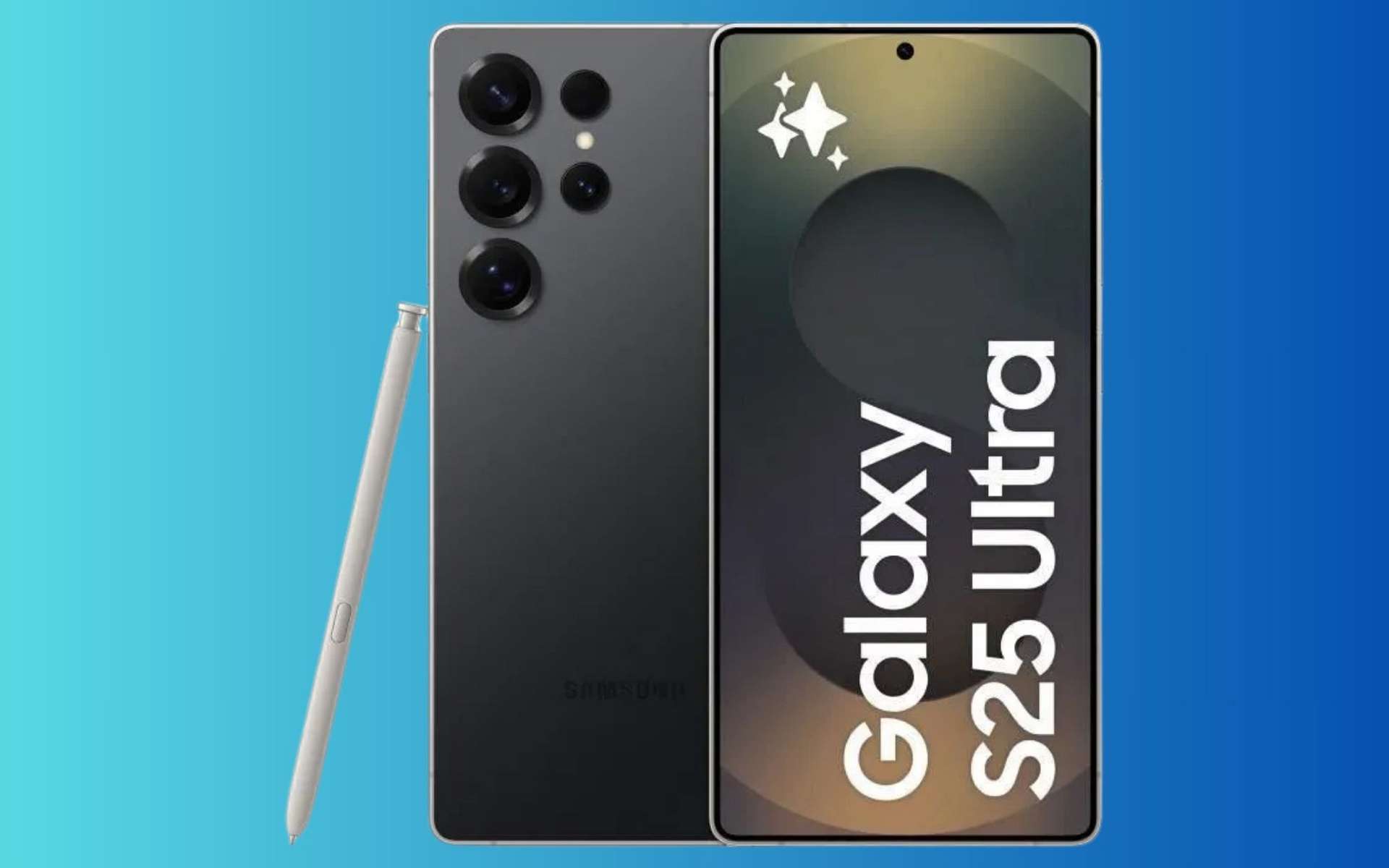
Le célèbre Samsung Galaxy S25 Ultra AI passe en mode soldes avec une remise monstre

Envie de passer à un smartphone haut de gamme sans payer le prix fort ? C'est le moment d'en profiter. Le Samsung Galaxy S25 Ultra AI, l'un des modèles les plus populaires de la marque, bénéficie actuellement d'une remise spectaculaire qui fait tomber son prix à seulement 684 € au lieu de 1...

  •  

Google and Epic Cancel Settlement; Third-Party App Stores Coming To Google Play

An anonymous reader quotes a report from Ars Technica: Big changes are coming to Android apps, but they're not the changes Google wanted. The settlement between Google and Epic that aimed to put to rest the companies' long-running antitrust battle is being withdrawn, and that means third-party app stores are coming to the Play Store. Google has confirmed that it will begin distributing rival app stores next week, setting the stage for competing platforms to take a bite out of Google's Android revenue stream. [...] Google and Epic were set to return to court on July 16 to argue in favor of the settlement. However, the writing may have been on the wall. In a recent expert analysis provided to the court, MIT economics professor Nancy Rose noted that the settlement was "unlikely to enable Google Play's potential competitors to overcome their long-standing network-effect disadvantage in a timely manner." With settlement approval looking increasingly unlikely, Epic and Google agreed this week to call the whole thing off. Here's how Google Trust and Reputation Communications Lead Dan Jackson explains the company's decision: "We've agreed with Epic to withdraw our motion to modify the US Court's injunction rather than prolonging this process which creates uncertainty for the ecosystem. This allows us to focus on executing our recently announced global business model evolution to deliver greater app store choice, lower prices, and more opportunities for developers and users. We remain committed to maintaining Android's industry-leading security and fostering a competitive ecosystem where every app store and developer has the freedom to compete. In parallel, we continue to comply with the US Court's injunction." In a brief filing (PDF), Google's legal team informs the court that Google is prepared to begin distributing third-party app stores in Google Play on July 22. Under the terms of Judge Donato's original injunction, these stores will have access to the full catalog of Google Play apps by default. Developers will have the option to opt out of distribution in these stores, and Google has a support page explaining how to do so. Google also has documentation on how app stores can get access to the Google Play catalog. It won't be mirroring those apps in any shady storefront that asks. The court has allowed Google to charge reasonable fees to cover its security and compliance review of third-party stores, which will be $5,000 per year. Google will also require approved stores to block malware, respect intellectual property, and include mechanisms to update and uninstall apps. App stores can be removed from the program if more than 1 percent of attempted app installs appear to be malware or unwanted software. It's unclear if there will be separate, possibly more stringent requirements for storefront distribution in the Play Store. However, Google is prohibited from unreasonably blocking third-party store clients uploaded to Google Play. The changes Google has announced under the Epic agreement will proceed for now. That means Registered App Stores will happen globally, but they will probably only appear in the Play Store for US users. Google hasn't specified if there will be any differences in the features available to the stores downloaded from Play versus registered stores.

Read more of this story at Slashdot.

  •  

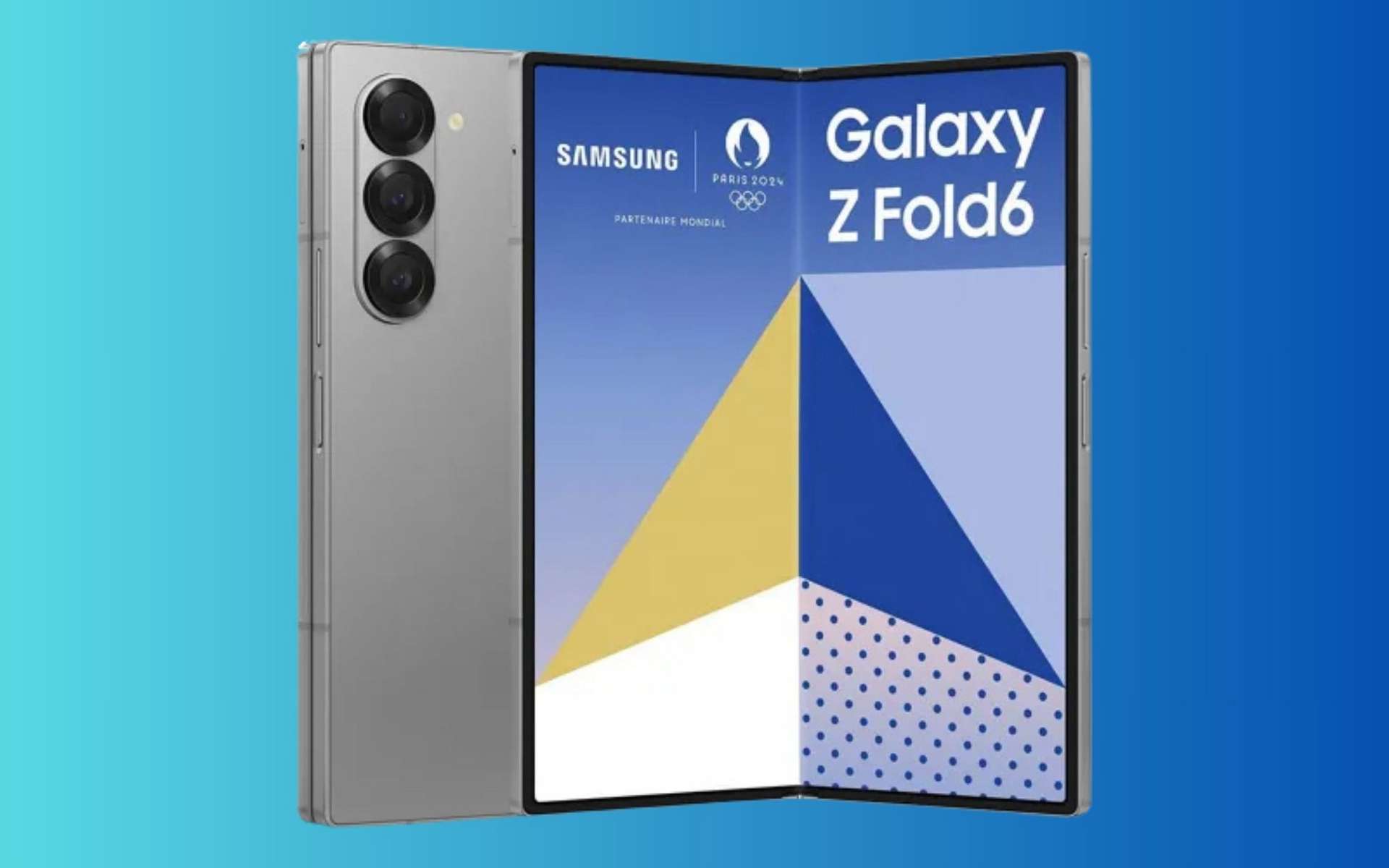
Le Galaxy Z Fold6 cache un immense écran : les soldes révèlent son meilleur prix (-54 %)

Profitez des soldes d'été pour vous offrir le Samsung Galaxy Z Fold6 à un tarif exceptionnel. Ce smartphone pliable haut de gamme, capable de se transformer en tablette de 7,6 pouces, bénéficie actuellement d'une remise de 54 % chez Rakuten, pour une durée limitée.

  •  
❌