❌

Reading view

Apple iPhones hit record 20% global market share in Q2 2026

Apple's iPhone 17 Pro in Deep Blue
Apple’s iPhone 17 Pro in Deep Blue

The global smartphone market faced significant headwinds in the second quarter of 2026, with shipments slumping to the lowest Q2 level in 13 years due to a deepening memory chip crisis. According to Counterpoint Research, overall shipments declined sharply year-over-year. Yet Apple stood out as a bright spot, bucking the trend with resilient demand for its premium iPhone lineup.

Apple’s Strong Performance in a Challenging Market

Apple’s iPhone shipments grew by approximately 3% year-over-year in Q2 2026, even as the broader market contracted by around 11%. This growth propelled Apple to a record 20% global market share for the quarter. Key factors included:

• Sustained consumer demand for the iPhone 17 series and other premium models.

• Apple’s strategy of keeping prices stable despite rising component costs, unlike many competitors who faced pressure from the memory shortage.

• Strong performance in key regions, supported by promotions and trade-in programs.

This marks a notable achievement for Apple, highlighting the enduring appeal of its ecosystem and product quality in an environment where many Android vendors struggled with higher bill-of-materials costs and softer demand.

Top 5 Smartphone Brands Global Sell-in Shipment Share (Preliminary Data)

Top 5 Smartphone Brands Global Sell-in Shipment Share (Preliminary Data)
Source: Counterpoint Research’s preliminary Market Monitor report (based on sell-in). Notes: OPPO includes OnePlus and realme. Percentage totals may not add up to 100% due to rounding.

Broader Market Context: The Memory Crisis Takes Its Toll

The memory chip shortage has ripple effects across the industry, leading vendors to adjust shipment plans and pass on higher costs. Global shipments hit multi-year lows for a Q2 period, reflecting cautious buying from both consumers and supply chains. While some brands saw sequential improvements through promotions (e.g., during China’s 618 festival), year-over-year declines dominated for most players.

Apple’s ability to maintain pricing power and grow shipments underscores its premium positioning, which has helped it capture higher revenue shares even in softer quarters.

What This Means for the Industry and Consumers

• For Apple: Hitting a record 20% share reinforces its leadership in the premium segment. With innovations like advanced AI features and consistent ecosystem updates, the company continues to attract loyal users and convert new ones, particularly in emerging markets.

• For Competitors: Brands reliant on mid-range and budget devices face tougher conditions. The memory crunch may lead to further consolidation or shifts toward value-oriented strategies.

• For Consumers: Expect continued pressure on prices in the short term, but Apple’s stable pricing offers a relative value proposition. Trade-ins and promotions could become even more important for upgrades.

MacDailyNews Take: As the memory crisis persists into late 2026 and potentially beyond, analysts will watch how Apple sustains its momentum—especially with the upcoming iPhone 18 cycle on the horizon. The company’s focus on software optimization, services growth, and selective hardware advancements positions it well to navigate challenges.

This Q2 result isn’t just a bright spot in a down market, it’s a testament to Apple’s strategic resilience. In an industry grappling with supply constraints, premium differentiation continues to pay off!


‎
Please help support MacDailyNews — and enjoy subscriber-only articles, comments, chat, and more — by subscribing to our Substack: macdailynews.substack.com. Thank you!

Support MacDailyNews at no extra cost to you by using this link to shop at Amazon.

The post Apple iPhones hit record 20% global market share in Q2 2026 appeared first on MacDailyNews.

  •  

Apple Watch accounts for 90% of AI smartwatch shipments as Edge AI hits 25% penetration in Q126

The Apple Watch lineup — including Apple Watch Series 11, Apple Watch Ultra 3, and Apple Watch SE 3 — supports everyone’s goals in the new year.
Apple Watch Series 11, Apple Watch Ultra 3, and Apple Watch SE 3.

Global shipments of Edge AI-capable smartwatches experienced robust growth in the first quarter of 2026, with Apple maintaining overwhelming dominance in the emerging category of on-device AI wearables. According to Counterpoint Research, the Apple Watch accounted for the vast majority of these AI-enabled shipments, highlighting the company’s lead in integrating advanced intelligence directly into its devices.

Edge AI Reaches 25% Market Penetration with Strong Growth

Counterpoint Research reported that global Edge AI-capable smartwatch shipments grew by 70% year-over-year in Q1 2026, achieving a market penetration of 25%. One in every four smartwatches shipped during the quarter now features Edge AI capabilities, enabling local machine learning inference for improved speed, privacy, and efficiency.

Apple solely accounted for ~90% of Edge AI smartwatch shipments in Q1 2026. This dominance stems from its custom Neural Engine technology, which powers seamless on-device features such as Siri intent recognition, high-frequency sleep apnea monitoring, and advanced gesture detection without cloud dependency.

Health Monitoring Features Accelerate

The adoption of Edge AI aligns with rapid growth in advanced health capabilities. Shipments of smartwatches with blood pressure monitoring doubled, while those with sleep apnea detection tripled between Q1 2025 and Q1 2026. Key penetration shifts include:

• Blood pressure monitoring: rose from 11% to 23% of shipments
• Sleep apnea detection: increased from 5% to 18%
• ECG: grew from 31% to 34%

These developments reflect a broader industry move toward clinically relevant, real-time health insights powered by on-device AI.

Apple’s Overall Market Performance

Apple’s shipments grew 21% year-over-year, securing a 23% share of the total global smartwatch market. Counterpoint Principal Analyst Anshika Jain said in a statement: “Apple captured the highest shipment share and was the strongest performer in the quarter, helped by its refreshed lineup, meaningful health upgrades and the more affordable Apple Watch SE 3.”

Counterpoint’s Research Director Mohit Agrawal commented on the transition in Edge AI, “Edge AI in smartwatches is shifting from primarily a hardware integration to one that also includes software optimization. The real unlock is smaller, more efficient models and OS-level access that lets any app run inference locally. AI needs to turn from a single application into a personal layer that works on personal data. This enables instant health alerts, gesture control, and richer personalized experiences, and that is why Edge AI penetration is set to approach 32% in 2026.”

MacDailyNews Take: Counterpoint expects Edge AI penetration in smartwatches to near 32% by the end of 2026. As the category evolves from basic tracking to intelligent, personalized health and interaction tools, Apple’s integration of hardware, software, and privacy-focused AI continues to give it a substantial edge in the competitive wearable market.


‎
Please help support MacDailyNews — and enjoy subscriber-only articles, comments, chat, and more — by subscribing to our Substack: macdailynews.substack.com. Thank you!

Support MacDailyNews at no extra cost to you by using this link to shop at Amazon.

The post Apple Watch accounts for 90% of AI smartwatch shipments as Edge AI hits 25% penetration in Q126 appeared first on MacDailyNews.

  •  

OnlyFans performers become unlikely allies of CISOs in securing websites

CISOs at government organizations and universities have an unexpected ally coming to their aid: OnlyFans models.

For some time, hackers have exploited weaknesses in the websites of universities or government departments to host scams or malware, using content stolen from the OnlyFans website as bait to attract victims.

Now, according to security researchers at Upguard, the fightback has begun: creators of adult content on OnlyFans are leveraging Google search results and the protection offered by copyright law to break up the traffic distribution systems created by bad actors.

These distribution systems work in three stages: entry points using adult or other content to attract and capture web traffic, a routing system sends it to destination sites, and those sites monetize the traffic through scams and malware. It has proved to be a lucrative business for the scammers.

Google recognizes the approach and calls such actors SEO parasites as they benefit from the reputations of other organizations — in particular government or academic sites, which Google views as having high authority.

Since the creators of OnlyFans content are also the copyright holders, they are able to issue Digital Millennium Copyright Act (DMCA) take-down notices for the stolen content posted by the bad actors to other sites. Upguard was able to track this through Google’s DMCA Transparency Report, and through the Lumen Database, another tracker of takedown notices, to which it was granted research access.

“This allows us to identify likely compromised sites: government and university domains advertising unlicensed adult content,” Upguard said.

The OnlyFans creators’ action has two benefits for the operators of the affected websites: The adult content associated with their domain disappears from Google search results, no longer affecting their reputation — and if they receive takedown notices for such content they can check their webservers for the vulnerabilities that enabled the bad actors to post it there in the first place.

This article first appeared on CSO.

  •  

Nature study identifies a new way to spot nuclear weapons in orbit

Russia's Kosmos-2553 spacecraft, alleged to be part of a nuclear weapons program, prior to launch. Credit: Ministry of Defense of the Russian Federation

NEW YORK — A study published last week in Nature Astronomy has proposed a new satellite design and technique to detect thermonuclear warheads in space. Funded in part by the […]

The post Nature study identifies a new way to spot nuclear weapons in orbit appeared first on SpaceNews.

  •  

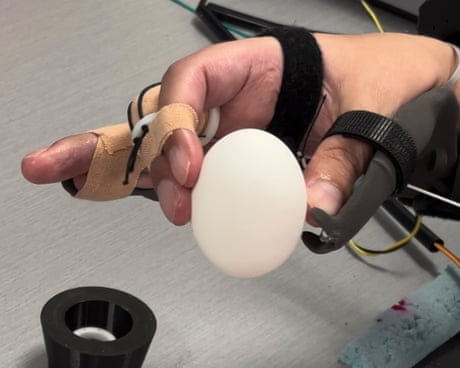
Brain implant helps paralysed man to feed himself and drink from cup

Keith Thomas can move arms and hands, and feel sensation of touch after ‘double neural bypass’ and months of training

A man who was paralysed from the chest down in a swimming accident six years ago has been able to feed himself and drink from a cup thanks to a brain implant that bypasses his spinal cord injury.

Keith Thomas of Massapequa, New York, could not lift his arms off his wheelchair when he agreed to trial the technology in 2021, but after surgery to implant electrodes in his brain and many months of training, he was able to move the limbs again.

Continue reading...

© Photograph: Feinstein Institutes for Medical Research

© Photograph: Feinstein Institutes for Medical Research

© Photograph: Feinstein Institutes for Medical Research

  •  

New Winged Robot Can Fly and Swim Like a Puffin

Scientists hoped for years to make a machine that could emulate the movements of diving birds, such as puffins, and offer an affordable, unobtrusive way to monitor fragile marine ecosystems. A team of researchers at M.I.T. has been able to create such a waterproof winged robot, according to a study published July 9 in the journal Science.
  •  

Surprised Scientists Witness the Ocean Floor Literally Splitting Apart at Its Seams

An international team of geophysicists examining the Southern Indian Ocean floor witnessed a section greater than two meters split apart, releasing millions of cubic meters of stored-up magma within just a few days.

Jean-Yves Royer, a marine geophysicist at the French National Centre for Scientific Research (CNRS) in Brest and a co-author of the study detailing the team’s serendipitous discovery, said witnessing the ocean floor splitting apart in real time was “a major surprise,” while the team hailed the scientific value of finally witnessing these processes up close.

Scientists Have Never Witnessed The Ocean Floor Splitting Apart in Real Time

Because the ocean floor is dynamic, the movement of tectonic plates pulling the existing crust away from mid-oceanic ridges allows magma to well up to the surface. When it dries, this material solidifies, adding to the existing crust. While scientists have understood this process for decades, no one has ever witnessed the phenomenon directly. This absence has left a gap in scientific knowledge that, as study co-author Isobel Yeo, a geoscientist at the National Oceanography Center in Southampton, UK, notes, persists to this day.

“We still know remarkably little about the frequency, magnitude, and dynamics of the eruptions and tectonic processes that build them”, the researcher explained

To try to fill that gap, the team focused its research on a section of the seafloor called the Southeast Indian Ridge, which runs east to west across the Indian Ocean. Due to its location, the ridge separates two tectonic plates, the Antarctic and the Australian.

The team notes that these two plates, which contain Antarctica and Oceania and the surrounding oceanic crust, are continuously moving in opposite directions by roughly six centimeters each year. Although both plates are exerting stress on the ridge, the team said the northward movement of the Australian plate accounts for most of this annual expansion.

The motion dynamics can also change by location. For example, one section of the Australian plate may stay stationary for a period and then suddenly experience a large surge in motion. These sudden events are accompanied by earthquakes. 

Ocean Floor Movement in Real Time

In hopes of catching the ocean floor splitting in real time, Royer and colleagues ventured to the Southeastern Indian Ridge in February 2024. Once on site, the team deployed three categories of sensors at several different locations along a 100-kilometer stretch of the ridge. The sensor array included five hydrophones that detect underwater sound, including the telltale sonic waves produced by earthquakes. The team also deployed 15 battery-powered acoustic beacons designed to emit and detect sounds at selected locations along the ridge.

Because the acoustic beacons can produce and receive sounds, the team programmed them to exchange audio signals every four hours. This regular exchange allowed the team to measure the time between sound and response, which they used to determine the distance between the two beacons at four-hour intervals.

After the sensors were all in place, the team’s efforts finally paid off. According to the study, the carefully placed hydrophones began to detect seismic tremors on the ocean floor. These signals were followed by several days of acoustic beacon returns, indicating some of the stations had moved. When the team calculated the time between beacon signals, they determined that some sections of the ocean floor had moved by “at least” two meters as they were pulled away from the ridge.

The team also found evidence that the ocean floor was splitting apart in real time, altering the ocean floor’s depth. According to a reading from a single pressure sensor, the depth change caused by the event was “substantial.”

a rare direct view of these processes in action

In the study’s conclusion, the research team estimates that 160 million cubic meters of lava rose between the split ocean floor and spilled onto the seafloor. They also suggested that the magma explosion emptied a reservoir that had accumulated along the ridge, which caused portions of the floor to “subside.”

Royer said the team was only expecting to find a vertical displacement of “a few centimeters.” Instead, he notes, “we measured 4.2 meters.” The team said this large amount of change suggests that three to six decades’ worth of stress from the northward movement of the Australian tectonic plate was released during the ocean-floor-splitting event.

When discussing the significance of witnessing the ocean floor splitting apart in real time for the first time, Yeo said their study “provides a rare direct view of these processes in action.”

The study “Anatomy of a seafloor spreading event captured by in situ seismogeodesy” was published in Nature.

 Christopher Plain is a Science Fiction and Fantasy novelist and Head Science Writer at The Debrief. Follow and connect with him on X, learn about his books at plainfiction.com, or email him directly at christopher@thedebrief.org.

  •  

The Brain’s Language System Is Far More Expansive Than Scientists Thought, New Study Finds

Neuroscientists have long believed that language processing was only found in regions of the brain’s left hemisphere, including the well-known Broca’s area. However, new evidence suggests the brain’s language network is far more widespread than previously thought. 

Researchers at the Massachusetts Institute of Technology (MIT) analyzed functional magnetic resonance imaging (fMRI) scans from 772 participants and identified 17 additional brain regions involved in language comprehension. These newly discovered areas are distributed across the brain, including the cerebellum, hippocampus, amygdala, and several regions of the cerebral cortex. In total, this accounts for five percent of the adult brain volume (roughly the size of a large strawberry). 

“Even though there are all these distant components, it’s pretty restricted in terms of volume. You don’t need that much of the brain to do language,” says senior author Evelina Fedorenko, an MIT associate professor of brain and cognitive sciences and a member of MIT’s McGovern Institute for Brain Research, in a statement. 

Locating the Brain’s Hidden Language Centers

To find these hidden language-related regions in the brain, the researchers revisited years of brain imaging data collected since 2013. Additionally, participants completed a standard “language localizer” task, during which they read or listened to meaningful sentences and sequences of meaningless nonwords. By comparing brain activity between these two conditions, the research team identified regions that responded more strongly to language.

“When we initially started looking at language, in the first couple of papers, I tried to be comprehensive and include anything that seemed consistent across participants, and there was a huge amount of resistance,” said Fedorenko. “People would say things like, ‘Well, we know those are not language areas, so please focus on the language areas.’”

The team decided to adopt a more flexible statistical approach to detect weaker signals and identify previously overlooked language-sensitive regions beyond the classical language areas. They then compared these regions’ responses during a spatial working memory task to distinguish language-specific areas from those involved in what would be considered general cognitive functions.

Cerebellum Discoveries

Interestingly, five of the newly identified language regions are located in the cerebellum, a structure traditionally associated with movement and coordination. Some of these cerebellar regions were also active during non-language tasks, suggesting they may help integrate information across different brain systems rather than process language alone.

“It’s a very simple paradigm that lets you identify this core language system in individual brains,” says MIT postdoc Agata Wolna, the lead author of the paper.

Additional language-sensitive regions were identified in the hippocampus and amygdala, areas better known for their roles in memory and emotion. Their involvement suggests that understanding language may rely more on integrating memory, emotional context, and higher-order cognitive functions than previously understood in science.

“We always see this frontal temporal network, but there’s quite a lot of evidence that there are other regions that are also critical for language processing,” said Wolna. “By using a laxer threshold and zooming in on areas with weak MRI signal, we tried to maximize the chances of finding small and weakly responsive regions outside of this left frontal temporal system.”

The findings challenge long-held assumptions about the brain’s organization and can open new avenues for research into how language processing is understood in neuroscience.

The recent study was published in the Journal of Neuroscience. 

Chrissy Newton is a PR professional and the founder of VOCAB Communications. She currently appears on The Discovery Channel and Max and hosts the Rebelliously Curious podcast, which can be found on YouTube and on all audio podcast streaming platforms. Follow her on X: @ChrissyNewton, Instagram: @BeingChrissyNewton, and chrissynewton.com. To contact Chrissy with a story, please email chrissy @ thedebrief.org.

  •  

Culturally Tailored Maternity Care Boosts First Nations Birth Health

A recent groundbreaking study published in The Lancet’s eClinical Medicine reveals that a culturally tailored continuity of midwifery care model significantly improves perinatal outcomes for First Nations families in Victoria, Australia. This innovative approach, known as the Baggarrook Yurrongi or “Women’s Journey” model, ensures that women expecting First Nations babies receive consistent care from a known midwife throughout pregnancy, birth, and the early postnatal period.

Developed collaboratively with First Nations health organizations and maternity services, the Baggarrook Yurrongi model addresses the unique cultural needs of Aboriginal and Torres Strait Islander families. The study analyzed over 164,000 births from three major hospitals, including outcomes for more than 2,000 First Nations babies. Researchers utilized a prospective, non-randomized design, comparing data before (2012–2017) and after (2017–2022) the model’s implementation to assess its real-world efficacy.

The findings demonstrated monumental improvements: there was a 45% increase in the rate of healthy births among First Nations babies. Additionally, the likelihood of low birthweight decreased by 33%, preterm births by 36%, and neonatal intensive care admissions by 30%. Mothers were also 86% more likely to initiate breastfeeding, underscoring enhanced postnatal engagement and infant health support.

Lead researcher Professor Della Forster emphasized the significance of culturally informed midwifery continuity care, highlighting its role in bridging healthcare disparities. By fostering trust and cultural safety, the model encourages better health practices and outcomes, marking a notable stride toward closing the persistent gap in Indigenous perinatal health.

Key to the success of this approach is the trusted relationship a known midwife builds with expectant mothers—crucial for communities historically wary of healthcare systems. Programs like Mercy Hospital for Women’s Nangnak Baban Murrup and Joan Kirner Women’s and Children’s Hospital’s Galinjera have demonstrated both high uptake and satisfaction levels among clients and midwives alike, indicating sustainable integration into standard maternity care.

Clinical Midwife Specialist Evelyn Burns remarked that this continuity of care model profoundly impacts women’s confidence and connection during pregnancy. The study’s robust dataset and positive qualitative feedback from both families and clinicians provide compelling evidence for broader adoption across Australian maternity services.

This research not only validates the efficacy of culturally tailored care models but advocates for their expansion nationwide to ensure equitable and effective maternity healthcare for all First Nations families. The findings represent a pivotal shift in perinatal care paradigms, blending cultural competence with clinical excellence to improve long-term maternal and infant health outcomes.


Subject of Research: People
Article Title: The effect of culturally tailored continuity of midwifery care on perinatal outcomes for women having a first Nations baby in Victoria, Australia: a prospective non-randomised translational study
News Publication Date: 24-Jun-2026
Web References: https://www.thelancet.com/journals/eclinm/article/PIIS2589-5370(26)00281-6/fulltext
References: 10.1016/j.eclinm.2026.104028
Image Credits: La Trobe University
Keywords: Health care, First Nations, midwifery continuity, perinatal outcomes, culturally tailored care

  •  

CRISPR Study Uncovers New Drug Targets for Psoriasis in Skin Cells

In a groundbreaking fusion of cutting-edge technology and dermatological research, scientists at Biohub have unveiled novel therapeutic targets for psoriasis by conducting the first comprehensive genome-wide CRISPR screen in primary human adult skin cells. By overcoming the longstanding technical hurdle of delivering CRISPR components into notoriously resistant keratinocytes without toxicity, the team utilized centrifuge-based transfection to probe the genetic regulators involved in psoriasis, a chronic inflammatory skin disorder affecting millions globally.

This innovative approach involved knocking out approximately 19,000 genes in keratinocytes sourced from human donors using a vast CRISPR guide RNA library. The focus was on modulating IL17RA, a pivotal receptor that mediates skin inflammation, to chart a genome-wide landscape of genes influencing inflammatory pathways directly in the skin’s outermost layer. The resultant massive data set was then mined using an AI-driven model, VirtualCRISPR, which cross-referenced each gene’s significance against existing scientific literature to highlight previously unrecognized contributors to psoriasis pathology.

Strikingly, this AI-guided screen pinpointed two promising protein targets: ALOX5, an enzyme targeted by the asthma medication zileuton, and OXTR, the gene encoding for the oxytocin receptor, a surprising candidate unassociated before with skin inflammation. Validation experiments in 3D reconstructed human skin cultures demonstrated that zileuton modulates keratinocyte metabolism to suppress inflammation independently from immune cells, revealing a direct pharmacological avenue.

Importantly, topical formulations containing zileuton and cligosiban, an OXTR antagonist, were tested in a mouse model of psoriasis, achieving comparable efficacy to standard injected biologics that broadly suppress immune function. Beyond mitigating inflammation, OXTR inhibition appeared to restore skin barrier integrity—a crucial factor in chronic disease progression—spotlighting this receptor as a novel therapeutic axis.

Unlike current systemic therapies, which often carry risks of broad immunosuppression and high costs, these localized topical interventions promise targeted treatment with minimal systemic exposure. Moreover, the safety profiles of zileuton and OXTR antagonists are well-established in clinical settings, potentially accelerating their repurposing for dermatological applications.

This study exemplifies the transformative power of integrating AI with high-dimensional genetic screening to unravel complex disease mechanisms in cell types previously inaccessible to large-scale functional genomics. By enabling direct investigation into keratinocyte biology, the research not only charts a course for new psoriasis treatments but also sets a precedent for applying similar methodologies to other inflammatory conditions.

As psoriasis affects roughly 125 million people worldwide, innovations enabling precise, effective, and safer therapies could revolutionize patient care. Biohub’s approach heralds a new era where AI-guided CRISPR screens expedite the discovery of unexpected drug targets and foster the development of locally acting, biology-informed treatments.


Subject of Research: Psoriasis therapeutic targets via genome-wide CRISPR screening of human skin cells

Article Title: AI-guided CRISPR screening reveals therapeutic targets in psoriasis

News Publication Date: 8-Jul-2026

Web References:
https://www.nature.com/articles/s41467-026-75249-5

References:
DOI: 10.1038/s41467-026-75249-5

Image Credits: Biohub

Keywords

Psoriasis, CRISPR, Oxytocin receptor, ALOX5, Zileuton, Cligosiban, Keratinocytes, AI-guided screening, Inflammation, Topical therapeutics

  •  

Climate Change Fueling Europe’s Ferocious Heat Wave, Scientists Find

A scientific analysis concluded that such high temperatures, across so much of the continent, would “not have been possible” without global warming.

© Christophe Archambault/Agence France-Presse — Getty Images

A shady passageway on Tuesday in Bordeaux, France, where temperatures reached 108 degrees Fahrenheit, or roughly 42 Celsius.
  •  

Why Is Europe the Fastest-Warming Continent

The burning of fossil fuels is raising temperatures worldwide, but local factors, on land and at sea, determine which regions warm most rapidly.

© Toby Shepheard/Agence France-Presse — Getty Images

Morning commuters on the London Bridge on Wednesday, where temperatures reached 96 degrees Fahrenheit, the hottest recorded June day in the United Kingdom.
  •  

Comprehensive Microbiome Analysis Uncovers Reliable Colorectal Cancer Biomarkers

For decades, the scientific community has recognized the gut microbiome—the intricate ecosystem of bacteria and microorganisms residing within the human intestine—as a potential key player in colorectal cancer development. Yet, the complexity and variability of microbiome data have often obscured clear, reproducible links. Now, an ambitious new study spearheaded by the Mi-EOCRC consortium, which includes pioneering teams at EMBL Heidelberg, has transcended these obstacles by analyzing an unprecedented breadth of data to unearth a universal microbiome signature associated with colorectal cancer.

Garnering insights from an extensive meta-analysis of 27 studies with over 6,700 gut microbiome profiles, the researchers uncovered microbial patterns that remain consistent across diverse populations, sequencing methodologies, and age groups—illuminating a microbial footprint intrinsic to colorectal cancer itself. Their integrative approach not only encompassed stool samples but also expanded to 906 intestinal tissue specimens, revealing striking similarities between microbes colonizing tumors and those present in fecal matter.

This landmark research fundamentally shifted microbiome science by developing innovative computational tools capable of harmonizing heterogeneous datasets produced by different sequencing technologies. Such methodological rigor was critical in overcoming previous barriers of reproducibility that have long plagued microbiome studies. Central to their approach was a bespoke machine learning algorithm adept at categorizing microbiomes along a continuum from ‘healthy’ to ‘cancer-like,’ yielding a quantifiable score that can be leveraged across disparate human gut microbiome datasets, including those derived from dietary interventions.

This algorithmic precision allowed the consortium to isolate a colorectal cancer-associated microbiome signature that transcends traditional cohort boundaries. Intriguingly, the signature appears robust not only in late-stage disease but also in early-onset cases, dispelling prior uncertainty surrounding the microbiome’s role throughout the disease timeline. The discovery underscores the microbiome’s potential as an informative biomarker capable of reflecting the intricate disease ecology.

Moreover, by comparing tumor tissue microbial profiles with those detected in stool, the study illuminated how colorectal cancer’s microbial hallmarks are mirrored across sample types. Although the microbial signature was more readily detectable in advanced tumors or those proximal to the rectum, early-stage lesions exhibited a detectable microbial presence as well. This finding deepens our understanding of tumor-microbiome crosstalk and raises critical questions regarding how microbial communities might influence tumor progression via metabolic and signaling pathways.

Despite these advances, the researchers caution that pre-cancerous adenomas—often the target of preventive strategies—remain notoriously elusive in stool-derived microbiome analyses. The microbial alterations associated with adenomas were subtler and less consistent than those observed in full-fledged cancers. Sophisticated machine learning models specifically aimed at adenoma detection showed variable success across cohorts, highlighting the need for methodological refinement before such tools can make meaningful clinical contributions.

Diet emerged as another pivotal factor shaping cancer-associated microbial patterns. A compelling link was established between low dietary fiber intake and a heightened presence of the colorectal cancer microbiome signature. Conversely, dietary interventions increasing fiber consumption correlated with marked reductions in this cancer-associated microbial pattern. These findings reinforce the concept that diet—and particularly fiber—modulates the gut environment in ways that could impact cancer risk and progression, opening avenues for microbiome-focused preventive strategies rooted in nutrition.

Delving further into microbial taxonomy, the study provided high-resolution insights into Fusobacterium species, bacteria recurrently implicated in colorectal cancer. The researchers delineated notable differences among subspecies, with Fusobacterium nucleatum subsp. animalis exhibiting consistent cancer enrichment worldwide, whereas others showed distinct geographic distributions, predominantly in Asian populations. This nuanced understanding challenges the oversimplification of grouping all Fusobacteria uniformly and underscores the importance of subspecies-level resolution for future microbiome research and therapeutic targeting.

Open science was a cornerstone of this monumental undertaking. By consolidating thousands of publicly available microbiome profiles, the researchers achieved a scale of analysis previously unattainable, setting a new standard for evidence synthesis in microbiome studies. This collective data sharing facilitates reproducible science and paves the way for scalable, global approaches to understanding the microbiome’s role in human disease.

While the study stops short of proposing an immediate diagnostic application, it lays critical groundwork for the development of microbiome-informed clinical tools. Compared to existing non-invasive colorectal cancer screening tests like the fecal immunochemical test, microbiome-based classifiers are not yet on par for sensitivity or specificity. However, the reproducible microbial signature defined here could serve as a foundational reference for future machine-learning models, enabling improved risk stratification and early detection when integrated with other clinical markers.

The implications of this research ripple beyond colorectal cancer alone. The computational tools and conceptual frameworks unveiled may be applied to myriad disease contexts where the microbiome plays a role. Furthermore, the iterative feedback loop between dietary modulation and microbial signatures encourages a personalized medicine approach that incorporates lifestyle factors into disease management.

Finally, this research highlights the intricate dance between host, microbes, and environment that shapes disease landscapes. As microbiome science marches forward, studies like this exemplify the power of interdisciplinary collaboration, computational innovation, and open data stewardship to unravel complex biomedical puzzles, bringing us closer to novel interventions and preventive strategies that could transform patient outcomes worldwide.

Subject of Research: People
Article Title: Meta-analysis reveals microbiome signatures for colorectal cancer that are universal across onset age and sequencing method
News Publication Date: 24-Jun-2026
Web References: http://dx.doi.org/10.1016/j.chom.2026.05.030
Image Credits: Daniela Velasco/EMBL
Keywords: Colorectal cancer, Human microbiota, Gut microbiota

  •  

Hierarchical Endpoints, Win Stats in Geromedicine Trials

In the rapidly evolving field of geroscience, the quest to translate scientific breakthroughs into tangible clinical benefits has encountered a formidable obstacle: the challenge of selecting trial outcomes that comprehensively reflect the multifaceted effects of geroprotective interventions while satisfying rigorous clinical and regulatory benchmarks. Despite the surge in research advancing our understanding of aging and potential therapies to extend healthspan, clinical trials often struggle to identify endpoints that are simultaneously robust, feasible, and accepted by regulators. This conundrum has impeded the pace at which promising discoveries transition from the bench to bedside.

Traditional endpoints in clinical trials for aging-related therapies have heavily relied on mortality as the gold standard outcome. Mortality is undeniably objective and resonates with regulatory agencies due to its clear clinical significance. However, using mortality as a primary endpoint is frequently impractical in geromedicine trials. The extended timelines required, the large participant populations needed, and ethical considerations make mortality a difficult measure for many intervention studies focused on aging. Given the complexity and prolonged nature of aging processes, mortality-based outcomes often limit the feasibility of clinical research into interventions designed to slow or reverse age-associated decline.

As an alternative, surrogate measures aimed at capturing the quality of extended life, often termed healthspan, have gained attention. Healthspan encompasses diverse dimensions such as physical function, cognitive performance, and biomarker profiles that collectively reflect an individual’s biological and functional status. These measures present a more practical and nuanced depiction of aging’s trajectory and the impact of geroprotective treatments. Nevertheless, healthspan-related endpoints are frequently regarded as “soft” or indirect, necessitating further validation to convince stakeholders of their reliability and clinical relevance. Their subjective nature and variability introduce challenges in affirming their predictive value and regulatory acceptance.

In response to these challenges, researchers have proposed an innovative methodological framework that seeks to harmonize the strengths of both mortality and healthspan measures while mitigating their respective weaknesses. This novel strategy employs hierarchical composite endpoints analyzed through a time-to-worst-event approach, leveraging win statistics to facilitate a pragmatic and scientifically grounded compromise. The essence of this methodology lies in comparing participant pairs within clinical trials based on a predefined, clinically justified hierarchy of events, prioritizing the most severe and objective endpoints such as mortality and major morbidity.

This hierarchical design assigns differing weights to outcomes positioned along a clinical severity spectrum. At the highest tier reside unequivocal events—death and serious clinical incidents—that carry unquestionable clinical importance and regulatory weight. Subsequent tiers integrate healthspan surrogates and biomarker data, contributing valuable subsidiary information that captures subtler yet meaningful intervention effects. Employing this layered approach enables researchers to reflect a fuller spectrum of aging-related outcomes without compromising the prominence of critical clinical endpoints.

Time-to-worst-event analysis serves as a robust statistical tool within this hierarchical framework. By focusing on the timing of the most severe event experienced by an individual, the methodology ensures that the earliest and most significant detriment determines the outcome classification, encompassing the patient’s clinical journey comprehensively. This time-sensitive lens captures not only whether but also when adverse clinical states manifest, providing a dynamic and nuanced perspective critical for aging-related trials, where the temporal dimension is essential.

Central to the proposed framework is the use of “win statistics,” a comparative metric allowing pairwise analysis of trial participants. This statistical method calculates wins, ties, and losses based on the clinical hierarchy, elucidating the overall treatment effect by aggregating these individual pairwise comparisons. The win statistic’s strength lies in its ability to synthesize multifaceted outcomes into a single interpretable measure while maintaining clinical meaning and relevance. Unlike conventional single-endpoint analyses, this approach acknowledges the multidimensional impact of geroprotective interventions.

Importantly, the selection and ordering of outcomes within this hierarchical system demand rigorous clinical and mechanistic justification. Consensus must be achieved among investigators, clinicians, and regulatory authorities to define which events take precedence and how ties are resolved. This transparent and collaborative process assures that composite endpoint construction reflects true clinical priorities and biological plausibility, bolstering regulatory confidence and facilitating trial approval and interpretation. Such an approach safeguards against arbitrary outcome weighting or biased interpretation.

The implications for the future of geromedicine clinical trials are substantial. By embracing hierarchical composite endpoints and win statistics, researchers can design more efficient trials that capture a broad spectrum of treatment effects within feasible timescales and participant cohorts. This methodology sidesteps the pitfalls of relying solely on mortality, while strengthening the evidentiary value of surrogate endpoints and biomarkers. Consequently, promising geroprotective interventions may undergo more straightforward, cost-effective evaluation, accelerating their clinical translation and potential public health impact.

This innovative design also opens pathways for more personalized assessment of intervention efficacy. By integrating multiple health domains and clinical events, trials can better reflect the heterogeneity of aging populations and diverse therapeutic mechanisms. The nuanced outcome assessment permits differential benefits and risks to be dissected, fostering precision geromedicine. Regulators and clinicians alike stand to gain from richer and more actionable data that truly capture quality-of-life improvements alongside traditional survival metrics.

Moreover, the potential regulatory acceptance of hierarchical composite endpoints could catalyze a paradigm shift in aging-related drug development. As the geroscience community demonstrates the validity and utility of such outcomes, regulators may become more amenable to approving longevity therapeutics supported by multifaceted endpoints rather than awaiting protracted mortality data. This regulatory evolution promises to invigorate investment and innovation in geromedicine, an area of growing importance in the context of expanding elderly populations worldwide.

While promising, this approach also entails challenges. It requires meticulous endpoint definition and standardization, robust statistical modeling expertise, and extensive stakeholder engagement to ensure that composite hierarchies are clinically meaningful and mechanistically grounded. Ensuring reproducibility and cross-trial comparability necessitates development of consensus guidelines and open data standards. Ethical considerations surrounding the relative weighting of life quality versus survival further complicate endpoint formulation and require ongoing discourse.

Nevertheless, the proposed hierarchical endpoint framework with win statistics embodies a timely and much-needed advancement addressing a fundamental bottleneck in geroscience clinical research. By bridging regulatory requirements with scientific insights into aging’s multidimensional nature, it lays a robust foundation for accelerated translation of geroprotective therapies. As the population demographic shift intensifies demand for effective aging interventions, such pioneering statistical and clinical innovation is pivotal in transforming geromedicine from promising science into practical medicine.

The work by Abdellatif, Kim, and Kroemer offers a compelling blueprint for the next generation of geromedicine trials. Their integrative approach thoughtfully balances objectivity, clinical relevance, and feasibility, paving the way for interventions that not only extend lifespan but also enhance the quality of those extended years. The advent of hierarchical composite endpoints guided by win statistics may ultimately revolutionize how aging therapies are evaluated, deployed, and embraced by healthcare systems worldwide, heralding a new era in age-related healthcare.

As this methodology gains traction, collaborative efforts across academia, industry, and regulatory bodies will be critical to refine, validate, and implement hierarchical endpoints in ongoing and future geroscience trials. Real-world application and longitudinal data will provide further insights to optimize outcome hierarchies and better reflect patient-centered benefits. Such collective progress holds the promise to unlock the full potential of geroprotective interventions, reshaping the landscape of aging medicine.

In essence, hierarchical composite endpoints and win statistic analysis emerge as a paradigm-shifting solution to the age-old dilemma of measuring meaningful outcomes in aging research. By embracing complexity and clinical priorities simultaneously, this approach captures the multidimensional health impacts of geromedicine interventions with rigor and pragmatism. The coming years will reveal how this innovation transforms clinical trial design and ultimately delivers on the long-awaited promise of prolonging both lifespan and healthspan.


Subject of Research: Geroscience clinical trial outcome measurement; hierarchical composite endpoints in geromedicine studies; win statistics for multidimensional aging-related outcomes

Article Title: Hierarchical endpoints and win statistics for geromedicine trials

Article References:
Abdellatif, M., Kim, Y. & Kroemer, G. Hierarchical endpoints and win statistics for geromedicine trials. Nat Aging (2026). https://doi.org/10.1038/s43587-026-01158-3

Image Credits: AI Generated

DOI: https://doi.org/10.1038/s43587-026-01158-3

  •  

UofL Scientists Reveal How Combining Fruits and Nuts with Specific Gut Microbes Promotes Intestinal Healing

In a groundbreaking study poised to reshape the landscape of inflammatory bowel disease (IBD) treatment, researchers at the University of Louisville have elucidated the molecular mechanisms by which a natural metabolite derived from dietary sources orchestrates a protective immune response in the gut. IBD, encompassing debilitating conditions such as Crohn’s disease and ulcerative colitis, affects millions globally and is characterized by persistent inflammation and compromised intestinal barrier integrity. The intestinal barrier plays a critical role in maintaining homeostasis by allowing nutrient absorption while preventing the translocation of harmful microbial agents. In patients with IBD, this barrier is disrupted, leading to exacerbated inflammation and tissue injury.

Central to this new discovery is urolithin A (UroA), a microbial metabolite produced in the human gut following the ingestion of ellagitannin-rich foods such as pomegranates, walnuts, and berries. The research team led by Dr. Venkatakrishna Rao Jala unveiled how UroA selectively activates the aryl hydrocarbon receptor (AHR), a ligand-activated transcription factor expressed in various cell types, including those that constitute the intestinal epithelium. Unlike conventional views of AHR as a mediator of toxicological responses to environmental contaminants, this study highlights a nuanced role for AHR signaling in immune modulation and barrier function maintenance.

In their experimental design, investigators employed a combination of cell culture models, intestinal organoids, and human tissue samples from IBD patients to delineate the cellular and molecular pathways engaged by UroA. This comprehensive approach allowed them to pinpoint intestinal epithelial cells as the primary sites of AHR activation by UroA. Activated epithelial AHR, in turn, stimulates the assembly of the NLRP6 inflammasome, a multiprotein complex traditionally associated with inflammatory cytokine maturation and pyroptotic cell death. Contrary to the canonical inflammatory paradigm, NLRP6 activation here initiates a controlled release of protective mediators that promote epithelial repair, mucus production, and antimicrobial peptide secretion, collectively enhancing barrier integrity.

This dualistic nature of inflammasome signaling reveals an elegant example of cellular context-determined outcomes of innate immune pathways. While systemic inflammasome activation is linked to pathological inflammation, its epithelial-specific engagement appears to serve as a homeostatic mechanism preserving mucosal immunity and preventing microbial dysbiosis. This insight furthers our understanding of the immune microenvironment in the gut and challenges existing dogmas that broadly classify inflammatory signaling as detrimental in chronic intestinal diseases.

The exploration of UroA’s mechanism also sheds light on the intricacies of diet-microbiota-host interactions that underpin gut health. Dietary metabolites have emerged as critical modulators of signaling networks that maintain tissue equilibrium. This study positions urolithin A as a pivotal molecular bridge linking dietary intake to cellular defense strategies, mediated through receptor-mediated inflammasome activation. By elucidating this axis, the findings offer a compelling rationale for dietary or microbiota-targeted interventions designed to harness endogenous metabolites for therapeutic benefit.

Importantly, the protective pathway abrogates damage caused by intestinal injury without invoking broad immunosuppression, a common drawback of current IBD therapies that can predispose patients to infections and malignancies. Targeted activation of epithelial AHR by UroA selectively augments mucosal barrier function while modulating local immunity, offering a precision medicine approach with potentially fewer side effects.

From a translational perspective, these insights could catalyze the development of novel therapeutics that mimic or potentiate UroA’s activity, aiming to restore gut barrier homeostasis in individuals suffering from IBD and other gastrointestinal disorders. Unlike systemic immunomodulators, such agents could enhance intrinsic repair mechanisms, reinforcing the mucosal shield against microbial translocation and inflammation relapse.

Furthermore, this research underscores the importance of endothelial and epithelial cellular compartments in orchestrating immune responses that are finely tuned to environmental and nutritional cues. The aryl hydrocarbon receptor emerges as a nodal point integrating extrinsic and intrinsic signals, modulating inflammasome dynamics uniquely in epithelial cells as opposed to immune cells such as macrophages or dendritic cells, where AHR activation may produce opposing outcomes.

The team’s validation using human intestinal biopsies strengthens the clinical relevance of their findings, demonstrating that UroA-induced AHR-NLRP6 activation is not merely an experimental artifact but a genuine biological phenomenon with implications in human disease states. The investigation also highlights the potential inter-individual variability in microbiota capacity to generate UroA, which may influence susceptibility or response to treatment in IBD patients.

Concluding remarks from the lead investigators emphasize the broader implications of delineating this pathway. By distinguishing harmful from beneficial inflammatory cascades, the study advocates for selective immunomodulation strategies that leverage inherent protective mechanisms instead of indiscriminate suppression. This paradigm shift could revolutionize therapeutic approaches, fostering better clinical outcomes and improved quality of life for those affected by chronic intestinal inflammation.

Collectively, these findings mark a significant advance in gut immunology and open new avenues for precision dietary-based therapeutics. The interaction between diet-derived microbial metabolites, host epithelial signaling, and inflammasome activation represents a complex yet promising frontier in combating chronic inflammatory diseases. As our understanding deepens, integrating nutritional sciences with immunopharmacology may yield innovative treatments that redefine gut health maintenance.

Subject of Research: Human tissue samples

Article Title: Urolithin A activates aryl hydrocarbon receptor-NLRP6-mediated pathways in intestinal epithelial cells to modulate mucosal immunity and strengthen gut barrier integrity

News Publication Date: 23-Jun-2026

Web References: http://dx.doi.org/10.1038/s41467-026-73760-3

References: Published in Nature Communications

Image Credits: University of Louisville

Keywords: Human gut microbiota, Metabolism, Metabolomics, Metabolites, Diseases and disorders, Digestive disorders, Inflammatory bowel diseases, Gastrointestinal tract, Gastrointestinal disorders, Inflammasomes

  •  
❌