
 Login

PrismML AI 93% Compression Could Give Siri a Major Boost
PrismML AI compression could give Apple a way to place far more capable artificial intelligence directly inside the iPhone. The Caltech spinout says it reduced a 27-billion-parameter model from approximately 54GB to less than 4GB, small enough to run locally on an iPhone 17 Pro.
That represents a reduction of about 93%, but the more useful number may be memory efficiency. PrismML says its technology can use up to 15 times less memory than conventional versions of the same model. Apple has reportedly held early discussions with the startup about possible uses for the technology.
Neither company has announced a partnership, acquisition or product plan. PrismML’s claims also need to be judged through independent testing, sustained performance and the compromises introduced by heavy compression. Even so, the demonstration points directly at one of Apple’s largest AI challenges: fitting stronger models inside devices without destroying battery life, consuming too much memory or sending every complex request to the cloud.
PrismML AI Compression Changes the Size Problem
Large AI models are difficult to run on phones because their parameters require substantial storage and working memory. A standard model may perform well in a data center equipped with powerful accelerators, large memory pools and constant electricity, then become impractical inside a device designed to last all day on one battery.
PrismML approaches that problem by representing model weights with far fewer bits. The startup has developed what it calls Bonsai models, including 1-bit versions designed to preserve much of the original model’s capability while sharply reducing size and energy use.
The reported iPhone demonstration used a compressed version of Alibaba’s Qwen model with 27 billion parameters. That is far larger than the compact language models normally associated with smartphones. Running it locally suggests that model size may no longer be controlled only by the number of parameters. How efficiently those parameters are represented becomes just as relevant.
Compression is not new. Developers already use quantization, pruning and other methods to make models smaller. PrismML’s claim is that its approach pushes that process much further while retaining useful reasoning and language performance.
That claim is exactly why Apple would be interested.
Why Siri AI Needs Smaller Models
Apple’s AI strategy depends on dividing work between the device and the cloud. Simpler Apple Intelligence requests can run locally, while more demanding tasks may move to Private Cloud Compute. That hybrid structure allows Apple to offer stronger capabilities without forcing the iPhone to carry every model it may ever need.
The cloud layer, however, introduces cost, latency and availability requirements. A request must leave the device, reach a server, be processed and return. Apple has designed Private Cloud Compute around strong privacy protections, but local processing remains faster and easier to explain.
A larger on-device model could improve Siri AI’s language understanding, reasoning and ability to complete multi-step tasks without a network connection. It could also reduce the number of requests sent to Apple’s servers.
That does not mean cloud processing would disappear. Server models can remain larger and support especially demanding requests. PrismML AI compression could instead move the dividing line. Tasks that currently need Private Cloud Compute might become possible directly on a future iPhone.
The benefits could include quicker responses, stronger offline operation and less server demand as Apple Intelligence reaches more users.
Privacy Fits Apple’s Preferred Direction
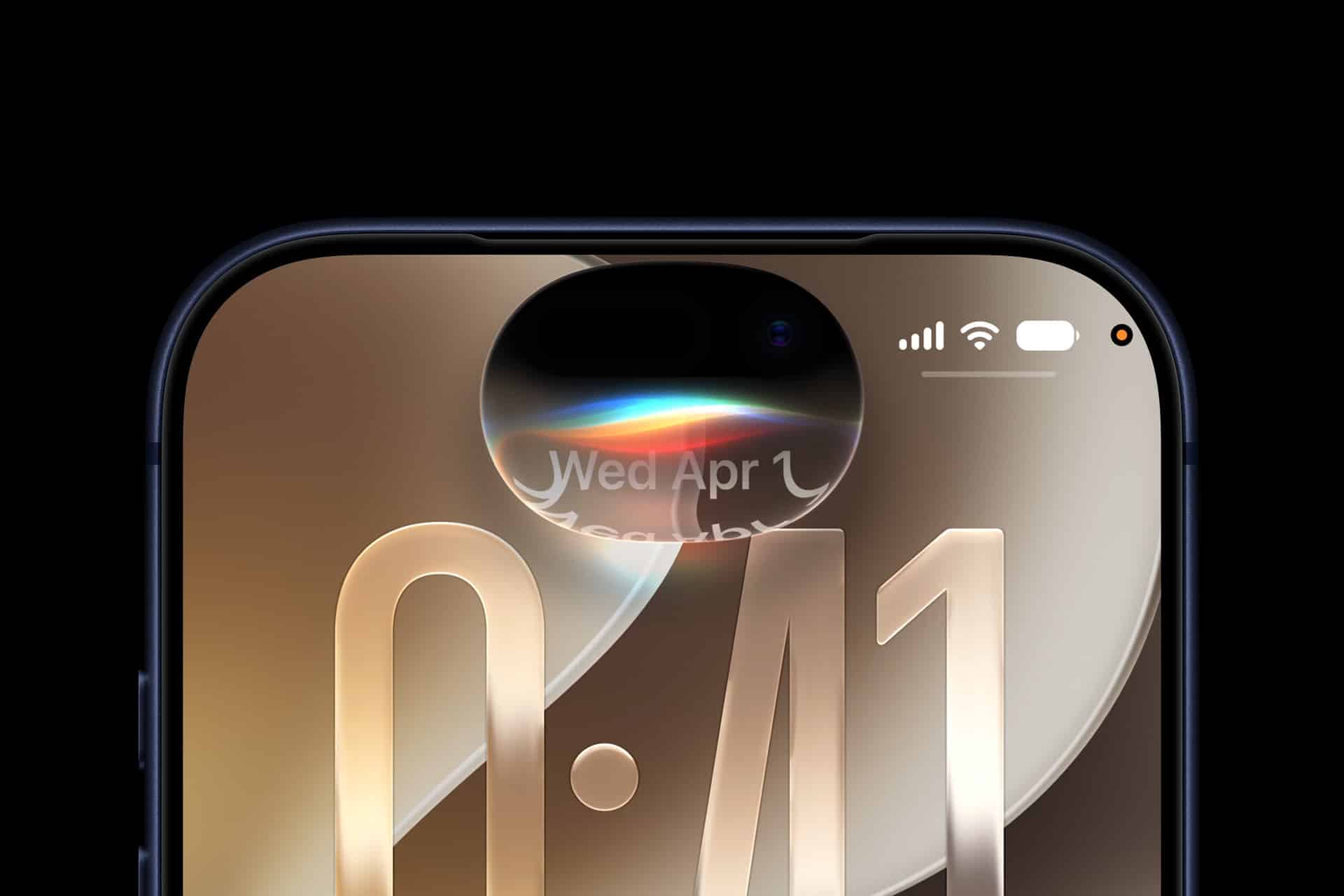
On-device processing has always been central to Apple’s AI positioning. Personal information can remain on the iPhone rather than moving through a conventional cloud service. The device can interpret a request, use local context and produce an answer without exposing the underlying data beyond the hardware.
A model capable of handling more work locally would reinforce that approach. Siri AI could potentially understand messages, notes, schedules or onscreen content while reducing the need to transfer information elsewhere.
Apple already uses Private Cloud Compute when local processing is insufficient, and the company has built significant safeguards around that system. Yet every task completed on the iPhone removes one additional processing step.
Privacy is not the only advantage. Local models can continue operating when connectivity is poor or unavailable. That could help Siri AI during flights, rural travel, crowded events or other situations where cloud access becomes unreliable.
A capable offline assistant would also feel more like part of the operating system and less like a remote service accessed through an interface.
The iPhone Still Has Physical Limits
Shrinking a model to less than 4GB does not automatically make it ideal for everyday iPhone use. The model must also run quickly enough, avoid excessive heat and leave enough memory for iOS and active apps.
A technical demonstration may complete tasks successfully while consuming more energy or time than users would accept from Siri. Apple would need to optimize the model for its Neural Engine, memory architecture and software frameworks rather than simply loading PrismML’s existing build onto every supported device.
Storage is another consideration. A model occupying several gigabytes would compete with apps, photos, offline media and system files. Apple could reserve more storage for intelligence features, deliver models selectively or use several specialized models instead of one large general system.
Battery use may create the hardest constraint. An AI model can fit in memory and still require too much sustained computation for frequent mobile use. The ideal system needs to be small, fast and efficient enough to disappear into normal iPhone behavior.
Apple’s chip design gives it an advantage here. The company controls the processor, Neural Engine, operating system and AI software stack. PrismML could provide the compression technique while Apple handles the deeper hardware integration.
Better AI Without Replacing the Cloud
The strongest use of PrismML’s technology may not be putting one enormous model on every iPhone. Apple could use compression across a family of models designed for different devices and tasks.
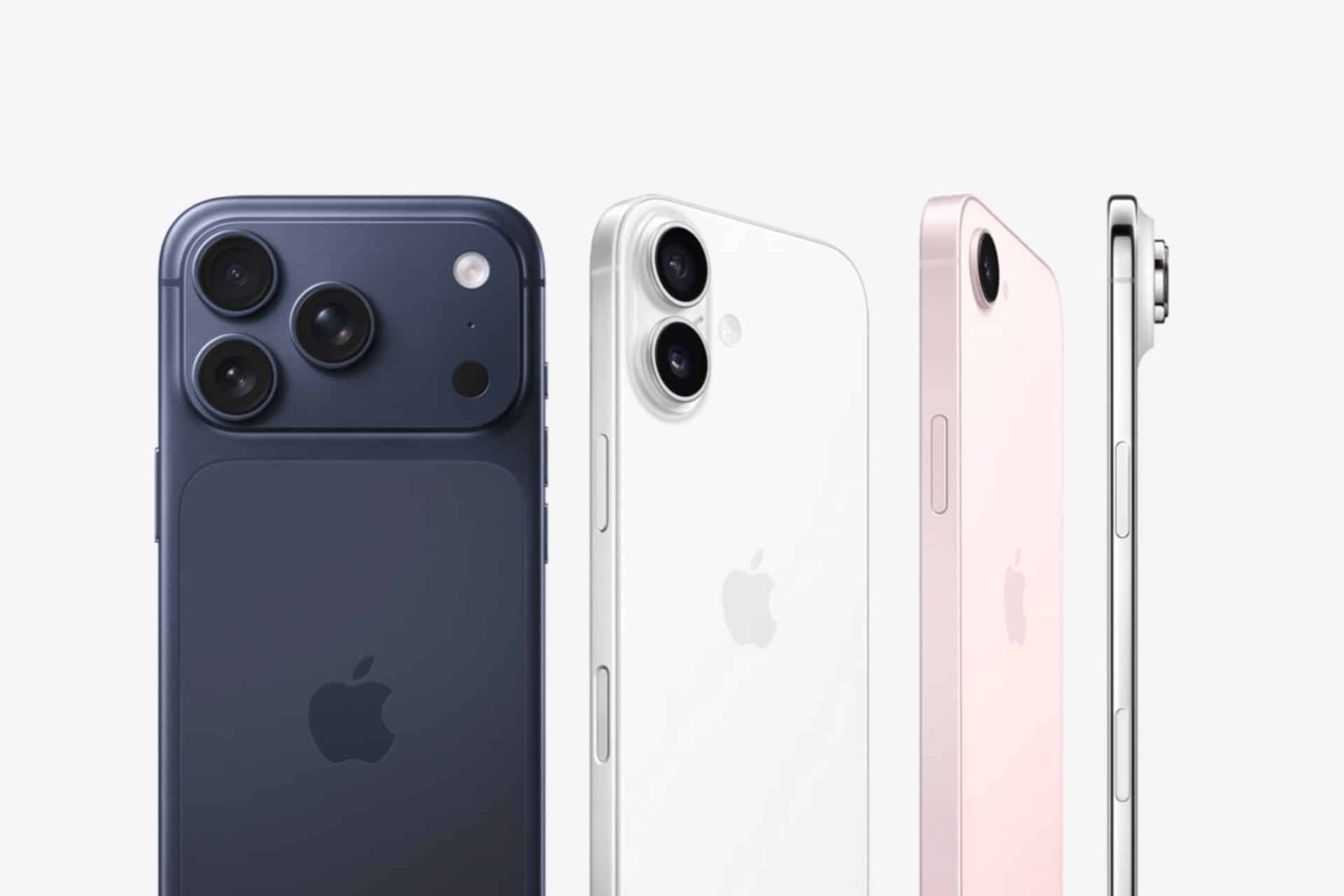
A smaller model could handle routine language requests. A more capable local model could be downloaded only to recent Pro devices with sufficient memory. Specialized models could support writing, image generation, app actions or Visual Intelligence. Private Cloud Compute could remain available when the request exceeds local capability.
That would give Apple more flexibility than an all-local or all-cloud design. Each device could carry the intelligence appropriate for its chip, memory and battery capacity.
The approach could also help Macs, iPads and future home products. A compressed model may run more comfortably on a MacBook Air, HomePod or smart home hub without requiring constant server access. Apple could scale the same intelligence foundation across products while adjusting model size to the hardware.
This is especially relevant as Siri AI moves beyond answering questions. App actions, personal context and ambient smart home control require intelligence that remains available throughout the day. Lower memory and energy requirements could make those experiences more practical.
Compression Always Includes Trade-Offs
A 93% reduction is a striking headline, but compression can affect output quality. A smaller representation may lose precision, weaken reasoning or struggle with uncommon information. The real test is not whether the model runs. It is whether it performs well enough across the tasks Apple expects Siri AI to handle.
PrismML says its technology preserves strong performance compared with full-precision models. Apple would still need extensive evaluation across languages, safety categories, tool use and personal-assistant scenarios.
Reliability is especially sensitive for an operating-system assistant. A model used for casual brainstorming can tolerate occasional weakness. A model handling messages, appointments, directions or app actions needs a higher level of consistency.
Apple may therefore use aggressive compression selectively. Some tasks can accept a smaller model, while others may remain on a higher-quality server model. The user would not need to know which model is active as long as the response remains fast and dependable.

Apple Wants the Technology, Not Necessarily the Company
Reports indicate Apple has spoken with PrismML, but early conversations can lead in several directions. Apple could license the startup’s technology, work on a technical integration, hire members of the team or explore an acquisition.
The company has a long history of purchasing smaller firms for specialized technology and engineering talent. Model compression would fit that pattern because it supports Apple’s existing AI strategy rather than creating a separate consumer product.
PrismML could also remain independent and provide its tools to multiple hardware companies. Its technology has potential uses across phones, computers, robotics, vehicles and industrial equipment where cloud access is expensive or unreliable.
Apple’s interest alone gives the startup attention. The larger significance is that efficient models are becoming as valuable as larger ones. The AI industry spent years treating scale as the primary route to improvement. Mobile computing forces a different question: how much intelligence can fit inside the power and memory limits of one personal device?
A Smaller Model Could Make Siri Feel Larger
Apple does not need to place the biggest available model on an iPhone. It needs a model capable enough to improve the interactions users repeat every day.
PrismML AI compression could help Siri understand more context, complete more requests locally and respond without waiting for a server. It could strengthen Apple’s privacy argument while reducing the infrastructure load created by millions of AI-enabled devices.
The technology remains early, and a startup demonstration is not the same as a shipping Apple feature. The 93% figure will mean little if quality, battery life or speed suffer under daily use.
But the direction fits Apple unusually well. The company has spent years designing smaller, more efficient hardware systems that perform beyond their apparent limits. PrismML is proposing a similar strategy for AI models.
If the startup’s claims hold up, the next major Siri improvement may not come from sending a larger model into the cloud. It may come from fitting one into the iPhone without making the iPhone feel the weight.
The post PrismML AI 93% Compression Could Give Siri a Major Boost appeared first on AppleMagazine.

