 Login

These Microbes Removed 96% of Dissolved Uranium From Mine Water
 The microbes don't exactly digest uranium, but their metabolism made it far less mobile.
 The microbes don't exactly digest uranium, but their metabolism made it far less mobile.
In a groundbreaking revelation that could reshape our understanding of plant-microbe interactions and agricultural biotechnology, researchers have unveiled a novel chemical communication mechanism between rice roots and beneficial soil bacteria. This newly discovered pathway centers on the secretion of heptadecanoic acid, a specific fatty acid, which effectively recruits Bacillus species to the rhizosphere, the densely populated soil region surrounding plant roots. Such a mechanism not only highlights the intricate biochemical dialogues that underpin plant-microbe symbioses but also opens promising avenues for sustainable crop management through microbiome engineering.
Rice, a staple food that sustains more than half of the world’s population, has long been studied for its interactions with the soil ecosystem. The rhizosphere harbors myriad microbial communities, some of which promote plant health by enhancing nutrient acquisition, defending against pathogens, or improving stress tolerance. Identifying the exact signals that facilitate recruitment of beneficial bacteria has presented a considerable scientific challenge. The recent study by Zeng, Wen, Zhao, and colleagues provides essential insights and fills a critical gap by pinpointing heptadecanoic acid as a chemical attractant secreted by rice roots, which acts as a molecular beacon for Bacillus.
Heptadecanoic acid, also known as margaric acid, is a saturated fatty acid containing 17 carbon atoms. Traditionally, plant root exudates—complex mixtures of organic acids, sugars, amino acids, and secondary metabolites—have been observed to influence microbial colonization, but the specific involvement of fatty acids as signals was less appreciated. The team’s meticulous biochemical analyses have now elucidated that rice roots not only exude heptadecanoic acid but do so strategically when recruiting beneficial Bacillus species. This revelation signifies a refined understanding of the selective microbial recruitment strategies employed by plants.
The team’s research employed an array of advanced techniques—ranging from root exudate profiling through gas chromatography-mass spectrometry (GC-MS) to microbial chemotaxis assays—to validate that Bacillus species detect and are attracted to gradients of heptadecanoic acid in the rhizosphere. Importantly, not all soil microbes respond equivalently, underscoring the specificity of this fatty acid signal. Functional studies further demonstrated that disrupting rice root production of heptadecanoic acid diminished Bacillus colonization, which correspondingly weakened the plant’s resistance to common soil-borne pathogens.
Understanding the biochemical basis for such recruitment enables scientists to rethink approaches to crop protection and enhancement. Bacillus species are well-known for their plant growth-promoting traits, including production of antimicrobial compounds, enhancement of nutrient solubilization, and induction of systemic resistance in plants. By harnessing the heptadecanoic acid signaling pathway, it is conceivable that agricultural inoculants could be optimized to improve colonization efficiency and consistency in field conditions, potentially reducing the need for chemical pesticides and fertilizers.
This molecular dialogue highlights a sophisticated communication network where plants actively shape their microbial environment. The discovery that a fatty acid functions not merely as a structural or energy-storage molecule but as a signaling compound redefines our conception of root exudate complexity. Moreover, heptadecanoic acid’s hydrophobic nature prompts questions about its diffusion dynamics in soil and the mechanisms by which Bacillus receptors detect it. Future exploration into bacterial chemoreceptors and downstream signaling pathways activated by this molecule could illuminate novel targets for microbiome manipulation.
Beyond direct agricultural implications, this finding resonates with broader ecological principles. The soil microbiome’s composition significantly influences plant community dynamics, ecosystem productivity, and resilience to environmental stresses. By uncovering a precise mediator of microbe recruitment, the work by Zeng and colleagues contributes to the fundamental ecological theory of plant-soil feedback loops, suggesting that plants possess active biochemical agency in curating their microbial consortia.
Interestingly, the secretion of heptadecanoic acid is not constant but modulated by environmental cues and plant developmental stages, emphasizing the dynamic nature of root exudation profiles. This temporal regulation indicates that plants might selectively recruit beneficial microbes in response to specific physiological needs or external threats, adding an adaptive dimension to this interaction. Understanding these controls could inform timing strategies for microbial inoculant application in agriculture to coincide with natural recruitment periods.
The authors also raise intriguing evolutionary considerations. The conserved ability among rice varieties to secrete heptadecanoic acid suggests selective pressure favoring plants capable of enlisting Bacillus partners. Parallel studies on other cereal crops could reveal whether this fatty acid signaling is a widespread mechanism or unique to rice. Such comparative analyses across plant taxa may unearth a broader family of fatty acid signals mediating symbioses and expand the toolkit for synthetic microbiome engineering.
This pioneering investigation underscores the necessity of interdisciplinary approaches combining plant biology, microbiology, analytical chemistry, and ecology to fully decipher plant-microbe interactions. It leverages cutting-edge omics technologies and bioinformatics pipelines to characterize metabolite profiles and microbial responses, illustrating the power of integrative science. The robust experimental design and reproducible methodologies set a new benchmark for future studies aiming to parse root exudate signaling.
As the global agricultural sector grapples with the challenges of increasing food production sustainably on finite arable land under climate change pressures, the discovery of a natural plant mechanism to recruit growth-promoting and protective microbes represents a potentially transformative tool. Strategies informed by such foundational knowledge could reduce reliance on synthetic inputs, lower environmental footprints, and enhance crop resilience, aligning with ambitious global sustainability goals.
In conclusion, the identification of heptadecanoic acid as a pivotal signaling molecule secreted by rice roots to attract beneficial Bacillus species marks an exciting advance in the field of plant-microbe research. It unravels a previously unrecognized layer of biochemical communication with profound implications for agriculture and ecology. Continued investigation into the molecular details, environmental regulation, and cross-species relevance of this signaling mechanism promises to unlock innovative avenues for crop improvement and sustainable farming practices worldwide.
Subject of Research: Plant-microbe interactions focusing on the biochemical signaling between rice roots and Bacillus species mediated by heptadecanoic acid secretion.
Article Title: Author Correction: Rice roots recruit Bacillus via the secretion of heptadecanoic acid.
Article References: Zeng, J., Wen, T., Zhao, J. et al. Author Correction: Rice roots recruit Bacillus via the secretion of heptadecanoic acid. Nat. Plants (2026). https://doi.org/10.1038/s41477-026-02341-5
Image Credits: AI Generated
 Scientists have uncovered a shared target used by multiple diarrhea-causing bacteria to invade the gut. Despite decades of research, scientists still do not have vaccines against two of the world’s most common causes of severe bacterial diarrhea: enterotoxigenic E. coli (ETEC) and Shigella. Together, these pathogens infect hundreds of millions of people each year and [...]
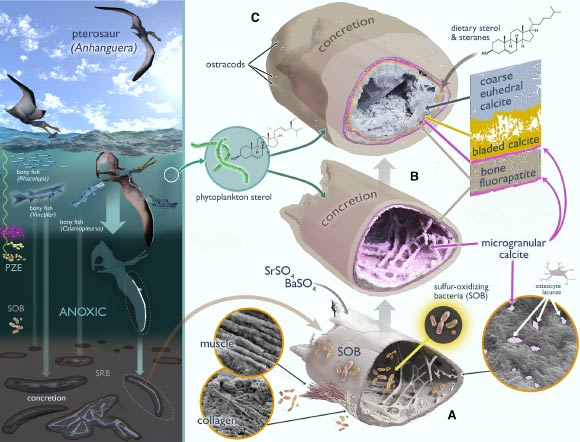
A 113-million-year-old pterosaur fossil from northeastern Brazil has yielded rare evidence of soft tissues, organic molecules and chemical traces of a diet heavy in fish and cephalopods such as squid or nautilus relatives.
The post 113-Million-Year-Old Pterosaur Fossil Reveals What Flying Reptiles Ate appeared first on Sci.News: Breaking Science News.
Researchers at Washington University School of Medicine in St. Louis have made a groundbreaking discovery that could revolutionize the prevention of diarrheal diseases caused by enterotoxigenic Escherichia coli (ETEC) and Shigella. These two bacterial pathogens are responsible for hundreds of millions of infections annually and are leading causes of diarrheal mortality worldwide, particularly among young children. Despite decades of efforts, vaccine development has encountered significant obstacles, primarily due to the extensive strain variability that hampers the identification of universal vaccine targets.
In a recent study published in the Proceedings of the National Academy of Sciences, the WashU team, collaborating with scientists at the University of Missouri and the International Centre for Diarrhoeal Disease Research in Bangladesh, identified a shared vulnerability within these pathogens that could open the door for a combined vaccine platform. This innovative approach hinges on targeting homologous enzymes that these bacteria use to degrade the mucus lining in the human gut, a critical step in establishing infection.
For bacterial pathogens like ETEC and Shigella to cause illness, they first need to overcome the intestinal mucus barrier. This thick layer of mucus serves as a physical and biochemical shield protecting the gut epithelium and regulating the microenvironment by keeping pathogenic entities at bay while preserving the beneficial microbiota. The ability to breach this barrier is a hallmark of pathogenicity, allowing bacteria to access the underlying tissues and deploy additional virulence factors, including enterotoxins that induce diarrhea.
The study’s focal point is a family of mucin-degrading enzymes that facilitate this breaching process. The researchers detail three closely related enzymes—EatA, SepA, and Pic—that are expressed by ETEC, Shigella, and other diarrheal pathogens. EatA, an acronym for “eat away,” is produced by ETEC and was previously identified by Fleckenstein’s laboratory as a critical mucinase targeting the primary structural protein within mucus. SepA and Pic, related enzymes produced by Shigella and some other bacteria, perform analogous roles. Their enzymatic activity effectively dismantles the mucosal barrier, clearing a path for bacterial invasion.
Intriguingly, the antibodies that the team isolated from individuals infected with ETEC or experimentally exposed to the bacteria displayed a functional cross-reactivity. The antibodies not only neutralized EatA but also inhibited SepA and Pic, indicating a conserved epitope region among these mucinases. This neutralization prevents the enzymes from degrading intestinal mucus, thereby blocking the pathogens’ entry into host tissues. The concept of a single antibody interfering with multiple bacterial targets underscores a significant breakthrough in vaccine strategy.
To unravel the structural mechanics behind this immune neutralization, the researchers leveraged cryo-electron microscopy—a state-of-the-art imaging method that preserves biomolecules in near-native states by flash-freezing samples. This technique enabled detailed visualization at atomic resolution, revealing the precise binding site of the neutralizing antibodies. Remarkably, the site of interaction was a structurally conserved region across EatA, SepA, and Pic, providing a rational basis for the design of vaccine antigens that elicit broadly neutralizing antibodies.
“The identification of this shared Achilles’ heel among diverse diarrhea-causing bacteria signifies a paradigm shift in vaccine development,” explains James M. Fleckenstein, MD, co-senior author of the study and professor of medicine at WashU. “It suggests we can target a common mechanism of gut colonization rather than chasing highly variable surface molecules, which has been the stumbling block in the field for so long.”
Further bolstering the translational potential of these findings, epidemiological data from children in Dhaka, Bangladesh, indicate that naturally acquired antibodies against EatA correlate with protection from diarrheal illness. This natural immunity validates EatA as a viable immunological target and encourages the pursuit of vaccines that induce similar protective responses.
The implications extend beyond the developing world, as enterotoxigenic E. coli has been implicated in recent foodborne outbreaks in industrialized countries such as the United States. The difficulty in distinguishing pathogenic ETEC from non-pathogenic strains in clinical settings further complicates diagnosis and containment. Moreover, reliance on antibiotics to treat infections caused by these bacteria accelerates the evolution of antibiotic resistance, posing a global public health threat.
Zachary Berndsen, PhD, assistant professor of biochemistry at the University of Missouri and co-senior author, emphasizes the rational approach to vaccine design enabled by these insights. “By pinpointing enzyme domains targeted by neutralizing antibodies, we provide a template for crafting precise immunogens that can stimulate protective immunity across multiple pathogens. This can streamline the production of vaccines that are both effective and broad-spectrum,” Berndsen says.
Development of such a vaccine could not only reduce the global burden of diarrheal diseases but also mitigate the spread of antibiotic resistance by decreasing the frequency of bacterial infections requiring treatment. Additionally, preserving the gut microbiota through targeted disruption of pathogenic mechanisms may alleviate some adverse consequences associated with broad-spectrum antibiotic use.
Going forward, the research team is focused on translating their molecular discoveries into practical vaccine candidates. This involves preclinical testing of immunogens incorporating the conserved epitopes identified, assessing their immunogenicity and protective efficacy in animal models, and progressing toward human clinical trials.
“In our ongoing battle with enteric pathogens that have coevolved with humans for millennia, blocking the enzymatic opening of the mucus gate represents a promising strategy,” Fleckenstein concludes. “If successful, this vaccine would preempt infection at its earliest and most vulnerable stage, changing the trajectory of diarrheal disease worldwide.”
The study was supported by grants from the National Institute of Allergy and Infectious Diseases and the Department of Veterans Affairs. The multidisciplinary collaboration brings together expertise in infectious diseases, structural biology, immunology, and clinical research, underscoring the necessity of integrated approaches to tackle complex global health challenges.
Subject of Research: Human tissue samples
Article Title: Human enterotoxigenic Escherichia coli (ETEC) infections elicit antibodies that broadly neutralize mucinases of pathogenic Escherichia coli and Shigella
News Publication Date: 15-Jun-2026
References:
Buckley DP, Akhtar M, Thapa M, Schmitz A, Turner J, Vickers TJ, Khatoon N, Kaisar MH, Coggin JA, Ganguli D, Sheikh A, Laird RM, Poly F, Porter CK, Ruiz-Perez F, Miller MJ, Chowdhury F, Bhuiyan TR, Qadri F, Trillo-Muyo S, Dolan B, van der Post S, Ellebedy A, Berndsen ZT, Fleckenstein JM. Human enterotoxigenic Escherichia coli (ETEC) infections elicit antibodies that broadly neutralize mucinases of pathogenic Escherichia coli and Shigella. PNAS. June 15, 2026.
Image Credits: David Hasty
Keywords: Infectious diseases, Microbial infections, Diarrhea
New analysis of ancient frozen Greenland rubbish heaps, called middens, has revealed new insights into several ancient societies that have passed through the country over the last five millennia. The findings include insights into ancient diseases and animals that the inhabitants kept but didn’t eat.
Although the team noted the potential risk that climate change could release dangerous ancient microbes into the modern environment, their analysis found little evidence that the pathogens they identified could pose a threat beyond the immediate area around the middens.
Archaeologists have often excavated items discarded by ancient societies from trash heaps to learn more about the people who lived there. Although such excavations often unearth things like animal bones and mollusk shells, offering insights into diet and hunting habits, these ancient rubbish heaps can also contain human artifacts, such as discarded blades and other tools.
In a country like Greenland, where different peoples have settled the region since 2,500 BCE, the ancient middens may also contain microbes that could offer researchers an entirely different type of historical data. For example, microbial data from middens could reveal which diseases ancient populations had to survive. The team notes that microbes could also help determine what ancient societies kept “but perhaps didn’t eat.”
Still, studies of ancient midden microbes are limited, leaving a gap in historical knowledge. The authors of the new paper also highlight that rapidly increasing Arctic warming could release infectious diseases to which humans have lost immunity over the ensuing generations.
To bridge the information gap, Dr Frank Møller Aarestrup, a professor at the National Food Institute of Denmark Technical University and corresponding author of the article detailing the team’s research, examined samples collected during 2020 and 2021 expeditions in West and South Greenland. During those expeditions, scientists collected samples from middens locked in time by permafrost, dating back as far as 4,500 years.

Among the middens sampled were the ancient Norse sites of Kapisilit and Narsarsuaq, where researchers collected soil samples from what the new paper’s authors termed “historic winter enclosures.” The site also contained evidence that it was a summer grazing ground for livestock.
After selecting several soil samples, Dr. Aarestrup’s team sequenced the DNA of ancient microbes found in the midden samples. Next, they compared the data, including entire bacterial communities, to 143 soil samples previously collected from areas of permafrost far away from any known historical human settlements.
According to the team’s statement, the sequencing revealed a total of 1,207 species and differing ranges of bacterial species per midden. In denser areas, the team identified as many as 202 species, whereas less microbe-dense middens had as few as nine.
The team’s analysis also found several species that had not been previously identified. This resulted in the team labeling the unidentified microbes using what they termed “broad taxonomic categories” above the genus and species level, such as family and order.
When comparing the microbial communities in the ancient middens with those from samples collected away from human settlements, the team found a significantly richer community of ancient bacteria preserved in the middens. The team notes that this discrepancy confirms that the middens “preserved the biological legacy of human activity.”
The most soil-like bacterial communities were identified within the oldest Paleo-Inuit middens. The researchers said the finding suggests that the microbial “imprint” left behind by humans and animals diminishes over time.
Bacterial communities were also associated with the types of waste discarded in each ancient midden. For example, although most middens contained bacteria associated with human and animal hosts, middens from colonial-era Nuuk contained decomposing seal skins. The middens from colonial-era sites were also rich in the bacterium Clostridium perfringens, which the team notes is “a major cause of food poisoning.”
Although the team identified strains of bacteria that can cause botulism or other life-threatening conditions, such as toxic shock syndrome, sepsis, and gangrene, they also found a diversity of antimicrobial-resistance genes in the genomes of bacteria collected from the same middens.
According to the study authors, finding the two sets of genes in ancient and modern soil layers “signaled that microbes resistant to antimicrobials can linger in permafrost for centuries.”
Fortunately, the team’s analysis found that most of the identified microbes, including potentially dangerous pathogens, don’t spread far from middens, even those undergoing defrosting. As a result, the team said that these ancient microbes “pose little risk to public health,” at least for the time being.
“Here we show that the risk of release of ancient pathogens from ancient middens in Greenland is currently low,” Dr. Aarestrup explained.
Instead, the researcher noted that Arctic middens appear to function like “long-term natural experiments,” in which both human- and animal-associated bacteria, including “opportunistic” species carrying resistance genes, remain detectable centuries later as a broader “legacy of human activity.”
The study “Microbial composition of archaeological middens: Tracing Human Footprints Through Centuries in Greenland’s Ancient Settlements” was published in Frontiers in Microbiology.
Christopher Plain is a Science Fiction and Fantasy novelist and Head Science Writer at The Debrief. Follow and connect with him on X, learn about his books at plainfiction.com, or email him directly at christopher@thedebrief.org.

In a mouse study conducted by scientists at the Dasman Diabetes Institute in Kuwait, rodents fed a sucrose-free diet developed insulin resistance, gut microbial imbalances and signs of fatty liver disease despite maintaining similar body weight.
The post Eliminating Sucrose from Low-Fat Diet Alters Gut Microbiome, Animal Study Suggests appeared first on Sci.News: Breaking Science News.
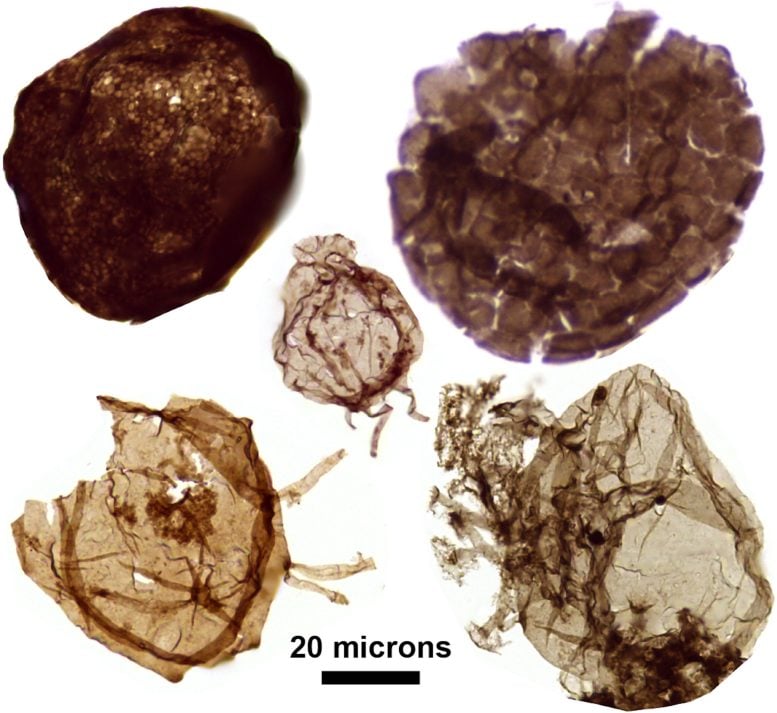 Ancient Australian fossils indicate that the earliest eukaryotes depended on oxygen, providing new evidence that oxygen helped enable the evolution of complex life. Stored in an open-air warehouse in tropical Darwin, Australia, are dozens of trays containing cylindrical cores of rock. They are from drill holes bored hundreds of meters below the surface by mineral [...]
Fog is a living ecosystem for bacteria, rather than just a sterile cloud of mist, and may provide an unexpected buffer against harmful pollution.
In a recent paper published in mBio, an Arizona State University team led by then PhD candidate Phi Thuong Thuong Cao, now a graduate, revealed that bacteria are present in fog that cleans the air at a surprising rate, but also poses a possible risk to drinking water collection.
While scientists have long known that bacteria exist in fog, the researchers were surprised to find that the bacteria are not merely present but form an active, if short-lived, ecosystem.
“There’s very limited knowledge about what kinds of bacteria are present in fogs, which are like clouds at the ground level,” Cao said.
To probe the mystery of fog bacteria further, Cao focused on two questions: what kinds of bacteria are present, and whether they are active. Discovering growing bacteria within fog droplets elevates fog from a simple atmospheric phenomenon to a biological habitat, a major shift in how researchers have traditionally viewed it.
Fog is composed of tiny droplets of water, each less than a tenth the width of a human hair and too small to fall to the ground. These minuscule droplets form around particles, which can occasionally be living microbes. Although fewer than 1% of droplets contain bacteria, that still represents a substantial population, with bacterial concentrations roughly comparable to those found in the ocean. About 10 million individual bacteria inhabit just a thimbleful of fog water.
A major challenge in studying fog is the wind. Sampling the same location before, during, and after a fog event can produce misleading results because airborne particles are constantly being transported and mixed. For this reason, Cao focused on radiation fog, which forms in still air near the ground as temperatures cool. This allowed the team to minimize complications associated with sample collection.
In Cao’s investigation, one particular type of bacteria, methylobacteria, predominated within the fog droplets. Intriguingly, samples collected during fog events contained far more bacteria than samples of dry air gathered beforehand, suggesting that these microbes thrive in foggy conditions. Among the compounds methylobacteria consume are simple carbon-based molecules, including pollutants such as formaldehyde. In a laboratory setting, Cao was able to observe and experiment on samples collected in the field.
“We observed them under the microscope to see that, yes, the bacteria are getting bigger, and they’re dividing, so there is growth,” Cao explained. “We also found that they’re using the formaldehyde as food to support their growth.”
Even more surprising was the rate at which methylobacteria were breaking down formaldehyde—far faster than they could consume it. This led the team to conclude that because formaldehyde is toxic to the bacteria, they were converting much of it into carbon dioxide to make their environment safer, doing so even faster than they could use it as a food source.
The team’s research suggests that fog may play a more important role in Earth’s ecosystems than previously understood, serving as both a temporary aquatic habitat and a natural filter for harmful pollutants.
The implications of the findings are varied. Harvesting fog for drinking water and crop irrigation is already practiced in some regions of the world. This study suggests that such water may contain more bacteria than previously recognized, potentially requiring additional filtration. The risk to most people appears minimal; researchers say only a slight risk may exist for individuals with severely compromised immune systems who are exposed to fog. However, more work is needed to determine the potential benefits and drawbacks of consuming water collected from fog.
Harvesting fog for drinking water and crop sustenance is an ongoing practice. This work shows that water may be full of bacteria, requiring more filtering than previously understood. The risk to most people is very minimal; only a minor risk exists to people with heavily compromised immune systems from breathing in fog. However, the researchers say that more work is needed to determine the benefits and harms of drinking fog water.
“It’s relatively new that people are starting to look at biological activities in clouds, so there’s still a lot which we don’t understand,” said co-author Pierre Herckes. “At nighttime, for example, there isn’t that much atmospheric chemistry going on. Chemistry is largely driven by the sun and by light. But if the bacteria are still doing their thing even during the nighttime, they can be important.”
Many questions remain unanswered in the wake of this discovery. Cao’s team focused on a single type of fog, leaving open which bacteria thrive in other kinds of fog in other locations, what they eat, and how they impact air quality, all of which will require further study.
“The sky’s the limit,” co-author Ferran Garcia-Pichel says. “No pun intended.”
The paper, “Growth and Formaldehyde Degradation of Photoheterotrophic Methylobacterium within Radiation Fogs,” appeared in mBio on May 11, 2026.
Ryan Whalen covers science and technology for The Debrief. He holds an MA in History and a Master of Library and Information Science with a certificate in Data Science. He can be contacted at ryan@thedebrief.org, and follow him on Twitter @mdntwvlf.
 Scientists find fog droplets host growing bacteria that may help clean polluted air.
 Single cells used past nutrient shocks to change how they grew.
 Researchers have created a smart wound dressing that can sense when harmful bacteria are present and respond by releasing antibiotics only when needed. Biomedical engineers at Brown University have created a wound dressing that releases antibiotics only when harmful bacteria are detected. In a new study, the team found that the material may quickly eliminate [...]
Researchers from Okinawa Institute of Science and Technology and Japan Agency for Marine-Earth Science and Technology have identified how bacteria can adapt to toxic metals released from hydrothermal vents. The study focused on Nitratiruptor sp. SB155-2, a species of bacteria isolated from vents in the Okinawa Trough. The researchers found that bacteria use transporter proteins […]
The post Testing their mettle: How bacteria in deep-sea vents deal with toxic metal environments appeared first on Science Bulletin.
 Scientists discovered that fog droplets can host living bacteria that grow and help remove harmful pollutants from the atmosphere, revealing fog as a surprisingly active microbial environment. Every breath you take may contain microscopic hitchhikers floating through the atmosphere. Scientists have known for years that bacteria drift through clouds and air currents, but new research [...]
