❌

Reading view

Hasanuddin University Study Shows Bacterial Cellulose for High-Performance Energy Storage

Bacterial cellulose—nature’s own polymer scaffold—is gaining attention as a renewable feedstock for supercapacitor electrodes. With modern devices demanding fast charge, high power bursts, and long cycle life, researchers are searching for electrode materials that combine performance with sustainability.

A new systematic literature review led by Prof. Dahlang Tahir at Hasanuddin University, Indonesia, maps how bacterial cellulose-derived carbon (BCC) is turned into energy-storage electrodes—and why some fabrication paths outperform others. The study synthesizes evidence from the scientific record to clarify which processing choices control electrochemical behavior.

The review focuses on BCC as a precursor to porous carbon. Bacterial cellulose forms a naturally pure, interconnected network of nanoscale fibers, and heat treatment can convert that architecture into carbon structures with tunable porosity—critical for charge storage. The authors emphasize that electrical performance is not just a matter of “making carbon,” but of preserving and engineering the fiber network before carbonization.

Across 49 Scopus-indexed journal articles, the team compares major strategies including direct carbonization, chemical activation to enlarge pore systems, heteroatom doping to modify surface chemistry, and composite fabrication with materials that can add rapid redox (pseudocapacitive) contributions.

A recurring message is the importance of pre-carbonization drying. Freeze-drying appears as the most commonly used approach because it limits collapse of the wet nanofiber structure during water removal. Since pore architecture governs ion access and charge transport, maintaining nanoscale structure can translate into higher effective capacitance.

The review also distinguishes test formats. Three-electrode measurements are frequently reported, but two-electrode devices better represent real supercapacitor operation, where electrode–electrode interactions shape performance.

When processing is optimized, the results point toward a pathway for BCC-based electrodes to rival or surpass commercial activated carbon under comparable conditions. Activation and heteroatom doping generally increase accessible surface area and create additional active sites, while composites often achieve the strongest capacitance by combining electrical double-layer effects with fast surface reactions.

Yet the authors warn that progress is constrained by inconsistent experimental reporting, uneven protocols, and limited mechanistic understanding. To move beyond laboratory demonstrations, they call for predictive design, data-driven structure–performance models, scalable carbonization methods, and robust flexible devices resistant to deformation and humidity.

Subject of Research: Supercapacitor electrodes using bacterial cellulose-derived carbon
Article Title: Bacterial cellulose-derived carbon electrodes for supercapacitors: Fabrication strategies, electrochemical performance, and mechanical properties — A review
News Publication Date: 9 June 2026
Web References: https://doi.org/10.1016/j.est.2026.123044
References: 10.1016/j.est.2026.123044
Image Credits: Lightenoughtotravel from Wikimedia Commons

Keywords

bacterial cellulose; supercapacitors; porous carbon; freeze-drying; chemical activation; heteroatom doping; electrode materials; two-electrode testing; pseudocapacitance; sustainable energy storage
  •  

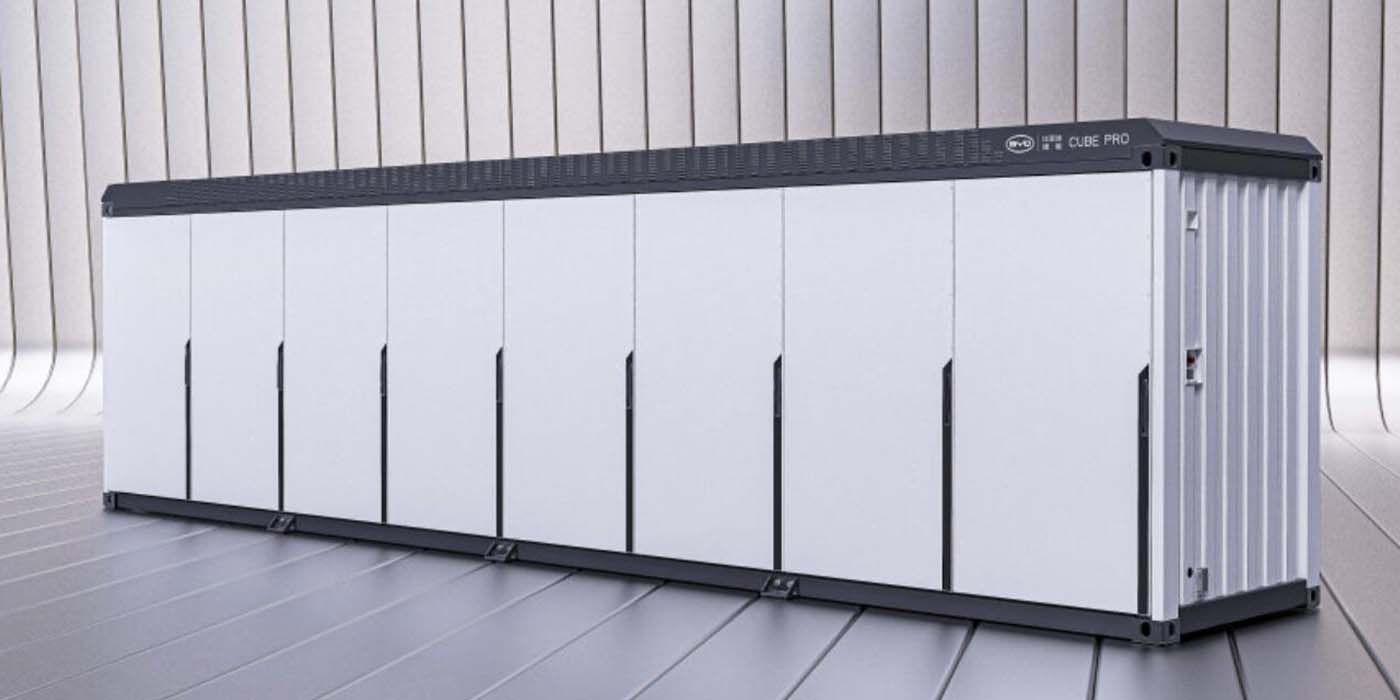
BYD wins 11.3 GWh battery deal for world’s largest solar+storage

BYD Energy Storage has landed a contract to supply 11.275 GWh of battery storage for Masdar’s Round the Clock (RTC) project in Abu Dhabi — one of the single largest energy storage procurements ever signed.

The RTC project pairs a 5.2 GW solar array with a 19 GWh battery system, making it the world’s largest combined solar-plus-storage plant. BYD’s award covers the majority of that storage.

  •  

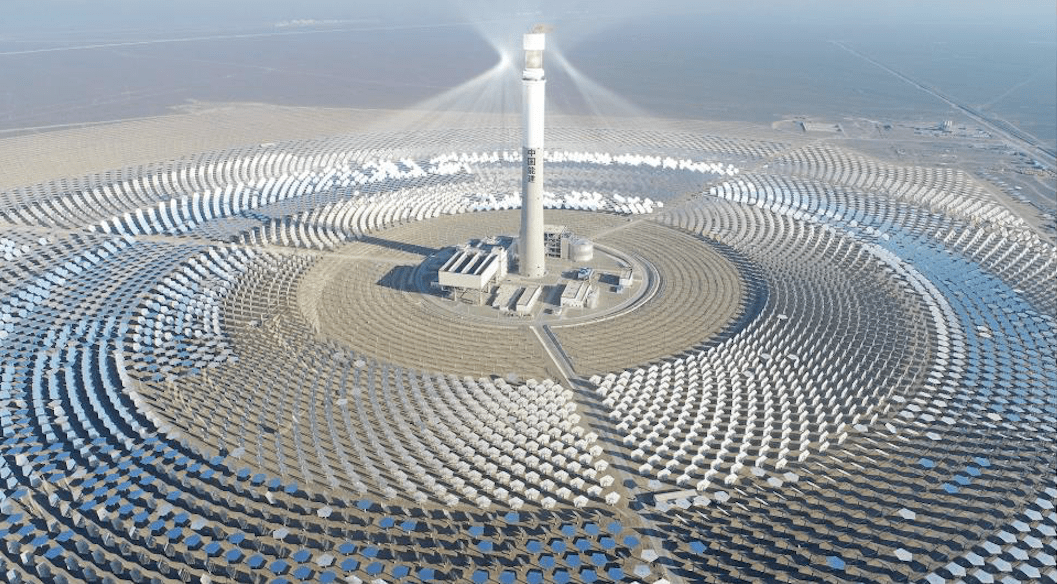
China’s giant Gobi solar plant runs after dark on salt, not batteries

China Three Gorges Corporation (CTG) has put the world’s largest solar PV-plus-concentrated-solar hybrid into commercial trial operation in the Gobi Desert — and its headline trick is delivering power after sunset without a single lithium battery.

The 1-gigawatt Hami project in Xinjiang stores the sun’s energy as heat in molten salt, letting it keep generating for up to eight hours after dark.

  •  

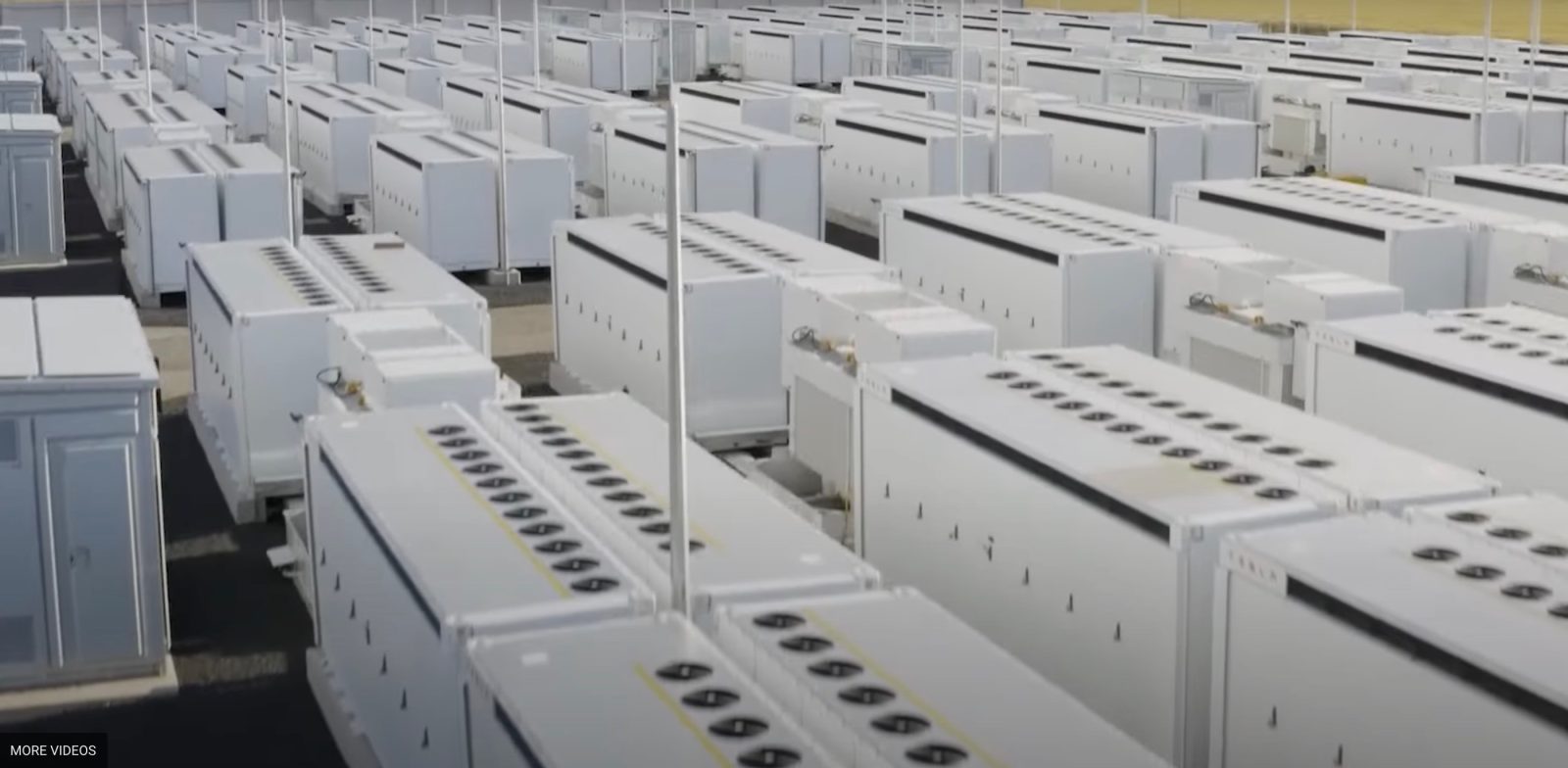
Tesla, NatPower strike $5B deal for 25 GWh of Megapack storage

Tesla and independent energy firm NatPower have reached a deal to build 25 gigawatt-hours of battery storage in Italy and Britain, the first phase of a program worth up to $5 billion.

Under the multiyear agreement, NatPower will deploy Tesla’s Megapack systems and use Tesla’s trading software to decide when to buy and sell electricity — extending Tesla’s reach deeper into Europe’s fast-growing grid storage market.

  •  

Uncovering Competitive Reactions in Li–S Batteries

In the ever-evolving landscape of energy storage technologies, the lithium–sulfur (Li–S) battery stands out for its promise to deliver unmatched energy density and reduced costs compared to traditional lithium-ion batteries. However, progress toward commercial viability has been hampered by complex electrochemical challenges, particularly those involving interfacial charge transfer dynamics. A new study, recently published in Nature, unveils groundbreaking insights into the intricate reaction pathways occurring at solid–liquid interfaces within Li–S batteries, illuminating mechanisms that govern lithium sulfide deposition under realistic, lean electrolyte conditions.

The difficulty in understanding and controlling the conversion of lithium polysulfides (LiPSs) during battery cycling stems largely from the dynamic and highly concentrated nature of reactant distributions at the electrode–electrolyte interface. In these environments, the balance between surface-bound and dissolved species dictates the overall electrochemical performance. The new research deploys advanced in situ liquid-cell electron microscopy techniques to directly visualize these sophisticated concentration gradients, a feat that has eluded scientists due to the liquid phase’s complexity and the scales involved.

What emerges from this study is a revelation of concentration-driven phase segregation phenomena right at the interfacial layers, termed high-concentration interfacial layers (HCILs). These HCILs form as LiPSs aggregate in the immediate vicinity of the electrode surface during cycling, dramatically altering the local reaction environment. This segregation is not merely a passive occurrence; it actively directs charge-transfer dynamics by establishing competitive conditions between surface-mediated and solution-based pathways. The delicate interplay in these zones influences where and how lithium sulfide (Li₂S) nucleates and grows, directly impacting the battery’s capacity retention and cycling stability.

Complementing the microscopy observations, computational explorations using density functional theory (DFT) provide a molecular-level understanding of how LiPS clusters modify their electronic structure upon aggregation. The study identifies that the molecular geometries and orbital hybridizations evolve as LiPSs coalesce, resulting in enhanced electronic interactions that facilitate charge transfer through the concentrated clusters. This phenomenon fundamentally challenges previously held models which treated LiPS species largely as isolated entities, offering a new paradigm that accounts for collective behavior in highly concentrated solutions.

The practical implications of these mechanistic insights are far-reaching. By comprehending how HCILs govern interfacial reaction pathways, the researchers have engineered electrodes that strategically balance surface and solution reactions amidst high LiPS concentrations. These meticulously optimized electrodes enable impressive fast-charging capabilities—reaching rates up to 4 C with current densities of 26.8 mA cm⁻²—without compromising energy density, which itself surges beyond 400 Wh kg⁻¹. Such milestones represent a substantial leap forward in the achievable performance metrics for Li–S battery technology.

This study’s significance extends beyond the immediate Li–S chemistry, addressing a broader challenge in electrochemical energy conversion: capturing and controlling complex interfacial phenomena under dynamically varying concentrations. The in situ liquid-cell electron microscopy method establishes a powerful approach for observing reactive species and phase evolution directly in their native electrochemical environment. As such, it holds promise to transform research across a host of energy storage and catalysis systems where interfacial reactions dictate overall function.

Notably, this work also clarifies why lean electrolyte conditions—essential for practical high-energy devices—have historically been so difficult to optimize. The rich detail uncovered concerning phase segregation and charge transfer competition suggests that managing HCIL formation and stability may be the key to unlocking robust Li₂S deposition and dissolution cycles. Hence, this strategy could mitigate common pitfalls like cathode passivation and capacity fading, which have limited long-term operational viability.

The fusion of experimental visualization with robust theoretical modeling provides a comprehensive framework that future researchers and engineers can exploit to rationally design electrode interfaces. Moving past empirical trial-and-error, the ability to predict and control molecular aggregation behavior and its effects on electronic properties opens new avenues for tuning battery chemistry on an atomic scale. Such sophistication could accelerate the sustainable deployment of lithium–sulfur batteries within electric vehicles, grid storage, and portable electronics.

Moreover, the study emphasizes the profound impact of molecular-level phenomena on macroscopic performance metrics such as charging speed and energy density. By showing that the electrochemical environment at the nanoscale directly modulates reaction kinetics and phase evolution, this research bridges a critical knowledge gap between fundamental science and technological application. It highlights the necessity for integrated approaches combining real-time imaging, theoretical insight, and materials engineering.

Looking ahead, the insights gained are poised to influence material selection, electrolyte formulation, and cell architecture design. Tailoring these elements to favor desirable HCIL characteristics could lead to batteries that not only charge rapidly and store vast amounts of energy but also maintain stability over many cycles. Furthermore, the foundational principles elucidated may inspire innovations beyond lithium–sulfur systems, potentially transforming a range of emerging battery chemistries where interface complexity rules.

In conclusion, this remarkable study marks a pivotal advance in understanding and harnessing the subtleties of interfacial charge transfer within lithium–sulfur batteries. By unraveling the competitive reactions shaped by concentration gradients and molecular aggregation, it charts a pathway toward high-performance batteries ready for real-world demands. As energy storage solutions continue to underpin the clean energy transition, such elegant fusion of fundamental science and engineering innovation will be indispensable for propelling next-generation technologies.


Subject of Research: Charge transfer and reaction mechanisms at solid–liquid interfaces in lithium–sulfur batteries.

Article Title: Revealing competitive interfacial reactions in high-energy Li–S batteries.

Article References:
Zhou, S., Pei, F., Zheng, Q. et al. Revealing competitive interfacial reactions in high-energy Li–S batteries. Nature (2026). https://doi.org/10.1038/s41586-025-09473-2

Image Credits: AI Generated

DOI: https://doi.org/10.1038/s41586-025-09473-2

  •  

From Cleaner “Cracking” to Black Gold: A Scientific Breakthrough

In a breakthrough that could reshape the future of sustainable materials and energy production, researchers at the University of Pittsburgh’s Swanson School of Engineering have unveiled a revolutionary method of producing high-quality graphite at significantly lower temperatures than those traditionally required. The pivotal discovery emerged unexpectedly in the laboratory of Professor Götz Veser, where ethane was pumped through molten metal heated to under 1,000 degrees Celsius. Contrary to expectations, the carbon byproduct that surfaced was not the usual mundane residue but a fluffy, high-grade graphite, a material that has become a cornerstone in advanced battery technologies.

Graphite, often hailed as “black gold,” particularly in contexts involving automotive and high-tech sectors, is indispensable for lithium-ion batteries that power electric vehicles and modern electronics. Currently, the industrial synthesis of such graphite is a notoriously energy-heavy process necessitating temperatures approaching 3,000 degrees Celsius. Moreover, the global supply chain is heavily dependent on China, which accounts for some 95 percent of battery-grade graphite production. This dependency presents significant challenges in energy efficiency, sustainability, and geopolitical autonomy.

The Pittsburgh team, led by Professor Veser and former PhD candidate Aime Laurent Twizerimana, along with Assistant Professor Mohammad Masnadi and PhD student Nader Sawtarie, recognized the urgent need for an energy-efficient and domestically viable alternative. Their research harnessed an underexplored catalytic method involving molten metals, a concept that traces its roots back nearly a century but remained largely unexploited in this context. Unlike conventional solid catalysts, molten metal catalysts offer a unique physical characteristic: their extreme density causes carbon to separate and float atop the molten medium, simplifying collection and preventing reactor clogging.

The process began as an effort to develop greener pathways for ethylene production by “cracking” ethane, a major component of natural gas abundant in Western Pennsylvania. Ethane cracking conventionally involves steam reforming, a technique plagued by continuous formation of carbon deposits that necessitate frequent shutdowns for maintenance. However, the molten metal catalysis technique demonstrated a cleaner and more efficient alternative, reducing energy input while producing valuable byproducts.

As Twizerimana delved deeper into his doctoral research, he noticed a curious variation in carbon morphology when different metals were employed. Some metals yielded a fluffy, distinct carbon arrangement rather than the dense deposits typically associated with ethane cracking. This observation spurred further analysis by Sawtarie, whose expertise in two-dimensional metals and graphene characterization was instrumental. Their collaboration revealed that this fluffy substance was, in fact, high-value graphite, matching or exceeding quality standards for battery applications.

This discovery not only offers a lower-temperature route for graphite synthesis but simultaneously generates hydrogen as a co-product. Hydrogen, widely recognized as a clean energy vector, complements the sustainability credentials of this novel process by providing an additional revenue stream and reducing reliance on fossil-fuel-based hydrogen production methods.

Revolutionizing a process that typically demands prolonged batch operations at scorching temperatures—often taking up to three weeks—this new method offers a continuous, scalable approach that could dramatically reduce carbon emissions and costs. While small-scale graphite production in the United States exists, it remains economically uncompetitive compared to Chinese imports. The Pittsburgh innovation aims to close this gap by delivering domestic, scalable, and cost-effective graphite synthesis.

Supported by the University of Pittsburgh’s Big Idea Center, which provides vital mentorship and resources for entrepreneurial ventures, the research team transitioned their laboratory success into a startup named Graphonos Materials. The startup’s disruptive technology captured the imagination of investors and judges alike, securing a $20,000 Aramco Innovator Prize at the prestigious Rice Business Plan Competition—an event often dubbed the “Super Bowl” of entrepreneurial pitch contests.

Beyond financial endorsements, these achievements underscore the market’s clear appetite for sustainable, low-cost graphite and the critical role such materials play in the clean energy transition. The team is currently advancing toward developing a fully integrated bench-scale system capable of producing kilograms of graphite per day. This milestone is a crucial stepping stone toward pilot-scale demonstrations and eventual commercialization, aligning with global efforts to localize critical materials supply chains and innovate energy-efficient manufacturing.

If realized at scale, the process promises dual environmental and economic benefits by transforming Western Pennsylvania’s ethane reserves into essential raw materials that undergird electric vehicles, renewable energy storage, and advanced electronics. It embodies a strategic pivot from traditional fossil fuel processing to value-added chemical production within a circular economy framework, contributing meaningfully to energy transition narratives.

As the demand for lithium-ion batteries accelerates worldwide, fueled by electrification policies and consumer preferences, the importance of sustainable graphite synthesis cannot be overstated. The Pittsburgh innovation leverages unique catalytic chemistry and materials science to disrupt entrenched production paradigms marked by extreme energy consumption and geopolitical bottlenecks.

Ultimately, this development is emblematic of how interdisciplinary research—melding chemical engineering, materials science, and entrepreneurship—can yield tangible solutions to pressing global challenges. By capturing the potential of molten metal catalysis, the Graphonos Materials team paves the way for greener, domestic production pathways that harmonize economic competitiveness with environmental stewardship.

Subject of Research:
Advanced molten metal catalytic process for low-temperature synthesis of battery-grade graphite and hydrogen co-production.

Article Title:
University of Pittsburgh Researchers Innovate Low-Temperature Molten Metal Catalysis to Produce Sustainable Battery-Grade Graphite

News Publication Date:
April 2024

Web References:

  • University of Pittsburgh Swanson School of Engineering Faculty Pages
  • Rice Business Plan Competition Official Website
  • Aramco Ventures News Releases

Keywords:

  • Chemical engineering
  • Molten metal catalysis
  • Graphite production
  • Battery materials
  • Ethane cracking
  • Sustainable manufacturing
  • Hydrogen co-production
  • Lithium-ion batteries
  • Energy transition
  • Clean energy technologies
  • Chemical reactors
  • Circular economy
  •  

Ex-Tesla exec builds the home heat pump Tesla gave up for robots

Drew Baglino spent nearly two decades building Tesla’s batteries, motors, and power electronics. Now the former Tesla SVP is quietly building the one home energy product Tesla talked up for years and never shipped: a residential heat pump.

His startup, Sadi Thermal Machines, is a direct bet on an idea Tesla floated openly in 2022 — before the company reoriented itself around humanoid robots and robotaxis.

  •  

Scientists turn ordinary water into a powerful energy storage material

Water is one of the most common substances on Earth, but scientists have now discovered that it may have a surprising new use: storing electrical energy. Researchers at the Hamburg University of Technology in Germany have developed a new type of energy storage device that uses pure water as its main working ingredient. The technology […]

The post Scientists turn ordinary water into a powerful energy storage material appeared first on Knowridge Science Report.

  •  

Australia’s battery-powered revolution: inside the 5 June Guardian Weekly

How to change the energy market from within. Plus: Is Iran Trump’s Vietnam?

• Get the Guardian Weekly delivered to your home address

Last week, as the war in Iran continued to choke global oil supplies, the UK government announced a 13% increase in the cap on energy prices. But it was another related story on the other side of the world that caught my eye.

In Australia, the energy minister announced a fall of up to 10% in the benchmark electricity price in parts of the country, driven by record levels of renewables and batteries in the power grid.

Continue reading...

© Illustration: Guardian Design

© Illustration: Guardian Design

© Illustration: Guardian Design

  •  

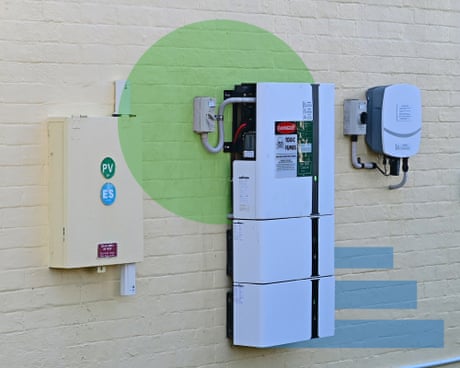
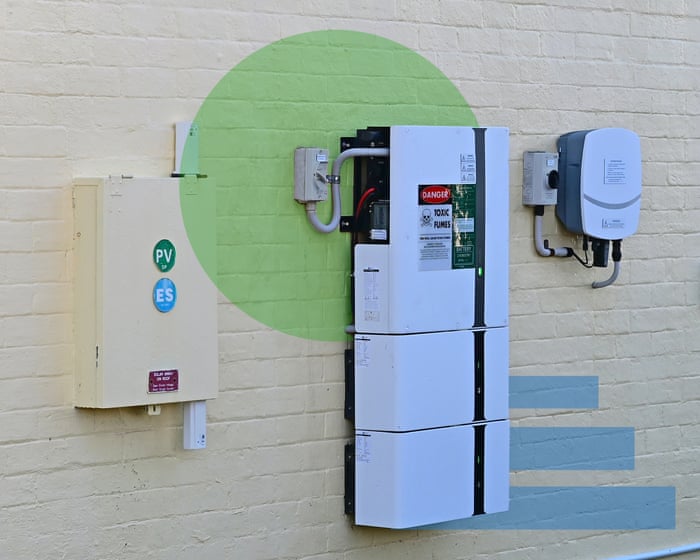
Power play: what to consider when installing a home battery in Australia

More than 400,000 batteries have been installed under the cheaper home batteries scheme. Here’s how to get the best bang for your buck

  • Change by degrees offers life hacks and sustainable living tips each Saturday to help reduce your household’s carbon footprint

  • Got a question or tip for reducing household emissions? Email us at changebydegrees@theguardian.com

If Australians love solar, they are head over heels for home batteries. More than 400,000 batteries have been installed under the government’s subsidy scheme.

Here’s what you need to consider if you’re looking at getting one installed.

Continue reading...

© Composite: Getty Images

© Composite: Getty Images

© Composite: Getty Images

  •  

Revealed: the internal BHP memo that slammed the brakes on world’s biggest miner’s climate push

Exclusive: BHP once dubbed climate change an ‘existential’ threat. But leaked documents show it has backtracked on decarbonisation at a vast network of mines

In the middle of 2019, London was sweltering through a heatwave.

Temperature records tumbled. Frail, ill and elderly people died in their hundreds.

Continue reading...

© Composite: Guardian

© Composite: Guardian

© Composite: Guardian

  •  
❌