❌

Reading view

Tesla says it’s building a wheelchair-accessible robotaxi in Texas
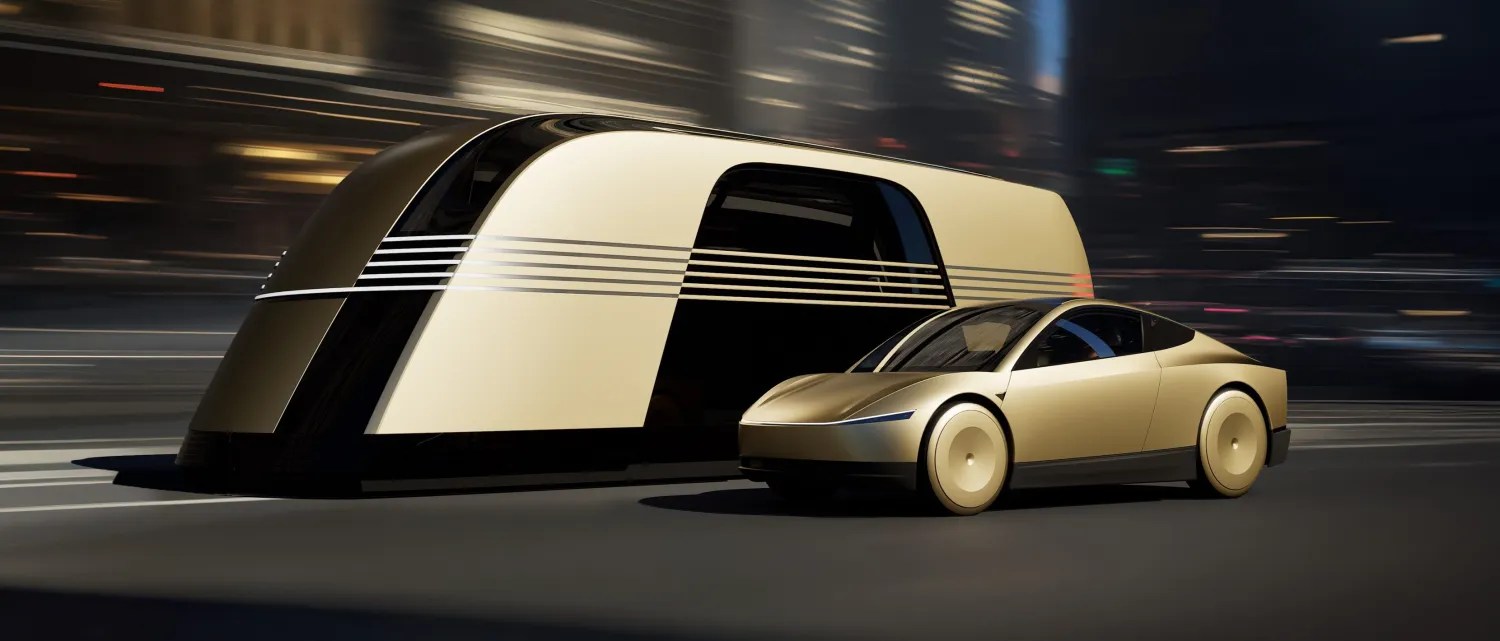
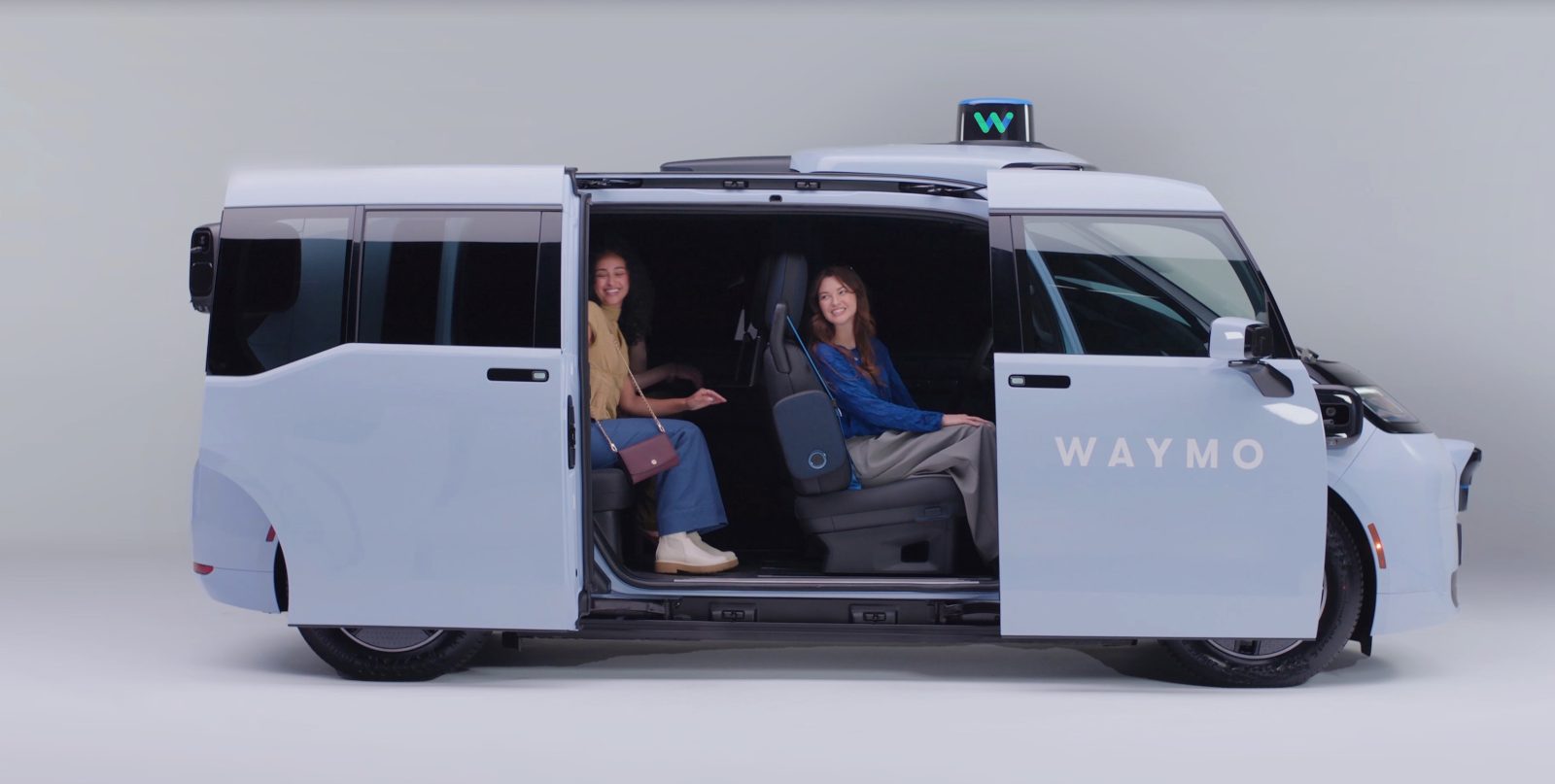
Tesla is building a purpose-built, wheelchair-accessible autonomous vehicle, a company policy advisor told lawmakers in Washington, DC, on Monday.

But Tesla gave no timeline, no vehicle, and no details, and it’s not clear the “active product” is anything more than the Robovan it unveiled nearly two years ago.
  •  

Tesla claims Cybercab driving employees at Giga Texas — in a parking lot

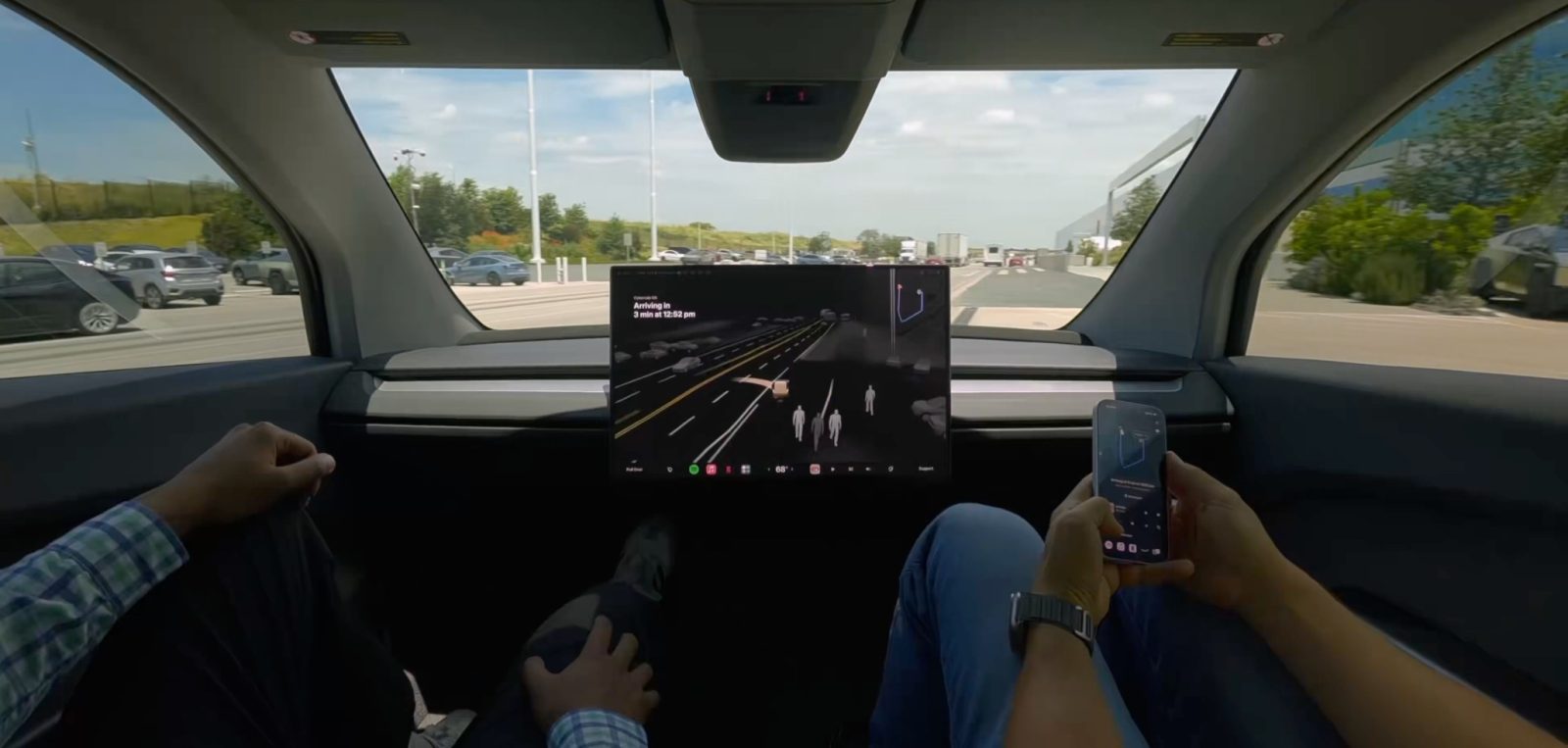
Tesla says “Cybercab employee rides at Giga Texas” are “starting soon” — its first stated step toward putting people inside the wheel-less, pedal-less robotaxi.

But the announcement, spread across two Tesla accounts and roughly 2.9 million combined views, is thinner than it sounds. It’s not clear whether Tesla means Cybercabs running a real ride service in Austin or simply driving employees around a factory parking lot.

  •  

Waymo goes driverless in Las Vegas, with Denver, San Diego, Tampa next

Waymo has activated fully driverless operations in Las Vegas, its riders will now see vehicles with no human at the wheel, and the Alphabet unit says Denver, San Diego, and Tampa are next in line.

The move adds four new markets to Waymo’s driverless footprint and pushes the company deeper into its target of 1 million paid rides per week by the end of 2026.

  •  

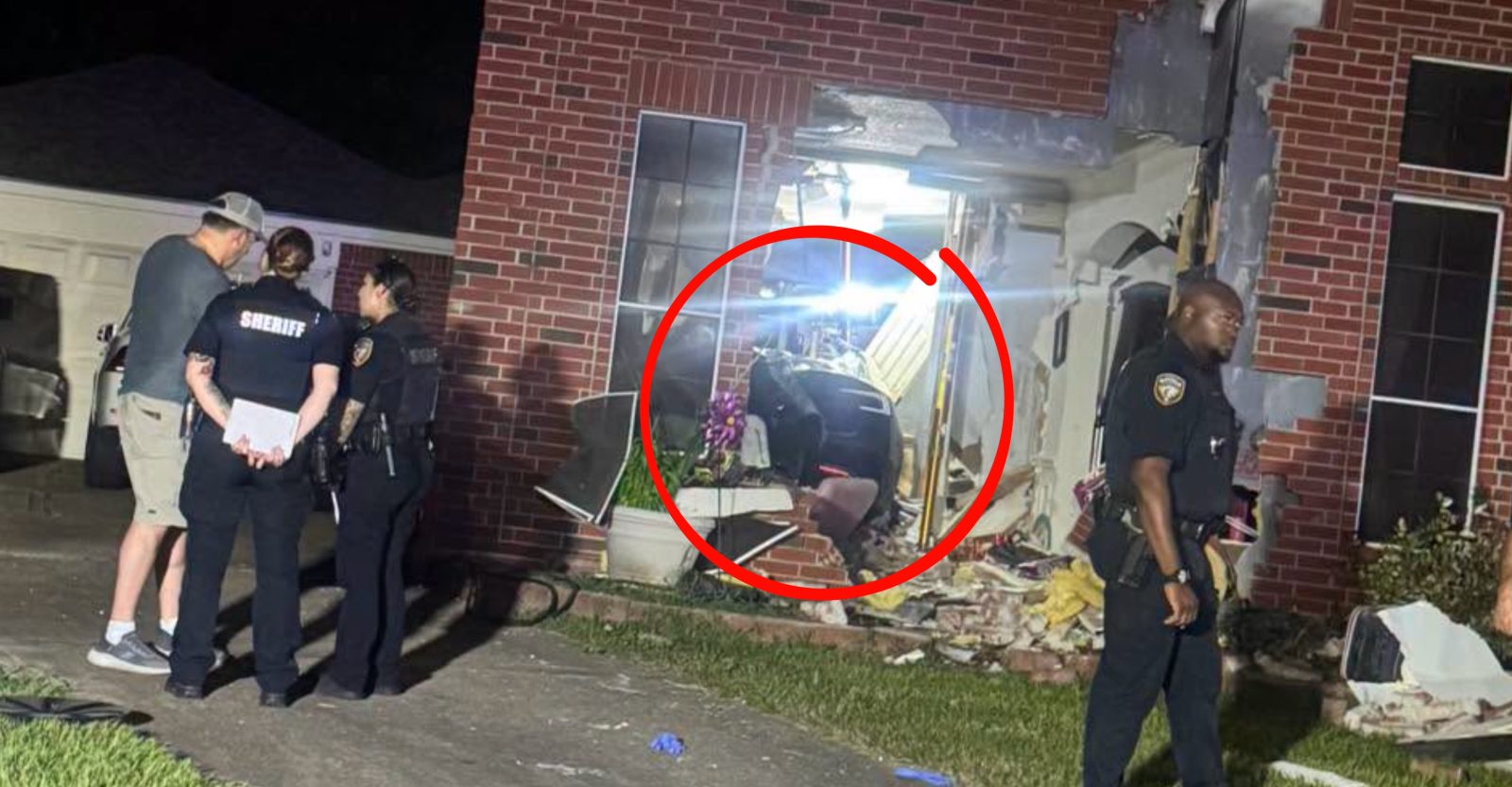
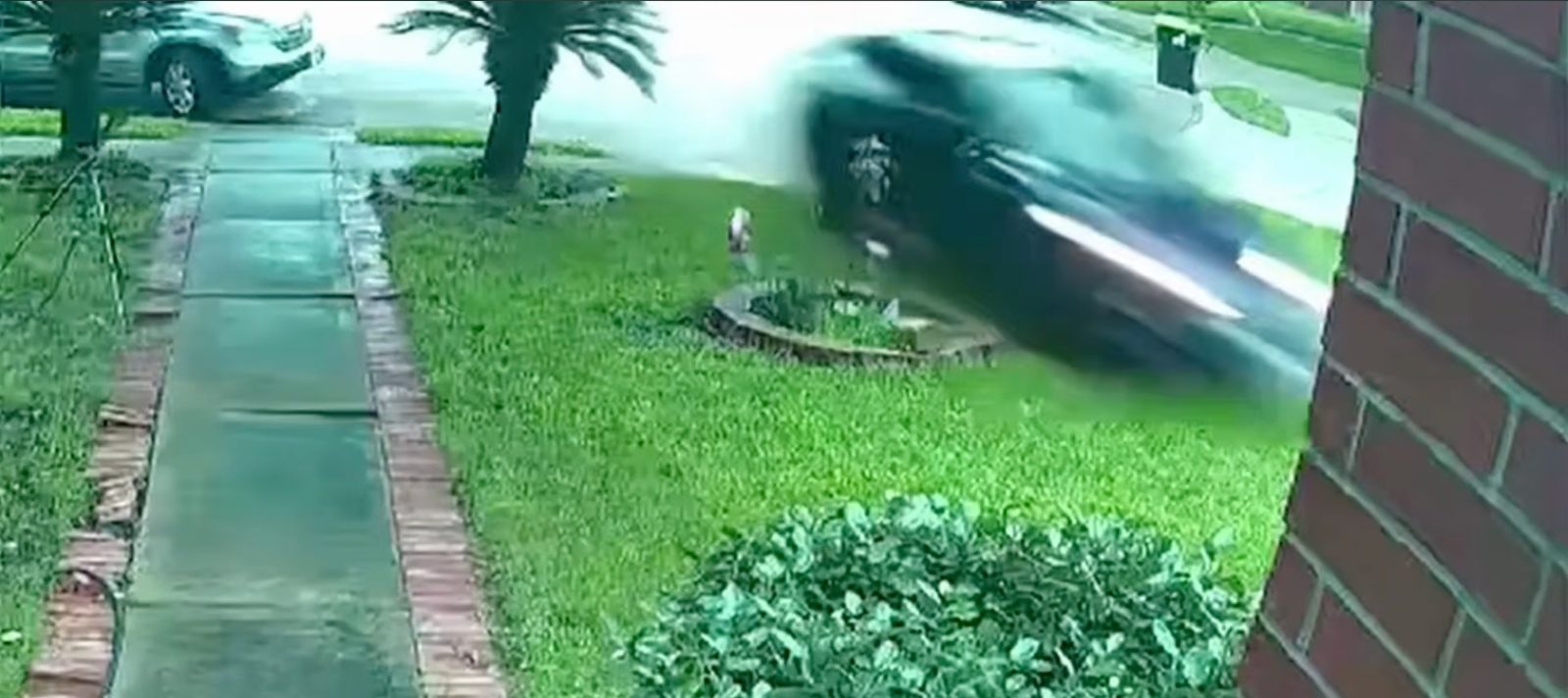
Tesla sued over fatal crash in Texas home that killed 76-year-old woman

The family of a 76-year-old woman killed when a Tesla Model 3 crashed into her Katy, Texas, home has sued Tesla and the driver, alleging the company’s “Autopilot” and “Full Self-Driving” systems are defectively designed.

The wrongful death suit lands just days after the crash — and it leans on the same argument that produced last year’s landmark $243 million Autopilot verdict against Tesla in Florida.

  •  

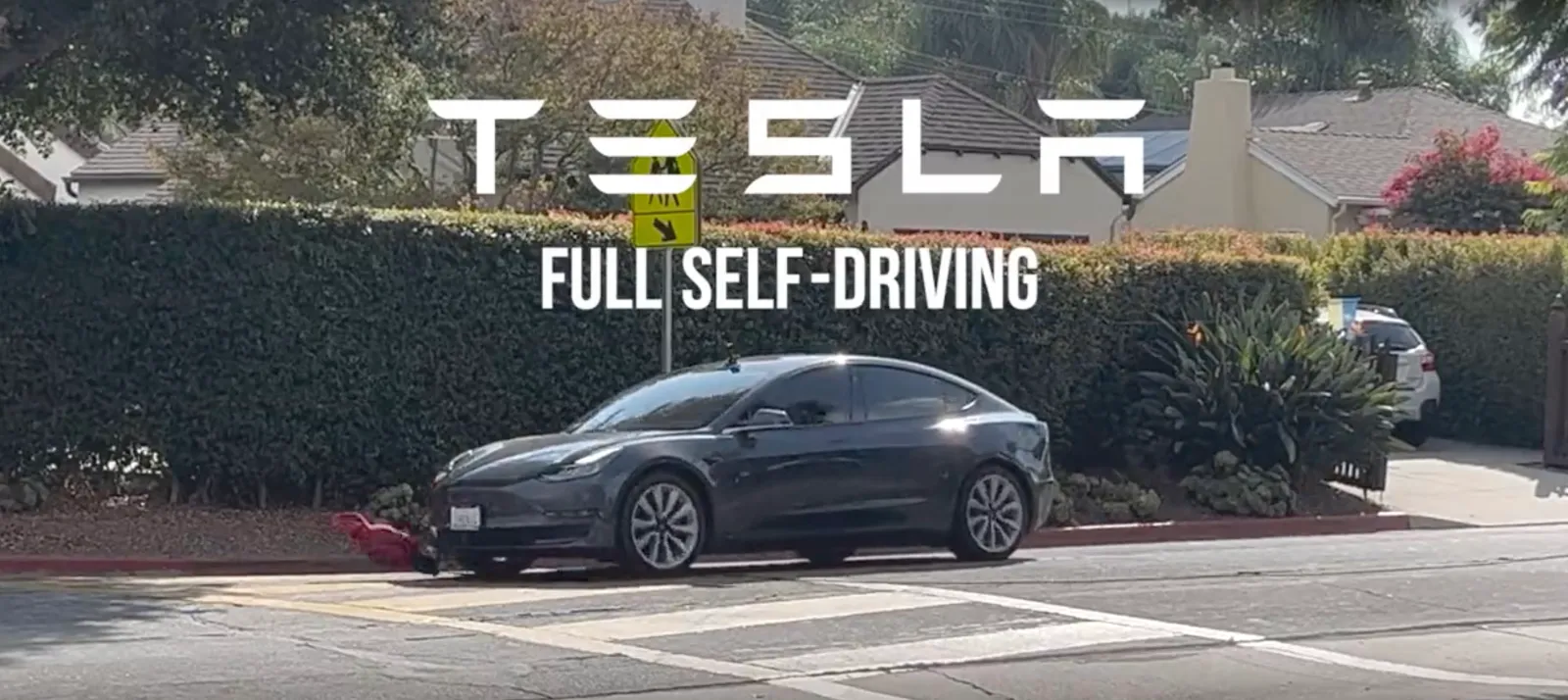
Tesla admits FSD was on in fatal Texas crash, blames driver for ‘overriding’ it

Tesla now confirms that its self-driving system was engaged when a Model 3 left a residential road in Katy, Texas, and killed a 76-year-old woman inside her home — but the company says the driver overrode it by pressing the accelerator to 100%.

Everything points to a pedal misapplication while the car was under “Full Self-Driving.” Does that mean Tesla is not at fault?

  •  

NHTSA probes fatal Tesla crash into Texas home that killed woman

Federal safety regulators are now investigating the fatal Tesla crash in Katy, Texas, where a Model 3 left a residential road, tore through a brick home, and killed a 76-year-old woman inside.

The National Highway Traffic Safety Administration said Monday it is examining the June 20 crash, after the driver told deputies his Tesla was on Autopilot at the moment of impact.

  •  

Tesla driver says it was on Autopilot before fatal Texas home crash

A driver told Harris County investigators that his Tesla was on Autopilot before it left a residential road in Katy, Texas, crashed through the brick wall of a home, and killed a 76-year-old woman inside.

The crash happened around 8 p.m. Friday in the 21300 block of Rose Hollow Lane, according to the Harris County Precinct 5 Constable’s Office and the Harris County Sheriff’s Office.

  •  

Tesla HW3 claim grows to 7,000 owners, gets law firm backing for collective action

The Dutch collective claim against Tesla over broken “Full Self-Driving” promises on Hardware 3 vehicles has reached nearly 7,000 verified participants and secured backing from law firm Kennedy Van der Laan for a formal legal action.

The initiative, which launched in April with 3,000 signups in its first week, is now preparing to transfer the case to a foundation that will pursue the claim on behalf of all participants under Dutch collective action law.

  •  

Sweden tells EU to reject Tesla ‘FSD’ unless speeding is removed

Sweden’s transport authority has told the European Union it should vote against approving Tesla’s “Full Self-Driving (Supervised)” across the bloc unless the system’s ability to exceed posted speed limits is removed.

The recommendation, in a previously unreported April 30 letter to the EU’s Technical Committee on Motor Vehicles (TCMV), lands just before the committee is due to take up the matter on June 30, ahead of an eventual vote on a bloc-wide rollout.

  •  

Tesla teases new FSD features — but it’s still not the self-driving promised

Elon Musk says Tesla’s Full Self-Driving will soon remember your parking preferences and let you talk to it through Grok, like giving directions to an Uber driver.

The features sound useful, and they reflect how genuinely impressive FSD has become — but they also underscore that it remains a supervised driver-assist system, not the unsupervised self-driving Tesla has sold to owners for years.

  •  

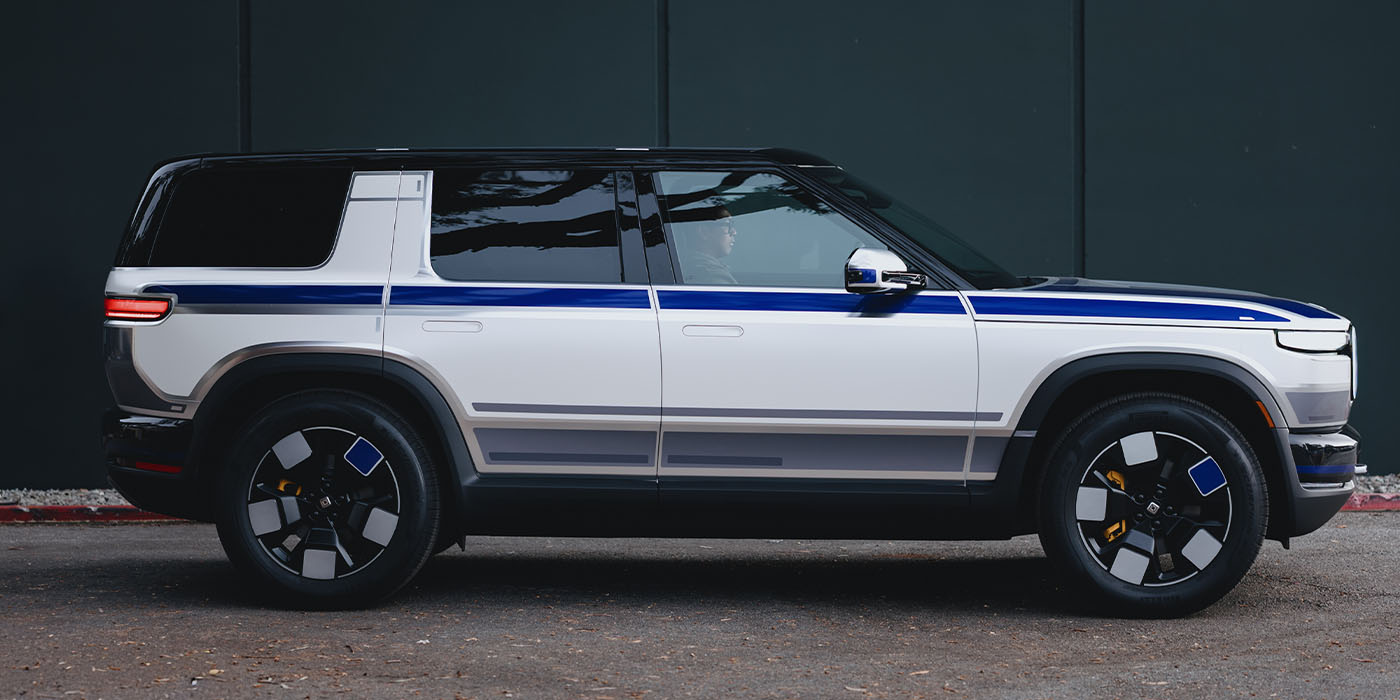
Rivian CEO signals self-driving prices, like Tesla’s, will fall

Rivian CEO RJ Scaringe says the money automakers charge for self-driving software won’t last, comparing autonomy to airbags: a paid option today, baked into the price of every car tomorrow.

The comments, made in a new interview with WIRED, amount to a quiet warning shot at Tesla, which just moved its “Full Self-Driving” package to a subscription-only model at $99 per month.

  •  

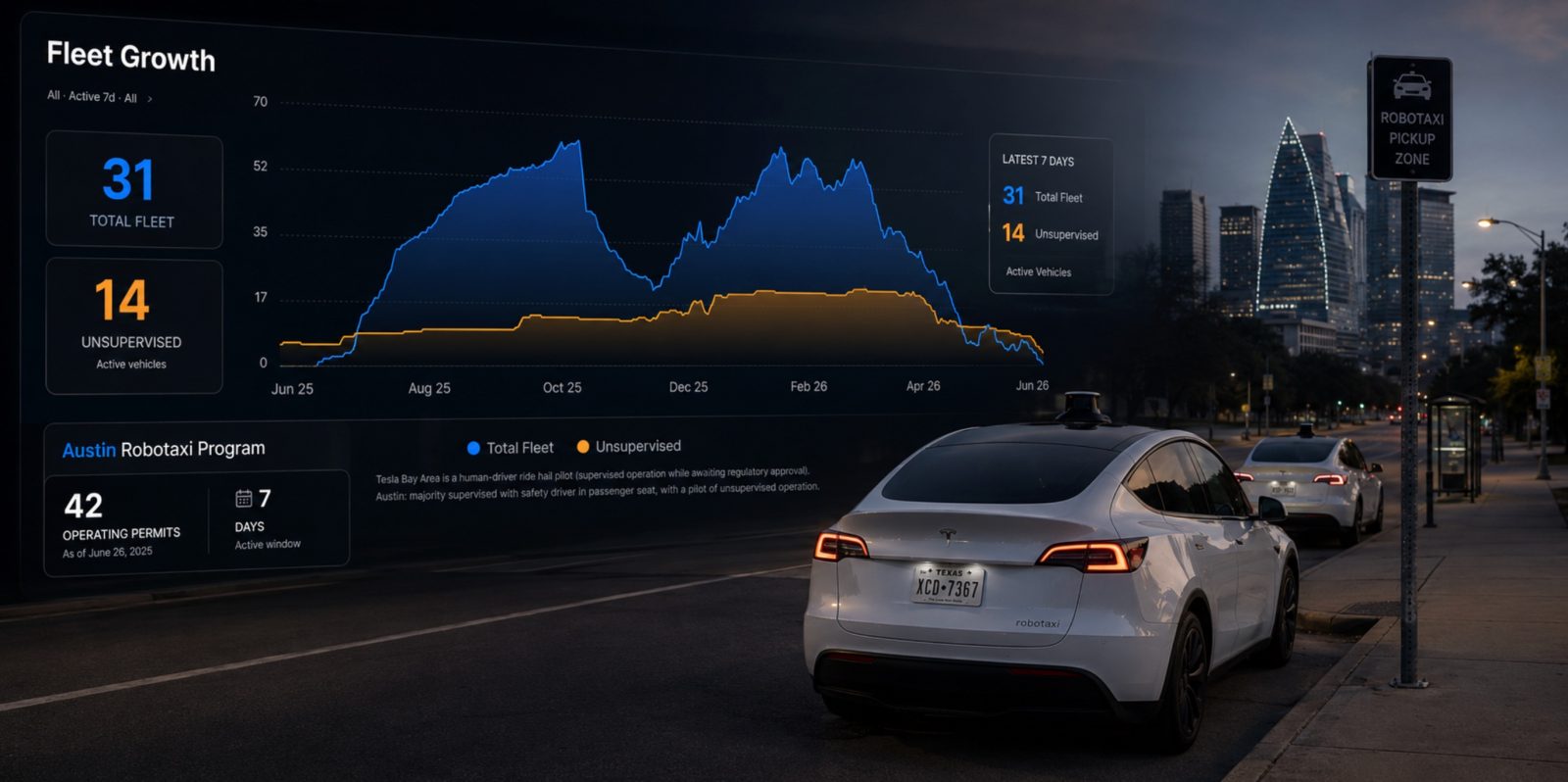
Tesla ‘Robotaxis’ are not crashing because they are not running

Tesla didn’t report a single at-fault “Robotaxi” crash in the latest NHTSA autonomous-vehicle data — its only fresh incident was a Model Y getting rear-ended while stopped, clearly the other driver’s fault.

That sounds like good news for Tesla’s safety record. But live fleet data points to the real reason the crashes have dried up: Tesla’s robotaxis are barely running, and the active fleet is shrinking a year into the program.

  •  

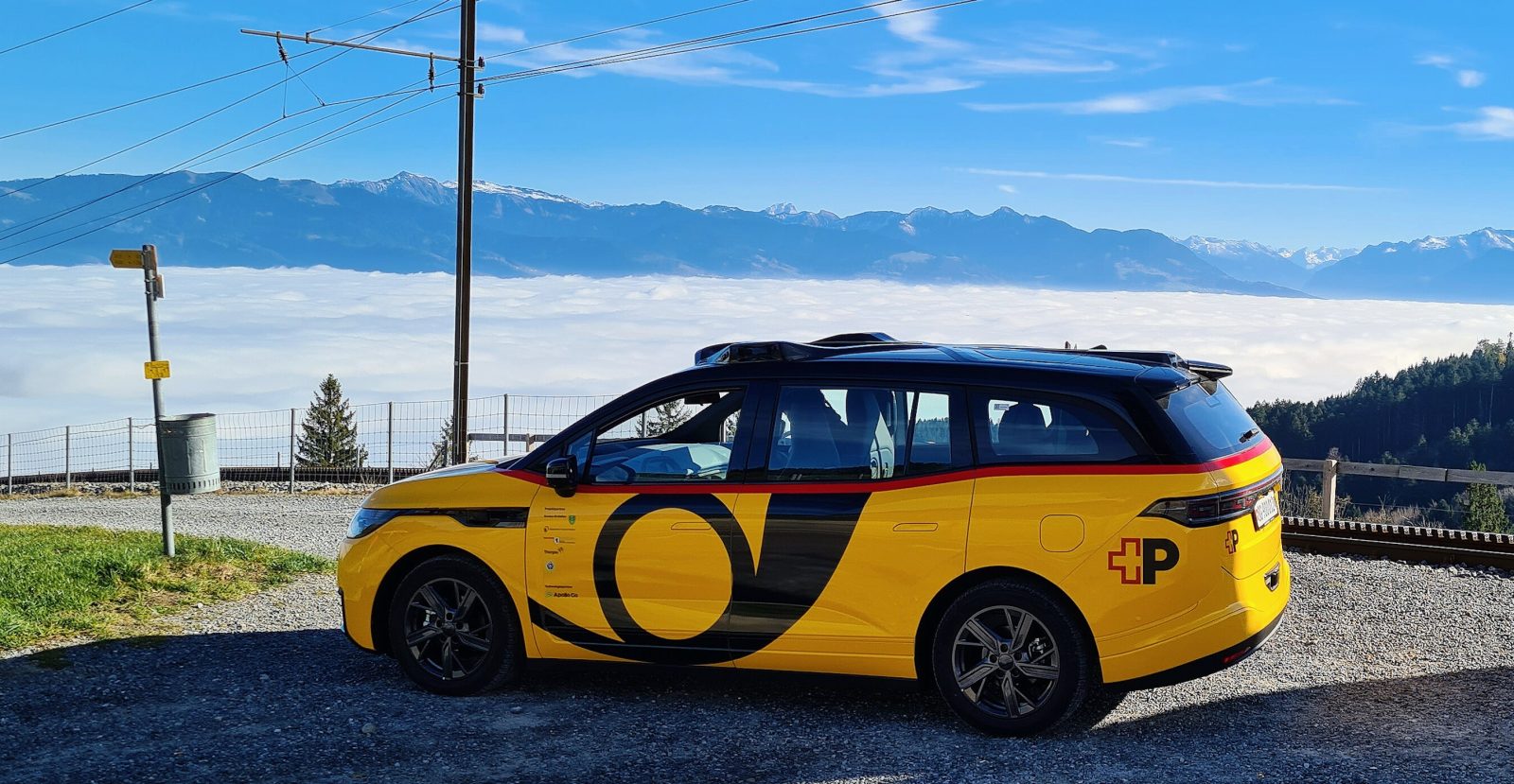
Baidu Apollo Go wins Level 4 robotaxi approval in Switzerland as AmiGo

Baidu’s Apollo Go has received a Level 4 autonomous driving permit in Switzerland for AmiGo, a robotaxi service it is running with Swiss Post’s PostBus, putting the Chinese tech giant ahead of Waymo and Tesla in deploying driverless vehicles into European public transport.

The Federal Roads Office (FEDRO) special permit covers an 80 km² service area across three eastern cantons, and Baidu says the project is on track to become the largest planned automated public transport operation of its kind in Europe.

  •  

Tesla presented misleading ‘Full Self-Driving’ safety data to European regulators

Tesla presented self-published and inflated “Full Self-Driving” safety statistics directly to government regulators in Sweden and the Netherlands as it lobbied for European approval, according to correspondence obtained by Reuters through public records requests.

The data includes a claim that FSD could have “saved 32,000 lives” — a figure that independent researchers say is based on the absurd assumption that every vehicle in the U.S., including freight trucks and motorcycles, would be replaced by an FSD-enabled Tesla.

  •  

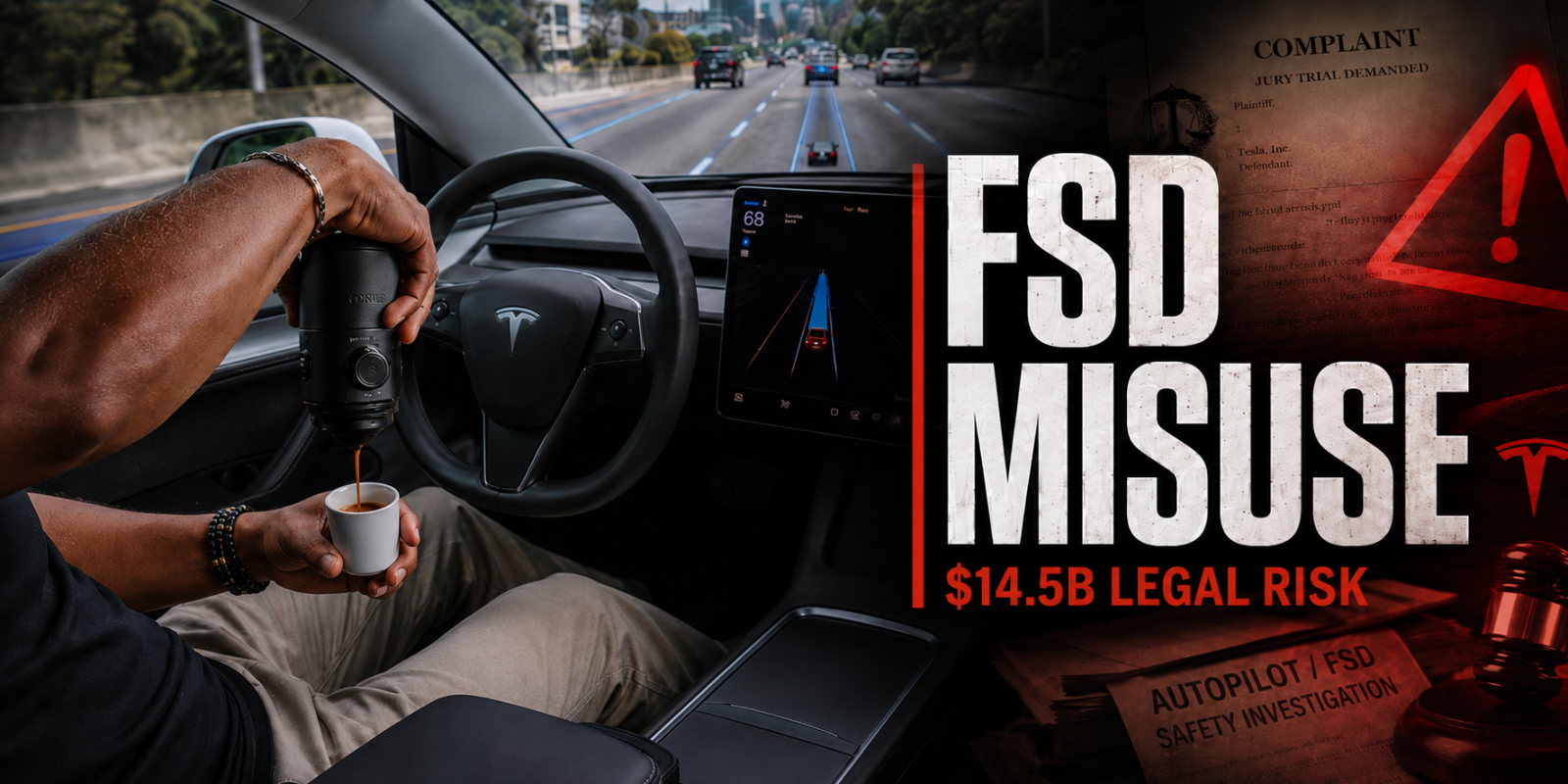
Tesla promotes FSD misuse in its own videos — undermining its legal defense

Tesla is facing up to $14.5 billion in lawsuits related to its “Full Self-Driving” and Autopilot systems — and the company’s own marketing department keeps making the problem worse. In two official promotional videos published in the last three weeks, Tesla showed a driver making espresso while FSD drives and shared footage where FSD committed multiple traffic violations in Denmark.

The problem is obvious: Tesla’s entire legal defense in crash lawsuits rests on the argument that drivers are responsible for supervising FSD at all times. But Tesla’s own promotional content actively encourages the opposite behavior.

  •  

Tesla ‘FSD’ approved in Denmark, 4th European country in 2 months

Denmark has provisionally approved Tesla’s “Full Self-Driving” (Supervised) system, making it the fourth European country to clear the software in roughly eight weeks.

The Danish Road Traffic Authority, Færdselsstyrelsen, confirmed the decision today — notably after Denmark had previously raised concerns about the technology at the EU level.

  •  

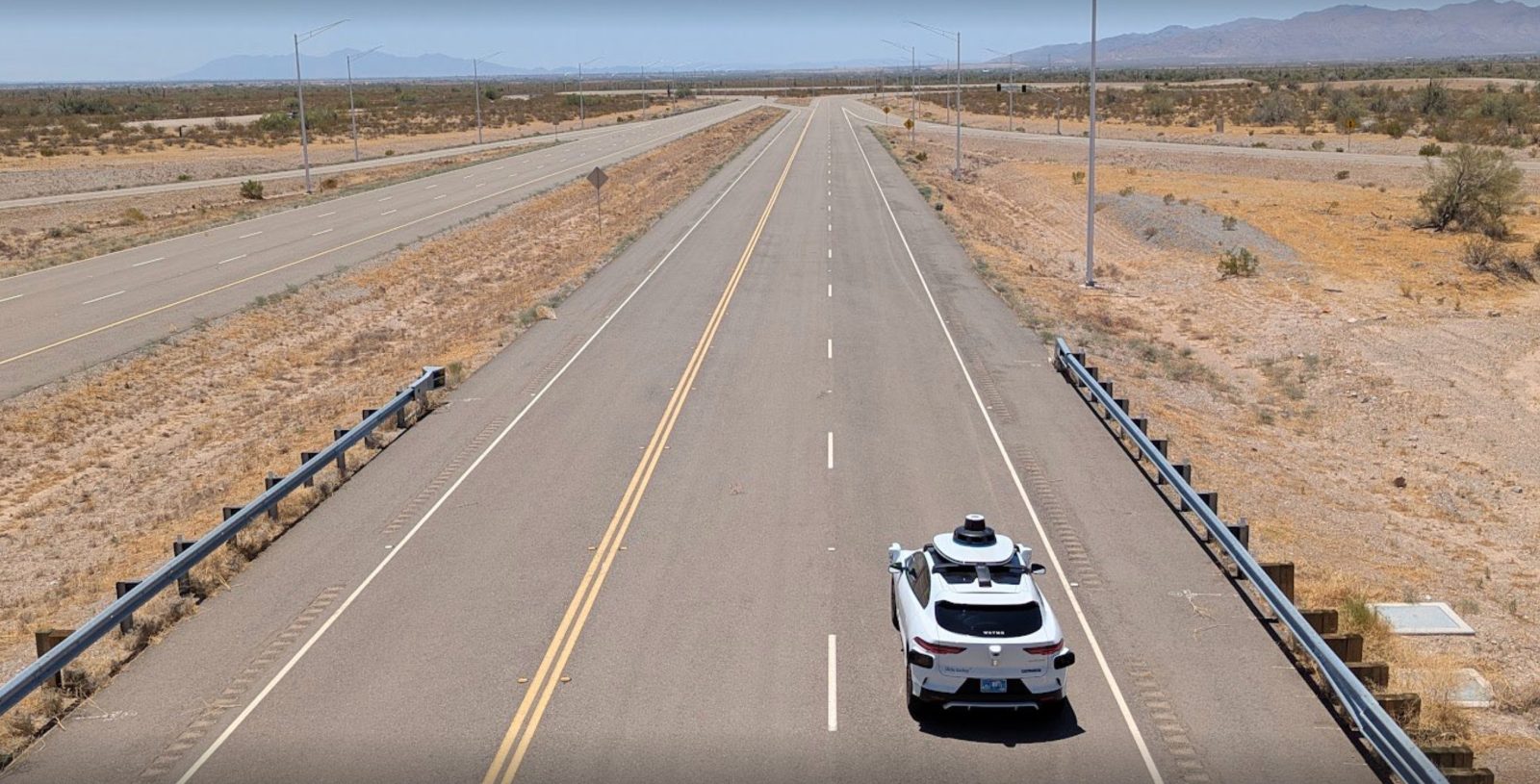
Waymo buys Apple’s abandoned self-driving car proving ground for $220M

Waymo has acquired a massive 5,500-acre autonomous vehicle proving ground in Wittmann, Arizona, for $220 million — nearly double the $125 million Apple paid for it in 2021. The facility was the centerpiece of Apple’s now-dead self-driving car program.

The deal, recorded June 5 in Maricopa County filings, adds a world-class test facility to Waymo’s infrastructure as the company races to scale its robotaxi fleet to 1 million weekly rides by the end of the year.

  •  

Xpeng spends $500M/year on AI training to beat Tesla FSD

Xpeng’s head of autonomous driving told Electrek that the company is spending roughly 300 million RMB (~$41 million) per month on AI training alone and believes it has already reached parity with Tesla’s FSD v13 — with v14 within reach before the end of summer.

I sat down with Dr. Xianming Liu, head of Xpeng’s General Intelligence Center, the day after he delivered a keynote at CVPR 2026 in Denver — sharing the stage with Tesla’s Ashok Elluswamy and leaders from Nvidia and Waymo at one of the world’s top computer vision conferences.

  •  

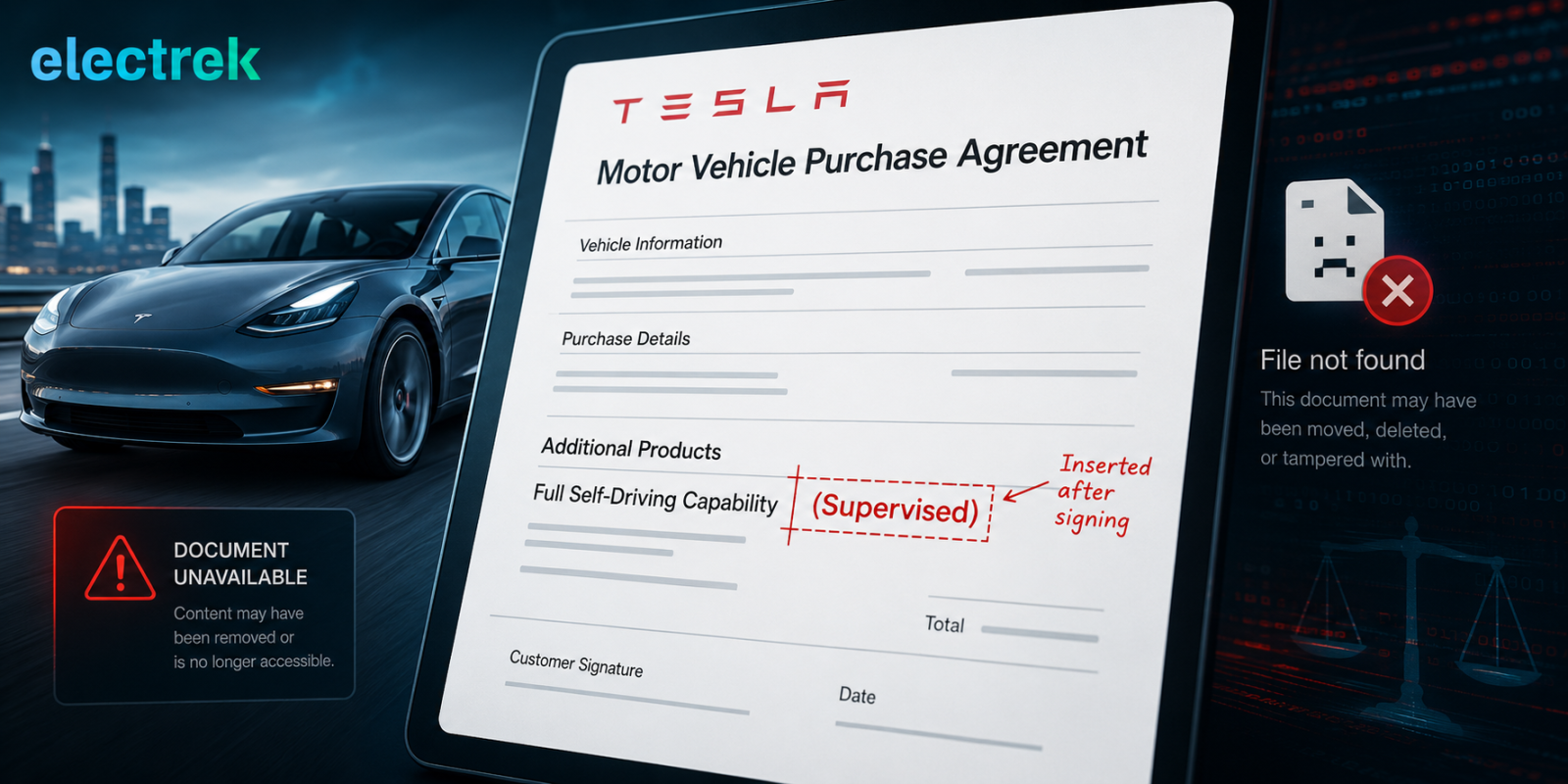
Tesla retroactively added ‘supervised’ to FSD contracts owners signed years ago

Tesla has retroactively modified “Full Self-Driving” purchase agreements to add “supervised” language that did not exist when owners originally bought the product. In some cases, the original documents have been made entirely inaccessible.

Electrek has confirmed the issue with multiple owners. The contracts in question were signed between 2016 and early 2024, when Tesla sold the package as “Full Self-Driving Capability” — with no mention of “supervised” and the implicit promise of unsupervised autonomy.

  •  
❌