❌

Reading view

Logran que un cristal fotónico genere rayos ultravioleta a partir de la luz solar y podría optimizar la fotocatálisis y la purificación del agua

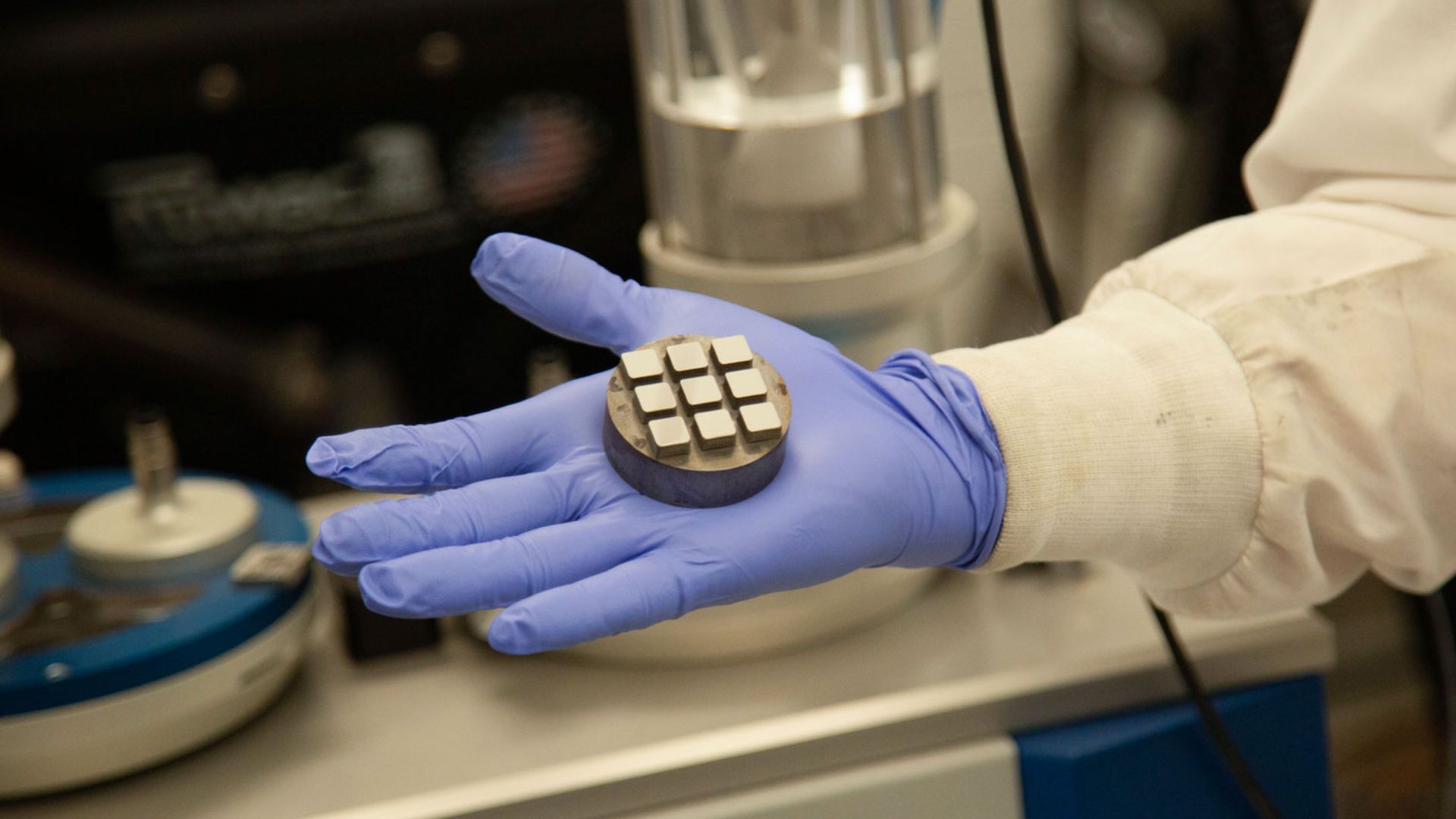
La luz ultravioleta resulta imprescindible para numerosos procesos industriales, aunque producirla exige un elevado consumo energético. Un nuevo cristal fotónico podría cambiar esa situación aprovechando directamente la radiación solar.
  •  

Bayesian framework integrates longitudinal EHR data with genetic discovery

A new Bayesian system called ALADYNOULLI is designed to forecast how multiple diseases unfold over time from longitudinal electronic health record (EHR) histories. The work targets a central challenge in longitudinal modelling: evaluating prediction without “information leakage,” so that future diagnoses never influence training for past timepoints. By explicitly simulating real clinical follow-up, the researchers aim to make risk estimates more trustworthy for decision-making.

In the primary assessment, ALADYNOULLI produced dynamic 1-year forecasts at 10 fixed moments during follow-up, starting at enrollment and extending to years 1 through 9. At each timepoint, models were retrained using only data available up to that moment, then tested on 1-year outcomes. The key metric was the median area under the receiver operating characteristic curve (AUC) across these dynamic evaluations, summarizing how predictive accuracy changes as new diagnoses accumulate.

The study spans 28 diseases and reports robust discrimination for several clinically important endpoints. Performance was strong for atherosclerotic cardiovascular disease (ASCVD), breast cancer, atrial fibrillation, heart failure, and Parkinson’s disease, with AUC values of 0.879, 0.867, 0.801, 0.811, and 0.796, respectively. Importantly, the evaluation excluded people with prevalent disease at prediction time, aligning the comparisons with prospective risk.

ALADYNOULLI was also benchmarked against established clinical risk tools where feasible. At enrollment, static models trained only on baseline information were compared for both 1-year and 10-year horizons. While longer-term predictions naturally degraded, ALADYNOULLI retained meaningful power—for example, for ASCVD at 10 years—highlighting the advantage of learning from longitudinal EHR trajectories rather than relying solely on cross-sectional inputs.

Calibration analyses further supported reliability: predicted and observed event rates matched closely across millions of at-risk patient-time observations. The researchers report a mean squared error on calibration of 4.67 × 10⁻⁷, with mean predicted rates (5.55 × 10⁻⁴) closely tracking mean observed rates (5.45 × 10⁻⁴). This suggests not only ranking accuracy, but also quantitative risk realism.

To test whether results were driven by subtle temporal artifacts, the team ran sensitivity analyses that excluded events occurring shortly before prediction and varied washout windows. They also examined alternative horizons and a dynamic 10-year rolling interpolation strategy, which updates risk estimates as annual information becomes available. Together, these checks help confirm that temporal patterns are being learned in a causally aligned manner.

Overall, the findings position ALADYNOULLI as a clinically relevant framework for multi-disease risk forecasting, combining longitudinal EHR modelling with predictive discrimination and calibration. By rigorously preventing leakage and validating dynamic follow-up scenarios, the approach offers a pathway toward more actionable, time-aware risk prediction in real-world healthcare settings.

Subject of Research: Longitudinal EHR-based multi-disease risk prediction using Bayesian modelling and genetic/EHR integration
Article Title: A Bayesian framework for longitudinal EHR and genetic discovery.
Article References: Urbut, S.M., Ding, Y., Nakao, T. et al. A Bayesian framework for longitudinal EHR and genetic discovery. Nature (2026). https://doi.org/10.1038/s41586-026-10780-5
Image Credits: AI Generated
DOI: https://doi.org/10.1038/s41586-026-10780-5
Keywords: longitudinal EHR, Bayesian framework, disease risk prediction, dynamic forecasting, temporal validation, calibration, AUC, ASCVD

  •  

Climate Change Alters Resource Adequacy Risks and Optimal Wind, Solar Siting

Climate change is poised to reshuffle the reliability problem facing decarbonized power systems, according to a new study that links weather extremes, long-term climate projections, and real-world infrastructure constraints. As grids rely more heavily on wind and solar, they become sensitive not just to the amount of renewable capacity installed, but to where that capacity is sited relative to transmission lines, load centers, and the local meteorological patterns that govern output.

Using high-resolution climate projections at 12-km scale, the researchers examined how future conditions could alter both renewable generation and electricity demand across two distinct US regions: New England and Texas. They then coupled these climate inputs with an optimization model operating at the county level, allowing the team to test how system design choices—particularly spatial siting of wind and solar and the presence of transmission bottlenecks—affect long-run adequacy.

The results suggest a sharp increase in resource inadequacy risk by mid-century. In both regions, climate change can drive prolonged periods of low renewable generation, which occur when meteorological conditions reduce wind and solar output while demand simultaneously rises. For Texas, the study finds the frequency of inadequacy events could increase dramatically—up to fivefold—if planning proceeds using non-climate-informed assumptions.

Crucially, the work shows that these risks are not determined by aggregate capacity targets alone. Fine-scale siting decisions can lock the system into unfavorable “weather-resource–grid” pairings, amplifying periods when local supply falls short and transmission limits prevent imports from compensating.

Yet the study also offers a pathway to resilience. Climate-informed planning can mitigate the emerging adequacy threat at relatively modest cost. Texas, for example, can maintain near-zero marginal investment cost by shifting wind capacity westward, improving alignment with future wind patterns and reducing reliance on constrained transfers.

New England requires a different strategy. The region faces a higher investment need—about a 2.34% increase—achieved through targeted solar and transmission expansion closer to load centers. This approach helps buffer localized shortfalls during future, climate-driven demand and renewable output mismatches.

Overall, the study argues that achieving climate-resilient decarbonization means moving beyond simple build-out schedules. Instead, it calls for high-resolution, climate-aware spatial planning that reveals siting opportunities invisible to coarse models—turning reliability from a static design metric into a dynamic, region-specific forecast problem.

Subject of Research: Climate change and resource adequacy risks in wind/solar grids, including optimal renewable siting
Article Title: Climate change reshapes resource adequacy risks and optimal renewable energy siting in wind and solar energy systems
Article References: Qiu, L., Khorramfar, R., Wang, S. et al. Climate change reshapes resource adequacy risks and optimal renewable energy siting in wind and solar energy systems. Nat Energy (2026). https://doi.org/10.1038/s41560-026-02109-3
Image Credits: AI Generated
DOI: https://doi.org/10.1038/s41560-026-02109-3
Keywords:

  •  

US domino team sets Guinness World Record by toppling 29,193 tiles in a 3D pyramid

A team of ten domino artists has set a new Guinness World Record for the most dominoes toppled in a three-dimensional pyramid, bringing down 29,193 tiles in a single chain reaction at a gym in Garden City, Michigan, on June 20.

Guinness World Records has officially certified the achievement, which was set by the FALLDOWN Domino Team led by Steven Price of Sprice Machines as part of a larger installation that incorporated no fewer than 123,456 dominoes in total.

The feat, documented in a YouTube video titled “123,456 Dominoes SUPERSIZED — FALLDOWN 2026,” has attracted widespread attention online for the scale and precision of its construction

Price has held four domino-related Guinness World Records previously and has served as a judge on Fox’s competition show Domino Masters. He holds a mechanical engineering degree, a background that is evident in the structural ambition of this project.

Building a 35×35 pyramid without triggering it

The three-dimensional pyramid that forms the centerpiece of the record sits on a base of 35 by 35 dominoes and rises in layers to a pointed apex. Constructing a 3D pyramid of this scale requires a level of precision that flat domino runs do not — every tile must be positioned accurately while the structure beneath it remains stable, and a single mistimed touch anywhere in the grid can bring the entire build crashing down prematurely.

Watch the video here.

The FALLDOWN team, which includes Michael Fantauzzo, Matt VanVleck, Gabe Dean, Alex Koops, Derek Koops, Stephan Burton, Brady Dolan, Evan Voeltner, and Aaron Bimrah alongside Price, spent multiple days installing the complete setup.

A world built from supersized everyday objects

The pyramid was not the only engineering feat in the room. The team built a themed installation around 123,456 dominoes arranged into giant versions of ordinary objects — enormous paperclips, oversized friendship bracelets, massive bonsai trees, school supplies and a rubber duck that appears mid-sequence.

These elements fed into a series of Rube Goldberg-style chain reactions that snaked through the entire installation before converging on the pyramid, making the final topple a product of everything that came before it.

Guinness required a traditional domino-to-domino start

The team had originally planned to use a special mechanical trigger to bring the pyramid down. Guinness World Records rejected the approach: to qualify for an official record, the entire chain must begin with a conventional domino touching the next in sequence, with no external mechanism initiating the fall. The team revised their plans accordingly, and the record-setting run began exactly as the rules required.

Price’s fifth Guinness record in domino art

The FALLDOWN record is Steven Price’s fifth Guinness certification in domino-related categories. His prior titles include the largest domino circle field, the longest domino wall, and the largest two-dimensional pyramid. Price first gained wider recognition as a 22-year-old when his Incredible Science Machine project, which involved 250,000 domino tiles, set records and went viral.

His YouTube channel, Sprice Machines, includes videos with over 30 million views, with the Lemonade Machine — a chain reaction that travels through an entire house to serve lemonade — among the most-watched.

  •  

Microglia Shape Developing Cortical Blood Vessels via PD-1 Signaling

New blood vessels flood the developing brain, then must be sculpted into a functional network. In the cortex, this pruning depends on selective elimination of redundant connections, but the cellular command center behind vascular refinement has remained only partly understood. A new study now points to microglia—the brain’s immune sentinels—as active architects of cerebrovascular pruning during postnatal development.

Using live visualization in the frontal cortex of postnatal day 11 mice, researchers tracked how microglia behave around forming blood vessels. They observed that microglia do not merely associate with vasculature; instead, they progressively migrate toward vessels as development proceeds. As vessel remodeling advances, microglia become enriched at sites where pruning occurs, suggesting a causal role rather than passive surveillance.

To test function, the team manipulated microglia–vessel interactions and assessed vascular outcomes. Intervening in microglial activity altered the extent of vessel elimination, consistent with the idea that microglia mediate pruning to refine the emerging vascular map. The results connect microglial behavior directly to the efficiency and organization of the developing cortical circulation.

Central to the mechanism is an immune signaling pathway previously linked to neuronal synaptic refinement: PD-L1 and its receptor PD-1. The study identifies PD-L1–PD-1 signaling as a regulator of microglia-driven vascular pruning. When this axis was disrupted, pruning was impaired, indicating that immune checkpoint-like communication can shape vascular architecture in the developing brain.

The authors further implicate a specific molecular source from microglia. They report that microglial CD5L secretion promotes the PD-1–dependent pruning program. In other words, microglia release CD5L, engage PD-1 signaling through PD-L1 interactions, and thereby influence which vessels persist and which are eliminated.

Collectively, the work reframes cerebrovascular pruning as a neuroimmune-guided developmental process. By showing that microglia actively target redundant vasculature and by defining a PD-L1–PD-1/CD5L pathway, the study provides mechanistic evidence for how immune cells can tune vascular networks to match developing brain circuitry.

Beyond development, the findings raise broader questions about whether similar immune checkpoint signaling contributes to abnormal vascular remodeling in disease, where pruning can be either excessive or insufficient. For now, the study delivers a clear developmental role: microglia help determine what the brain keeps growing and what it discards.

DOI: https://doi.org/10.1038/s41593-026-02378-x

Article Title: Microglia prune developing cortical blood vessels through PD-1 signaling.

Article References: Zhang, M., Wang, Y., Yang, R. et al. Microglia prune developing cortical blood vessels through PD-1 signaling. Nat Neurosci (2026). https://doi.org/10.1038/s41593-026-02378-x

Image Credits: AI Generated

  •  

Brown fat microRNAs mapping shows secreted signaling network between organs

A newly published study in Nature Metabolism reports that brown fat can act as a hub of molecular messaging, using secreted microRNAs to coordinate physiology across the body. Researchers focused on brown adipose tissue—well known for its role in thermogenesis—and asked whether it also participates in long-distance communication via RNA signals.

To visualize and track these messages, the team employed brown-fat–specific RNA labeling in living systems. This strategy allowed them to connect RNA production within adipocytes to downstream effects elsewhere, moving beyond correlations toward a clearer map of inter-organ RNA traffic.

The central finding is the presence of a communication network mediated by microRNAs released from brown fat. These small regulatory RNAs appear to travel beyond the tissue of origin and engage gene-regulatory pathways in other organs, effectively relaying information about metabolic state.

Functionally, the work supports a model in which microRNA “dispatch” from thermogenic fat tunes cellular programs in remote targets. Such programs likely involve post-transcriptional regulation, a process microRNAs are known to influence by pairing with complementary sequences in messenger RNAs.

Importantly, the approach does not treat microRNAs as generic circulating molecules. Instead, the labeling confirms their brown-fat origin and strengthens the link between secretory RNA dynamics and systemic physiological outcomes.

The study also highlights the specificity of the messaging: not all RNAs are equally represented, and the labeled microRNA repertoire points to organized, tissue-defined signaling rather than random leakage.

Beyond mapping pathways, the results carry implications for metabolic disease research. If brown fat microRNAs can reshape gene expression in other organs, manipulating these signals could offer a route to modulate energy balance, insulin sensitivity, or inflammatory tone.

For now, the findings provide a blueprint for how RNA labelling combined with tissue specificity can uncover hidden layers of endocrine-like communication. As techniques improve, the field may move toward a broader “RNA connectome” linking organ behavior through secreted regulatory molecules.

Researchers describe their results as evidence that brown fat is not only a metabolic engine but also an information broadcaster. In the evolving landscape of viral-style science news, this discovery underscores how tiny RNA molecules can orchestrate large-scale biological conversations.

Subject of Research: Inter-organ communication via secreted microRNAs from brown adipose tissue.

Article Title: Brown fat-specific RNA labelling reveals a network of inter-organ communication by secreted microRNAs.

Article References: Lino, M., Palermo-Ruiz, G., Efthymiou, V. et al. Brown fat-specific RNA labelling reveals a network of inter-organ communication by secreted microRNAs. Nat Metab (2026). https://doi.org/10.1038/s42255-026-01558-0

Image Credits: AI Generated

DOI: https://doi.org/10.1038/s42255-026-01558-0

  •  

Wet Harzburgite and Dry Basalt Slabs Maintain Ongoing Seismic Stagnation

A new study in Nature Communications reports that subducting slabs can become effectively “stalled” for long periods—not simply due to mantle temperature or plate motion, but because distinct rock assemblages within the downgoing plate alter how the slab interacts with the surrounding mantle. Using geophysical constraints combined with thermodynamic modeling, the researchers argue that slab dynamics depend on whether the slab interior is dominated by hydrated ultramafic lithologies or by comparatively dry basaltic components.

The central finding is that wet harzburgite—an olivine-rich, ultramafic rock—can sustain slab stagnation by promoting hydration-related weakening processes and controlling the timing and location of mineral transformation. In parallel, the team shows that dry basaltic slab assemblages can also contribute to stagnation, but through a different pathway: by limiting certain water-driven reactions while still maintaining a mechanically coherent, slow-moving interface at depth.

According to the authors, the fate of volatiles is the key variable. As the slab descends, pressure and temperature drive phase changes and dehydration reactions. These reactions can either increase or decrease the effective viscosity and friction along plate boundaries, shifting the balance between slab pull and mantle resistance. Where hydration is sustained, water remains available to weaken lithospheric portions that would otherwise become too rigid to decouple.

In the wet harzburgite scenario, dehydration and metamorphic reactions are predicted to sustain zones of reduced strength within the slab, preventing it from sinking efficiently into the lower mantle. This creates a feedback loop: slower descent limits thermal loss, which in turn preserves conditions that keep the weakening processes active.

In the dry basaltic scenario, the model emphasizes that even without abundant water, basaltic mineralogy can maintain mechanical coupling over a broader depth range. The study suggests that dry assemblages may delay the development of decoupling horizons, thereby prolonging stagnation until the slab eventually transitions to a different rheological regime.

The researchers also connect their results to the observed diversity of subduction-zone behavior, where some slabs advance smoothly while others appear to linger at mantle depths. By treating rock composition explicitly rather than assuming uniform slab properties, the work offers a framework for interpreting why similar plate boundary geometries can yield markedly different slab lifetimes.

Crucially, the analysis links mineral stability, dehydration partitioning, and viscosity contrasts into a single physical narrative. This moves slab “stalling” away from a purely geometric explanation and toward a lithology-driven process that can be tested against seismic signatures.

The findings will likely influence how future models incorporate water budgets and rock types in subduction simulations. If validated by geophysical observations, the wet-versus-dry assemblage distinction could become a practical lever for predicting which slabs will stagnate and for how long.

In short, the study portrays slab stagnation as a sustained state maintained by the contrasting rheological effects of hydrated harzburgite and comparatively dry basaltic materials, reshaping our understanding of how deep Earth water and rock chemistry govern plate evolution.

Subject of Research: Subduction zone dynamics and slab stagnation mechanisms

Article Title: Slab stagnation sustained by wet harzburgite and dry basaltic slab assemblages.

Article References: Shi, D., Shen, Y., Zhao, R. et al. Nature Communications (2026). https://doi.org/10.1038/s41467-026-75639-9

Image Credits: AI Generated

DOI: 10.1038/s41467-026-75639-9

Keywords: slab stagnation; subduction; wet harzburgite; dry basaltic assemblage; dehydration; mantle rheology; volatiles; mineral transformations

  •  

Scientists May Have Finally Solved One of Human Evolution’s Biggest Mysteries: When Our Ancestors Grew Larger

For decades, paleoanthropologists have largely agreed that somewhere along the evolutionary course from apelike ancestors to modern humans, our bodies got dramatically larger. However, one lingering mystery has been when this intense growth began.

Did our ancestors gradually grow bigger over millions of years? Did the shift coincide with the emergence of the genus Homo? Or did it occur later, after some of the earliest human species had already appeared?

A new study published in the Proceedings of the National Academy of Sciences (PNAS) argues that the answer is more complex than any single theory has suggested.

Rather than supporting a single long-standing hypothesis, researchers used a sophisticated statistical method to show that human body size likely followed two evolutionary courses simultaneously: a slow, steady increase spanning millions of years, punctuated by a much larger leap in later members of the genus Homo.

The findings help reconcile decades of conflicting research while offering one of the clearest pictures yet of how, and perhaps why, our ancestors evolved into larger-bodied humans.

“Despite its central role in hominin evolution, there is little consensus on how body size increased through time,” researchers write. “We provide strong evidence for a marked size increase in later-occurring Homo, alongside a moderate general increase over time among all hominins.”

Body size is one of the defining characteristics of an organism. In humans and our extinct relatives, it has been linked to everything from brain expansion and walking efficiency to metabolism, hunting behavior, and the ability to travel across increasingly large landscapes. Understanding when body size changed, therefore, helps researchers reconstruct not only what our ancestors looked like, but how they lived.

Yet despite decades of fossil findings, scientists have struggled to agree on the evolutionary pattern behind those changes.

Some previous studies suggested that hominins simply became larger over time. Some contended that body size remained relatively stable until the emergence of Homo. Still others have proposed that the real transformation arose only after early species such as Homo habilis, often regarded as one of the first members of our genus.

According to researchers, one reason for the disagreement is that earlier analyses typically examined these competing ideas independently. They also often failed to account for uncertainties inherent in the fossil record, including disagreements over species classification, differences in body mass estimation methods, and uncertainties in evolutionary relationships among fossil species.

To address those limitations, researchers compiled one of the largest hominin body-size datasets assembled to date, incorporating body mass assessments from 386 fossil specimens representing 21 different taxa.

They then analyzed the data using Bayesian phylogenetic generalized linear mixed models—a statistical approach that accounts for evolutionary relationships while encompassing multiple layers of uncertainty.

The team repeated its analyses across 1,000 different phylogenetic trees and 1,000 separate datasets, allowing them to test whether the overall pattern remained consistent despite uncertainties.

The results pointed to two simultaneous trends.

The first was a modest but persistent increase in body size across the hominin family as a whole. On average, body mass increased by roughly 2 pounds (0.9 kilograms) every million years, suggesting that larger bodies gradually became more common throughout human evolution.

However, the second trend proved far more dramatic.

Instead of all members of Homo becoming substantially larger, the researchers found the strongest evidence for a distinct jump in body size among later members of the genus, particularly species that appeared after Homo habilis. That pattern regularly emerged regardless of how the fossil data were analyzed.

In other words, early members of Homo may not have represented the major biological turning point scientists once assumed.

This finding disputes a common assumption that simply belonging to the genus Homo meant possessing a significantly larger body. Instead, the study suggests that some hallmark features traditionally associated with humans, including larger body size, may have evolved after the genus’s origin.

That interpretation also corresponds to broader changes that occurred later in human evolution.

Researchers note that this period coincides with evidence for more efficient upright walking, greater reliance on meat consumption, and expanding home ranges. Larger bodies may have been both a consequence of and a contributor to those behavioral and ecological shifts.

The study likewise reinforces another growing theme that evolution rarely follows a straight line.

Species such as Homo floresiensis, often nicknamed the “Hobbit” because of its diminutive stature, and Homo Naledi frequently appeared as outliers with unusually small body sizes despite belonging to relatively recent branches of the human family tree. Their existence demonstrates that body size did not simply increase in a uniform march toward modern humans.

Instead, evolution repeatedly experimented with different solutions depending on local environments and ecological constraints.

The researchers also argue that part of the longstanding disagreement over body-size evolution stems from the fossil record itself. Different studies have estimated fossil body masses using different skeletal elements, comparison populations, and statistical techniques, sometimes producing substantially different results for the same individual.

By expressly incorporating those uncertainties into their analysis, rather than treating them as fixed values, the new framework seeks to capture the range of plausible evolutionary scenarios rather than relying on a single interpretation.

Even so, researchers caution that important questions remain unresolved.

Improved fossil discoveries, more accurate body-mass estimation methods, and a better understanding of species relationships could all further refine the picture. The study also does not explicitly account for sexual size differences between males and females, which may have been greater in some early hominin species than in modern humans.

Nevertheless, the wider conclusion is intriguing.

Rather than choosing between competing theories, the evidence suggests both contain elements of the truth.

Body size did increase gradually across the hominin lineage. But the most considerable leap appears to have occurred later, after the earliest representatives of Homo had already evolved.

That conclusion may help settle one of paleoanthropology’s longest-running debates while showing how advances in statistical methods are transforming scientists’ ability to extract new insights from fossils that have often been studied for decades.

“Overall, these findings bring clarity to a fundamental question in human evolution and show how the application of rigorous phylogenetic comparative tools can unlock patterns previously hidden in the fossil record while accounting for multiple sources of uncertainty,” researchers write. “By reconciling conflicting findings within a single framework, our results clarify key evolutionary transitions and highlight the complex nature of body size change in human evolution.”

Tim McMillan is a retired law enforcement executive, investigative reporter and co-founder of The Debrief. His writing typically focuses on defense, national security, the Intelligence Community and topics related to psychology. You can follow Tim on Twitter: @LtTimMcMillan.  Tim can be reached by email: tim@thedebrief.org or through encrypted email: LtTimMcMillan@protonmail.com 

  •  

New metal alloys that beat 1,832°F heat could help jet engines and nuclear reactors

Researchers at the University of Toronto Engineering have developed six new metal alloys using an artificial intelligence-driven discovery platform that could improve the durability of parts used in jet engines, nuclear power plants, and other extreme environments. The findings show that the AI-assisted system identified promising alloys within just a few weeks, significantly speeding up the search for high-performance materials.

These new alloys also work well with 3D metal printing, enabling the production be complex parts that are hard or impossible to produce with traditional methods.

AI speeds up alloy discovery

Led by Yu Zou, Canada Research Chair in Materials and Manufacturing for Extreme Environments, the team worked with Jason Hattrick-Simpers to build a system that uses computer modeling, machine learning, and robots to help with manufacturing.

Their method, called active learning, acts like a self-driving laboratory. Rather than testing thousands of metal combinations by hand, the system picks the best options, makes them, tests how they perform, and uses those results to guide the next experiments.

“There’s enormous demand for materials that can stand up to huge swings of temperature and pressure, such as what you would find inside a jet engine or in the steam generators inside nuclear power plants, anywhere conventional steel just can’t survive,” said Yu Zou, who led the project.

“We also need materials that can be printed layer by layer, enabling us to make components that can’t be created by traditional manufacturing processes. For example, to make a material that is both lightweight and strong, you can vary the composition: a hard, tough alloy on the outside to something softer and lighter on the inside.”

The project was partly supported by the University of Toronto’s Acceleration Consortium, a group that uses AI and automation to accelerate the discovery of new materials.

Active learning cuts the need for massive datasets

Most AI systems need a large amount of experimental data to make accurate predictions. This becomes a problem when researchers look at materials that have not been tested yet.

“One problem you often run into when trying to use AI to design materials is that most machine learning models require lots of data about material properties to learn from,” revealed Ajay Talbot, a Ph.D. student in Zou’s lab and lead author of the study.

“But if you’re working in part of the design space that hasn’t been explored yet, that data doesn’t exist, so you’re kind of flying blind.”

“The way we get around that challenge is to use data-lean models that essentially feel their own way along. Our active learning model strategically selects a few samples to manufacture and test, and the data from those experiments is fed back into the model to inform where we go next. It really speeds things up.”

<a href=”https://www.youtube.com/watch?v=RFYJV7WvtOM“>https://www.youtube.com/watch?v=RFYJV7WvtOM</a>

New alloys outperform industry benchmark

To demonstrate the system, the researchers focused on compositionally complex alloys made from nickel, cobalt, and chromium. Within weeks, the automated platform identified six new alloy formulations with strong performance.

“One of the properties we were targeting was puncture resistance at temperatures of up to 1,112°F (600°C), which is what you’d find in the front section of a jet engine,” Talbot said.

“The industry standard in this space is nickel-based alloys such as Inconel 625. But we found one made of 12 percent nickel, 62 percent cobalt, and 26 percent chrome that was great for retaining hardness at extremely high temperatures. Even with just three components, our alloy outperformed Inconel 625, an alloy of more than 10 different elements, by 4.5 percent in our lab tests.”

The team also developed another alloy designed for hotter sections of jet engines, where temperatures can reach 1,832°F (1,000°C).

“One of the things that happens in an environment like that is the formation of oxide scale, which essentially means that your material is just getting burned away,” Talbot explained.

“We found a material made of 36 percent nickel, 14 percent cobalt, and 50 percent chrome that was extremely good for oxidation resistance at these high temperatures: It even outperforms Inconel 625 by 85 percent. We’re eventually aiming to ramp up to even higher temperatures, up to 2,192°F (1,200°C).”

Researchers plan to expand to more complex materials

The researchers say the current alloys represent an early demonstration of what the AI-driven discovery platform can achieve.

“This nickel-cobalt-chrome system has just three elements in it. In the grand scheme of things, it’s a relatively simple system,” he added.

“But it’s great for showing that this whole closed-loop discovery platform really works. What we want to do next is ramp up the complexity a bit more to make even crazier stuff, with maybe up to 10 or 12 different elements.”

“As you add more components, you can get different strengthening mechanisms, different kinds of useful properties. There’s a lot more out there just waiting to be discovered.”

The study was published in the journal npj Advanced Manufacturing.

  •  

Pakistan Blames Britain for “Grooming” and “Spoiling” Rochdale Rapist and Turning Him to Crime

Pakistan has blamed Britain for "grooming" and "spoiling" the ringleader of the Rochdale rape gang and turning him to crime, claiming he has "no connection to Pakistan whatsoever".

The post Pakistan Blames Britain for “Grooming” and “Spoiling” Rochdale Rapist and Turning Him to Crime appeared first on The Daily Sceptic.

  •  

China deploys ‘Transformer’ rescue barge to save over 6,000 stranded flood victims

A foldable, self-propelled pontoon barge has played a key role in rescuing more than 6,000 stranded students and staff from a flood-hit region in southern China.

The rapid-deployment vessel was used during evacuation efforts in the Guangxi Zhuang Autonomous Region after flooding due to Typhoon Maysak inundated communities, according to Chinese media reports. The modular barge can be assembled in just over 10 minutes, carry more than 500 people per trip, and transport loads exceeding 66.1 US tons. 

According to its manufacturer, the platform is engineered to operate reliably in harsh environments, including high-altitude regions up to 10,800 feet (3,300 meters) above sea level and areas with extreme cold.

Pontoon powers rescue

The self-propelled pontoon barge helped to evacuate more students and staff trapped after floodwaters nearly five meters deep cut off the campus.

The modular vessel, described by Chinese Foreign Ministry spokeswoman Mao Ning as “China’s real-life transformer,” played a central role in a large-scale evacuation at Guangxi Logistics Vocational and Technical College in Guigang, Guangxi Zhuang Autonomous Region, reported the South China Morning Post (SCMP). 

The rescue operation took place after torrential rains left the college campus submerged under nearly five meters (16.4 feet) of floodwater, cutting off thousands of people from surrounding areas. According to China’s state news agency Xinhua, conventional rescue methods initially struggled to cope with the scale of the emergency.

Emergency teams first relied on inflatable rescue boats and assault boats to reach those stranded. While effective for small-scale operations, these vessels could transport only a limited number of passengers at a time, making the evacuation process slow and difficult.

To accelerate the rescue effort, the state-owned China Anneng Construction Group, China’s emergency rescue force, deployed three heavy-duty self-propelled pontoon barges to the flooded area between Wednesday night and Thursday. The arrival of the modular barges dramatically increased evacuation capacity, allowing rescuers to move hundreds of people during each trip. By midday Thursday, every student and staff member had been safely evacuated, according to Guangxi Television.

Heavy-duty lifeline

The pontoon barge used in the operation measures approximately 60 meters in length and eight meters in width. It is capable of carrying more than 500 passengers in a single journey while supporting a total payload exceeding 66.1 US tons. Unlike conventional floating bridges or barges that require external towing, the vessel is equipped with its own propulsion system, enabling it to travel at speeds of up to 6.7 mph (10.8 km/h) even when fully loaded.

One of its biggest advantages is its rapid deployment capability. China Anneng said the modular system can be transported to a disaster site, assembled, and placed into operation in just over 10 minutes. Its foldable design allows emergency responders to quickly establish a large-capacity transport platform without relying on permanent infrastructure.

The rescue barge is regarded as one of China’s most advanced modular heavy-duty water rescue systems. It was specifically developed to address one of the biggest challenges during major floods—transporting large groups of people, emergency responders, vehicles, and heavy equipment across inundated areas or rivers made impassable by rising water, according to the SCMP.

The vessel is manufactured by China Harzone Industry Corporation, a subsidiary of the state-owned China State Shipbuilding Corporation (CSSC). The company says the platform is designed to operate reliably in demanding environments, including high-altitude regions up to 10,800 feet (3,300 meters) above sea level and areas experiencing extremely cold temperatures.

CSSC noted that the high-tech rescue platform has been widely deployed in domestic emergency response operations since 2020. Its successful use during the Guangxi floods demonstrates how rapidly deployable modular engineering systems are becoming an increasingly important tool for large-scale disaster response, enabling emergency teams to evacuate thousands of people far more quickly than traditional rescue boats alone. thousands of people far more quickly than traditional rescue boats alone.

💾

China deployed a rapid-deployment pontoon barge to evacuate 6,000 flood victims, carrying 500 people per trip.
  •  

Seguir o que se passa no Parlamento pode ser mais simples. LegisMotion quer mostrar como com “inteligência legislativa”

A LegisMotion é portuguesa e usa IA para “descomplicar” o que se passa no Parlamento, ajudando perceber o que muda a nível legislativo, porque importa e porque pode ser necessário agir. Ao TEK Notícias, Ricardo Rodrigues, fundador do projeto, explica como tudo funciona.

The post Seguir o que se passa no Parlamento pode ser mais simples. LegisMotion quer mostrar como com “inteligência legislativa” appeared first on Tek Notícias.

  •  

Queen Odor Mediates Reproductive Suppression in Eusocial Mammals

Naked mole-rats have long puzzled biologists with their striking eusocial structure, where most adults remain reproductively suppressed while a queen controls the colony’s future. Now, a new study identifies a chemical “queen odour” that links social status to endocrine control, revealing a mammalian analogue to insect queen pheromones.

The molecule, termed IPM, is enriched by the queen and acts as the key mediator of reproductive suppression in non-breeding females. When IPM is present, circulating prolactin rises while progesterone is suppressed, locking the colony into a stable reproductive hierarchy characterized by reduced conflict and maintained group cohesion.

Crucially, the team connects this behavioural outcome to the brain. Using multiple approaches—including non-invasive functional ultrasound imaging (fUSI)—they show that IPM provokes strong activation of olfactory neurons and central neural circuits. This provides a neural substrate for how a chemical cue can trigger colony-wide physiological change, rather than relying on social learning or passive association.

The experiments also clarify sensory routing. Ablating olfaction abolishes aggression initiation and lowers prolactin levels, directly tying IPM detection to reproductive suppression. While the findings are consistent with sensing through the main olfactory epithelium, the authors note that the vomeronasal system may still contribute.

Queen removal normally destabilizes colonies, leading to aggression, reproductive competition, prolactin decline, and, in extreme cases, mortality. Yet when IPM is added to queenless bedding, the colony remains stable for months. During this period, fecal progesterone metabolite levels stay low, indicating sustained ovarian quiescence alongside elevated prolactin.

The study also addresses a longstanding paradox: transferring soiled bedding and urine from parent colonies fails to maintain suppression in isolated individuals. The authors propose that IPM’s chemistry helps explain this discrepancy. As a long-chain fatty acid ester with low volatility, IPM may persist within the colony environment but fail to travel effectively over distance or survive transfer pathways that preferentially carry other chemicals.

Comparative work extends beyond naked mole-rats. IPM is detected in breeding females of four additional Fukomys species. Although reproductive suppression mechanisms may differ across species, the presence of a similar queen-linked odorant suggests convergent chemical strategies for managing reproductive skew in eusocial mammals.

Overall, the research reframes reproduction control as a chemosensory-to-endocrine pathway: IPM activates olfactory–hypothalamic signalling, elevating prolactin and inhibiting GnRH release. This “social hormone” model offers a new principle for social evolution—chemical cues can synchronize behaviour and physiology at the scale of an entire mammal colony.

Subject of Research: Reproductive suppression and social hierarchy in eusocial mammals (naked mole-rats and related Fukomys species)

Article Title: A queen odour mediates reproductive suppression in a eusocial mammal

Article References:

Khallaf, M.A., Hart, D.W., Luo, W. et al. A queen odour mediates reproductive suppression in a eusocial mammal.
Nature (2026). https://doi.org/10.1038/s41586-026-10772-5

Image Credits: AI Generated

DOI: https://doi.org/10.1038/s41586-026-10772-5

Keywords: IPM; queen odour; reproductive suppression; prolactin; GnRH; olfaction; eusociality; functional ultrasound imaging; Fukomys

  •  

Cretaceous Bangong–Nujiang closure sustained Tibetan mountain growth through shortening

A new study published in Communications Earth & Environment reports that central Tibet’s rugged mountain architecture was not built in a single burst. Instead, it was shaped by long-lived crustal shortening that persisted after a major ocean closed during the Cretaceous period—when the Bangong–Nujiang Ocean shut down and the surrounding plates collided.

The research team, led by Zhang, Liu, Lin, and colleagues, examines how tectonic forces transferred through the region during and after ocean closure. Their central finding is that shortening did not simply end when the ocean vanished. Rather, the continental collision continued to drive deformation well beyond the immediate collision event, helping sustain mountain growth over extended geological time.

To reach this conclusion, the authors combine regional tectonic constraints with structural observations that reflect how stress and strain were distributed through the Tibetan crust. They interpret the evolving patterns of deformation as evidence for sustained compression, including the way different crustal levels responded to continued convergence.

The study frames the Bangong–Nujiang Ocean closure as a pivotal tectonic switch: once the ocean disappeared, the mechanical coupling between continental blocks increased. That change allowed compression to remain effective, promoting ongoing uplift and crustal thickening in central Tibet.

Importantly, the paper links this sustained shortening to the broader development of Tibetan topography. Rather than treating uplift as a short-lived response to a single collisional moment, the results support a scenario in which post-closure tectonics kept feeding the mountain belt for millions of years.

By addressing the timing and persistence of shortening, the work helps refine how geologists explain the thick crust beneath Tibet and the coexistence of active deformation with long-term structural inheritance. The authors suggest that the region’s growth reflects both the closure of an ocean basin and the prolonged geodynamic consequences of that closure.

The findings also carry implications for how future modeling efforts should represent continental collisions. They highlight that plate-tectonic reorganizations can create enduring mechanical conditions, sustaining deformation even after the most dramatic phase of convergence has passed.

With the DOI link and citation tied to the 2026 publication, the study—understood through its title and approach—offers a clear, data-driven narrative: central Tibet’s rise reflects sustained shortening following Cretaceous ocean closure, shaping a mountain system that kept growing long after the ocean was gone.

Subject of Research: Tectonics and mountain growth in central Tibet following the Cretaceous closure of the Bangong–Nujiang Ocean

Article Title: Sustained shortening following Cretaceous Bangong–Nujiang Ocean closure shaped central Tibetan mountain growth.

Article References: Zhang, B., Liu, S., Lin, C. et al. Communications Earth & Environment (2026). https://doi.org/10.1038/s43247-026-03830-3

Image Credits: AI Generated

  •  

Hasanuddin University Study Shows Bacterial Cellulose for High-Performance Energy Storage

Bacterial cellulose—nature’s own polymer scaffold—is gaining attention as a renewable feedstock for supercapacitor electrodes. With modern devices demanding fast charge, high power bursts, and long cycle life, researchers are searching for electrode materials that combine performance with sustainability.

A new systematic literature review led by Prof. Dahlang Tahir at Hasanuddin University, Indonesia, maps how bacterial cellulose-derived carbon (BCC) is turned into energy-storage electrodes—and why some fabrication paths outperform others. The study synthesizes evidence from the scientific record to clarify which processing choices control electrochemical behavior.

The review focuses on BCC as a precursor to porous carbon. Bacterial cellulose forms a naturally pure, interconnected network of nanoscale fibers, and heat treatment can convert that architecture into carbon structures with tunable porosity—critical for charge storage. The authors emphasize that electrical performance is not just a matter of “making carbon,” but of preserving and engineering the fiber network before carbonization.

Across 49 Scopus-indexed journal articles, the team compares major strategies including direct carbonization, chemical activation to enlarge pore systems, heteroatom doping to modify surface chemistry, and composite fabrication with materials that can add rapid redox (pseudocapacitive) contributions.

A recurring message is the importance of pre-carbonization drying. Freeze-drying appears as the most commonly used approach because it limits collapse of the wet nanofiber structure during water removal. Since pore architecture governs ion access and charge transport, maintaining nanoscale structure can translate into higher effective capacitance.

The review also distinguishes test formats. Three-electrode measurements are frequently reported, but two-electrode devices better represent real supercapacitor operation, where electrode–electrode interactions shape performance.

When processing is optimized, the results point toward a pathway for BCC-based electrodes to rival or surpass commercial activated carbon under comparable conditions. Activation and heteroatom doping generally increase accessible surface area and create additional active sites, while composites often achieve the strongest capacitance by combining electrical double-layer effects with fast surface reactions.

Yet the authors warn that progress is constrained by inconsistent experimental reporting, uneven protocols, and limited mechanistic understanding. To move beyond laboratory demonstrations, they call for predictive design, data-driven structure–performance models, scalable carbonization methods, and robust flexible devices resistant to deformation and humidity.

Subject of Research: Supercapacitor electrodes using bacterial cellulose-derived carbon
Article Title: Bacterial cellulose-derived carbon electrodes for supercapacitors: Fabrication strategies, electrochemical performance, and mechanical properties — A review
News Publication Date: 9 June 2026
Web References: https://doi.org/10.1016/j.est.2026.123044
References: 10.1016/j.est.2026.123044
Image Credits: Lightenoughtotravel from Wikimedia Commons

Keywords

bacterial cellulose; supercapacitors; porous carbon; freeze-drying; chemical activation; heteroatom doping; electrode materials; two-electrode testing; pseudocapacitance; sustainable energy storage

  •  

Gene edit boosts rice safety while preserving high harvest yields

Cadmium (Cd) contamination is a growing threat to food safety, and rice is one of the most vulnerable crops. Because rice plants can accumulate cadmium from contaminated soils more readily than many other staples, Cd can become a major dietary exposure route for large parts of the world’s population. Yet attempts to lower cadmium often create trade-offs—reducing uptake of essential nutrients or weakening plant performance.

A new study from Okayama University, Japan, and collaborating researchers in China reports a precision-editing strategy designed to avoid those trade-offs. The team focused on the rice metal transporter gene OsNramp5, which is known to move metals such as manganese and cadmium, and used base-editing to search for a beneficial point mutation within the gene rather than disabling it.

Using adenine and cytosine base editors, the researchers generated more than 1,600 genome-edited rice lines and screened them for reduced cadmium accumulation. Their saturation mutagenesis approach targeted OsNramp5 to identify variants that kept normal plant physiology while limiting Cd buildup in grain.

The key breakthrough was the I441T substitution: changing isoleucine to threonine at amino acid position 441. This single change reduced cadmium levels in both shoots and brown rice without altering gene expression, protein abundance, or the subcellular localization of the transporter.

Importantly, the mutation did not come at the cost of micronutrients. Field trials on cadmium-contaminated soil showed a 48% decrease in cadmium concentration in brown rice, from 0.14 mg/kg in wild type to 0.07 mg/kg in the edited plants, while iron, manganese, and zinc levels remained essentially unchanged.

The researchers then explored the mechanism behind the selective effect. Although OsNramp5 transports multiple metals, the I441T mutation shifted its selectivity—enhancing zinc transport preference. Increased zinc accumulation in root cells promoted competitive inhibition against cadmium during root-to-shoot movement.

Instead of completely blocking cadmium uptake, the edited transporter selectively limited cadmium translocation, reducing grain contamination while preserving essential mineral delivery. The team supported these conclusions with physiological assessments, gene and protein analyses, yeast transport assays, and agronomic evaluation.

Overall, the work demonstrates how precision genome editing can address a long-standing breeding challenge: lowering toxic metal accumulation without disrupting nutrient homeostasis. The researchers propose that the OsNramp5I441T allele could accelerate development of safer rice varieties for mildly contaminated regions.

Subject of Research: Not applicable
Article Title: Genome-edited rice variety with low-cadmium accumulation in the grain
News Publication Date: 18-Jun-2026
Web References: http://dx.doi.org/10.1073/pnas.2610609123
References: DOI: 10.1073/pnas.2610609123 (Proceedings of the National Academy of Sciences)
Image Credits: Credit: Professor Jian Feng Ma from Okayama University, Japan

Keywords: cadmium, rice, OsNramp5, base editing, genome editing, metal transporters, food safety, micronutrients, zinc competition, plant breeding

  •  

Office of Space Commerce makes its case for mission authorization

Jordan

The Office of Space Commerce defended its proposal for a mission authorization scheme for novel space activities, arguing it would provide certainty for companies while limiting regulatory burdens.

The post Office of Space Commerce makes its case for mission authorization appeared first on SpaceNews.

  •  
❌