❌

Reading view

Aneuploidy Drives Acquisition of Key Genes in Breast Cancer Progression

Chromosome instability and aneuploidy have long posed a conundrum in cancer biology, profoundly shaping tumor genomes yet remaining challenging to decode functionally. In a groundbreaking study published in Nature, Al-Zahrani et al. unveil a novel approach, CRISPR-KOALA, that systematically links large-scale chromosomal alterations to specific cancer-driving genes in basal-like breast cancer (BLBC).

BLBC, a highly aggressive subtype characterized by extensive copy-number alterations (CNAs), often harbors arm-level chromosomal imbalances whose contribution to tumorigenesis remains elusive. The researchers developed CRISPR-KOALA to conduct high-throughput bidirectional genetic screens directly in immunocompetent mouse models, overcoming previous barriers related to the complexity and scale of genes affected by aneuploidy.

By focusing on the ten most frequent human chromosome-arm alterations seen in BLBC, the team screened over 3,700 mouse orthologues of genes located on these arms. The screen identified 90 putative cancer driver genes—a majority of which had not been previously linked to cancer—revealing a diverse functional landscape shaping tumor biology. Among the implicated pathways were key signaling networks such as MAPK, HIPPO, and WNT, highlighting the heterogeneity intrinsic to BLBC progression.

Strikingly, manipulating these driver genes in Trp53-mutant mouse models was sufficient to bypass the need for whole-arm CNAs, suggesting that tumors exploit specific genes within broad chromosomal alterations to fuel oncogenesis. This finding challenges the traditional view that arm-level aneuploidies function merely as genomic chaos, instead presenting them as evolutionary selections for particular drivers.

One gene, PLGRKT, localized on chromosome 9p, emerged as a potent oncogene. The team showed that PLGRKT promotes tumor growth by enhancing mitochondrial robustness and boosting reactive oxygen species detoxification. This mechanistic insight connects chromosomal instability not only to genetic selection but also to metabolic adaptations that support cancer cell survival under stress.

Overall, this study delivers a transformative platform and a compendium of cancer drivers that illuminate how aneuploidy sculpts tumor heterogeneity. By delineating driver genes nested within widespread CNAs, it provides an invaluable resource for targeting breast cancer’s genetic complexity with greater precision.

The implications extend beyond breast cancer, offering a blueprint for dissecting arm-level aneuploidy in diverse malignancies. As cancer therapies increasingly focus on genetic vulnerabilities, CRISPR-KOALA represents a leap toward untangling the intricate link between chromosome-level alterations and oncogenic processes.

This work underscores the power of integrating genomic data with functional genetics in vivo, setting the stage for novel drug targets and therapeutic strategies aimed at the underexplored realm of aneuploidy-driven tumorigenesis.


Subject of Research: Chromosome instability and cancer driver genes in basal-like breast cancer

Article Title: Aneuploidy selects for the acquisition of driver genes in breast cancer

Article References:
Al-Zahrani, K.N., Langille, E.R., Nurtanto, J. et al. Aneuploidy selects for the acquisition of driver genes in breast cancer. Nature (2026). https://doi.org/10.1038/s41586-026-10752-9

Image Credits: AI Generated

DOI: https://doi.org/10.1038/s41586-026-10752-9

  •  

NASA’s New Horizons Spacecraft Wakes from Hibernation in Good Health

3 min read

NASA’s New Horizons Spacecraft Wakes from Hibernation in Good Health

Following its longest hibernation period ever of nearly a year, NASA’s New Horizons spacecraft has emerged in good health and is ready to begin transmitting science data gathered in the distant Kuiper Belt far beyond Pluto.

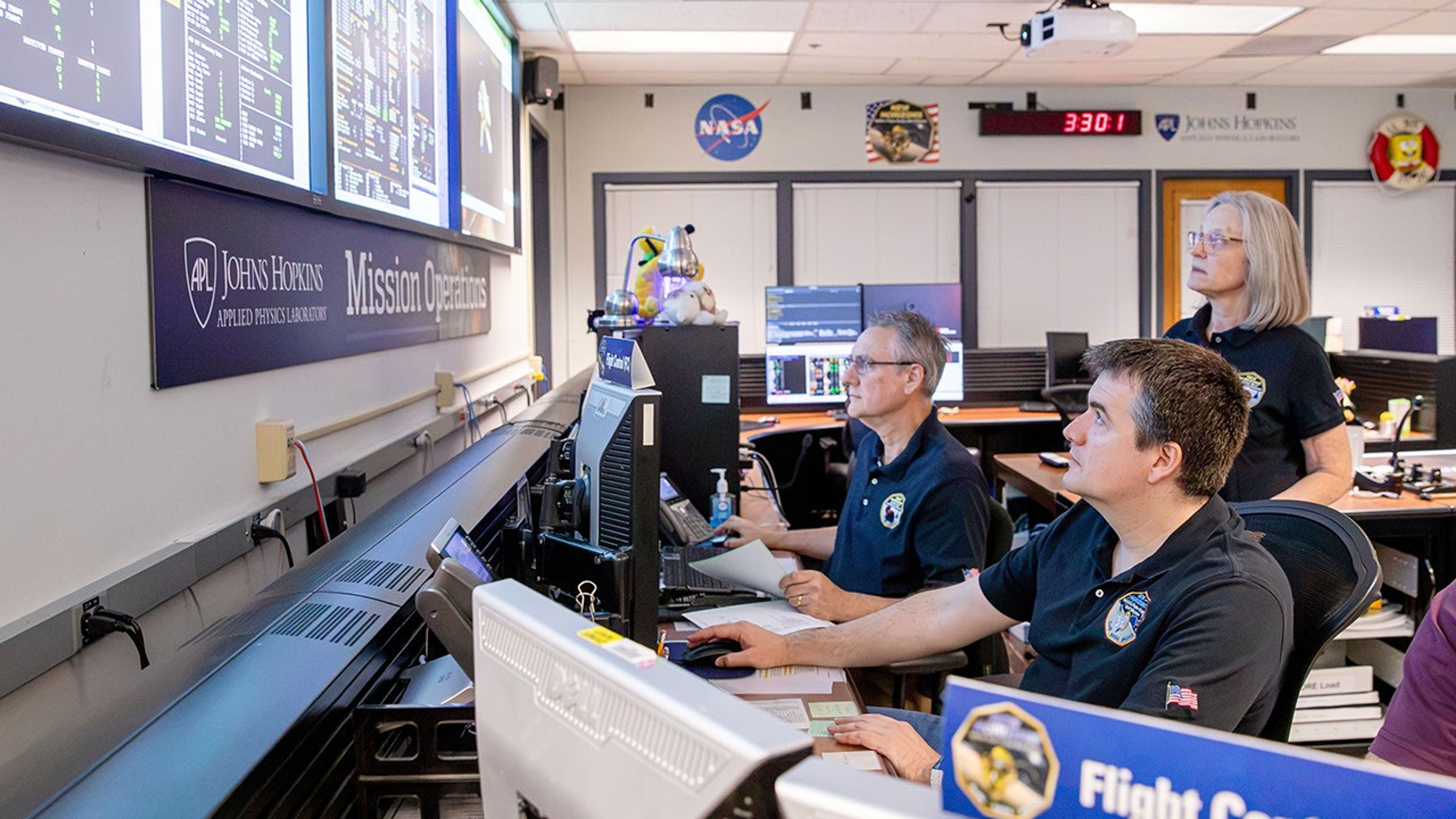
Flight operators at computers in a mission control center monitor spacecraft data on large wall displays.
From left, flight controllers Mark Lahr and Josh Albers, and Mission Operations Manager Alice Bowman, monitor telemetry streaming from NASA’s New Horizons spacecraft to the mission operations center at the Johns Hopkins Applied Physics Laboratory in Laurel, Maryland, on June 24, 2026. Now approximately 5.9 billion miles (9.5 billion kilometers) from Earth, New Horizons is ready to begin transmitting science data after being awakened from its longest ever, nearly yearlong hibernation period.
NASA/Johns Hopkins APL/SwRI/Justin Gladden

On June 23, flight controllers at the Johns Hopkins Applied Physics Laboratory (APL) in Laurel, Maryland, confirmed New Horizons, acting on stored commands uplinked to its main computer last July, had safely awakened from a 321‑day hibernation period that began Aug. 7. With the spacecraft now approximately 5.9 billion miles (9.5 billion kilometers) from Earth, the radio signals carrying that confirmation took about 8 hours and 52 minutes to reach the APL Mission Operations Center via NASA’s Deep Space Network station near Madrid, Spain.

The mission team typically places New Horizons in resource‑saving hibernation mode during long cruise periods. While the spacecraft is hibernating, operators do not send commands or retrieve data, but the spacecraft continues gathering and storing data around the clock from its heliospheric plasma sensors, Solar Wind at Pluto and the Pluto Energetic Particle Spectrometer Science Investigation, as well as its space dust detector, the Venetia Burney Student Dust Counter.

Alice Bowman, the New Horizons mission operations manager at APL, said the spacecraft reported back to Earth, via the Deep Space Network, with a weekly status beacon. “Every status report through this hibernation period was ‘green,’ meaning all was well aboard New Horizons each and every week,” she said.

As New Horizons resumes active operations, Bowman noted, the team will begin downlinking spacecraft health and safety data, followed by data from the three scientific instruments. In about three weeks, the spacecraft’s onboard Alice ultraviolet spectrograph will look at the hydrogen gas distribution in the outer heliosphere, while the Solar Wind at Pluto, the Pluto Energetic Particle Spectrometer Science Investigation, and the Venetia Burney Student Dust Counter instruments continue their measurements, and the ground team conducts a series of spacecraft and instrument checkouts.

The team also is completing upgrades to the ground‑system software that will make it easier to maintain operations of the spacecraft. Tests are already underway and are expected to continue through the year.

New Horizons is operating on updated autonomy logic designed for operations farther from the Sun and to accommodate the expected reduction in power and the naturally occurring increase in radio‑signal travel time.

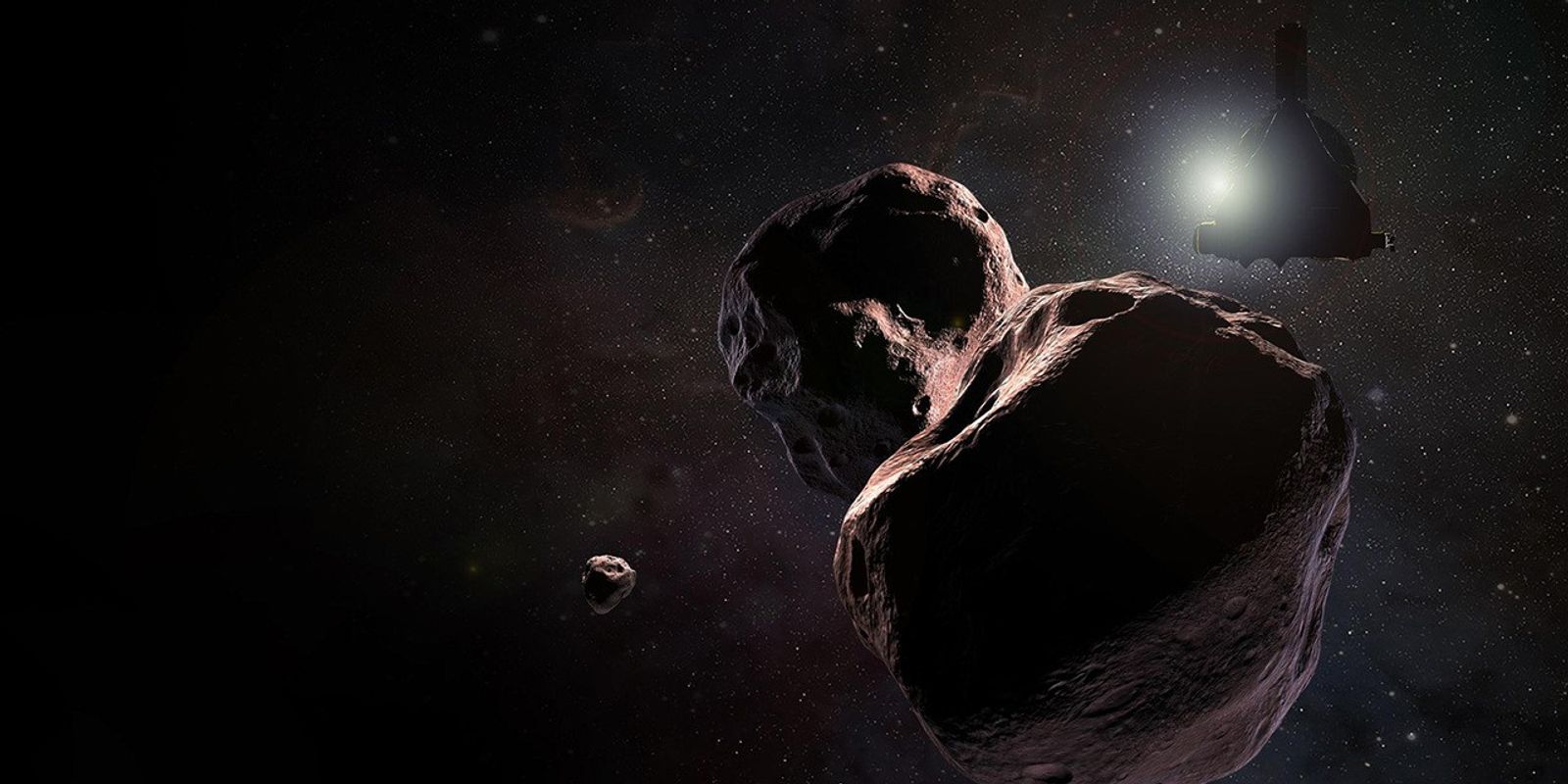
The NASA spacecraft’s exploration of this distant region of the solar system marks the latest step in a journey that began in January 2006 with the fastest launch on record; a flyby of Jupiter in February 2007 that included stunning views of the gas giant and its moons; the first exploration through the Pluto system in July 2015; the first exploration of a Kuiper Belt object, Arrokoth, in January 2019, and unique studies of the Sun’s outer heliosphere and dozens of additional Kuiper Belt objects since then.

For more information on NASA’s New Horizons mission, visit:

https://science.nasa.gov/mission/new-horizons/

  •  

In Europe, Tesla Sales Are Rising Despite Views on Elon Musk

Price cuts and low-interest-rate loans are luring buyers, including people offended by the company’s chief executive.

© Michael Nguyen/NurPhoto, via Associated Press

A Tesla Supercharger station in Germany. Tesla’s sales have rebounded sharply in Europe alongside sales of all electric cars.
  •  

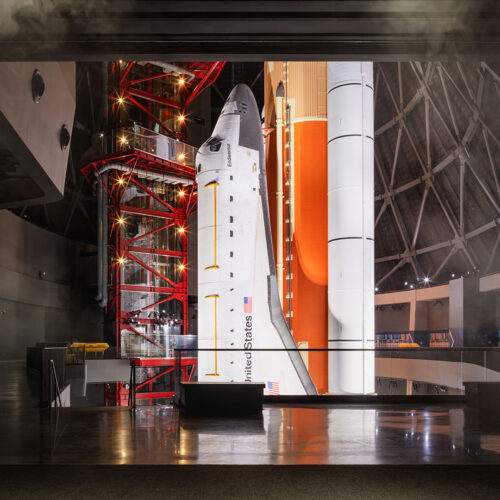
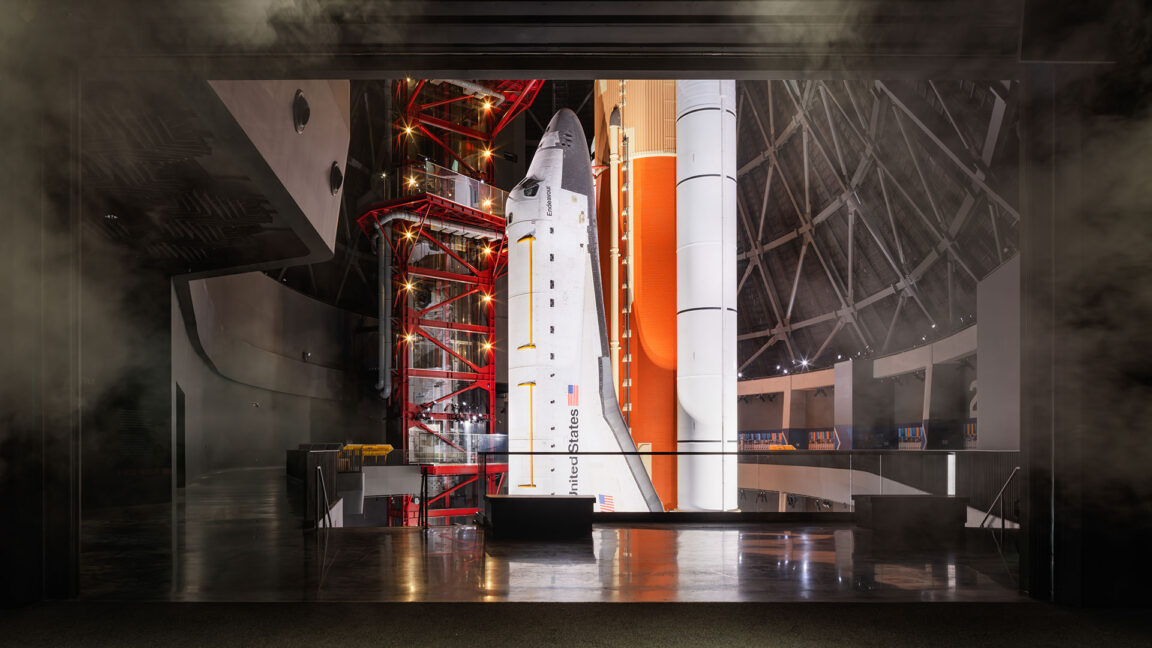
We got a sneak peek of the final space shuttle set to go on public display

There are some sights in this world that no photograph can truly capture.

Think of the rolling ribbons of the aurora in the northern and southern skies, the depth and breadth of the Grand Canyon, or the sense of immersion when diving on the Great Barrier Reef. Astronauts will tell you that not even large-format cameras can truly capture the blackness of outer space or the majesty that is our planet as seen from orbit or beyond.

It's not every day that a new one of those sights debuts. But such will be the case on Friday, November 13, when the California Science Center in Los Angeles finally reveals the launch-pad-like display of the space shuttle Endeavor inside the new Samuel Oschin Air and Space Center.

Read full article

Comments

© California Science Center/Mike Kelley

  •  

Asylum Accommodation is Ripping off the Taxpayer 

Asylum accommodation costs have more than trebled to over £15 billion and made a billionaire out of Clearsprings owner Graham King. This scandalous racket needs to end, says Madeleine Gillies.

The post Asylum Accommodation is Ripping off the Taxpayer  appeared first on The Daily Sceptic.

  •  

A “Magical” Ancient Curse Artifact Turned Up in an Unexpected Location—and in the Wrong Language

A “cursed” ancient Roman tablet, intended to invoke divine and demonic wrath upon one’s enemies, has been deciphered by researchers at Heidelberg University in Germany.

The magical lead tablet, originally discovered by Dutch archaeologists in the Netherlands, was crafted in the second century AD. Strangely, it is written in ancient Greek, although in an Egyptian style, rather than the Latin that would be expected for what was then a Roman province of Lower Germania.

Today, the excavation site within the city of Heerlen in the southeast of the Netherlands, near the German border, is home to the country’s largest ancient Roman ruins.

Curse Tablets

The object is not entirely unique, as it belongs to a category of curse tablets called katadesmoi in Greek and defixiones in Latin. The Greeks and Romans believed that cold, heavy iron was especially useful in binding supernatural entities, making it the go-to material for crafting such objects.

As this artifact’s material was both cold and heavy, it reminded ancient people of the bleak underworld. Additionally, lead is also easy to work with in practice, as it is both inexpensive and easy to inscribe.

These small tablets were typically inscribed with curses and then buried, with the intention of bringing misfortune upon rivals in matters of sport, law, or love.

At the time the tablet was created, Heerlen was a Roman military settlement known as Coriovallum. Dutch archaeologists unearthed the 9.3-by-4.8-centimeter katadesmos from a pit beneath the former town square.

Deciphering an Ancient Curse

Researchers at the University of Heidelberg’s Institute for Papyrology used reflectance transformation imaging, a technique that combines photographs taken under different lighting conditions to enhance subtle surface details. Their analysis revealed three distinct types of characters within the inscription.

The combination of Egyptian-style invocations of deities and demons written in ancient Greek is highly unusual for a region where Latin was the dominant written language. Also notable are three symbols known as “Characteres”—magical symbols believed to facilitate communication with supernatural entities—along with two male and two female names.

Dr. Rodney Ast, Academic Director of the Institute for Papyrology, suggests that these four individuals were either the targets of the curse or those on whose behalf it was created. However, Dr. Julia Lougovaya, a research associate at the institute, notes that the male names are Latin while the female names are Greek, a distinction that may hold additional significance.

“It cannot be ruled out that one of the two women was the author of the inscription and had brought the supposed ability to communicate with divine powers through such curses with her from Roman Egypt,” said Dr. Lougovaya.

Ancient Magical Practices

Magic played an important role in Egyptian society, where rituals aimed at healing and protection formed a visible part of religious life, while malicious spells were typically practiced more discreetly.

“In the early centuries A.D., Near Eastern, Egyptian, Jewish, and sometimes even Christian traditions increasingly merged and spread throughout the entire Roman Empire of that time – a development that the discovery from Heerlen impressively underscores,” explained Prof. Joachim Quack, Director of the Institute for Egyptology at Heidelberg University.

A forthcoming scholarly publication will provide the full transcription of the inscription and details of the analysis. The tablet is also scheduled to go on display at a museum in Heerlen in the future.

Ryan Whalen covers science and technology for The Debrief. He holds an MA in History and a Master of Library and Information Science with a certificate in Data Science. He can be contacted at ryan@thedebrief.org, and follow him on Twitter @mdntwvlf.

  •  

Slate Auto’s electric truck starts at $24,950 with 205 miles of range

Slate Auto, the EV startup backed by Jeff Bezos, finally revealed pricing for its bare-bones electric truck today: $24,950 to start. The company opened preorders the same day.

Slate also boosted the base model’s estimated range from 150 miles to around 205 miles, making the price look even better against a US new-car market where almost nothing starts under $30,000.

  •  

Fusobacterium periodonticum Spurs Colorectal Cancer via Decanoic Acid

In a groundbreaking study published in Nature Communications, researchers have illuminated a critical link between Fusobacterium periodonticum and the progression of colorectal cancer, unveiling a complex biochemical pathway that involves decanoic acid-mediated neutrophil chemotaxis. This discovery adds a significant piece to the puzzle of how microbial influences within the gut microenvironment contribute to tumorigenesis, potentially opening new avenues for targeted therapies against colorectal cancer.

Colorectal cancer is among the leading causes of cancer-related mortality worldwide, and although genetic factors and lifestyle influences have been extensively studied, the role of the gut microbiota has only recently come to the forefront. The study conducted by Jia, Jiang, Gong, and colleagues delves deeply into the mechanistic interactions between a specific bacterial species, Fusobacterium periodonticum, and the host immune landscape, highlighting a novel metabolic crosstalk that accelerates tumor development.

Fusobacterium periodonticum, traditionally associated with oral biofilms and periodontal disease, has increasingly been detected in colorectal cancer tissues, but its precise role in cancer biology remained unclear until now. The researchers demonstrate that this bacterium secretes decanoic acid, a medium-chain fatty acid, which acts as a chemoattractant, mobilizing neutrophils to the site of tumor inception. Neutrophils, while pivotal in innate immunity, paradoxically can induce pro-tumorigenic inflammation under certain conditions.

By employing an integrative approach combining metagenomic analyses, metabolomics, and in vivo murine models, the team traced the cascade from bacterial colonization to immune recruitment and revealed that decanoic acid engages specific chemokine receptors on neutrophils. This interaction fosters a microenvironment rich in inflammatory mediators, growth factors, and oxidative stress, all of which potentiate malignant transformation and tumor growth.

The significance of neutrophils in cancer progression is increasingly recognized, but the finding that a bacterial metabolite directly drives neutrophil chemotaxis in the colorectal milieu establishes a new paradigm. Unlike conventional chemoattractants, decanoic acid appears to uniquely modulate neutrophil behavior, enhancing their recruitment and activation state, which in turn exacerbates tissue remodeling and genomic instability within epithelial cells.

This intricate host-microbe dialogue also implicates metabolic dysregulation as a driving force. The elevated levels of decanoic acid in the tumor microenvironment underscore how bacterial metabolism intersects with host pathways, creating conditions unfavorable for normal tissue homeostasis and favorable for neoplastic transformation. The researchers adeptly demonstrate that blocking the receptors responsive to decanoic acid attenuates neutrophil infiltration and reduces tumor burden in experimental models, underscoring therapeutic potential.

Further dissection of the immune milieu revealed that neutrophils recruited by decanoic acid secrete a spectrum of cytokines and chemokines that recruit additional immune and stromal cells, contributing to a chronic inflammatory state. This inflammation not only supports tumor cell proliferation but also promotes angiogenesis and suppresses adaptive immune responses, thereby facilitating immune evasion.

The clinical implications of these findings are manifold. Understanding the role of Fusobacterium periodonticum and its metabolic products in colorectal tumorigenesis invites consideration of microbiota-targeted interventions. Strategies such as selective antibiotics, probiotics to restore microbial balance, or small molecules that inhibit decanoic acid signaling might serve as adjuncts to conventional chemotherapy or immunotherapy.

Indeed, the intersection between microbial ecology and cancer biology posits a compelling narrative wherein microorganisms are not mere bystanders but active participants orchestrating complex pathophysiological processes. The decanoic acid-driven recruitment of neutrophils exemplifies how microbial metabolites can hijack immune mechanisms, turning protective responses into facilitators of malignancy.

Moreover, the identification of decanoic acid as a pivotal mediator expands the landscape of oncogenic metabolites beyond the commonly studied short-chain fatty acids, introducing medium-chain fatty acids as critical players in tumor-immune dynamics. This underscores the importance of integrating metabolomic profiling in cancer research to uncover previously underappreciated biochemical pathways.

From a diagnostic perspective, elevated decanoic acid or markers of neutrophil activation within colorectal tissues or patient serum samples might serve as biomarkers for early detection or risk stratification. The specificity imparted by the involvement of Fusobacterium periodonticum offers a microbiota-based signature that could refine personalized medicine approaches.

The authors highlight the translational potential of targeting the decanoic acid-neutrophil axis. For instance, developing receptor antagonists or neutralizing antibodies that mitigate neutrophil chemotaxis may diminish pro-tumor inflammation without compromising host defense. Such therapies could synergize with immunomodulatory agents to reinvigorate anti-tumor immunity.

Beyond colorectal cancer, these findings prompt reevaluation of Fusobacterium periodonticum’s role in other inflammatory or neoplastic conditions associated with mucosal surfaces. The paradigms unveiled here may be applicable to understanding microbiota-driven pathogenesis in other cancers or chronic inflammatory diseases, hinting at broader biomedical relevance.

The robust experimental framework of this study, which ranges from bacterial culture to patient-derived samples and genetically engineered mouse models, strengthens the causal link and positions it as a cornerstone for future investigations. The detailed mechanistic insights provide a platform for exploring combinatorial therapies that integrate microbial manipulation and immune modulation.

In sum, Jia et al. have charted a novel territory in cancer research by elucidating how a bacterial species long recognized for its role in oral health can influence colorectal carcinogenesis through a metabolite-mediated immune recruitment mechanism. This work exemplifies the power of interdisciplinary research bridging microbiology, immunology, and oncology to unravel complex disease processes.

As research continues to unravel the intricate dance between microbiota and host immunity, the elucidation of pathways like the decanoic acid-driven neutrophil chemotaxis reaffirms the critical role of the microbiome in health and disease. Ultimately, this knowledge holds promise for innovative cancer prevention strategies that target the microbial ecosystem alongside human cells.

The implications of this research resonate beyond the laboratory, raising compelling questions about dietary modulation, microbiome management, and personalized interventions that could transform cancer prognosis. Understanding the forces that drive tumorigenesis at the intersection of microbes and immune cells is not just an intriguing scientific pursuit but a critical step toward conquering a major human health burden.

Subject of Research:
The study focuses on the interaction between Fusobacterium periodonticum and neutrophil chemotaxis mediated by decanoic acid, with implications for colorectal tumorigenesis.

Article Title:
Fusobacterium periodonticum promotes colorectal tumorigenesis via decanoic acid-driven neutrophil chemotaxis.

Article References:
Jia, X., Jiang, L., Gong, Y. et al. Fusobacterium periodonticum promotes colorectal tumorigenesis via decanoic acid-driven neutrophil chemotaxis. Nat Commun (2026). https://doi.org/10.1038/s41467-026-74591-y

Image Credits: AI Generated

  •  

NGSO trade association launches without industry giant SpaceX

A composite image of 33 exposures captures reflective Starlink satellites, making them appear to streak over the sky of southern Brazil. Credit: NASA / Egon Filter

Amazon and several other non-geostationary satellite operators have formed a trade association to represent their fast-growing market, with SpaceX notably absent despite having by far the largest NGSO constellation.

The post NGSO trade association launches without industry giant SpaceX appeared first on SpaceNews.

  •  

Starlink Flights: Descubra se o seu próximo voo tem WiFi da Starlink a bordo antes de embarcar

Com mais de 155.000 observações reais de voos, o Starlink Flights identifica quais as companhias aéreas e aeronaves que já têm o serviço de internet via satélite da SpaceX instalado a bordo.

The post Starlink Flights: Descubra se o seu próximo voo tem WiFi da Starlink a bordo antes de embarcar appeared first on Tek Notícias.

  •  

The Truth About the “Brains Behind Burnham”

"Is Miatta Fahnbulleh the brains behind Burnham?" asks the New Statesman this week, even coining the term "Fahnbullehism". No, says Charlotte Gill: it's the brains behind Fahnbulleh that we need to be looking at.

The post The Truth About the “Brains Behind Burnham” appeared first on The Daily Sceptic.

  •  
❌