❌

Reading view

Stymied datacentre projects threaten global AI revolution

Large-scale datacentre projects around the world are being challenged or cancelled, as infrastructure’s energy demands ramp up

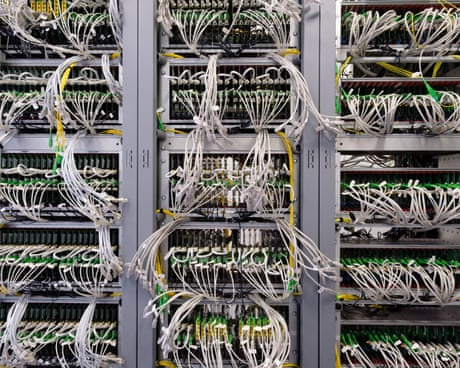
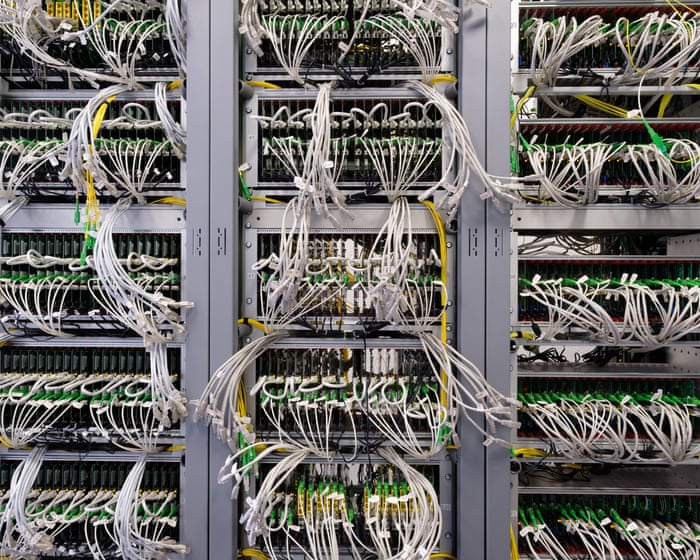
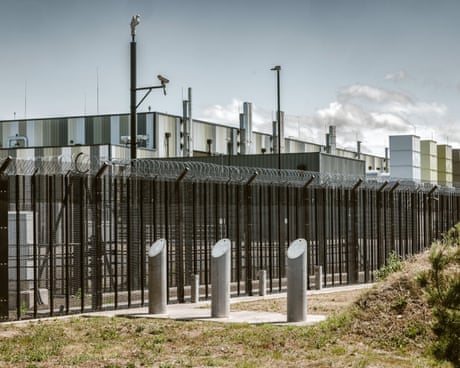
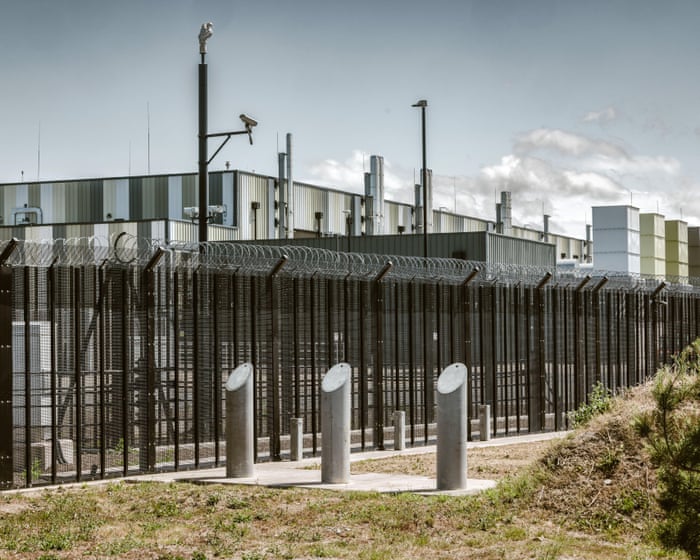
Datacentre planning proposals face all kinds of hurdles, from securing energy supply to high construction costs. But the 2,000 acre Prince William Digital Gateway site in the US state of Virginia had another problem: its proximity to a Civil War battlefield.

“If the development is allowed to proceed, the solemn nature of this historic site would become marred by sitting in the shadow of the monstrous datacentres, along with their associated electrical infrastructure,” said one legal brief against the plans.

Continue reading...

© Photograph: Horst Friedrichs/Alamy
© Photograph: Horst Friedrichs/Alamy
© Photograph: Horst Friedrichs/Alamy
  •  

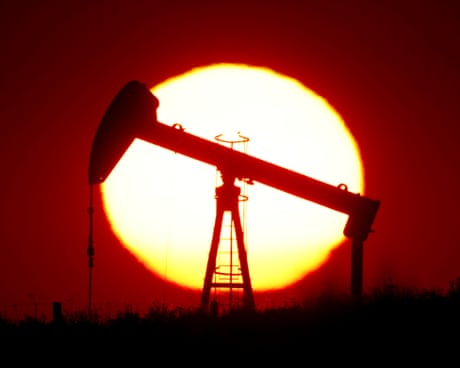
Fuel on the fire: why oil companies are profiting as the world gets dangerously hot

The scientific consensus is that burning fossil fuels drives the climate crisis, yet the world’s biggest oil companies are planning to increase production

As the world swelters in ever more dangerous heat, why are oil companies being allowed to turn up the gas instead of paying for the consequences of their greed?

That ought to be the question on everyone’s minds amid baking heat domes over much of the northern hemisphere, temperature records being smashed day after day, children dying in locked cars, hospitals filling with heatstroke victims and emergency services tackling wildfires.

Continue reading...

© Photograph: Christian Hartmann/Reuters

© Photograph: Christian Hartmann/Reuters

© Photograph: Christian Hartmann/Reuters

  •  

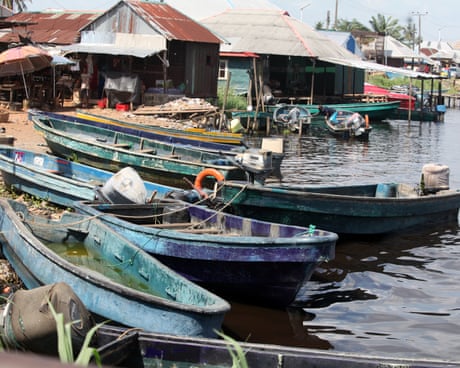
Smoke, soot and toxic fumes: Nigerian families living in shadow of burning oil well six years after blowout

Villagers in Awoye in the Niger Delta say the ongoing pollution is causing sickness and environmental destruction, while pleas for help go unanswered

Perched on a narrow hospital cot across from her son, Bodunwa Orugbemi can hear the distant Atlantic Ocean and smell the stench of crude oil on the air drifting in from the shore. For days, her 21-year-old son has been lying in this hospital in the Niger Delta, swallowing small spoonfuls of food without being able to speak.

Seventy‑year‑old Orugbemi says Ijadopin started coughing one evening in May, inside their small wooden home in Awoye on Nigeria’s Atlantic coastline. After a few days his cough intensified, then he developed a skin irritation, followed by difficulty breathing.

Continue reading...

© Photograph: NurPhoto/Getty Images

© Photograph: NurPhoto/Getty Images

© Photograph: NurPhoto/Getty Images

  •  

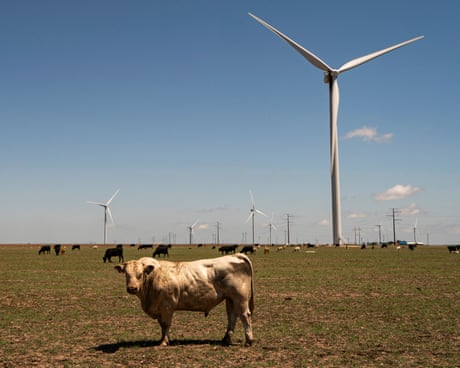
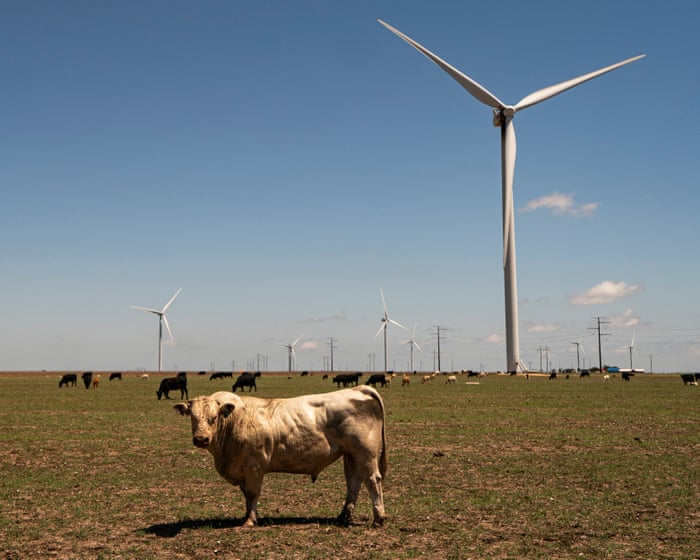
‘Why take those jobs away?’: the unionized workers decrying Trump’s war on wind

Workers proud of their efforts to grow renewable energy say US president pursuing ‘personal vendetta’ at their expense

Donald Trump has blamed everything – from “national security” issues, the deaths of birds and whales, and cancer – in his decades-long campaign against windfarms. But as the Trump administration continues to undermine the industry, what worries workers most are their jobs.

Since taking office for a second term, Trump has issued an executive order aiming to halt all wind-energy leases and permits, attempted to issue stop-work orders on wind projects under construction, and paid more than $2.6bn in settlements to buy out wind energy leases. And hundreds of workers have been affected.

Continue reading...

© Photograph: Al Drago/Getty Images

© Photograph: Al Drago/Getty Images

© Photograph: Al Drago/Getty Images

  •  

New pipeline in Canada to proceed after C$150bn pledged to ease BC and First Nations concerns

Port expansion and protections for whales part of BC and Alberta plan to expand country’s presence overseas

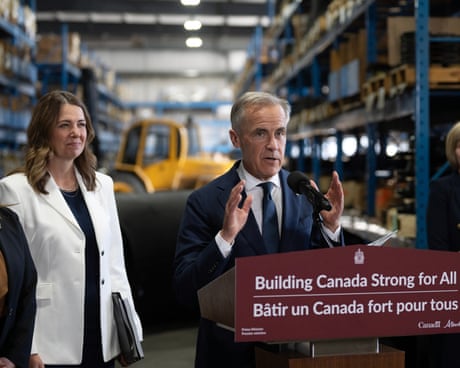
The governments of Canada and the province of Alberta will move forward on a major new oil pipeline after the pair announced a plan to ease concerns of British Columbia and First Nations on the Pacific coast.

Canada’s prime minister, Mark Carney, shuttled between British Columbia and Alberta on Thursday to announce more than C$150bn in new investments in both provinces, part of a broader project of reducing trade with the United States and expanding his country’s presence in overseas markets.

Continue reading...

© Photograph: Canadian Press/Shutterstock

© Photograph: Canadian Press/Shutterstock

© Photograph: Canadian Press/Shutterstock

  •  

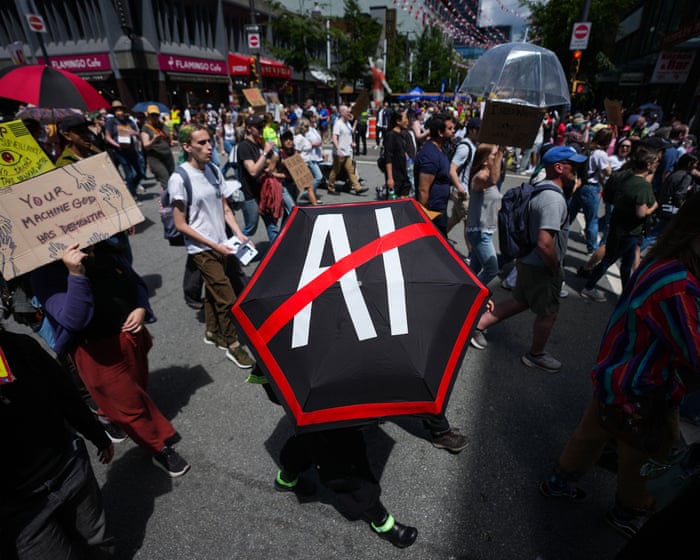
We can live without AI, but can we live without clean water? | Letters

Readers respond to an article about Erin Brockovich’s battle against datacentres and voice their fears for the environment

What are the benefits obtained from AI’s massive use of electricity and water (‘We’re up against forces that have all the money in the world’: Erin Brockovich on her battle against AI datacentres, 29 June)? Analysis shows that the top four uses of AI are “therapy/companionship”, “technical assistance and troubleshooting”, “fun and nonsense”, and “fan fiction and storytelling”.

AI use for therapy, and due to loneliness, appears not to reduce loneliness. AI provides affirmation, but at the expense of reducing the social skills needed to interact in the real world. Teachers report that students’ use of AI reduces their capacity for critical thinking.

Continue reading...

© Photograph: Canadian Press/Shutterstock

© Photograph: Canadian Press/Shutterstock

© Photograph: Canadian Press/Shutterstock

  •  

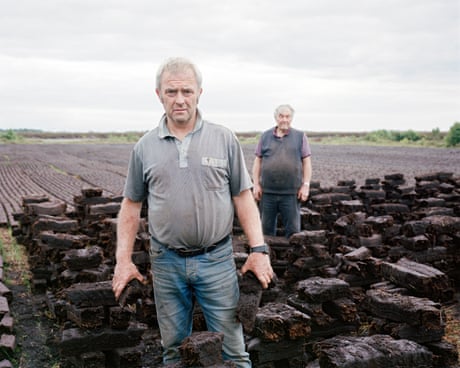
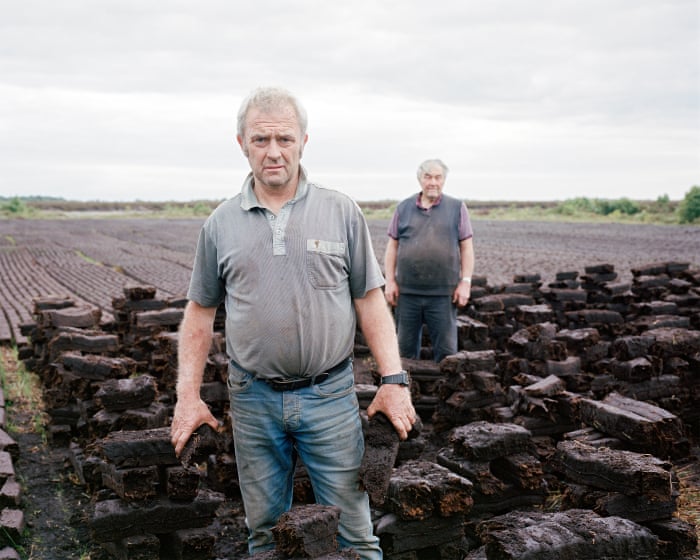
Documenting Ireland’s vanishing boglands: ‘They hold millennia in their layers’

Photographer Shane Hynan explores the tension between the central role peat bogs play in Irish life and their wider environmental impact

“You can read Ireland’s history in the boglands. They hold millennia in their layers,” says photographer Shane Hynan of his project, Beofhód (meaning Beneath in English).

The boglands, known as portachs in Irish, cover roughly 1.2m to 1.5m hectares or about 14% to 17% of the country’s total land area. The raised bogs of the Irish Midlands are made of peat that forms at a rate of 1mm a year (0.04in) in low-lying, poorly drained basins or former lakes. As the historical geographer Kevin Whelan observes in the Atlas of the Irish Rural Landscape, “the bog has been etched as deeply into the human as into the physical record in Ireland – to an extent unrivalled elsewhere.”

Eddie and Con footing turf for domestic use, Knockirr Bog, County Kildare, 2022.

Continue reading...

© Photograph: Shane Hynan

© Photograph: Shane Hynan

© Photograph: Shane Hynan

  •  

Can we electrify the world? Ambition moves from nerdish backwater to centre stage

Apart from effort to electrify, there were geopolitical tensions around climate science and the 1.5C goal at pre-Cop31 climate talks

Electrifying the world – with electric vehicles, electric heating and cooling, and modernised heavy industry – could be the next biggest step towards phasing out fossil fuels, replacing the 80% of global energy that still comes from hydrocarbons. As using electrical energy is much more efficient than combustion, the move would save billions of dollars for consumers and businesses – global energy demand could be halved, according to one estimate.

For decades, electrification has been a nerdish backwater of global climate action. But in the last two weeks, at preparatory talks in Bonn before the forthcoming UN Cop31 climate summit, the subject finally took centre stage.

Continue reading...

© Photograph: Filip Singer/EPA

© Photograph: Filip Singer/EPA

© Photograph: Filip Singer/EPA

  •  

Spanish households save €10 a month thanks to renewables expansion, report finds

Thinktank says decoupling electricity from gas prices has also helped shield Spain from hikes caused by Iran war

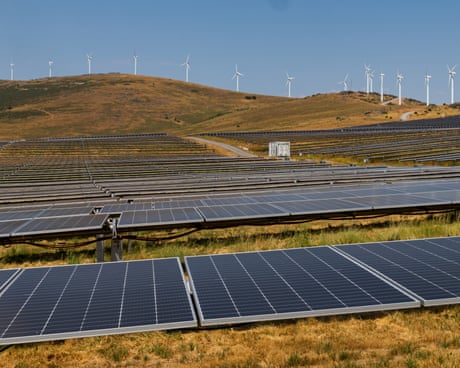
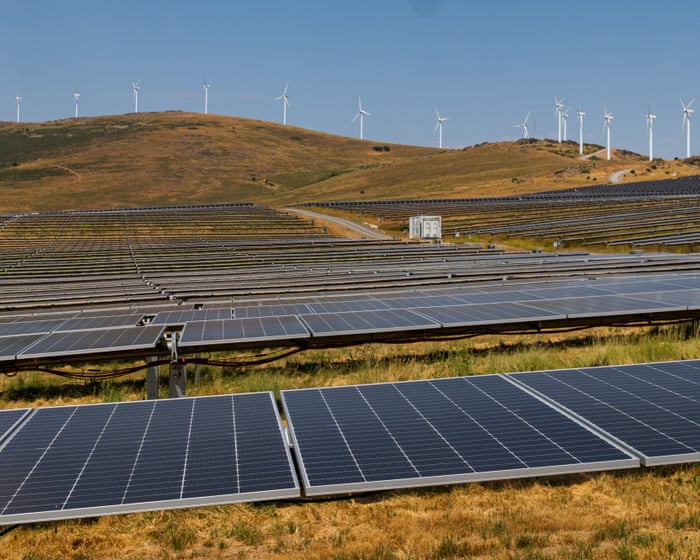
Spanish households save €10 a month on electricity bills because of wind turbines and solar panels installed in the last five years, a report has found.

Typical energy bills would be 19% more expensive if electricity costs were still as tightly coupled to gas prices as in 2021, according to Ember, a climate thinktank. It found Spain’s “strategic” expansion of renewables since Russia invaded Ukraine in 2022 has shielded Spanish households from the latest rises in fossil fuel prices caused by the Iran war.

Continue reading...

© Photograph: Bloomberg/Getty Images

© Photograph: Bloomberg/Getty Images

© Photograph: Bloomberg/Getty Images

  •  

Australia can switch from fossil fuel exports to renewables, says next Cop president

Climate minister Chris Bowen says country must prepare for changing world and can play bigger role in reducing emissions

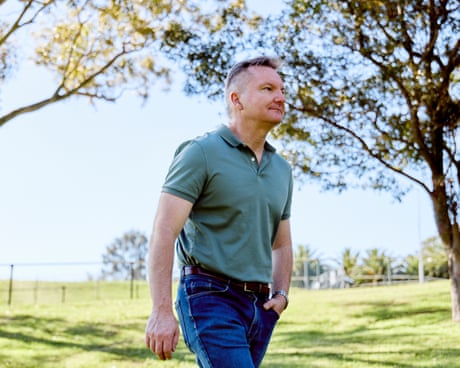
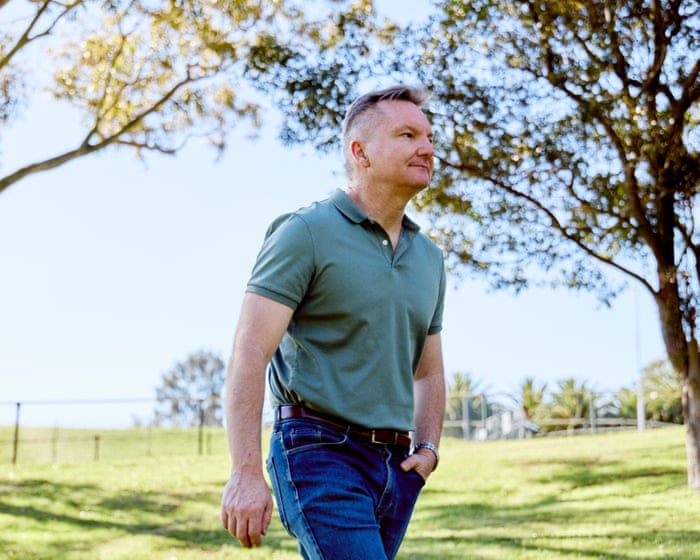
Australia will find exporting fossil fuels increasingly difficult but can switch to exporting clean energy products, the president of the next UN climate negotiations has declared.

Speaking at a climate conference in Bonn, Germany, Chris Bowen, Australia’s minister for climate change and energy, argued his country had led the global push to “transition away from fossil fuels” – based on the rapid growth of renewable energy and batteries in its domestic power grids – and that its economy could manage the switch.

Continue reading...

© Photograph: Bec Lorrimer/The Guardian

© Photograph: Bec Lorrimer/The Guardian

© Photograph: Bec Lorrimer/The Guardian

  •  

‘Electrify daily life’, urges Cop31 host

Third of world’s energy needs should come from electricity by 2035, says Murat Kurum, as priorities set out for this year’s UN climate summit

The world should aim to meet a third of its energy needs from electricity within a decade to cut greenhouse gas emissions, the host of the next UN climate summit has said.

While about a third of global electricity generation already comes from renewable sources, other energy-intensive sectors – chiefly transport, heating and industries – have lagged behind. Close to four-fifths of final energy still comes from fossil fuels, as a result.

Continue reading...

© Photograph: Images By Tang Ming Tung/Getty Images

© Photograph: Images By Tang Ming Tung/Getty Images

© Photograph: Images By Tang Ming Tung/Getty Images

  •  

World’s first wind-powered underwater datacentre starts operating in China

Datacentre off Shanghai coast uses less power and water than land-based equivalent

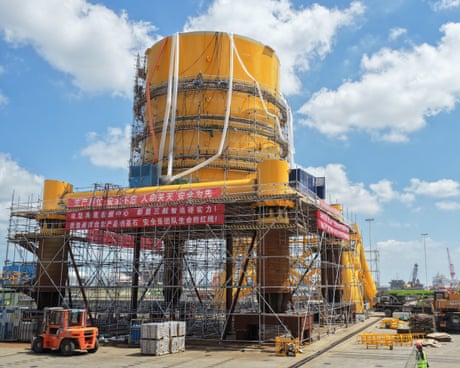
The world’s first wind-powered underwater datacentre has started operations off the coast of Shanghai, as China presses forwards with solutions for energy challenges created by the country’s artificial intelligence boom.

The Shanghai Lingang undersea datacentre demonstration project, which launched in May, has a capacity of 24 megawatts. It is a joint effort between HiCloud Technology and China Communications Construction, a state-owned company.

Continue reading...

© Photograph: AFP/Getty Images

© Photograph: AFP/Getty Images

© Photograph: AFP/Getty Images

  •  

Scramble for biofuel as oil prices rise ‘could push world closer to food crisis’

Experts say increased use of crops for fuel is ‘dangerous game’ that could send food price inflation soaring

Demand for biofuels is likely to leap by nearly a third this year, which could send food price inflation soaring further and push the world closer to a global food crisis.

More countries are opting to increase biofuel use as the price of oil has jumped to nearly $100 a barrel after the US-Israeli attacks on Iran and the closure of the strait of Hormuz.

Continue reading...

© Photograph: Brazil Photos/LightRocket/Getty Images

© Photograph: Brazil Photos/LightRocket/Getty Images

© Photograph: Brazil Photos/LightRocket/Getty Images

  •  

Trump uses wartime powers to dole out $700m to ‘clean, beautiful’ coal

US president announces plans for two new coal plants, in Alaska and West Virginia, using Defense Production Act

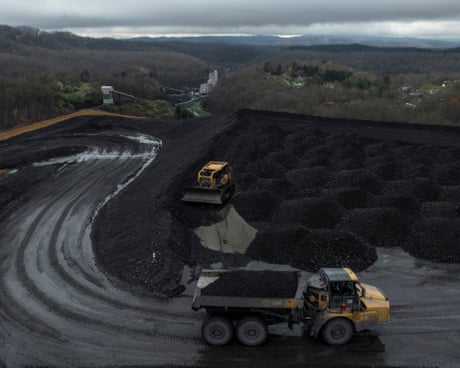
Donald Trump is using wartime presidential authority to hand $700m to coal-fired power plants in the US, the latest move by the president to bolster what he called “clean, beautiful coal”, despite it being the dirtiest of fossil fuels.

“Today, we’re taking historic action to bring down the price of energy and the cost of living for all Americans with the power of clean, beautiful coal,” he said at a press conference on Thursday.

Continue reading...

© Photograph: Adrees Latif/Reuters

© Photograph: Adrees Latif/Reuters

© Photograph: Adrees Latif/Reuters

  •  

‘Happiness is not just about GDP’: ambitious plan or utopia?

Some will question its credibility – but the alternative future to the one imagined in the Global Justice Report is far more bleak

In our increasingly dystopian world, who wouldn’t want to at least be open to a utopian antidote? The Global Justice Report, published on Thursday, outlines how to build a prosperous, equitable world within safe planetary boundaries. It’s a push from the modern eco-socialist left in a global battle for ideas that will shape the future.

Based on past social achievements and future energy transformation, it indicates that the overwhelming majority of people on the planet could, by the end of the century, work less and earn more – while keeping temperatures down and avoiding much of the current destruction of nature. It is an ambitious, comprehensive and upbeat plan, and a stronger argument around which to build a political campaign than abstract goals of net zero or decarbonisation.

Continue reading...

© Photograph: Emmanuel Croset/AFP/Getty Images

© Photograph: Emmanuel Croset/AFP/Getty Images

© Photograph: Emmanuel Croset/AFP/Getty Images

  •  

The household battery revolution that could change energy bills … and the world

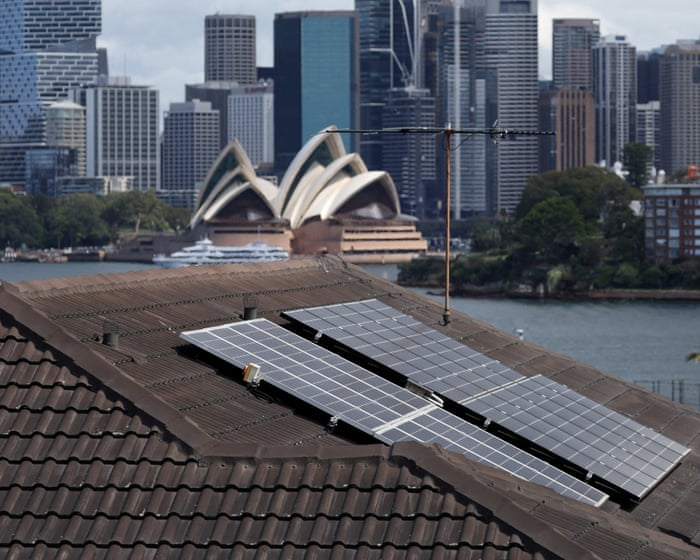
Australia is pioneering a revolution in home renewables and battery use, proving what is possible with the right policies

The timing was rich with symbolism. As intense heatwaves pummelled Europe and Asia, and oil markets around the world leapt and sputtered, the two big chimneys of one of Australia’s largest power stations were being demolished. Meanwhile, the Australian energy minister was holding a media conference to hail a fall of up to 10% in the benchmark electricity price in parts of the country.

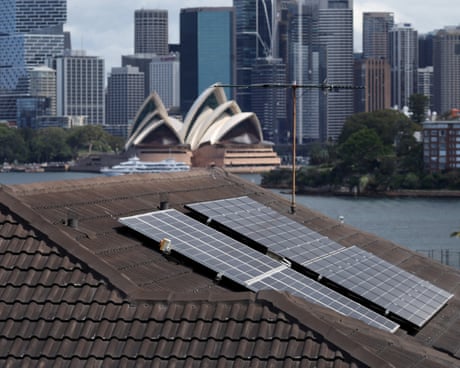
Quietly, and with surprisingly little fanfare from the rest of the world, Australia is pioneering a revolution in home renewables and battery use, proving what is possible with the right policies. The country was already one of the global leaders in domestic solar power, with panels on one in three homes. It also remains, however, a major contributor to the climate crisis through its vast fossil fuel exports. But it is batteries that are giving Australia a new burst of speed.

Continue reading...

© Photograph: Hollie Adams/Reuters

© Photograph: Hollie Adams/Reuters

© Photograph: Hollie Adams/Reuters

  •  

Why $1bn in Balkans energy contracts are going to an obscure company connected to Donald Trump

Guardian investigation shows how US presidency blurs line between policy and enrichment of American ruling family and those around it

On a graffitied Sarajevo backstreet, a path leads past an overgrown patch of garden to a white door. Beyond is the registered office of a company that is on the brink of winning contracts worth more than $1bn.

AAFS Infrastructure and Energy is close to securing a concession to build and operate a pipeline across the Balkans to allow fossil gas shipped from the US to replace supplies that come from Russia. “This could be the most important infrastructure project ever in Bosnia and Herzegovina,” says one of the country’s top officials, who, like others, asks to remain anonymous to discuss sensitive negotiations.

Continue reading...

© Photograph: AFP/Getty Images

© Photograph: AFP/Getty Images

© Photograph: AFP/Getty Images

  •  

‘Hidden datacentre tax’ costing Irish households millions, report says

Datacentres used 22% of country’s electricity last year, pushing up household bills, study suggests

Energy demand by datacentres in Ireland has added hundreds of euros to household electricity bills in a pattern that could be replicated across Europe, according to a report.

Ireland’s growing number of datacentres last year used 22% of the country’s electricity, more than all urban homes combined, according to the Central Statistics Office. The equivalent figure in the US and UK is 6%.

Continue reading...

© Photograph: Sergio Azenha/Alamy
© Photograph: Sergio Azenha/Alamy

© Photograph: Sergio Azenha/Alamy

  •  

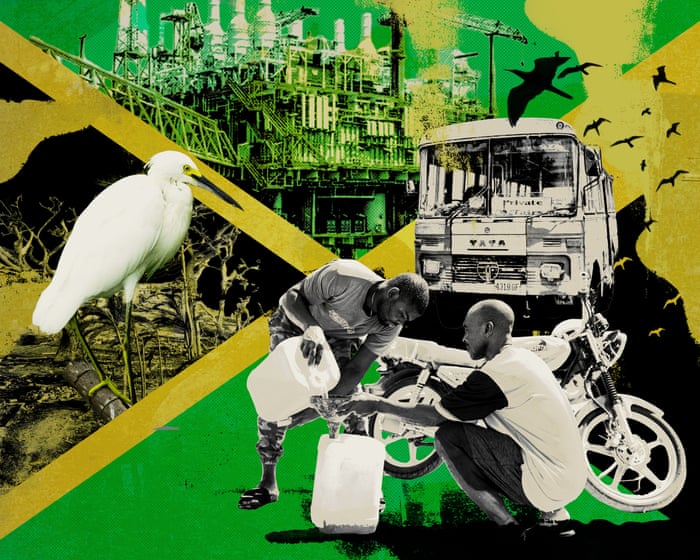
The race for oil: will Jamaica be the next country to drill and what does that mean for its green pledges?

With early tests suggesting the presence of crude oil, the Caribbean island has begun to debate whether it could justify becoming a producer

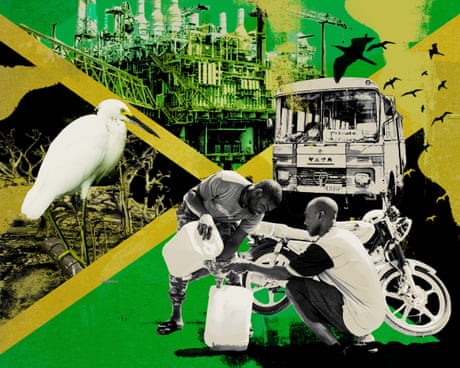
Jamaica is closer than ever to drilling for oil. Tests on samples from the seabed off the Caribbean island’s south coast earlier this year identified hydrocarbons, which suggest the presence of crude oil below ground.

Jamaica imports all its fuel, which costs about $1.5-2bn (£1.1bn-1.5bn) annually, depending on global oil prices. It is a persistent drag on an economy that generated $4.3bn from tourism, its biggest earner, in 2024.
Continue reading...

© Illustration: Eleanor Shakespeare

© Illustration: Eleanor Shakespeare

© Illustration: Eleanor Shakespeare

  •  
❌