❌

Reading view

Cheap Iranian drone downed $25 million US Army helicopterβ€”maybe by chance

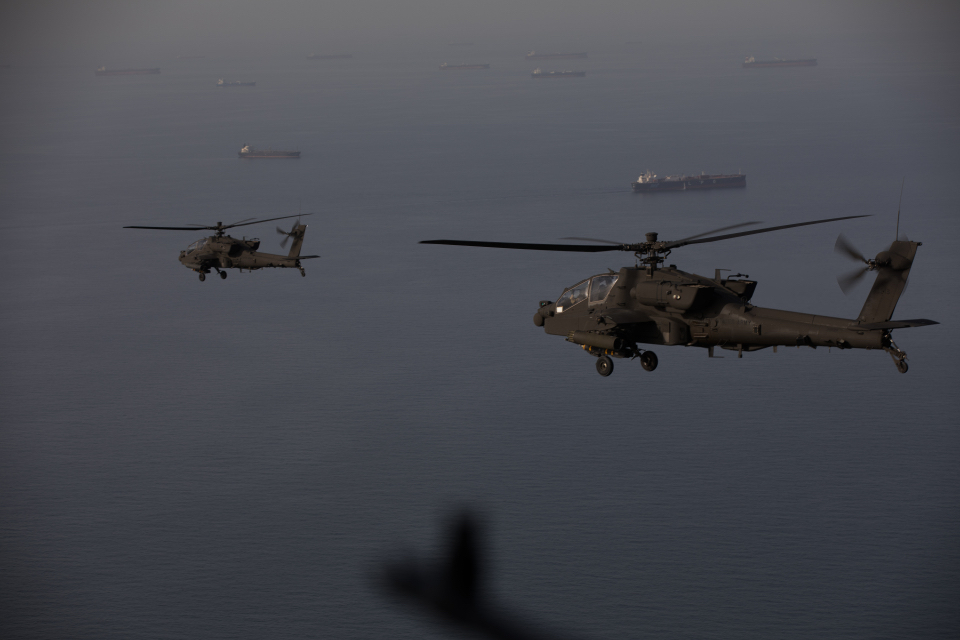
A US Army helicopter gunship was apparently struck by an Iranian Shahed drone before going down near the Strait of Hormuzβ€”but it's unclear whether the one-way attack drone was deliberately aimed or achieved more of a lucky accidental strike.

Axios correspondent Barak Ravid first reported an unnamed US government official’s comments that an Iranian drone had hit the US Army AH-64 Apache helicopter before the latter went down on June 8. The New York Times later confirmed that reporting through more anonymous US officials, including one official who said US military investigators were still evaluating whether the Iranian drone strike on the helicopter was intentional or accidental.

Iran has fired thousands of such Shahed drones against a wide range of military and civilian targets in the Gulf region since February 28, 2026, when the United States and Israel began the war by jointly attacking Iran with a barrage of bombs and missiles. But Shahed drones have mainly struck stationary targets such as Amazon data centers and energy facilities, sometimes hitting slow-moving commercial ships in the Strait of Hormuz.
Read full article

Comments

Β© US Central Command

  •  

Iran demands Big Tech pay fees for undersea Internet cables in Strait of Hormuz

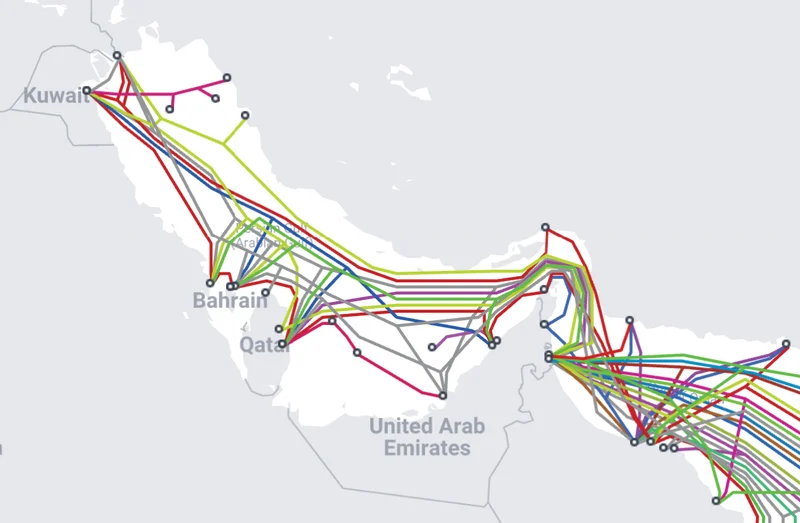
Iran claims it will charge US tech companies fees for using undersea Internet cables that run beneath the contested Strait of Hormuz shipping lanes. The war has already halted multiple projects and led to the suspension of cable repairs in the regionβ€”and the latest Iranian threats may accelerate efforts by Big Tech and Gulf countries to find alternative routes for bypassing the Strait of Hormuz’s digital chokepoint.

The latest assertions of Iranian authority over the Strait of Hormuz were announced in a brief statement by Ebrahim Zolfaghari, a spokesperson for Iran’s military and the Islamic Revolutionary Guard Corps. β€œWe will impose fees on internet cables” Zolfaghari wrote in a May 9 post. It was not immediately clear how Iran might implement such fees or impose its rules on cable projects, given that the majority of routes pass through Oman-controlled waters.

But Tasnim and Fars, both Iranian state-linked media channels, laid out more detailed proposals on how Iran could charge license fees to US tech giants for the use and maintenance of undersea cables carrying regional Internet traffic, according to The Guardian. For example, the Tasnim plan described charging tech companiesβ€”specifically naming Meta, Google, Amazon, and Microsoftβ€”license fees for cable usage while also claiming that Iran alone has the right to repair and maintain the subsea cables.

Read full article

Comments

Β© TeleGeography

  •  
❌