❌

Reading view

'A weird result from an already weird hominin': Archaeologists discover all Homo naledi skeletons found in South African cave are female

For the first time, archaeologists have analyzed the genetic material of Homo naledi, a mysterious 300,000-year-old relative of modern humans discovered deep in a South African cave system. What they found is unique in human evolution studies: Every skeleton known from the species is female.

"I think it is fair to say that they surprised us," Lee Berger, a National Geographic explorer-in-residence, told Live Science in an email, but H. naledi "has always been an enigmatic discovery."

Since 2013, Berger has headed the Rising Star project, which discovered nearly two dozen skeletons of small-brained, two-legged creatures, which the research team named H. naledi, within a cave system in South Africa's Cradle of Humankind.

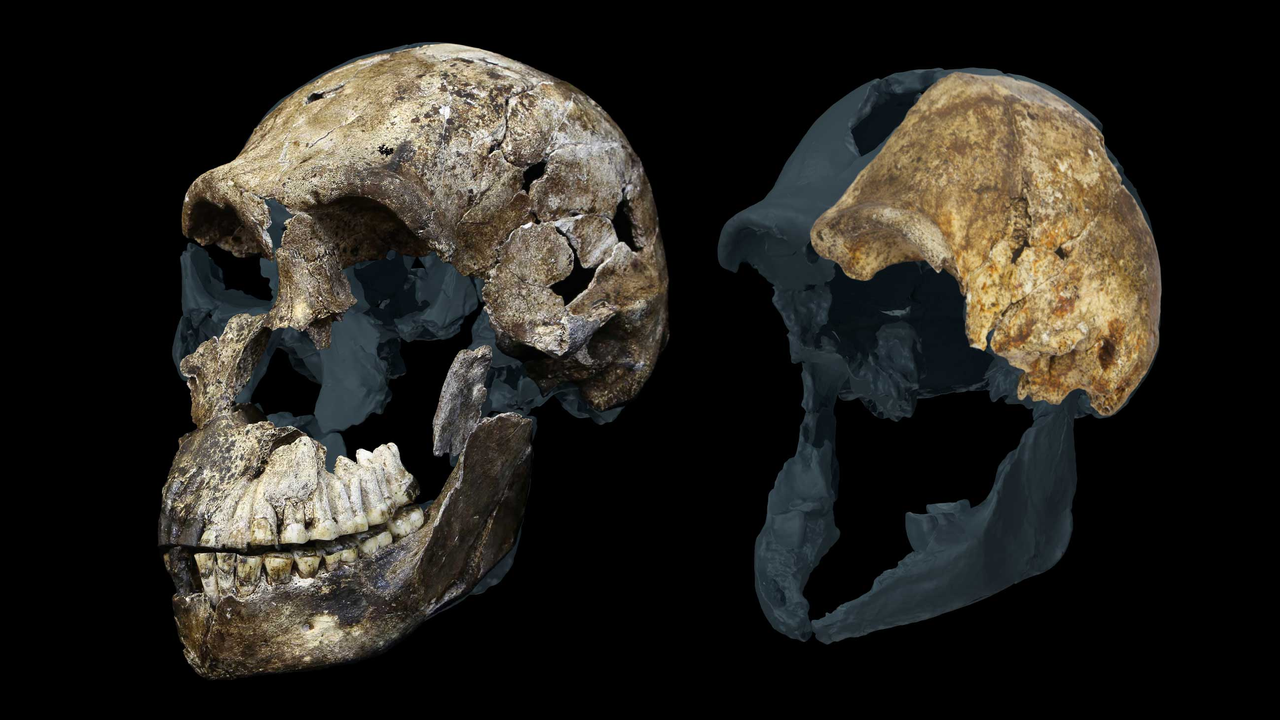
Research over the past decade has revealed that H. naledi was unusual for having a small brain and upper body, similar to earlier australopithecines like Lucy, but a face, hands and lower limbs that were more human-like. In 2023, the Rising Star team suggested H. naledi may have used fire in the cave, and in 2025, they advanced the controversial claim that H. naledi buried their dead — a complex behavior unexpected for a human relative with such a small brain.

But a new study of H. naledi teeth published Wednesday (June 24) in the journal Cell may bolster the team's interpretation of the Rising Star cave as a burial site.

An international team of experts studied 20 teeth from H. naledi skeletons using proteomic analysis, a minimally destructive technique that sequences genetic material from ancient proteins. Proteomics is a burgeoning field, especially because these proteins can last longer than DNA. The team focused on amelogenin genes (AMEL), which code for proteins in dental enamel and vary by sex. While the gene variant called AMELX is found in both males and females, another one, AMELY, is found only in biological males.

In analyzing the H. naledi teeth, the team found no AMELY genes but plenty of AMELX ones, suggesting that all of the skeletons were from females. These included the nearly complete skeleton of Neo and DH1, the main representative of the species, both originally assumed to be male.

The result is surprising because there are no known ancient human cemeteries or collections of nonhuman primate skeletons that contain only females.

"The most likely reason for these robust results are, in my opinion, cultural selection after death for burial by sex and perhaps gender," Berger said. "There are many past human societies with sex-specific burial practices," study co-author John Hawks, a paleoanthropologist at the University of Wisconsin-Madison, said in a statement, but the H. naledi skeletons "are older than any known Neanderthal or modern human burial site, and it's remarkable to see that they may all be female."
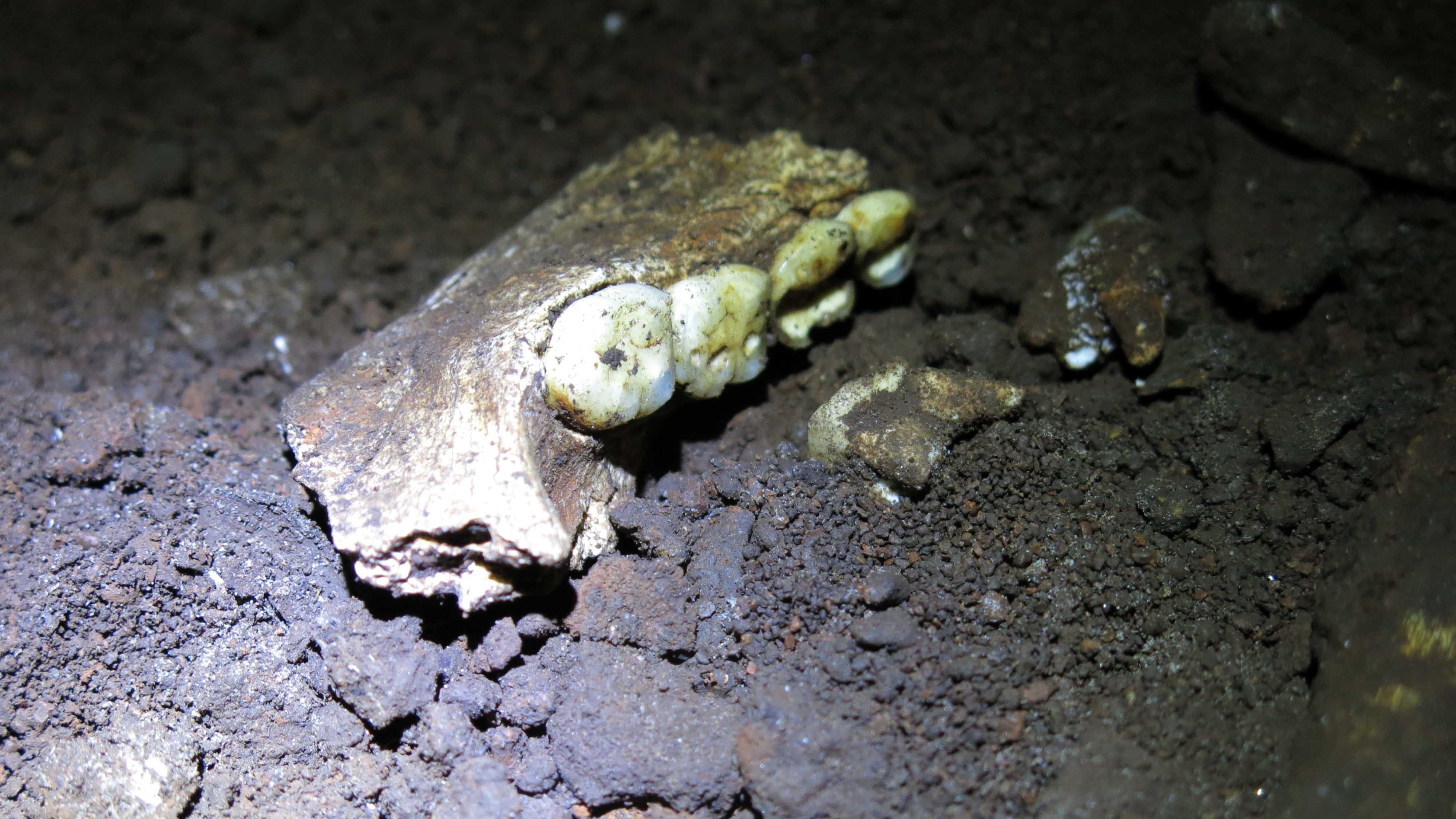
ancient teeth in a jaw on the floor of a cave

A partial jawbone with teeth from Homo naledi lies was found in the Rising Star cave system. (Image credit: Mathew Berger / Rising Star Program)

"An already weird hominin"

The discovery that everything we know about H. naledi comes from female skeletons has surprised paleoanthropologists.

"The bottom line is this is a weird result from an already weird hominin," Elizabeth Sawchuk, curator of human evolution at the Cleveland Museum of Natural History, who was not involved in the study, told Live Science in an email. "The key thing to remember is that failure to detect evidence of AMELY does not mean there are no males in the sample — it just means that none were detected."

One possible reason for the lack of this gene in H. naledi skeletons is an AMELY gene deletion that is known to occur very rarely in some modern-human populations and that has been found in one Neanderthal male. If the AMELY gene doesn't exist in this H. naledi group, then the protein profiles of males would look identical to the profiles of females.

However, "it's very unlikely that this would be the case among even half of the 20 individuals we studied or for an entire population," study co-author Enrico Cappellini, a paleoproteomics professor at the University of Copenhagen in Denmark, said in the statement. "Either scenario, namely the absence of H. naledi males in the Rising Star cave system or a systematic deletion of their AMELY gene, is fascinating and would have deep implications for a better understanding of the biology and evolution of this species."

Studies of H. naledi, a species known from a single site, "continue to yield more questions than answers," Sawchuk said. "As the authors point out, this is a surprising result that requires more investigation."

Other hominins in South Africa

A second surprising result in the proteomic analysis was that H. naledi shares a gene variant with Paranthropus robustus, a human relative with a massive face and teeth that lived in South Africa around 1 million to 2 million years ago.

Proteomic analysis of four P. robustus skeletons in 2025 proved that limited genetic material could be recovered from ancient human relatives in Africa. The new study has revealed that some members of this species and H. naledi shared a gene variant related to collagen production, which is different from the genes found in modern humans, Neanderthals and Denisovans.

While H. naledi and P. robustus inhabited the same general geographic area, it is unclear if they lived there at the same time and overlapped or if they may have had an ancestor-descendant relationship.

"It is early days for sampling fossil hominins with ancient proteins, and until we build a better, bigger sample, we just don't know" what the shared genetic variant means, Berger said.

Building a larger database of ancient proteins from other human relatives that evolved in Africa, such as Australopithecus africanus and Homo erectus, may clarify where H. naledi fits into the picture of human evolution.

"Key data are missing from H. erectus and A. africanus that would help put this evidence into context," Sawchuk said. "For now, this is another curious finding that bears further investigation."
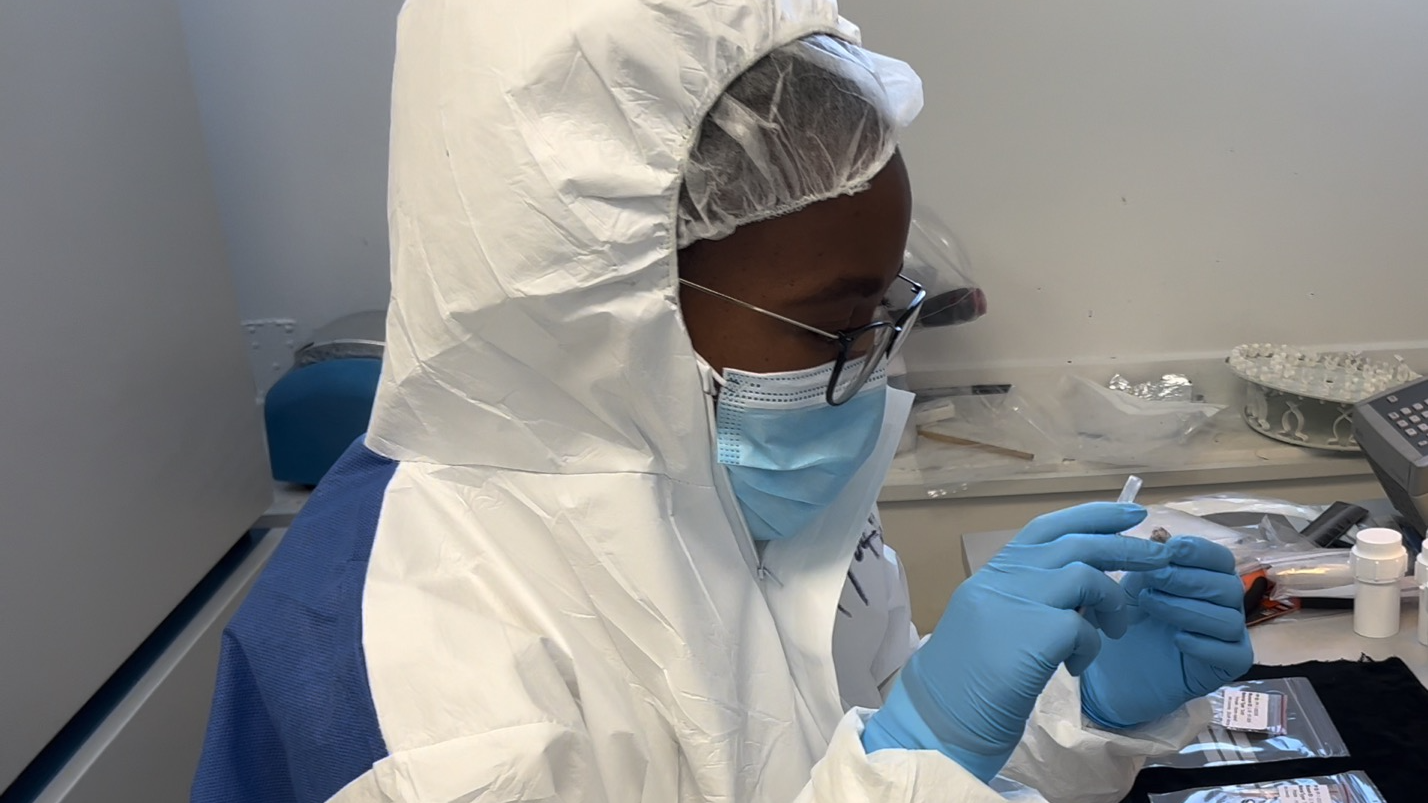
a scientist with dark skin and glasses wears white scrubs and blue gloves to test something

Study lead author Palesa Madupe has pioneered techniques to extract proteins from fossils. (Image credit: Alberto Taurozzi / Rising Star Program)

What does sex change?

In 2015, Berger and colleagues named the new hominin H. naledi and described what they presumed to be male and female variants of the species based on the skeletons' sizes. In many groups of human relatives and in modern humans, males are physically larger than females, on average. This assumption led the researchers to classify the presumed male individual DH1, discovered in the Dinaledi chamber of the cave, as the main representative of the new species.

But a 2024 study was the first to question the assumption that the H. naledi skeletons came from two sexes. In that study, researchers found variation in the teeth of H. naledi that was "so low that the possibility that one sex is represented by few or no individuals in the sample cannot be excluded," they wrote.

"Our study helps resolve the long-standing mystery of why Homo naledi lacked significant variation," study first author Palesa Madupe, a researcher at the Max Planck Institute for Evolutionary Anthropology in Germany, said in the statement. "It's probably because they could have all belonged to one sex."

If the proteomic sex analysis is correct and H. naledi does not have AMELY deletion issues, it means everything we know about the species comes from females. But this doesn't mean interpretations of the species are wrong.

"The only thing that has changed is that we have never seen a male!" Berger said. "When and if we do, we will have to extend the description to include male sex characters and the likely extension of certain aspects of variation."

The researchers hope their study paves the way for more proteomic analyses of human relatives in the future.

The new analysis proves that protein analysis of fossils from the Pleistocene (2.58 million years ago to 11,700 years ago) can be done in a minimally destructive way, Madupe said. "This means potentially opening the door to a whole new way of sustainably investigating the differences between sexes in groups of extinct hominins and other animals without causing visible damage to these priceless fossils."

What do you know about early humans? Test your knowledge with our human origins quiz!
  •  

Denisovan DNA influences the immune systems of modern Oceanians — but researchers aren't sure why

Some people from Oceania harbor thousands of genetic variants inherited from the Denisovans ‪—‬ a mysterious group of extinct humans ‪—‬ that are still active in their immune systems today, a new study finds.

The findings, published June 11 in the journal Science, come from the largest-ever map of Denisovan-inherited DNA ever created. The discovery shows that Denisovan DNA "is not just a remnant of ancient liaisons; it continues to influence our biology today," study co-author Serena Tucci, an assistant professor of anthropology and head of the Human Evolutionary Genomics Laboratory at Yale University, said in a statement.

Experiments revealed 3,127 variants inherited from Denisovans that still function in the immune systems of modern-day people; some of these variants switch genes that turn the immune response on or off, according to the new research.

However, because many of the immune system genes identified also affect other bodily functions, it is unclear exactly how these genes benefited survival, study first author Patrick Reilly, an evolutionary genomics researcher at Yale, told Live Science.

Denisovan DNA is active in humans today

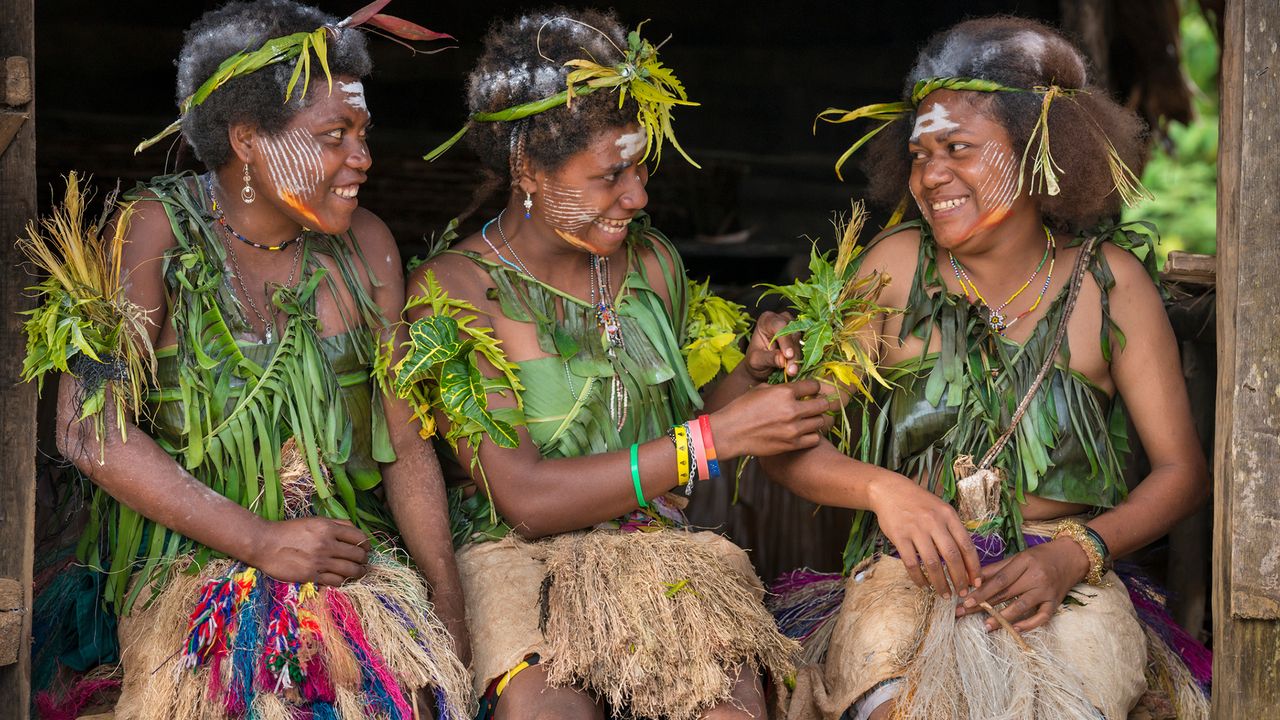
Previous research has already found that some modern-day people in Oceania ‪—‬ a region that includes New Guinea, the Solomon Islands and Fiji ‪—‬ have some Denisovan DNA. For example, people from Papua New Guinea are known to carry up to 5% Denisovan DNA in their genomes thanks to prehistoric trysts with the enigmatic group of humans who lived in Asia and disappeared around 30,000 years ago. This is among the highest proportion in the world, with modern-day East Asians typically carrying only around 0.1% Denisovan DNA.

Previous research has also shown that modern-day Tibetans carry a Denisovan version of the EPAS1 gene that supports their adaptation to living at high altitudes. People living in the highlands and lowlands of Papua New Guinea have different Denisovan gene variants depending on their local environments.

Yet Oceanians are vastly underrepresented in genomic databases. Sequencing the genomes of Oceanians can give a glimpse into the lives of the Denisovans and is essential for closing gaps in health disparities in Pacific Islanders as a whole, Reilly said.

To fill this gap, Tucci and her team sequenced the genomes of 177 Oceanians from 12 populations and compared them to 1,284 previously published genomes from populations worldwide. Then, they compared these segments to the known Denisovan genome and three Neanderthal genomes.

Combined, the team built a catalog containing three times more Denisovan genetic sequences inherited from Denisovans than were previously identified, over 70% of which were unique to Oceanians.

Natural selection increased the frequency of some of these variants in people from Near Oceania, which includes New Guinea, the Bismarck Archipelago and the Solomon Islands in the Pacific Ocean, including genes linked to bone development, metabolism and fertility.

The team also ran experiments to assess whether any of the Densiovan DNA was changing how genes behaved in these populations, Reilly said.

This revealed that Denisovan genetic variants can switch various immune system genes on or off, although the exact immune functions that were targeted varied among the Oceanic populations studied.

Early migrants to Oceania at least 42,000 years ago benefited from Denisovan genes when they entered their new environment and encountered new disease-causing pathogens, Reilly said.

"This is consistent with multiple independent instances of local adaptation in response to novel immune environments and pathogens during human dispersal into the Pacific," the authors wrote in the study.

Although the researchers don't know exactly why natural selection acted on these genes, the findings highlight the major role pathogens played in shaping the way humans and our extinct relatives evolved, Reilly said.

The research is an "outstanding effort to try to understand the biological implications" of the enduring Denisovan genetic variants, Mathilde André, an evolutionary geneticist at the Pasteur Institute in France who was not involved in the study, told Live Science in an email.

The tripling of known Denisovan-inherited genetic sequences, most of which are unique to Oceanians, highlights the need to sequence the genomes from previously unrepresented populations to capture the diversity of Denisovan DNA, André said.

See how much you know about early humans with our human evolution quiz!

  •  

A Remarkable 400,000-Year-Old “Time Capsule” Unsealed in Israel Could Reshape Our Understanding of Early Human Evolution


Archaeologists working with the Israeli Antiquities Authority have announced the discovery and excavation of a cave located just outside the town of Fureidis, which has revealed signs of early human presence dating back to between 250,000 and 400,000 years ago.

The team of researchers behind the ongoing excavation said the fortuitous discovery could represent a “time capsule” that has remained sealed for hundreds of thousands of years, offering researchers an unprecedented glimpse into a critical period in human evolution.

Ancient Cave Contains Evidence of Critical Period in Human Evolution

According to a statement emailed to The Debrief, the ancient cave, which lies south of Haifa, near the Zikhron Ya’akov interchange, likely dates back to sometime between 400,000 and 250,000 years before present. The team notes that the range would mean it was sealed since the time of the Acheulo-Yabrudian culture, a period when ancient human ancestors began to display several complex tool-making skills, including various stone blade designs which were in use by hominins until around 300,000 years ago, marking the end of the Lower Paleolithic period.

Prehistoric handaxes were discovered in the ancient cave. Photo credit: Emil Aladjem, Israel Antiquities Authority.

“The culture we are investigating here was characterized by a variety of advanced methods for producing flint tools, including small sharp handaxes, scrapers, and blades,” explained Dr. Kobi Vardi, head of the Prehistory Branch at the Israel Antiquities Authority and the study’s co-director.

Most archaeologists put the African departure date of the last common ancestor of humans and Neanderthals between 700,000 and 500,000 years ago, and the first genetic interbreeding between the two species around 130,000-1,000,000 years ago. Therefore, finding a sealed cave containing relics from the period between these two critical evolutionary junctures offers the research team an unprecedented opportunity.

human evolution
More prehistoric handaxes were discovered in the ancient cave, which are consistent in style with the Acheulo-Yabrudian culture. Photo credit: Emil Aladjem, Israel Antiquities Authority.

“We have been fortunate to excavate a unique site of global importance that has been protected from the ravages of time thanks to the exceptional conditions that existed here,” said team member Professor Ron Shimelmitz of the Zinman Institute of Archaeology and the School of Archaeology and Maritime Cultures at the University of Haifa.

Dr. Vardi agreed, noting that “It is very rare to find a site in such a state of preservation.”

“Every prehistorian who visits the site is absolutely thrilled,” he added.

ancient cave, human evolution
Excavations conducted by the Israel Antiquities Authority and the University of Haifa in the ancient cave. Photo credit: Emil Aladjem, Israel Antiquities Authority.

“The Seeds That Led to the Development of Our Complex Culture”

In that same statement, Prof. Shimelmitz noted that the end of the Lower Paleolithic was a “unique time period” before Neanderthals and modern humans became the dominant hominids of the era and spread across “many regions.”

“Only a handful of sites from this important phase have been uncovered in Israel, and the wider Levant, and most of them are inaccessible for research,” the professor explained, adding that marked changes in human physiology, technology, and social organization “foreshadowed the traits and complex behavioral patterns that developed later and characterize both Neanderthals and modern humans.”

One component that helped facilitate the development of complex culture, highlighted by Prof. Shimelmitz, is the transition from ancient humans living in larger groups. He also emphasized the advent of human ancestors “spending longer periods at the same sites.”

Early excavations have already uncovered evidence of what the researcher termed “intensive use of fire.” These early forays have also found signs of prolonged human activity. Prof Shimelmitz said these signs suggest a “complex and rich camp life.”

Dr Vardi said that the ongoing excavation is uncovering animal bones, including ancient specimens of fallow deer, gazelle, and an ancient variety of horse.

ancient cave human evolution
Ancient fallow deer tooth. Photo Credit: Emil Aladjem, Israel Antiquities Authority

Dr. Vardi also noted that these finds were discovered “alongside evidence of the presence of water,” which he suggests may have made the ancient cave an attractive location for hunter-gatherer groups inhabiting the region at the time.

High Resolution Studies of How Ancient Humans Lived

When discussing the implications of their findings, Prof. Shimelmitz first expressed the team’s appreciation for the financial support and enthusiasm shown by the project’s sponsor, the Ayalon Highways Company, “in enabling us to undertake the excavation.”

As for the scientific value of their initial discoveries and the potential for further insights into this period in human history, the professor noted that findings to date are typically associated with “the development of social cooperation and the transmission of knowledge, as part of the processes of human evolution.”

Excavations conducted by the Israel Antiquities Authority and the University of Haifa in the ancient cave could fill in some of the blanks in the story of human evolution. Photo credit: Emil Aladjem, Israel Antiquities Authority.

Dr. Vardi echoed those sentiments, while also noting that the ancient cave’s archaeological value “is no less important” than that of the well-known Nahal Me’arot site from the same evolutionarily critical period.

“(This site) will allow us to study in high resolution how humans lived at that time,” the researcher added.

Given the importance the research team put on the site, which included co-leader Amit Gabbay, the Israel Antiquities Authority and the University of Haifa are already putting forth what they describe as a “large-scale research program that seeks to reconstruct how humans lived, adapted to their environment, and developed new lifestyles and technologies over the course of human evolution.”

ancient cave may rewrite human evolution
From right to left: researchers Prof. Ron Shimelmitz of the University of Haifa, Dr. Kobi Vardi, and Amit Gabay of the Israel Antiquities Authority. Photo credit: Emil Aladjem, Israel Antiquities Authority.

Along with heralding the site’s scientific value, the researchers highlighted its cultural importance by declaring their goal to make the site “open and accessible to all: to the residents of Fureidis, students at the nearby school, and anyone interested in the prehistory of the region,” once the formal excavations are completed.

Christopher Plain is a Science Fiction and Fantasy novelist and Head Science Writer at The Debrief. Follow and connect with him on X, learn about his books at plainfiction.com, or email him directly at christopher@thedebrief.org.

  •  
❌