❌

Reading view

Scientists turn wet coffee grounds into high-grade fuel in just 90 seconds

Every year, people around the world drink enormous amounts of coffee, leaving behind more than 10 million tons of used coffee grounds. Most of this waste ends up in landfills or is burned, contributing to greenhouse gas emissions and environmental pollution. However, used coffee grounds contain a significant amount of energy. The problem is that […]

The post Scientists turn wet coffee grounds into high-grade fuel in just 90 seconds appeared first on Knowridge Science Report.

  •  

Tiny 15-atom iridium clusters could supercharge green hydrogen production

Scientists have developed an extremely small and highly efficient catalyst that could improve the production of green hydrogen, one of the cleanest fuels being explored for the future. The international research team, led by scientists from Tohoku University, Tokyo University of Science, Vanderbilt University and the University of Adelaide, created tiny clusters made from only […]

The post Tiny 15-atom iridium clusters could supercharge green hydrogen production appeared first on Knowridge Science Report.

  •  

Scientists create an ultra-black car paint that absorbs nearly all light

Black has long been one of the most popular colors for luxury cars. Its sleek, elegant appearance often gives vehicles a premium and powerful look. Now, scientists have developed a new type of ultra-black coating that could make future luxury cars darker than ever before. The new coating was developed by researchers from the Nipsea […]

The post Scientists create an ultra-black car paint that absorbs nearly all light appeared first on Knowridge Science Report.

  •  

Aridity Alters Soil Elements, Microbial Functions Globally

In the face of escalating global climate change, understanding how aridity influences terrestrial ecosystems is a critical scientific endeavor. Research led by Li, Feng, Sáez-Sandino, and colleagues marks a significant advance in this pursuit by elucidating how variations in soil elemental ratios—modulated by aridity—dramatically reshape microbial functional traits within soils across diverse biomes. Published recently in Nature Communications, their study offers an unprecedented global perspective on the elemental dynamics driving microbial ecosystem functions, providing vital insights into the nexus between soil chemistry and microbial ecology under changing climatic conditions.

At its core, the research addresses how aridity—not merely rainfall deficit but a complex climatic parameter encompassing temperature and moisture constraints—alters the elemental stoichiometry of soils worldwide. Specifically, the team measured ratios of key soil elements such as carbon (C), nitrogen (N), phosphorus (P), and other micronutrients that serve as fundamental building blocks and energy currency for microbial communities. These elemental ratios are not static; they fluctuate substantially with increasing aridity, which in turn orchestrates shifts in microbial metabolic capabilities, life strategies, and their overall ecosystem functionality.

One of the pivotal findings of the study is that aridity leads to a pronounced reconfiguration of soil elemental ratios, notably elevating carbon-to-nitrogen and carbon-to-phosphorus ratios in drier biomes. This stoichiometric imbalance poses a challenge for microbial communities that rely on balanced nutrient supplies to perform critical functions such as organic matter decomposition, nitrogen fixation, and nutrient cycling. The researchers highlight how these imbalances trigger an adaptive response in microbial communities, selecting for taxa with functional traits suited to nutrient-limited and water-scarce conditions.

Diving deeper into microbial functional traits, the study reveals that aridity-associated elemental shifts favor communities with enhanced resource-use efficiency and greater resilience to stress. Microbes in arid soils tend to exhibit traits such as slower growth rates, increased capacity for substrate uptake under nutrient limitation, and the ability to produce extracellular enzymes that liberate scarce nutrients from complex organic compounds. These microbial adaptations suggest a strategic realignment in energy investment, prioritizing survival and maintenance over rapid proliferation.

Importantly, the researchers employed an integrative methodological approach combining field sampling from various biomes—ranging from humid tropical rainforests to hyper-arid deserts—with advanced metagenomic and bioinformatic analyses. This comprehensive dataset enabled a robust correlation of soil elemental profiles with metagenome-inferred microbial functional gene repertoires, allowing the team to map functional trait distributions in direct relation to soil chemistry. The global scale of this approach is unprecedented, providing a unifying framework that links soil geochemistry and microbial ecology.

Underlying the study’s significance is the implication that aridity-driven shifts in soil elemental stoichiometry and microbial traits can alter fundamental ecosystem processes, including carbon sequestration and nutrient cycling. As microbes mediate soil organic matter turnover, any alteration in their functionality can cascade through ecosystems, influencing plant productivity, nutrient availability, and ultimately the resilience of entire biomes to environmental stress. This mechanistic understanding offers new predictive power for modeling ecological responses under varying climates.

The work also challenges prior assumptions that microbial communities are solely shaped by vegetation type or climatic variables independently; rather, the soil’s elemental makeup emerges as a crucial intermediary modulated by aridity that finely tunes microbial functionality. This highlights the importance of considering biogeochemical feedbacks in ecological models that forecast ecosystem trajectories in the Anthropocene.

From a molecular standpoint, the study sheds light on gene families that increase in abundance under arid conditions—particularly those involved in nutrient acquisition, stress response, and energy metabolism. Genes linked to nitrogen fixation and phosphorus scavenging were notably enriched in drier soils, reflecting microbial strategies to overcome nutrient deficiencies exacerbated by aridity. These patterns illustrate an eco-evolutionary consequence where functional gene pools dynamically respond to elemental limitations driven by environmental stress.

The ecological ramifications extend into the domain of biogeochemical cycles. Soil microbes drive fluxes of critical greenhouse gases such as carbon dioxide, methane, and nitrous oxide; modifications in microbial function tied to elemental stoichiometry may thus influence atmospheric gas exchanges. The study’s findings suggest that aridity, through reshaping soil chemistry and microbial traits, could indirectly modulate climate feedback loops, potentially reinforcing or mitigating warming trends depending on the net effects on microbial metabolism.

An intriguing aspect revealed by the research is the spatial heterogeneity within and between biomes. Despite overarching trends in elemental ratios and microbial responses, localized soil conditions and microclimatic factors introduce complexity, producing diverse microbial assemblages with distinct functionalities. This variability underscores the necessity for high-resolution investigations that integrate soil geochemistry, microbiology, and climate analytics to unravel ecosystem resilience under fluctuating aridity.

The authors further discuss the broader implications for land management and restoration ecology. Enhanced understanding of how soil elemental stoichiometry governs microbial functional traits informs strategies for rehabilitating degraded arid and semi-arid landscapes. By targeting elemental limitations or engineering microbial communities with desirable functional capacities, interventions may bolster ecosystem productivity and stability in water-scarce environments.

Moreover, this research sets a foundation for future studies to explore how anthropogenic influences—such as land use changes, fertilization practices, and pollution—interact with climate-induced aridity to influence soil elemental dynamics and microbial ecology. Given the accelerating pace of global environmental change, such integrative perspectives are essential to design sustainable ecosystems that can endure under combined climatic and anthropogenic pressures.

In conclusion, the work of Li and colleagues presents a paradigm shift in our comprehension of how soil elemental stoichiometry driven by aridity governs microbial functional traits at a global scale. It furnishes a critical link between climate variables, geochemical soil properties, microbial ecology, and ecosystem function, representing a vital step toward predicting biotic responses to future climate scenarios. The interdisciplinary nature and global scope of this study render it a landmark contribution that will likely stimulate novel research avenues and practical applications in environmental science.

This compelling investigation underscores the intricate interplay between elemental resources and microbial life in shaping the resilience and functionality of Earth’s terrestrial ecosystems amidst changing climates. As the world grapples with increasing aridity in many regions, insights from this research could pave the way for innovative strategies to preserve ecosystem services fundamental to human well-being and planetary health.


Subject of Research:
The study investigates how aridity-related variations in soil elemental ratios influence microbial functional traits across global biomes, highlighting the connections between soil chemistry, microbial ecology, and climate-driven ecosystem processes.

Article Title:
Aridity-related differences in soil elemental ratios reshape microbial functional traits across global biomes

Article References:
Li, C., Feng, Y., Sáez-Sandino, T. et al. Aridity-related differences in soil elemental ratios reshape microbial functional traits across global biomes. Nat Commun (2026). https://doi.org/10.1038/s41467-026-73215-9

Image Credits:
AI Generated

  •  

Late-Season Ice-Edge Productivity Revealed in Barents Sea

In a groundbreaking study that promises to reshape our understanding of Arctic marine ecosystems, researchers have uncovered evidence of unexpected biological productivity along the Barents Sea ice edge during the late Holocene. The investigation, led by A.J. Pieńkowski and colleagues, utilized advanced biomarker analysis to trace diatom enrichment—a key indicator of primary production—in sediment cores, revealing complex ecological dynamics that continue to defy conventional seasonal models of polar phytoplankton activity. This discovery has broad implications for climate science, marine biology, and our conceptual frameworks regarding ice-edge ecosystems in a warming Arctic.

The Barents Sea, located north of Norway and Russia, is a key region for studying the effects of climate change on Arctic environments due to its unique position between Atlantic and Arctic waters. Historically, sea ice has been understood to exert a controlling influence over the timing and intensity of phytoplankton blooms, with primary productivity peaking during the spring and early summer months as ice melts. However, the extreme late-Holocene interval analyzed in this study suggests that productivity along the ice edge may extend much later into the seasonal cycle than previously thought, indicating a previously underappreciated ecological niche.

Central to this research is the application of organic geochemical proxies, notably diatom-specific biomarkers such as highly branched isoprenoids (HBIs). These molecular fossils are derived from diatoms—microscopic photosynthetic algae—and provide a window into past productivity and environmental conditions. By examining sediment layers deposited over the last several thousand years, the team identified striking elevations in diatom biomarker concentrations during late-season periods, suggesting not only prolonged but intensified ice-edge productivity.

The implications of these findings are profound, signaling that the timing of phytoplankton blooms may have been more flexible and responsive to environmental variables over millennial timescales than contemporary observations suggest. This shifts paradigms about marine food web dynamics in polar regions, as late-season blooms could support secondary consumers such as zooplankton—and by extension, fish and marine mammals—during periods traditionally seen as low productivity. Such dynamics have likely played a crucial role in shaping Arctic biodiversity through time.

Moreover, the study highlights the interplay between sea ice extent, melt timing, and nutrient availability. While earlier models posited that retreating ice reduces habitat for ice-associated algae and thus limits productivity, these new data reveal a more nuanced picture where late-season melting creates persistent ice edges that serve as hotspots for diatom proliferation. Nutrient enrichment via upwelling and Atlantic water inflow likely contributed to sustaining this productivity, challenging assumptions about the oligotrophic nature of the late melt season.

In terms of methodology, the research exemplifies the cutting-edge integration of paleoceanography and organic geochemistry. Sediment cores were meticulously sampled and subjected to high-resolution biomarker profiling, allowing for temporal reconstructions at seasonal to decadal scales. The use of isotopic analyses further corroborated the timing of these bio-events, lending robustness to interpretations about late-season environmental conditions in the Barents Sea. This methodological sophistication underscores the potential for biomarker proxies to unlock hidden chapters of ecological history.

Notably, the timing of the extreme biomarker enrichments correlates with known climatic variability during the late Holocene, including phases of relative warming and cooling. This temporal correspondence suggests that even subtle shifts in temperature and sea ice dynamics may have orchestrated significant ecological reorganization in polar marine systems. Understanding these past responses is critical as anthropogenic warming accelerates, potentially recreating or amplifying such conditions in the near future.

From a broader perspective, the recognition of late-season ice-edge productivity has ramifications for global biogeochemical cycles. Phytoplankton are pivotal in sequestering atmospheric CO2, and extending the productive season could mean that polar oceans play a more dynamic role in the carbon cycle than appreciated. This discovery invites a reassessment of climate models that currently may underestimate the biological feedback potential of Arctic marine ecosystems during the waning ice season.

The study’s revelations also emphasize the resilience and adaptability of polar marine life. Despite harsh and fluctuating conditions, diatoms and associated microbial communities have exploited ephemeral niches, adjusting phenology and productivity patterns to optimize survival and growth. Such adaptive strategies may become increasingly important as climate perturbations continue to reshape polar habitats, with unknown consequences for ecosystem stability and services.

In practical terms, these findings could inform conservation and management strategies. As the Barents Sea and broader Arctic region become more accessible due to ice retreat, understanding seasonal productivity pulses is crucial for fisheries, indigenous communities, and environmental stewardship. Recognizing late-season productivity hotspots could guide sustainable use and protection of biologically rich zones that emerge under shifting climatic regimes.

Furthermore, this research opens new avenues for interdisciplinary collaboration, bridging paleoclimatology, marine ecology, and environmental chemistry. Future studies may leverage the biomarkers identified here to monitor contemporary changes in Arctic productivity and validate predictive models. Additionally, analogous approaches could elucidate productivity dynamics in other polar and subpolar regions, deepening our global perspective on climate-ecosystem interactions.

Given the rapidity of ongoing climatic change, the temporal insights provided by this late-Holocene study serve as a crucial baseline, contextualizing contemporary observations within a longer-term framework. This historical depth equips scientists and policymakers with a richer understanding of variability and resilience in polar systems, enhancing our capacity to anticipate and mitigate the impacts of a warming world.

In sum, the work by Pieńkowski, Belt, Husum, and their team has decisively expanded our comprehension of ice-edge ecosystems, revealing a vibrant and late-blooming diatom community thriving in conditions once thought marginal or unproductive. Their integration of molecular biomarkers and paleoenvironmental techniques creates a compelling narrative of Arctic productivity that challenges prevailing assumptions and invigorates future research paths. As the Arctic ice retreats, these insights become not only academically fascinating but vitally important for forecasting and managing the biological pulse of the planet’s coldest seas.

This landmark study stands as a testament to the power of interdisciplinary science to uncover hidden complexities within Earth’s most extreme environments, shining a light on the subtle yet dynamic rhythms of life beneath the ice. It invites a reconsideration of the Arctic not as a static frozen desert, but as a place of seasonal vibrancy and ecological innovation sustained by the delicate interplay of ice, ocean, and life.

Subject of Research: Arctic ice-edge diatom productivity and late-season ecosystem dynamics during the late Holocene.

Article Title: Extreme late-Holocene diatom biomarker enrichment reveals late-season ice-edge productivity in the Barents Sea.

Article References:
Pieńkowski, A.J., Belt, S.T., Husum, K. et al. Extreme late-Holocene diatom biomarker enrichment reveals late-season ice-edge productivity in the Barents Sea. Commun Earth Environ (2026). https://doi.org/10.1038/s43247-026-03717-3

Image Credits: AI Generated

DOI: 10.1038/s43247-026-03717-3

Keywords: Arctic marine ecosystems, Barents Sea, diatom biomarkers, highly branched isoprenoids, late Holocene, ice-edge productivity, paleoclimate, sediment cores, phytoplankton phenology, Arctic sea ice dynamics, biogeochemical cycles, climate change, biomarker proxies.

  •  

Advancing Metal Alloy Behavior Modeling for Enhanced Accuracy

At the cutting edge of aerospace, energy, and computing, material innovation stands as a critical frontier. Traditionally, companies seeking to enhance the performance and resilience of metals encounter formidable challenges: understanding the intricate behavior of novel materials under real-world conditions often necessitates actual physical synthesis and testing. This step has remained indispensable because even the most sophisticated computational simulations struggle to capture the full complexity of atomic arrangements inherent in many solid materials, particularly metallic alloys. The result is a costly and time-consuming cycle that slows progress in material science and engineering.

A breakthrough has now emerged from a team of researchers at the Massachusetts Institute of Technology (MIT), who have devised a computational framework that promises to transform the way metals are modeled across diverse compositions. Central to this innovation are advanced machine-learning algorithms designed to predict the properties of chemically complex metal alloys with unprecedented accuracy and efficiency. By refining the training datasets used to develop these models, the team has succeeded in encapsulating the vast heterogeneity of atomic environments that characterize disordered metallic materials, thereby enhancing predictive precision.

The research, detailed in a recent publication in the journal Science Advances, offers compelling evidence that machine-learning potentials, when constructed with carefully curated training data, can reliably simulate material properties spanning a broad spectrum of metal alloys and operational conditions. This methodological advancement stands to significantly reduce reliance on expensive experimental validation, enabling faster development cycles and more cost-effective exploration of alloy design spaces.

Rodrigo Freitas, MIT’s TDK Career Development Professor of Materials Science and Engineering and senior author on the paper, emphasizes the versatility of this approach. While the study focuses primarily on metallic alloys—a domain fraught with chemical disorder—the underlying principles and techniques have the potential to be adapted for other classes of materials, including semiconductors and sustainable steels. Freitas envisions wide-ranging applications, from aerospace materials engineered for extreme environments to novel components in energy systems and beyond.

The crux of the challenge in modeling metals lies in capturing the influence of intrinsic chemical disorder on material properties. Two alloys with identical elemental compositions can exhibit starkly different mechanical behaviors depending on their atomic-scale structure; one might be brittle, while another offers impressive ductility. Computational models must therefore operate at the atomic level, simulating interactions between individual atoms to predict macroscopic properties. Over the past twenty years, machine learning has emerged as an indispensable tool for constructing these atomic interaction potentials. However, existing models conventionally assume ordered or near-ordered atomic arrangements, limiting their efficacy when faced with the irregular, heterogeneous atomic environments typical of real-world alloys.

Chemical disorder implies a staggering diversity of local atomic neighborhoods, each subtly unique in terms of bonding patterns and energetic stability. This diversity poses a formidable obstacle for machine learning, which relies heavily on representative training data to generalize effectively. Conventional data-generation approaches involve brute-force sampling, which is computationally prohibitive—often demanding upwards of 100,000 hours of supercomputer time for a single alloy—and lacking in adaptability when alloy compositions shift. Thus, the crux of the innovation lies in constructing training datasets that capture the widest possible range of relevant atomic configurations without redundancy.

Building on prior work where they quantified chemical complexity by analyzing the frequency and distribution of small atomic clusters, Freitas’ group has now developed an information-theoretic approach to optimize training data generation. Through a process of atomic substitutions and iterative refinements, they curate datasets that maximize the diversity of local chemical environments presented to the machine-learning models. This ensures that each training example uniquely contributes to the model’s learning, avoiding the pitfalls of repetitive and uninformative data.

Implemented in this way, the newly trained potentials exhibit marked improvements in predicting metallurgical properties compared to models trained on randomly sampled data or even other sophisticated sampling strategies. The fidelity of these simulations to true chemical bonding dynamics is critical; without it, models risk providing generic insights into material behavior rather than precise predictions applicable to specific alloys and practical conditions. This heightened level of chemical realism opens the door to highly reliable simulations that can stand in place of expensive, time-consuming lab tests.

The team put their methodology through rigorous validation against a variety of metal alloys, assessing the performance of their machine-learning models against industry-standard counterparts developed by tech giants like Google and Microsoft. Remarkably, the MIT-trained models consistently outperformed these much larger, computationally intensive models, demonstrating that thoughtful data curation can eclipse brute-force data volume in enhancing machine learning potentials.

Killian Sheriff, a lead author of the paper and a PhD candidate at MIT, spearheaded extensive testing across alloy systems and a wide array of material properties, supported by complementary efforts from colleagues Daniel Xiao, Yifan Cao, and University of Sheffield’s Lewis R. Owen, who contributed experimental data for benchmarking. This collaborative effort provided comprehensive evidence that the models could predict phase diagrams—a cornerstone of materials science that chart alloy phase stability across temperatures and compositions—with accuracy rivaling direct experimental observations.

Phase diagrams are particularly important because they inform practical metallurgical processes like welding, casting, and heat treatment. Accurately capturing the subtle energetic preferences for different atomic arrangements within alloys is essential to forecasting phase transformations and resultant material properties under various conditions. The models’ ability to reveal these “subtle energetic biases” is a testament to the deep chemical insight that machine-learning potentials can now attain.

Beyond phase stability, the researchers are actively deploying their technique to predict mechanical resilience and radiation damage tolerance in alloys—a critical consideration for materials operating in extreme environments such as nuclear reactors and aerospace applications. Their goal is to design alloys that maintain strength and resist degradation under stressors that include high temperatures, intense radiation, and mechanical loads.

A key element of this initiative is harmonizing these advanced computational tools with existing industrial workflows and engineering software. Freitas underscores the necessity of integrating these innovations seamlessly into current decision-making frameworks if they are to foster widespread adoption in materials development pipelines. This pragmatic orientation aims to ensure that the profound scientific advances translate swiftly and effectively into tangible industrial benefits.

The work has garnered support from the U.S. Air Force Office of Scientific Research, reflecting its strategic significance for advanced materials in defense and aerospace contexts where performance margins are tight and failure costs are high. As industries seek materials that combine unmatched performance, sustainability, and economic viability, the MIT team’s contribution could represent a paradigm shift—linking detailed atomic-level understanding with scalable, robust material design accelerated by intelligent data-driven simulations.

By dismantling the bottleneck of excessive computational costs and enabling high-fidelity modeling of chemically complex alloys, this research charts a path toward rapid, informed innovation in materials science. With this toolkit in hand, scientists and engineers can explore uncharted compositional spaces more confidently, accelerating progress toward next-generation metals engineered for the demands of the future.


Subject of Research: Machine-learning models for atomic-level simulations of chemically disordered metal alloys

Article Title: Machine learning potentials for modeling alloys across compositions

News Publication Date: 19-Jun-2026

Web References: DOI: 10.1126/sciadv.aea9951

References: Science Advances, 2026

Image Credits: Not provided

Keywords

Materials science, Material properties, Metals, Alloys, Chemical disorder, Machine learning, Atomic simulations, Phase diagrams, Materials engineering, Computational materials science, Artificial intelligence, Chemistry

  •  

Breakthrough Fentanyl Vaccine Could Neutralize Designer Drugs and Prevent Overdoses

Fentanyl AntibodyAn experimental vaccine could help stop fentanyl and future designer-drug variants before they can trigger a deadly overdose. Fentanyl has become one of the deadliest drugs in the United States, with fentanyl and related synthetic opioid variants now claiming more lives each year than car crashes and gun violence combined. When taken in excessive amounts, [...]
  •  

Scientists turn wood into a super insulator that could strengthen the power grid

As demand for electricity continues to rise because of data centers, electric vehicles, and renewable energy, the world’s aging power grid is facing increasing pressure. One of the biggest concerns is the reliability of power transformers, the large devices that help move electricity around the grid. Now, an international team of researchers has developed a […]

The post Scientists turn wood into a super insulator that could strengthen the power grid appeared first on Knowridge Science Report.

  •  

New artificial photosynthesis system makes solar fuel without batteries

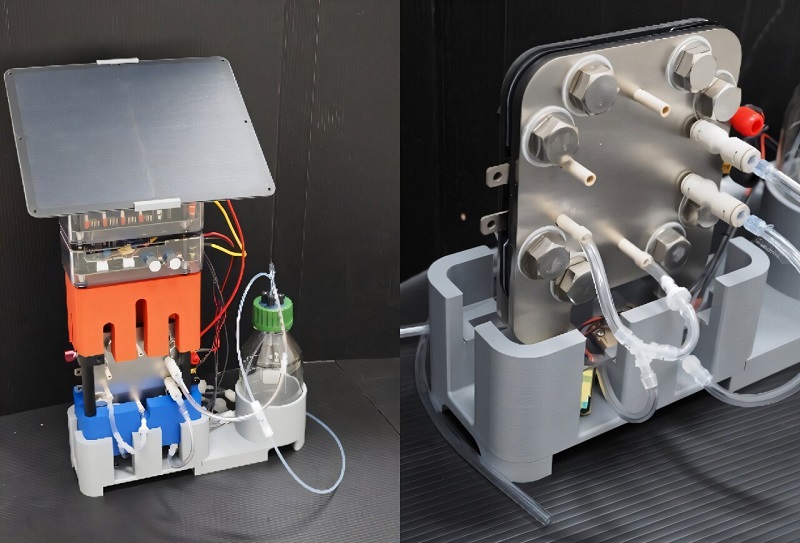
Researchers in Japan have developed a new artificial photosynthesis system that can produce solar fuel more reliably under changing sunlight conditions without using batteries. The team from Osaka Metropolitan University says the technology could make solar fuel systems simpler, cheaper, and more practical for everyday use. Artificial photosynthesis is inspired by the process that plants […]

The post New artificial photosynthesis system makes solar fuel without batteries appeared first on Knowridge Science Report.

  •  

Researchers Capture the First Atomic-Level Images of a Critical Human DNA Repair Enzyme

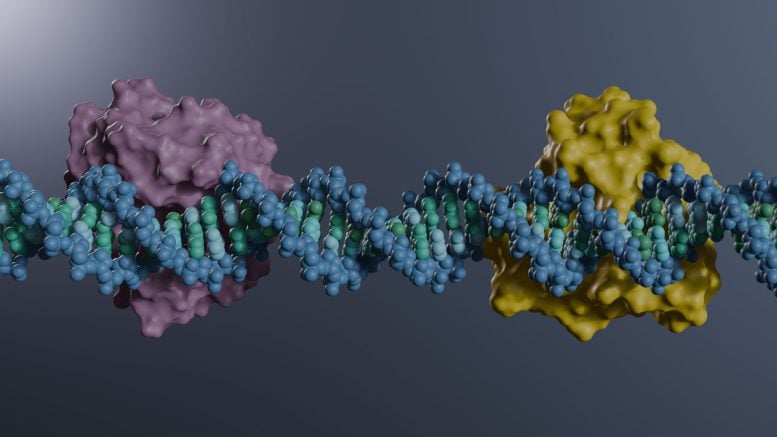
SMUG1 and APE1Researchers have captured the first atomic-level views of human SMUG1, a key enzyme involved in repairing damaged DNA. Every cell in your body is constantly battling damage to its DNA. Now, scientists have captured the first atomic level images of a key human repair enzyme in action, revealing how cells identify and remove some of [...]
  •  

Scientists Just Discovered a Cellular Survival System That Was Never Supposed To Exist

Human Cell Division Genetics DNAA surprising backup pathway allows cells to make a crucial amino acid when their primary machinery fails. For decades, biologists believed cells had only one way to access a molecule they cannot live without. New research suggests they were wrong. Scientists at Montana State University have uncovered a previously unknown cellular survival pathway that allows [...]
  •  

Scientists Create Modular Nanorobot Inspired by Mini Lunar Rockets

A groundbreaking advancement in nanotechnology has emerged from the University of Basel, Switzerland, where a research team has engineered a sophisticated modular nanorobot exhibiting unparalleled versatility. This innovative system comprises two distinct, reusable components: a propulsion module and a payload capsule, which autonomously self-assemble through a DNA-based molecular Velcro mechanism. Their dynamic interplay offers promising applications across medicine, industry, and environmental science, heralding a transformative direction in nanorobotics research.

Nanorobotics has often been confined to the realm of science fiction, evoking images of minuscule machines navigating within the human body or cleaning up environmental pollutants. However, the rapid progress in this field reflects a new reality where these tiny constructs—differing fundamentally from conventional robots due to their biochemical and nanoscale nature—have started to fulfill tangible roles. Unlike traditional robots equipped with electronic circuits and software, these nanorobots utilize biomolecules and nanoparticles as their building blocks, innovatively combining bioengineering and materials science.

The design philosophy underlying the Basel team’s nanorobot addresses a critical limitation that has hampered previous efforts: specificity of function. Traditional nanorobots tend to be single-purpose entities, finely tuned for a particular task and lacking adaptability. In contrast, this modular system’s architecture allows for the independent development and exchange of functional units, rendering it highly customizable. Such adaptability is pivotal for extending the utility of nanorobots across diverse scenarios, from executing targeted drug delivery within the human body to catalyzing chemical reactions in industrial environments.

At the core of the nanorobot’s structure lies two integral modules. The first is a magnetic propulsion unit, which empowers the nanorobot with directed mobility under external magnetic fields. This enables precise navigation through complex environments—a critical capability for any targeted therapeutic or catalytic application. The second module serves as a payload capsule, designed to securely house and transport therapeutic agents, enzymes, or other functional molecules to desired locations. This segregation of propulsion and payload functions epitomizes engineering elegance at the nanoscale.

The payload capsule is particularly remarkable due to its internal composition. It encapsulates four enzyme-loaded polymer vesicles—nanoscale spherical structures synthesized from polymers that can safeguard and regulate the biochemical cargo within. These vesicles are equipped with nanoscaled pores, facilitating the ingress of substrate molecules and the egress of reaction products while protecting the encapsulated enzymes from premature degradation or deactivation. Moreover, depending on the specific configuration, these vesicles can be selectively triggered to release bioactive substances on demand, a feature critical for controlled therapeutic interventions.

Achieving a robust yet reversible connection between the propulsion module and payload capsule, the researchers employed a DNA-based “Velcro” assembly system. This approach utilizes complementary strands of DNA grafted on the surfaces of both modules, fostering specific and programmable binding through Watson-Crick base pairing. Such molecular precision guarantees that the modules self-assemble and remain stably coupled during operation, yet can be separated and recombined efficiently. This dynamic assembly-disassembly paradigm allows for easy reloading of the payload and recycling of the propulsion units, a major advantage for scalability and cost-efficiency.

Another notable feature enhancing the nanorobot’s functionality is the strategic modification of the payload capsule with biomolecular ligands that enable targeted docking onto specific cells or substrates. Using the human cancer cell line HeLa as a test model, the scientists demonstrated that these nanorobots, when loaded with fluorescent markers, preferentially accumulate on the cell surfaces. This active targeting capability is instrumental for precise delivery of therapeutic agents, ensuring minimal off-target effects and enhancing treatment efficacy.

In a striking demonstration of biomedical potential, the enzyme-laden nanorobots successfully synthesized an anticancer drug directly at the targeted site, reducing the viability of HeLa cells to a mere 16 percent within 72 hours. This localized drug production exemplifies an advanced therapeutic approach where site-specific synthesis and delivery converge, potentially overcoming challenges related to systemic side effects and suboptimal drug concentrations. According to Dr. Voichita Mihali, the lead author, this concentration of drug activity represents a promising strategy for future oncological applications.

Beyond the biomedical sphere, the modular nanorobot’s catalytic prowess, combined with its magnetic propulsion, opens compelling avenues in environmental and industrial contexts. For instance, nanoscale catalysts capable of performing complex chemical transformations can be transported magnetically to reaction sites, where they perform precise functions before being retrieved for reuse. This magnetically enabled recyclability addresses a critical sustainability challenge, aligning with growing demands for environmentally responsible and economically viable technologies.

The ability to dissociate the two modules after task completion and reload the payload capsules before reassembling them underscores the potential for repeated usability. This reusability is vital for practical implementations where cost limitations and material efficiency are paramount. Moreover, it facilitates adaptability, as different payloads can be swapped in according to the specific functional requirement, whether it be therapeutic commands or industrial chemical catalysis.

Importantly, the modular design philosophy extends the nanorobot’s versatility beyond its current framework. By altering the composition of the payload capsule, this platform could be customized for a plethora of applications without necessitating complete redesign. This adaptability accelerates translational research by leveraging a common technological foundation to address multiple challenges spanning healthcare, environmental remediation, and manufacturing.

The interdisciplinary nature of this project also highlights effective scientific collaboration, combining expertise from the National Center of Competence in Research – Molecular Systems Engineering, the Swiss Nanoscience Institute, and Heidelberg University. Such collaborative efforts are critical to tackling the complex engineering and biological challenges inherent in creating functional nanomachines capable of interacting reliably within diverse and dynamic environments.

While the modular nanorobot represents a significant leap forward, its ultimate deployment in human clinical settings remains a long-term objective, contingent on extensive biocompatibility and safety validation. Nonetheless, its current design and demonstrated functionalities establish a crucial foundation. The system’s adaptability and multifunctionality promise to catalyze new directions in nanomedicine and industrial nanotechnology, potentially revolutionizing how minute robots operate and impact their environments.

In conclusion, the University of Basel’s innovative modular nanorobot not only redefines the capabilities of nanoscale machines but also introduces an engineering paradigm centered on modularity, programmability, and reusability. Its ability to combine magnetic propulsion with a versatile, enzyme-loaded payload paves the way for localized therapies and catalysis with unprecedented precision and efficiency. This research marks a transformative milestone that will likely inspire continued exploration into modular nanorobotics, nurturing advancements that could one day address some of the most pressing challenges in medicine and technology.


Subject of Research: Modular Nanorobots with Enzyme-Based Catalytic Activity and Magnetic Propulsion

Article Title: Multiplex Modular Nanorobotic Systems with Catalytic Activity under Magnetic Navigation

Web References: https://doi.org/10.1002/adfm.202600079

References: Advanced Functional Materials, University of Basel Research Articles

Image Credits: Voichita Mihali, University of Basel

Keywords

Nanorobots, Modular Nanorobotics, Enzyme Catalysis, Magnetic Propulsion, Targeted Drug Delivery, Polymer Vesicles, DNA-Based Assembly, Cancer Therapy, Biocompatible Nanomachines, Reusability, Molecular Velcro, Nanomedicine

  •  

Robot dogs could help firefighters safely detect hazardous chemicals

Researchers in Austria have developed a four-legged robot that could make firefighting operations safer by entering dangerous areas and detecting hazardous substances before firefighters have to go in. The robot, developed under the leadership of researchers at Graz University of Technology (TU Graz), is designed to act as an advance scout during emergencies involving toxic […]

The post Robot dogs could help firefighters safely detect hazardous chemicals appeared first on Knowridge Science Report.

  •  

On-Chip Targeted Cell Elimination Achieved Through Breakthrough High-Efficiency Singlet Oxygen Production

In a groundbreaking advancement poised to revolutionize photodynamic therapy, researchers at Tsinghua University, China, have unveiled a novel approach to rapidly produce singlet oxygen with unprecedented efficiency and precision. This achievement stems from integrating the principles of bound states in the continuum (BIC) into meticulously engineered metasurfaces, marking a significant leap beyond the limitations that have hampered traditional molecular photosensitizers for decades.

Singlet oxygen, the excited state of molecular oxygen with formidable cytotoxic capabilities, has long been a cornerstone in targeting tumor cells via photodynamic therapy. Conventional production methods rely heavily on molecular photosensitizers, which suffer from inherent drawbacks such as photobleaching, limited wavelength selectivity, and biocompatibility issues. Metallic and semiconductor nanostructures emerged as alternatives due to their photostability; however, their quantum yields for singlet-oxygen generation remained too low to enable rapid, localized therapeutic outcomes under clinically viable low-dose illumination.

The breakthrough by Prof. Xing Fu and Prof. Qiang Liu’s team transcends these constraints by leveraging quasi-bound states in the continuum within an innovative Au–TiO₂ metasurface design. This architecture comprises elliptical TiO₂ nanopillars capped with an ultrathin 7 nm gold layer, engineered with subtle symmetry breaking that transforms a theoretically non-radiative BIC into a radiative quasi-BIC resonance. This purposeful symmetry perturbation dramatically enhances visible-light absorption at 532 nm, achieving an impressive 45% absorption within an optical path mere hundreds of nanometers thick. Such efficiency in light capture is vital to triggering the subsequent photochemical processes.

Under continuous-wave laser excitation, the metasurface’s enhanced near-field intensities lead to a marked elevation of the electronic temperature in the gold layer. This phenomenon facilitates the generation of energetic “hot carriers,” electrons that possess sufficient energy to inject into the conduction band of TiO₂. These injected electrons then catalyze interfacial redox reactions with the surrounding oxygen molecules, converting the triplet ground state into the highly reactive singlet oxygen species. The geometric design ensures that this reaction zone is tightly confined adjacent to the metasurface, enabling a concentrated and narrowly localized reactive oxygen environment.

Critically, the researchers have circumvented a prevailing issue in photocatalysis: the trade-off between metal loading and carrier lifetime. Typically, increasing metallic content amplifies light absorption but simultaneously accelerates carrier recombination, thus hindering catalytic efficiency. By maintaining an ultra-thin gold layer and leveraging the quasi-BIC resonance, the team achieved robust absorption with minimal metal volume, preserving extended carrier lifetimes and promoting efficient charge transfer.

One of the most remarkable outcomes of this advancement is the striking enhancement in singlet-oxygen quantum yield—surpassing conventional methods by an astonishing six orders of magnitude. This rapid, molar-level production occurs within mere seconds of illumination at continuous-wave operation, signifying a quantum leap in both speed and scale of reactive oxygen species generation suitable for therapeutic and chemical applications.

Beyond sheer efficiency, the metasurface’s resonant properties offer programmable selectivity. By geometrically scaling the nanopillar array, the resonance wavelength can be precisely tuned, enabling selective activation at desired illumination wavelengths. This spectral addressability facilitates spatially resolved cytotoxic effects, with demonstrated pixel-wise control over tumor-cell apoptosis guided by patterned illumination. Notably, this approach obviates the need for molecular photosensitizers, thereby sidestepping associated stability and compatibility issues.

The interplay of plasmonic and dielectric components within the metasurface underpins these photochemical innovations. While gold nanoparticles have historically served as hot-carrier generators in photocatalytic systems, coupling with TiO₂ elliptical nanopillars tuned near their BIC transitions magnifies the near-field enhancement and modulates charge dynamics. This synergy represents a paradigm shift in designing photocatalytic interfaces tailored for high-efficiency photon-to-chemical conversions.

Moreover, the localized generation of singlet oxygen holds significant promise for clinical applications beyond photodynamic cancer therapy. The capacity for rapid, spatially precise reactive species generation could impact selective oxidation reactions in chemical synthesis, environmental remediation, and microfluidic reactor technologies. The ability to deploy low doses of light while achieving targeted chemical effects is a profound advantage in reducing collateral damage and enhancing process efficiency.

The concept of engineering quasi-BIC states in metasurfaces to facilitate photocatalysis exemplifies the convergence of photonics and catalysis, leveraging wave-matter interactions for chemical control at the nanoscale. By translating this fundamental physics insight into a practical device architecture, the Tsinghua team has established a versatile platform that could be extended to diverse catalytic and sensing applications demanding high spatiotemporal precision.

In sum, the research showcases a compelling instance where advanced materials design, nanophotonics, and surface chemistry intersect to address longstanding challenges in reactive oxygen species generation. The quasi-BIC metasurface paradigm not only provides a robust solution for the rapid generation of singlet oxygen at therapeutic scales but also introduces a new dimension of control and efficiency that could redefine the capabilities of photodynamic therapy and beyond.

The publication in Light: Science & Applications stands as a testament to these interdisciplinary achievements. As the authors highlight, “BIC-engineered metasurfaces offer a generalizable route for efficient photon-to-chemical conversion at solid–liquid interfaces, unlocking immediate opportunities in photodynamic therapy, selective oxidation, and microreactor technologies where both low light dose and geometric precision are paramount.”

This pioneering work opens the door to further exploration of BIC and quasi-BIC states in nanophotonic structures tailored for catalytic applications, signaling a shift towards engineered nanoscale systems that harness light with exquisite control for biomedical and chemical innovations.


Subject of Research: Nanoscale photonics, photocatalysis, and photodynamic therapy.

Article Title: Quasi-BIC metasurfaces enable rapid, localized singlet-oxygen generation

News Publication Date: 2026 (exact date not specified)

Web References: DOI 10.1038/s41377-026-02267-9

Image Credits: Xing Fu et al.

  •  

Assessing Biosignatures Beyond Abiotic Signs on Ocean Worlds

In the relentless quest to uncover signs of life beyond Earth, scientists have turned their gaze towards the mysterious realms of ocean worlds—icy moons like Enceladus, Europa, and Titan. These celestial bodies harbor vast, hidden oceans beneath their frozen crusts, creating environments that could potentially support life. Yet, the challenge remains daunting: distinguishing genuine biological signatures from complex abiotic processes that could mimic these signals. A groundbreaking study recently published in Nature Astronomy proposes a sophisticated quantitative framework designed to rigorously evaluate these abiotic baselines on ocean worlds, shedding new light on how future life detection missions might navigate this delicate terrain.

Ocean worlds have captivated astrobiologists not merely because they contain liquid water, a fundamental criterion for habitability, but also because they offer diverse chemical environments where life as we know it might exist. However, confirming the presence of life requires more than spotting chemicals commonly associated with biology; it demands a nuanced understanding of how non-biological processes could generate similar signals, muddying the interpretative waters. The novel framework developed by Higgins, Chen, Warr, and colleagues provides an unprecedented approach to dissect this ambiguity, employing Enceladus as a primary example to demonstrate its utility.

At the heart of the study lies the challenge of interpreting isotopic measurements, particularly of methane (CH₄) and carbon dioxide (CO₂), molecules widely regarded as potential biosignatures due to their roles in Earth’s carbon cycle. The study scrutinizes the isotopic ratios of these molecules, expressed as δ¹³C values, which reflect the ratio of carbon-13 to carbon-12 isotopes. Traditionally, biological processes tend to prefer lighter isotopes, leading to distinctive fractionation patterns. However, the researchers highlight that uncertainties inherent in abiotic chemistry within Enceladus’ ocean and vent systems can produce isotopic signatures overlapping with those produced by biological activity, thereby defying straightforward interpretation.

The implication is profound: future missions that might measure δ¹³C in carbon-bearing molecules emanating from Enceladus’ plumes could misinterpret data, either falsely declaring a biosignature or overlooking subtle hints of life concealed beneath abiotic noise. The framework thus urges caution against over-reliance on isotopic biosignatures without a comprehensive assessment of the abiotic baseline. This is a pivotal insight that recalibrates how missions might prioritize scientific instruments and analytical strategies aboard orbiters or landers.

Complementing isotopic analysis, the study explores amino acid chirality as an alternative biosignature. Chirality, the “handedness” of molecules, is a hallmark of terrestrial biology, as living organisms almost exclusively synthesize left-handed amino acids. Nevertheless, the researchers caution that abiotic synthesis of amino acids on ocean worlds, influenced by factors such as radiation, mineral surfaces, and catalytic processes, could yield racemic mixtures or even chiral excesses unrelated to life. This ambiguity necessitates robust characterization of abiotic organic chemistry before interpreting chirality as a definitive biosignature in extraterrestrial contexts.

Another layer of complexity arises from the physical and geological attributes of the ocean worlds themselves. The study emphasizes that factors like internal temperature gradients, rheology (the deformation behavior of the icy shell and underlying materials), and lithology (rock types beneath the ocean) significantly influence abiotic chemical pathways. Understanding these properties with finer precision could narrow the range of isotopic and chemical signatures attributable to non-biological processes, thereby enhancing the confidence in detecting life.

Central to reducing the abiotic baseline uncertainty is the challenge of constraining the internal temperatures of ocean worlds. The framework points out that if internal temperatures can be pinpointed within a range of about 10 to 100 degrees Celsius, models of abiotic chemistry become markedly more predictive. Doing so would help delineate which molecular signals likely stem from hydrothermal activity and mineral interactions rather than biogenic outputs. This underscores the vital role of geophysical observations, such as gravity mapping, heat flux measurements, and ice shell thickness determinations, in complementing chemical analyses.

Transport timescales within the ocean and the overlying ice shell also feature as critical parameters. The timeframe over which molecules or small organic compounds travel from the ocean floor to the surface can alter their chemical and isotopic signatures dramatically. For instance, longer transport times may lead to isotopic exchanges or degradation processes that obscure the original biosignature signal. Hence, understanding ocean circulation patterns and ice shell permeability is integral to accurately interpreting any detected anomaly.

Expanding beyond Enceladus, the framework’s holistic approach is applicable to other ocean worlds such as Europa and Titan, each with their distinct environments and chemical contexts. On Europa, for example, the ocean’s interaction with a silicate seafloor and potential radiolysis-driven chemistry creates a different abiotic baseline compared to Enceladus. Titan’s complex organic-rich atmosphere and potential subsurface oceans add further layers of chemical diversity. The framework enables tailoring of life detection strategies and biosignature interpretations to these distinct habitats.

The study’s methodology can also inform future mission design, influencing instrument selection, sampling strategies, and data interpretation pipelines. By anticipating where abiotic ambiguity is most pronounced, mission planners can prioritize measurements that either better constrain abiotic baselines or provide multiple independent biosignature lines of evidence. This may include coupling isotopic data with mineralogical, geophysical, and molecular chirality information to build a more integrated and less ambiguous picture of habitability.

Furthermore, the framework embodies a precautionary principle against false positives and false negatives. Past and ongoing searches for life beyond Earth have grappled with ambiguous signals, from Viking’s methyl chloride controversy on Mars to debates over methane on the Red Planet. The ocean worlds’ complex chemistry and challenging environments elevate this problem, making a rigorous, quantitative approach like that offered by Higgins et al. indispensable in the life detection toolkit.

Importantly, this work illustrates the multidisciplinarity essential in astrobiology. Geochemistry, planetary science, biology, and physics converge to piece together the puzzle of extraterrestrial biosignatures. The framework’s integrated perspective exemplifies the collaborative spirit needed to interpret subtle clues from distant worlds and avoid the pitfalls of isolated or oversimplified analyses.

Looking ahead, technological advancements in both remote sensing and in situ exploration promise to enhance constraints on ocean world environments, thereby sharpening the framework’s applicability. For instance, sophisticated flyby missions or landers equipped with mass spectrometers, isotopic analyzers, and chiral detection capabilities may provide richer datasets. Simultaneously, laboratory simulations and terrestrial analog studies will refine models of abiotic chemistry and kinetics under relevant conditions.

The impact of this research extends beyond ocean worlds to the broader quest for life in the cosmos. The principles of robustly addressing abiotic baselines and embracing interdisciplinary data fusion can guide biosignature evaluation on exoplanets and other planetary bodies where life’s chemical fingerprints, if present, might be similarly elusive or confounded by non-biological processes.

In conclusion, the study spearheaded by Higgins and colleagues fundamentally reshapes our approach to biosignature interpretation on ocean worlds. By proposing a quantitative, comprehensive framework that weighs biosignature potential against carefully characterized abiotic backgrounds, it sets a new standard for rigor in the search for extraterrestrial life. As humanity’s exploration of the Solar System’s ocean realms advances, this framework will be pivotal in ensuring that claims of discovering life are grounded in unambiguous, scientifically defensible evidence.


Subject of Research: Evaluation of biosignature potential versus abiotic baselines on ocean worlds in the Solar System.

Article Title: A framework for evaluating biosignature potential against the abiotic baseline on ocean worlds.

Article References:
Higgins, P.M., Chen, W., Warr, O. et al. A framework for evaluating biosignature potential against the abiotic baseline on ocean worlds. Nat Astron (2026). https://doi.org/10.1038/s41550-026-02893-8

DOI: https://doi.org/10.1038/s41550-026-02893-8

  •  

Unveiling the Source of Freely Adjustable Parameters in Nature’s Fundamental Equations

In a groundbreaking advancement poised to redefine core principles in theoretical physics, researchers from Kyushu University and esteemed international collaborators have unveiled insights into the nature of continuous parameters within quantum gravity. This study challenges the long-standing assumption that such parameters are freely adjustable external inputs by demonstrating—under particular theoretical conditions—that they inherently originate from operators embedded within the physical theory itself. This resolution not only revitalizes Albert Einstein’s century-old assertion regarding the intrinsic completeness of physical laws but also propels forward our comprehensive understanding of the quantum structure of spacetime.

Central to this revelation is the concept of exactly marginal operators within the framework of conformal field theory (CFT), a pivotal branch of modern physics that explores systems invariant under scale transformations. CFT serves as a formidable bridge between quantum theory and gravitational physics, especially through the lens of the anti-de Sitter/conformal field theory (AdS/CFT) correspondence. This correspondence posits a deep equivalence between gravitational theories in a curved AdS spacetime and lower-dimensional CFTs residing at its boundary, rendering CFT an indispensable tool to probe quantum gravity’s elusive traits.

At the heart of the research lies the structure known as the conformal manifold—an abstract space parameterizing a continuous family of CFTs interconnected via exactly marginal deformations. These deformations represent operators that tweak a theory’s parameters without sacrificing its conformal symmetry. The pressing theoretical puzzle was whether the existence of such a manifold necessarily implies that continuous variations in the theory’s parameters emerge from operators already encoded within the theory, rather than arbitrary, external parameters appended to the formalism.

To rigorously examine this, the interdisciplinary team led by Associate Professor Yuya Kusuki embraced an innovative approach involving conformal interfaces, mathematical constructs that serve as boundary layers interpolating between two related CFTs situated on a conformal manifold. The researchers posited that as two nearby CFTs approach equivalence, the conformal interface connecting them should become trivial. Under the plausible assumption that certain correlation functions transition smoothly as this interface dissolves, they utilized the interface’s displacement operator—which quantifies the response of the interface to infinitesimal positional shifts—to reconstruct an exactly marginal operator governing motions on the manifold.

This reconstruction represents a monumental stride because it conclusively ties continuous parameters characterizing a family of theories not to arbitrary external dials but to concrete operators intrinsic to the theory’s internal dynamics. By examining the perturbative behavior of the conformal interface, the team effectively identified the fundamental origin of parameters that might otherwise have seemed freely tunable.

What does this imply for the broader quest of quantum gravity? Through the prism of AdS/CFT duality, the intimate relationship between conformal manifolds in CFT and the moduli space of vacua in quantum gravity theories becomes transparent. This newly established principle supports the profound conjecture that quantum gravity forbids arbitrary external parameters, with all continuous couplings traceable to internal degrees of freedom—a concept resonant with a widespread expectation but hitherto unproven with such clarity.

Importantly, the present findings apply specifically to two-dimensional CFTs, a fertile domain where theoretical control is well established. Nevertheless, the researchers have expressed optimism that their methods and conceptual revelations will motivate extensions to higher-dimensional CFTs and more general quantum gravity landscapes. Extending these results could illuminate the landscape of string theories and the parameters governing candidate quantum gravity models.

Moreover, these results have significant implications for the so-called “Swampland program,” a burgeoning field striving to delineate which consistent-looking effective field theories can be embedded into quantum gravity. By constraining continuous deformations to those generated by internal operators, this study offers fresh constraints on the space of viable theories and sharpens the boundaries between the “landscape” of consistent theories and the “swampland” of inconsistent ones.

The research underscores an increasingly vital notion: the parameters defining fundamental physics are not arbitrary selections but emergent phenomena anchored within the theory’s operator framework. This insight advances a vision in which the fabric of physical law is self-contained, avoiding unexplained fundamental constants, and aligning with Einstein’s aspiration for a theory without ad hoc inputs.

Led by Kusuki alongside collaborators Shota Komatsu of CERN, Marco Meineri from the University of Turin, and Hirosi Ooguri of the California Institute of Technology, the project utilized sophisticated computational simulations combined with analytic operator algebra techniques to bring these abstract mathematical objects into clearer physical focus.

Published in the prestigious journal Physical Review Letters on June 16, 2026, the paper titled “Continuous Family of Conformal Field Theories and Exactly Marginal Operators” delineates these technical breakthroughs and their broader theoretical implications, offering a compelling blueprint for future explorations in the intersection of quantum theory and gravity.

As the physics community absorbs the ramifications of this breakthrough, it heralds a renewed momentum for using conformal field theory and holographic dualities as guiding principles to unravel the enigmatic quantum nature of gravitation, spacetime, and the universe’s foundational constants.

—

Subject of Research: Not applicable

Article Title: Continuous Family of Conformal Field Theories and Exactly Marginal Operators

News Publication Date: 16-Jun-2026

Web References: Kyushu University Institute for Advanced Study, Kyushu University

References: Shota Komatsu, Yuya Kusuki, Marco Meineri, and Hirosi Ooguri, Physical Review Letters, 16 June 2026.

Image Credits: Yuya Kusuki/Kyushu University


Keywords

Quantum Gravity, Conformal Field Theory, Exactly Marginal Operators, Conformal Manifold, Quantum Moduli Space, AdS/CFT Correspondence, Operator Reconstruction, Displacement Operator, Conformal Interface, Fundamental Constants, Theoretical Physics, Swampland Conjecture

  •  

Sodalite Crystals Show Zero Thermal Expansion Up to 893K

In a remarkable advancement that promises to redefine materials science, researchers have developed an extraordinary crystal exhibiting isotropic zero thermal expansion (ZTE) across an unprecedentedly wide temperature range. This pioneering work focuses on a sodalite-structured compound, Cd4Al6O12SO4, abbreviated as CASO, which maintains near-perfect dimensional stability from cryogenic temperatures as low as 11 K up to an exceptional 893 K. Such a feat addresses one of the most persistent challenges in materials engineering—achieving consistent, isotropic ZTE behavior over a broad thermal window, well beyond the typical operating limit of 400 K commonly found in existing materials.

Thermal expansion, the tendency of materials to expand or contract in response to temperature changes, significantly influences the reliability and precision of components in advanced technological systems. This is particularly critical in optics, aerospace, and microelectronics, where slight dimensional deviations can lead to catastrophic failures or degraded performance. Traditionally, materials exhibiting zero or near-zero thermal expansion either operate within narrow temperature bands or display anisotropic expansion, complicating their practical application. CASO emerges as a groundbreaking solution by combining flexibility and robustness within a closed-framework sodalite structure, a geometry celebrated for its remarkable stability.

What sets CASO apart is the ingenious incorporation of flexible interstitial groups realized via fractionally occupied atoms nestled within the sodalite framework. This strategic design introduces subtle positional disorder among ligand atoms, a feature that amplifies transverse atomic vibrations responsible for generating negative thermal expansion. These enhanced transverse vibrations effectively counterbalance the intrinsic positive thermal expansion that arises from atomic lattice expansion at elevated temperatures. As a result, CASO achieves a finely tuned, cancellatory interplay between positive and negative thermal expansion mechanisms, yielding an overall coefficient of thermal expansion measured at a negligible 0.21(23) × 10^−6 K^−1.

The research team’s exploration of CASO’s structural integrity under rigorous thermal cycling reveals impressive resilience, with the material maintaining its crystalline structure up to 1,100 K. This high thermal threshold expands the operational capacity of ZTE materials into regimes previously inaccessible, paving the way for applications in extreme thermal environments such as space exploration technologies and high-temperature sensor systems. Importantly, the integrity of CASO at such elevated temperatures also suggests potential advancements in engineering components that must endure thermal shocks without suffering deformation or failure.

Beyond mechanical stability, CASO exhibits a solar-blind ultraviolet (UV) transparency window extending down to 275 nm. This optical property signifies that the material can transmit UV light within this range without absorption, rendering it valuable for specialized UV optics and photonics applications. Devices requiring minimal optical noise and high stability, such as spaceborne UV detectors and precision laser optics, stand to benefit from CASO’s unique optical-transparency combined with its unparalleled thermal stability.

Optical materials are notoriously susceptible to thermal fluctuations, which induce refractive index changes and distort beam paths, complicating precision measurements and laser operations. CASO’s thermally induced optical fluctuations are at least twice as low as those found in conventional optical media, an achievement that underscores its potential to revolutionize precision optics. This property not only enhances the performance of existing systems but also reduces the need for complex compensatory mechanisms, simplifying designs and improving reliability in challenging thermal environments.

Substantially, CASO’s isotropic ZTE capacity challenges and expands the conventional understanding of thermomechanical behavior in framework materials. The sodalite structure itself provides a three-dimensional network that constrains thermal responses isotropically, a feature critical for applications demanding uniform response in all spatial directions. The partial occupation and flexibility of interstitial species suggest new dimensions of control over lattice dynamics and open pathways for tailored ZTE behavior through chemical modification and structural engineering.

The discovery underscores the significance of lattice dynamics modulation via controlled disorder—a concept that holds promise far beyond ZTE materials. Manipulating atomic vibrational modes through fractional occupancy and positional disorder reshapes how scientists can exploit negative thermal expansion while mitigating positive expansion, with implications for diverse fields from thermal barrier coatings to quantum materials.

Moreover, the work by Liu, Jiang, Molokeev, and colleagues establishes a universal strategy for engineering ZTE materials, thus serving as a blueprint for future crystal design. Rather than relying on complex composites or layered heterostructures, this approach leverages the intrinsic vibrational characteristics and flexibility within single-phase crystals. Such simplicity in design may accelerate industrial adoption and reduce costs associated with fabricating advanced thermal-stable materials.

The implications of this discovery are profound for the electronics and precision engineering industries. Components fabricated from CASO could maintain micron-scale tolerances across vast thermal gradients, thereby improving the longevity and performance of microelectromechanical systems (MEMS), precision optics, and high-frequency electronic devices. The broad temperature stability and isotropy also alleviate challenges associated with thermal mismatch and interface stresses in multilayered devices.

In addition to immediate technological applications, CASO’s unique properties may spur new scientific inquiries into the fundamental physics of thermal expansion. Investigating how flexible ligand atoms interact within complex frameworks provides insights into phonon dynamics, anharmonic lattice vibrations, and thermodynamic stability. This research advances theoretical models and computational simulations aiming to predict and control thermal properties at the atomic scale.

As society increasingly demands materials that withstand extreme environmental conditions without compromising structural or optical performance, CASO stands as a beacon of hope and innovation. Its extended temperature operational window combines mechanical robustness, optical transparency, and thermal stability into a single crystalline phase—attributes that are rarely coexistent. This convergence could lead to breakthroughs in harsh-environment sensors, satellite optics, and next-generation aerospace components.

Furthermore, the concept of embedding fractionally occupied flexible groups within stable frameworks could be extrapolated to customize other physical properties such as thermal conductivity, dielectric constants, and even magneto-thermal behavior. This multifunctionality potential situates CASO not just as a material of the present, but as a foundation for multifunctional crystals engineered at the atomic level for bespoke applications.

In conclusion, CASO embodies a paradigm shift in thermal expansion control, marrying structural ingenuity with atomic-scale dynamism. Its validation as an isotropic zero thermal expansion material from cryogenic to near-1100 K temperatures resolves a longstanding challenge and invites a new era of functional materials science. This elegant interplay of lattice architecture and vibrational physics heralds a future where materials no longer passively endure thermal fluctuations but actively neutralize them, ushering in unprecedented precision and resilience in advanced technologies.

Such groundbreaking discoveries, as reported by Liu and colleagues in Nature Chemistry, showcase the transformative power of crystal engineering and vibrational control. The research propels us beyond incremental advances to a realm where materials can be custom-tuned for the harshest and most demanding environments known to science and industry, reshaping what is possible across technological frontiers.


Subject of Research: Isotropic zero thermal expansion properties in a sodalite-structured crystal (Cd4Al6O12SO4, CASO) across an exceptional temperature range.

Article Title: Isotropic zero thermal expansion in sodalite crystals from 11 to 893 K.

Article References:
Liu, Y., Jiang, X., Molokeev, M.S. et al. Isotropic zero thermal expansion in sodalite crystals from 11 to 893 K. Nat. Chem. (2026). https://doi.org/10.1038/s41557-026-02174-x

Image Credits: AI Generated

DOI: https://doi.org/10.1038/s41557-026-02174-x

  •  

Reviving Ancient Light-Sensing Proteins: A Scientific Breakthrough

In a groundbreaking advance that bridges molecular biology and evolutionary science, researchers at The University of Osaka have unveiled a novel methodology to resurrect ancestral proteins, specifically rhodopsins, enabling direct experimental investigation of these ancient molecules. This work, published in ACS Omega, outlines an innovative sequence reconstruction technique that integrates structural information and attentively accounts for insertions and deletions in protein sequences — a crucial improvement over conventional alignment methods that struggle with highly variable protein domains.

Microbial rhodopsins constitute a diverse family of membrane-embedded proteins with critical biological functions, ranging from ion transport to photoreception. Despite sharing a common structural feature of seven transmembrane helices, these proteins exhibit remarkable functional diversity, largely attributed to extensive variation in their extramembrane domains. Traditional sequence alignment algorithms fall short in tracing their evolutionary trajectories, as they typically do not handle complex insertions and deletions (indels) effectively, especially in variable regions outside of transmembrane segments.

Addressing these challenges, the team led by Haruto Ishikawa and Yasuhisa Mizutani developed ConsistASR, a structure-guided and indel-aware sequence reconstruction pipeline. This approach leverages three-dimensional structural insight to inform sequence alignment, thereby improving the accuracy of reconstructing full-length ancestral rhodopsin proteins. By carefully modeling sequence variability in extramembrane domains, the researchers were able to faithfully infer ancestral sequences that maintain key structural and functional attributes.

Focusing on two subfamilies of microbial rhodopsins—schizorhodopsins and heliorhodopsins—the study successfully resurrected their ancestral versions and expressed these proteins in Escherichia coli. The functional assays revealed that the ancestral schizorhodopsin exhibited light-driven proton pumping activity, consistent with its modern descendants, whereas the ancestral heliorhodopsin lacked ion transport activity, perfectly aligning with the known characteristics of extant heliorhodopsins.

Notably, the ancestral schizorhodopsin protein exhibited the expected spectral properties and stability, signifying correct folding within the bacterial membrane environment. This functional proof of concept not only validates the reconstruction pipeline but also opens a window into the evolutionary dynamics that have shaped rhodopsin diversification over time. The ability to experimentally produce and assay these ancient proteins allows scientists to study evolutionary adaptations at a molecular level with unprecedented precision.

The significance of this work extends beyond just the rhodopsin family. The ConsistASR platform provides a powerful toolkit that can be generalized to reconstruct other ancestral proteins characterized by variable length sequences and complex indels. Such reconstructions are invaluable for evolutionary biology, synthetic biology, and protein engineering, providing empirical insights into how proteins have evolved to acquire new functions and properties.

This innovative integration of sequence, structural, and functional analysis reflects a broader trend in molecular evolution research, where computational biology synergizes with experimental validation to overcome traditional obstacles. As the genomic and structural databases continue to expand, methods like ConsistASR could revolutionize our understanding of protein evolution and functionality by enabling direct interrogation of ancient biomolecules.

The study also tackles a fundamental evolutionary biology question—how functional diversity arises within a protein family while preserving core structural frameworks. By showing that ancestral proteins can be reconstructed in full length and retain distinct biophysical and functional profiles, the research provides direct empirical evidence for evolutionary trajectories that have resulted in contemporary diversity.

Moreover, the expression of these ancestral rhodopsins in bacterial hosts exemplifies how modern synthetic biology tools can resurrect and characterize long-extinct molecular functions. This not only informs evolutionary theory but also offers potential applications in biotechnology, where ancestral proteins might possess unique stability or functional features suitable for industrial or medical purposes.

In practical terms, illuminating the evolutionary path of microbial rhodopsins aids in comprehending microbial adaptation to various ecological niches, given these proteins’ pivotal role in light-driven energy conversion and environmental sensing. Ancestral protein resurrection thus provides a tangible bridge connecting molecular structure, evolution, and ecological function.

The research was supported by the Japan Society for the Promotion of Science and involved meticulous data analysis strategies, combining phylogenetics, structural biology, and bioinformatics. It underscores the multidisciplinary nature of modern biological discovery, illustrating that resolving complex biological problems often requires integrating diverse scientific perspectives and technologies.

Ultimately, this powerful approach reinvigorates the field of ancestral protein research by not only surmounting critical technical obstacles but also by delivering concrete functional data that validate hypotheses about ancient protein behavior. The availability of the ConsistASR workflow to the broader scientific community encourages collaborative exploration of protein evolution and engineering, heralding a new era of experimentally validated molecular paleobiology.

Subject of Research:
Not applicable

Article Title:
Resurrecting Full-length Ancestral Schizorhodopsins and Heliorhodopsins with Structure-guided, Indel-aware Sequence Reconstruction

News Publication Date:
8-Jun-2026

Web References:
https://doi.org/10.1021/acsomega.6c03010

Image Credits:
Haruto Ishikawa

Keywords:
Molecular biology, Biomolecules, Amino acids, Biomolecular structure, Domain organization, Bacterial proteins, Ancient proteins, Membrane proteins, Extracellular domains

  •  

New Tungsten-Silicone Contact Lens Technology Restores Vision for Underwater Drone Operators

Beneath the crushing depths of the ocean, autonomous underwater vehicles (AUVs) are our eyes and ears, tirelessly exploring, mapping, and surveying the mysterious realm beneath the waves. Yet, despite their advanced capabilities, these drones face an age-old paradox: the very domes designed to protect their sensitive sonar systems simultaneously distort the sound waves essential for their operation. This distortion, caused by the curved, hydrodynamic enclosures, acts like a warped funhouse mirror that scatters and blurs sonar pulses, severely limiting the drones’ ability to detect distant objects and underwater features with precision. Until recently, addressing this longstanding challenge required complex solutions that were either power-hungry or computationally intense, hampering the mission duration and efficiency of these critical underwater explorers.

Profound innovation has emerged from the laboratories of Shanghai Jiao Tong University, where Prof. Yu Zhang and his research team have invented a groundbreaking solution: a soft, acoustic “contact lens” engineered to counteract the dome-induced aberrations before the sound waves even exit the AUV’s protective shell. This lens is not just a passive accessory but an active sculptor of acoustic waves, reshaping them to restore their integrity and focus. Published in the International Journal of Extreme Manufacturing, their work leverages physics principles rooted in time-reversal acoustics to design a lens that physically corrects the sound wavefront, bypassing the limitations of traditional electronic or algorithmic interventions.

The hydrodynamic domes encasing underwater vehicles are essential for minimizing drag and shielding delicate sonar electronics from relentless exposure to saltwater and pressure. However, these domes distort sonar pulses due to their curved shape, causing sound waves to bend unpredictably and scatter. The scattered returns weaken sonar resolution and increase background noise, transforming once-clear echoes into a confusing murmur. Attempts to solve this typically involve complex signal processing algorithms that aim to reconstruct the lost information or powerful electronic arrays that attempt to reshape the outgoing wavefronts. Yet, these methods either cannot recover lost acoustic energy or demand heavy power consumption, which is incompatible with the constraints of small, battery-operated underwater drones.

Prof. Zhang’s approach is fundamentally different. Instead of relying on electronics or computation after the fact, his team designed a physical lens that preemptively corrects acoustic wave distortions as they propagate through the dome. Utilizing the concept of time-reversal, the researchers measured how the dome distorts acoustic waves and inverted this knowledge to engineer a lens capable of compensating for those distortions. Their solution mixes tungsten particles — known for their high density — into flexible silicone rubber, producing a composite material with precisely tunable acoustic properties. Because sound velocity depends on both density and elastic moduli, adjusting the tungsten concentration allows the lens material to slow or speed up sound locally, much like prescription lenses manipulate light.

This acoustic gradient-index lens (GRIN) is molded into concentric rings, each engineered to delay or advance portions of the sonar pulse. As the sonar sound passes through these rings, its wavefront is transformed from a warped, distorted shape into a perfectly flat and focused beam just as it clears the hydrodynamic dome. This physical reshaping enables the sonar to transmit a tight, highly directive beam instead of a scattered flood, enhancing detection specificity and signal strength. The research team demonstrated that their lens concentrates a broad 65-degree sonar wave into a spotlight ranging between 16 to 30 degrees, significantly sharpening the sonar’s “vision” underwater.

Quantitatively, the acoustic lens boosts the main sonar signal by over 10 decibels across a wide frequency range of 20 to 45 kHz while simultaneously suppressing background reverberation by more than 10 decibels. These figures translate to clearer, sharper echoes that extend the effective detection range and improve resolution. Crucially, this leap in sonar performance comes without drawing any extra power or requiring complex onboard signal processing, preserving the drone’s battery life and reducing system complexity — a true game changer for long-term or remote underwater missions.

Beyond performance, the lens material exhibits remarkable durability in extreme underwater conditions. The silicone-tungsten composite withstands temperature fluctuations and prolonged exposure to saltwater without degradation. This robustness ensures that the acoustic lens can endure the harsh environments characteristic of deep-sea exploration, making it suitable for real-world deployment rather than laboratory proof-of-concept. Moreover, its soft, flexible nature allows it to be custom-molded to varying dome shapes, opening avenues for broad adoption across different AUV platforms.

This discovery signals a paradigm shift in underwater vehicle design. By integrating acoustic correction directly into the vehicle’s protective shell through a low-cost, easily manufactured material, the need for bulky, energy-intensive sonar systems diminishes. As a result, smaller, more affordable underwater drones can achieve sonar performance nearing that of larger, costlier submarines. The implications extend to diverse fields including marine biology, underwater archaeology, and subsea infrastructure inspection, where precise, long-range echo detection is vital.

Looking ahead, the next stage for Prof. Zhang’s team focuses on testing the lens’s performance in open ocean environments to assess its resistance to marine biofouling — the accumulation of microorganisms, plants, algae, or small animals on underwater surfaces — which can compromise acoustic properties over time. Additionally, they are advancing manufacturing techniques towards advanced 3D printing methods that will allow seamless gradient acoustic lenses to be produced with even greater precision, complexity, and scalability.

This technology’s potential impact surpasses marine exploration. The principles underlying this holographic gradient-index lens could revolutionize ultrasound imaging in medicine by refining ultrasonic wave propagation for clearer diagnostic images, or enhance non-destructive testing in industries like aerospace and civil infrastructure through improved ultrasonic signal control. As such, this innovation stands at the intersection of physics, materials science, and engineering, showcasing how fundamental scientific insight can spark transformative technological advances.

The story of the holographic GRIN lens exemplifies how embracing physical wave manipulation offers elegant, energy-efficient alternatives to purely electronic or algorithmic solutions. By rewiring the propagation path of acoustic waves with tailored materials, this breakthrough lays the foundation for smarter, sleeker underwater drones capable of revealing the ocean’s secrets with unprecedented clarity. Through meticulous design, material innovation, and acoustic expertise, Prof. Zhang’s lens turns the dome from an obstacle into an asset — finally granting underwater vehicles the sharp acoustic “vision” they need to navigate and explore the deep blue frontier.


Subject of Research: Acoustic wave correction for underwater vehicle sonar systems using gradient-index lens technology.

Article Title: A holographic GRIN lens for broadband, highly directive, and aberration-free echo detection

News Publication Date: 8-Jun-2026

Web References:

Image Credits: By Jinhu Zhang, Sheng Liu, Chen Yang, Nana Zhou, Erqian Dong, Zhenxuan Bu, Wei Zheng, Fei Zhang, Zhongchang Song, and Yu Zhang

Keywords

Underwater acoustics, autonomous underwater vehicles, sonar enhancement, gradient-index (GRIN) lens, acoustic aberration correction, time-reversal acoustics, silicone-tungsten composite, broadband sonar, marine exploration technology, acoustic metamaterials, biofouling resistance, advanced manufacturing

  •  
❌