 Login

AMD Strips Memory Encryption From Consumer Ryzen CPUs
AMD Strips Ryzen Memory Encryption AMD has quietly removed a security feature from its consumer Ryzen processors, and



Read more of this story at Slashdot.
A decade ago, AMD added a protection to its high-end CPUs to protect them against cold boot attacks and other types of physical exploits that siphon sensitive data out of the connected memory chips. Short for Transparent Secure Memory Encryption, TSME encrypts the entire contents stored in memory, making the data useless to physical attackers.
Over time, AMD added TSME to lower-end processors, including the consumer version of its Ryzen chips, a CPU that costs less than the Pro version. Over the years, users of these lower-end chips have gotten used to the added security. Recently and without warning or notice, this lower-end line of AMD chips suddenly dropped the protection, and did so in a way that was impossible to detect on Windows machines and required a fair amount of technical work when using Linux.
AMD has yet to say why TSME worked on these CPUs, or even to confirm the change. AMD declined to answer questions sent by email other than to say TSME "is a security feature only applied to PRO CPUs as part of AMD PRO Technologies." The statement is the first known time the chipmaker has explicitly made this restriction public.
© Andrew Cunningham
Read more of this story at Slashdot.
At some point during the fog of 2021 or 2022, I noticed that my son's preferred brand of fruit snacks had switched from including 0.9 ounces per pouch to 0.8 ounces per pouch. Most shrinkflation is meant to fly under the radar, but in this case, I just happened to notice it. It felt bad! It's tangible evidence that your money is not going as far as it did in the very recent past.
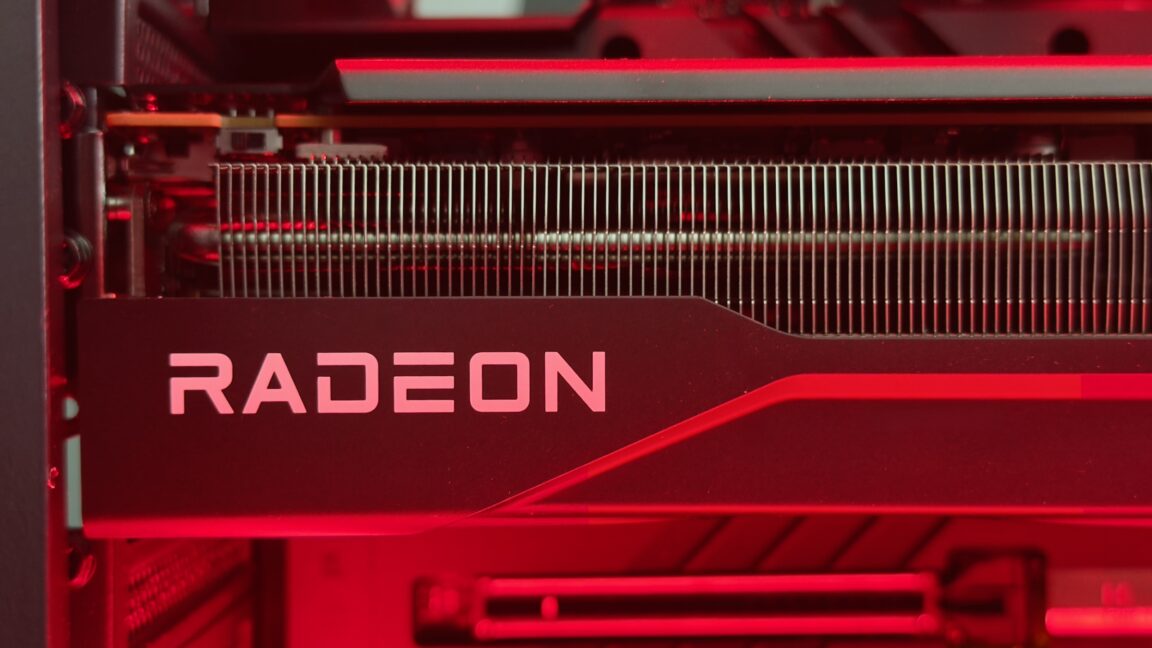
A little over a year ago, AMD launched the Radeon RX 9070 for a suggested retail price of $549. This month, it's launching the similarly named Radeon RX 9070 GRE for a suggested retail price of $549. This new card (actually the US launch of a GPU that's been available in China for a year or so) has 85 percent as many GPU cores, 75 percent as much memory, and 66 percent as much memory bandwidth as the regular RX 9070.
We'll evaluate the RX 9070 GRE in the context of the current GPU market, where prices have been edging upward due to the same AI-driven RAM shortages and price hikes that have made PC building and buying such a miserable experience for the last few months. But it's hard not to be a little upset about such a clear example of GPU shrinkflation—the same money for a markedly inferior product.
© Andrew Cunningham
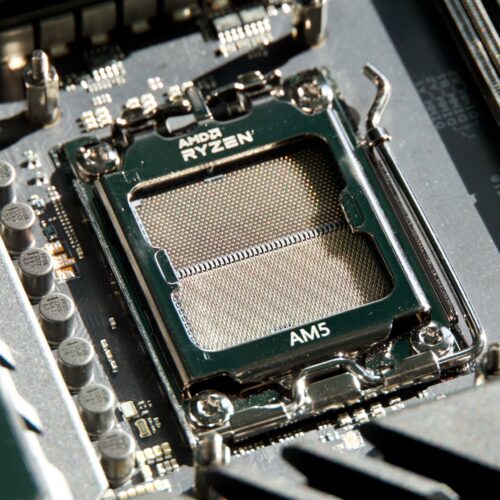
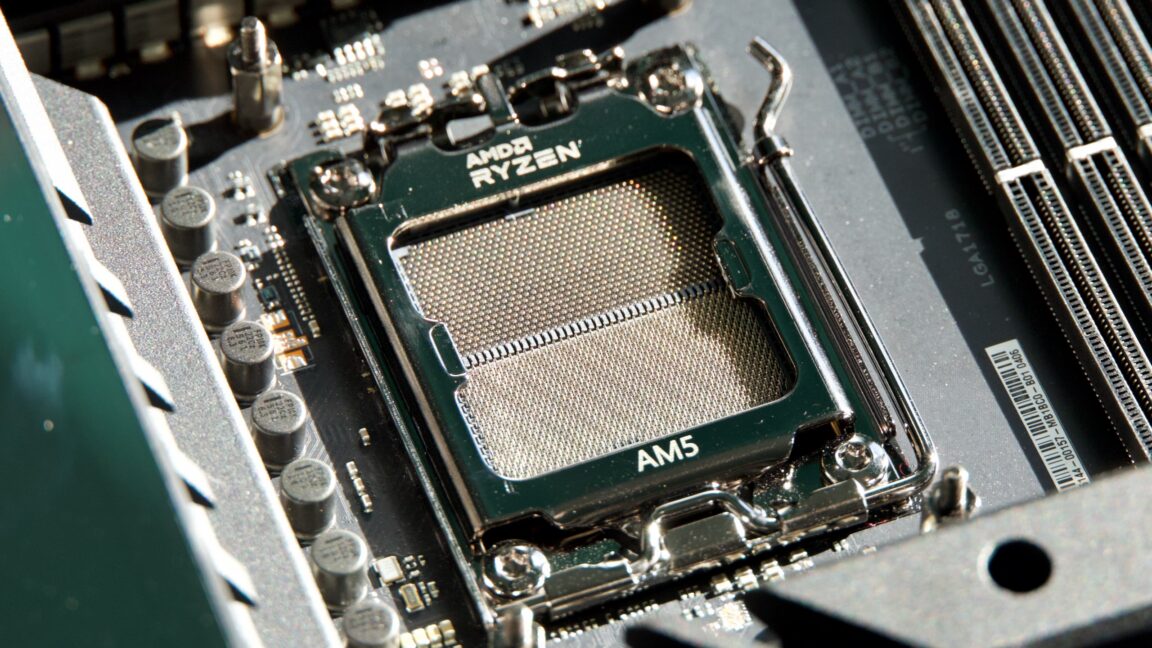
One of the benefits of building an AMD PC is that the company has historically supported its processor sockets for longer than Intel does, allowing the same motherboard (and RAM kit, if you want) to power your PC through multiple CPU upgrades. Today at Computex, AMD announced chips for the current AM5 socket and the improbably-still-around AM4 socket that will help extend their lives a little further, a nod to just how expensive it has become to build a new PC or perform a major upgrade these days.
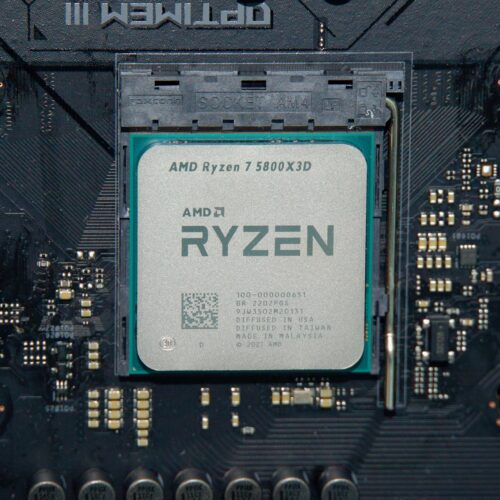
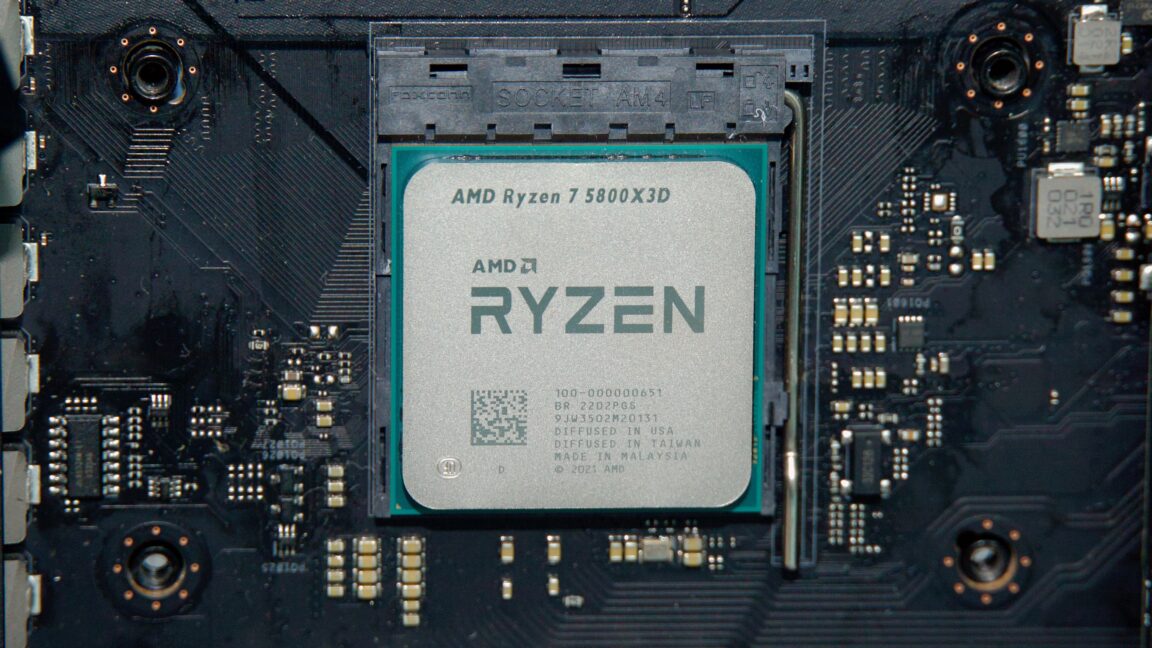
The first of these announcements is something we knew about already: the relaunch of 2022's Ryzen 7 5800X3D, the first of AMD's commercially available 3D V-Cache processors. Dubbed a "10th Anniversary Edition" in reference to how long Socket AM4 has been around, the re-released chip is slower than regular 8-core Ryzen 5000-series CPUs in general productivity tasks but comes with 64MB of extra L3 cache that disproportionately benefits games. If you're trying to use a high-end GPU with an AM4 motherboard, it could help keep your CPU from being a performance bottleneck. The 5800X3D (re-)releases on June 25 for a suggested retail price of $349, which is less than it currently costs to buy secondhand.
As for the current AM5 socket, AMD officially announced that it was extending its support to at least 2029—it was originally planned to last until 2025, then until "2027+," so that means between two and four years of additional support, depending on how you're counting.
© Andrew Cunningham
It's not an ideal time to be buying a new PC or doing a major upgrade. Price crunches for RAM and storage chips are making all kinds of components more expensive, and the shift to DDR5 in modern Intel and AMD CPUs means that a lot of people would need to pay money to replace their current DDR4 kits if they wanted to step up to a significantly newer, faster CPU and motherboard.
AMD may have something on the horizon for people who are looking to stretch their current PC (and its DDR4 RAM kit) just a little further. Leaks spotted by Tom's Hardware point to the existence of an "AMD Ryzen 7 5800X3D 10th Anniversary Edition," a re-release of a 4-year-old out-of-circulation CPU that might nevertheless be an upgrade for people with older Ryzen CPUs in Socket AM4 motherboards.
The "X3D" in the chip's name signifies that it comes with 64MB of extra L3 cache stacked on top of the main CPU die, bringing the total amount of L3 cache to 96MB. Workloads that benefit from extra cache—including most games—will perform much better on the 5800X3D than they do on the vanilla Ryzen 7 5800X.
© Andrew Cunningham
