❌

Reading view

After Senate vote, Trump admin backs off plans to kill ocean monitoring

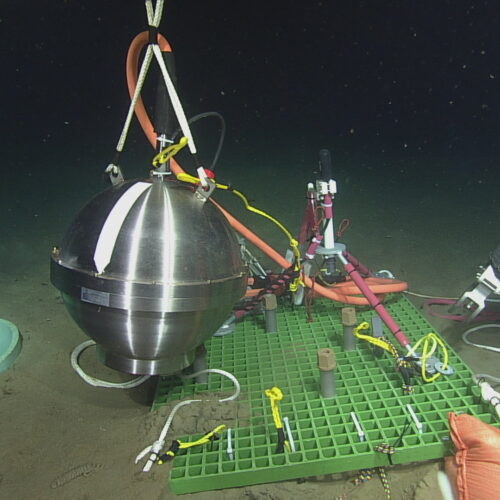
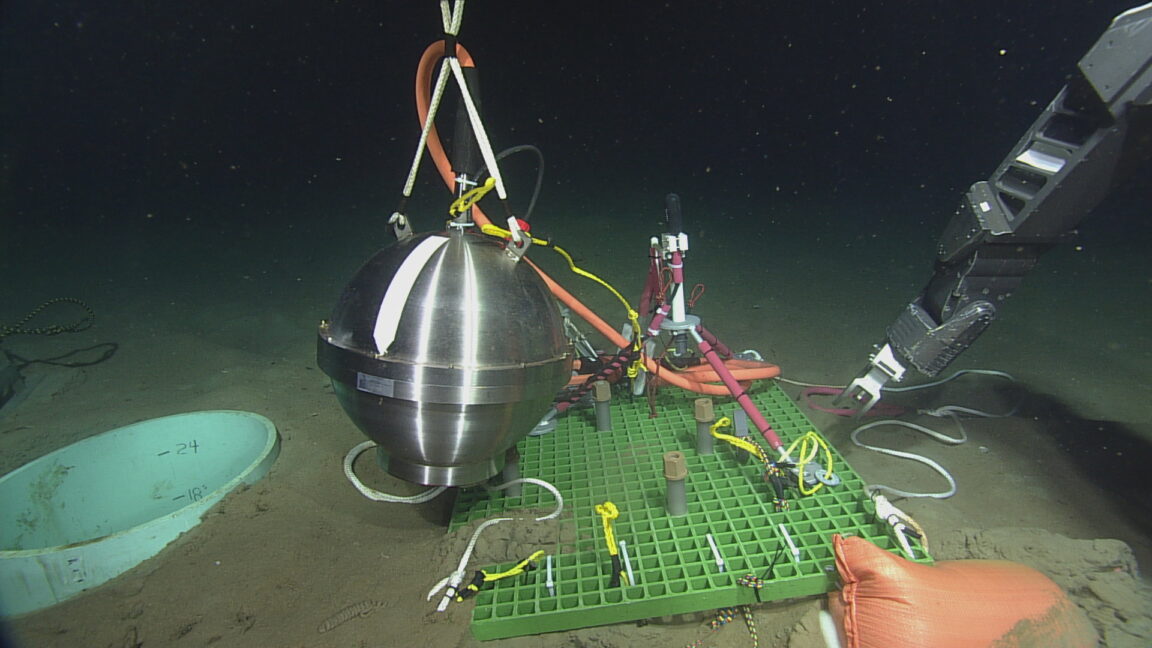
In May, the federal government announced without warning that it would take apart a network of ocean monitoring systems that it had spent over $350 million to build. No reason was given for the decision to shut down the Ocean Observatories Initiative (OOI), but suspicion immediately focused on the network's role in tracking climate change.

But the OOI also provides data that's useful for weather forecasting and fisheries management, leading to widespread opposition. Today, it appears that the opposition has won, as the government will announce that it's reversing the decision. The big remaining question is how much damage the OOI took during the intervening month.

As of now, there is no formal statement available from the federal government. However, The New York Times reports that the decision will be announced later today, and Ars received a statement from Zoe Lofgren, the ranking Democrat on the House Science Committee, indicating that the decision has been made.

Read full article

Comments

© OOI

  •  

How Satellite Technology Is Safeguarding the World’s Drinking Water

Rivers serve as the lifeblood of our planet, weaving through landscapes and ecosystems while sustaining human civilizations. Despite their critical importance, many rivers remain under-studied, often due to the difficulties presented by their accessibility and variability. Small streams can be intermittent and unpredictable, sometimes disappearing for months or even years. This presents a formidable challenge for hydrologists and environmental scientists tasked with understanding these dynamic systems and their impact on water resources. Now, cutting-edge satellite remote sensing technology is revolutionizing how researchers monitor and analyze river health and water quality on a global scale.

Professor Dongmei Feng of the University of Cincinnati is at the forefront of this emerging discipline. Specializing in hydrological modeling and remote sensing, Feng recognizes that satellite data offers an unprecedented opportunity to observe rivers wherever they flow, even those in remote or inaccessible regions. Through spectral analysis of satellite imagery, scientists can detect changes in water quality and identify key pollutants, nutrients, and biological stressors that are difficult to measure through traditional fieldwork alone. This technology enables continuous and comprehensive monitoring, which is essential in managing freshwater resources sustainably.

The article recently published in Nature Water by Feng and her international collaborators underscores the importance of a holistic yet detailed approach to river science. By combining systematic review techniques with satellite-based observations, the researchers advocate studying rivers both individually and collectively. Each river exhibits a unique combination of climatic conditions, geographical features, and human impacts, which influence its health and quality. Understanding these nuances at multiple scales is crucial for predicting the rivers’ response to environmental pressures and human activities.

Rivers are not isolated entities; they are integral to planetary processes, acting as conduits connecting terrestrial landscapes with oceans and the atmosphere. The sediment and nutrients transported from rivers to estuaries serve as essential nourishment for diverse marine ecosystems. Estuaries themselves act as critical breeding grounds and nurseries for countless marine species, making the health of upstream river systems vital to ocean biodiversity. Satellite remote sensing provides a powerful lens through which to monitor these interactions in near real-time with astonishing spatial coverage.

One of the most pressing global environmental concerns linked to river systems is nutrient pollution, which frequently leads to harmful algal blooms. These blooms, fueled by excess nitrogen and phosphorus from fertilizer runoff and sewage discharge, pose severe risks to public health and aquatic ecosystems. Professor Feng’s ongoing research, supported by a substantial grant from the National Science Foundation, aims to unravel nutrient dynamics over the past five decades across multiple rivers worldwide. This extensive historical analysis is anticipated to improve early warning systems, allowing water managers to preemptively respond to developing algal blooms before they reach toxic levels.

The biogeochemical cycles underlying these nutrient movements involve complex feedback mechanisms. Algal blooms block sunlight from penetrating the water column, suffocating submerged vegetation that supports aquatic life. Upon decomposition of the dead algae, oxygen levels in the water plummet, creating ‘dead zones’ where fish and other organisms cannot survive. This process, known as eutrophication, exemplifies how human-induced nutrient loading can trigger cascading ecological failures. Understanding and modeling this cycle is critical for devising targeted mitigation strategies.

Satellite technology, combined with sophisticated computer modeling, is revolutionizing the ability to track water quality parameters such as turbidity, chlorophyll concentration, and dissolved organic matter with unprecedented precision. Dr. Xiao Yang from Southern Methodist University highlights how spectral signatures obtained from satellites can differentiate among various pollutants and ecological indicators. This technological advancement enables continuous global surveillance and geographically detailed water quality assessments that were not feasible before.

The applications of these remote sensing tools extend beyond academic research; they have real-world implications for managing urban infrastructure and protecting public health. Cities that rely heavily on river water for drinking need accurate and timely data to prevent toxic algal contaminants from entering treatment plants. Given that around 90% of the world’s population lives within six miles of a river, technological breakthroughs in monitoring river systems have direct societal benefits, including safeguarding drinking water, supporting recreational activities, and preserving biodiversity.

Moreover, this satellite-enabled river science promises to illuminate previously hidden aspects of hydrological variability and change. By tracking fluctuations in river flow and quality across diverse climatic zones, researchers hope to better understand how climate change will impact freshwater availability and ecosystem services. The integration of historical datasets with contemporary remote sensing observations offers a pathway to predictive models that inform adaptation and conservation efforts worldwide.

The multidisciplinary collaboration evident in Feng’s study incorporates expertise from hydrology, environmental engineering, satellite physics, and data science. Such integrative research approaches are becoming increasingly necessary to tackle complex environmental challenges that span geographic and disciplinary boundaries. The comprehensive global perspective championed in this research paves the way for a new era of river science, where policy decisions and resource management are underpinned by data-driven insights and continuous observation.

As research progresses, the challenge will be to translate these tremendous amounts of data into actionable knowledge. This entails developing user-friendly platforms for water managers and policymakers to interpret satellite-derived information effectively. Ensuring accessibility while maintaining scientific rigor requires ongoing innovation in data analytics and communication. Nonetheless, the promise of these technological tools to safeguard freshwater resources against pollution and ecological degradation has galvanized the scientific community and stakeholders alike.

In conclusion, the integration of satellite remote sensing into river science marks a transformative advancement in understanding and managing one of Earth’s most essential natural resources. Pioneered by experts such as Professor Dongmei Feng, this approach enables scientists to overcome traditional barriers to studying rivers, track nutrient pollution trends, and predict ecological threats such as toxic algal blooms. As the global population continues to grow and climate change accelerates, technologies that provide real-time, global-scale insights into river ecosystems are indispensable for sustainable water management and environmental protection.

Subject of Research: Hydrology, water quality control, and nutrient dynamics in rivers using satellite remote sensing technology.

Article Title: Remote sensing and the new global river science

News Publication Date: 17-Jun-2026

Web References: DOI: 10.1038/s44221-026-00665-2

Image Credits: Andrew Higley

Keywords: Hydrology, Water quality control, Sewage treatment, Water delivery, Environmental engineering, Natural resources management, Pollution control

  •  

Negative Heat Flux Under Low-Shear-Wave-Velocity Zones

Deep within our planet lies a critical interface known as the core–mantle boundary (CMB), a region where extreme temperatures and dynamic processes converge to shape Earth’s thermal and magnetic evolution. Recent research has illuminated the intricate behaviors of heat flow at this boundary, revealing how variations here influence the geodynamo—the mechanism responsible for Earth’s magnetic field. A groundbreaking study now explores how distinctive structures in the lowermost mantle can actually reverse the expected direction of heat transfer, fundamentally altering our understanding of how the deep Earth operates.

The core’s heat output and the mantle’s behavior are intimately linked, but spatial and temporal variations in heat flux at the CMB complicate this relationship. Heat flow from the core into the mantle typically fuels convective currents in the liquid outer core, driving the geodynamo process that sustains Earth’s magnetic shield. However, recent sophisticated simulations suggest that beneath certain geological features in the mantle, heat might instead flow back toward the core, a phenomenon previously unconfirmed and challenging conventional geophysical assumptions.

Central to this discovery are large low-shear-wave-velocity provinces (LLSVPs), massive structures located at the base of the mantle. These provinces are identifiable by their diminished seismic wave speeds, which geophysicists interpret as reservoirs of anomalously hot, chemically distinct materials. The new study models these LLSVPs with enhanced thermal conductivity adjustments and accounts for excess internal heating, simulating how these features interact dynamically with heat flow near the CMB.

The simulations reveal a striking phenomenon: heat flux directly beneath LLSVPs can be locally negative. This means, counterintuitively, that heat is being transferred from the mantle back into the core. This unexpected reversal challenges prior models which generally assumed a consistent outward flow of heat from core to mantle. Such negative fluxes have profound implications not only for the thermal balance of the Earth’s interior but also for the longevity and variability of its magnetic field.

Moreover, the research underscores that throughout the base of the mantle piles associated with LLSVPs, the heat flux remains lower than the adiabatic heat flux of the core. This thermal configuration suggests a degree of regional stratification at the top of the core, potentially explaining discrepancies observed in seismic and geomagnetic data. In other words, the topmost layer of the core may be thermally segregated in ways that we had not confirmed previously.

Interestingly, the study also explores the impact of subducted slabs—denser fragments of oceanic lithosphere—that eventually reach the CMB. The arrival of these slabs triggers pronounced spikes in heat flux, dramatically increasing the heterogeneity of lateral heat flow along the core–mantle boundary. This dynamic enhances the complexity of heat exchange patterns and further influences the geodynamo’s behavior, potentially affecting geomagnetic activity on geological timescales.

A significant implication of these findings relates to so-called “superchrons,” intervals lasting tens of millions of years during which Earth’s magnetic field remains stable without reversals. The occurrence of locally negative heat flux beneath the LLSVPs might explain these long periods of geomagnetic quiescence. When heat flows reversely into the core, it can alter convection patterns in ways that suppress the typical polarity flip mechanism, shedding new light on the origin and cessation of superchrons.

The study’s approach involved advanced mantle thermochemical convection modeling that incorporates temperature-dependent thermal conductivity and internal radiogenic heating within dense mantle piles. This methodological innovation provides a more realistic representation of the mantle’s behavior at extreme conditions than previous models, enabling researchers to capture subtle but critical feedbacks influencing heat fluxes at depth.

By reconciling seismic data, which reveals complex structures in the lowermost mantle, with geomagnetic observations that hint at temporal variability in the geodynamo, this research bridges a vital gap in Earth sciences. The correspondence between the spatial extents of LLSVPs and anomalies in the geomagnetic field suggests a coupling mechanism mediated through heat flux variations being directly tied to mantle dynamics.

The nuanced understanding of heat flow gleaned from this work also carries implications for the planet’s thermal evolution over geologic time. How heat migrates across the CMB influences the cooling rate of the core, the crystallization of the solid inner core, and consequently the lifecycle of the geodynamo. The discovery that heat transfer is not unidirectional, but can locally reverse in space and time, necessitates revisiting models of Earth’s deep thermal history and magnetic field generation.

This revelation also lays groundwork for interpreting seismic tomography results with a new lens, appreciating that chemical and thermal heterogeneity in LLSVPs exerts a tangible impact on core processes. The presence of chemically distinct reservoirs affects not only the mantle’s physical properties but also its thermal gradient with direct knock-on effects for core convection patterns and magnetic field intensity.

Such interconnectedness across Earth’s deep interior underscores the planetary-scale complexity of thermal and compositional interactions driving Earth’s long-term stability. The core-mantle boundary emerges not simply as a static physical barrier but as a dynamic interface where thermal regimes, chemical signatures, and fluid motion all coalesce to modulate our planet’s magnetic heartbeat.

Future research building on these findings may sharpen our forecasts for geomagnetic field behavior, including its reversals and excursions, by incorporating the interplay of mantle structures and heat flux heterogeneity shown in this study. Understanding these processes is not merely academic; Earth’s magnetic field shields life on the surface from charged solar particles, making geomagnetic stability crucial for habitability.

In conclusion, the discovery of negative heat flux beneath LLSVPs represents a paradigm shift in understanding Earth’s deep thermal dynamics. It opens fresh avenues into interpreting Earth’s magnetic field history and its deep interior’s energy budget, challenging geoscientists to refine their models of the planet’s evolving mantle and core mechanisms. The study invites a reconsideration of how internal heat governs the interplay between mantle convection and geomagnetic phenomena, securing a pivotal advance in the geophysical sciences.

As our planet continues its ceaseless churn beneath the crust, these findings remind us that Earth’s interior is a realm of profound complexity and subtle interactions. The dance of heat and composition at the core-mantle boundary not only choreographs magnetic field generation but ultimately shapes the environment that sustains life above ground. Unlocking its secrets brings us closer to comprehending the planet’s past, present, and future in extraordinary detail.


Subject of Research: Core–Mantle Boundary Heat Flux Variations and Their Impact on Mantle Dynamics and Geodynamo Behavior

Article Title: Negative core–mantle boundary heat flux beneath low-shear-wave-velocity provinces

Article References:
Deschamps, F., Guerrero, J.M., Amit, H. et al. Negative core–mantle boundary heat flux beneath low-shear-wave-velocity provinces. Nat. Geosci. (2026). https://doi.org/10.1038/s41561-026-02018-w

Image Credits: AI Generated

DOI: https://doi.org/10.1038/s41561-026-02018-w

  •  

Greenland Ice Sheet Melt: 1500–2200 CE Trends

The Greenland Ice Sheet: An Unstoppable Catalyst of Global Sea-Level Rise

In the unfolding narrative of our planet’s climate crisis, the Greenland Ice Sheet stands as one of the most formidable agents of change. Since the dawn of satellite observations in 1992, this massive reservoir of ice has relinquished approximately 4,900 gigatons of ice, a staggering volume whose meltwater has contributed about 13 millimeters to the rise in global mean sea level. Such a figure, while already alarming, merely scratches the surface of potential long-term impacts. Even in a hypothetical future devoid of any additional warming, the Greenland Ice Sheet is effectively locked in to contribute an extra ~274 millimeters to global sea levels. This commitment underscores a sobering reality: the ice sheet’s decline is not simply a transient phenomenon but a geological-scale reordering, with the total potential of a 7-meter sea-level rise looming if complete melting ever unfolds.

To truly grasp the implications of the Greenland Ice Sheet’s evolution, scientists have undertaken comprehensive syntheses of its surface melt dynamics extending across centuries—from 1500 to projections as far ahead as 2200 CE. This historical and predictive vantage reveals a striking acceleration in surface melt beginning in the 1990s, characterized by a rapid increase of roughly 1 percent per year. This upsurge has not occurred in isolation. Rather, it is a direct consequence of amplified regional warming patterns coupled with notable alterations in atmospheric circulation dynamics. A phenomenon known as enhanced atmospheric blocking—where persistent high-pressure systems effectively stall weather patterns—has played a pivotal role in this rapid intensification of melt rates.

The consequences of these climate shifts manifest with increasing frequency and severity in extreme melt events. Since 2007, Greenland has experienced multiple unprecedented episodes where melting persists intensively over several consecutive days. These events reach apogees such as the extraordinary case of July 2012, during which almost the entirety of the ice sheet surface succumbed to thawing. Such extremes stress the limits of current predictive models and underscore the urgent need to understand the complex interplay of forcings driving these episodes.

Dominating the seasonal melt cycle is the absorption of shortwave solar radiation. Solar energy, pouring relentlessly onto the ice sheet’s surface during summer months, serves as the primary engine for surface melting. However, this process is far from straightforward or uniform. Turbulent heat fluxes—essentially the turbulent exchange of heat between the ice and atmosphere—alongside cloud cover dynamics and the critical feedback mechanism of albedo, significantly modulate the spatial and temporal variability of melt. Albedo effects refer to the reflectivity of the ice surface: as ice melts and dark patches or meltwater form, less sunlight is reflected back, and more is absorbed, accelerating melt rates in a self-reinforcing loop.

Yet, it is precisely the intricate and interlinked nature of these processes that confounds climate models. Even among today’s state-of-the-art regional climate models, there is a stark divergence in projections of Greenland’s surface melt and mass loss. When subjected to identical climate forcing scenarios, these models yield predictions differing by as much as a factor of two. This discrepancy highlights fundamental uncertainties inherent in simulating the nuanced physics of ice-atmosphere interactions, energy balance complexities, and meltwater behavior within the firn layers—densely packed snow that acts as a sponge holding meltwater before it refreezes or runs off.

A central challenge lies in the accurate representation and integration of these processes within numerical simulations. Extreme melt events, in particular, remain difficult to quantify and predict with confidence. The drivers behind these sporadic but increasingly frequent episodes are multifaceted, involving shifts in jet stream patterns, atmospheric blocking frequencies, and the enigmatic influence of cloud microphysics. Likewise, the fate of meltwater—whether it refreezes in the porous firn layers or contributes to runoff—critically influences the net mass balance of the ice sheet yet remains poorly constrained in many models.

Adding further layers of complexity, coupling between atmospheric forcing and the surface energy balance must accurately capture feedback loops and temporal variability. Discrepancies in these couplings propagate through simulations and exacerbate uncertainties in projections of future melt and associated sea-level rise contributions. Scientists recognize that overcoming these hurdles necessitates expanding observational networks across Greenland, leveraging advanced remote sensing methods combined with in situ monitoring to resolve fine-scale processes.

Furthermore, there is a burgeoning potential for integrating emerging data-driven approaches into this research frontier. Machine learning, artificial intelligence, and data assimilation techniques offer promising means to synthesize vast datasets, identify subtle patterns, and enhance the physical realism of model parameterizations. However, realizing these gains demands concerted efforts in model development, interdisciplinary collaboration, and continued investment in observational infrastructure.

The stakes could hardly be higher. Greenland’s meltwater contributions are a central element of global sea-level rise—one of the most significant threats to coastal communities worldwide. The unprecedented speed and scale of Greenland surface melt ask not only for scientific diligence but also for rapid climate mitigation and adaptation strategies. The Greenland Ice Sheet is both a harbinger and accelerator of change in Earth’s climate system, embodying losses that reverberate far beyond polar latitudes.

Looking to the centuries ahead, the trajectory of Greenland’s surface melt remains riddled with uncertainty but is unmistakably poised on an upward trend in response to continued warming. Understanding and predicting this trajectory with greater precision is not merely an academic endeavor; it is a prerequisite for global climate resilience planning. The Greenland Ice Sheet, with its vast store of frozen freshwater, is a sentinel of deep Earth system transformations, reminding humanity of the interconnectedness of climate, ice, and sea.

Our current epoch demands that we unravel the intricacies of ice sheet melting at a pace matching the climate forces reshaping our planet. The Greenland Ice Sheet’s story, as told from the past into the future, is both a cautionary tale and an invitation to innovate in climate science. Only through enhanced observational capabilities, refined models, and novel integrative approaches can we rise to this challenge. The fate of coastlines, ecosystems, and human settlements worldwide hinge on the answers we find in this colossal frozen archive.

As the Earth warms, the story of Greenland’s shrinking ice transforms from abstract projections into tangible realities. Extreme melt events once considered anomalies have become harbingers of a new normal, with implications cascading through global systems. The urgency of understanding this dynamic, the mechanisms underpinning it, and its future paths cannot be overstated. Greenland, in its ancient calm, increasingly pulses with restless change—bearing witness to and driving one of the most profound climate transformations of our era.

Subject of Research: Greenland Ice Sheet surface melt and its contributions to global sea-level rise.

Article Title: Past, present and future Greenland Ice Sheet surface melt, 1500–2200 CE.

Article References:
Hanna, E., Box, J.E., Fettweis, X. et al. Past, present and future Greenland Ice Sheet surface melt, 1500–2200 CE. Nat Rev Earth Environ (2026). https://doi.org/10.1038/s43017-026-00800-3

Image Credits: AI Generated

DOI: 10.1038/s43017-026-00800-3

Keywords: Greenland Ice Sheet, surface melt, sea-level rise, climate change, atmospheric circulation, atmospheric blocking, albedo feedback, turbulent heat fluxes, climate models, firn processes, meltwater retention, extreme melt events

  •  

Scientists Uncover the Hidden Process That Can Turn Magma Into an Explosive Force

Lava Fountain During the 2021 Tajogaite EruptionResearchers found that a magma’s thermal history may be a key factor in determining whether an eruption becomes more vigorous or remains relatively gentle. What happens deep beneath a volcano can determine whether an eruption unfolds as a slow-moving lava flow or explodes into towering fountains of molten rock. New research suggests that one overlooked [...]
  •  

Warming Turns Western Arctic Ocean into Drifting Hub

As the Arctic Ocean undergoes unprecedented warming due to climate change, scientists have identified a striking transformation in the western sector of this fragile marine ecosystem. Recent research published in Nature Communications reveals that this region is evolving into a dynamic hub of drifting matter, reshaping the physical and biological landscape in ways previously unanticipated. This phenomenon holds profound implications for our understanding of Arctic oceanography, the cycling of organic material, and the broader impacts of a warming planet.

For decades, the Arctic Ocean has been recognized as a critical component of Earth’s climate system, but warming temperatures have accelerated ice melt and altered circulation patterns at an alarming pace. The study by Wang, Liu, Shu, et al., delves deeply into how these changes manifest in the transport of particulate and dissolved matter. The western Arctic Ocean, once characterized by more stable, ice-influenced conditions, is increasingly influenced by warmer water masses that mobilize large quantities of drifting organic and inorganic material.

The researchers combined extensive observational data with advanced modeling techniques to investigate these transformations. Their findings paint a complex picture: as sea ice retreats, the dynamics of water flow shift, creating conduits that concentrate drifting matter in specific zones. Unlike the traditional view of the Arctic as a static ice-dominated environment, this new approach highlights its emerging role as a corridor and collector of chemical and biological detritus, redistributing materials across vast distances.

One of the most surprising discoveries is the emergence of the western Arctic Ocean as a hotspot for organic matter transport. Previously, particulate organic carbon was thought to be sequestered primarily near ice margins or continental shelves, but warming has altered circulation patterns, enhancing lateral movement. This has significant implications for nutrient cycles, as carbon and other elements hitch rides on ocean currents or floating debris, influencing biological productivity far beyond their origin points.

This drifting matter includes microplastics, phytoplankton remains, and detrital fragments, all contributing to the changing ecological fabric. The research underscores the intricate coupling between warming temperatures, ice dynamics, and biogeochemical fluxes. As warming continues, the region transitions from a repository of static ice-bound materials into an active zone of dispersal, affecting phytoplankton blooms and food web dynamics in the Arctic basin.

Moreover, the western Arctic’s role as a hub for drifting matter modifies the interactions between marine organisms and their environment. Nutrient distribution patterns affect microbial communities, which in turn regulate carbon cycling through respiration and remineralization processes. Thus, the ecological consequences ripple outward, influencing Arctic biodiversity and potentially feedback loops relevant to global climate regulation.

The authors point out that these changes could impact the delivery of terrestrial and marine-derived nutrients and pollutants. Melting permafrost and coastal erosion, exacerbated by warming, release terrestrial organic material and contaminants that then enter ocean currents. The western Arctic Ocean collects and transports these materials, serving as a conveyor belt to downstream environments, including the North Atlantic.

In terms of physical oceanographic features, the study reveals intensified flow regimes and modified eddy formation that promote retention and accumulation zones for drifting matter. This revises previous assumptions about particle dispersal and suggests that dynamic physical processes are integral to understanding carbon sequestration pathways and pollutant transport in the Arctic.

The findings also raise concerns about the fate of microplastics and other anthropogenic debris in the Arctic environment. As the region warms, increased shipping traffic and resource extraction activities add to the influx of pollutants. The western Arctic Ocean’s role as a collector of drifting matter raises the stakes for environmental monitoring and contamination assessments.

Further complicating this picture, seasonal changes in ice cover alter the timing and magnitude of drift events. Snow and ice melt can trigger pulses of organic and inorganic material movement, influencing the timing of biological productivity and ecosystem responses. These seasonal dynamics are critical to forecasting future Arctic productivity under continued climate change scenarios.

From a methodological perspective, the integration of satellite data, in situ observations, and sophisticated hydrodynamic models enabled the discovery of these patterns over spatial and temporal scales previously unattainable. This multi-disciplinary approach sets a new standard for studying complex polar systems under rapid environmental change.

The implications of this research extend beyond the Arctic itself. By altering carbon cycling and material transport, the western Arctic Ocean may influence global biogeochemical cycles and climate feedbacks. These shifts underscore the interconnectedness of Earth systems and the need for comprehensive monitoring of polar regions.

Looking forward, the study calls for increased international cooperation to monitor drifting matter and its ecological consequences. Understanding how warming reshapes Arctic oceanography will be crucial for predicting future ecosystem services, including fisheries and climate regulation.

In summary, this breakthrough research reveals the western Arctic Ocean’s emerging identity as a hub of drifting matter—a dynamic and shifting landscape shaped by warming temperatures and retreating ice. This transformation represents a paradigm shift in our understanding of Arctic ocean processes, with broad implications for carbon cycling, pollution transport, and ecosystem health in a rapidly changing world.


Subject of Research: Arctic Oceanography and Biogeochemical Cycles

Article Title: Warming transforms the western Arctic Ocean into a hub of drifting matter

Article References:
Wang, K., Liu, C., Shu, Q. et al. Warming transforms the western Arctic Ocean into a hub of drifting matter. Nat Commun 17, 5317 (2026). https://doi.org/10.1038/s41467-026-74439-5

Image Credits: AI Generated

DOI: https://doi.org/10.1038/s41467-026-74439-5

  •  

Catchment Lithology Shapes Antarctic Peninsula Carbon Balance

In a groundbreaking study set to reshape our understanding of polar carbon dynamics, researchers have uncovered that the lithology of catchment areas along the Antarctic Peninsula plays a pivotal role in regulating the net carbon balance of these fragile ecosystems. This revelation not only challenges previous assumptions regarding carbon sequestration in polar regions but also highlights the complex interplay between geology and climate change in one of the planet’s most sensitive areas.

For decades, scientists have grappled with accurately quantifying carbon fluxes in polar environments due to the extreme conditions and limited accessibility. The Antarctic Peninsula, stretching northwards from the main Antarctic continent, represents a unique geophysical interface where ice, rock, and ocean converge. Prior research predominantly focused on biological and climatic factors controlling carbon balance but seldom accounted for the geochemical contributions borne from the underlying lithology. This new research sets a transformative precedent by rigorously dissecting how rock types influence carbon absorption and release processes, thereby painting a more nuanced picture of the peninsula’s carbon budget.

The study relied heavily on state-of-the-art field measurements coupled with advanced geochemical modeling to parse out the contributions of catchment lithology—essentially the rock makeup and mineral composition of drainage basins—to net carbon balance. Geological substrates act not only as passive backdrops but as active participants in biogeochemical cycles. Chemical weathering of silicate and carbonate minerals can sequester atmospheric carbon dioxide, while other rock forms may facilitate carbon release via mineral dissolution or hydrological transport mechanisms. The research team meticulously sampled various catchment zones along the peninsula, integrating data from frozen soils, sediment runoff, and meltwater streams to decode these lithological influences.

One of the most striking findings from the investigation was the spatial variability of carbon fluxes directly correlated with geological heterogeneity. Catchments dominated by silicate-rich bedrock exhibited higher carbon sequestration capabilities through rock weathering processes compared to those underlain by carbonate lithologies, which tend to release carbon dioxide during dissolution. This variability suggests that predictions of polar carbon dynamics need to incorporate detailed geological maps and lithological classifications for greater precision. Such insights could significantly improve climate models that currently struggle with polar region parameterization.

Moreover, the researchers illuminated the role of mineral weathering as a long-term sink for atmospheric CO2, contrasting the widely documented biological sinks such as phytoplankton blooms and moss growth. In particular, the slow yet persistent process of silicate mineral weathering draws down carbon dioxide, converting it into bicarbonate ions that are flushed into the ocean. This naturally occurring geological carbon pump could be particularly impactful in the Antarctic Peninsula where rapid glacial retreat exposes fresh silicate rock surfaces, enhancing weathering rates. These observations offer compelling evidence that geological processes may buffer climate change effects, at least regionally, by locking away carbon in mineral forms.

Intriguingly, temporal data spanning multiple melt seasons revealed that net carbon balance is highly sensitive to seasonal variations in temperature and hydrology, which themselves are modulated by lithological factors. For example, catchments composed of permeable volcanic rocks exhibited more pronounced meltwater infiltration, accelerating mineral weathering and carbon sequestration during warm months. Conversely, less permeable sedimentary formations tended to trap water and organic carbon within soils, affecting the timing and magnitude of CO2 fluxes to the atmosphere. This complex feedback between lithology, hydrology, and climate underscores the necessity of interdisciplinary approaches when assessing polar carbon systems.

The implications of these findings reverberate far beyond academic curiosity. As the Antarctic Peninsula experiences some of the fastest warming rates on Earth, understanding the controls on carbon balance is critical for forecasting future climate trajectories. If lithological variability leads to differential carbon sequestration zones, then localized geological disruptions caused by melting glaciers or human activity could substantially alter regional carbon budgets. This knowledge is paramount for policymakers designing effective climate mitigation strategies, particularly in sensitive high-latitude environments where carbon feedbacks may accelerate global warming.

In addition to geochemical and climatological impacts, the study also highlights the potential for emerging technologies such as remote sensing and machine learning to map lithological controls at unprecedented resolution. By integrating satellite imagery with field data, researchers can create predictive models that swiftly identify carbon hotspots and areas vulnerable to carbon loss. This approach holds promise not only for Antarctic research but for global efforts to monitor and manage terrestrial carbon stocks in the face of escalating environmental change.

Furthermore, the interdisciplinary team behind this research underscores the importance of collaboration across geology, ecology, and atmospheric science disciplines. Only through such synergies can the subtle yet powerful effects of geological substrates on biogeochemical cycles be fully appreciated. This holistic perspective marks a paradigm shift in polar science, encouraging future studies to transcend traditional boundaries between earth sciences and climate research.

The work also invites a reevaluation of how catchment-scale processes are incorporated into Earth system models. Historically, these models have neglected fine-scale lithological heterogeneities, instead favoring generalized assumptions about soil and sediment carbon storage. The evidence provided by this study advocates for embedding lithological parameters into model architectures, enabling more accurate simulations of polar carbon dynamics under variable climatic scenarios. Such advancements are vital for anticipating tipping points in Antarctic ecosystems where abrupt changes could trigger widespread carbon release.

As global attention intensifies on polar regions as bellwethers of climate change, the intricate connection between rocks beneath our feet and atmospheric carbon cycles comes sharply into focus. The Antarctic Peninsula serves as a natural laboratory, revealing that the geology beneath evolving ice landscapes is not merely inert background but an active, dynamic component influencing the Earth’s carbon footprint. These insights champion a new era where geosciences play a central role in unraveling planetary carbon mysteries and inform global climate stewardship.

To realize the full potential of these findings, continuous monitoring and expanded field campaigns will be indispensable. The study sets a benchmark for future Antarctic research by demonstrating how integrative methodologies can decode complex environmental phenomena. With accelerating climate pressures threatening polar ecosystems, unraveling the lithological control on carbon balance becomes not just an academic endeavor but an urgent imperative for humanity’s environmental resilience.

In conclusion, this landmark research elegantly reveals how the mineral composition and geological characteristics of Antarctic catchments exert profound control over carbon exchanges between land, atmosphere, and ocean. By amalgamating detailed geochemical analyses with ecological and climatic data, the study enriches our comprehension of polar carbon cycling and offers tangible pathways to improve global climate models. As the Antarctic Peninsula continues to reshape itself under warming skies, understanding the lithological underpinnings of its carbon dynamics will be essential for predicting its role in the Earth’s future climate narrative.


Subject of Research: Geology and carbon cycling in the Antarctic Peninsula catchments

Article Title: Catchment lithology controls net carbon balance along the Antarctic Peninsula

Article References:
He, S., Zhang, X., Hu, H. et al. Catchment lithology controls net carbon balance along the Antarctic Peninsula. Nat Commun (2026). https://doi.org/10.1038/s41467-026-74667-9

Image Credits: AI Generated

  •  

Widespread Glacier Algal Blooms Grow Across Greenland Ice

The Greenland Ice Sheet, one of the planet’s largest reservoirs of freshwater, has become the focal point of groundbreaking research revealing a hitherto underestimated phenomenon: pervasive and expanding glacier algal blooms. Recent advanced modeling conducted by scientists Williamson and Tedstone has shed new light on the spatial extent and environmental implications of these microscopic organisms thriving on the ice. This emerging evidence disrupts prior assumptions about glacier ecosystems and poses significant concerns regarding future ice sheet dynamics amid climate warming.

Glacier algae, photosynthetic microorganisms adapted to extreme cold, dark, and nutrient-poor environments, have traditionally been considered minor ecological players in polar regions. However, their capacity to proliferate in biofilms across the ice surface influences the ice’s physical properties profoundly. The team utilized sophisticated climate-ice modeling tools coupling biological growth parameters to simulate algal bloom dynamics across Greenland’s vast ice sheet. This holistic approach enabled quantification of bloom distribution and intensity under current and projected climatic scenarios, opening avenues to assess feedback mechanisms in cryosphere systems.

The researchers addressed key variables including temperature fluctuations, solar radiation, meltwater availability, and nutrient influx that regulate glacier algal growth. By integrating these parameters, their model replicated repeated satellite observations indicating that algal blooms have become ubiquitous rather than occasional phenomena on the ice sheet’s surface. Importantly, this newfound ubiquity corresponds with notable increases in the ice’s albedo reduction, a process by which the darkened ice absorbs significantly more solar energy, accelerating melting rates substantially.

One of the critical breakthroughs of the study is the identification of a positive feedback loop involving glacier algae expansion and ice melt intensification. As temperatures rise, the expanded meltwater ponds create optimal microhabitats, facilitating rapid algal growth. This dark biomass, in turn, reduces reflectance, trapping more heat and thus promoting further meltwater generation—a cascading effect that amplifies ice mass loss. The implications for sea-level rise are profound since even marginal increases in melt rates compound over the Greenland Ice Sheet’s immense area.

The modeling framework also underscores the spatial variability of algal bloom intensity. Coastal fringes and lower elevation zones experience the highest biomass accumulation due to warmer temperatures and longer melt seasons. Conversely, high-altitude sites see more sporadic blooms, limited by colder conditions and shorter windows of liquid water presence. However, the projection models suggest an altitudinal upward expansion of these biological communities as climate warming persists, potentially transforming previously cryotoxic zones into hospitable environments for microbial colonization.

Further analysis revealed complex interactions between algal species composition and their pigmentation, which influence their light-absorption properties. Some glacier algae produce dark pigments like purpurogallin, a bioactive compound that enhances solar radiation absorption, contributing disproportionately to albedo reduction relative to their biomass. This biochemical adaptation illustrates the tightly coupled biological-physical dynamics on ice surfaces and the potential for microbe-driven modulation of glacier energy balance.

The study also incorporates insights from remote sensing technologies, including multispectral satellite instruments capable of detecting subtle color changes on the Greenland Ice Sheet indicative of blooming events. These observational datasets, validated against in-situ measurements, provided empirical support for the model’s predictive accuracy. Such integration of fieldwork and computational modeling represents a cutting-edge methodology in cryoecology, enabling researchers to quantify glacier surface biological phenomena at unprecedented spatial and temporal resolutions.

Climate models incorporating these glacier algal dynamics expose an alarming acceleration in the Greenland Ice Sheet’s mass loss trajectory. Inclusion of biological factors leads to revised melt projections that surpass prior estimates relying solely on physical ice melt processes. This insight challenges the traditional paradigms of cryosphere modeling and calls for a multidisciplinary approach that fully integrates biogeochemical and microbial influences into climate impact assessments.

From an ecological perspective, expanding glacier algal blooms signify a broader shift in polar microbial ecosystems in response to anthropogenic climate change. These vibrant microbial mats not only modify the physical environment but also participate actively in the cycling of nutrients and carbon on the ice surface, potentially altering biogeochemical fluxes at regional and global scales. The expansion of such biota may herald a new era of glacier ecology, where microbial life increasingly shapes cryospheric processes.

The researchers caution that while current models provide a vital baseline, uncertainties remain regarding the precise sensitivity of glacier algae to evolving environmental parameters such as nutrient availability from atmospheric deposition and meltwater chemistry alterations. Future investigations will need to incorporate microbial genomic and metabolic studies to refine growth kinetics and adaptive resilience under multifactorial stress conditions driven by climate variability.

The potential ramifications of glacier algal blooms extend beyond Greenland. Similar processes may be occurring or will develop in ice masses worldwide, including mountain glaciers and Antarctic ice shelves. This raises critical questions about representativeness and transferability of observational and modeling findings across different cryoenvironments. Continued interdisciplinary research is essential to globally map biological-cryosphere interactions and predict their contributions to ice sheet stability and sea-level rise.

Ultimately, the work by Williamson and Tedstone adds a vital piece to the puzzle of how biological life interacts with Earth’s changing cryosphere. Their modeling of ubiquitous and expanding glacier algal blooms challenges us to reconsider ice sheets not merely as inert reservoirs of frozen water, but as dynamic ecosystems intricately entwined with climate processes. As climate warming intensifies, these microscopic organisms emerge as influential agents capable of reshaping the trajectories of some of the planet’s most critical and vulnerable landscapes.

Their findings call for immediate attention from climate scientists, ecologists, and policymakers alike, highlighting the need to integrate biological feedbacks into predictive models and mitigation strategies. Understanding and managing the consequences of expanding glacier algal blooms may prove crucial for preserving polar environments and moderating global sea-level rise in the coming decades.

In essence, Greenland’s ice sheet is not just melting — it is biologically darkening and transforming in ways that complicate our understanding of climate change impacts. The intersection of microbial ecology and glaciology unveiled by this study signals a paradigm shift that underscores the intricate complexity of Earth’s systems and the unforeseen drivers accelerating environmental change.

Subject of Research: Glacier algal blooms on the Greenland Ice Sheet and their impacts on ice melt and albedo reduction.

Article Title: Ubiquitous and expanding glacier algal blooms modelled around the Greenland Ice Sheet.

Article References:
Williamson, C.J., Tedstone, A.J. Ubiquitous and expanding glacier algal blooms modelled around the Greenland Ice Sheet. Commun Earth Environ (2026). https://doi.org/10.1038/s43247-026-03758-8

Image Credits: AI Generated

  •  

Rising Aircraft Emissions Threaten Air Quality, Health

As the world continues to witness unprecedented growth in air travel, a groundbreaking study published in Communications Earth & Environment reveals alarming insights into the global repercussions of accelerating aircraft emissions on air quality and human health. This landmark research meticulously quantifies how expanding aviation activities contribute to deteriorating atmospheric conditions and exacerbate public health crises worldwide, underscoring an urgent need for global policy interventions and technological innovation.

The aviation sector, responsible for a substantial portion of anthropogenic greenhouse gas and pollutant outputs, has long been scrutinized for its environmental footprint. Yet, the intricate dynamics linking aircraft emissions to widespread air quality degradation and subsequent health implications have remained largely underexplored until now. Quadros, Nelen, Snellen, and colleagues harnessed sophisticated atmospheric modeling techniques combined with epidemiological data to elucidate these complex pathways with unprecedented precision.

Aircraft engines emit a cocktail of pollutants, including nitrogen oxides (NOx), particulate matter (PM), volatile organic compounds (VOCs), and carbon dioxide (CO2). These emissions initiate a cascade of atmospheric chemical reactions, creating secondary pollutants such as ozone and fine particulate matter, which profoundly impair air quality. The study’s simulation results reveal that aircraft emissions alone contribute significantly to elevated ground-level ozone concentrations, particularly in densely populated and heavily trafficked air corridors.

One of the study’s pivotal findings focuses on the spatial distribution of pollution burdens. Regions adjacent to major airports and common flight routes exhibit air quality dips notably beyond local vehicular and industrial contributions. The researchers found that the transboundary nature of aircraft emissions facilitates the transport of chemically reactive species across continents, linking aviation activities not only to local but also to regional and global air pollution episodes.

In terms of human health, the implications are disturbing. The researchers applied integrated exposure-response functions to estimate the morbidity and mortality attributable to aviation-induced pollution. Their assessments suggest a substantial increase in respiratory ailments, cardiovascular diseases, and premature deaths attributable to aircraft emissions. Particularly vulnerable populations, such as urban dwellers, children, elderly individuals, and those with preexisting conditions, face disproportionate risks.

Moreover, the study highlights the synergistic effects of aircraft emissions with other urban pollutants, exacerbating harmful synergistic interactions that amplify health risks. For instance, the NOx and VOCs emitted interact under sunlight to generate ozone, a potent respiratory irritant, and exacerbate asthma symptoms. The authors stress the importance of recognizing these nonlinear effects for robust public health policy formulation.

Climate feedback mechanisms linked to aviation emissions emerge as a critical concern in the report. The authors delineate how nitrogen oxides released at high altitudes not only affect surface-level ozone but also perturb the radiative balance of the atmosphere. This creates complex feedback loops that potentially accelerate climate warming, indicating that the environmental cost of aviation extends beyond conventional pollutants to include broader climatic impacts.

Technology advances and mitigation strategies receive thorough evaluation in the study. The authors discuss current emission reduction technologies such as lean-burn engines, sustainable aviation fuels (SAFs), and operational measures like optimized flight paths and altitude adjustments. Despite their promise, the research cautions that without comprehensive adoption and scaling, these technologies alone may fall short of offsetting the forecasted growth in emissions.

The aviation sector is projected to expand considerably over the coming decades, driven by economic growth and increasing globalization. The study’s projections indicate that without stringent regulatory frameworks and aggressive emission reduction commitments, the global burden of aviation-induced air pollution and related health impacts will escalate dramatically, particularly in emerging economies with rapidly growing air traffic.

Policy recommendations form a cornerstone of the researchers’ conclusions. They advocate for coordinated international efforts to tighten emission standards, mandate SAF usage, and invest in next-generation propulsion technologies such as electric and hydrogen-powered aircraft. Furthermore, integrating aviation sector goals into broader air quality management and climate policies is deemed essential to maximize health and environmental benefits.

In addition to technological and regulatory measures, the report emphasizes the role of real-time monitoring networks and data-sharing frameworks. Enhanced surveillance of aircraft emissions and their atmospheric transformations can enable dynamic policy responses, better inform public health advisories, and foster transparency and accountability among stakeholders ranging from airlines to regulators.

The health economics dimension discussed in the study reveals enormous societal costs tied to aviation-related air pollution. Hospitalizations, lost productivity, and long-term healthcare expenditures attributed to pollution-induced diseases impose substantial financial burdens on governments and communities alike, reinforcing the public health imperative for aggressive mitigation.

Further research priorities identified in the report call for improved characterization of ultrafine particles emitted by aircraft engines, nuanced understanding of population exposure patterns near airports, and exploration of co-benefits arising from simultaneous air quality and climate interventions. Interdisciplinary collaboration combining atmospheric science, epidemiology, engineering, and policy studies is championed as the pathway to innovative solutions.

In light of this new research, the aviation industry stands at a crossroads. Balancing the undeniable economic and social advantages of air travel with its adverse environmental and health externalities necessitates transformative thinking and collaborative global action. The study’s revelations provide an indispensable scientific foundation for stakeholders to forge a sustainable aviation future.

This comprehensive investigation serves as a clarion call for urgent recognition of the aviation sector’s hidden consequences, urging policymakers, industry players, and the public to engage in proactive, science-informed strategies that safeguard air quality and human health on a planetary scale.

Subject of Research:
The study focuses on evaluating the global impact of increasing aircraft emissions on air quality and related human health outcomes, analyzing both direct and indirect effects through sophisticated atmospheric and epidemiological modeling.

Article Title:
Global air quality and human health impacts of growing aircraft emissions

Article References:
Quadros, F.D.A., Nelen, R., Snellen, M. et al. Global air quality and human health impacts of growing aircraft emissions. Commun Earth Environ (2026). https://doi.org/10.1038/s43247-026-03732-4

Image Credits: AI Generated

DOI: 10.1038/s43247-026-03732-4

Keywords:
Aircraft emissions, air quality, human health, nitrogen oxides, particulate matter, ozone formation, aviation pollution, atmospheric modeling, public health impact, sustainable aviation fuels

  •  

Irreversible Climate Shifts Triggered by Temperature Overshoot

In a groundbreaking study published in Communications Earth & Environment, researchers Michael Dickau, Kirsten Zickfeld, and Henry D. Matthews unveil a sobering new framework for understanding the permanence of climate change. Their work introduces the concept of “degree-years of temperature overshoot” as a critical metric that quantifies how temporary excursions beyond safe temperature thresholds can lead to irreversible environmental transformations. This innovative approach adds a crucial dimension to climate science, emphasizing not just peak temperature increases but the duration and cumulative intensity of warming above critical limits.

Traditional climate models have largely focused on absolute temperature increases as the key indicator of climate risk, emphasizing targets such as the 1.5°C or 2°C limits set by the Paris Agreement. However, the new research underscores that even transient overshoots—periods during which global mean surface temperature temporarily exceeds these thresholds—have the potential to trigger lasting and perhaps unstoppable changes in Earth’s systems. The authors coin the term “degree-years” to capture both the magnitude and the persistence of such overshoots, integrating these factors into a unified metric that reflects cumulative thermal stress on the planet.

This degree-years concept operates by calculating the product of how many degrees the global temperature exceeds a set threshold and the length of time this exceedance lasts. For instance, a half-degree overshoot lasting two years would equate to one degree-year; similarly, a one-degree overshoot lasting one year also amounts to one degree-year. Crucially, the study demonstrates that certain climate impacts can become irreversible once the cumulative degree-years surpass specific tipping points, regardless of whether global temperature subsequently declines.

Using an ensemble of Earth system models, the research team investigates multiple climate feedback mechanisms and tipping elements, such as the melting of polar ice sheets, disruption of ocean circulation patterns, and shifts in tropical rainforests. Their simulations reveal that the risk of crossing dangerous thresholds escalates significantly with increasing degree-years of overshoot. For example, temporary overshoot scenarios that peak above 2°C but rapidly return below this limit still lead to substantial and irreversible sea level rise due to sustained polar ice melt dynamics set in motion during the overshoot period.

One of the key insights emerging from this work challenges the assumption that episodes of elevated temperature can be fully “undone” by later cooling. The degree-years metric quantifies the residual “memory” of warming embedded in earth system components, which continue to evolve even after global temperatures stabilize. The long timescales involved in ice sheet dynamics and biosphere feedbacks mean that rapid temperature corrections may not reverse damage already set in progress during the overshoot phase. Hence, avoiding overshoot altogether, or limiting both its magnitude and duration, becomes paramount to mitigating irreversible harm.

The study’s implications are profound for policy and climate mitigation strategies. Current targets geared towards limiting peak warming are important but may be insufficient if the duration of overshoot is not carefully managed. This necessitates a reconsideration of emissions trajectories, emphasizing pathways that avoid substantial periods above critical temperature thresholds. It also highlights the urgency of carbon dioxide removal and other negative emissions technologies as tools to swiftly bring temperatures down post-overshoot, should such scenarios unfold.

Further complicating the global puzzle, the authors note that regional climate impacts tied to degree-years of overshoot may be even more severe and less reversible. Areas dependent on stable ice coverage, predictable monsoon patterns, or intact rainforest ecosystems are particularly vulnerable to the cumulative stress captured by the degree-years framework. These localized consequences exacerbate socioeconomic and ecological vulnerabilities, raising challenging questions about adaptation and resilience under future climate regimes.

The robustness of the degree-years concept is fortified by the multi-model approach, harnessing the strengths of different Earth system models to explore uncertainties and variability in tipping thresholds. Although individual models exhibit different sensitivities, the overarching finding that overshoot duration compounds irreversible impacts holds consistently across simulations. This consensus underscores the importance of integrating degree-years into future climate risk assessments and international negotiations.

Another notable aspect of this research is its capacity to reconcile temporal aspects of climate response with policy-relevant decision-making. Climate policies often operate on decadal or shorter timescales, yet many earth system processes unfold over centuries to millennia. Degree-years offers a bridge, linking short-term temperature excursions to long-term, irreversible environmental change, thereby sharpening the scientific basis for precautionary action.

In terms of public communication, the concept of degree-years could serve as a powerful narrative tool. It translates complex climate dynamics into an intuitive measure that captures cumulative exposure to harmful warming. This allows scientists, policymakers, and the public to grasp why even brief exceedances of temperature targets cannot be dismissed as temporary or harmless, engendering a sense of urgency and shared responsibility to prevent such scenarios.

Moreover, the study opens exciting avenues for further research. Quantifying degree-year thresholds specific to different types of tipping points—such as permafrost thaw, coral reef die-offs, or monsoon shifts—can refine risk predictions and tailor mitigation efforts. Understanding interactions between multiple tipping elements under varying degree-year exposures may reveal potential cascade effects, heightening the stakes of temperature overshoot.

From a geoengineering perspective, the findings also raise caution. Proposed interventions aimed at artificially reducing global temperatures after an overshoot event must be evaluated in the context of irreversible processes already triggered. If irreversible changes are initiated early in the overshoot phase, cooling alone may not restore pre-overshoot conditions, limiting the efficacy of such strategies.

Importantly, this study enhances our conceptual toolkit for addressing the climate crisis. Instead of focusing solely on static temperature targets, it shifts the lens to dynamic exposure metrics that capture the integrative nature of climate impacts. This could inspire novel frameworks for carbon budgeting, climate risk governance, and adaptation planning that better reflect the temporal dimension of warming.

As the world grapples with the twin challenges of rapid decarbonization and social transformation, the message is clear: the pathways we choose today will dictate not just the future peak temperatures but whether we cross invisible but consequential temporal boundaries that lock in irreversible change. The degree-years of temperature overshoot is a clarion call to steer humanity away from transient excesses and towards a sustainable, stable climate future.

In sum, Dickau, Zickfeld, and Matthews have presented a visionary and urgently needed perspective on climate change risks. Their pioneering work demystifies the irreversibility of certain climate impacts by framing it within the cumulative thermal stress of overshoot duration and intensity. This holistic approach complements existing metrics and offers a powerful new paradigm for safeguarding the planet’s habitability in an era of uncertainty.


Subject of Research: Irreversible climate changes linked to cumulative temperature overshoot measured as degree-years.

Article Title: Irreversible climate changes driven by degree-years of temperature overshoot.

Article References:
Dickau, M., Zickfeld, K. & Matthews, H.D. Irreversible climate changes driven by degree-years of temperature overshoot. Commun Earth Environ (2026). https://doi.org/10.1038/s43247-026-03761-z

Image Credits: AI Generated

  •  

Boosted Marine Burial of Land Carbon During PETM

A groundbreaking new study has unveiled compelling evidence of enhanced marine burial of terrestrial organic carbon during one of Earth’s most dramatic climate events: the Palaeocene–Eocene Thermal Maximum (PETM). Spanning roughly 55 million years ago, the PETM represents a window into rapid global warming, often considered a natural analogue to modern anthropogenic climate change. This research harnesses innovative biomarker proxies paired with sophisticated mixing models and climate simulations to unravel the complex pathways of carbon cycling between land and ocean during this pivotal interval.

At the heart of this investigation lie branched glycerol dialkyl glycerol tetraethers (brGDGTs) and long-chain n-alkanes, molecular fossils derived from bacterial and terrestrial plant sources, respectively. These biomarkers serve as unique fingerprints that allow scientists to distinguish inputs of organic carbon originating from soils and vascular plants, versus that synthesized or deposited within marine systems. By compiling and analyzing brGDGT and n-alkane data from multiple PETM-aged sediment cores spread across geographically diverse sites—from the High Arctic to the Tasman Sea—the researchers bridged geographic and depositional contexts to create a comprehensive view of carbon sourcing.

The methodology builds on carefully extracted lipid fractions separated via microwave-assisted and accelerated solvent extractions, followed by advanced chromatographic and mass spectrometric techniques. Gas chromatography tandem mass spectrometry (GC-MS/MS) was leveraged for hydrocarbon analyses such as n-alkanes, while high-performance liquid chromatography mass spectrometry (HPLC-MS) targeted polar fractions containing brGDGTs. These high-resolution extraction and detection methods ensured robust molecular quantification critical for downstream proxy calculations.

Several key indices were calculated to differentiate terrestrial versus marine organic carbon sources. The branched-to-isoprenoid tetraether (BIT) index quantitatively captures the balance between soil-derived branched GDGTs and marine archaeal crenarchaeol, with soil endmember values derived from an extensive modern peat and soil database, and marine endmember values from distal ocean sediments. Complementarily, the terrestrial-to-aquatic ratio (TAR), based on the abundance of long-chain versus short-chain n-alkanes, serves as a proxy for vascular plant contributions. These indicators were integrated into a rigorous three-endmember mixing model, facilitating the quantification of soil, plant, and marine fractions in PETM sedimentary organic carbon.

A significant innovation in the study is how the mixing model accounts for conservative tracers insensitive to certain endmembers, enabling refined calculations even when biomarkers partially constrain source inputs. This non-negative least squares approach, solved within a Monte Carlo framework incorporating endmember uncertainty and allowing for minor contributions from uncharacterized sources, generates statistically robust source apportionment. The approach was validated against modern Gulf of Mexico sediments, demonstrating high fidelity in reconstructing known terrestrial versus marine carbon contributions.

Quantifying historical carbon mass accumulation rates (MARs) involved integrating fractionated organic carbon proportions with independently derived sedimentation rates and bulk densities from multiple PETM sedimentary records. Standardizing dry bulk density assumptions based on typical detrital and clay mineral densities ensured consistency across sites. This multi-site MAR assessment revealed nuanced shifts in terrestrial carbon burial efficiency during the PETM, reflecting changes in sediment supply, organic carbon preservation, and coastal-marine interactions under extreme warming conditions.

Climate modeling experiments provided the contextual framework for interpreting these geochemical findings. Utilizing the DeepMIP ensemble within the Paleoclimate Modelling Intercomparison Project (PMIP4) and the Coupled Model Intercomparison Project Phase 6 (CMIP6), simulations were executed with varying atmospheric CO₂ concentrations, ranging from pre-industrial levels to multiples up to sixfold. Normalized mean annual precipitation fields extracted from multi-model means enabled the assessment of hydrologic impacts of elevated greenhouse gas forcing on terrestrial and marine carbon dynamics.

Further nuance is provided by the Hadley Centre’s coupled atmosphere-land model configuration incorporating the MOSES2.1 land surface scheme and TRIFFID dynamic vegetation and carbon cycle model. Spanning two key atmospheric CO₂ scenarios bracketing the PETM transition, this framework allowed estimation of changes in vegetation distribution, soil carbon stocks, and ecosystem productivity under palaeoclimate boundary conditions. These models affirm the plausibility of enhanced terrestrial organic carbon export and subsequent marine burial under PETM warming, as observed in empirical sediment biomarker records.

The sophisticated integration of geochemical proxies, sedimentological data, and model simulations collectively advances our understanding of carbon cycling feedbacks during hyperthermal intervals. Accelerated burial of terrestrial organic carbon in marine sediments would have acted as an important carbon sink mechanism, potentially modulating atmospheric CO₂ levels and climate evolution through the PETM. This insight bridges a critical knowledge gap regarding organic carbon fluxes from continents to oceans during rapid warming events in Earth’s deep past.

Moreover, the study’s methodological framework—combining conservative tracer endmember mixing with uncertainty quantification—represents a transferable approach applicable to other geological intervals characterized by coupled climate-carbon perturbations. It highlights the vital role of molecular-level biomarker analyses in reconstructing paleoecosystem structure and sedimentary carbon sources, deepening our ability to predict carbon cycle sensitivity to future climatic changes.

These findings challenge simplistic interpretations of terrestrial carbon loss during warming, revealing instead that significant portions were transferred and buried in marine environments, emphasizing complex cross-system connectivity. This underlines the importance of integrated biogeochemical and climate modeling perspectives to reconstruct feedbacks governing Earth system resilience and tipping points.

Crucially, the validation of biomarker endmembers via modern analogs—such as the Mississippi–Atchafalaya River system—strengthens confidence in the approach’s accuracy and relevance. By demonstrating model outputs consistent with contemporary river-coastal sediment organic carbon distributions, the study underscores the robustness of proxy-based quantitative source apportionment.

This multidisciplinary effort pushes the frontier in paleoenvironmental science, with implications extending from fundamental deep-time carbon cycle reconstructions to informing projections of future organic carbon dynamics under anthropogenic climate forcing. It exemplifies how state-of-the-art analytical chemistry, sedimentology, and Earth system modeling converge to unravel complex Earth processes critical to understanding planetary climate stability.

Further research building on these results might explore finer temporal resolution biomarker studies, integration with isotopic measurements, and expanded geographic coverage to refine the spatial heterogeneity of organic carbon sources and burial efficiencies. Additionally, investigating mechanisms underpinning organic matter preservation in marine sediments under elevated temperatures could illuminate pathways controlling long-term carbon sequestration.

In conclusion, this seminal work presents unprecedented insights into the enhanced burial of terrestrial organic carbon in marine settings during the PETM, a period typified by rapid, profound climate change. Through an elegant fusion of biomarker geochemistry and climate simulation, it opens new vistas in deciphering Earth’s carbon cycle responses and offers a potent analog to contemporary global warming scenarios.


Subject of Research: Enhanced marine burial of terrestrial organic carbon during the Palaeocene–Eocene Thermal Maximum

Article Title: Enhanced marine burial of terrestrial organic carbon through the Palaeocene–Eocene Thermal Maximum

Article References:
Inglis, G.N., Hemingway, J.D., Stockey, R.G. et al. Enhanced marine burial of terrestrial organic carbon through the Palaeocene–Eocene Thermal Maximum. Nat. Geosci. (2026). https://doi.org/10.1038/s41561-026-02012-2

Image Credits: AI Generated

DOI: https://doi.org/10.1038/s41561-026-02012-2

  •  

Vigorous Mantle Convection Sparked Cretaceous Pacific Igneous Provinces

In a groundbreaking study poised to reshape our understanding of Earth’s deep interior dynamics, researchers have unveiled a comprehensive model elucidating the genesis of the extensive large igneous provinces (LIPs) in the Pacific Ocean during the Early Cretaceous period. These massive volcanic events, which left a profound imprint on the planet’s geological record, had long been attributed to various causes including isolated mantle plumes, tectonic slab return flows, or complex plume–ridge interactions. This latest research integrates geophysical modeling with paleogeographic data to reveal a multifaceted interplay between mantle convection processes, subducting tectonic plates, and migrating mid-ocean ridges that collectively controlled the timing, location, and intensity of LIP formation.

The Pacific Ocean’s Early Cretaceous LIPs, encompassing some of the largest volcanic eruptions in Earth’s recent history, had puzzled researchers due to their sporadic yet intense episodes of basaltic outpourings. Historically, hypotheses have swung between attributing these vast eruptions to the arrival of deep superplumes—a concept suggesting stable, buoyant columns of hot mantle material rising from the core-mantle boundary—to mechanisms involving return flows of cold slabs being subducted beneath the Pacific basin. Adding complexity, the interaction between these mantle upwellings with tectonic spreading ridges has also been proposed as a trigger for massive melt generation. Yet, until now, a unified mechanistic explanation that could integrate these disparate phenomena remained elusive.

The pivotal insight of the new study comes from advanced mantle flow simulations constrained by precise paleogeographic reconstructions of Early Cretaceous plate configurations. By projecting plate motions and subduction geometries back in time, the researchers were able to create dynamic models of mantle convection patterns beneath the Pacific basin. These simulations revealed a stable pattern of thermally buoyant mantle upwellings, or plumes, persisting between approximately 165 million and 80 million years ago. Intriguingly, these upwellings were not isolated features but were rooted above enduring lower mantle thermal anomalies, suggesting the importance of inherited mantle structure in shaping convective behavior.

A particularly striking finding emerged around 130 to 125 million years ago, when the intensity of mantle upwelling reached its zenith. This peak activity appears fundamentally linked to an increase in slab flux beneath the Pacific realm, where enhanced subduction rates delivered cold tectonic plates deeply into the mantle, inducing a return flow that effectively strengthened the buoyant upwellings. This coupling indicates that rather than being independent processes, subduction dynamics and preexisting mantle heterogeneities synergistically elevate mantle temperatures and buoyancy, fostering conditions ripe for extensive melting and volcanic activity.

The study highlights the critical role of mantle-ridge interaction in modulating LIP genesis. Around 145 to 120 million years ago, migrating spreading ridges—regions where tectonic plates diverge, allowing mantle material to rise and solidify as new crust—passed over these vigorous upwellings. The models suggest that when spreading ridges intersected with zones of intense heat advection from the underlying mantle plumes, the accompanying thermal anomaly slowed ridge propagation. This transient deceleration enhanced the efficiency of mantle melting, channeling voluminous magma to Earth’s surface and triggering the prolific LIP eruptions witnessed in the geological record.

However, subsequent to this period of intense volcanic activity, the simulations indicate a pronounced decline in LIP eruption frequency and magnitude. This downturn corresponds to a combination of factors: a weakening of mantle upwelling intensity as slab flux diminishes, and the accelerated migration of spreading ridges away from the central Pacific mantle plumes. Such dynamic decoupling reduces the capacity for significant mantle melting beneath the ridges, thereby suppressing the generation of large-scale igneous provinces.

The revelations of this study carry profound implications for our grasp of Earth’s mantle convection and its surface expressions. The joint control of radial heat advection by slab flux and inherited lower-mantle structures innovatively bridges the gap between mantle plume theory and plate tectonic processes. It underscores the necessity of considering the deep Earth’s thermal architecture not as static but as an evolving, inherited template that interacts intricately with episodic tectonic phenomena to produce massive surface volcanism.

Moreover, the research offers a nuanced perspective on the temporal and spatial variability of LIP occurrences. The inferred stability of the central Pacific mantle upwellings over tens of millions of years challenges the traditional view that mantle plumes are transient or short-lived. Instead, the presence of deep-rooted thermal anomalies suggests longevity that serves as a backdrop for dynamic tectonic events, providing fertile mantle heat reservoirs that can be tapped repeatedly under favorable conditions.

The evidence for spreading ridges acting as crucial melting amplifiers rather than mere passive features reshapes existing paradigms around mid-ocean ridge evolution. The transient slowing of ridge migration due to underlying thermal anomalies offers a novel mechanism explaining how mantle melting can be efficiently modulated over geological timescales. This insight emphasizes the interconnectedness of deep mantle processes and plate boundary dynamics, illuminating a feedback system where surface plate motions influence, and are influenced by, mantle convection.

Such a feedback mechanism further accounts for the spatial clustering and episodic nature of LIP eruptions in the Pacific basin. As spreading ridges move relative to mantle plumes, the precise location and intensity of melting episodes shift, giving rise to spatially focused volcanic provinces at certain intervals. This dynamic explains observed geological distributions that earlier models struggled to fully capture, providing a cohesive narrative linking mantle physics, tectonic processes, and surface volcanism.

In addition to unraveling long-standing geological puzzles, this study also enhances predictive frameworks that may be vital for understanding the Earth’s future geodynamic behavior. The coupling between slab dynamics, mantle structure, and ridge migration suggests that monitoring contemporary subduction zones and spreading ridges could illuminate potential sites of enhanced mantle melting, which could, in extreme cases, relate to future volcanic hazards or crustal growth episodes.

The sophisticated modeling approaches employed further demonstrate the power of integrating multi-disciplinary datasets in geosciences. The confluence of plate reconstructions, mantle convection simulations, and thermal structure analyses exemplifies a holistic methodology transcending traditional disciplinary boundaries. This approach not only advances fundamental scientific knowledge but also opens avenues for exploration into Earth’s deep processes that underpin surface phenomena critical to the planet’s evolution.

While the findings present a compelling mechanism for Early Cretaceous LIP activity in the Pacific, the study also raises exciting questions about the potential for analogous mantle-plume and ridge interactions in other oceanic basins and geological epochs. Could similar dynamics explain volcanic provinces elsewhere, or are these processes unique to the Pacific’s mantle and tectonic configuration during that period? Future research targeted at extending these models globally and temporally promises to deepen our understanding of Earth’s geodynamic engine.

In conclusion, the fusion of mantle convection modeling with tectonic and paleogeographic data in this research provides a transformative lens on one of Earth’s most dramatic volcanic phenomena. The identification of vigorous mantle convection driven by tiered slab flux and legacy mantle structures, alongside nuanced ridge-upwelling interactions, charts a paradigm shift in interpreting large igneous province formation. These revelations not only solve longstanding enigmas of the Cretaceous Pacific LIPs but also refine the broader framework within which mantle dynamics and surface tectonics coalesce to sculpt our planet’s geological evolution.

As our planet continues to evolve, studies like this reaffirm the deep interconnectivity of processes spanning from Earth’s core to its crust, reminding us of the subtly intertwined forces shaping the planet on scales across both space and time. Through sophisticated simulations and integrative science, the tantalizing mysteries of Earth’s volcanic past inch closer to clarity, offering unprecedented glimpses into the fiery heart of our dynamic planet.


Subject of Research: Mantle convection dynamics and formation of large igneous provinces during the Early Cretaceous period in the Pacific Ocean.

Article Title: Vigorous mantle convection triggered the Cretaceous Pacific large igneous provinces.

Article References:
Deng, D., Li, S., Cao, X. et al. Vigorous mantle convection triggered the Cretaceous Pacific large igneous provinces. Nat. Geosci. (2026). https://doi.org/10.1038/s41561-026-02016-y

Image Credits: AI Generated

DOI: https://doi.org/10.1038/s41561-026-02016-y

  •  

Amendment 59: Several Updates to the ROSES-25 Summary of Solicitation

Research Opportunities in Space and Earth Sciences (ROSES)-2025 is an ongoing “omnibus” or “umbrella” solicitation meaning that it includes many individual program elements each with its own topics and due dates. Refer to Table 3 of ROSES-25 for a list of those program elements. The ROSES-25 “Summary of Solicitation” is the front matter that sets the default backstop rules for each of the program elements in ROSES-25.

ROSES-25 Amendment 59 makes several additions, changes, and clarifications to the ROSES-25 Summary of Solicitation to conform with Agency and administration priorities, see Sections I, I(g), II(a), II(b), III(b), III(d), V(b)ii, VI(c) & VIII(b). New text is in bold.

Important and substantial revisions to 2 CFR 200, the government-wide guidance for grants and cooperative agreements are proposed to take effect October 1, 2026, see https://www.federalregister.gov/documents/2026/05/29/2026-10817/regulation-for-federal-financial-assistance#h-8. Many types of currently allowable costs, such as but not limited to publications, research or events outside the United States, and domestic conferences may be restricted, denied, or may be allowable by legal exception or special award conditions only. Public comments on the revisions to 2 CFR 200 may be submitted until July 13, 2026, at https://www.regulations.gov/commenton/OMB-2026-0034-0001

On or about June 15, 2026, this Amendment to the NASA Research Announcement “Research Opportunities in Space and Earth Sciences (ROSES) 2025” (NNH25ZDA001N) will be posted on the NASA research opportunity homepage at https://solicitation.nasaprs.com/ROSES2025 and will appear on SARA’s ROSES blog at: https://science.nasa.gov/researchers/solicitations/roses-2025/

Questions concerning this amendment to ROSES-25 may be directed to SARA@nasa.gov.

The post Amendment 59: Several Updates to the ROSES-25 Summary of Solicitation appeared first on NASA Science.

  •  

Ancient Meteorite Reveals a Forgotten Planet That Existed 4.5 Billion Years Ago

Comet on Fire Meteor EarthA rare meteorite recovered from the Sahara Desert has revealed compelling evidence for a long-lost world that existed during the solar system’s earliest days. About 4.5 billion years ago, a large planetary body, potentially as large as the Moon or even Mars, orbited the Sun before colliding with another object and breaking apart. Now, researchers [...]
  •  
❌