 Login

iPhone 17 Siri AI Features Missing: iOS 27's 12GB RAM Requirement Explained
The base iPhone 17 supports Apple Intelligence, but Apple’s 12GB memory requirement blocks its most advanced Siri AI features.

 Apple’s rumored camera AirPods could let Siri see what you see, all the time.
The evidence from Australia is clear, says Dr Reuben Kirkham, Director of the Free Speech Union of Australia: Sir Keir Starmer's social media 'ban' is doomed to fail. And it targets the wrong things anyway.
The post Keir Starmer’s Doomed Social Media ‘Ban’ appeared first on The Daily Sceptic.

Now that we're clear of WWDC and all of the new AI-powered features coming to Apple's platforms, Bloomberg reporter Mark Gurman has more details about rumored new hardware, like the camera-equipped AirPods he'd previously written about. He says they are currently on schedule for a late 2027 launch, and that while we're checking out beta releases for this fall's iOS 27 update, the new earbuds are internally being tested with next year's update, iOS 28.
With cameras mounted in their stems and lights to indicate when data is being uploaded to the cloud, they could give the upgraded version of Siri "visual context" about your surroundings, be …

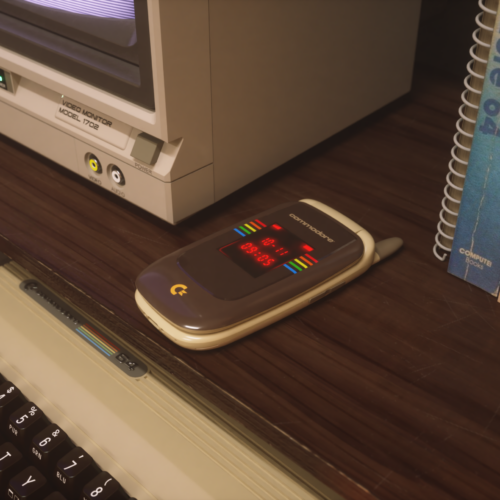
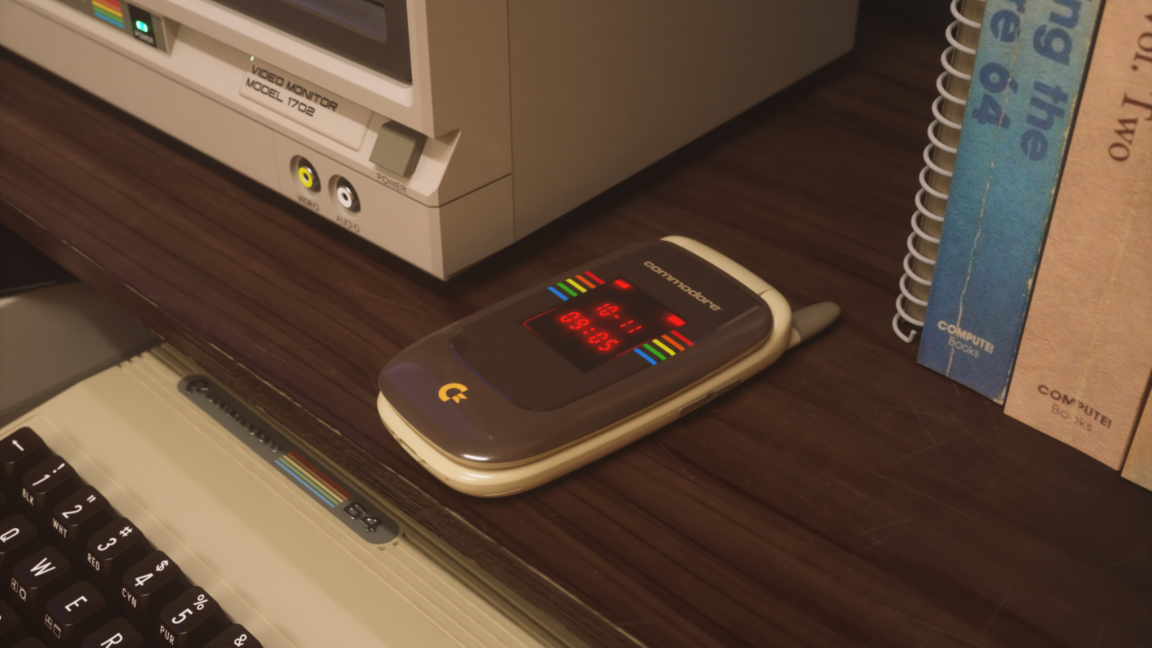
The next gadget to bear the storied Commodore branding will be a flip phone.
The name behind the bestselling desktop PC in history came back about a year ago. Christian “Peri Fractic” Simpson, best known for running the Retro Recipes (now known as Retro Recipes x Commodore) YouTube channel, acquired the Commodore Corporation and "100 percent of the original and official trademarks that defined the Commodore name since 1983,” per a July 2025 press release. Simpson said the price was “in the low seven figures.” Since the acquisition, the brand released the Commodore 64 Ultimate and the Commodore 64X PC, a mini PC housed in a chassis that resembles the Commodore 64.
Today, the new Commodore announced a new device in a dated design: a flip phone.
© Commodore
O Trump Phone não é o que parece e uma nova desmontagem da iFixit confirma o que muitos suspeitavam. Afinal, o smartphone é quase idêntico ao HTC U24 Pro, lançado em 2024.
The post Que segredos esconde o Trump Phone? Desmontagem confirma que não é tão novo (ou americano) quanto parece appeared first on Tek Notícias.

The most popular camera in the world just got its first set of serious AI photo editing features, and I don't think any of us are ready.
As far as AI photo editing goes, the new features in iOS 27 are pretty tame compared to what you can do on, say, Google's Pixel phones. But for the iPhone, they represent a tipping point in what the native photos app allows you to do to your photos. I mean memories. I mean, I don't know anymore.
These new features are part of the iOS 27 developer beta right now, so bear in mind that Apple may continue making tweaks to them before they're released to the general public. There are three, or maybe two and a …
A Apple confirmou na WWDC 2026 todos os modelos compatíveis com o iOS 27, e a boa notícia é que nenhum iPhone ficou para trás face à versão anterior. Já a nova Siri com IA só chega aos modelos mais recentes, mas apresenta uma justificação para tal.
The post iOS 27: Há 31 modelos de iPhone compatíveis com o novo sistema operativo da Apple. Veja se o seu está na lista appeared first on Tek Notícias.


Criada por um programador independente depois da sua primeira WWDC em 2019, a Vinyls reproduz a música da sua biblioteca com animações de disco em rotação, estalinhos característicos e até um arranhão se tocar na agulha.
The post Vinyls: o gira-discos virtual que transforma o iPhone numa mesa de mistura analógica com toda a nostalgia do vinil appeared first on Tek Notícias.
Apple has spent billions of dollars to develop satellite connectivity for iPhone; I very much doubt it did so solely to rescue stranded hikers. The company will most certainly have had a bigger prize in its sights when it first began working with GlobalStar (now owned by Amazon).
The most logical reason to invest in satellite coverage for its devices is the most obvious — to provide network infrastructure for new breeds of device and new service models. You don’t acquire access to massive amounts of bandwidth for nothing. And Apple’s steady introduction of new satellite-supported services shows it is interested in introducing these services, even though the offer isn’t extensive enough yet to require iPhone users to pay for access, yet.
The decision not to charge for those satellite services suggests they’re just the thin end of the company’s plans for satellite deployment.
It’s possible the company’s ambitions were limited by GlobalStar’s ability to put satellite constellations in orbit. That work was ongoing last time I looked, and I fully expect existing Apple satellite services will be extended to new nations, even under Amazon’s watch.
Amazon’s recent $11.6 billion acquisition of GlobalStar is interesting. You can see that Apple is now forced to work with its old frenemy, even as both partners already profit from strong, steady Apple hardware sales via the online retailer. So they know they can make money together.
“Apple and Amazon have a long and proven track record of working together through Amazon’s core infrastructure services, and we look forward to building on that collaboration with Amazon Leo,” Greg Joswiak, Apple’s senior vice president of worldwide product marketing, said when the deal was announced. (The transaction isn’t expected to close until next year.)
Making money together is often seen as a strength in business relationships and Amazon has agreed to continue supporting Apple products and to collaborate with Apple on future satellite services.
When it comes to mobile telecoms, Amazon isn’t the only game in town, and neither is Starlink. Cellular operators are inking deals with satellite providers all over the world, all with the intention of bringing network access to those who otherwise can’t get a decent connection.
Just today in the UK, Virgin Media O2 announced plans to switch on the O2 Satellite service for iPhone users tomorrow, enabling customers — particularly in rural areas — to get a satellite connection where traditional cellular coverage is unavailable. It could simply identify new ways to enhance the Find My service.
Orange last year offered its own satellite comms to French customers, while Deutsche Telekom partners with others to provide SMS via satellite in Europe and the US. You’ll find similar alliances in most key territories, including Australia and Japan. The direction of travel exposes an industry embracing satellite as a way to widen existing cellular infrastructure, which makes sense given the relative cost of installing conventional masts in some regions.
There’s speculation Apple could become a satellite carrier, a move that would put it in competition with carrier partners. But Apple doesn’t need to do to provide satellite communication services to iPhone users, nor would it want to relinquish the symbiotically profitable relationships it’s developed with carriers.
It could, for example provide satellite calling as a hardware feature available with every iPhone across all supported carriers, possibly as an additional service that guarantees customers can get a connection, even in the countryside. It could evangelize the service as being “Private by Design,” and supplement this with data over satellite to support apps, particularly agentic AI apps.
Combined with the next wave of AI enhancements Apple is expected to deliver for its systems, the combination of an always-on, resilient, private data connection and AI could prove invaluable to many customers. That’s particularly true for enterprise customers seeking global solutions that respect sovereign data, privacy, data retention policy and managed AI services – especially as terrestrial infrastructure becomes an attack target. Such scenarios will only become more widely understood as 6G emerges, with its built-in support for satellite infrastructure.
Will Apple move in that direction, or maintain its focus on the consumer markets? Will it decide that rather than deploying its own part-owned satellite constellations as it was with GlobalStar, it is better to work with carrier partners? Will it wait for 6G with its enhanced, standards-based support for satellite communications?
Those are answers we don’t yet have. But it is quite clear that as satellite communications truly enter the mass market, Apple has put together many of the technical, hardware, software and infrastructure pieces it will need to ensure the iPhone is a peer player in whatever use cases emerge.
You can follow me on social media! Join me on BlueSky, LinkedIn, and Mastodon.

