Researchers at Washington University School of Medicine in St. Louis have made a groundbreaking discovery that could revolutionize the prevention of diarrheal diseases caused by enterotoxigenic Escherichia coli (ETEC) and Shigella. These two bacterial pathogens are responsible for hundreds of millions of infections annually and are leading causes of diarrheal mortality worldwide, particularly among young children. Despite decades of efforts, vaccine development has encountered significant obstacles, primarily due to the extensive strain variability that hampers the identification of universal vaccine targets.
In a recent study published in the Proceedings of the National Academy of Sciences, the WashU team, collaborating with scientists at the University of Missouri and the International Centre for Diarrhoeal Disease Research in Bangladesh, identified a shared vulnerability within these pathogens that could open the door for a combined vaccine platform. This innovative approach hinges on targeting homologous enzymes that these bacteria use to degrade the mucus lining in the human gut, a critical step in establishing infection.
For bacterial pathogens like ETEC and Shigella to cause illness, they first need to overcome the intestinal mucus barrier. This thick layer of mucus serves as a physical and biochemical shield protecting the gut epithelium and regulating the microenvironment by keeping pathogenic entities at bay while preserving the beneficial microbiota. The ability to breach this barrier is a hallmark of pathogenicity, allowing bacteria to access the underlying tissues and deploy additional virulence factors, including enterotoxins that induce diarrhea.
The study’s focal point is a family of mucin-degrading enzymes that facilitate this breaching process. The researchers detail three closely related enzymes—EatA, SepA, and Pic—that are expressed by ETEC, Shigella, and other diarrheal pathogens. EatA, an acronym for “eat away,” is produced by ETEC and was previously identified by Fleckenstein’s laboratory as a critical mucinase targeting the primary structural protein within mucus. SepA and Pic, related enzymes produced by Shigella and some other bacteria, perform analogous roles. Their enzymatic activity effectively dismantles the mucosal barrier, clearing a path for bacterial invasion.
Intriguingly, the antibodies that the team isolated from individuals infected with ETEC or experimentally exposed to the bacteria displayed a functional cross-reactivity. The antibodies not only neutralized EatA but also inhibited SepA and Pic, indicating a conserved epitope region among these mucinases. This neutralization prevents the enzymes from degrading intestinal mucus, thereby blocking the pathogens’ entry into host tissues. The concept of a single antibody interfering with multiple bacterial targets underscores a significant breakthrough in vaccine strategy.
To unravel the structural mechanics behind this immune neutralization, the researchers leveraged cryo-electron microscopy—a state-of-the-art imaging method that preserves biomolecules in near-native states by flash-freezing samples. This technique enabled detailed visualization at atomic resolution, revealing the precise binding site of the neutralizing antibodies. Remarkably, the site of interaction was a structurally conserved region across EatA, SepA, and Pic, providing a rational basis for the design of vaccine antigens that elicit broadly neutralizing antibodies.
“The identification of this shared Achilles’ heel among diverse diarrhea-causing bacteria signifies a paradigm shift in vaccine development,” explains James M. Fleckenstein, MD, co-senior author of the study and professor of medicine at WashU. “It suggests we can target a common mechanism of gut colonization rather than chasing highly variable surface molecules, which has been the stumbling block in the field for so long.”
Further bolstering the translational potential of these findings, epidemiological data from children in Dhaka, Bangladesh, indicate that naturally acquired antibodies against EatA correlate with protection from diarrheal illness. This natural immunity validates EatA as a viable immunological target and encourages the pursuit of vaccines that induce similar protective responses.
The implications extend beyond the developing world, as enterotoxigenic E. coli has been implicated in recent foodborne outbreaks in industrialized countries such as the United States. The difficulty in distinguishing pathogenic ETEC from non-pathogenic strains in clinical settings further complicates diagnosis and containment. Moreover, reliance on antibiotics to treat infections caused by these bacteria accelerates the evolution of antibiotic resistance, posing a global public health threat.
Zachary Berndsen, PhD, assistant professor of biochemistry at the University of Missouri and co-senior author, emphasizes the rational approach to vaccine design enabled by these insights. “By pinpointing enzyme domains targeted by neutralizing antibodies, we provide a template for crafting precise immunogens that can stimulate protective immunity across multiple pathogens. This can streamline the production of vaccines that are both effective and broad-spectrum,” Berndsen says.
Development of such a vaccine could not only reduce the global burden of diarrheal diseases but also mitigate the spread of antibiotic resistance by decreasing the frequency of bacterial infections requiring treatment. Additionally, preserving the gut microbiota through targeted disruption of pathogenic mechanisms may alleviate some adverse consequences associated with broad-spectrum antibiotic use.
Going forward, the research team is focused on translating their molecular discoveries into practical vaccine candidates. This involves preclinical testing of immunogens incorporating the conserved epitopes identified, assessing their immunogenicity and protective efficacy in animal models, and progressing toward human clinical trials.
“In our ongoing battle with enteric pathogens that have coevolved with humans for millennia, blocking the enzymatic opening of the mucus gate represents a promising strategy,” Fleckenstein concludes. “If successful, this vaccine would preempt infection at its earliest and most vulnerable stage, changing the trajectory of diarrheal disease worldwide.”
The study was supported by grants from the National Institute of Allergy and Infectious Diseases and the Department of Veterans Affairs. The multidisciplinary collaboration brings together expertise in infectious diseases, structural biology, immunology, and clinical research, underscoring the necessity of integrated approaches to tackle complex global health challenges.
Subject of Research: Human tissue samples
Article Title: Human enterotoxigenic Escherichia coli (ETEC) infections elicit antibodies that broadly neutralize mucinases of pathogenic Escherichia coli and Shigella
News Publication Date: 15-Jun-2026
References:
Buckley DP, Akhtar M, Thapa M, Schmitz A, Turner J, Vickers TJ, Khatoon N, Kaisar MH, Coggin JA, Ganguli D, Sheikh A, Laird RM, Poly F, Porter CK, Ruiz-Perez F, Miller MJ, Chowdhury F, Bhuiyan TR, Qadri F, Trillo-Muyo S, Dolan B, van der Post S, Ellebedy A, Berndsen ZT, Fleckenstein JM. Human enterotoxigenic Escherichia coli (ETEC) infections elicit antibodies that broadly neutralize mucinases of pathogenic Escherichia coli and Shigella. PNAS. June 15, 2026.
In a groundbreaking series of experiments conducted by researchers at the University of Jena, scientists have revisited and expanded upon a century-old discovery that shapes our understanding of embryonic development. Originally unearthed by Hans Spemann and his student Hilde Mangold in 1924, the concept of the “organiser” is a pivotal developmental mechanism that directs the formation of body axes during the early stages of an embryo’s growth. Spemann and Mangold’s pioneering work involved tissue transplantation between amphibian embryos, revealing the presence of a group of cells within the blastopore that orchestrate the development of a secondary body axis. This discovery earned Spemann a Nobel Prize in 1935 but tragically Mangold passed away young, never witnessing the lasting impact of their findings.
The new research from Jena not only reaffirms these foundational insights but extends them dramatically into the early evolutionary origins of metazoans. Using delicate microsurgical manipulation, the team studied the ribbed comb jelly Mnemiopsis leidyi, a member of the ancient phylum Ctenophora. This lineage diverged from that of other animals approximately 700 million years ago, according to the latest evolutionary models. By transplanting small portions of blastoporal tissue from one comb jelly embryo into another, Jena researchers induced a secondary body axis, effectively recapitulating Spemann and Mangold’s classic findings but now in one of the earliest-diverging animal lineages. The experiment demonstrated that the organiser’s developmental blueprint is deeply conserved across vast evolutionary time frames.
What makes these experiments particularly astounding is the technical difficulty involved. Comb jelly embryos measure only about 120 micrometers in diameter—just a fraction larger than the width of a human hair—while the transplanted tissue samples were barely 20 micrometers in size. Dr. Stanislav Kremnyov, the lead experimentalist, had to master an extraordinary level of manual dexterity to integrate these tiny groups of cells into host embryos without triggering rejection or other developmental derailments. To an outside observer, it appeared as if the researchers were “dissecting clouds,” a vivid metaphor used by Prof. Andreas Hejnol, who leads the research team at Jena.
The functional transplantation of organising tissue between individuals of the same species was spectacular enough. Yet the Jena team dared to push further by performing xenotransplantations, transferring organiser tissue across animal orders into the sea anemone, a cnidarian species that diverged from ctenophores roughly 60 million years later. Remarkably, the transplanted organiser tissue also initiated axis formation in the sea anemone embryos. This unprecedented success underscores the extraordinary evolutionary conservation of developmental mechanisms underpinning animal body plans. Xenotransplantation of organiser tissues across distinct phyla had never before been demonstrated, marking this as a historic advance in developmental biology.
Beyond the cellular choreography, the study also zeroed in on genetic underpinnings. The team identified, for the first time, the specific gene responsible for organiser formation in the sea anemone, bridging molecular mechanisms across species boundaries. This gene appears to regulate the signalling networks critical to early embryonic axis determination, providing a molecular anchor to the organiser’s functional role. Such findings hint that the genetic toolkit necessary for complex body plan organisation was already present in the earliest multicellular ancestors of modern animals.
These discoveries overturn previous assumptions that organiser-driven axis formation was a feature exclusive to more recently evolved animal groups such as bilaterians. Instead, the findings position the organiser as a primordial control system in multicellular organism development, dating back to the dawn of animal evolution itself. It suggests a remarkable evolutionary continuity where the fundamental blueprints for constructing the three-dimensional architecture of multicellular animals remained largely stable across hundreds of millions of years.
The implications of this research extend far beyond ctenophores and sea anemones. Since the organiser guides the spatial coordination of cell fate during development, understanding its origins and conservation sheds light on the evolutionary emergence of animal diversity and complexity. It also offers potential new perspectives for biomedical research, particularly in regenerative medicine and congenital defect studies, where guiding axis formation and tissue patterning is critical.
Technical mastery was central to these findings. The researchers employed advanced microscopy and vital cell staining techniques allowing them to trace transplanted cells dynamically within host embryos. Coupling this with precise microsurgical transplantation provided not only functional but also visual confirmation of organiser activity. This combination of cutting-edge experimental methods enabled insights previously thought unattainable in such fragile and inaccessible embryonic systems.
Prof. Andreas Hejnol reflects on the evolutionary significance with enthusiasm: “Our data demonstrate that this organizer mechanism coordinates the entire body axis and is conserved among one of the earliest-diverging animal lineages, suggesting that complex body plan organisation arose very early in metazoan evolution.” His team’s work bridges developmental biology with evolutionary biology, providing a vivid example of how ancient developmental principles underpin the incredible diversity of life forms on Earth today.
This research, published in the prestigious journal Nature, represents a milestone in understanding early animal evolution and embryogenesis. It dramatically shifts the paradigm surrounding the origins of the organiser and prompts reconsideration of the molecular and cellular processes foundational to animal multicellularity. As scientists continue to explore these ancient mechanisms, further revelations about the building blocks of life’s complexity are eagerly anticipated.
Subject of Research: Animals
Article Title: A blastoporal organiser in a ctenophore
News Publication Date: 17-Jun-2026
Web References: http://dx.doi.org/10.1038/s41586-026-10643-z
Image Credits: Lisa-Marie Barf
Keywords: embryonic development, organiser, blastopore, ctenophore, Mnemiopsis leidyi, evolutionary biology, axis formation, multicellularity, xenotransplantation, sea anemone, cnidaria, developmental genetics
A comprehensive new study published in JAMA Network Open has revealed pervasive exposure among pregnant individuals in the United States to multiple classes of environmental chemicals, highlighting critical concerns about their impact on fetal development. This groundbreaking longitudinal cohort investigation evaluated a large and ethnically diverse sample of U.S. pregnancies, systematically analyzing exposures to ten distinct categories of environmental pollutants. Many of these chemicals showed significant associations with measurable shifts in gestational age and reductions in birth weight-for-gestational age z-scores, parameters essential for assessing neonatal health and predicting long-term outcomes.
The research employed advanced biomonitoring techniques to quantify the presence of environmental toxicants including phthalates, alternative plasticizers, and polycyclic aromatic hydrocarbons (PAHs) in maternal biological samples during gestation. Phthalates and plasticizers are commonly used in consumer products and medical devices, yet their biochemical interactions during crucial windows of fetal development remain underappreciated. The study’s detailed exposure profiling allowed for unprecedented insights into how these compounds may disrupt endocrine functions or trigger inflammatory processes, potentially precipitating premature labor or impaired fetal growth.
One of the most striking findings was the widespread detection of phthalates and substitute plasticizers within this population, indicating ubiquitous contact despite regulatory efforts to limit their use. These chemicals, integral to plastics and personal care products, demonstrated compelling correlations with shortened gestation periods. Such alterations in gestational length can increase risks for adverse neonatal outcomes, including respiratory complications and neurodevelopmental disorders, underpinning the urgency to reassess public health policies concerning these ubiquitous agents.
Likewise, exposure to polycyclic aromatic hydrocarbons, a class of organic compounds generated through the incomplete combustion of organic matter including fossil fuels and tobacco, was found to be significantly linked with lower birth weight-for-gestational age z-scores. Lower birth weight relative to gestational age is a well-established risk factor for morbidity and mortality in infancy and has been implicated in chronic diseases later in life, such as cardiovascular disorders and diabetes. This association reaffirms concerns about air pollution-related health disparities during pregnancy.
The study’s robust methodology involved careful adjustment for confounding factors, such as maternal age, socioeconomic status, preexisting health conditions, and lifestyle habits, ensuring that the observed effects were primarily attributable to chemical exposures. Such meticulous analytical rigor strengthens causal inferences and enhances the generalizability of findings across the heterogeneous U.S. population.
Beyond the immediate neonatal impacts, the findings underscore the broader implication that gestational exposure to environmental chemicals may foreshadow developmental trajectories affecting cognitive function, metabolic programming, and immune competence. The data suggest a pressing need to incorporate environmental risk assessments into prenatal care and to advocate for more stringent regulation and replacement of harmful chemical additives in manufacturing and consumer goods.
Experts involved in the study emphasize the translational significance of these findings. Reducing prenatal exposure to harmful environmental agents, particularly those involved in plastic manufacturing and combustion byproducts, could be a modifiable risk factor to optimize pregnancy outcomes and subsequent child health. The research calls for collaborative efforts between scientists, clinicians, policymakers, and industry stakeholders to develop safer alternatives and to implement public health strategies aimed at exposure mitigation.
In addition to environmental monitoring, the study highlights the potential of biomarker-driven surveillance in clinical settings to identify at-risk pregnancies earlier. The adoption of such precision health approaches could enable timely interventions designed to minimize chemical-induced developmental insults and promote resilience in vulnerable populations.
Overall, this research project represents a pivotal contribution to reproductive environmental epidemiology, providing compelling evidence on how everyday chemical exposures reverberate at the earliest stages of human life. Such insights fuel the momentum toward integrating environmental considerations into obstetric practice and public health frameworks, ultimately aiming to safeguard the next generation from preventable neurodevelopmental and somatic diseases linked to toxic exposures.
The detailed chemical classes examined in this investigation span commonly encountered substances with diverse structural and functional properties, illuminating the pervasive nature of industrial and urban pollutants. The interdisciplinary approach combining toxicology, epidemiology, and molecular biology sets a new standard for environmental health research, encouraging future explorations into underlying biological mechanisms and potential gene-environment interactions.
As global urbanization and chemical manufacturing continue to expand, the relevance of these findings grows, underscoring an urgent collective responsibility to address environmental determinants of health from conception onwards. By spotlighting the critical window of gestation as vulnerable to chemical insults, this study not only informs clinical guidelines but also energizes advocacy for environmental justice, particularly in frequently marginalized communities disproportionately burdened by pollution exposure.
In summary, the research establishes a clear and compelling connection between gestational exposure to multiple classes of environmental chemicals—including phthalates, plasticizers, and hydrocarbons—and adverse birth outcomes such as shortened gestation and reduced fetal growth metrics. Addressing these exposures presents a tangible opportunity to improve neonatal health indicators and foster lifelong wellbeing, heralding a paradigm shift in how society approaches prenatal environmental risk.
Subject of Research: Gestational exposure to environmental chemicals and its impact on birth outcomes in U.S. pregnancies Article Title: [Not provided] News Publication Date: [Not provided] Web References: [Not provided] References: doi:10.1001/jamanetworkopen.2026.18883 Image Credits: [Not provided]
Keywords: Chemical pollution, Gestational age, Birth rates, Cohort studies, Pregnancy, United States population, Body weight, Hydrocarbons, Environmental health, Plastics, Human health, Obstetrics
The problem with software development today may no longer be writing code. With AI coding assistants generating code faster than ever, the bigger challenge is reviewing, testing, and safely releasing it.
AWS is betting that software teams need help with that part of the process, adding release management features to its DevOps Agent.
The new features, currently in preview, automatically assess code changes against organizational standards, identify potential release risks, and generate tests tailored to individual changes before they reach production.
The release readiness feature, in particular, runs the code in an AWS-managed isolated environment, executing lightweight user journey tests to verify the software builds, runs, and passes basic functional checks before the change enters the pipeline, the company wrote in a blog post.
The findings of these tests can be viewed through the DevOps Agent console, as comments on pull requests in GitHub or GitLab, or can be invoked directly through IDEs via Kiro or the Claude Code plugin, it added.
Targeting AI-era software delivery bottlenecks
Running code in isolated environments and delivering the results directly through developer tools helps address two longstanding challenges in software delivery, said Pareekh Jain, principal analyst at Pareekh Consulting.
It enables teams to validate how code changes behave before deployment, catching issues that static analysis may overlook, while reducing context switching by embedding findings into existing workflows, in turn accelerating fixes, Jain said.
The analyst pointed out that the release readiness capability addresses a key bottleneck in AI-driven software development: “While AI coding agents can generate code quickly, reviews, compliance checks, dependency validation, and release approvals still slow deployment.”
“By automatically checking code changes against internal standards, security policies, and dependency impacts, AWS helps developers, DevOps teams, and SREs identify issues earlier, reduce manual review effort, and improve release confidence,” Jain added.
These gains in productivity for developers could also translate into tangible business benefits for CIOs, according to Jain.
“Release readiness as a feature could help enterprises capture more value from AI-generated code while reducing operational overhead by eliminating the need for additional QA and DevOps resources. This means that they can accelerate software delivery without sacrificing reliability,” the analyst noted.
Autonomous testing before merging code
While release readiness reviews focus on assessing whether a code change is safe to move through the delivery pipeline, AWS is also adding a separate feature aimed at validating how those changes behave in production-like environments.
Named autonomous release testing, the new capability generates and runs change-specific test plans for web and API-based applications in customer-provisioned, production-like environments before the change actually merges, the company wrote in the blog post.
For Jain, autonomous release testing is “even more” important for developers and SREs as it “automates one of the most time-consuming parts of software delivery.”
“Developers spend less time creating and maintaining tests, while SREs benefit from fewer rollbacks and improved system reliability,” Jain said.
These benefits stem from the feature’s ability to automatically generate tests tailored to individual code changes, covering functional correctness, behavioral regressions, and integration scenarios that might otherwise require significant manual effort, Jain added.
However, AWS is not alone in trying to bring AI deeper into the software delivery lifecycle.
Microsoft-owned GitHub has been expanding Copilot’s code review capabilities, allowing the service to automatically review pull requests, suggest fixes, and provide feedback directly within developer workflows.
Google, meanwhile, has been steadily broadening the scope of Gemini Code Assist beyond code generation to support software development tasks such as code review and developer assistance.
AWS’s differentiation, though, according to Jain, lies in tying those capabilities to release management and operational workflows that span development and production environments.
Availability and pricing
For development teams interested in evaluating DevOps Agent’s new capabilities, AWS said both features are available in preview at no additional cost in the US East (N. Virginia) region.
AWS DevOps Agent, billed per agent-second, is included in the AWS Free Tier for new customers.
Additionally, new AWS DevOps Agent customers receive a 2-month free trial starting with their first operational task after general availability.
Each trial month includes up to 10 agent spaces, 20 hours of investigations (incident response), 15 hours of evaluations (incident prevention), and 20 hours of on-demand SRE tasks (chat), the company said.
Once those limits are exhausted, customers are charged based on consumption, with investigations, evaluations, and on-demand SRE tasks each priced at $0.0083 per agent-second, AWS added.
A prerequisite for using the new release management features includes connecting at least one GitHub or GitLab repository to an AWS DevOps Agent Space.
Metabolic disorders such as obesity and type 2 diabetes mellitus (T2DM) have escalated into a global health crisis, posing unprecedented challenges for medical science and public health policy alike. Both conditions disrupt fundamental biological processes, culminating in severe systemic complications and heightened mortality risks worldwide. At the molecular level, peroxisome proliferator-activated receptor gamma (PPARγ) emerges as a pivotal regulator, overseeing lipid metabolism, insulin sensitivity, and adipocyte differentiation. This critical role underscores PPARγ as a prime therapeutic target in the ongoing battle against metabolic syndromes.
The classical pharmacological approach to modulating PPARγ activity involves thiazolidinediones (TZDs), compounds that exert potent insulin-sensitizing effects by binding primarily to the receptor’s ligand-binding domain (LBD). While effective, these agents have repeatedly encountered clinical hurdles due to significant adverse effects, including undesirable weight gain, fluid retention, and exacerbated cardiovascular risk profiles. Consequently, the quest for safer, more selective PPARγ modulation strategies has intensified, driving innovative research toward dissecting the receptor’s structure-function relationship and regulatory mechanisms with extraordinary precision.
Recent advances have unveiled a complex, multi-layered regulatory network governing PPARγ activity. Among these, the modulation of post-translational modifications—specifically the phosphorylation of serine 273 (Ser273)—has attracted substantial attention. Selective PPARγ modulators (SPPARMs) that target this phosphorylation event strategically preserve the metabolic benefits of PPARγ activation without engaging the full spectrum of activity triggered by TZDs. This nuanced receptor engagement mitigates off-target effects and may revolutionize treatment paradigms in metabolic disease management.
A groundbreaking integration of the long non-coding RNA (lncRNA) Snhg9 into the PPARγ regulatory landscape marks a new frontier in understanding gene expression control in metabolic homeostasis. The recently characterized Snhg9-CCAR2-SIRT1-PPARγ axis exemplifies a sophisticated RNA-mediated regulatory mechanism influencing PPARγ function. This regulatory cascade suggests that lncRNAs may serve as potent modulators of metabolism, potentially enabling RNA-based therapeutic strategies that transcend classical small-molecule pharmacology.
Beyond ligand-dependent regulation, the DNA-binding domain (DBD) of PPARγ has emerged as a promising, yet underexplored, target for gene-selective modulation. This evolving paradigm challenges the current LBD-centric therapeutic design by emphasizing the possibility of fine-tuning receptor activity at the level of gene-specific transcriptional control. Manipulation of the DBD may enable precision targeting of specific metabolic pathways, offering an unprecedented level of therapeutic specificity and efficacy.
The intersection of molecular biology and pharmacology in PPARγ research underscores the critical need for comprehensive structural and functional analyses. High-resolution crystallographic studies have shed light on conformational dynamics within PPARγ domains, illuminating how subtle structural modifications dictate receptor activation states and downstream target gene expression. These insights inform the rational design of modulators capable of exploiting unique allosteric sites with therapeutic benefits.
An intricate balance exists between PPARγ phosphorylation states and the recruitment of coregulators such as CCAR2 and SIRT1, modulators that orchestrate epigenetic and transcriptional machinery. SIRT1, a NAD+-dependent deacetylase, interacts intricately within this axis to regulate metabolic gene programs by modulating PPARγ acetylation and activity. This interplay suggests potential synergies between metabolic control mechanisms and cellular energy sensing pathways, which could be harnessed therapeutically.
The discovery of lncRNAs as key regulatory nodes in metabolic control systems elevates the importance of non-coding genomic elements. Snhg9, in particular, has been implicated in modulating PPARγ’s transcriptional repertoire through its interactions with cofactors, altering chromatin accessibility and the receptor’s response to endogenous ligands. Such findings delineate a novel class of epigenetic regulators, spotlighting RNA as a powerful switch in metabolic gene networks.
Clinical translation of these mechanistic insights depends heavily on the development of SPPARMs that not only modulate Ser273 phosphorylation but also integrate with lncRNA-mediated pathways. Such compounds hold the promise of robust insulin sensitization while bypassing the adverse events that have plagued TZDs. The future of metabolic therapeutics likely hinges on these dual-targeting molecules that couple protein conformation control with RNA-regulatory axis modulation.
Emerging technologies in RNA therapeutics offer an extraordinary toolkit for manipulating lncRNA functions in vivo. Antisense oligonucleotides, RNA interference, and CRISPR-Cas systems could potentially modulate the expression or function of Snhg9, thereby indirectly regulating PPARγ activity. These approaches raise hopeful prospects for personalized metabolic treatments grounded in gene regulation rather than merely receptor agonism.
PPARγ’s pivotal position in adipocyte differentiation links it intimately with lipid homeostasis and energy storage, fundamental processes derailed in obesity and T2DM. Understanding how selective modulation of PPARγ influences adipogenesis at the transcriptional level could redefine therapeutic goals from symptomatic control to addressing root causes of metabolic dysregulation. This shift would be transformative for millions affected worldwide.
The newly recognized hierarchy within the PPARγ regulatory framework beckons a strategic roadmap toward next-generation therapies. This roadmap involves integrated targeting of receptor phosphorylation, lncRNA interaction networks, cofactor recruitment, and domain-specific modulation, all underpinned by cutting-edge molecular insights. The multi-dimensional approach promises enhanced efficacy with minimized side effects, offering a viable path beyond the limitations of current therapeutic agents.
Exciting possibilities also arise from exploring how SPPARMs interface with other nuclear receptors and metabolic pathways, which could reveal combinatory or synergistic effects beneficial in polygenic diseases. Such multidrug or multifunctional agents could revolutionize treatment regimens by addressing the complex etiology of metabolic disorders more holistically.
In summary, recent advances position PPARγ at the nexus of a sophisticated, multi-layered regulatory system with immense therapeutic potential. The dual focus on selective receptor modulation and lncRNA-mediated regulation heralds a paradigm shift in metabolic disease treatment. As research continues to unravel these complex mechanisms, the prospect for innovative, effective, and safer therapies to combat obesity and T2DM grows more tangible than ever before.
Subject of Research: Regulation of Peroxisome Proliferator-Activated Receptor Gamma (PPARγ) in metabolic disorders including obesity and type 2 diabetes mellitus, focusing on selective modulation strategies and the role of long non-coding RNAs.
Article Title: Novel perspectives on PPARγ regulation: from SPPARMs to the emerging role of lncRNAs in metabolic disorders.
Article References:
Qin, H., Wang, Y., Yang, Y. et al. Novel perspectives on PPARγ regulation: from SPPARMs to the emerging role of lncRNAs in metabolic disorders. Int J Obes (2026). https://doi.org/10.1038/s41366-026-02128-w
In an era marked by escalating environmental concerns and surging demand for sustainable construction practices, a groundbreaking study has emerged, shedding new light on an innovative approach to concrete production. Researchers P. Singh, H. Singh, and S. Paruthi have unveiled a transformative method that harnesses industrial waste materials as fine aggregates in alkali-activated concrete cured under ambient conditions. Published recently in Scientific Reports, their work is poised to revolutionize how the concrete industry addresses sustainability and performance criteria simultaneously.
Concrete, the backbone of modern infrastructure, traditionally relies on natural sand as a fine aggregate. However, the extraction of natural sand has increasingly raised environmental alarms due to riverbed degradation, habitat destruction, and rising extraction costs. Against this backdrop, the remarkable potential of industrial waste byproducts to replace natural aggregates has garnered significant attention. Yet, balancing the incorporation of these unconventional materials without compromising structural integrity has remained a critical challenge until now.
The research conducted by Singh and colleagues intricately explores the integration of various industrial wastes, such as fly ash, slag, and other mineral residues, as substitutes for conventional fine aggregates within an alkali-activated binding matrix. Alkali activation, an innovative cementitious technology, utilizes reactive aluminosilicates and alkaline solutions to produce hardened binders. Unlike ordinary Portland cement, alkali-activated materials demonstrate superior durability, chemical resistance, and a drastically reduced carbon footprint, aligning perfectly with global sustainability goals.
Central to their study is the novel concept of “performance-driven utilization,” whereby the selection and proportioning of industrial wastes are carefully optimized to meet stringent mechanical and durability performance metrics. This intelligent design framework transcends empirical mix designs by embracing a data-driven methodology, incorporating physicochemical characterization, microstructural analyses, and advanced mechanical testing. This holistic strategy ensures the resulting concrete not only performs on par with, or surpasses, traditional mixes but also exhibits enhanced sustainability attributes.
One of the study’s key breakthroughs is the successful ambient curing of the alkali-activated concrete. Conventionally, many geopolymers or alkali-activated materials require elevated temperature curing—often limiting scalability and increasing energy consumption. By demonstrating that industrial waste-infused alkali-activated concrete can attain requisite strength and durability characteristics under ambient temperatures, the research paves the way for more energy-efficient, cost-effective, and pragmatic construction applications.
The researchers meticulously characterized the particle size distribution, mineralogical composition, and surface morphology of the industrial wastes employed. These parameters critically influence the reactivity, workability, and bonding characteristics of the concrete. For instance, the incorporation of finely divided fly ash and granulated blast furnace slag not only contributed to filler effects but also participated actively in the binding phase through pozzolanic and latent hydraulic reactions. This synergistic interplay significantly augmented the microstructural densification and reduced porosity.
Mechanical testing revealed that mixes with tailored industrial waste content achieved compressive strengths exceeding 40 MPa after 28 days of ambient curing—a remarkable feat demonstrating the feasibility of these materials for structural applications. Additionally, durability assessments, including resistance to sulfate attack, chloride penetration, and freeze-thaw cycles, indicated superior performance vis-à-vis conventional concrete. Such resilience renders this technology particularly suitable for harsh environmental exposures often encountered in infrastructure projects worldwide.
An intriguing aspect of the study lies in its environmental impact evaluation. Life cycle assessment (LCA) metrics underscored substantial reductions in carbon dioxide emissions, energy consumption, and natural resource depletion relative to standard Portland cement concrete. By valorizing industrial waste streams—often destined for landfills or disposal—the approach inherently embodies the principles of circular economy, waste minimization, and industrial symbiosis.
Furthermore, the scalability and adaptability of this method were highlighted through case studies simulating real-world production scenarios. The versatility to adjust the mix design based on locally available waste materials allows for broad geographic applicability, especially in regions grappling with both waste management challenges and infrastructure development demands. This localization potential not only mitigates transportation-related carbon footprints but also empowers regional economies by converting liabilities into construction assets.
In terms of practical implementation, the researchers advocate for collaboration with industry stakeholders, regulatory bodies, and policymakers to foster technology transfer and standardization. They emphasize the necessity for developing comprehensive guidelines and quality control protocols to ensure consistent material performance across diverse production batches and construction environments. Such coordinated efforts will be instrumental to mainstream adoption and regulatory acceptance.
The study also opens promising avenues for further interdisciplinary research. Investigations into nano-engineered additives, self-healing functionalities, and hybrid composites combining alkali-activated binders with traditional cementitious systems could unlock new frontiers in concrete technology. Moreover, long-term field monitoring and durability trials under various climatic stresses will reinforce confidence in this innovative material system and elucidate performance trends over extended service lives.
Notably, the socio-economic implications of this research cannot be overstated. By lowering the reliance on finite natural sand resources and simultaneously reducing industrial waste accumulation, the construction industry gains a dual advantage: safeguarding ecosystems and diminishing raw material procurement costs. The cumulative effect may contribute to more affordable housing and infrastructure solutions while aligning with global climate action commitments.
As urbanization accelerates and infrastructure demands escalate globally, the urgency for sustainable material innovations intensifies. This pioneering research by Singh, Singh, and Paruthi embodies the transformative potential of science and engineering to challenge conventional paradigms and chart a sustainable pathway forward. By converting industrial detritus into high-performance concrete components through an environmentally benign process, they redefine what is possible in material engineering for the built environment.
In conclusion, the performance-driven utilization of industrial wastes in ambient-cured alkali-activated concrete stands as a beacon of hope and ingenuity amidst pressing environmental and infrastructural challenges. The synergy of material science, structural engineering, and sustainability principles embodied in this study offers a compelling blueprint for the future of concrete technology. As the industry moves towards decarbonization and circularity, such advancements will be instrumental in sculpting resilient, eco-conscious, and economically viable built environments for generations to come.
Subject of Research: Performance-driven utilization of industrial wastes as fine aggregates in ambient-cured alkali-activated concrete.
Article Title: Performance-driven utilization of industrial wastes as fine aggregates in ambient-cured alkali activated concrete.
Article References: Singh, P., Singh, H. & Paruthi, S. Performance-driven utilization of industrial wastes as fine aggregates in ambient-cured alkali activated concrete. Sci Rep (2026). https://doi.org/10.1038/s41598-026-56374-z
Z.ai has released GLM-5.2, an MIT-licensed open-source AI model designed for long-running software engineering tasks, as the Chinese company seeks to challenge proprietary coding models on cost and performance.
The company said GLM-5.2 ranked just behind Anthropic’s Claude Opus 4.8 on FrontierSWE, a long-horizon coding benchmark, trailing it by 1%. Z.ai said the model also edged out OpenAI’s GPT-5.5 by 1%.
Z.ai said GLM-5.2 supports a one million-token context window with up to 131,072 output tokens, positioning it for agentic coding workflows that require reasoning across large codebases.
The company is also making an efficiency argument. It said GLM-5.2 uses a technique called IndexShare, which reduces per-token compute by 2.9 times at a one million-token context length. It also said changes to the model’s multi-token prediction layer increased the acceptance length for speculative decoding by up to 20%.
The changes are aimed at a practical problem for developers: long-context coding agents can be expensive to run when they are asked to work across large repositories.
Enterprise appeal
GLM-5.2’s clearest appeal is that it pairs stronger coding capabilities with the cost advantages of an open-source model. But capability alone will not be enough to make it a credible alternative.
“Western enterprises will want independent benchmark validation, successful deployments at global enterprises, strong security and governance controls, and long-term support commitments,” said Pareekh Jain, CEO of Pareekh Consulting.
Jain said the fastest route to enterprise credibility would be hosting by a major cloud provider like AWS. That would allow customers to use the model under standard enterprise terms, with service-level commitments and compliance certifications.
Tulika Sheel, senior VP at Kadence International, said GLM-5.2 would also need to prove it can operate as a stable enterprise product.
“Demonstrated success in real-world deployments and transparent governance will be just as important as benchmark scores,” Sheel said.
The performance and cost claims will also need to hold up against established models.
“Enterprise leaders generally consider two major factors when evaluating new models,” said Lian Jye Su, chief analyst at Omdia. “First, they look at overall performance against competitors, where GLM-5.2 performs well in long-horizon agentic coding and software engineering. Second, they look at the cost of adoption. As an open-source model, GLM-5.2 has clear cost advantages.”
Su said the model could appeal to engineering teams under pressure to control AI costs. It may also attract open-source advocates and companies with significant operations in Asia-Pacific.
But the claims still need wider validation, particularly around hallucination control and coherence during extended tasks. These are critical issues for enterprises considering AI coding agents, which may need to work across large codebases and multi-step software engineering workflows.
Jain said the one million-token context window could be useful for large codebase analysis. It could also help with legacy modernization projects and complex engineering documentation.
He said long-context capability may also help with audit logs or legal contracts, where splitting material into smaller chunks can create errors across document boundaries. But for everyday coding tasks, effective retrieval systems may matter more than very large context windows, making some of the benefits more limited in practice.
Governance risks
The governance question depends largely on where the model runs.
Sheel said enterprises should evaluate GLM-5.2 as they would any strategic technology partner, rather than as a standalone model. That means looking at where data is stored and whether the model can be used in environments customers control.
That deployment choice is central to the risk calculation, according to Jain. Because GLM-5.2 is available under an MIT license, companies can download the weights and run them on their own infrastructure, reducing the need to send sensitive data to Z.ai.
“The risk flips completely if you use Z.ai’s hosted API instead,” Jain said.
He said Chinese national security rules could require domestic companies to cooperate with government requests, making hosted use difficult for regulated industries or workloads involving sensitive data.
Su said the issue is not limited to Chinese vendors. Recent restrictions affecting access to some Anthropic models have also highlighted the risk that enterprises may have limited control over the availability of AI services from foreign providers.
“Selecting solutions from American and Chinese AI vendors does expose non-US Western enterprises to additional risk of having zero control over the availability and uptime of these models,” Su said.
In the relentless quest to push the boundaries of semiconductor technology, researchers from the National University of Singapore (NUS) in collaboration with Applied Materials have unveiled a groundbreaking advancement that promises to reshape the future of microchip manufacturing. As the global semiconductor market races towards the trillion-dollar mark propelled by demand for faster computing, smarter artificial intelligence, and more compact electronic devices, addressing fundamental physical constraints in chip architecture has become a critical imperative. A newly developed atom-thin coating — a monolayer of crystalline tungsten disulfide (WS₂) — presents a transformative solution, elegantly overcoming a pressing bottleneck in chip miniaturization with profound implications for speed, reliability, and efficiency.
Traditional transistor miniaturization has long driven performance gains in integrated circuits. However, as transistors and their connecting copper wires shrink into the sub-10 nanometer regime, the surrounding protective layers—essential for maintaining electrical integrity—resist further reduction. These layers, typically tantalum-based barrier and liner materials, must maintain a minimum thickness of around four nanometers. In future nanoscale interconnects, these coatings may consume nearly half the cross-sectional area of the copper wiring, severely throttling electrical conductivity and device speed. The NUS and Applied Materials team’s innovation resides in synthesizing an ultrathin WS₂ film, less than a nanometer thick, that simultaneously fulfills the dual role of barrier and liner, drastically slashing thickness without compromising performance.
This pioneering coating, grown on industry-standard 200-millimeter silicon wafers using a low-temperature thermal atomic layer deposition process at 350 degrees Celsius, exemplifies a remarkable confluence of scalability and compatibility. The process avoids plasma, guaranteeing conformal deposition with precise thickness control down to a single atomic layer. Notably, this method achieves uniform coverage in high aspect ratio trenches, exceeding 95% conformity even at depth-to-width ratios of 10:1. Such attributes position this WS₂ monolayer as a viable drop-in replacement within existing semiconductor fabrication lines, bridging the formidable divide between laboratory breakthroughs and industrial applicability.
The WS₂ film’s threshold thickness of approximately 0.7 nanometers contrasts starkly with the conventional six nanometer standard, enabling a future 20-nanometer-wide copper wire to retain over 90% of its conductive cross-section. This relatively unobstructed copper path translates into reduced electrical resistance and elevated current carrying capacity, directly enhancing chip speed and energy efficiency. Extensive electrical testing demonstrated a monumental reduction in resistance—exceeding a factor of one million—compared to uncoated counterparts. The superior adhesion properties offered by the WS₂ liner promote smooth and continuous copper film formation, vital for producing reliable, defect-free interconnects at such ultrathin dimensions.
Beyond adhesion, the WS₂ monolayer serves as a robust diffusion barrier that impedes copper migration into silicon and dielectric materials under thermal and electrical stress. In accelerated aging tests, conventional barrier-free copper rapidly reacted with underlying silicon, forming deleterious intermetallic compounds and defect clusters. In stark contrast, WS₂-coated samples exhibited no such degradation, maintaining pristine interfaces even after prolonged exposure. Remarkably, devices using the atomically thin barrier exhibited projected lifetimes surpassing unprotected designs by an order of magnitude, signaling a dramatic leap in device durability.
Central to the WS₂ film’s efficacy is its polycrystalline structure composed of myriad tiny grains and grain boundaries arranged in random orientations. Unlike continuous single crystals, where aligned grain boundaries can form direct diffusion channels, the staggered grain orientation in multilayer WS₂ films creates a complex labyrinth that frustrates copper atom penetration akin to the staggered offsets in a well-built brick wall. This insight, derived from computational modeling by NUS chemists, identifies nanoscale grain architecture as a key parameter in optimizing barrier functionality, challenging the entrenched paradigm that perfect crystallinity is always advantageous.
The discovery that a single atomic layer can supplant the combined barrier and liner stack confronts long-held assumptions in semiconductor interconnect design. Prior industry standards dictated separate layers with cumulative thicknesses of several nanometers to provide necessary protection and adhesion. By collapsing these essential roles into an atomically thin WS₂ sheet, researchers open new vistas for continuing Moore’s Law scaling into unprecedented regimes. Professor Silvija Gradečak, co-director of the NUS-Applied Materials Corporate Lab, emphasizes that this fundamental shift in approach heralds a new class of interconnect architectures tailored to atomically precise materials engineering.
The process’s compatibility with low thermal budgets—vital for avoiding damage to complex multilayer device stacks—and its wafer-scale uniformity underscore its readiness for integration into contemporary manufacturing ecosystems. These breakthrough properties allow semiconductor producers to adopt WS₂-based coatings without extensive equipment overhauls or processing disruptions, facilitating rapid technology transfer. Dr. Hippolyte Astier highlights that such advancements transcend the immediate generation of chips, positioning the industry to harness this technology across multiple forthcoming innovations extending out to 2037 and beyond.
Applied Materials’ Director of Engineering, Dr. John Sudijono, notes the criticality of merging academic ingenuity with industrial constraints through the Corporate Lab framework. The collaborative environment enabled iterative validation of WS₂ films under realistic fabrication conditions, ensuring the material meets demanding reliability, scalability, and process compatibility benchmarks. This convergence of theory, experimentation, and commercialization is essential to bridging the notorious gulf between laboratory demonstrations and full-scale production deployments in semiconductor manufacturing.
Looking forward, the team is exploring refined control over WS₂ grain orientation and microscopic interface phenomena to fine-tune long-term stability and electrical behavior. Further studies aim to exploit the low-temperature vapor-phase growth technique to deposit other two-dimensional materials within diverse chip components, expanding the scope of atomic-scale coatings in integrated circuit design. This foundational research not only sets a new standard for interconnect barriers and liners but also signals the inception of a broader materials revolution in microelectronics.
The ultrathin WS₂ monolayer innovation thus represents a monumental stride towards sustaining the pace of semiconductor evolution. By ingeniously combining barrier and liner functionality into a single atomic layer with industrially scalable fabrication, this discovery resolves a pressing miniaturization bottleneck, empowering the continuation of chip performance scaling in an era where every nanoscale dimension counts. As the semiconductor industry confronts the ultimate physical limits of transistor and interconnect shrinking, atomically precise materials like WS₂ will be vital enablers of future computational breakthroughs, underpinning the technology transformations of tomorrow.
Subject of Research: Not applicable
Article Title: Low-temperature wafer-scale growth of ultrathin tungsten disulfide for bifunctional interconnect barriers and liners
News Publication Date: 31-Mar-2026
Web References: https://doi.org/10.1038/s41928-026-01592-6
Image Credits: College of Design and Engineering, NUS
Most generative AI tools know less about R than languages like JavaScript and Python, thanks to how much training data is available for each. However, with a little extra setup, you can give a large language model (LLM) the knowledge it needs to improve its R skills.
Here are 10 ways to help generative AI write R code like a pro.
Use a coding agent
AI coding agents have more power, flexibility, and coding-focused tools than general-purpose chatbots.
Anthropic’s Claude Code and OpenAI’s Codex agents have versions that run in a terminal, IDE extensions, desktop and mobile apps, and other integrations.
R users may also be interested in Posit’s Posit Assistant, which is designed for data analysis in both R and Python. It needs less setup for R than general-purpose coding agents, and it has more built-in knowledge about data science, R package development, and Shiny apps. Plus, it can read objects in your R and Python environments by default, which can be useful in some situations (although perhaps not if you’re working with sensitive data). There are versions of Posit Assistant for RStudio, the Positron IDE, and the terminal. Setup info is here.
Note: Posit Assistant is not the same as the older Positron Assistant that was demo’d at last year’s posit::conf(). The older assistant will eventually be superceded by Posit Assistant. Posit Assistant comes pre-installed with RStudio but not pre-activated, so you don’t need to use it unless you want to.
Google’s original entry in this space, Gemini CLI, is being retired in favor of a new “Antigravity CLI” starting June 18.
There are other IDE platforms with built-in agents, including Cursor and Windsurf, and terminal + subscription coding agents such as Warp, which was open-sourced in April. However, I won’t be covering those here.
You may be limited at work by what your employer allows you to use, but you can still experiment on your own with public data — and then lobby for a new agent if a different one better meets your needs. Whatever you choose, though, moving to one of these from a web-based chatbot should produce better code.
“The shift from chatbot to agent is the most important change in how people use AI since ChatGPT launched,” says Ethan Mollick, co-director of the Wharton School’s Generative AI Labs at the University of Pennsylvania.
Set up CLAUDE.md, AGENTS.md, or GEMINI.md knowledge files
All the major coding agents look for knowledge files to load each time you start a session, and you can easily edit those files. The files can include things like your proficiency in various languages and how you like to document projects. For example, I tell my LLMs that I’d like a README.md in every project with info on how to use the project and technical info on how the project was coded.
Most coding tools let you have both an overarching main file that’s loaded into every session, and an additional file per project.
If you’re adding Claude or Codex to an existing code base, the /init slash command will create one of those .md project files after scanning and analyzing the code. You can also ask an LLM to interview you to create or add to one of those files.
Claude Code looks for a user-level main CLAUDE.md file at ~/.claude/CLAUDE.md and then a project-level file at ./CLAUDE.md or ./.claude/CLAUDE.md. The /memory slash command shows where those files are located. Codex uses AGENTS.md files. Antigravity docs say it looks for a main GEMINI.md file plus GEMINI.md and/or AGENTS.md files in your working directory.
Positron Assistant is set up to read AGENT.md, AGENTS.md, POSITRON.md, CLAUDE.md, GEMINI.md, and LLMS.txt in a workspace root directory, according to the docs. See the Positron docs for more on custom instructions.
Use agent skills
Agent skills can turn an LLM with questionable R knowledge into an expert that understand how you want it to write code. You can develop your own skills, work with your LLM to create skills, or download skills written by others. Claude even has a skill to help you build skills. This is one of the best ways to stop having to repeat the same instructions over and over. Instead, the LLM will “remember” what’s in your skills files by loading them when they’re needed.
What’s the difference between the knowledge .md files mentioned above and a skill? I like to think of CLAUDE.md or AGENTS.md files as important background info that’s always available, while skills are more specific instructions that are useful at certain times. Or, as Claude Opus 4.7 put it: “Skills are for triggered workflows (‘when user asks X, do Y’). A standing rule that applies to every project isn’t trigger-based; it’s a directive I should always follow.” Standing rules should go in CLAUDE.md.
“Create a skill when you keep pasting the same instructions, checklist, or multi-step procedure into chat, or when a section of CLAUDE.md has grown into a procedure rather than a fact,” according to Anthropic’s Claude Code docs. “Unlike CLAUDE.md content, a skill’s body loads only when it’s used, so long reference material costs almost nothing until you need it.” Only skill descriptions are loaded at the start of each session, so the LLM knows what skills are available.
Anthropic originally created skills for Claude in October 2025 and then published the concept as an open standard a couple of months later. Most coding agents now use them.
Anthropic has an easy-to-folllow guide to creating custom skills here if you want to try your hand at building your own.
Posit Assistant comes with several R-related skills built in and allows users to add more. You’ll find them here.
If you’re not using Posit Assistant, you can add Posit-developed skills to another coding agent. Posit published a GitHub repository with skills for creating R packages, Shiny apps, and Quarto documents; for creating and resolving GitHub pull requests; for open-source R and Python package releases; for code reviews (R, Python, JavaScript/TypeScript, SQL); and for creating architectural documentation for a codebase. Browse them all here.
Read and edit the skills you download
Skills are just a folder with one or more markdown text files that have a structured YAML header. That folder can include optional resources and scripts, too. Skill instruction files are easy to read and edit, so you can make sure they do what you want. Tweak them as desired.
For example, Claude helped me write my own customized R skill. Claude leans toward tidyverse packages, but there are other packages I like a lot, too, such data.table. I made sure the R skill knows my package preferences, and under what circumstances I prefer each.
If one of your preferred procedures changes, remember to update the associated skills. Or, ask an LLM to update it for you. Keeping skills up to date will make your coding agent more useful.
Keep your CLAUDE.md or AGENTS.md files updated, too. Maybe you started off with a CLAUDE.md file that said you’re an experienced Python programmer who is just learning R. Three months from now, you might want to update your R skill level. Or, perhaps you told an AGENTS.md file that you like thoroughly documented code, but now you’d prefer a lighter touch. You may want to have your coding agent go over those files with you from time to time and ask you about the main points and whether they need updating.
Use the btw R package and its MCP server
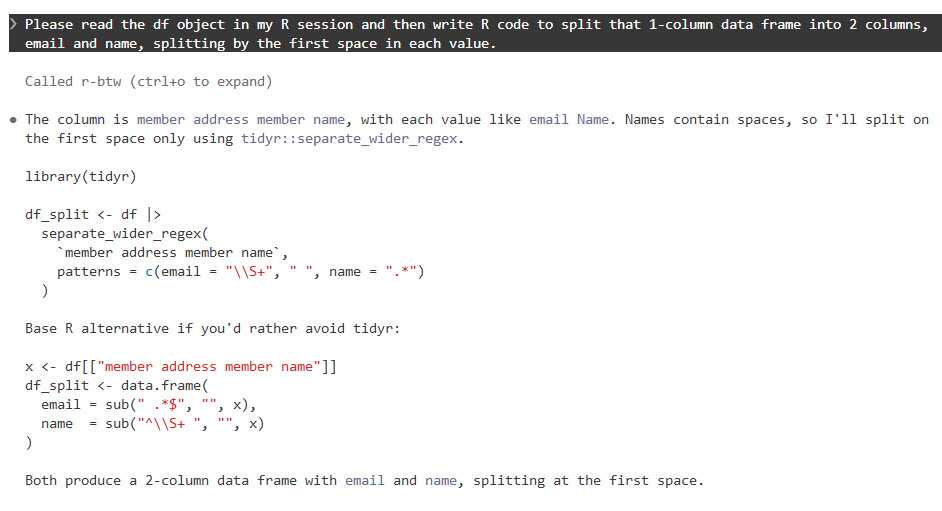
It’s frustrating when an LLM writes code based on an ancient R package version in its training data, or when it doesn’t know about a relatively recent package at all. btw solves this problem by letting your coding agent access info about all the R packages installed on your system. That means it can write code based on your specific R environment. Plus, btw lets an LLM access variables in your current R environment via a Model Context Protocol (MCP) server.
MCP servers are a standardized way for LLMs to access external data — in this case, your running R session (external doesn’t have to mean cloud). Like skills, MCP was created by Anthropic as an open standard and has since been adopted by most major AI platforms. The btw R package includes an MCP server, which you can install for Claude Code by running the following code in a terminal window (not R console).
claude mcp add -s "user" r-btw -- Rscript -e "btw::btw_mcp_server()"
btw comes with a lot of tools. It’s not a great idea to overload your LLM with tools it may never use. If you just want to register btw tools for accessing your R session and looking up package documentation, you can run a command like this instead:
To connect Claude Code to your open R session, you also need to run btw::btw_mcp_session()in every new R session. (I sometimes forget this part until I’m puzzled why Claude can’t read my R variables or even see what packages I have installed.)
You can see a demo of btw in this Posit video that compares Claude Code and Posit Assistant.
The btw R package lets Claude Code and other agents read objects in your R session.
Foundry
You don’t need to do this setup for Posit Assistant, since tools for accessing your R session and variables are built in.
Use plan mode for your projects
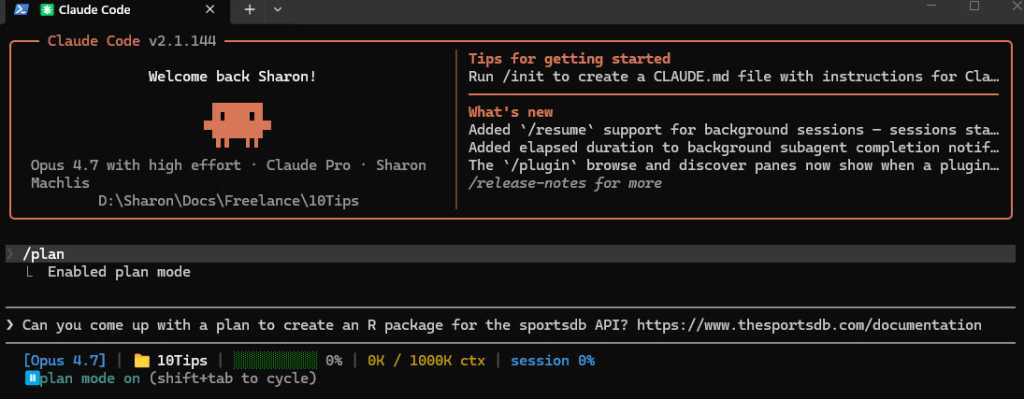
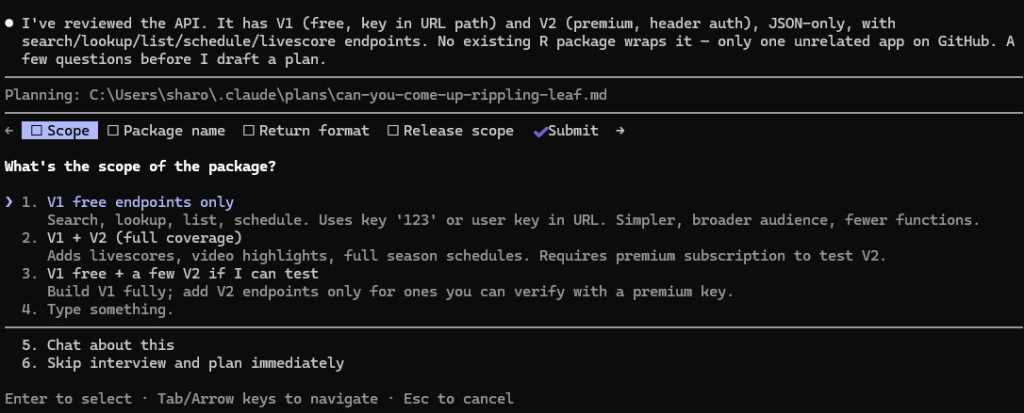
I cannot stress this enough. Just as humans benefit from having a plan before starting to implement a project, LLMs benefit from working through a plan before beginning to generate code. Plus, it can be useful at times to “brainstorm” with an LLM about structures and features, ask it for alternatives, or even have another LLM review a plan before implementing it.
Anthropic advises starting with plan mode. “Letting Claude jump straight to coding can produce code that solves the wrong problem. Use plan mode to separate exploration from execution,” they wrote in a best practices doc.
Claude, Codex, Gemini, and Posit Assistant all have a plan mode in their CLI versions that can be activated with the /plan slash command.
Foundry
When in plan mode activated with /plan, Claude will often ask questions before coming up with its plan.
Foundry
Make sure your coding agent learns from its mistakes
This is one of the best tips I read first from Joe Amditis, associate director of operations at the Center for Cooperative Media at Montclair State University: If your coding agent makes a mistake and you work together to fix it, make sure to save that memory so it doesn’t make the same error again.
Your agent may have an auto memory system that’s supposed to do some of this (I’ve used Claude Code’s), but you can instruct any coding agent to keep a separate lessons learned file for each project, too, or ask it what’s the best way to ensure it doesn’t make the same error again. This isn’t a guarantee, any more than you can be assured an LLM will follow all the rules in a CLAUDE.md or AGENTS.md file or all the steps in a skill. But it has definitely cut down on my agents making the same errors over and over.
Have your agent write tests and do code reviews
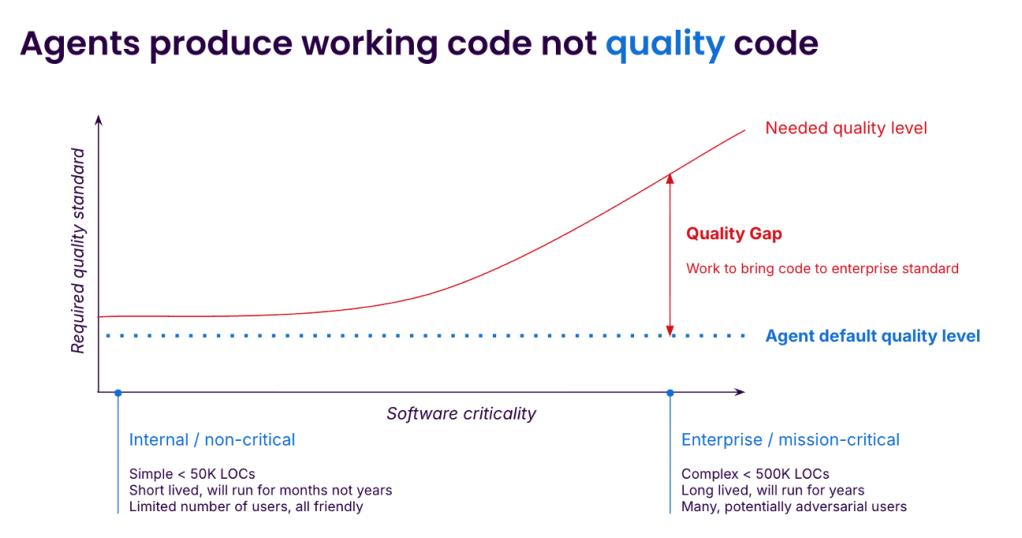
Tests and code reviews done by a coding agent aren’t a substitute for a human checking that software works. Review an LLM’s results yourself any time a task is important! However, agent-generated tests are still a good way to head off some problems and cut down the time you spend as your LLM’s debugging partner. If you don’t know where to start to help your agent know how to test and review code, see Posit’s testing-r-packages and critical-code-reviewer skills. Your agent may also have built-in code review skills, such as Claude Code’s /code-review slash command.
Code review skills are available from many sources. For example, Sentry has a code review skill in its repository. Aimed specifically at its project’s needs, it can be a useful sample for similar skills. And superpowers is a popular set of general-purpose programming skills that’s billed as “a complete software development methodology for your coding agents, built on top of a set of composable skills and some initial instructions that make sure your agent uses them.” I don’t use superpowers, but a lot of other people clearly do given its more than 227,000 GitHub stars and 20,000 forks.
Another tip: Several experts suggest using a different LLM — maybe even from a different provider — to conduct a code review, since each model has its own strengths and weaknesses.
Don’t forget general prompting good habits
Whatever programming language you’re using, being clear will improve your outputs. Keep your requests targeted, and don’t expect the LLM to read your mind.
“Codex handles complex work better when you break it into smaller, focused steps,” OpenAI says in its developer docs. “Smaller tasks are easier for Codex to test and for you to review. If you’re not sure how to split a task up, ask Codex to propose a plan.”
“Take time to make your prompts as relevant as possible, just as you would when helping a new teammate scope a task,” Google advises in its Five Best Practices for Using AI Coding Assistants. “Consider what details you need to share for a person to succeed, and provide all those details to your AI tool.”
And, don’t load up your context window to the LLM’s published limit. Performance often degrades as you get close to the maximum token limit.
Take advantage of open LLMs, particularly if you have budget and token limits
Open-weight models — especially ones small enough to run on a desktop computer — may never rival frontier LLMs like Claude, GPT, or Gemini. But for a lot of R coding, they don’t need to.
To see how well an LLM can write R code, it should have the same kind of harness that Claude Code, Codex, or Posit Assistant gives larger LLMs. “The harness is the product,” argues Mallory Mejias at Sidecar, an AI education company. “The model is the engine inside it — important, but increasingly interchangeable.” I wouldn’t go that far, since I still find the LLM to be a critical piece of this equation, and models differ. But the same LLM will perform differently depending on the tools and context it has.
Posit recently added Google’s open-source Gemma 4 26B to Assistant’s existing options of larger, closed-source LLMs. “Up until this point, models of this size — small enough to run comfortably on high-end consumer laptops — were on our radar but not yet capable enough to drive an agent harness like Posit Assistant,” Posit senior software engineer Simon Couch wrote on the Posit blog. “This has changed in the last few months with releases like Gemma 4.” However, to use it in Posit Assistant in RStudio, you still need to run it through a Posit AI subscription, not locally. It uses 1/10 the budget that the same session with Claude Sonnet would consume.
Several projects can use Claude Code to run local LLMs. Ollama, open-source software for running LLMs locally, does this with the terminal command ollama launch claude --model , such as:
ollama launch claude --model gemma4:26b
The makers of Unsloth, an open-source framework for running and training models, say running local LLMs inside Claude Code can be very slow due to a cache invalidation issue. They say this can be fixed by adding "CLAUDE_CODE_ATTRIBUTION_HEADER" : "0" to ~/.claude/settings.json under “env”.
Unsloth can also use Claude Code to run local models, but it’s somewhat more involved to install and set up than Ollama. See this Unsloth tutorial.
Open-source coding agent Open Code runs LLMs from OpenAI, Anthropic, Google, Kimi, Alibaba’s Qwen, and others. I haven’t warmed up to it yet compared with commercially backed CLI tools I’ve tried, but it has 174,000 GitHub stars so clearly a lot of fans.
AI consultant Thomas Wiegold, who switched from Claude to Open Code, said “OpenCode covers everything I need for my daily workflow. It’s fast, the provider flexibility is genuinely useful rather than theoretical, and the TUI is better for extended sessions…. That said, I’m not going to pretend it’s all smooth sailing.” He noted some stability issues and a remote code execution vulnerability earlier this year.
Large language models remain imperfect and unpredictable tools, but they’re improving rapidly — as are the harnesses around them. Even frontier LLMs in commercial coding agents can ignore instructions at times and otherwise behave in unpleasantly surprising ways. However, you’ll vastly improve your chances of generating quality code if you use coding agents, take time to set them up with quality instructions, and remember good prompting techniques. Good luck!
—
Coding agent info
Claude Code – Anthropic’s coding agent is available in the terminal and as an IDE extension, a desktop app, mobile apps, Slack app, and a cloud version that can work directly in your repos on GitHub. Arguably the first breakthrough coding agent, it now includes an elegant remote-control option where you can start a session on your desktop and then continue it on a phone or tablet. While designed for Claude LLMs, you can use it to run local LLMs via tools like Ollama or Unsloth Studio. When using Claude models, it tends to offer less usage than other vendors’ options. Anthropic has posted the terminal version’s code on GitHub, with usage governed by Anthropic’s commercial terms of service. You can use Claude Code via API pay per use or as part of a Claude subscription.
Codex – OpenAI’s answer to Claude Code is available via terminal, app, IDE extension, or cloud, with integrations for GitHub, Slack, and Linear. The CLI tool is open source under an Apache license, available on GitHub, and works via API pay per use or as part of a ChatGPT subscription.
Posit Assistant – The Posit (formerly RStudio) coding agent is designed for data work in R and Python, although Posit senior software engineer Simon Couch told me it would do fine for programming work for other uses and in other languages. It is available for the RStudio IDE (via a Posit AI subscription in RStudio), Positron IDE, and as a stand-alone CLI terminal app, although the CLI tool currently doesn’t feel as full-featured as the IDE integrations (that may change). As of this writing, you can also use API keys from Anthropic, OpenAI, and Snowflake Cortex and a GitHub Copilot account in Positron. Posit Assistant is being updated quite frequenty, Couch told me. If you tested it a month or two ago, it has more capabilities now.
Antigravity CLI – Google’s terminal-based tool will be replacing the Gemini CLI for unpaid and Google One users this month. There’s also an Antigravity IDE, SDK, and platform for orchestrating multiple agents. One advantage of Antigravity: Google offers a free plan with access to Gemini 3.5 Flash, Gemini 3.1 Pro, Gemini 3 Flash, Claude Sonnet 4.6, Claude Opus 4.6, and gpt-oss-120b, and what it describes as “generous” but undefined weekly rate limits based on “the degree we have capacity.”
Frontend reliability is often discussed in terms of outages. Teams prepare for failed API calls, downtime and visible crashes because those failures are easy to recognize and measure. However, in many modern applications, the bigger challenge is not complete failure but latency. Systems rarely go fully offline. Instead, they become slow enough that users lose confidence in the interface long before anything technically breaks.
Most frontend engineers have experienced this in production. A page eventually loads, but only after several seconds of waiting. A save action succeeds in the backend, yet the interface remains unchanged long enough that the user clicks the button again. A dashboard renders immediately, but the critical data appears so late that the application feels unstable. In practice, users rarely distinguish between “slow” and “broken.” If an interaction feels uncertain or delayed, trust drops quickly.
As frontend systems become increasingly dependent on distributed cloud infrastructure, latency becomes a normal operating condition rather than an occasional exception. APIs may depend on multiple downstream services, serverless systems may introduce startup delays and state updates may propagate asynchronously across regions or caches. Frontend reliability therefore can no longer be defined only by uptime. It also depends on how clearly the interface behaves while waiting on slow cloud dependencies.
In many production systems, the application remains technically available while still feeling unreliable to users. An API request that takes ten seconds may still return successfully. A delayed state update may eventually synchronize correctly. A dashboard may fully render after several refresh cycles. From a monitoring perspective, these systems appear healthy. From a user perspective, however, the experience feels inconsistent and unpredictable.
What makes this difficult is that many frontend applications are still designed around ideal conditions. Interfaces often assume fast responses, immediate consistency and stable network behavior. Cloud environments rarely behave with that level of predictability. Distributed systems naturally introduce latency, asynchronous updates and intermittent delays, even when everything is technically functioning correctly.
This changes how frontend engineers need to think about resilience. Modern interfaces are no longer designed only for success and failure. They also need to handle slow success, delayed feedback and partial availability in ways that remain understandable to users.
Slow APIs and the user experience problem
One of the most common latency issues frontend teams encounter is the slow API response. Technically, the request succeeds, but the delay changes how users interpret the application. A user waiting several seconds for a response rarely thinks about infrastructure behavior or distributed systems. They assume the interface is frozen, unresponsive or broken.
This becomes especially noticeable in cloud-connected systems where response times vary depending on caching layers, regional routing, serverless initialization or downstream dependencies. Frontend applications designed around consistently fast responses often struggle in these conditions because they treat latency as exceptional instead of expected.
Many applications still rely on generic loading spinners that provide little context beyond “something is happening.” While spinners technically indicate activity, they also communicate uncertainty. Users do not know whether the system is progressing, stalled or close to failure. As waiting time increases, frustration grows quickly.
More effective interfaces treat loading as part of the user experience rather than a temporary placeholder. Skeleton screens, layout-preserving placeholders and contextual loading feedback provide users with a clearer understanding of what is happening. Even relatively small decisions can make a noticeable difference. For example, users generally tolerate a dashboard chart loading later far more than they tolerate waiting several seconds before the navigation menu appears. Similarly, an e-commerce page that progressively loads recommendations often feels faster than one that blocks the entire interface until every service responds.
These patterns do not reduce actual latency, but they significantly improve perceived responsiveness. When users understand that the system is actively processing their request, they are far more tolerant of delays.
Delayed state updates and perceived instability
Another common issue in cloud-based systems is delayed state synchronization. A user submits an action successfully, but the interface does not immediately reflect the result. Even if the backend processes the request correctly, the delay creates uncertainty around whether the action worked at all.
This behavior is increasingly common in distributed architectures where writes may propagate asynchronously across services, regions or caches. Frontend applications that assume immediate consistency often expose these delays directly to users, leading to repeated clicks, duplicate submissions and confusion around application state.
In many cases, the real problem is not the delay itself but the absence of clear feedback. Users are generally willing to wait if the interface acknowledges that progress is occurring. Without feedback, even short delays begin to feel unreliable.
Frontend systems can reduce this uncertainty by designing around transitional states more intentionally. Pending confirmations, temporary UI updates and clearer progress indicators help maintain confidence while backend systems synchronize. Users care less about exact infrastructure timing than about whether the interface feels responsive and understandable throughout the interaction.
Progressive rendering and partial availability
Traditional frontend rendering strategies often wait for all required data before displaying meaningful content. While this simplifies state management, it also magnifies perceived latency by forcing users to stare at incomplete or empty screens.
Modern cloud systems rarely deliver all information simultaneously. Some requests complete quickly while others depend on slower downstream services. Treating the entire interface as blocked until every dependency responds unnecessarily increases the feeling of slowness.
Progressive rendering offers a more resilient alternative. Instead of waiting for the entire page, the application renders available content immediately while secondary information loads incrementally. A profile page may display account details before loading recommendations. A dashboard may render navigation and layout structure first while analytics populate later. This creates a sense of continuous progress rather than complete inactivity.
What makes this approach effective is that users tolerate delayed secondary content far better than delayed primary interaction. Even when total loading time remains unchanged, the interface feels significantly more stable because progress is visible.
Progressive rendering also changes how frontend teams think about dependency importance. Not every cloud service needs to block the entire user experience. Separating critical interaction paths from secondary content creates systems that remain usable even under imperfect network conditions.
Designing recovery, not just error messages
Latency-related problems are often made worse by weak recovery patterns. Many applications either wait indefinitely or fail abruptly with vague messaging such as “Something went wrong.” Neither approach creates confidence for users who are already uncertain about system behavior.
Frontend resilience improves significantly when interfaces guide users through delays and recovery intentionally. Instead of displaying generic failures immediately, applications can acknowledge that an operation is taking longer than expected while still preserving user progress. Retry actions, recoverable workflows and state preservation help users continue without restarting tasks entirely.
This becomes especially important in forms and transactional flows. Losing user input because of a temporary timeout often damages trust more than the delay itself. In practice, people are usually willing to retry an action. They are far less willing to repeat work they already completed once.
These recovery patterns are not simply UX enhancements. They are architectural decisions that recognize cloud latency as a normal operating condition rather than an edge case.
Designing for latency is designing for reality
As frontend systems become more dependent on distributed cloud infrastructure, latency becomes unavoidable. The most reliable interfaces are not necessarily the ones with the fastest response times. They are the ones that communicate clearly, preserve user confidence and remain usable during delays.
Frontend teams spend enormous effort optimizing rendering performance while often underestimating the impact of latency behavior on user trust. In many applications, the difference between a reliable experience and a frustrating one is not milliseconds of rendering speed but how clearly the interface handles waiting.
Frontend engineers do not need to become cloud infrastructure specialists to design for these realities. However, understanding that cloud latency is a normal part of modern application behavior fundamentally changes how interfaces should be built. Designing for latency is ultimately not about preparing for rare outages. It is about designing for the way modern systems behave every day.
This article is published as part of the Foundry Expert Contributor Network. Want to join?
I was blessed with a terrific high school English teacher. Ms. Jewel was funny, kind, interesting, and tough on us. I can still spell “ecstasy” on the first try because of her. One of the more memorable lessons she taught was a “Hemingway and Fitzgerald” module.
I loved the short stories of both, but Hemingway’s work always stuck out for me. It’s cliché to say that Hemingway was terse, but we only say it because it is true. He could pack more into a page than most writers. He didn’t waste a syllable.
Software developers are soon going to have to take a lesson from Hemingway.
It’s not hard to be concise in code. You have to be, by design. The compiler won’t put up with any throat-clearing and jibber-jabber. You can’t meander. You have to use a very strict set of words and symbols, and you have to use them in a defined way.
Let me explain. Claude Code, Codex, Copilot, and the rest all love to be “spoken” to in Markdown. We used to define our code with unit tests and specifications written for humans. Now, it’s all about the spec. And the spec needs to be both complete and concise.
It needs to be complete in the sense that if you leave something out or forget to define something, the agent will very likely fill in the gaps for you. Forget a feature or requirement, and the agent will go off confidently and almost certainly in the wrong direction.
At the same time, you need to be concise. Because if you are too effusive, you may give the agent ideas that you don’t want it to have. If you write like Fitzgerald — lush and expansive — the agent will be off and running in a direction you can’t be sure about.
Our compilers will stop cold if we aren’t precise and concise. Our agents? They will proceed with confidence, diligently producing a result that looks great but isn’t what we want.
So we need to learn to write like Hemingway and pack as much meaning into as few words as possible. Or, as Paul Graham said:
Foundry
Let’s be clear
For years, we’ve been writing semi-vague Jira tickets and expecting our fellow humans to fill in the gaps and “get the gist” of what we were trying to do. We don’t have that luxury anymore. Developers who aren’t able to move on from “Jira-speak” to “Agent-speak” are going to struggle. If we don’t follow Graham’s advice in writing those specs, who knows what we’ll get.
Maybe someday agents will know the ins and outs of our business well enough to “know what we mean,” but they can’t today. The time we used to spend coding now needs to be spent perfecting our new craft of writing precise specifications for our agents to execute.
Every listicle ever written on “How to be a Great Developer” says you need to be a great communicator — but that was communication with other humans.
Ms. Jewel always taught us that our writing is only as clear as our thinking. Our compilers forced us to write clearly. Our coding agents won’t do that. I’m sure there are many developers out there now who wish they had listened more closely to their high school English teacher.
A recent comprehensive study published in PsyCh Journal casts significant doubt on the widespread application of an adult-derived framework for assessing social-emotional skills among children and adolescents across diverse cultures. The research critically evaluates the Organization for Economic Co-operation and Development’s (OECD) Survey on Social and Emotional Skills, a framework traditionally anchored in adult personality models, highlighting its inability to reliably capture the developmental nuances and cultural variations inherent in younger populations.
This study deployed an extensive dataset comprising over 60,000 children and adolescents aged 10 and 15 from 10 international urban centers spanning nine countries, including the United States, Canada, China, South Korea, Finland, Colombia, Russia, Portugal, and Turkey. The participants’ social-emotional competencies were assessed against the established framework that organizes 15 skills into five categories mapped onto the Big Five personality traits: openness, conscientiousness, extraversion, agreeableness, and emotional stability.
Findings indicate that the hypothesized functional zoning of these skills failed to emerge consistently across the diverse sample. Contrary to expectations, the adult-derived hierarchical structure did not hold true for younger individuals. The empirical data revealed that the configuration of social-emotional skills evolved significantly with age. Ten-year-olds exhibited a more blended and less differentiated pattern of skills, whereas fifteen-year-olds showed more refined distinctions, yet still diverged substantially from the adult framework that underpins the OECD survey.
Moreover, the study unveiled pronounced cultural heterogeneity in the organization of these skills. The way social-emotional skills clustered varied markedly across cities such as Houston, Helsinki, and Suzhou. This variance underscores the influence of local sociocultural factors, educational practices, and societal norms in shaping the development and interrelation of these competencies at both individual and community levels. The research suggests that universal, one-size-fits-all assessments are insufficient for capturing the complexity of social-emotional development across global contexts.
The methodological approach employed, Exploratory Graph Analysis (EGA), was pivotal in uncovering the latent structure of the assessed skills. EGA, a network psychometrics technique, models relationships among variables, offering a data-driven perspective on how different skills interconnect functionally. However, in this case, EGA failed to reproduce the pre-established functional zoning assumed by the survey framework, thereby challenging its applicability and prompting a call for re-evaluation and adaptation.
Bo Ning, PhD, corresponding author and professor at Shanghai Normal University, emphasized the implications of these results. She underscored that social-emotional skill assessments must be sensitive to developmental stages and cultural contexts to ensure fairness and accuracy. This stance invites a paradigm shift towards frameworks that are not only empirically validated for diverse populations but are also dynamic enough to adapt to the evolving socioemotional landscape of children and adolescents worldwide.
The study’s cross-national sample and robust analytic techniques bolster the credibility of its conclusions, signaling a crucial need for psychometric frameworks that accommodate developmental trajectories and cultural specificity. Such frameworks would enhance the validity of social-emotional skill measurement and guide the design of interventions tailored to the unique needs and contexts of younger populations globally.
This investigation also raises broader questions about the translatability of adult personality theories to child and adolescent populations. Since children are in critical developmental phases marked by rapid psychological, social, and cognitive changes, frameworks built on adult models may oversimplify or misrepresent their social-emotional realities. Consequently, researchers and policymakers must reconsider how social-emotional competencies are conceptualized and operationalized in international assessments.
Beyond academic inquiry, this research holds pragmatic significance. Social-emotional skills are increasingly recognized as crucial predictors of lifelong success, influencing educational outcomes, mental health, and social integration. Misalignment in assessment tools could lead to misguided policies, inadequate resource allocation, and ineffective educational programming, especially when applied in culturally or developmentally incongruent ways.
The study’s findings advocate for the creation of culturally nuanced measurement tools that incorporate indigenous concepts of social and emotional functioning. Such culturally congruent tools would respect local values and educational priorities, fostering more authentic and meaningful assessments. Additionally, they would facilitate international comparisons that are not merely nominal but grounded in culturally sensitive understanding.
Further research is needed to elucidate the mechanisms driving developmental and cultural variability in social-emotional skill organization. Longitudinal studies can capture dynamic developmental processes, while qualitative research may offer rich contextual insights. Combining these approaches with advanced quantitative methods like EGA can yield comprehensive frameworks capable of supporting equitable policies and practices in global education and child development.
The growing recognition of the complexity of social-emotional skills across developmental stages and cultures marks a pivotal advancement in psychological science. This study contributes a critical evidence base, urging the scientific community to transcend traditional adult-centric, culturally monolithic frameworks in favor of more sophisticated, inclusive paradigms that truly reflect the lived experiences of children and adolescents worldwide.
As the landscape of global education and psychological assessment continues to evolve, embracing culturally adaptive, developmentally informed frameworks will be essential. Doing so promises to improve the fairness and effectiveness of social-emotional skill measurement, ultimately promoting better outcomes for diverse populations of young people who will shape the future of societies around the world.
Subject of Research: Social-emotional skill assessment across developmental stages and cultures
Article Title: Exploratory Graph Analysis Failed to Reproduce the Hypothesized Functional Zoning Framework in the OECD Survey on Social and Emotional Skills
News Publication Date: 17-Jun-2026
Web References: http://dx.doi.org/10.1002/pchj.70108
Keywords: personality development, social development, developmental psychology, psychological science, young people, adolescents, emotional development
In a groundbreaking advancement for ocular science, a multidisciplinary research team from the University of Minnesota Medical School has embarked on a four-year investigative journey funded by a substantial $2.2 million grant from the National Eye Institute. This highly anticipated project aims to elucidate the intricate molecular foundations of retinal diseases, particularly focusing on age-related macular degeneration (AMD) and the uncommon but debilitating Doyne honeycomb retinal dystrophy, also known as Malattia Leventinese (DHRD/ML). By leveraging cutting-edge approaches in molecular biology and ophthalmologic research, the team aspires to pioneer transformative therapies that address the multifaceted challenges posed by these degenerative eye conditions.
Central to this research initiative is the exploration of extracellular matrix proteins, a class of biomolecules that form the structural and functional scaffolding outside cells. Of particular interest within this complex microenvironment is fibulin-3, an extracellular matrix glycoprotein implicated in maintaining the integrity and homeostasis of retinal tissues. Mutations and alterations in the fibroblast-derived fibulin-3 have been identified as key contributors to the pathogenesis of various blinding disorders, positioning this protein at the forefront of retinal disease research. Understanding fibulin-3’s biological role and its dysregulation promises to unlock novel therapeutic avenues for preventing vision loss.
Professor John Hulleman, PhD, an esteemed ophthalmology and visual neurosciences researcher at the University of Minnesota Medical School, emphasizes the significance of this endeavor. He remarks that the project not only intensifies the focus on fibulin-3’s molecular dynamics but also strives to develop sophisticated tools to dissect its functional interactions within the retinal extracellular matrix. This approach underscores a shift towards targeting the extracellular matrix environment itself, rather than solely focusing on intra-cellular pathways, thus broadening the horizon for innovative treatment modalities.
Age-related macular degeneration, a leading cause of irreversible vision loss among the elderly, is characterized by progressive degeneration of the macula, the central region of the retina responsible for sharp, central vision. Current therapies, while somewhat effective in managing symptoms, often fail to halt or reverse the underlying pathology. The research spearheaded by the University of Minnesota seeks to transcend these limitations by identifying molecular targets within the extracellular matrix that mediate AMD progression, which could lead to breakthrough treatments with enhanced efficacy.
Alongside AMD, the project addresses Doyne honeycomb retinal dystrophy, a rare congenital disorder exhibiting clinical and pathological overlap with AMD. DHRD/ML is marked by the deposition of abnormal extracellular materials within the retina, leading to impaired photoreceptor function and progressive vision deterioration. Dissecting the mechanistic pathways governing extracellular matrix remodeling in DHRD/ML through the lens of fibulin-3 aberrations provides a unique opportunity to develop targeted interventions that can ameliorate or even prevent the disease’s progression.
The research team will undertake a comprehensive pharmacological screening of existing FDA-approved drugs with the objective of repurposing them to mitigate AMD symptoms. This strategy leverages the pharmacokinetic profiles and safety data of known medications, potentially accelerating the timeline for clinical application. Simultaneously, the investigation will delve into the biological mechanisms regulating the synthesis, assembly, and degradation of retinal extracellular matrix proteins, aiming to delineate the homeostatic balances integral to healthy retinal function.
A significant aspect of the study involves characterizing the cellular pathways that control fibulin-3 expression and turnover, which are pivotal in maintaining extracellular matrix stability. Disruptions in these processes can lead to pathological accumulation or deficiency of critical matrix components, contributing to disease pathology. By elucidating these control mechanisms, the team aims to identify molecular checkpoints amenable to therapeutic modulation.
To facilitate these objectives, the researchers employ an array of sophisticated methodologies, including advanced imaging techniques, proteomic analyses, and in vitro cellular models that recapitulate retinal architecture and extracellular matrix interactions. These technologies enable high-resolution tracking of protein dynamics and intercellular communication in both normal and diseased states, generating critical insights into retinal degeneration.
Moreover, the initiative recognizes the intricate interplay between genetic predispositions and environmental factors in retinal disease etiology. Investigations into how fibulin-3 mutations influence extracellular matrix composition under various physiological conditions will enhance understanding of disease variability and patient-specific responses. This knowledge is essential for the future development of personalized medicine approaches tailored to individual molecular profiles.
The translational potential of this project is fortified by its dual approach, combining fundamental scientific inquiry with a pragmatic search for viable therapeutics. The anticipated outcomes include the generation of novel diagnostic biomarkers and the formulation of innovative treatment protocols that could significantly improve patients’ quality of life. This work exemplifies the integration of biomedical research with clinical imperatives, embodying a future where vision preservation is attainable.
Currently active under grant number 2R01EY027785-07A1, this endeavor not only epitomizes the University of Minnesota Medical School’s commitment to scientific excellence but also signifies a beacon of hope for millions affected by retinal degenerative diseases worldwide. Through rigorous investigation and cutting-edge technology, the research team is poised to reshape the landscape of vision science and ocular therapeutics.
As the study progresses, continuous updates and detailed findings are expected to stimulate further scientific inquiry and collaborative efforts across the biomedical community. The potential to bridge gaps between molecular understanding and clinical innovation positions this project as a landmark in the quest to combat retinal blindness.
Subject of Research: Molecular mechanisms and therapeutic development targeting extracellular matrix protein fibulin-3 in retinal diseases including age-related macular degeneration and Doyne honeycomb retinal dystrophy.
Article Title: University of Minnesota Researchers Secure $2.2M NIH Grant to Target Fibulin-3 in Retinal Disorders
News Publication Date: June 16, 2026
Web References:
https://med.umn.edu/bio/john-hulleman-phd
https://med.umn.edu/
University of California, Irvine Innovates Therapeutic Vaccine Strategy to Combat Recurrent Genital Herpes
In a groundbreaking development that could transform the management of genital herpes, UC Irvine immunologist Lbachir BenMohamed has secured nearly $4 million in funding from the National Institutes of Health to advance a novel therapeutic vaccine approach. This ambitious five-year project aims to tackle recurrent genital herpes caused by herpes simplex virus type 2 (HSV-2), a persistent viral infection that affects over 60 million Americans and more than half a billion individuals globally. Despite extensive research efforts historically, no approved therapeutic vaccine exists to date, leaving millions vulnerable to recurrent outbreaks and transmission.
BenMohamed’s research focuses on a next-generation vaccine strategy termed “Prime/Pull/Keep,” designed to establish a robust, localized immune defense precisely at the mucosal sites where HSV-2 resides and reactivates. Conventional vaccines predominantly elicit circulating antibodies, which are insufficient to control HSV-2’s latent reservoirs in the nerve ganglia and mucosal tissues. This innovative approach instead targets tissue-resident memory T cells (TRM), a specialized subset of immune cells critically positioned at the barrier sites to provide immediate defense against viral reactivation.
The Prime/Pull/Keep methodology encompasses a three-step immunization process: initial priming of protective T cells via vaccination, mobilization of these cells to the infected tissue through chemokine signals (pull), and sustained retention and functional maintenance at the site of infection (keep). Together, these steps ensure a sustained population of antiviral T cells, capable of rapid detection and elimination of reactivated virus, potentially curbing recurrent disease manifestations and viral shedding.
Previous investigations by BenMohamed’s team have demonstrated promising results with mRNA-based therapeutic vaccines in preclinical models. These candidates were effective in reducing clinical signs of recurrent genital herpes and enhancing the recruitment of protective T cells within genital mucosal tissues. Additionally, exploring immune-signaling molecules such as chemokines has validated the feasibility of attracting and retaining TRM populations, thereby improving local immune surveillance and long-term antiviral immunity.
The current NIH-funded project intends to rigorously evaluate the safety profile and immunogenic potential of various Prime/Pull/Keep vaccine candidates in preclinical animal models, examining how augmenting the quantity, quality, and durability of TRM cells correlates with protection from HSV-2 reactivation. This represents a critical translational step toward bridging laboratory research and clinical trials, responding to NIH’s strategic priority to develop novel therapeutic interventions for genital herpes.
BenMohamed articulates the significance of this research succinctly: “People living with recurrent genital herpes have long awaited effective therapeutic vaccines. Our innovative immune-based approach not only amplifies protective T cells but directs and maintains them where the virus hides. This could revolutionize prevention strategies for millions affected worldwide.” The team’s vision is to develop a vaccine capable of reducing recurrent outbreaks and viral transmission, substantially improving quality of life for patients.
HSV-2 represents a formidable pathogen due to its ability to establish lifelong latent infection in sensory neurons, periodically reactivating to cause painful genital lesions and facilitating onward transmission. Existing antiviral therapies focus on suppressing viral replication but do not eliminate reservoirs or prevent recurrence. The targeted boosting of tissue-resident immune memory represents a paradigm shift in immunotherapy, promising durable tissue-specific immunity where it is needed most.
The Prime/Pull/Keep vaccination strategy could also circumvent issues faced by traditional systemic vaccines, which often fail to generate sufficient mucosal immunity or induce long-lasting memory T cell populations within genital tissues. By tailoring antigen delivery and immune modulation, this approach aims to enhance the local microenvironment and foster a self-renewing population of sentinel T cells poised to respond immediately to viral reactivation.
As the project advances through preclinical stages, rigorous assessment of immune correlates of protection will inform optimization of vaccine formulations, dosing schedules, and adjuvant combinations. Understanding the mechanisms underpinning TRM cell maintenance and functionality remains an active area of investigation critical to maximizing therapeutic efficacy and durability.
The successful identification of an optimal Prime/Pull/Keep candidate would pave the way for human clinical trials, marking a historic milestone in the fight against genital herpes. Such a vaccine holds the promise not only to alleviate recurrent symptoms but also to significantly curtail viral shedding, thereby decreasing transmission rates and public health burden.
Beyond genital herpes, the conceptual framework underlying Prime/Pull/Keep may inspire novel immunotherapeutic strategies for other persistent viral infections and chronic diseases where localized immune memory is pivotal. Collaborative efforts among immunologists, virologists, and clinical scientists will be essential to translate these findings into effective interventions.
With UC Irvine’s robust infrastructure, cutting-edge facilities, and interdisciplinary expertise, BenMohamed’s laboratory is well-positioned to spearhead this transformative endeavor. The $3.93 million NIH R01 grant underscores the scientific community’s confidence in this pioneering approach and its potential to redefine therapeutic vaccine development for chronic viral infections.
In conclusion, the UC Irvine-led Prime/Pull/Keep vaccine project represents a beacon of hope for millions plagued by recurrent genital herpes, offering a sophisticated and strategic means to harness the immune system’s power at the precise sites of viral latency and reactivation. As research progresses, the scientific world eagerly anticipates the realization of a durable, tissue-targeted therapeutic vaccine capable of changing the landscape of HSV-2 management and prevention.
Subject of Research: Development of a novel therapeutic vaccine to prevent recurrent genital herpes by targeting tissue-resident memory T cells
Web References:
– University of California, Irvine: www.uci.edu
– UC Irvine News: news.uci.edu
– NIH Media Resources: https://news.uci.edu/media-resources/
In the complex landscape of brain development, the formation of the brain’s protective barriers—the blood-brain barrier (BBB) and the blood-cerebrospinal fluid (CSF) barrier—has long fascinated neuroscientists. These barriers are composed of highly specialized cells that serve a critical function: permitting necessary nutrients to enter the brain while preventing harmful substances, pathogens, and toxins circulating in the bloodstream from crossing into the delicate neural environment. Despite a deep understanding of their function, the cellular mechanisms orchestrating their assembly during embryogenesis have remained elusive. A groundbreaking study led by researchers at the University of California San Diego, recently published in Cell, unveils a surprising and paradigm-shifting contributor to brain barrier development: cellular senescence.
Cellular senescence is traditionally characterized as a permanent cessation of cell division, commonly associated with aging and pathology. These so-called “zombie” cells, which remain metabolically active but fail to proliferate, accumulate in aging tissues, contributing to chronic inflammation, tissue dysfunction, and cognitive decline. As a consequence, senescent cells have become key targets in developing therapeutic strategies to mitigate age-related diseases. However, recent evidence challenges the simplistic association of senescence solely with aging and damage. Instead, senescence appears highly context-dependent, playing complex and sometimes beneficial roles in development and healing.
Emerging studies have revealed transient senescent cell populations in mouse embryos during the formation of limbs and kidneys, as well as in wound healing contexts, where senescence promotes tissue repair. These discoveries suggest that senescence may be an evolutionarily conserved mechanism to guide tissue remodeling and regeneration when temporally controlled. The UC San Diego research team, led by Assistant Professor Hiruy Meharena, has extended this concept into the realm of brain development, uncovering diverse senescence-associated cell states that actively contribute to constructing the brain’s vital protective barriers.
Through a multifaceted approach combining single-cell RNA sequencing, advanced imaging, and precise genetic lineage tracing in developing mouse brains, the investigators identified three distinct cell types that transiently or persistently enter senescence during the formation of the BBB and blood-CSF barrier. These cell types include vascular endothelial cells, brain-resident macrophages, and choroid plexus epithelial cells, each exhibiting unique senescence profiles and functional roles in the brain’s developmental timeline.
Vascular endothelial cells, which line the embryonic blood vessels, and brain-resident macrophages engage senescence transiently during critical windows of brain vascular remodeling and patterning. These senescent states appear to fine-tune the formation of the intricate vascular network essential for establishing the highly selective BBB, coordinating cellular interactions and molecular signaling pathways that regulate tight junction formation and barrier integrity. This temporary senescent phase helps orchestrate the vascular architecture that prevents harmful molecules in the blood from infiltrating brain tissue.
In contrast, choroid plexus epithelial cells—responsible for generating cerebrospinal fluid and forming the blood-CSF barrier—exhibit a persistent senescence-like state that endures beyond embryonic development into adulthood. This finding defies the prevailing dogma that developmental senescence is exclusively transient and suggests a novel dimension of senescence’s role in maintaining barrier function over the lifespan. The sustained senescent phenotype in these epithelial cells likely supports the continuous protective and homeostatic functions of the blood-CSF barrier, which plays a critical role in brain fluid regulation and immune surveillance.
One of the study’s most unexpected revelations emerged when the researchers experimentally ablated senescent cells during embryogenesis. The resulting mice exhibited marked abnormalities in the structural and functional development of both brain barriers, accompanied by disrupted fluid balance within the central nervous system. These defects underscore the indispensability of senescent cells in normal brain barrier formation and highlight the complex interplay between senescence and tissue morphogenesis.
This nuanced view of senescence challenges the traditional perception of a monolithic, detrimental “senescence program,” revealing instead a spectrum of senescence-associated cell states tailored to specific developmental contexts and cell types. Senescence acts not as a simple arrest signal but as a dynamic, multifaceted process facilitating intercellular cooperation during neurovascular development. It integrates molecular cues that modulate cell behavior, extracellular matrix remodeling, and immune cell function to sculpt the brain’s defensive frontiers.
The implications of these findings extend beyond developmental biology into the pathophysiology of brain disorders. Since the integrity of the BBB and blood-CSF barrier is compromised in neurodegenerative diseases, stroke, and neuroinflammation, understanding the diverse roles of senescent cells in barrier biology may herald new therapeutic avenues for restoring barrier function and mitigating neurological deficits. The UC San Diego team is now probing how senescence-related mechanisms unfold in disease contexts, aiming to decipher whether modulating senescent cell populations can ameliorate or prevent barrier dysfunction.
Moreover, the identification of persistent senescence in adult choroid plexus cells prompts intriguing questions about the balance between beneficial senescence and potential chronic senescent cell accumulation contributing to pathology. Future research will explore how this persistent senescence is regulated and whether it participates in age-related changes in brain fluid dynamics or susceptibility to CNS infections.
This research challenges the classical narrative that equates senescence with detrimental aging by elucidating its fundamental, constructive roles in brain development. It elevates the concept of senescence from a pathological endpoint to an essential, adaptive cellular state finely tuned in time and space. By redefining senescence as a developmental and homeostatic facilitator, the study sets a new trajectory for investigating cellular aging, brain barrier biology, and neurovascular health.
As neuroscience embraces the complexity of cellular states within the brain’s microenvironment, these insights offer a richer, more integrative framework. The study’s comprehensive use of cutting-edge genomic, imaging, and genetic tools exemplifies the power of modern neurobiology to unravel the elusive choreography underlying brain structure and function. Continued exploration of developmental senescence promises to deepen our understanding of brain physiology and opens transformative possibilities for innovative treatments targeting the blood-brain and blood-CSF barriers across the lifespan.
Subject of Research: Animals
Article Title: Persistent and transient senescent cells contribute to brain barrier development
When SpaceX on Tuesday officially announced its plan to purchase AI coding startup Cursor for $60 billion in stock, as it had predicted it would do in April, it presented CIOs and developers with a little good news, a little bad news and a massive pile of uncertainty.
The details of the proposed acquisition were virtually identical to the terms announced in April, even retaining the $10 billion consolation prize for Cursor should SpaceX back out of the deal.
But for CIOs and developers, the increasing probability of the deal happening is forcing them to make long-term decisions without many long-term answers about what is likely to happen to Cursor, which says its coding agents are used by 64% of Fortune 500 companies.
But whether the deal is good news for Cursor’s customers, or even those of its rivals, is an open question.
Arnal Dayaratna, research VP for software development at IDC, is firmly in the good news camp. He argued that the main element holding back the company, which he estimated brings in about $2 billion in annual revenue, was access to GPUs. And, he said, SpaceX’s xAI has the ability to resolve that problem.
It’s all about the GPUs
“The implication is that Cursor can get better because it will get better access to more compute, in the form of GPUs. That was what Cursor was struggling to obtain,” Dayaratna said, adding that Cursor joins both Anthropic and Google in aligning with xAI.
“It is bad news for Anthropic,” he said, pointing out, “[Elon] Musk figured out that GPUs were the limiters, the bottleneck. Not human talent: compute. And it’s not only about GPUs. It’s about the data centers,” as well as the mechanisms needed to support data centers, including electricity access, cooling apparatus, and zoning rights.
“Zoning rights are very difficult to obtain in the United States, and Elon has been able to leverage his political capital” to obtain those rights, Dayaratna said.
Dayaratna also commented on the highly unusual tactic of a company pre-announcing an acquisition and then announcing it “officially” two months later. The reason, he suggested, is that Musk didn’t want the acquisition to delay the SpaceX IPO, but he did want potential investors to know about it. “It gave the IPO more legs, even though it was not formally a part of the IPO. He wanted to socialize it before it happened,” he said.
Jason Andersen, principal analyst at Moor Insights & Strategy, took a far more cautious approach and predicted, “enterprise customers will be very concerned.”
Time for CIO due diligence
“xAI’s models and treatment of guardrails are very different than what Cursor has stood for,” Andersen said, and the key issue involves model choice. “Will Cursor be able to point at models other than Grok? If that is the case, it could go towards helping customers be OK with things for a while,” he said.
But Andersen stressed the words “for a while.” He argued that Cursor rivals have gotten more sophisticated, which could give enterprise CIOs more alternatives.
“The tooling options from the classic enterprise vendors have gotten really good, and also have a number of features that enable better governance and teaming. For example, Kiro from AWS is already a worthy competitor to Cursor, but there have also been major improvements from Google and Microsoft this year,” Andersen said. “I’d venture to say that Cursor was already facing a substantial competitive challenge in the enterprise, especially as the vibe coding movement lost some steam towards agents that enable so much more developer capability.”
Andersen added, “A lot of SpaceX’s valuation is pinned to xAI and there wasn’t enough IP there for it to be long-term competitive with Anthropic or OpenAI without rapidly injecting new technology.”
Shashi Bellamkonda, principal research director at Info-Tech Research Group, said the current period of due diligence gives CIOs opportunities to ask difficult questions.
“I do believe that enterprise customers will start to ask harder questions now, especially if more of the processing starts moving through Grok or xAI infrastructure,” Bellamkonda said, but he stressed that he does see a SpaceX deal helping Cursor.
“Cursor is already carrying a lot of LLM cost and if SpaceX and xAI can give it access to more compute and a faster, improved Grok model, customers could eventually get better performance at a lower cost. Grok is getting faster and more accurate, and under SpaceX there may be more enterprise appetite for xAI than xAI had on its own,” Bellamkonda said.
Questions about data privacy
But Bellamkonda also pointed to the trust issue, specifically asking whether Cursor would be allowed to continue its zero-data-retention policy under the new ownership.
“Enterprise users with sensitive codebases will want to understand exactly where their data is going, who has access to it, and whether any prompts, code, metadata, or embeddings are touching SpaceX or xAI systems,” Bellamkonda said. “Zero data retention is only valuable if customers believe the controls still apply across the new infrastructure. If they can preserve Cursor’s privacy posture while using xAI and SpaceX compute to improve the product, this could be a very strong outcome for customers. If the data governance is unclear, enterprise buyers will hesitate.”
Justin Greis, CEO of consulting firm Acceligence, echoed Bellamkonda’s concerns.
“For many enterprise customers, Cursor’s zero-data-retention policy was not simply a security feature. It was a foundational part of the procurement and approval process,” Greis said, pointing out that security teams, legal departments, compliance officers, and executive leadership all became more comfortable adopting AI-assisted development because they believed their source code, prompts, and proprietary intellectual property would not be retained, stored, or repurposed.
“Whenever ownership changes, customers naturally revisit those assumptions,” he said. “I would expect enterprise customers to immediately seek clarity on whether existing zero-data-retention commitments remain unchanged, whether those commitments continue to be contractually enforceable, and whether any future modifications could be introduced through changes to terms of service or product strategy.”
Reassessing platform risk
Another concern is whether the move will create greater vendor concentration, and whether that will increase risk exposure.
“Many organizations are already concerned about becoming overly dependent on a small number of AI providers. If Cursor becomes more tightly integrated into a broader SpaceX technology ecosystem, some enterprises may worry about reduced flexibility and fewer alternatives. I suspect this will be a continued question with SpaceX’s recent IPO and growth plans,” Greis said.
Additionally, he pointed out, “AI coding platforms are rapidly becoming part of critical software delivery infrastructure. When organizations standardize on these tools, they are making a long-term platform decision that influences developer productivity, software quality, security processes, and engineering workflows. A change in ownership naturally prompts a reassessment of platform risk, roadmap alignment, and long-term strategic direction.”
As well, Sanchit Vir Gogia, chief analyst at Greyhound Research, noted, “zero data retention survives only where it stays contractual, auditable, enforceable and fenced from affiliate use. The deeper point is what Cursor has become. It is no longer a developer convenience. It sits inside the act of software creation, close to the intellectual-property bloodstream of the enterprise. That is a control plane, and control planes change hands rarely and consequentially.”
Gogia added that even before an acquisition, Cursor was already weakening its data guarantee. “Even now the promise is layered. Cursor’s own disclosures show that standard Privacy Mode still permits some code data to be stored for product features, while only the stricter legacy setting retains nothing. Zero is the exception, not the default.”
In a remarkable acknowledgment of his contributions to nephrology, Dr. Sushrut S. Waikar has received the American Society of Nephrology (ASN) Distinguished Mentor Award. This prestigious accolade honors individuals who have profoundly impacted the kidney health community through their dedication to mentorship, fostering the careers of emerging clinicians and researchers. Dr. Waikar’s influence extends far beyond routine clinical practice; he has been instrumental in inspiring trainees to dedicate themselves to nephrology, emphasizing innovation in both research and healthcare practice.
Dr. Waikar currently holds the position of Chief of Nephrology at Boston Medical Center and serves as the Norman G. Levinsky Professor of Medicine at Boston University’s Chobanian & Avedisian School of Medicine. As a clinician-scientist, Dr. Waikar has maintained continuous funding from the National Institutes of Health (NIH) for over two decades, highlighting his sustained commitment to advancing kidney disease research. His expansive research agenda incorporates epidemiologic methodologies, translational science, and interventional clinical trials designed to address urgent clinical challenges.
Central to Dr. Waikar’s research portfolio is the refinement of diagnostic tools for kidney diseases, an area critical for early detection and improved patient outcomes. His laboratory has developed novel biomarkers and testing algorithms that aim to enhance diagnostic accuracy, thereby allowing for more timely and precise therapeutic interventions. Such advancements are vital in a field where early-stage kidney dysfunction often goes undetected until it progresses to irreversible damage.
Another significant thrust of Dr. Waikar’s research involves kidney biopsy studies, which offer invaluable insights into the pathophysiological mechanisms underlying disease progression within the renal parenchyma. By analyzing tissue samples, his team seeks to elucidate the cellular and molecular pathways that drive kidney deterioration, providing a foundation for the future design of targeted therapies. This level of detailed study bridges the gap between clinical observation and basic science, enabling a more comprehensive understanding of renal pathology.
Dr. Waikar’s investigations also spotlights a particularly devastating public health concern known as Chronic Kidney Disease of uncertain etiology (CKDu). This disease has emerged as a lethal epidemic primarily afflicting young agricultural workers in Central America and South Asia. Unlike traditional forms of chronic kidney disease associated with diabetes or hypertension, CKDu’s etiology remains elusive and multifactorial. His research endeavors aim to clarify environmental, occupational, and genetic risk factors contributing to this silent crisis, with hopes of informing preventative strategies and policy interventions.
Within the realm of precision medicine, Dr. Waikar acts as principal investigator for the NIH Kidney Precision Medicine Project. This ambitious initiative is engineered to leverage cutting-edge genomic, proteomic, and proteomic technologies to tailor kidney disease treatment at an individual level. By integrating these high-throughput techniques with clinical data, this project aspires to revolutionize management paradigms for kidney disorders, ultimately improving personalized patient care outcomes.
In addition to his leadership in precision medicine, Dr. Waikar coordinates the CKD of Unknown Etiology Consortium, a collaborative network of investigators dedicated to elucidating CKDu. This consortium underscores the importance of multidisciplinary cooperation in tackling complex health challenges, combining epidemiology, environmental sciences, and nephrology to develop holistic solutions to kidney health crises.
Dr. Waikar’s intellectual journey began with an undergraduate education in English and neuroscience at Amherst College, fostering a broad intellectual foundation that supports his interdisciplinary approach. He then earned his medical degree at Yale University, further complementing his scientific expertise with clinical acumen. His postgraduate training in internal medicine and nephrology at highly regarded institutions such as the University of California, San Francisco, and the Mass General Brigham system was distinguished by leadership roles, including chief medical resident, reflecting his early commitment to medical education and mentorship.
His academic trajectory also includes earning a Master’s degree in Public Health from Harvard University, which underpins his rigorous approach to epidemiology and population-based studies. This public health background allows Dr. Waikar to navigate and address the systemic factors impacting kidney health globally, marrying clinical insight with health policy and preventive medicine.
The American Society of Nephrology, founded in 1966, stands as the largest professional society devoted to kidney disease research and education worldwide. To further acknowledge the critical contributions of midcareer professionals, ASN established the Midcareer Awards Program in 2019, celebrating individuals like Dr. Waikar who demonstrate exceptional clinical expertise, innovative research, and dedicated service to the nephrology field and the society’s mission.
Dr. Waikar’s recognition by the ASN Distinguished Mentor Award not only celebrates his individual achievements but also highlights the critical role that mentorship plays in shaping the future of nephrology. His ability to guide, inspire, and cultivate the development of emerging leaders ensures that advances in kidney research and patient care continue to accelerate, ultimately benefiting countless individuals suffering from kidney disease globally.
Through the integration of basic science, clinical application, and public health strategies, Dr. Waikar exemplifies the modern physician-scientist who transforms knowledge into meaningful biomedical progress. His contributions serve as a catalyst for ongoing discoveries and innovations that hold the promise of reducing kidney disease burden worldwide.
Subject of Research:
Kidney disease diagnostics and research, Chronic Kidney Disease of uncertain etiology (CKDu), kidney biopsy studies, precision medicine in nephrology.
Article Title:
Not provided.
News Publication Date:
Not provided.
Web References:
Not provided.
References:
Not provided.
Image Credits:
Not provided.
Keywords:
Nephrology, kidney disease, chronic kidney disease, CKDu, NIH Kidney Precision Medicine Project, kidney biopsy, biomarkers, epidemiology, translational research, mentorship, American Society of Nephrology, public health.
A hidden biological clock has been discovered by genetic researchers, revealing how proteins act as a timing mechanism that controls living organisms’ growth into adulthood.
Cold Spring Harbor Laboratory (CSHL) researchers in New York revealed their findings in a recent paper published in the Proceedings of the National Academy of Sciences, identifying how a feedback circuit between the proteins MYRF-1 and LIN-42 functions as the worm genome’s master developmental clock.
Their research focused on the worm species Caenorhabditis elegans, revealing how these proteins set the timing of pulses that guide the worm through its development.
A Missing Biological Clock
“Development requires that cells change identity in the correct order while the organism continues to grow. How multicellular animals generate and synchronize this timing information across tissues has remained unclear,” the authors write.
The search for this missing biological clock was the core of the CSHL team’s research. Genetic and developmental problems are often expressed as a failure of developmental processes to initiate, which could be tied to problems with internal timing sequences that organize such behaviors. This marks the first time researchers have discovered a non-repeating biological clock.
“This is the central clock for all cells in the worm,” explained co-author Christopher Hammell. “It’s responsible for coordinating a finite series of sequential pulses of gene expression that must occur only once, and in order, for proper developmental progression. It’s like a ratchet. It turns genes on and off multiple times during development, but ultimately, it’s only going in one direction.”
Exploring the Genetic Issues
CSHL researchers paired the modern AI tool AlphaFold with more traditional genetic research techniques, such as protein sequencing, molecular experiments, and DNA sequencing, to identify MYRF-1’s role in the worm’s development.
The team found that protein signals both initiate and terminate developmental stages, keeping growth on track. MYRF-1 pulses fire first, then activate LIN-42, which determines the strength and duration of the timing pulses. This biological clock activates stage-specific regulatory RNAs and synchronizes developmental checkpoints, creating a rhythmic gene-regulation metronome that enforces the irreversible nature of growth and molting.
In tests to confirm how this biological clock operates, researchers discovered that blocking MYRF-1 expression disrupts the worms’ development cycle.
Understanding the Rhythm of Growth
“We’ve never seen anything like this before,” Hammell says. “MYRF-1 is part of this master regulatory clock for all cells, but it’s also acting as a key maker and the master key for each stage of growth. Without the right key for each stage, development hits a wall and can’t progress.”
The researchers say that understanding how these proteins interact to create cellular clocks that guide development will help researchers better understand cell growth, progression, and differentiation.
“The MYRF-1/LIN-42 circuit runs in all cells,” Hammell says. “And every one of these independent cellular clocks appears to be in sync when you watch normal development. But are they communicating with each other? We’ve never thought deeply about that question before.”
A better understanding of these clocks could offer potential routes to cures for genetic and developmental issues by allowing medical science to jump-start processes that fail to initiate naturally.
Fundamentally, by restoring synchronization of these growth, development, and differentiation processes, scientists and medical practitioners could see better future success in alleviating certain genetic conditions.
Ryan Whalen covers science and technology for The Debrief. He holds an MA in History and a Master of Library and Information Science with a certificate in Data Science. He can be contacted at ryan@thedebrief.org, and follow him on Twitter @mdntwvlf.
Developers are caught between the joy — or pressure — of using agents to ship 10x faster today and the dread of how they will maintain that code tomorrow. The gap between “vibe” code and code that can be deployed to millions of users is vast and easy to underestimate. Closing the gap requires care, expertise, and effort, with the payoff coming later. Agents are able to complete increasingly complex programming tasks but without the quality we need. What’s missing, and how can we fill the gap?
Sonar
Why agent-generated code degrades: the bloat problem
Enterprise code has to clear three bars: it must be maintainable, reliable, and secure. Out-of-the-box AI agents can miss all three. Let’s focus on the biggest and most visible maintainability issue, which is bloat: redundant validation, defensive checks that cannot fire, near-duplicate functions, dead code that nothing removes. A None check on a parameter typed as dict. A try/except around a call that never throws. Two functions, identical except for the negation in their return statement.
Bloat varies dramatically by model. Sonar’s LLM Leaderboard runs every frontier model through 4,400+ Java tasks and analyses the code generated. To complete the benchmark, GPT-5.4 High generated 1,159,000 lines of code at an 81.05% pass rate, while Claude Opus 4.7 Thinking generated only 336,000 lines of code to return a better than 82.52% pass rate. Different models generate dramatically different code to achieve similar outcomes.
Bloat is not just messy. Carnegie Mellon researchers studied 807 open-source projects that had adopted Cursor, matched against 1,380 controls, measured by SonarQube. A short-term velocity gain disappeared by month three, while static analysis warnings rose 30% and code complexity rose 41% — both persistent. The harder it became to change the codebase and the more bugs it contained, the more the velocity was dragged down. Any experienced developer will know how this goes: quality problems compound until the code feels impossible to change and the only option is the dreaded rewrite.
Three forces produce bloat once a model is in use:
Agents do not feel the maintenance burden. Armin Ronacher, the creator of Flask, made the point on the Pragmatic Engineer podcast in late April. Humans feel the cost of bad code over time, and as Ronacher put it, “if the pain gets too big, you as a human are incentivized to fix the cause of your pain” — so we refactor. Agents do not. They obliviously extend bad structure indefinitely. A senior engineer’s job is to say no to unnecessary abstraction. The agent has no equivalent reflex.
Training rewards apparent completeness. Pretraining corpora are full of explanatory material — Stack Overflow answers, tutorials, README snippets — deliberately self-contained and verbose. Post-training compounds the effect: human raters prefer outputs that look thorough, so models learn that “comprehensive” reads as better. When uncertain which edge case matters, the safe move is to handle all of them. Each guard is locally defensible. The aggregate is bloat.
Iterative generation has no deletion pressure. Agents add but rarely delete. Removing dead code does not make any test go green, so superseded functions accumulate alongside their replacements. SlopCodeBench, a March 2026 benchmark across 11 coding models, found rising structural complexity in 80% of trajectories and rising verbosity in 89.8%. Agents continue to patch bad code, treating every task as if it’s their last.
AC/DC: the loop that compensates
What closes the gap is a loop around each iteration of agent work. The agent does what it is good at — generating code — and our job is to wrap that with three steps the agent cannot reliably do on its own. At Sonar we call this the Agent Centric Development Cycle, or AC/DC: guide, verify, solve.
Guide
Many teams overcorrect on context. They paste the style guide, three years of architectural decisions, and the entire onboarding doc into the agent’s instructions and expect output to improve. ETH Zurich researchers tested this and found the opposite: large context files often reduced task success against no context at all, and added 20% or more to inference cost.
Keep agent-facing context short — under 200 lines is a useful heuristic — and restrict it to fundamentals that can’t easily be inferred from the code: naming conventions, architectural invariants, what has been tried and failed. However, this will only get you so far, so make sure to provide specific context for each task. If you have architectural expectations, don’t expect the agent to guess them. Software architecture tools can be used to provide additional context in the guide phase.
Task shape matters too. Break the work into steps and agree on a plan; ask the agent to provide three solutions and evaluate the impact on quality of each. There is no perfect software architecture, and you understand the trade-offs in your codebase best, so think critically about the changes before they happen. Without this, the agent will confidently pick an option, seemingly at random, and the further it goes the harder it is to “unpick.” If you want to test this, ask three instances of your preferred agent to complete a task that involves some polymorphism and watch each one confidently suggest a different solution.
Verify
The most expensive verification mistake is doing it last. Reviewing 200-line pull requests (PRs) after the agent is done is the dynamic behind the Faros/DORA figures Addy Osmani highlighted: 98% more PRs merged in high-adoption teams, review times up 91%. Verification inside the loop is different. Unit test runs, static analysis, and security scanners produce output the agent can act on. This is where AI-native tooling belongs: purpose-built for the agent to invoke, not just for humans to consult through a UI.
Human reviewers cannot keep up. When agents merge twice as many PRs per week and each one takes nearly twice as long to review, doubling the review staff still leaves you behind. Automated verification is the only response that scales. Fast feedback has always been a fundamental tenet of good software engineering. Feeding it directly back to the agent protects the developer from simple mistakes and leaves them headroom to work on the harder ones.
Solve
If verification happens within the agentic loop, the agent can fix any issues whilst the code is being generated without expensive remediation steps. Static analysis tools can guide the agent on how to resolve the issue quickly. Some cases need human judgment — a None check at a system boundary may document a real precondition. But most of the work is mechanical. Automate the obvious fixes and let engineers spend their attention on the cases that are not.
The investment that compounds
Better models will keep arriving. They may not change the mechanism of bloat or the dynamics of compounding decay. The loop is what does — bounded tasks, sharp context, in-loop verification, and a deliberate “solve” step to clear bloat before it accumulates.
The same logic governs how autonomy should expand. Reduce human interventions only when the agent’s guide, verify, and solve cycle is making them redundant. Our biases can sting us here: an agent’s ability to write code can lead us to agree with it more than we should. Don’t trust blindly; wait for the evidence.
The teams that will be shipping enterprise-quality code with AI agents in 18 months are not the ones running the “best model.” They are the ones treating workflow as the engineering investment, with the seriousness once given to build systems and CI. The model is the tool, the workflow is the discipline. That is where the durable advantage compounds.
—
New Tech Forum provides a venue for technology leaders—including vendors and other outside contributors—to explore and discuss emerging enterprise technology in unprecedented depth and breadth. The selection is subjective, based on our pick of the technologies we believe to be important and of greatest interest to InfoWorld readers. InfoWorld does not accept marketing collateral for publication and reserves the right to edit all contributed content. Send all inquiries to doug_dineley@foundryco.com.
AIs struggle to understand documents designed for humans; the DocLang working group seeks to flip that imbalance with its specification for machine-readable business documents “built from the ground up for LLM tokenizers.”
The working group, founded by IBM, Nvidia, and Red Hat and hosted by the Linux Foundation’s LF AI & Data project, aims to create an open, universal, AI-native document format designed to improve how enterprises prepare, exchange, and govern document data for AI systems. ABBYY and Human Signal will also be involved in its development, and other contributors are welcome.
“Enterprises today work across a fragmented landscape of document formats, including PDFs, JPEGs, and other file types built primarily for human consumption rather than AI interpretation,” the group said in its launch announcement.
“This disconnect can introduce complexity, raise costs, and reduce reliability when extracting meaning from business documents,” as organizations increasingly rely on generative AI and agentic systems, it said.
Mark Collier, executive director of LF AI & Data, said the goal of the DocLang Specification Working Group is to “develop a vendor-neutral, interoperable standard that helps organizations prepare document data for AI more reliably, transparently, and at scale.”
DocLang defines a structured, machine-readable format for documents of any type, like JSON for data, that any tool can implement and any pipeline can consume. It builds on DocLing, a document processing toolkit hosted by LF AI & Data that can transform human-readable PDFs, word processor documents or spreadsheets into structured data.
Standards must evolve for AI
Something like DocLang is needed, said independent technology analyst Carmi Levy. “Existing document standards have done an admirable job allowing global stakeholders to confidently collaborate for decades, but it’s becoming increasingly clear that they are in desperate need of an update as AI reshapes the rules around how work gets done,” he explained.
Largely static document types, he said, “can be somewhat limiting when AI is redefining the very word, ‘document.’ In many ways. AI-age documents are far more iterative and dynamic than what they once were, and the definitions need to evolve with the times. The documents we currently live with simply weren’t designed for the AI age.”
Within that context, Levy said, “DocLang represents an early, best hope of achieving some kind of foundational baseline for document standards, one that will hopefully allow more intelligent, more efficient, lower-risk workflows than is currently the case.”
Taking an open-source, vendor-agnostic approach to the process ensures the collective will take precedence over the needs of specific vendors, he said, adding, “earlier standards-setting efforts around networking, documentation, the web, and the cloud powered the free-flowing digital landscape that defines modern life.”
An AI-centric documentation standard will carry that reality into the next generation of technology, said Levy.
A question of governance
The entire concept of LLMs, Jason Andersen, principal analyst at Moor Insights & Strategy said, “involves using natural human languages. The computer is supposed to understand us without us changing our syntax or language. Forcing a syntax on users is exactly what we have today with SEO and more advanced programming languages.”
With something like DocLang, where the standard can be applied to content ingestion, he said, “I would be OK with that being automated, which seems to be the intent. The use case I envision is that when I upload a document to an agent, a skill can be run to preprocess the document into the DocLang standard format, saving tokens.”
That makes sense, he said, adding that he thinks it’s good “if it can help generate outputs, like a visualization, that can be shared outside an AI tool. On that front, that is also why I am liking Web MCP, since you are just adding some code to the page, like CSS or JavaScript, and the consumer, in this case, an AI browser or skill, is better equipped to handle the site.”
The point, he said, is, “these standards need to preserve the fact that humans can still do what they want, and do not need to know any coding to be proficient. In terms of governance, I am not sure if it matters.”
But one analyst did foresee governance problems arising from DocLang’s use.
Yaz Palanichamy, senior research analyst at Info-Tech Research Group, said DocLang adoption will require organizations to implement and review controls in order to scale its use accountably and securely.
This article first appeared on CIO, on June 10, 2026.

 Login