The economic shock of the closure of the Strait of Hormuz has sparked calls to abandon fossil fuels faster. But that's the wrong lesson, says Richard Lyon – and Net Zero obsessed Britain will learn this the hard way.
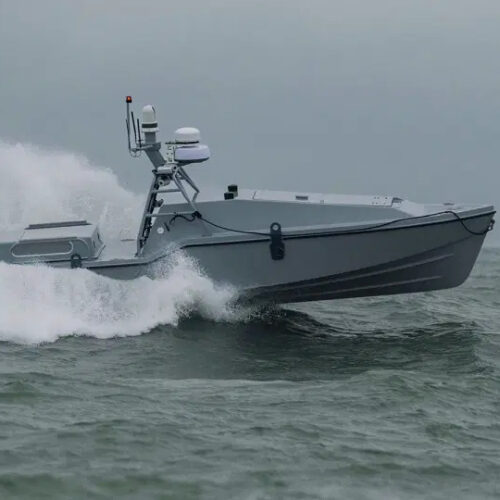
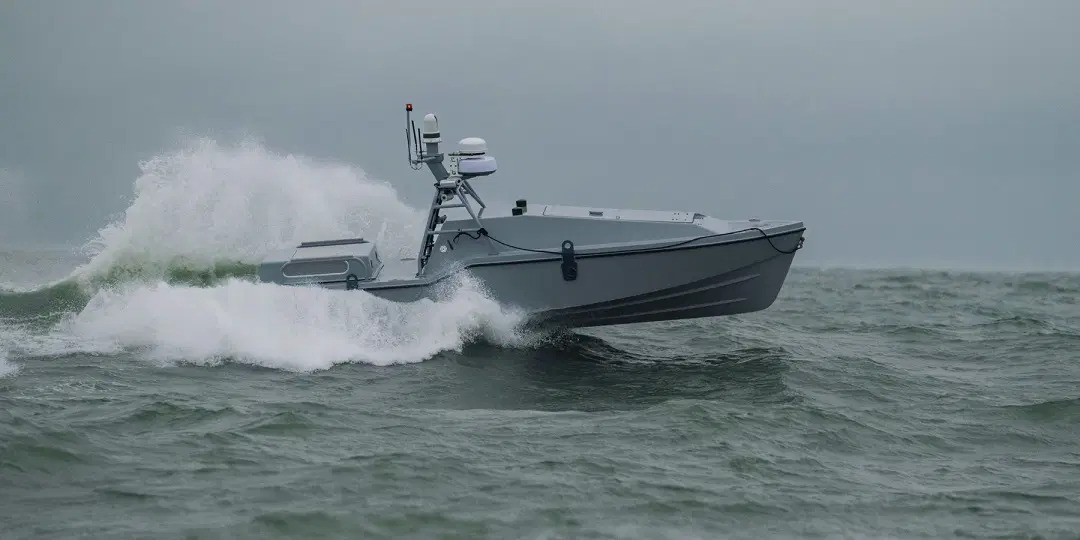
A drone boat picked up two US Army pilots from waters near the Strait of Hormuz after their helicopter gunship went down, US military officials said. The incident apparently represents the first time the US military has used a drone for such a rescue mission at sea.
The two crew members from the US Army AH-64 Apache were “rescued by American forces” at 7:33 pm US Eastern Time after their helicopter went down off the coast of Oman on June 8, according to a US Central Command press release. That press release mentioned support from US Navy units including the US 5th Fleet’s Task Force 59, which is charged with integrating uncrewed aerial, surface, and underwater vehicles, alongside AI, into 5th Fleet maritime operations.
Anonymous US military officials initially told CBS News that the Apache air crew was rescued by an uncrewed surface drone operated by Task Force 59 from the US Fifth Fleet in Bahrain. The officials also described the incident as the first time the military had used a drone to rescue people from the water.
Some analysts said the main international oil price, which was up 6 percent on Monday, could climb much higher in the coming weeks if the Strait of Hormuz doesn’t reopen.
An oil refinery in Carson, Calif. The possibility of continued fighting has raised concerns about how long the world’s stockpiles of oil and fuels will last if the Strait of Hormuz does not reopen.
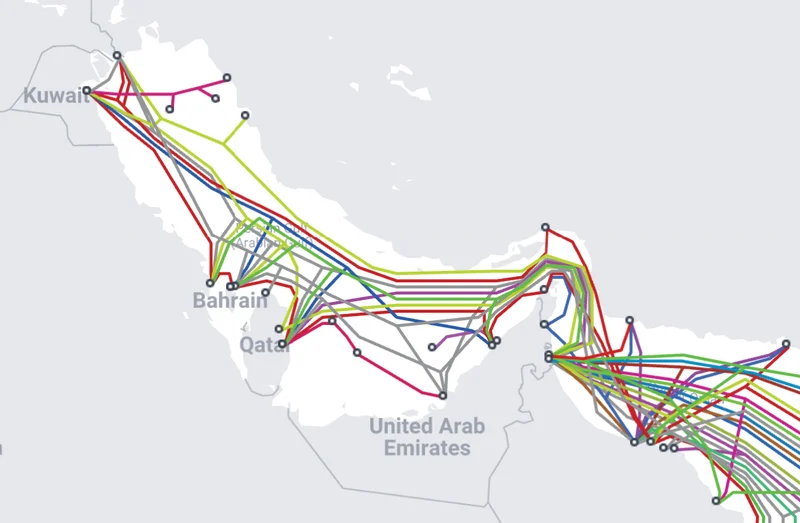
Iran claims it will charge US tech companies fees for using undersea Internet cables that run beneath the contested Strait of Hormuz shipping lanes. The war has already halted multiple projects and led to the suspension of cable repairs in the region—and the latest Iranian threats may accelerate efforts by Big Tech and Gulf countries to find alternative routes for bypassing the Strait of Hormuz’s digital chokepoint.
The latest assertions of Iranian authority over the Strait of Hormuz were announced in a brief statement by Ebrahim Zolfaghari, a spokesperson for Iran’s military and the Islamic Revolutionary Guard Corps. “We will impose fees on internet cables” Zolfaghari wrote in a May 9 post. It was not immediately clear how Iran might implement such fees or impose its rules on cable projects, given that the majority of routes pass through Oman-controlled waters.
But Tasnim and Fars, both Iranian state-linked media channels, laid out more detailed proposals on how Iran could charge license fees to US tech giants for the use and maintenance of undersea cables carrying regional Internet traffic, according to The Guardian. For example, the Tasnim plan described charging tech companies—specifically naming Meta, Google, Amazon, and Microsoft—license fees for cable usage while also claiming that Iran alone has the right to repair and maintain the subsea cables.

 Login