Artificial intelligence is transforming the world, but it also comes with a growing energy problem. Modern AI systems require enormous computing power, and the powerful chips that perform these calculations generate huge amounts of heat. Keeping these chips cool has become one of the biggest challenges facing the technology industry. Researchers at the Korea Advanced […]
Watching a seabird burst out of the ocean or a mobula ray launch itself into the air makes the transition from water to sky seem effortless. For drones, however, performing the same maneuver is extremely difficult. Researchers at the University of Central Florida (UCF) are now studying how to make this challenging transition smoother and […]
Self-driving cars and advanced robots rely on cameras, sensors, and artificial intelligence to understand the world around them. However, these systems often struggle when lighting conditions change quickly or when bright and dark areas appear at the same time. A new study may offer a solution. Researchers have developed an artificial vision system inspired by […]
A major security flaw that allowed attackers to impersonate other people in text message conversations has finally been fixed across the United States, thanks to the work of computer scientists at the University of California San Diego. The vulnerability affected both Android and iPhone users and involved nearly all major wireless carriers, including Verizon, T-Mobile, […]
Every day, people rely on computer chips to keep sensitive information safe. These tiny pieces of hardware help protect everything from online banking details and personal data to government and military secrets. But new research suggests that some chips could contain hidden threats that are almost impossible to detect using current security methods. Researchers from […]
Artificial intelligence is becoming increasingly skilled at understanding the world around it, but new research suggests it still has a major weakness: reading human facial expressions. Researchers at Cornell University have been exploring ways to give robots greater social intelligence so they can work more effectively alongside people. Social intelligence allows humans to read facial […]
With dozens of companies, from small startups to tech giants, pursuing quantum computing, there's a steady flow of results as they try to find a path to utility. We typically focus on new technologies and major landmarks, which can obscure the fact that any big success will inevitably have been built on a lot of incremental progress.
The past few weeks have seen two companies release progress reports on how they're trying to get the technologies closer to general use. None of these represents a major breakthrough, but all are absolutely necessary for the technology to advance. The idea here is to convey the hard work required to move us closer to something useful.
Microsoft does material science
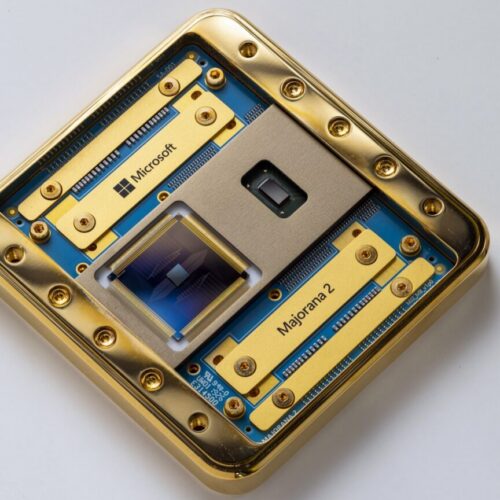
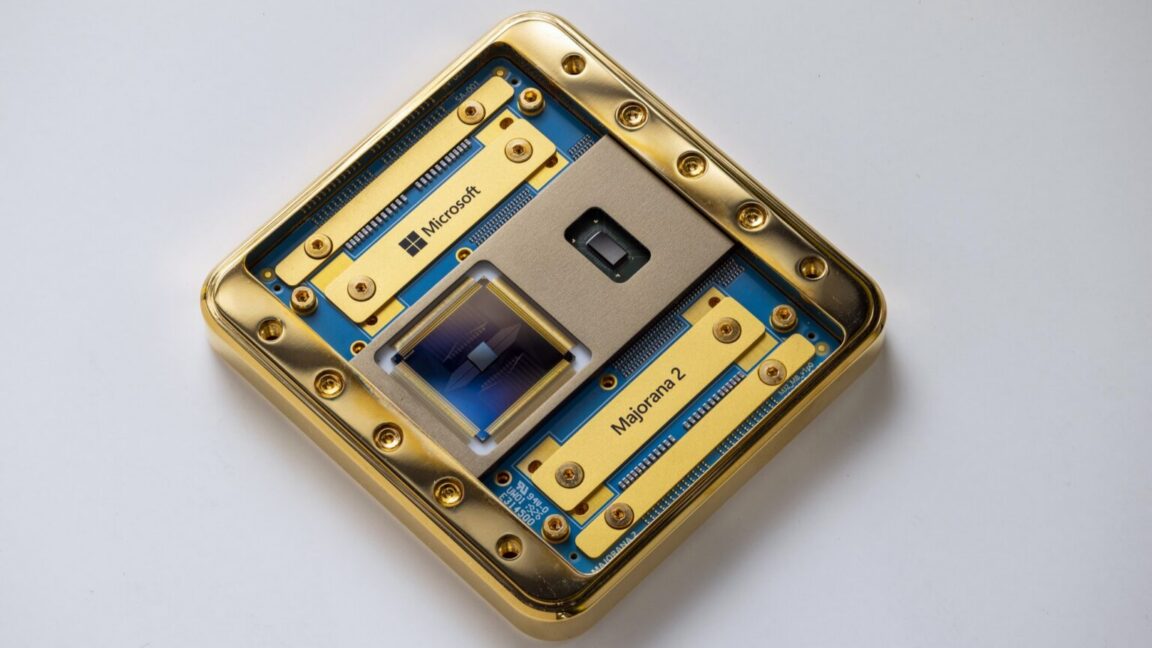
Microsoft is one of the few companies working on topological qubits, based on the distinct physics that occurs when particles are confined. Microsoft's system relies on a thin superconducting wire placed on top of a semiconductor. In superconductors, groups of two electrons form Cooper pairs. But if the wire contains an odd number of conducting electrons—meaning there's a single unpaired electron—it will end up delocalized to both ends of the wire. (Because quantum mechanics is weird.)
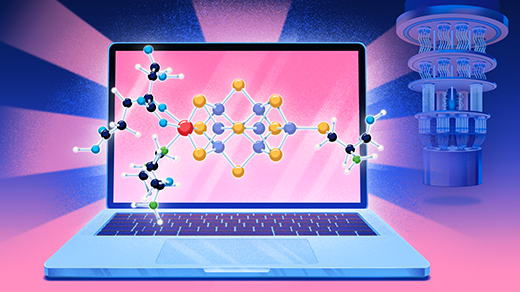
What Garnet Chan cares most about is basic science. He entered chemistry decades ago to understand some of the most consequential biochemical processes on Earth. But since then, he’s become a central figure in a different arena: the debate over whether quantum computers will have a decisive advantage over ordinary “classical” ones. Over the past decade, many quantum computing researchers have…

 Login