❌

Reading view

New cost-effective internal cooling solution solves semiconductor chip overheating
Researchers at the Korea Advanced Institute of Science and Technology (KAIST) have developed a technique to carve microscopic liquid-cooling channels directly inside silicon semiconductor chips. 

Interestingly, the computer architecture slashed the energy required for cooling by pumping ordinary, room-temperature water straight through the chip’s internal structure.

“As the performance of AI semiconductors and advanced electronic packaging becomes increasingly limited by heat, we expect this technology to serve as a foundational cooling solution for future high-performance computing systems,” said Professor Sung Jin Kim. 
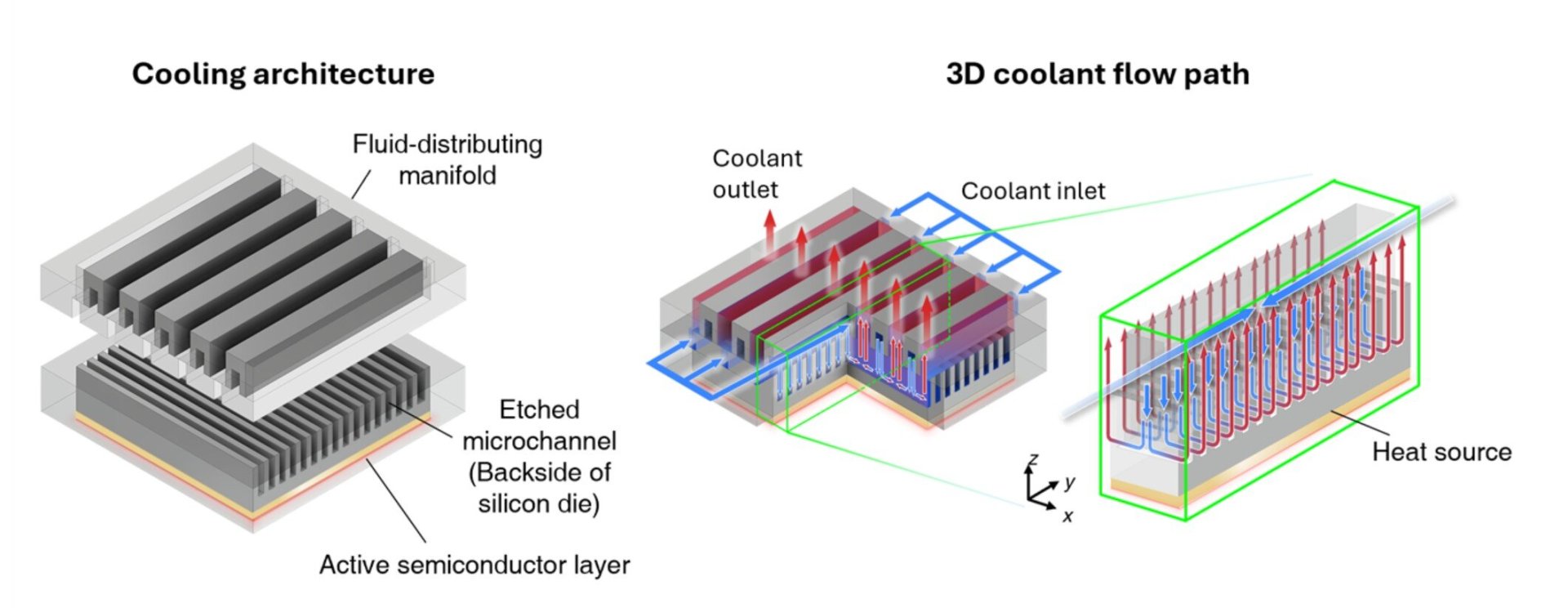
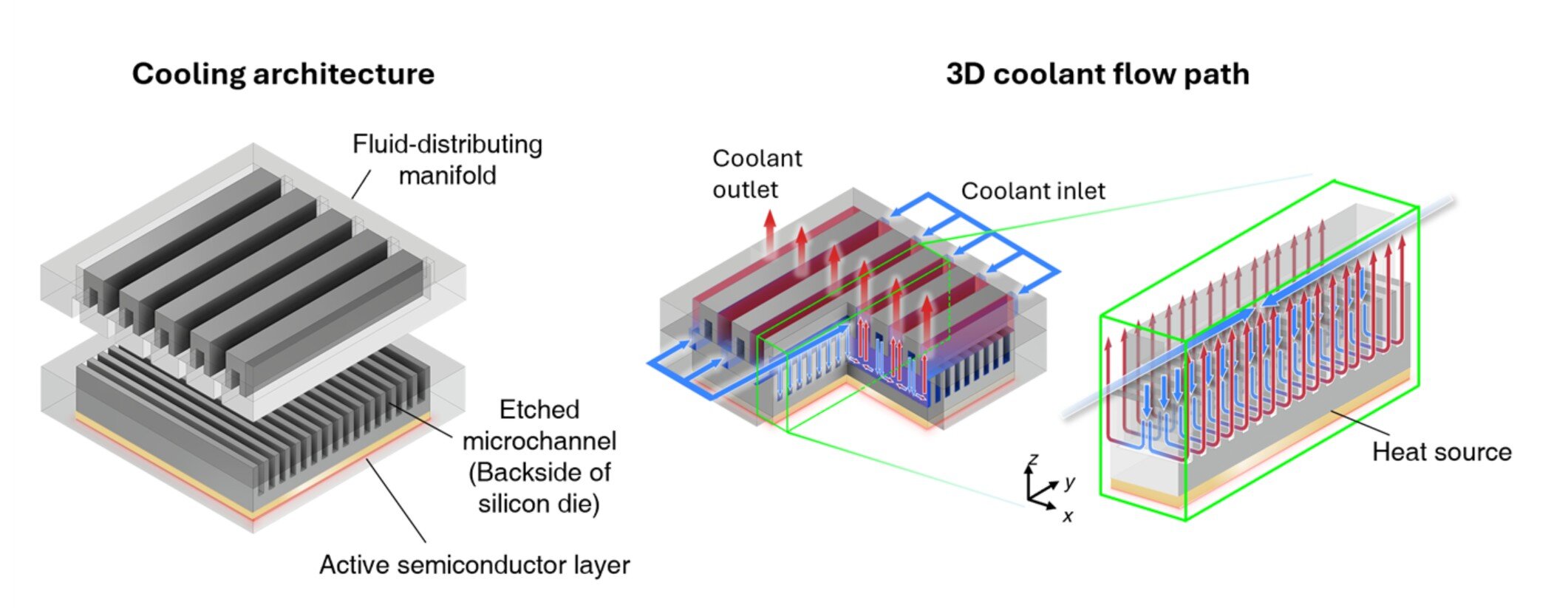
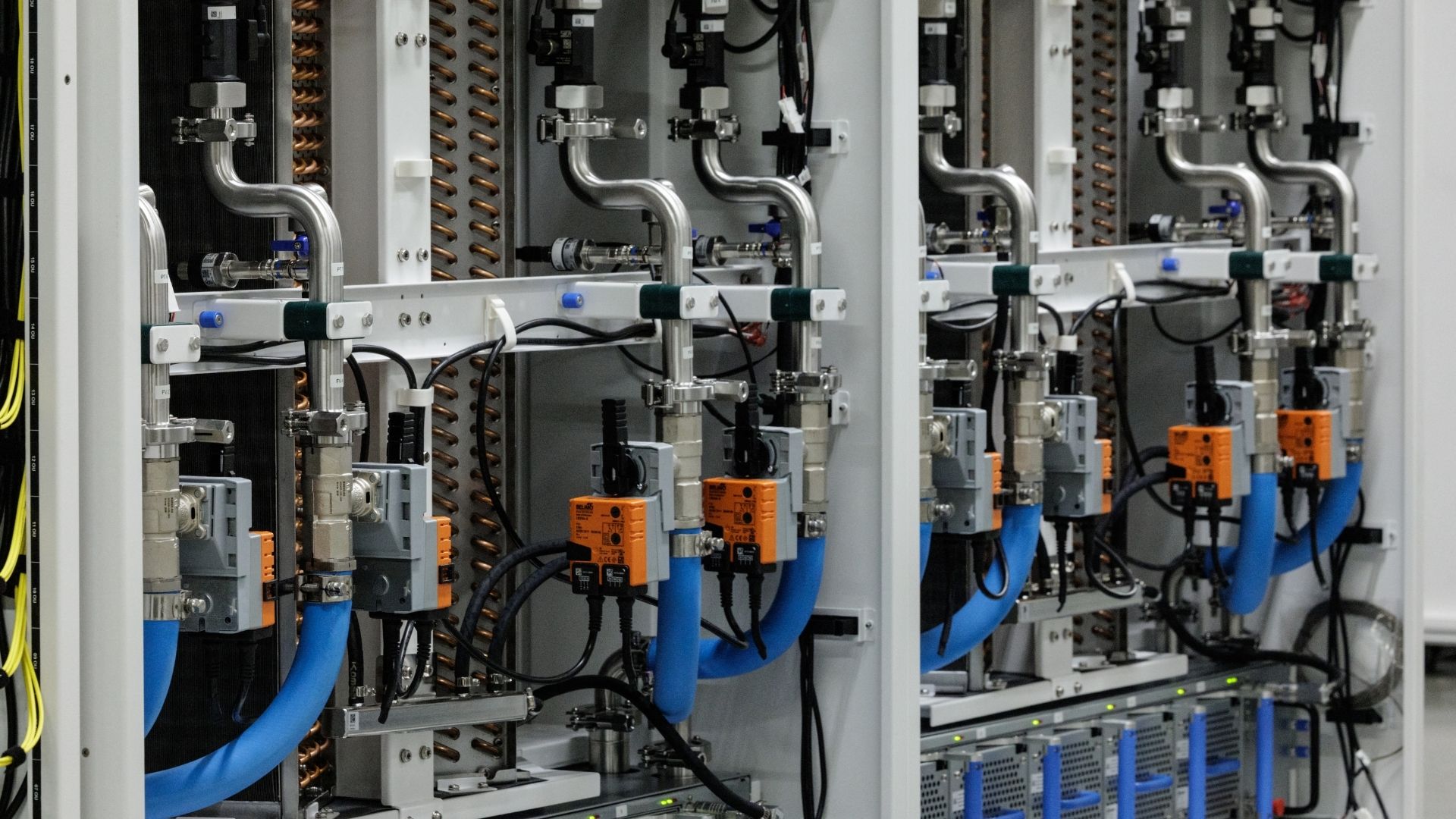
Cooling system design. Cedit: KAIST

Micro-channel tech

The rapid advancement of high-performance AI chips has created a severe energy crisis for data centers, which require massive amounts of electricity both to power intensive computations and to cool down the resulting heat. 

Typical cooling methods, such as roaring air fans and external copper heat spreaders, are reaching their physical limits. Hence, the industry is urgently looking for thermal alternatives. 

To appreciate this development, you have to understand why standard liquid cooling is flagging.

Most modern liquid systems rely on an external “cold plate” pressed against the outside of a chip. The coolant has to travel from one end of the hardware to the other. This long trek creates immense fluid resistance.

It requires heavy-duty pumps pushing with massive pressure, which consumes a ton of energy. And at times, the fluid warms up along the way, leaving some parts of the processor chilled and others dangerously hot.

The KAIST team developed a liquid-cooling technology that cools semiconductors from the inside out. It uses ordinary room-temperature water to tackle high-heat-flux conditions at the source.

The design features multiple tiny inlets and outlets scattered uniformly across the chip.

The innovation centers on a “manifold microchannel” structure embedded directly inside the silicon, which mimics an efficient logistics network by using multiple strategic inlet and outlet points. 

This decentralized design shortens the fluid’s travel distance, reducing flow resistance and pumping pressure. The researchers used a multi-fidelity optimization framework to perfectly balance channel dimensions and flow rates.

10x higher efficiency

The KAIST team combined rapid 1D computational models with heavy-duty simulations to map an optimal, perfectly uniform flow. And the experimental results blew past expectations.

Notably, the system registered a cooling Coefficient of Performance (COP) of 106,000. That is an abstract engineering metric, but the context is historic: it is ten times higher than the previous world record published in Nature in 2020. 

In plain terms, it means chip manufacturers need just one-tenth of the pumping power to remove the same amount of heat from a machine. Even under an extreme thermal load of 2,000 watts per square centimeter, the system kept the chip comfortably below 100°C (212°F).

Yet, the most disruptive detail of the experiment is how it’s made.

The researchers didn’t use exotic, hyper-expensive materials like synthetic diamond; instead, they used plain water. Furthermore, the entire fabrication process happens below 350°C (662°F).

It means the process is entirely compatible with existing commercial semiconductor manufacturing lines. Foundries can integrate this plumbing technique into current chip designs without buying billions of dollars in new machinery.

The development was published in the journal Energy Conversion and Management.
💾

KAIST researchers have developed a technique to carve microscopic liquid-cooling channels directly inside silicon semiconductor chips. 

  •  

Foam-backed floating solar array delivers 7.7 MWh in freezing conditions

Researchers at Canada’s Western University designed a foam-backed floating photovoltaic (FPV) system. 

It was tested in a stormwater pond in Ontario, Canada. The system generated 7.7 megawatt-hours of electricity over a year, outperforming a standard reference floating system by about 2.7 percent.

“The results of this study established foam-based FPV as a promising and adaptable platform for renewable energy generation,” the team noted in the study paper. 

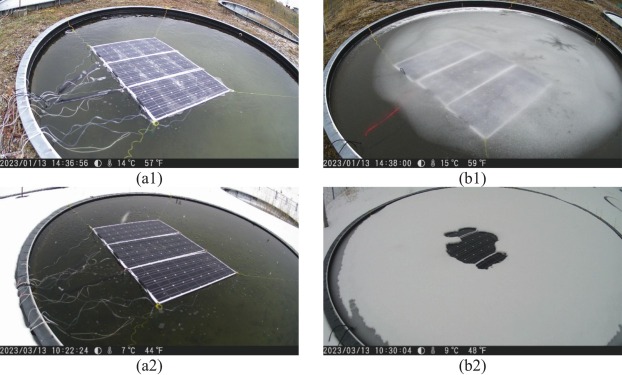
Impact of air bubbling on ice formation in foam-based FPV systems. Credit: Applied Energy

The ice solution

Solar power has long had a geography problem.

To build the massive solar farms required to displace fossil fuels, developers need land. Usually, that means competing with agriculture or cutting into natural conservation areas. The solution in warmer climates has been “floatovoltaics“—placing solar panels on giant plastic pontoons over lakes and reservoirs.

But if you try that in a Canadian winter, thick moving ice will crush the structures like aluminum cans.

Now, researchers have solved the cold-weather problem using a deceptively simple combination of materials: shipping foam and hot tub bubbles. In particular, a monocrystalline foam-backed FPV system was fabricated.

It shows that floating solar can not only survive freezing temperatures but actually thrive in them. 

Compared with tilted plastic rafts used in warmer climates, this design attaches flexible solar panels directly to thick, waterproof foam sheets, reducing wind exposure.

To prevent ice damage, an underwater air-bubbler system was installed. A shore-based pump pushes bubbles from the bottom of the pond, carrying warmer deep water to the surface to keep the area around the panels ice-free. It acted like a localized defroster.

The results showed that on days when the rest of the pond was frozen, the water directly surrounding the solar array remained completely clear. 

Higher energy yield

Keeping the ice away didn’t break the energy bank, either. Over a year of continuous monitoring, the air-bubbler system consumed as little as 0.02 percent of the total energy the panels generated. At its peak during the worst winter storms, it reduced yield by only 14.5 percent. 

“A regression model developed in this study indicated that the foam-based FPV system generated 7.7. MWh/year, representing up to 2.7% more energy than other PV models,” the study noted. 

It also pulled double duty as a water conservation tool.

In sitting flat against the water’s surface, the foam-backed array acted as a physical shield, blocking direct sunlight and cutting off the wind that typically drives evaporation. The researchers calculated that the relationship between solar coverage and water savings is linear, meaning that every additional square meter of panel added results in a predictable drop in water loss.

“FPV coverage linearly reduced pond evaporation, aiding agricultural water conservation,” the study stated.

If scaled up to cover just half of the Ontario stormwater pond, this innovative setup would trap and save roughly 927 cubic meters of water annually. 

For local communities and farmers, that means keeping hundreds of thousands of gallons of precious water in the reservoir to support agricultural irrigation when it is needed most.

With the concept proven on a small scale, the researchers are looking to take their foam-and-bubble design out of the pond. The next step is testing the technology on a larger scale across harsher, more diverse bodies of water. 

The findings were published in the journal Applied Energy.

💾

Researchers at Canada's Western University designed a foam-backed floating photovoltaic (FPV) system. 
  •  

‘Quiet supersonic’ X-59 jet hits 924 mph in NASA test at 55,000 feet altitude

Slicing through the atmosphere at 55,000 feet, NASA’s experimental X-59 reached a vital milestone on Friday, June 12, by hitting Mach 1.4 (roughly 924 mph).

Hitting these exact numbers is a huge deal. Mach 1.4 at 55,000 feet represents the identical speed and cruising height the aircraft will use when it eventually flies over populated American towns.

“Each flight brings NASA one step closer to flying the X-59 over communities and gathering feedback that could help shape the future of commercial supersonic flight over land,” NASA stated. 

Achieving flight conditions

For over fifty years, international aviation regulators have strictly banned civilian supersonic flights over land due to the deafening, window-rattling disruption of sonic booms. 

Established in 1973, this absolute ban has locked commercial air travel to standard subsonic speeds to protect populated areas on the ground.

Developed in partnership with Lockheed Martin, NASA’s X-59 is an experimental aircraft designed for supersonic flight.

In a rapid sequence of testing milestones, NASA test pilot Jim “Clue” Less first flew the X-59 to Mach 1.1 (713 mph) at 43,400 feet during an 81-minute flight from Edwards Air Force Base on June 5. 

Just one week later, on June 12, the experimental craft successfully pushed its performance envelope even further, accelerating to Mach 1.4 at even higher altitude.

How does the plane bypass the classic explosion? It comes down to design. Standard supersonic jets create air-pressure ripples that quickly clump together into a single, massive shockwave.

The X-59 is built like a needle. Its ultra-long, slender shape separates those air-pressure waves and prevents any combination from occurring. Rather than a loud boom, people on the ground should theoretically hear a gentle, car-door-like “thump.”

Currently, pilots are steadily pushing the aircraft through a battery of complex maneuvers, varying speeds, and diverse altitudes to find its absolute physical performance limits.

Engineers will thoroughly measure the aircraft’s supersonic acoustic signature using ground microphone arrays to confirm that the quiet thump is performing exactly as intended.

Eventually, NASA will take the X-59 out of isolated test spaces and fly it directly over several U.S. communities to openly survey real public perception of the sound.

The F-15 companion

Right now, verifying the plane’s actual acoustic signature is a bit tricky. During these early test flights, the X-59 is trailed closely by a NASA F-15 research fighter jet.

The trailing jet is about to become a critical scientific tool. In upcoming tests, engineers will mount a specialized, shock-sensing probe to the F-15’s nose. This will let researchers fly directly into the wake of the X-59, mapping out its invisible pressure waves and gathering real-time data on its low-boom performance.

Once the data from the community overflights has been fully gathered, NASA plans to hand the findings to international regulatory boards. The hope is to replace the decades-old speed limits with a new, noise-based standard. 

If the public agrees that the X-59 is quiet enough, the aviation industry could see a cutting of cross-country commercial flight times squarely in half.

💾

Slicing through the atmosphere at 55,000 feet, NASA’s experimental X-59 reached a vital milestone on Friday, by hitting Mach 1.4.
  •  

China turns to recycled coal waste to meet surging demand for construction sand

China is turning the massive environmental liabilities of its coal-mining history into the raw materials for its next generation of infrastructure.

In the southeastern county of Gaoping, located deep within China’s premier coal province of Shanxi, a massive new recycling facility has quietly begun operations. It transforms the waste into high-value industrial and building materials.

Reportedly, its daily output sounds like a standard quarry operation: 1,000 tonnes of sand, gravel, and unburnt bricks destined for the country’s endless appetite for concrete.

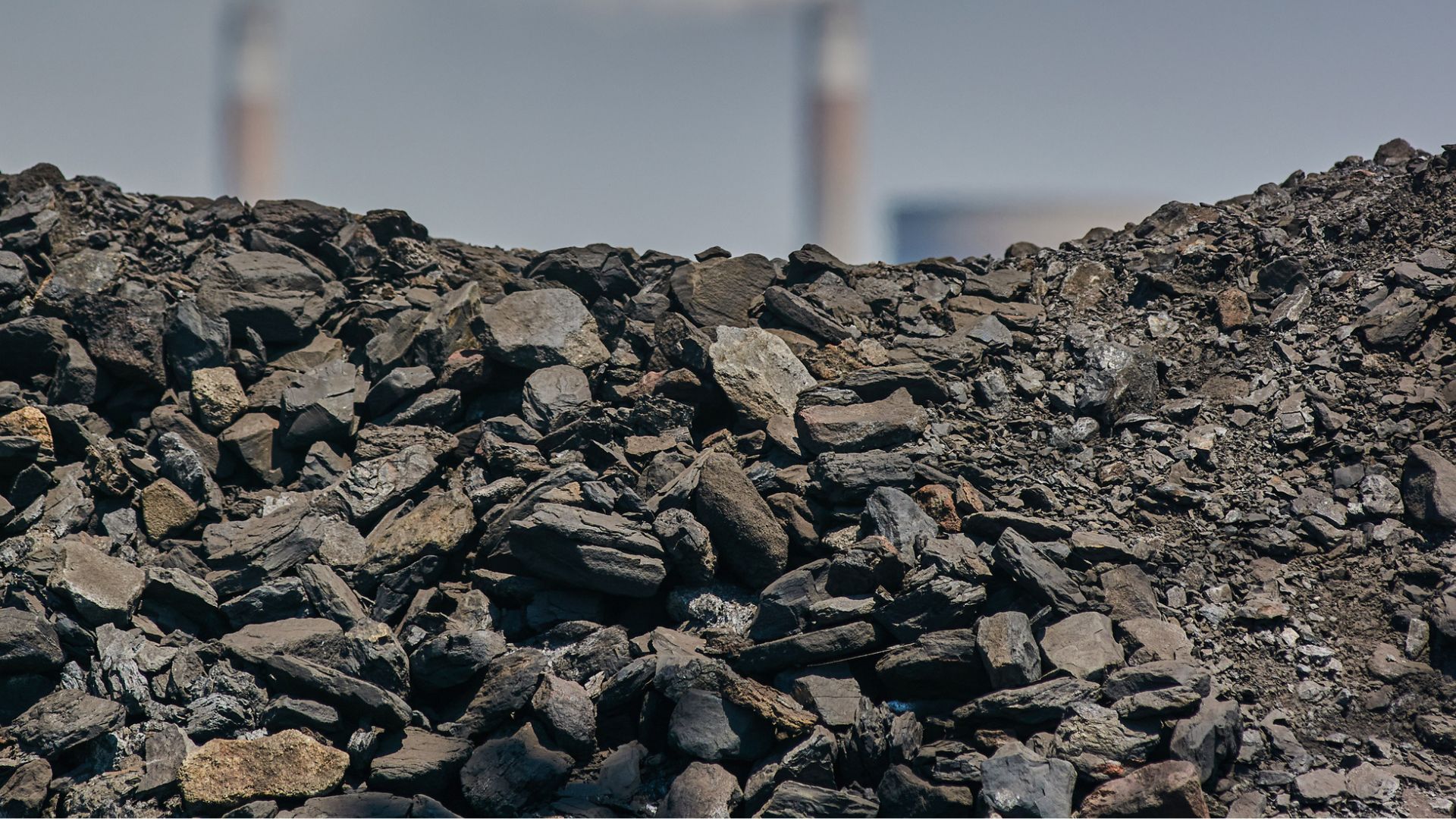
But these construction materials did not come from a riverbed or a mountain quarry. The material was extracted from coal gangue, which is the ultra-hard, toxic rock waste left behind after mining and washing coal. 

Specialized facility

China’s coal gangue is expected to be around 7 billion tonnes. Left unmanaged, coal waste routinely triggers water contamination, airborne dust pollution, and spontaneous fires.

Less than 60 percent of this mountain of rock was ever reused. The rest stayed behind as a permanent ecological tax on resource-dependent cities. Now, technology is cracking that stubborn bone to turn the waste into an industrial resource. 

The South China Morning Post (SCMP) reported that the Gaoping facility consists of automated systems that sort the incoming waste using X-ray separation equipment. From there, the material is crushed, screened, and stripped of impurities. The result is a stream of manufactured aggregates and eco-friendly unburnt bricks that skip the high-emission firing process entirely.

Local authorities say the applications reach far beyond basic roads. The refined waste is finding its way into ceramics and even high-tech spacecraft coatings. 

Broader circular economy

Beyond recycling coal waste, China is eyeing a broader circular economy to overhaul its construction material supply. 

China uses nearly half of the world’s construction sand and gravel, a habit that has severely degraded fragile river ecosystems. Replacing natural sand with coal waste solves two environmental headaches at once.

Research also suggests that recycling construction and demolition waste could meet half of China’s aggregate demand by 2050.

The industry is scaling up at breakneck speed. While attempts to recycle gangue date back to the 1950s, the economic incentive shifted after 2010 as natural sand supplies tightened and Beijing locked in its national carbon targets. 

Last year, a milestone 10-million-tonne utilization project was launched in Datong. 

The strategy is not without its speed bumps. Industry experts caution that aggregates derived from coal waste currently represent only a tiny sliver of China’s annual consumption. 

Due to the material’s structural limitations, it cannot be used for high-strength or critical load-bearing structures like skyscraper pillars or major bridges. Strict toxicity testing is also mandatory to ensure heavy metals do not leach out of the residential walls of the future.

This strategy operates alongside efforts to harvest industrial value from existing fossil fuel liabilities—such as extracting critical technology metals like lithium, gallium, and germanium from mining byproducts. Furthermore, trapping power plant emissions to manufacture affordable agricultural fertilizer.

The development shows that a zero-waste future might actually be possible simply by turning a toxic liability into literal building blocks.

💾

In the southeastern county of Gaoping, located deep within China’s premier coal province of Shanxi, a massive new recycling facility has quietly begun operations.
  •  

China’s new welding robot cuts 70mm steel, boasts 30-ton capacity, 20-year life

China has reportedly deployed its first domestic AI-driven marine welding system at a smart manufacturing base in Tianjin.

Developed by Offshore Oil Engineering Co., the robotic system is designed to handle highly complex, customized, and heavy welding scenarios for offshore oil and gas platforms.

The robot is fully capable of handling specialized offshore components, including module nodes, buckle rings, and deepwater jacket strengthening rings.

20 years of life

Automotive manufacturing was long seen as the peak of robotic welding precision due to its uniform parts, but marine engineering presents a much tougher challenge. 

Marine welders handle massive, oddly shaped, and heavy components such as deepwater jacket strengthening rings and module nodes. All these tasks require a far higher level of adaptive, heavy-duty automation. This new AI-driven system aims to solve this. 

Built for extreme heavy-duty manufacturing, the system has a 20-year service life and a massive 30-ton maximum load capacity. Global Times reported that it can slice through and fuse steel up to 70 millimeters thick. Moreover, it has an overall operational efficiency exceeding 40 percent. 

Equipped with artificial intelligence, visual weld seam recognition, and intelligent 3D laser vision alignment, the mechanical arm scans its environment in real time. It maps out a custom multi-layer path-planning strategy for each unique piece of steel.

With just a single command, the robot automatically handles the entire welding process from start to finish. It manages tasks independently, using real-time data to seal the initial root pass and automatically correct its trajectory on the go.

“The robots can be activated with a single click to complete intelligent welding of product components, and are equipped with functions such as intelligent weld path correction, intelligent root pass welding, and dual-sided four-wire intelligent filling,” the company stated in an earlier release.

Plus, the AI’s precision ensures a first-pass qualification rate of over 98 percent, thereby eliminating the need for costly, time-consuming structural re-work.

AI-powered marine welder

Getting the system factory-ready was a grueling trial by fire. Before entering full active duty, the robot system underwent nearly 10 months of on-site debugging to ensure it could withstand the harsh realities of a shipyard. 

The engineering team pushed the technology to its limits, conducting roughly 1,000 rigorous welding experiments to fine-tune the AI before clearing it for the front lines of manufacturing.

Reportedly, the advanced welder isn’t working alone. An independently developed intelligent grinding robot was deployed right alongside it. 

Using cutting-edge technologies such as intelligent visual positioning and real-time force-control compensation, this autonomous companion ensures the steel is perfectly prepped and finished. 

The grinding robot has already proven its worth on the shop floor, successfully processing more than 500 steel sections while clocking a sleek 15 percent boost in operational efficiency.

It solves the issues of poor accessibility and difficult precision control, allowing the robot to execute complex spatial welds on massive structures where human operators and standard machinery struggle.

Driven by China’s expanding “AI Plus” initiative, heavy industry is rapidly moving from dangerous, labor-intensive shipyards into highly automated, self-correcting digital ecosystems. For human crews, this transformation removes them from hazardous sparks and toxic fumes, shifting their roles from manual laborers to supervisors of a faster, tireless robotic workforce.

💾

China has reportedly deployed its first domestic AI-driven marine welding system at a smart manufacturing base in Tianjin.
  •  

US scientists’ new device can capture atomic-level changes in material under pressure

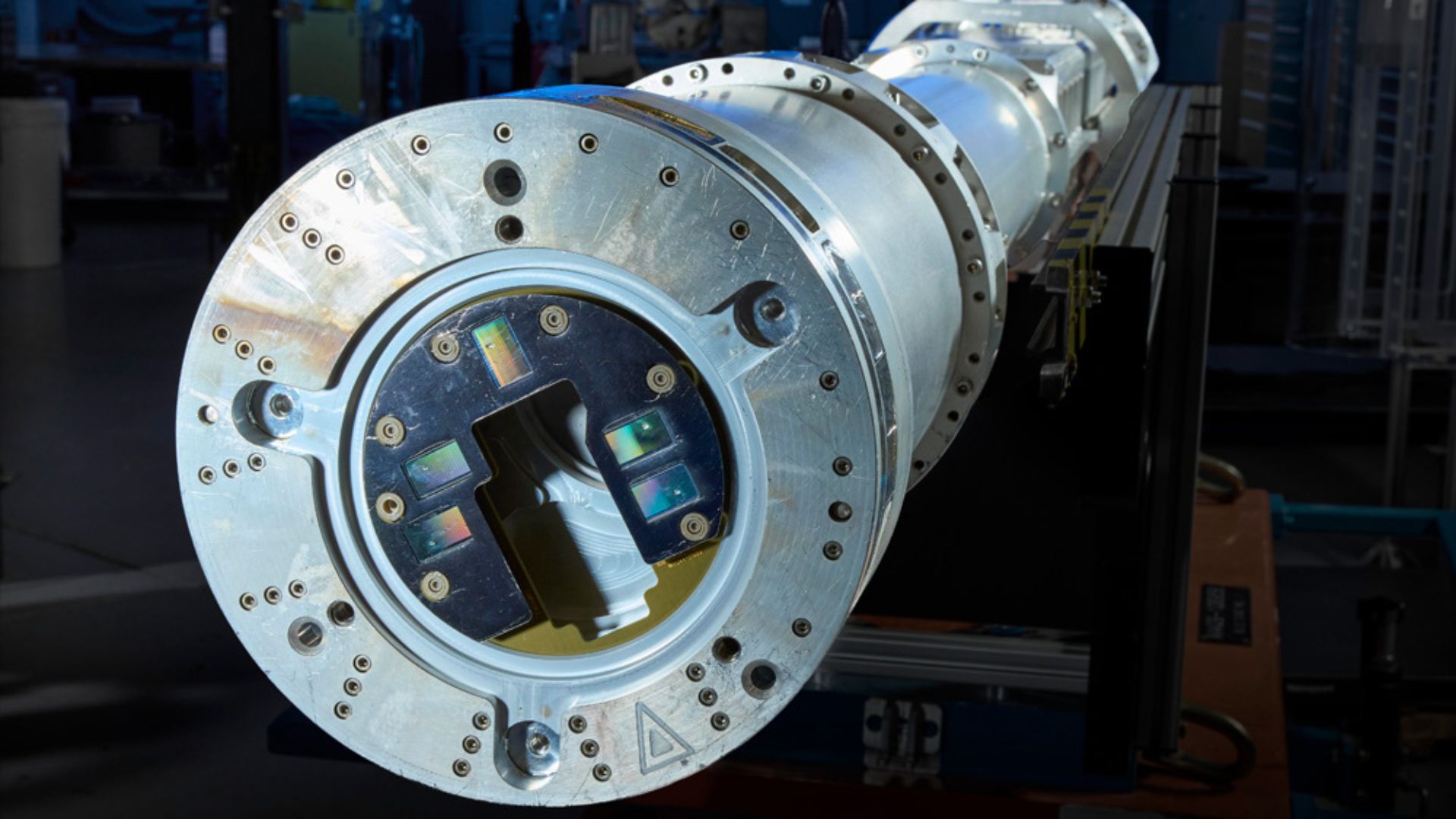
A specialized instrument called the flexible imaging diffraction diagnostic for laser experiments (FIDDLE) has been designed to capture split-second, atomic-level changes in material properties.

This technology was developed specifically for the National Ignition Facility (NIF) experimental platform. 

FIDDLE is designed for laser-driven compression experiments. It subjects non-fusing materials to extreme temperatures and pressures (1 to 10 million times Earth’s atmospheric pressure) to capture atomic-scale changes as materials change phases.

Developed by Lawrence Livermore National Laboratory (LLNL) alongside Sandia National Laboratories and Advanced hCMOS Systems, the device recently captured a prestigious R&D 100 Award. 

Extreme precision snapshots

Carbon atoms can become a soft smudge of graphite or a diamond hard enough to cut steel. The difference is a matter of layout. At the subatomic level, a small shift in how atoms arrange themselves changes everything about how a material behaves.

Experts have long sought to observe these structural transformations in real time under extreme conditions. They couldn’t. The changes occur too fast, under pressures too violent for standard cameras to survive. But now, FIDDLE could solve this problem. 

FIDDLE is used for “dynamic compression” tests. Giant laser beams slam into a non-fusing target material, pushing it to pressures up to 10 million times greater than Earth’s atmosphere. 

This all happens in tens of nanoseconds. Under this crushing weight, the target’s internal crystal structure warps and shifts.

“A common way to appreciate the differences between material phases is to consider the physical differences between diamond and graphite,” explained LLNL physicist Cara Vennari. “Drastic differences in macroscopic material behavior are linked to shifts that take place on the order of an angstrom.”

To see these angstrom-scale shifts, FIDDLE uses a highly specialized technique. A secondary set of laser beams hits a nearby metal foil, generating a brief flash of X-rays. As these X-rays pass through the compressed sample, they bend and scatter. This creates an X-ray diffraction pattern.

Capturing that pattern is where older instruments faced challenges. Previous diagnostics could only manage one or two snapshots before the experiment ended or the equipment failed.

FIDDLE can do more. It packs up to eight custom hybrid CMOS sensors into a single, tightly clustered array. Perched just 50 millimeters from the target, these sensors capture four to eight distinct images in rapid succession. Interestingly, the timing between frames is two nanoseconds.

The result is a time-resolved sequence showing exactly how a material’s atomic grid evolves under stress.

Signal optimization

Building the instrument wasn’t easy. The inside of NIF’s target chamber during a laser shot is a chaotic nightmare of shrapnel, flying metal debris, and blinding background radiation. It also produces intense electromagnetic pulses capable of frying some electronics.

The engineering team had to build heavy shielding to isolate the 130-kilogram instrument from this hostile environment. Forced-air and water-cooling loops were added to prevent the densely packed sensor chips from overheating.

Early tests faced a frustrating obstacle: background X-rays were bleeding into the data and muddying the images. It was solved by focusing on the target housing itself. The team managed to shadow the sensors from rogue radiation simply by subtly shaving and angling the outer edge of the target body. The signal cleared up.

So far, the system has been tested on lead samples, comparing the captured data against known phase diagrams to perfect the instrument’s calibration. Next, the plan is to turn FIDDLE toward highly classified stockpile stewardship materials and elements critical to astrophysics.

💾

A specialized instrument has been designed to capture split-second, atomic-level changes in material properties.
  •  

New cell-inspired material eliminates need for metals, plastics in energy storage

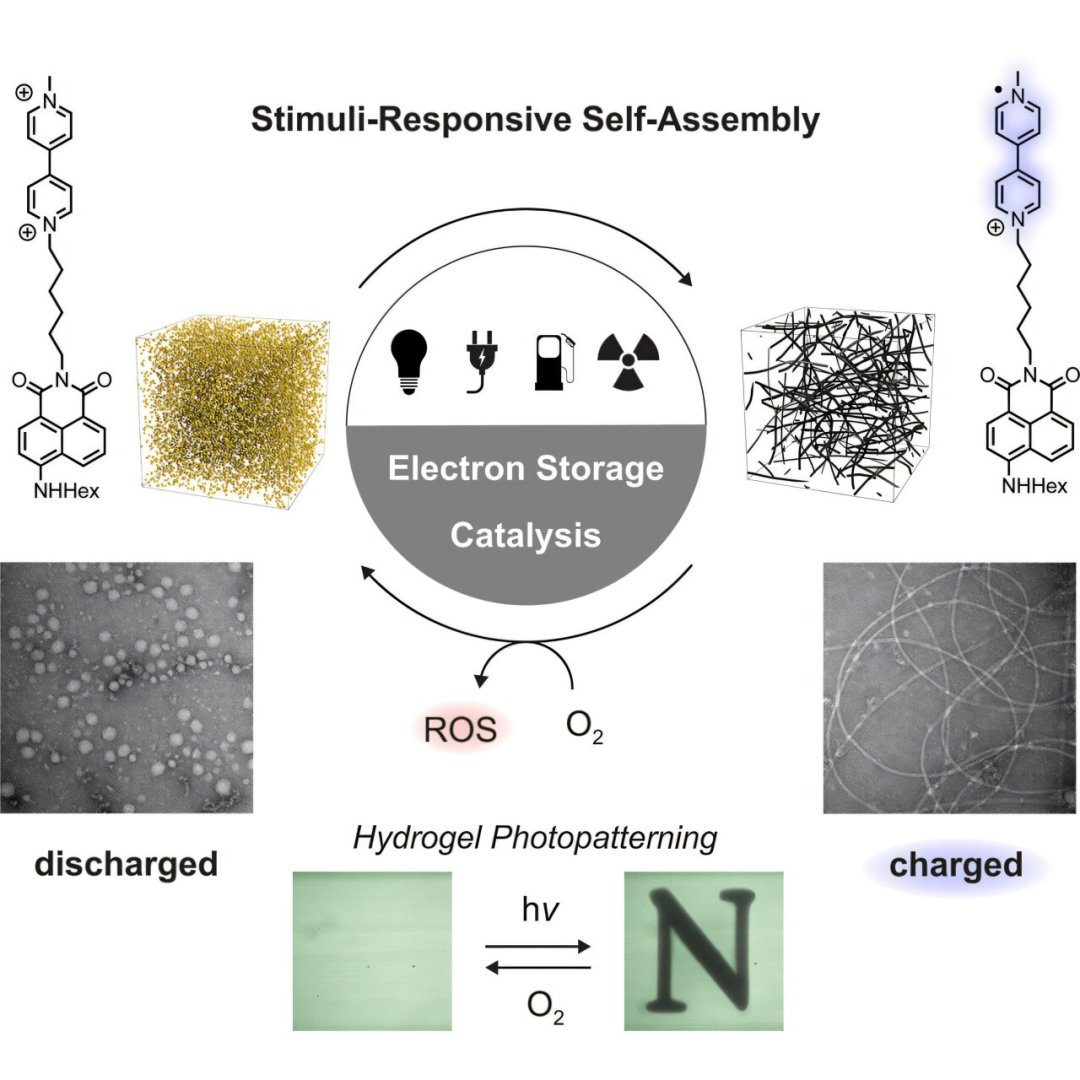
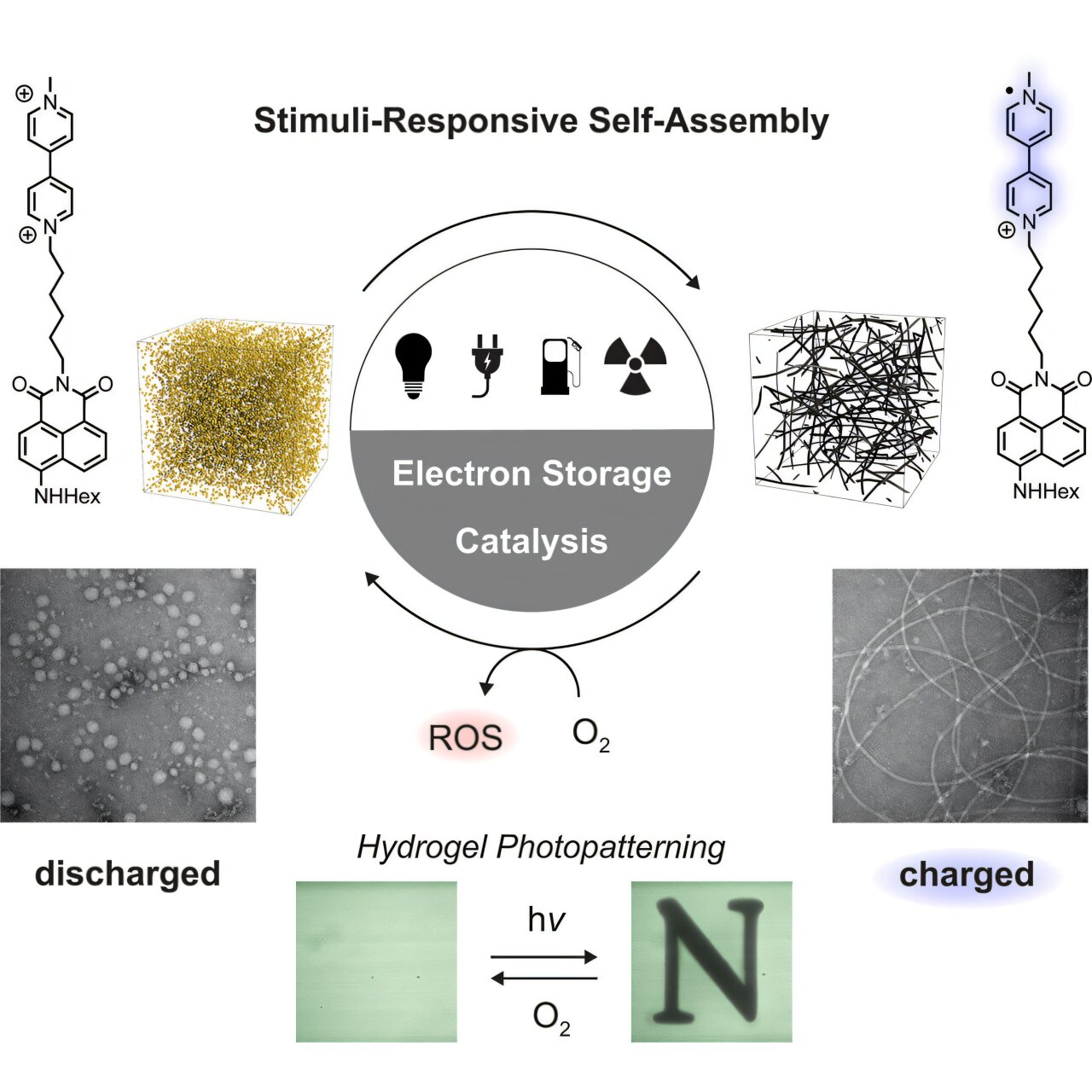
Scientists at Northwestern University have developed a new liquid material that harvests, stores, and releases energy within a single system.

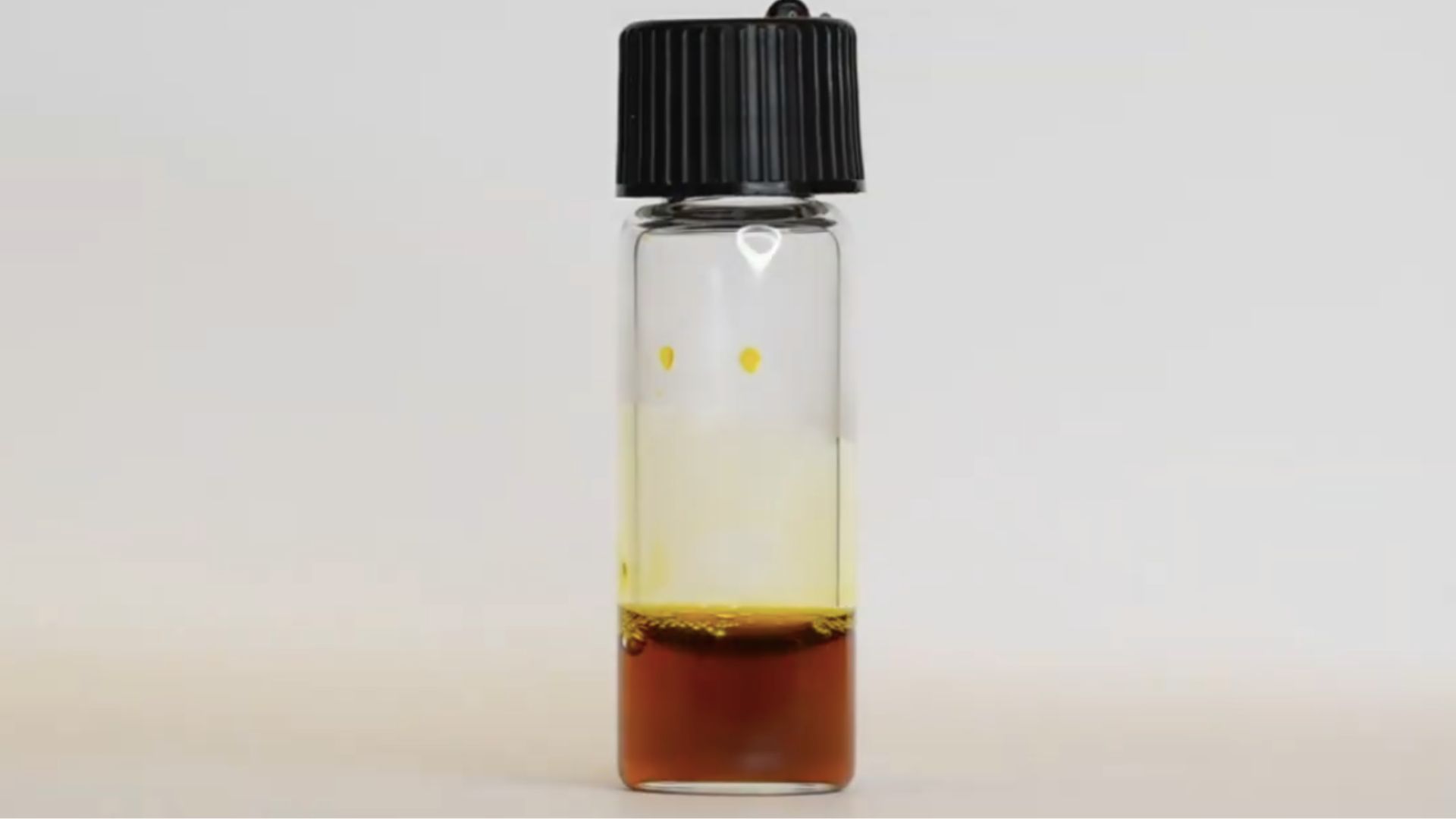
Powered by sources like light or electricity, the metal- and plastic-free material physically shape-shifts from a fluid into an energy-dense gel to store power, then resets to a liquid simply by exposure to open air. 

This sustainable, adaptable platform eliminates the need for hardware components, opening new doors for clean energy and soft electronics.

“Our material’s ability to store and release energy on demand could make it useful for energy storage, environmental remediation and next-generation soft electronics,” said Samuel I. Stupp, the study’s senior author. 

Credit: Chem.

Bio-inspired technique

To build it, the team looked inside our own bodies and drew inspiration from the cell’s cytoskeleton.

A cellular skeleton is incredibly dynamic. It constantly constructs, breaks down, and reconstructs itself to help the cell move and divide.

Northwestern researchers designed a material that physically builds, dismantles, and rebuilds itself to manage energy. 

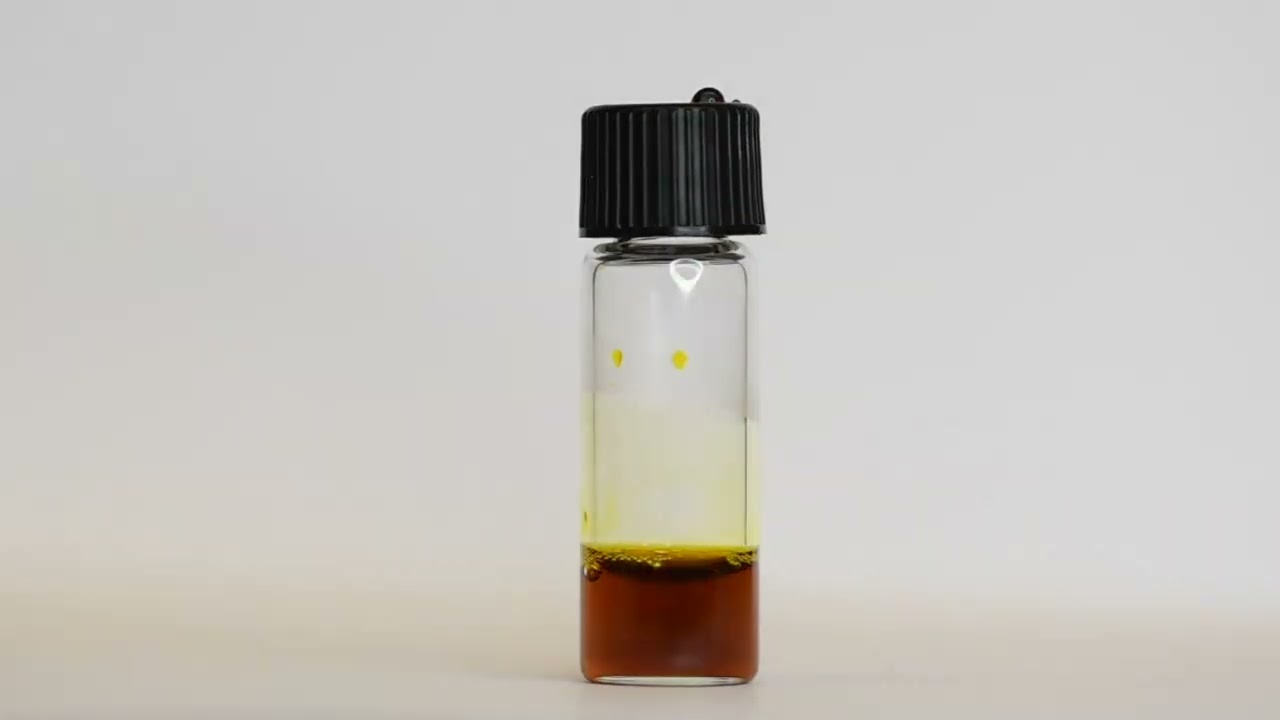
Powered by external electrons from sources such as sunlight or X-rays, the initial yellow liquid transforms into an energy-rich black gel that can store energy for months and drive chemical reactions. 

The entire process resets seamlessly when exposed to open air, which dissolves the gel back into its liquid state, allowing it to be recharged and reused repeatedly.

“Living systems are remarkably dynamic,” Stupp said. “They constantly build structures, break them apart, and rebuild them. We wanted to create a synthetic material that behaves in a similar way while performing useful functions.”

To overcome the limitation where energy harvesting, storage, and usage require separate devices, researchers used supramolecular materials that self-organize into larger networks. 

A custom molecule, ANI-MV, was designed. It integrates two functional components into a single system: an amino naphthalene aromatic unit (ANI) that responds to light, and a methyl viologen (MV) unit that stores the captured electrons.

Use in soft electronics

When the light-responsive ANI portion absorbs energy, it transfers electrons to the MV portion, causing neighboring molecules to strongly attract and form pairs called pimers. 

These pimers organize into semiconducting nanoscale ribbons with free-moving, delocalized electrons that eventually entangle into a black gel. 

This network stores electrons throughout its structure, marking the first real-world example of a supramolecular polymeric pimer built from electron-storing molecular pairs.

In laboratory experiments, researchers demonstrated the material’s remarkable versatility by triggering its transformation from a yellow liquid into an energy-rich, conductive black gel using chemical fuel, light, electricity, or X-rays. 

As light can selectively target the fluid, scientists were able to print microscopic conductive patterns that completely vanish once exposed to open air, which reverts the gel back into non-conductive liquid clusters. 

Furthermore, this stored energy can be transferred to oxygen, generating highly reactive molecules that enable the gel to power chemical reactions in complete darkness. This process is known as dark photocatalysis.

“Most light-driven materials stop working when the light source is gone,” Stupp said. “Our material enables a form of ‘dark photocatalysis.'”

Researchers envision this material powering applications ranging from environmental remediation and clean energy to adaptive soft electronics.

The study was published in the journal Chem on June 11.

💾

Scientists at Northwestern University have developed a new liquid material that harvests, stores, and releases energy within a single system.

  •  

New solar-powered reactor turns 93% CO2, 95% biomass waste into useful compounds

In the urgent race to cool a warming planet, scientists have long dreamed of turning a major villain into a valuable asset. The challenge has always been the sheer amount of energy required to force stable greenhouse gases into a more useful state.

Now, University of Nottingham scientists have developed a solar-powered reactor that couples two novel catalyst materials to drive two independent reactions at once. 

Powered entirely by sunlight, the system simultaneously transforms carbon dioxide into a valuable chemical while converting biomass waste into the essential building blocks for sustainable plastics.

This device accomplishes the feat by extracting two distinct, valuable chemical products from the energy of a single photon of light.

The split-chamber reactor

The machine is known as a bias-free photoelectrochemical (PEC) reactor. 

It works through a twin-compartment design, effectively splitting a single solar interaction down the middle to achieve two goals at once.

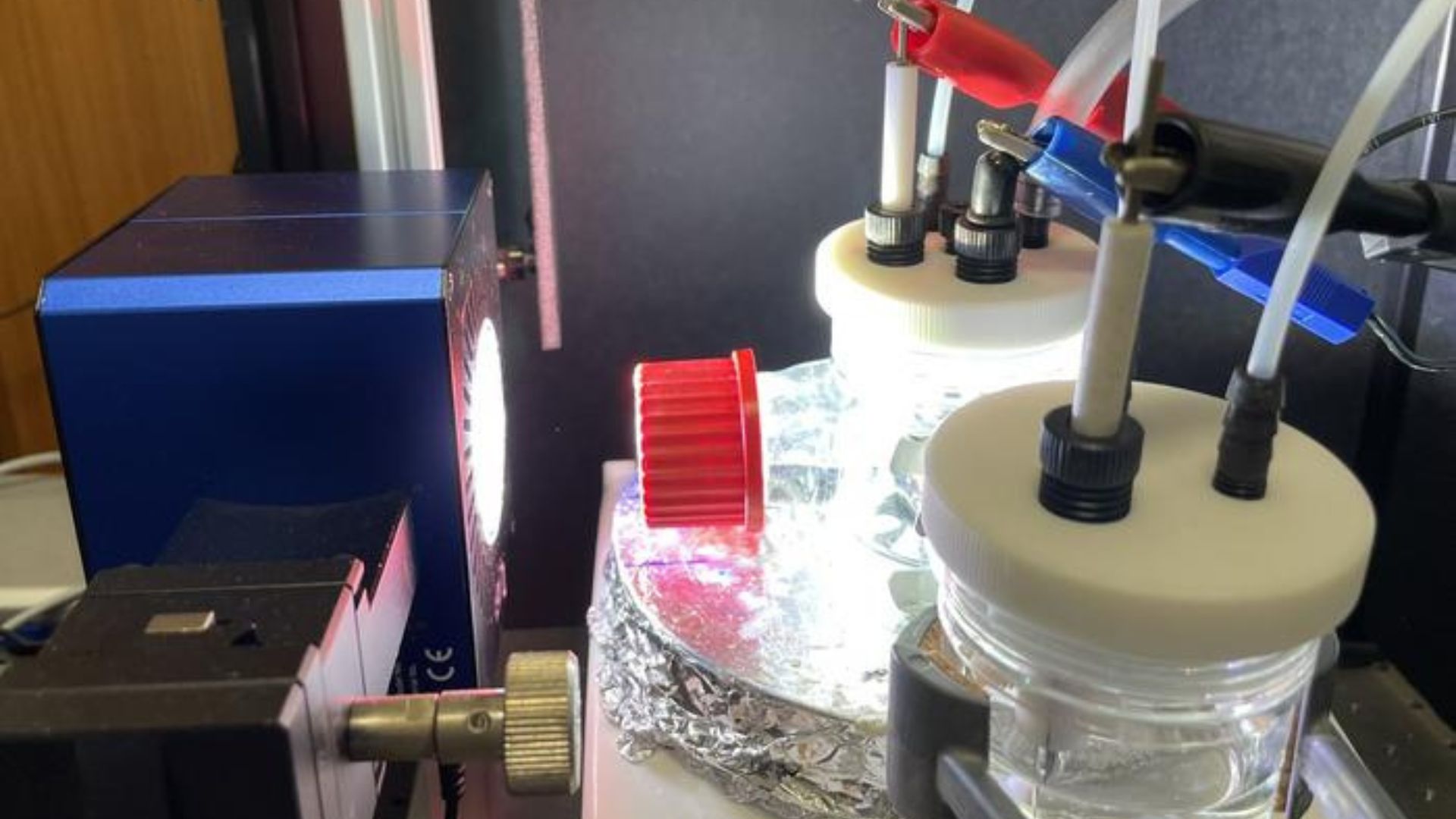
The dual-compartment reactor uses a single photon of sunlight to drive a highly efficient chain reaction. 

“At the heart of the process is a nanostructured photoanode made of carbon nitride and tungsten oxide semiconductors, enhanced with a cobalt oxide layer, which is coupled to a cathode in the second compartment,” said Dr Madasamy Thangamuthu, Research Fellow at the School of Chemistry, University of Nottingham, who designed the PEC reactor and catalysts. 

The solar-driven process begins when a photon of light strikes the photoanode, generating a freed electron and an atomic vacancy called a hole. 

While the electron travels to the cathode to reduce carbon dioxide, the remaining hole simultaneously oxidizes the biomass molecule 5-Hydroxymethyl-2-furoic acid (HMFA), thereby executing two distinct chemical upgrades at the same time.

When light hits the first compartment, it oxidizes a biowaste molecule into a precursor for next-generation plastics. This reaction releases an electron, which travels to the second compartment to reduce carbon dioxide into formate, a versatile chemical used in textiles, paints, and pharmaceuticals.

Tailored for the real world

Operating purely on solar energy, without requiring external heat or electricity, the reactor achieves approximately 93 percent conversion for carbon dioxide and 95 percent oxidation for biomass. 

The use of photon energy offers a highly efficient and sustainable blueprint for zero-emission chemical manufacturing.

Furthermore, many modern lab breakthroughs use rare, hyper-expensive metals like platinum or iridium to drive their chemistry. These materials look wonderful in academic journals but are completely impractical for global industrial scaling.

The Nottingham team engineered their materials entirely from earth-abundant, inexpensive elements. 

The scientists kept production costs low while maintaining high efficiency rates through a unique method: they assembled the catalyst‘s metal atoms into custom-tailored sizes and shapes directly on the reactor surfaces.

A full life cycle assessment has already validated the system’s low-carbon footprint. 

The long-term vision is a decentralized manufacturing network. These modular reactors can eventually be connected directly to active factory smokestacks and local agricultural biorefineries.

Ultimately, the team views this discovery as a vital step toward meeting global net-zero targets by directly harnessing solar energy to tackle the dual challenges of greenhouse gas reduction and waste valorization.

The study was published in the journal Communications Materials on June 12.

💾

Researchers have designed a solar-powered reactor that can simultaneously clean up organic waste and capture carbon dioxide.
  •  

Critical rare earth elements recovered from coal waste with new acid-free process

Researchers at Georgia Tech have developed a method to harvest rare earth elements (REEs) directly from coal waste.

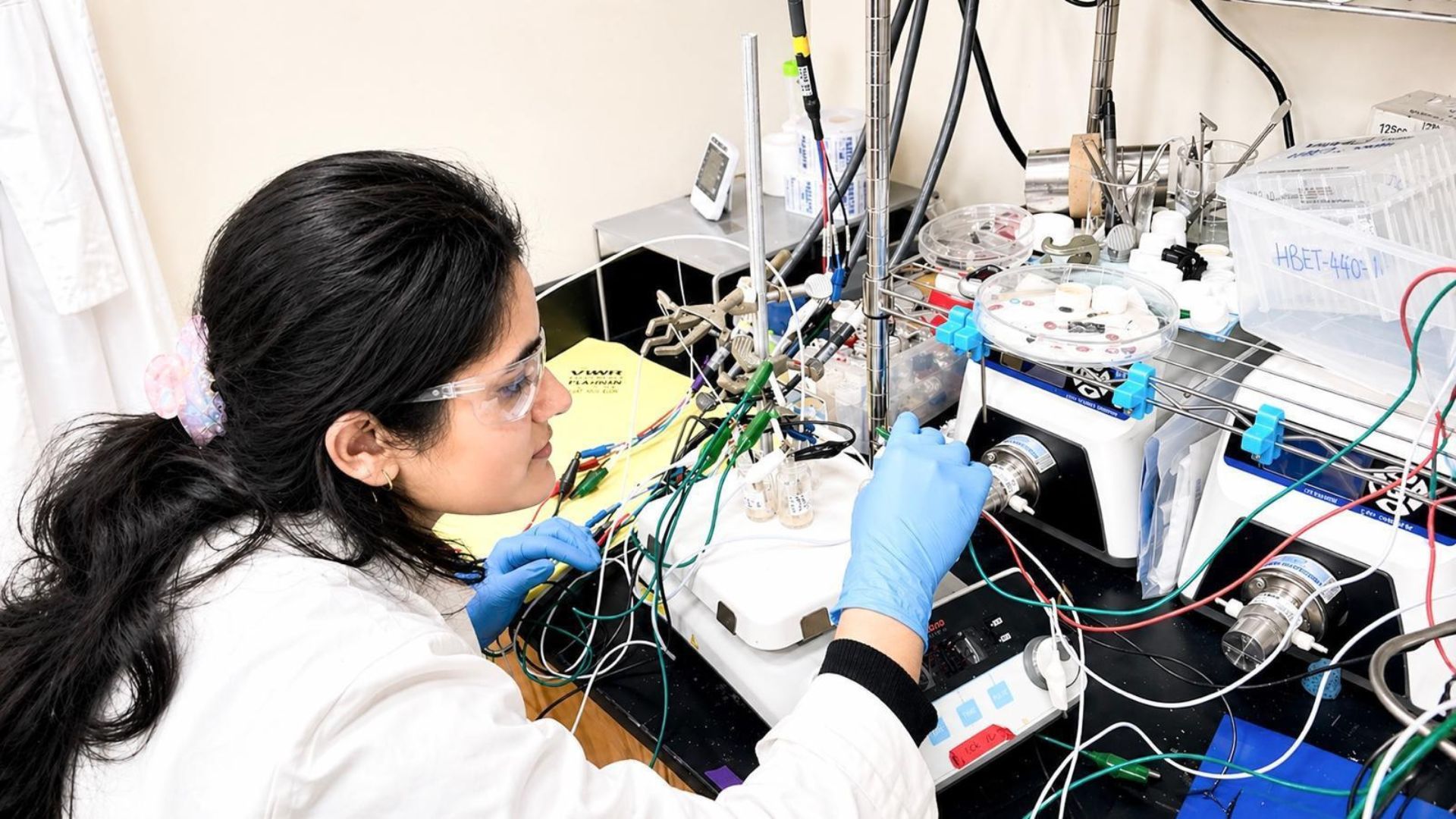
Anuja Tripathi, a postdoctoral researcher, co-developed this innovative method to recover critical rare earth elements from this industrial waste. 

Working alongside professors Ching-Hua Huang and Xing Xie, Tripathi transformed what she once viewed as a childhood nuisance into a valuable resource. It offers a way to extract the essential materials needed for modern technology from America’s massive stockpiles of coal fly ash.

Mining coal waste

Do not let the name fool you. Rare earth elements are not actually rare. But these are deeply scattered. Finding them in concentrations high enough to mine efficiently is a global game of hide-and-seek.

Yet, modern society cannot function without them. These elements are the invisible muscles inside electric vehicle motors, wind turbines, defense weapons systems, and smartphones.

Right now, the United States relies mostly on foreign supply chains to get them. This heavy dependence creates massive geopolitical and national security vulnerabilities. The pressure is on to find a domestic source. 

The solution sits in America’s coal landfills. Right now, about 2 billion tons of fly ash are trapped in storage ponds and dump sites across the nation.

Left alone, it can leak toxic chemicals into groundwater or spill during major storms.

But coal naturally holds trace amounts of REEs. When coal burns, those valuable elements get left behind in the ash, concentrated and waiting.

Mining it, however, is a dirty business. Conventional extraction requires intense heat and toxic, corrosive acids. It often creates more pollution than it solves.

Without toxic acids

Tripathi’s breakthrough eliminates the harsh chemicals.

Her system relies on a recyclable, salt-based “ionic liquid.” This specialized liquid remains stable under conditions that would cause water-based chemistry to break down completely.

“The beauty of this system is that it works beyond the limits of water,” Tripathi explained.

First, the ionic liquid washes over the ash, acting like a magnet to pull the rare earth elements away from the waste. Next, the scientists zap the liquid with an electrical current. The valuable elements instantly gather onto a collection surface, allowing researchers to scrape them off.

The best part is that the liquid is cleaned and reused. The process is also highly tunable.

The team can target specific metals by adjusting the voltage of the electrical current. At low voltages, the system isolates neodymium — a critical ingredient for the ultra-strong permanent magnets used in clean energy. In initial lab tests, the system successfully recovered nearly half of the available neodymium.

The laboratory chemistry is sound. Now comes the hard part: scale.

Tripathi and her team must prove that this system can handle tons of waste rather than small laboratory batches. It needs to be fast and cheap enough to survive in the commercial market.

If it works, the implications stretch far beyond coal. The same electrochemical process could eventually be used to mine discarded cell phones, dead EV batteries, and old medical waste.

The findings were published in the journal Environmental Science and Technology. 

💾

Researchers at Georgia Tech have developed a method to harvest rare earth elements (REEs) directly from coal waste.
  •  

KLM operates first passenger flight to Germany with synthetic kerosene-blended fuel

A KLM Cityhopper flight touched down in Hamburg, Germany, following a brief journey from Amsterdam. On paper, it looked like any other routine regional connection. In the fuel tanks, however, it was a completely different story.

The passenger aircraft carried a five percent blend of synthetic kerosene, known as e-SAF. This marks the first time a passenger flight has entered Germany powered by the next-generation fuel.

“Sustainably produced aviation fuels will play an important role in decarbonizing aviation in the coming years. Our infrastructure is fully ready, and we actively support airlines in the use of locally produced blends, including through targeted incentives,” said Christian Kunsch, Chairman of the Executive Board of Hamburg Airport.

Aviation’s green scale problem

The synthetic sustainable aviation fuel (e-SAF) was produced by Germany-based manufacturer INERATEC. Made by combining carbon dioxide, water, and renewable electricity, e-SAF can slash an aircraft’s lifecycle emissions by more than 90 percent. 

It was blended with conventional fossil kerosene by MB Energy before being successfully pumped into the aircraft at Amsterdam’s Schiphol Airport. The fuel is clean and safe, and it drops directly into standard jet engines without requiring any modifications to the plane or airport infrastructure.

It is a huge technical success, but a major warning about how hard it is to get the fuel. Aviation is under immense pressure to decarbonize. 

Yet, beneath the celebration lies an uncomfortable truth. Five years ago, KLM operated its very first pioneering e-SAF test flight to Madrid. For that journey, they managed to scrape together 500 liters of the synthetic fuel. For this flight to Hamburg? They could only secure 200 liters.

The numbers are moving backward.

“Today’s flight to Hamburg once again shows that flying on synthetic kerosene is technically possible. But the reality is that the availability of e-SAF lags far behind ambition,” said Marjan Rintel, CEO of KLM. 

While the technology works, the primary obstacle is scaling production to meet Europe’s strict mandate of a 1.2% e-SAF fuel blend by 2030, a target that current manufacturing falls drastically short of. 

This supply gap was highlighted by the complex, small-scale logistics required for this single flight, which relied on fuel produced by INERATEC in Frankfurt, blended by MB Energy, and flown out of Schiphol Airport.

High price

Why is it so hard to get? Money and red tape.

These two heavily restrict the mass adoption of synthetic kerosene, which remains more expensive than standard biofuel-based SAF and eight times pricier than conventional fossil fuels.

Furthermore, expanding supply is severely hindered by slow European environmental and construction permitting processes, making the development of large-scale production facilities a significant challenge.

Still, the partners behind the flight argue that the groundwork has to be laid now. Airport infrastructure is already fully capable of handling the fuel, and clean-tech firms say they are ready to produce it if the economic incentives align

“We are ready to deliver. Today’s flight, with our Chief Commercial Officer Maximilian Backhaus on board during a regular passenger service, clearly shows that power-to-liquid fuels are safe, available, and already operationally viable today. This is just the beginning of many applications we will see this year across various sectors,” said Tim Boeltken, Co-founder and CEO of INERATEC. 

Aviation has proven it can fly on clean air and electricity. Now, the industry just needs to find a way to make more than 200 liters of it at a time.

💾

A KLM Cityhopper flight powered by blend of synthetic kerosene touched down in Hamburg, Germany, following a brief journey from Amsterdam.
  •  

New method pulls 95% of lithium from salt without using a drop of freshwater

Lithium is essential to the modern world, but its extraction has always carried a heavy environmental toll.

A research team from Monash University has patented a new technology that extracts lithium from solid salt mixtures rather than liquid brines. This method provides a faster, highly efficient, and eco-friendly alternative to standard lithium extraction. The process works by shifting the focus from liquid brine to a dried, solid salt crust. Interestingly, it achieved a lithium recovery of around 95 percent.

“This work shows that lithium can be efficiently separated from complex salt mixtures using simple organic solvents, without relying on freshwater or highly chemical-intensive processes,” said Dr. Zhikao Li, one of the study authors. 

Graphical representation of the study. Credit: Monash University

No freshwater needed

The global transition to green energy depends on lithium recovered from salt-lake brines, yet the current methods used to harvest it are plagued by critical inefficiencies. 

Standard extraction processes are painfully slow, often requiring up to two years for brine to evaporate in massive desert ponds, all while recovering less than half of the available lithium. 

Newer, faster technologies, such as Direct Lithium Extraction, aim to shorten this timeline. However, these introduce a severe environmental tradeoff by consuming unsustainable volumes of scarce freshwater in the world’s absolute driest regions.

This combination of low recovery rates, prolonged processing delays, and high water demand creates a massive issue for a global supply chain under pressure to scale sustainably.

Rather than pulling lithium from liquid brine, this new approach works backward by targeting the solid salt crust left behind.

Once the brine has dried, engineers wash the resulting salt mixture with common industrial solvents such as ethanol and acetone. 

As lithium dissolves incredibly well in these organic liquids while other coexisting salts do not, the solvents act like a precise chemical magnet and slide the lithium away from impurities. This clever use of differential solubility allows for an exceptionally clean separation, completely eliminating the industry’s reliance on massive freshwater inputs.

Removing impurities

To make the system fully sustainable, the researchers paired the solvent wash with advanced “interfacial solar evaporation” technology. 

Using only natural sunlight, the system traps heat at the surface of the liquid. This accelerates the extraction process and recovers the solvent in its pure form. The team successfully recovered and recycled more than 99% of the ethanol and acetone used.

In addition to saving water, the method also removes boron and sulfate impurities. Typically, these stubborn minerals cling to lithium matrices, requiring complex, chemical-heavy refinement stages to filter them out.

Battery-grade material becomes much easier to produce because this new method naturally rejects contaminants during the initial solvent wash. This yields exceptionally high-purity lithium right from the start and streamlines the entire manufacturing pipeline.

Recognizing its commercial potential, the research team has filed a patent application for this breakthrough technology. 

The process achieves both high extraction rates and near-total solvent recycling, maximizing performance while reducing the ecological footprint of lithium harvesting.

The findings were published in the journal Environmental Science & Technology.

💾

A research team from Monash University has patented a new technology that extracts lithium from solid salt mixtures rather than liquid brines. 
  •  

Tiny 6mm device matches accuracy of NASA satellite in monitoring solar magnetic fields

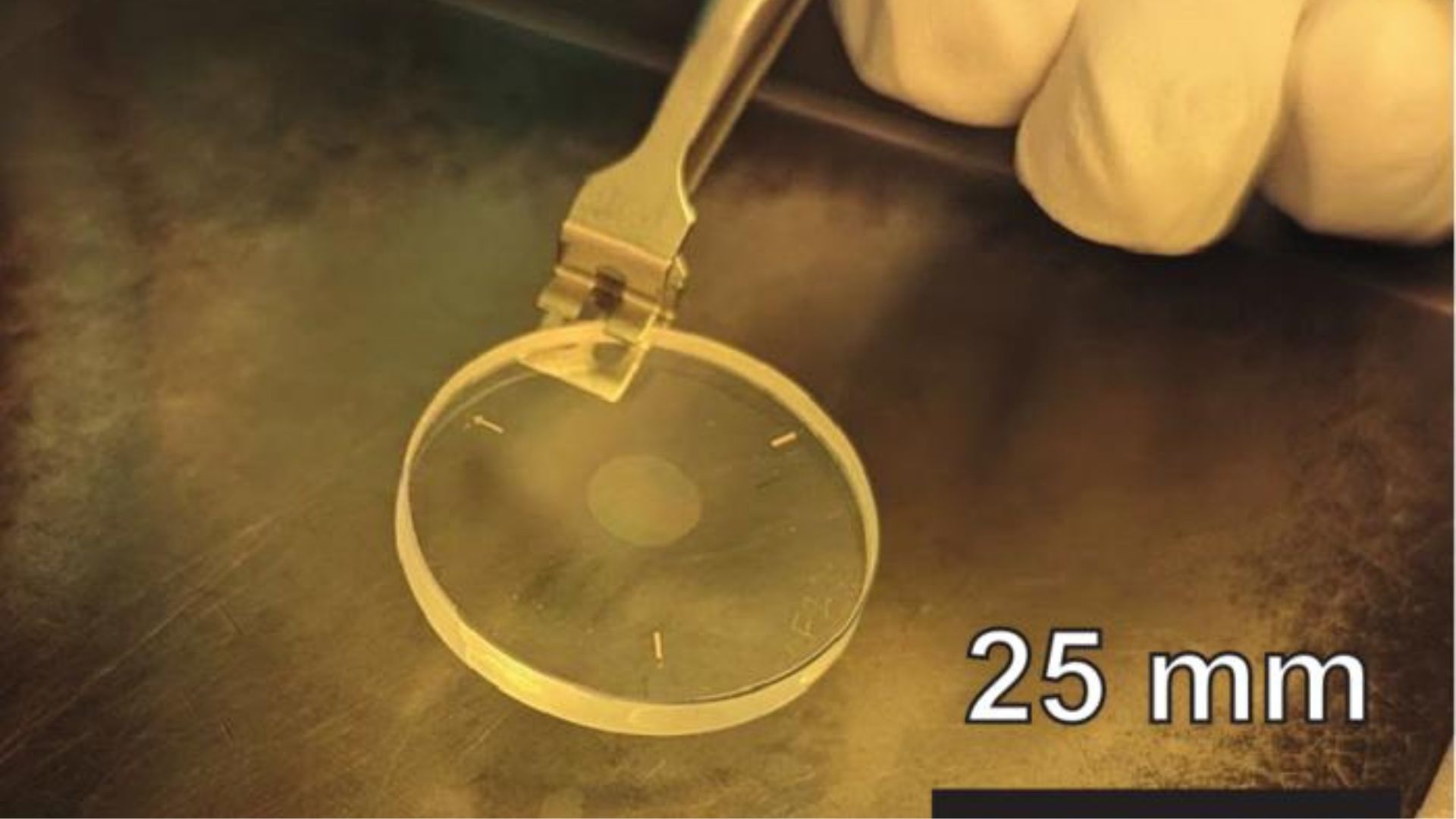
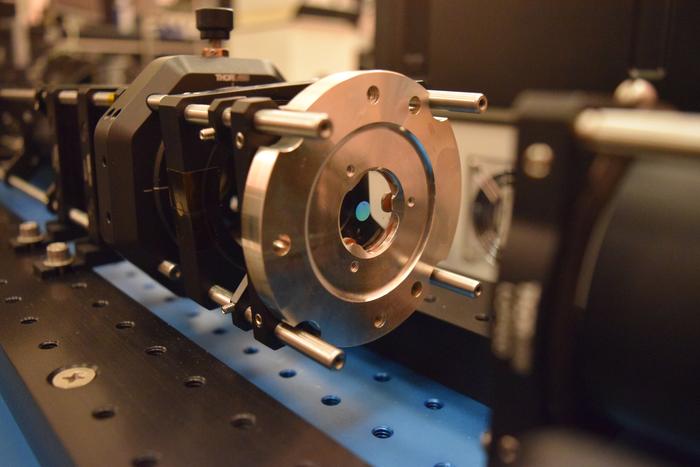
Engineers at the University of California San Diego have built a tiny optical component measuring just six millimeters in diameter for telescopes.

Developed in collaboration with BAE Systems Space & Mission Systems, the device could simplify space exploration hardware. It promises to slash mission costs while vastly improving the ability to monitor dangerous space weather.

The metasurface integrated into the custom-built telescope. Credit: Noah Rubin

Tiny metasurface technology

A metasurface is an advanced class of nanotechnology consisting of a flat optical component engineered with microscopic, nanoscale structures. 

Using these nanostructures, the device can manipulate light — such as splitting and controlling its polarization channels simultaneously — in unique ways that conventional glass lenses and mirrors physically cannot.

Until now, this tech was mostly an academic parlor trick. “Most academic work on metasurfaces has remained at the proof-of-concept stage,” said Noah Rubin, the study’s senior author and an engineering professor at UC San Diego.

Rubin’s team took the concept out of the lab. Their industry partners at BAE Systems subjected the tiny lens to brutal vibration and extreme temperature testing.

It passed. The nanotech was officially space-qualified.

“We’re excited for the possibility to deploy our technology in space,” Rubin said. “I think this is a very nice example of where fundamental academic research actually can translate to something with real potential for space exploration and science.”

The sun’s magnetic fields are often studied to predict massive solar eruptions, such as coronal mass ejections, that send charged particles toward Earth. 

For this, polarization, or the vibration direction of incoming sunlight, is analyzed. 

Existing space telescopes use a different approach to do this. These take an image, mechanically rotate an optical component, and take another image. And then digitally stitching them together.

This process is slow and vulnerable to the slightest jitters. As spacecraft vibrate, even a tiny nudge between exposures can completely blur delicate solar data.

To stop this, NASA has to build incredibly complex, expensive stabilization systems. “These systems often cost far more than the telescope itself,” Rubin noted.

The new six-millimeter metasurface eliminates the moving parts entirely.

It splits incoming sunlight into several different polarization paths at the exact same time. Instead of a slow sequence of photos, the telescope captures all the magnetic data simultaneously in a single snapshot.

“With these faster frame rates, we can observe phenomena that were too quick for previous instruments to capture,” said Lisa Li, the study’s first author. 

Mapping magnetic fields

To prove the device could actually do real science, the researchers integrated it into a custom telescope and traveled to the Dunn Solar Telescope in New Mexico.

The setup was a contrast of epic proportions. Sunlight hit a mirror at the top of a 136-foot tower, traveled 228 feet underground, and was reflected back to the surface. There, it passed through the team’s tiny six-millimeter component.

The microscopic lens successfully mapped the intense magnetic fields inside active sunspots. When the team compared their data to observations from NASA’s massive, orbiting Solar Dynamics Observatory, the results were nearly identical.

The tiny lens performed just as well as a giant satellite.

Now, the team is setting its sights on the launchpad. Backed by five years of development and funding from NASA, the researchers have submitted a formal proposal for a mission concept study. 

If selected, their tiny six-millimeter eye could soon be riding a rocket into space — proving that sometimes, the biggest breakthroughs come in the smallest packages.

The paper was published on June 10 in Science Advances.

💾

UC San Diego engineers have built a microscopic 6mm metasurface lens that matches the power of massive satellites.
  •  

New water-based capacitor survives 60,000 charging cycles without degrading

It turns out that pure water can store electricity.

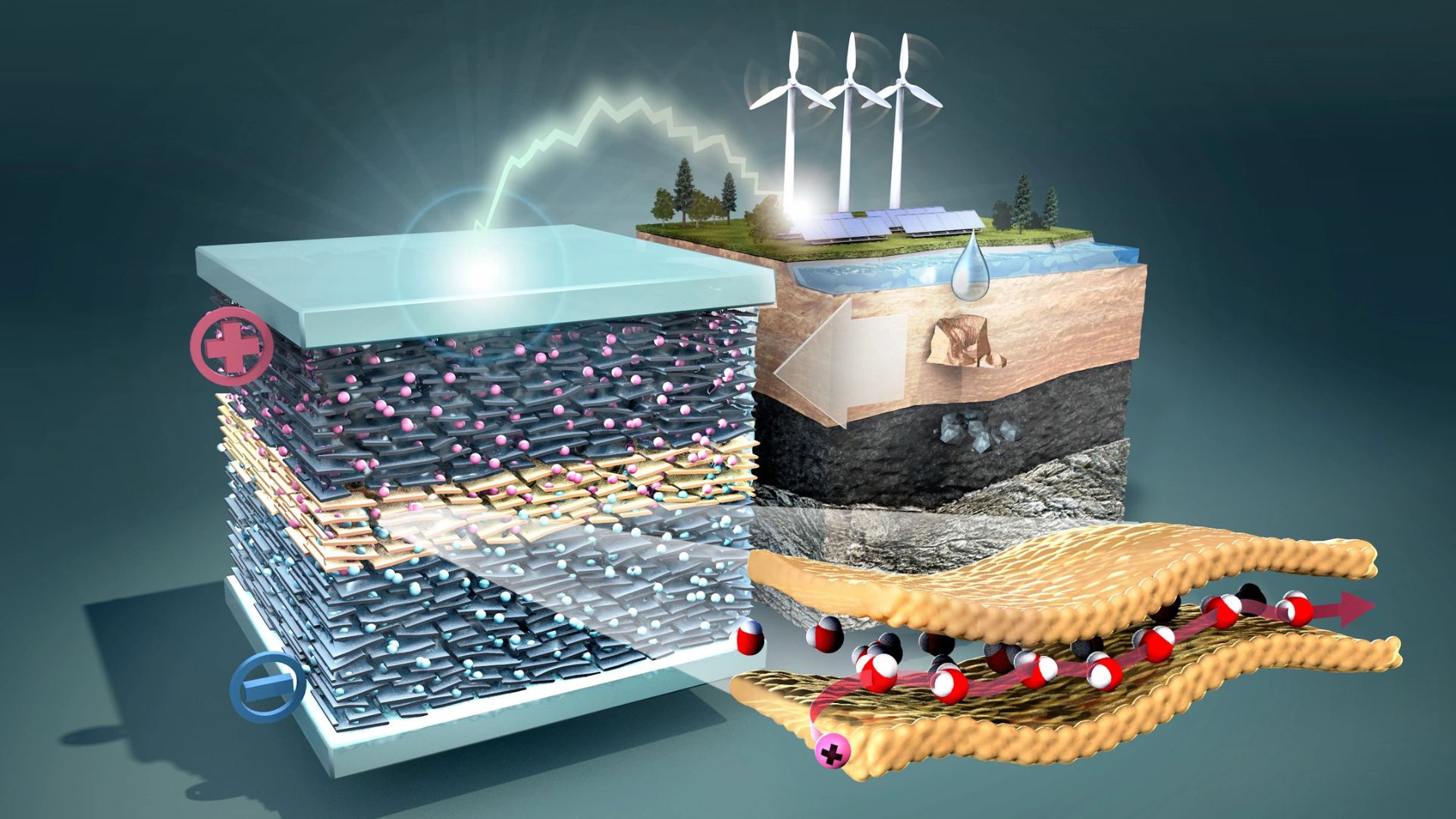
A new study by the Hamburg University of Technology in Germany reveals that trapping water inside nanometer-sized clay channels creates a supercapacitor capable of efficiently storing and moving electrical charge.

In this work, pure water has been used as an electrolyte to carry electrical charge. This system is dubbed the “Blue Capacitor.”

“Our goal is to develop safer and more sustainable energy-storage technologies based on abundant materials rather than complex chemical compounds,” said Dr. Vasily Artemov from the Cluster of Excellence “BlueMat—Water-Driven Materials” at Hamburg University of Technology. 

“The device stores and releases energy efficiently, operates at a comparatively high voltage for a water-based system, and remains stable over tens of thousands of charging cycles,” the lead author added.

Nanometer-sized channels

Pure water is mostly considered a terrible medium for storing power. To conduct electricity, batteries and supercapacitors have always required a chemical cocktail of added salts, acids, or volatile organic solvents. Without them, energy storage simply stalls.

But the research team tried to change this through its functional “Blue Capacitor” technology. It is an energy-storage device made entirely from three of Earth’s most abundant, naturally occurring materials: water, clay, and carbon.

The system has been engineered to confine pure water within microscopic channels, thereby altering the liquid’s fundamental behavior.

The clay minerals were blended with graphene — a highly conductive, ultra-thin form of carbon. When combined, these materials form a dense labyrinth of millions of parallel channels. Each channel measures just one nanometer wide, roughly 100,000 times thinner than a human hair.

“Our results show that nanoconfined water can serve as the active electrolyte in a practical energy-storage device,” noted Artemov.

To actually see this happening, the team had to look more closely than almost anyone has before. They utilized PETRA III at DESY, one of the world’s most powerful particle accelerator research centers. 

“Only with DESY’s brilliant X-ray source PETRA III, were we able to visualize the ultra-thin sheets of individual water films within the clay structures,” said Prof. Patrick Huber, co-author of the paper.

Rigorous testing

The new device is a supercapacitor, a type of energy-storage technology that stores energy by separating electrical charges rather than through chemical reactions. Because of this mechanism, supercapacitors feature rapid charging and discharging capabilities, along with exceptionally long operational lifetimes.

In testing, the proof of concept showed promising results. 

In rigorous laboratory testing, the Blue Capacitor survived more than 60,000 charge-discharge cycles without degrading. Furthermore, it operated at up to 1.6 volts. 

That is an exceptionally high voltage threshold for any water-based system, which typically breaks down into hydrogen and oxygen gases at much lower voltages.

While commercial applications are still years away, the implications of a non-toxic, un-burnable capacitor are massive.

It offers a promising path for future energy storage. Potential applications include managing renewable energy from solar and wind power, stabilizing electrical grids, and powering devices that need rapid, frequent charging cycles.

According to researcher Artemov, understanding the unexpected nanoscale properties of a familiar substance opens the door to the development of entirely new technological applications. 

Beyond green power, the discovery opens the door for water-based nanoscale sensors and bio-inspired computing.

The findings were published in the journal Nature Communications.

💾

A new study by the Hamburg University of Technology reveals that trapping water inside nanometer-sized clay channels creates a supercapacitor capable of efficiently storing and moving electrical charge.
  •  

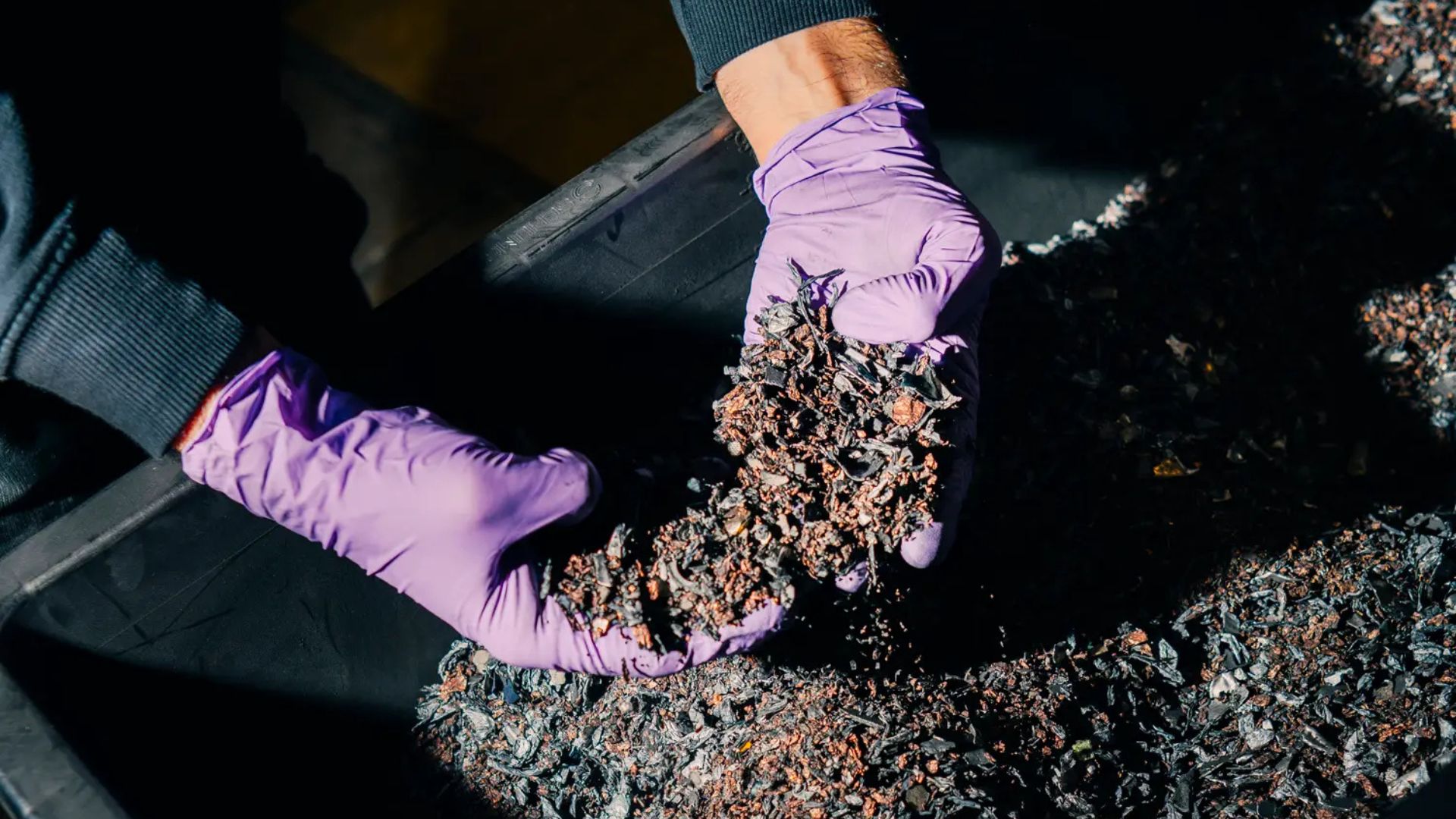
Cornell’s electrochemical ‘bath’ restores spent lithium EV batteries to 95% power

The life cycle of an electric vehicle battery has been a violent, one-way street. When a battery dies, the industry routinely tears it apart to access the parts that matter. High-tech recyclers either blast the dead cells in extreme-heat furnaces or grind them into a powdery substance known as “black mass” before drenching them in harsh, corrosive acids.

It is an expensive, carbon-intensive, and messy way to extract scarce minerals like nickel and cobalt. But what if you didn’t have to destroy a dead battery just to rebuild it?

Researchers at Cornell University have developed a way to overcome the destruction altogether. Rather than smashing the battery, the method turns to chemical washing. 

In this, intact components were immersed in a specialized electrochemical bath to restore 95 percent of the dead batteries. Plus, this method could cut recycling manufacturing costs by 56 percent.

“We repair them, as is, without shredding or powdering them, and then put them back into a new battery,” said Vibha Kalra, the Fred H. Rhodes Professor of Chemical Engineering in the Cornell Duffield College of Engineering. 

“The dissolution is basically what helps the battery recover its capacity. It shows 95 percent recovery. So we are shortening the circularity loop immensely,” added Kalra. 

Cost-saving battery fix

To understand how it works, look at what actually happens when a battery dies.

Batteries don’t usually run out of minerals. But, as electricity flows back and forth between the positive and negative sides, a thick, crusty layer of gunk gradually builds up inside the cell.

Engineers call this the solid electrolyte interphase. The materials are all still there, but the energy can no longer flow. Standard recycling destroys the whole part just to clean it. 

Cornell’s method, called Direct Electrode-to-Electrode Regeneration (DEER), is far gentler. 

Workers open the casing and pull out the battery’s core parts — the electrodes — while these are still completely intact. Then the parts are submerged into a chemical solution called 1,3-dimethyl-2-imidazolidinone. The liquid targets the gunk. It dissolves the insulating buildup, leaving the delicate internal structures perfectly preserved. 

The process cuts down air pollution and slashes industrial water consumption.

The growing demand

At this moment, the world is grappling with disruptions to global supply chains for essential battery ingredients. The United States currently possesses very few domestic reserves of the critical minerals required to build modern batteries.

US depends mostly on complex, foreign supply chains to import materials. It also lacks the massive infrastructure needed to refine raw materials or rebuild crushed battery powder from scratch; domestic recycling has lagged.

“When these lithium-ion batteries came about, nobody was thinking about how these minerals are limited on the Earth’s crust, and you cannot make them forever,” Kalra said. “In recent years, people are realizing you can’t just keep making batteries, because you don’t have enough material.”

By keeping the battery components intact, the DEER method eliminates the need for expensive, overseas refabrication. It allows the entire recycling process to happen locally, cheaply, and quickly. 

The research team’s next step is to test the DEER method on larger, industrial-scale batteries and adapt the process to combat other forms of wear, such as permanent lithium loss. 

Currently, the technique successfully treats batteries at a 70-80 percent state of health — the typical retirement threshold for electric vehicles. But researchers believe they can widen this recovery window by targeting these additional degradation mechanisms.

The study findings were published in the journal Energy and Environmental Science on June 9. 

💾

Cornell University researchers have developed a new, highly efficient, and cost-effective method to recycle spent lithium-ion batteries.
  •  

New partnership aims to create local supply of recycled graphite for European EVs

The race for European battery independence just found its next battleground in an unexpected place: the trash heap.

On June 2, an advanced battery materials firm, Vianode, and German sustainable recycling pioneer, Cylib, signed an agreement to turn old batteries into vehicle components. 

The memorandum of understanding (MoU) establishes a partnership to develop and supply recycled graphite for high-performance battery anodes.

Under the agreement, Cylib will supply high-quality graphite concentrate recovered through its proprietary recycling technology, while Vianode will test and validate its performance in anode materials.

“Closing the loop on battery materials is essential for building a truly sustainable battery value chain,” said Burkhard Straube, CEO of Vianode. 

“By collaborating with Cylib on the integration of recycled graphite into advanced anode materials, we aim to strengthen circularity for battery graphite, reduce reliance on virgin raw materials, and support the EU’s ambitions for a more resilient, low‑carbon battery ecosystem,” Straube added in the press release.

Recycled graphite supply chain

Graphite is an important material for lithium-ion battery anodes due to its unique crystalline structure, which enables efficient lithium-ion store and release. 

In high-performance batteries, the anode requires either highly purified natural graphite or precision-engineered synthetic graphite to maximize electrical conductivity, enhance structural durability, and enable fast charging. 

The material’s global demand has been increasing due to the high demand for tech like electric vehicles. For this reason, the industry is increasingly focused on sourcing high-performance graphite that balances extreme energy density with strict environmental standards. Hence, it is driving the shift toward localized production and advanced recycling methods.

Currently, Europe relies heavily on imports of virgin graphite, a critical mineral tightly controlled by global markets outside the bloc.

With the integration of Cylib’s proprietary recycling technology directly into Vianode’s advanced anode production process, the two companies plan to turn spent battery waste into high-performance vehicle components. 

If successful, this closed-loop manufacturing system will create a sustainable, domestic supply chain that slashes carbon emissions while securing Europe’s material independence.

Slashing emissions

The process relies on a delicate handoff. First, Cylib will extract high-quality graphite concentrate from spent batteries using its water-based OLiC (Optimized Lithium and Graphite Recovery) technology. 

As per the press release, this system has a 90 percent recovery rate for critical metals such as lithium, graphite, nickel, cobalt, and manganese. Better yet, it slices carbon emissions by 80 percent compared to normal mining.

Then, Vianode steps in.

The Norwegian company will test the recycled material at its pilot facilities, blending it into formulations for its next-generation synthetic anodes. Vianode’s synthetic graphite already has a carbon footprint 90 percent lower than that of standard industry materials. 

Injecting recycled graphite into the mix pushes them closer to a strict 2030 climate target: emitting just 1.0 kg of CO₂ equivalent per kilogram of graphite produced.

If the pilot projects succeed at a commercial scale, both firms intend to negotiate a binding commercial supply agreement.
The European Union has placed immense pressure on automakers to slash manufacturing emissions and source materials locally. This partnership offers a glimpse of how the industry might actually pull that off without sacrificing vehicle range or battery life.

💾

Cylib and Vianode have signed a Memorandum of Understanding (MoU) to integrate recycled graphite into next-generation battery anodes.
  •  

Prada-designed cooling suit to keep Artemis astronauts safe on moon walks

The devil wears Prada. And soon, so will the astronauts heading to the moon.

Commercial aerospace company Axiom Space and luxury fashion house Prada showcased the innermost layer of NASA’s next-generation lunar spacesuit.

It is called the Liquid Cooling and Ventilation Garment (LCVG) and will be worn inside the Axiom Extravehicular Mobility Unit (AxEMU) spacesuit. 

The garment is the first line of defense for astronauts exploring the moon’s surface for the first time in over half a century.

“The future of space exploration will not be built by any one entity alone, and our partnership with Prada is proof of that,” said Dr. Jonathan Cirtain, Axiom Space CEO and President.

“By bringing together the best in both aerospace engineering as well as luxury craftmanship and advanced product development, we have developed a garment that neither company could have created independently, and that is exactly the kind of cross-industry thinking that will define the next era of human spaceflight,” Cirtain added.

Prada is going to the moon

When astronauts step onto the lunar South Pole during NASA’s upcoming Artemis IV mission, the environment will be brutal.

Temperatures switch violently between blistering heat in direct sunlight and absolute freezing cold in deep shadow. To survive outside a spacecraft for up to eight hours, the human body needs an artificial atmosphere. 

Spacewalks are physically grueling missions in which astronauts generate intense body heat that cannot dissipate naturally in the vacuum of space.

Without intervention, crew members would rapidly overheat while moving and exploring. To prevent this, the LCVG serves as a wearable radiator, using an integrated network of chilled-water tubes to continuously absorb and dissipate excess body heat.

Using Prada’s expertise in engineered knitting, advanced 3D modeling, and high-performance materials, the collaboration produced a next-generation garment optimized for comfort during spacewalks lasting up to eight hours.

Furthermore, Prada’s knowledge of specialized fibers ensured that the garment was durable enough to be worn repeatedly over the long duration of lunar missions.

Woven directly into the specialized fibers is a complex web of flexible tubes. Chilled water constantly flows through these channels, routing across the body’s major muscle groups to absorb metabolic heat and pump it away to the suit’s backpack life-support system.

Cooling system

In an industry first for an inner spacesuit layer, the LCVG features a fully redundant backup cooling loop that instantly takes over if the primary system fails on the lunar surface.

The garment also pulls double duty by managing respiration, using a separate ventilation loop to gently blow fresh oxygen across the astronaut’s face while simultaneously vacuuming away exhaled carbon dioxide for scrubbing and recirculation.

“Every minute astronauts spend outside their vehicle, the LCVG is working to keep them safe,” said Russell Ralston, Axiom Space Senior Vice President of Spacecraft Development. 
“It manages their thermal environment, supports their breathing, and does it all while they’re pushing their bodies to the limit. The work we have done with Prada has taken that capability to a level we could not have achieved alone,” Ralston added. 

Moving the collaboration inward was a natural step for the two companies. In 2024, they showcased the heavy, protective white outer shell of the Axiom Extravehicular Mobility Unit (AxEMU).

The exterior layer is built to stop micrometeoroids and extreme radiation; the inner layer handles the delicate physics of human comfort.

💾

Commercial aerospace company Axiom Space and luxury fashion house Prada showcased the innermost layer of NASA's next-generation lunar spacesuit.
  •  

US engineers make ‘artificial eyes’ to improve vision in robots, self-driving cars

Penn State researchers have built a human-eye-inspired device to prevent self-driving cars from going blind in changing light conditions. 

It is a new type of “photomemristor” that mimics the human eye, adapting to mixed, changing light from bright to dark in seconds.

“Self-driving cars are exposed to a mixture of light levels in use — imagine the contrast of the dark sky with the bright headlights of other cars when driving at night,” said Larry Cheng, James L. Henderson Jr. Memorial Associate Professor of Engineering Science and Mechanics at Penn State. 

“It can be difficult for an artificial optical system to distinguish details, like the glow of a red light, in these mixed lightning conditions,” the co-corresponding author added.

Neural network experimental setup. Credit: Jia Zhu

Mimicking the human eye

Autonomous vehicles remain surprisingly fragile when encountering high-contrast lighting environments, despite being equipped with advanced cameras and powerful AI. 

These robotic eyes perform well in stable weather conditions, but are not accustomed to sudden flashes of light, such as oncoming headlights piercing a dark midnight sky. It can trigger catastrophic data glitches that blind the vehicle‘s system.

The team of engineers has finally found a workaround. And the secret is copying the wet, organic mechanics of the human eye.

Researchers unveiled a tiny hardware component that can adapt from blinding brightness to deep shadow in just seconds.

While our eyes require roughly 20 to 30 minutes to fully acclimate to extreme changes in light, this artificial system handles the transition almost instantly.

To build it, scientists had to rethink how computers process light. Standard cameras capture an image and send it to a separate computer brain for analysis. This takes time and immense computing power. The team used photomemristors. These are microscopic electrical components that can simultaneously sense light and store it as data — mimicking how neurons work.

But the key development lies in how the devices manage sensitivity.

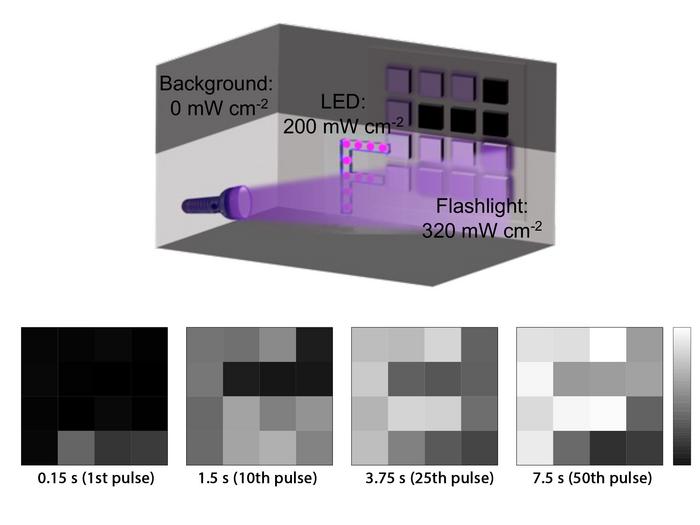
4×4 grid for testing

The human eye uses rod cells for low light and cone cells for bright conditions. When a bright light hits your eyes, the pigments in your rods temporarily “bleach” out, leaving the cones to take over. To mimic this, the researchers paired a powdery white compound called titanium oxide with a stretchy, gel-like plastic known as PEDOT:PSS.

The titanium oxide captures ambient light and converts it into an electric current. That current forces the plastic layer to react with the surrounding air. In the dark, the plastic rapidly sucks in water vapor and swells. In bright light, it dries out quickly.
This automatic sweating and swelling acts as a physical volume knob for light. It self-regulates.

To test the tech, researchers built a miniature 4×4 grid and paired it with an AI neural network. They gave it a classic ophthalmologist challenge: spot a dimly lit letter “F” against a massively bright backdrop.

The system didn’t flinch. It took just seven rounds of training for the device to reach a remarkable 95 percent accuracy in pattern recognition.

The implications stretch far beyond avoiding highway accidents. The team has already filed a provisional patent to expand their use.

In the future, factory robots could operate flawlessly in erratic, flickering industrial environments. More importantly, Cheng believes this technology could eventually yield sophisticated artificial optics, giving adaptive, reliable sight back to the visually impaired.

The findings were published in the journal Nature Communications on June 9.

💾

Penn State researchers have built a human-eye-inspired device to prevent self-driving cars from going blind in changing light conditions. 
  •  

Researchers build 25-liter pilot reactor for recycling plastic waste into oil

A mobile pilot plant has been designed to convert various types of plastic waste into oil. 

Developed by the Catalysis Engineering Group at the University of Amsterdam (UvA), the Solvothermal Liquefaction (STL) process uses a potent mix of solvent, heat, catalysts, and intense pressure to cook mixed plastic waste back into oil.

Interestingly, the resulting dark brown oil contains the precise molecules needed to remake brand-new, virgin plastic, thereby closing the recycling loop.

The pilot plant is heading to Spain to face its ultimate test: real municipal plastic waste. It offers a viable solution for keeping these materials out of landfills and incinerators.

“We have gained a deep insight into the process and are confident that it merits scaling up to industrially relevant volumes. That’s why we have now designed and manufactured a pilot reactor system as a first important step towards actual application,” said Associate Professor Dr Shiju Raveendran.

Cooks unsorted trash

The underlying technology is called Solvothermal Liquefaction. 

Rather than requiring workers or optical sensors to sort polyethylene from polypropylene, the STL process accepts the mixed plastic stream as is. The waste is fed into a 25-liter reactor vessel. Inside, it is blasted with solvent, subjected to high heat, and exposed to elevated pressure.

The key ingredient of all is the specialized nanostructured solid catalysts developed by the UvA team. These microscopic structures accelerate the chemical breakdown without being consumed by the reaction. In just 30 minutes, the molecular bonds of the plastics collapse.

The process cleanly splits the waste into three distinct products: gas, which is diverted to help power the system; char, which is filtered out as a solid byproduct; and a dark brown oil. This oil is packed with the pure monomers needed to manufacture brand-new, high-quality plastic.

Interestingly, the entire process closes the loop completely. The resulting plastic is identical to material made from fossil fuels, completely overcoming the degradation that usually happens during mechanical melting.

Circular plastic recycling

Academic breakthroughs die in labs every day because scaling them up is highly difficult. The team is attempting to beat those odds.

Backed by over €1.5 million from the larger €20 million European “PLASTICE” project, the technology has officially reached Technology Readiness Level (TRL) 6/7. In engineering, it means that the tech is ready for operational reality.

The Amsterdam researchers also partnered with an industrial engineering firm in India. Together, they designed and manufactured a heavy-duty, transportable system. The entire plant is complete with storage tanks, remote-control software, and rigorous safety overrides. It is mounted on automated steel frames called skids.

In Spain, the public waste management company COGERSA will host the pilot plant. For the first time, the machine will run on raw municipal waste streams rather than controlled laboratory feeds.

“Our lab experiments already included actual plastic waste, but we will certainly encounter challenges we could not fully foresee. That is precisely the purpose of this scale-up phase—to move the technology toward genuine industrial relevance,” said Raveendran.

If the skid-mounted reactor can withstand the chaotic composition of Spanish household waste this summer, it could pave the way for modular, decentralized recycling plants worldwide. 

💾

The Solvothermal Liquefaction (STL) process uses a potent mix of solvent, heat, catalysts, and intense pressure to cook mixed plastic waste back into oil.
  •  

New 3D-printed metacrystal panels could help 6G signals reach every corner indoors

Next-generation mobile internet will be incredibly fast, but it has one major physical weakness. It can be stopped dead by a single concrete wall or a passing crowd.

Now, a new kind of “metacrystal panel” has been designed to address this major problem in 6G networks. 

Developed by researchers at Finland’s Aalto University, these affordable, 3D-printed devices passively guide radio waves around physical barriers like walls and corners.

Interestingly, these smart panels can be mounted on walls, ceilings, or furniture to effortlessly bounce signals around corners, into dead zones, and directly toward specific devices.

6G signal blocking issue

The tech industry is currently sprinting toward ultra-fast 6G networks. Future 6G networks will likely achieve unprecedented terabit-per-second data speeds by utilizing terahertz waves (also known as submillimeter radiation or far-infrared light).

However, the higher-frequency channels needed to carry massive amounts of data are fragile. 

Compared with the broad waves of older networks, 6G signals struggle to bend around obstacles. Usually, fixing a dead zone means buying more electronics.

Carriers install power-hungry routers, complex repeaters, and expensive base stations just to push the signal into hard-to-reach places like basements, factories, or long corridors.

But the Aalto team thinks they can solve this issue using just a low-tech solution. Metacrystal panels are 3D-printed plastic blocks that bounce, bend, and shape radio waves without electricity.

“When a room is too dark, you can bring in more lamps – or use simple mirrors to guide the already available light. This is what these metacrystals do, but with radio waves,” explained Mahdi Asgari, doctoral researcher. 
Rather than relying on wires or microchips, these panels use geometry to do the work. These are volumetric structures designed using advanced computer optimization. 

Researchers can control multiple signals at the same time by precisely calculating how the internal plastic shapes interact with electromagnetic fields. 

Earlier attempts at this technology used flat, single-layer metasurfaces. However, a 2D flat surface lacks the physical degrees of freedom to manipulate multiple angles at once. If a signal hits it from the wrong angle, it becomes useless.

“Unlike previously proposed single-layer intelligent surfaces, these volumetric metacrystals can be designed to control multiple incoming signals or frequency bands independently — a key requirement for realistic wireless communication,” added Asgari.   

Low-cost solution

Compared with conventional intelligent surfaces that rely on expensive, high-maintenance control circuits, these 3D-printed metacrystal panels offer an affordable, low-maintenance alternative. 

Using cheap consumable materials costing only a few tens of euros per piece, the panels can be custom-fabricated to fit specific environments rather than relying on a one-size-fits-all model. 

For industrial spaces, this could be a massive win. Setting up a 6G layout in a sprawling warehouse or a complex factory floor usually requires a huge amount of infrastructure. Worse, those networks constantly pull power and demand routine maintenance.

According to researchers, this makes them highly attractive for industrial settings with static or slowly changing layouts, such as factories, warehouses, long corridors, and indoor 5G/6G networks. In these settings, passive, custom-designed structures can quietly route signals without requiring ongoing maintenance or active electricity.

The research team is currently looking for industrial collaborators to commercialize the technology. 

While the current prototypes are static, the next frontier is to make them adaptable. The team is already working on ways to create tunable, reconfigurable panels that can adjust as the environment changes, all while keeping the manufacturing simple and cheap.

💾

Developed by researchers at Finland’s Aalto University, these affordable, 3D-printed devices passively guide radio waves around physical barriers like walls and corners.
  •  

Scientists discover why similar volcanoes have vastly different eruptions

An international research team led by The University of Manchester has shown how superheating alters how a volcano erupts.

Superheating is a process where magma is heated beyond the temperature at which its crystals can remain stable. The new study found that superheating delays crystal formation strongly as it rises toward the Earth’s surface. 

It helps explain why similar volcanic systems exhibit vastly different eruptive behaviors.

The researchers focused their investigation on magma collected from the 2021 Tajogaite eruption on Spain’s La Palma.  It was a devastating 85-day disaster that destroyed 3,000 buildings and displaced thousands of residents.

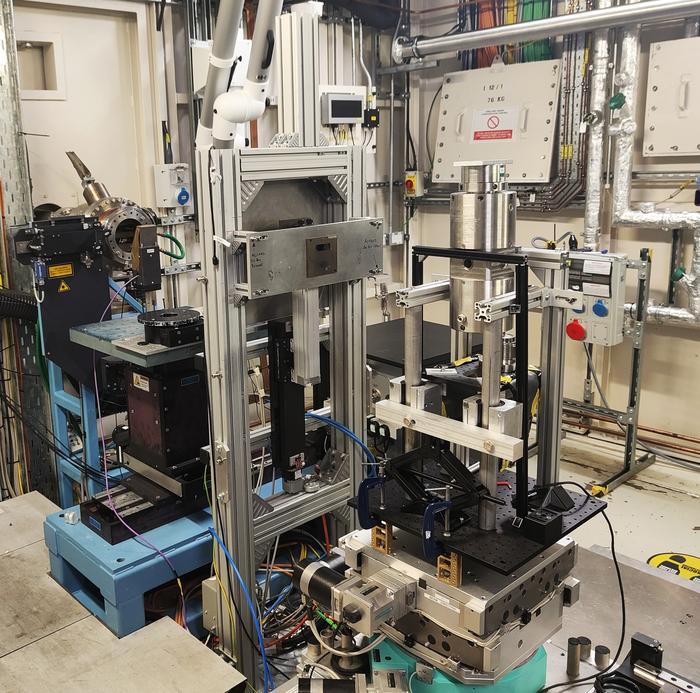
Experimental setup showing the X-ray transparent internally heated pressure vessel used at Diamond Light Source (UK) for real-time experiments. Credit: Barbara Bonechi.

Creating volcanic conditions

Imagine two identical volcanoes. These two have the exact same chemical makeup, the same gas content, and the same underground pressure. Yet when the eruption occurs, one gently oozes harmless sludge, while the other violently blasts curtains of fire into the sky.

Experts have long struggled to explain this erratic behavior. Now, they have an answer. 

It turns out that magma’s hidden thermal history dictates how dangerously it behaves.

To unlock this secret, the researchers traveled to La Palma, Spain, and collected cooling rock from the Tajogaite eruption. 

The team took these volcanic samples and recreated the thermal process using a newly designed X-ray-transparent pressure vessel. The rocks were blasted with intense heat and pressure. Then, the team watched the magma melt in real time using high-powered synchrotron X-ray microtomography.

What they saw changed everything. Normally, as liquid magma cools on its way to the surface, it relies on microscopic crystal “seeds” to start solidifying.

It is like dust in the atmosphere, helping raindrops form. But when magma experiences a sudden injection of extreme heat before its ascent —a state known as superheating — those tiny crystal seeds dissolve.

The underground alchemy in volcano

The study shows that extreme temperatures melt away microscopic crystal seeds and homogenize the magma’s internal structure, severely hindering new crystal growth. 

This structural change keeps the magma highly fluid, directly dictating how fast it rises to the surface and how easily trapped volcanic gases can escape. These two critical factors ultimately determine whether an eruption will be a violent explosion or a gentle flow.

It was discovered that non-superheated magma crystallizes in just 20 minutes, while superheated magma delays crystal growth for over eight hours. 

When these delays were plugged into computer simulations of magma ascent, the models revealed a stark contrast in volcanic behavior. The prolonged fluid state of superheated magma allows it to rush rapidly to the surface and trigger spectacular lava fountains. On the other hand, early-crystallizing magma becomes thick and sluggish, allowing gases to safely escape and resulting in much gentler, slower lava flows.

Until now, standard volcanic hazard models have completely ignored this thermal history. Scientists only measured a volcano’s current chemistry, gas levels, and pressure.

“This work suggests that pre-eruptive thermal history and crystallization kinetics may also play an important role in controlling magma ascent and eruptive behavior, with implications for volcanic hazard assessment,” said Dr Margherita Polacci, Senior Lecturer in Volcanology at The University of Manchester. 

The discovery could help decode volcanic monitoring signals and anticipate impending eruptions.

The study was published in the journal Nature Communications on June 8.

💾

An international research team led by The University of Manchester has shown how superheating alters how a volcano erupts.
  •  
❌