❌

Reading view

New Duck-Billed Dinosaur Unearthed in Romania

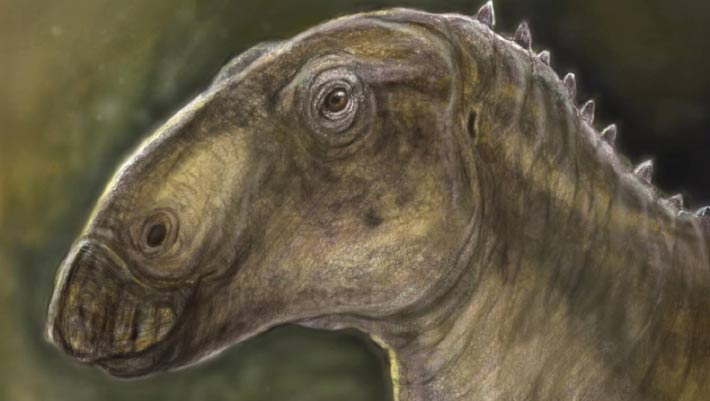
Kryptohadros kallaiae. Image credit: Tibor Pecsics.

An international team of paleontologists from Romania, Hungary and Italy has identified a new genus and species of herbivorous, duck-billed dinosaur from an incomplete skeleton unearthed in the Hațeg Basin, a bowl-shaped depression in the Carpathians of present-day Romania.

The post New Duck-Billed Dinosaur Unearthed in Romania appeared first on Sci.News: Breaking Science News.

  •  

UC Irvine Scientist Awarded Nearly $4 Million NIH Grant to Develop Therapeutic Vaccine Targeting Genital Herpes

University of California, Irvine Innovates Therapeutic Vaccine Strategy to Combat Recurrent Genital Herpes

In a groundbreaking development that could transform the management of genital herpes, UC Irvine immunologist Lbachir BenMohamed has secured nearly $4 million in funding from the National Institutes of Health to advance a novel therapeutic vaccine approach. This ambitious five-year project aims to tackle recurrent genital herpes caused by herpes simplex virus type 2 (HSV-2), a persistent viral infection that affects over 60 million Americans and more than half a billion individuals globally. Despite extensive research efforts historically, no approved therapeutic vaccine exists to date, leaving millions vulnerable to recurrent outbreaks and transmission.

BenMohamed’s research focuses on a next-generation vaccine strategy termed “Prime/Pull/Keep,” designed to establish a robust, localized immune defense precisely at the mucosal sites where HSV-2 resides and reactivates. Conventional vaccines predominantly elicit circulating antibodies, which are insufficient to control HSV-2’s latent reservoirs in the nerve ganglia and mucosal tissues. This innovative approach instead targets tissue-resident memory T cells (TRM), a specialized subset of immune cells critically positioned at the barrier sites to provide immediate defense against viral reactivation.

The Prime/Pull/Keep methodology encompasses a three-step immunization process: initial priming of protective T cells via vaccination, mobilization of these cells to the infected tissue through chemokine signals (pull), and sustained retention and functional maintenance at the site of infection (keep). Together, these steps ensure a sustained population of antiviral T cells, capable of rapid detection and elimination of reactivated virus, potentially curbing recurrent disease manifestations and viral shedding.

Previous investigations by BenMohamed’s team have demonstrated promising results with mRNA-based therapeutic vaccines in preclinical models. These candidates were effective in reducing clinical signs of recurrent genital herpes and enhancing the recruitment of protective T cells within genital mucosal tissues. Additionally, exploring immune-signaling molecules such as chemokines has validated the feasibility of attracting and retaining TRM populations, thereby improving local immune surveillance and long-term antiviral immunity.

The current NIH-funded project intends to rigorously evaluate the safety profile and immunogenic potential of various Prime/Pull/Keep vaccine candidates in preclinical animal models, examining how augmenting the quantity, quality, and durability of TRM cells correlates with protection from HSV-2 reactivation. This represents a critical translational step toward bridging laboratory research and clinical trials, responding to NIH’s strategic priority to develop novel therapeutic interventions for genital herpes.

BenMohamed articulates the significance of this research succinctly: “People living with recurrent genital herpes have long awaited effective therapeutic vaccines. Our innovative immune-based approach not only amplifies protective T cells but directs and maintains them where the virus hides. This could revolutionize prevention strategies for millions affected worldwide.” The team’s vision is to develop a vaccine capable of reducing recurrent outbreaks and viral transmission, substantially improving quality of life for patients.

HSV-2 represents a formidable pathogen due to its ability to establish lifelong latent infection in sensory neurons, periodically reactivating to cause painful genital lesions and facilitating onward transmission. Existing antiviral therapies focus on suppressing viral replication but do not eliminate reservoirs or prevent recurrence. The targeted boosting of tissue-resident immune memory represents a paradigm shift in immunotherapy, promising durable tissue-specific immunity where it is needed most.

The Prime/Pull/Keep vaccination strategy could also circumvent issues faced by traditional systemic vaccines, which often fail to generate sufficient mucosal immunity or induce long-lasting memory T cell populations within genital tissues. By tailoring antigen delivery and immune modulation, this approach aims to enhance the local microenvironment and foster a self-renewing population of sentinel T cells poised to respond immediately to viral reactivation.

As the project advances through preclinical stages, rigorous assessment of immune correlates of protection will inform optimization of vaccine formulations, dosing schedules, and adjuvant combinations. Understanding the mechanisms underpinning TRM cell maintenance and functionality remains an active area of investigation critical to maximizing therapeutic efficacy and durability.

The successful identification of an optimal Prime/Pull/Keep candidate would pave the way for human clinical trials, marking a historic milestone in the fight against genital herpes. Such a vaccine holds the promise not only to alleviate recurrent symptoms but also to significantly curtail viral shedding, thereby decreasing transmission rates and public health burden.

Beyond genital herpes, the conceptual framework underlying Prime/Pull/Keep may inspire novel immunotherapeutic strategies for other persistent viral infections and chronic diseases where localized immune memory is pivotal. Collaborative efforts among immunologists, virologists, and clinical scientists will be essential to translate these findings into effective interventions.

With UC Irvine’s robust infrastructure, cutting-edge facilities, and interdisciplinary expertise, BenMohamed’s laboratory is well-positioned to spearhead this transformative endeavor. The $3.93 million NIH R01 grant underscores the scientific community’s confidence in this pioneering approach and its potential to redefine therapeutic vaccine development for chronic viral infections.

In conclusion, the UC Irvine-led Prime/Pull/Keep vaccine project represents a beacon of hope for millions plagued by recurrent genital herpes, offering a sophisticated and strategic means to harness the immune system’s power at the precise sites of viral latency and reactivation. As research progresses, the scientific world eagerly anticipates the realization of a durable, tissue-targeted therapeutic vaccine capable of changing the landscape of HSV-2 management and prevention.

Subject of Research: Development of a novel therapeutic vaccine to prevent recurrent genital herpes by targeting tissue-resident memory T cells

Article Title: UC Irvine Advances Prime/Pull/Keep Therapeutic Vaccine Strategy to Combat Recurrent Genital Herpes

News Publication Date: June 16, 2026

Web References:
– University of California, Irvine: www.uci.edu
– UC Irvine News: news.uci.edu
– NIH Media Resources: https://news.uci.edu/media-resources/

Keywords: herpes simplex virus type 2, HSV-2, genital herpes, therapeutic vaccine, tissue-resident memory T cells, Prime/Pull/Keep, immunotherapy, mRNA vaccine, viral latency, NIH funding, recurrent infections, mucosal immunity

  •  

Swiss decision to not contribute to Copernicus tests program’s value model

View of the Fagradalsfjall volcano on Iceland's Reykjanes Peninsula, acquired by the Copernicus Sentinel-2 satellite less than 10 hours after its eruption began on Feb. 8, 2024, with the lava flow and smoke plume clearly visible near the city of Grindavík. Credit: European Union, Copernicus Sentinel-2 imagery.

MILAN — Switzerland’s decision not to participate in the European Union’s Copernicus Earth observation program during the 2028–2034 funding cycle has revived a broader debate over the value of contributing […]

The post Swiss decision to not contribute to Copernicus tests program’s value model appeared first on SpaceNews.

  •  

Federal Funding Boost for Residency Slots Fails to Resolve Ongoing Shortages

In a revealing analysis published in JAMA, researchers from the Harvard Pilgrim Health Care Institute have uncovered critical shortcomings in federal initiatives intended to bolster the U.S. physician workforce, particularly within primary care and rural settings. The investigation meticulously tracked the allocation of 1,000 new Medicare-funded residency positions between 2023 and 2025, mandated by legislation passed in 2021 and 2023, aimed at addressing persistent physician shortages. Despite explicit statutory goals prioritizing underserved medical specialties and geographic areas, data suggest these efforts have not fully translated into effective distribution, raising fundamental concerns about how healthcare workforce policies are operationalized in practice.

The U.S. healthcare system continues to grapple with a swelling deficit of physicians, a crisis most acute in fields such as primary care and psychiatry, along with rural locales that historically face stark disparities in access to health services. These shortages compromise not only timely patient care but also exacerbate adverse health outcomes across vulnerable populations. In response, Congress enacted two laws that pledged the infusion of new residency slots, with special emphasis on allocating at least 10% to rural areas and bolstering specialties identified as shortage categories. However, the study’s analysis reveals a disconnect between policy intent and real-world execution that threatens to undermine these legislative ambitions.

Led by senior author Hao Yu, an associate professor of population medicine at Harvard Medical School, the research team employed comprehensive national datasets to compare the geographic and specialty composition of residency placements pre- and post-legislation. Their approach meticulously scrutinized shifts in the allocation of these federally funded positions relative to a 2021 baseline, illuminating nuanced trends in how the physician pipeline is evolving under recent policy directives. The results suggest while some progress has been achieved, particularly in psychiatry, the broader distribution landscape remains misaligned with stated priorities, especially for primary care and rural health infrastructure.

One of the most striking findings is the disproportionate growth favoring psychiatry residencies, which absorbed more than half of the new positions in 2023 and experienced a 12.5% increase since 2021. By contrast, primary care specialties—historically vital for comprehensive community health—saw their share shrink dramatically from over half of these positions to just under one-third. This inversion raises urgent questions about whether current policy mechanisms adequately incentivize the training and retention of physicians in foundational care roles, which are essential for managing chronic diseases, preventive care, and health promotion at the population level.

The spatial distribution of new residency slots further underscores the challenges in targeting healthcare equity. While initial allocations complied fully with laws requiring placements in shortage-designated areas, adherence declined under the 2023 law, with only about 82% of new positions situated in these underserved zones. Even more concerning is the failure to meet the 10% rural allocation benchmark, with rural placements plummeting to a mere 1% in recent rounds—far below what the legislation envisaged. This pattern signals systemic barriers in deploying medical training resources to the very communities that stand to benefit most from enhanced medical presence.

The findings carry profound implications for policymakers and healthcare planners. Merely increasing the number of residency slots will not suffice to alleviate physician shortages unless distribution criteria are strengthened and rigorously enforced. The persistent underrepresentation of rural areas and primary care specialties reveals structural inefficiencies that risk perpetuating healthcare disparities and undermining population health objectives. Innovative policy designs must integrate mechanisms that ensure alignment between funding, specialty training priorities, and geographic needs, coupled with supportive infrastructure investments to sustain physician practice in underserved regions.

This research contributes to a growing body of evidence on the complex dynamics governing the healthcare workforce, emphasizing that policy formulation alone cannot guarantee equitable health system outcomes. Implementation fidelity—how well policies are carried out in practice—is equally crucial. The persistence of misaligned residency placements highlights the necessity for ongoing monitoring, evaluation, and adaptive strategies to ensure that government-funded programs fulfill their intended goals. Moreover, the study underscores the importance of coupling residency expansion efforts with broader health system reforms addressing retention, workload, compensation, and supportive practice environments.

Authors Tarun Ramesh and Hao Yu underscore that addressing the physician shortage crisis requires a recalibration of current approaches towards more targeted, accountable, and context-sensitive frameworks. Their findings advocate for enhanced regulatory requirements explicitly mandating primary care and rural training slots, coupled with incentives that make these career pathways viable and attractive to medical graduates. Without such concerted efforts, the physician pipeline risks channeling talent disproportionately into specialties and locations that do not fully reflect public health priorities, thereby exacerbating existing disparities.

The research methodology intertwines policy analysis with empirical data aggregation, revealing how strategic oversight or lack thereof can significantly influence healthcare workforce dynamics. By leveraging robust datasets and longitudinal tracking, the study offers a granular perspective on evolving trends in specialty selection and geographic allocation among new residency positions. This methodological rigor strengthens the validity of the conclusions drawn and provides an actionable evidence base for stakeholders seeking to reform physician workforce policies.

The investigation’s broader lesson echoes throughout the healthcare sector: addressing inequities in provider distribution is multifaceted, demanding not only legislative will but also practical implementation strategies and systemic support. Achieving healthcare workforce equity requires sustained commitment across policy levels, resource allocation, and infrastructure development. Without thoughtful integration of these elements, efforts to expand residency positions risk falling short, leaving rural and underserved populations vulnerable to ongoing physician scarcity and compromised health outcomes.

In summary, this seminal study draws attention to the disconnect between policy ambition and execution in federal residency expansion programs. By highlighting the imbalance favoring psychiatry growth over primary care and the persistent neglect of rural communities despite legislative mandates, the research calls for a reevaluation of how residency positions are allocated and regulated. Going forward, the imperative lies in designing and implementing policies that not only increase training capacity but also effectively channel physician resources to specialties and geographies where they are most necessary, ensuring equitable access to care for all Americans.


Subject of Research: Analysis of Medicare-funded residency position allocation with emphasis on specialty and geographic distribution.

Article Title: Changes in Specialty and Geography of Medicare’s New Residency Positions.

News Publication Date: June 15, 2026.

Web References: https://doi.org/10.1001/jama.2026.7929

References: Ramesh T, Tsai T, Yu H. Changes in Specialty and Geography of Medicare’s New Residency Positions. JAMA. Published June 15, 2026. doi:10.1001/jama.2026.7929

Keywords: Physician workforce, Medicare residency positions, primary care, psychiatry, rural health, healthcare policy, healthcare disparities, residency allocation, physician shortage, health equity, medical training, healthcare access.

  •  

Evidence of Fire Use by Early Humans May Date Back Nearly 1.8 Million Years

Shaar et al. unveil the oldest evidence of human activity in Wonderwerk Cave, South Africa. Image credit: Michael Chazan.

Scientists have uncovered compelling new evidence that early human ancestors, likely Homo erectus, were deliberately bringing fire into Wonderwerk Cave in South Africa as far back as 1.79 million years ago.

The post Evidence of Fire Use by Early Humans May Date Back Nearly 1.8 Million Years appeared first on Sci.News: Breaking Science News.

  •  

Levez les yeux demain soir : Vénus et la Lune vont offrir un superbe spectacle

Demain soir, le spectacle ne sera pas sur le terrain. À la tombée de la nuit, Vénus aura rendez-vous avec la Lune. Que vous y voyiez un symbole ou pas, cette conjonction vaudra bien le coup d’œil.

  •  

Ex-Tesla exec builds the home heat pump Tesla gave up for robots

Drew Baglino spent nearly two decades building Tesla’s batteries, motors, and power electronics. Now the former Tesla SVP is quietly building the one home energy product Tesla talked up for years and never shipped: a residential heat pump.

His startup, Sadi Thermal Machines, is a direct bet on an idea Tesla floated openly in 2022 — before the company reoriented itself around humanoid robots and robotaxis.

  •  

Baidu Apollo Go wins Level 4 robotaxi approval in Switzerland as AmiGo

Baidu’s Apollo Go has received a Level 4 autonomous driving permit in Switzerland for AmiGo, a robotaxi service it is running with Swiss Post’s PostBus, putting the Chinese tech giant ahead of Waymo and Tesla in deploying driverless vehicles into European public transport.

The Federal Roads Office (FEDRO) special permit covers an 80 km² service area across three eastern cantons, and Baidu says the project is on track to become the largest planned automated public transport operation of its kind in Europe.

  •  

Quest for Fire: New Technique Pushes First Intentional Use of Fire to Over One Million Years Ago


An international team of researchers led by Dr. Liora Kolska Horwitz of the Hebrew University of Jerusalem’s National Natural History Collections, working at the site of the oldest dated intentional use of fire by ancient human ancestors, South Africa’s Wonderwerk Cave, has found new evidence pushing that date even earlier into prehistory.

The research team behind the potentially history-altering findings said the discovery, which suggests that ancient hominins intentionally controlled fire, resulting in charred animal bones sometime between 1.07 and 1.79 million years ago, provides researchers with previously unavailable insights into how our ancestors first began to harness one of the most important tools in the evolution of human society and culture.

The study also introduced the archaeological community to a promising new method for analyzing burned bone samples by monitoring its light-emitting properties.

Intentional Use of Fire Provided Human Ancestors with a Critical Tool

According to a statement announcing the study, Dr. Horwitz, who is co-director of the Wonderwerk Cave project with Prof. Michael Chazan at the University of Toronto, and colleagues note the historical significance of fire, ranging from warmth and predator protection to extended daylight and the cooking of meat. However, historians have struggled to identify a single moment or historical period where humanity’s ancient ancestors first started to use fire intentionally.

“Evidence of fire from such ancient sites is often subtle and difficult to detect,” Dr. Horwitz explained.

Before the new analysis, the oldest agreed-upon evidence for intentional fire use also came from Wonderwerk Cave. Situated within the Kalahari Desert of South Africa, the cave provided evidence placing fire use to approximately 1 million years ago.

first intentional use of fire
Wonderwerk Cave Entrance. Image Credit: Wonderwerk Cave Project.

While that study used the most advanced techniques available, the team behind the new study decided to employ a non-invasive process that involves illuminating ancient bone fragments with specific wavelengths of light to determine whether they had been exposed to intense heat. In cases where bones have been heated to fire-like temperatures, the right wavelength of light will cause them to glow.

Remains Likely Left by Homo Erectus

Because evidence from ancient sites is scarce, the team’s non-invasive technique allowed them to study tiny fossilized rodent bones left in the cave by owls without damaging them. The team noted that using remains that accumulated naturally on the ancient cave floor provides an “independent, non-anthropogenic record” of ancient events within the local area.

first intentional use of fire
White (#5 on right) is the most burnt, while yellow-beige (on left #1) is unburnt. Image Credit: Wonderwerk Cave Project.

After exposing the ancient bone to specific wavelengths of light, the team found what they described as “clear signs of burning.” Dr. Horowitz confirmed the findings, noting that the team’s analysis reveals “fire was repeatedly present deep inside Wonderwerk Cave.”

Because the deposits were found over 30 meters deep in the cave, the team ruled out wildfires as a possible source of combustion. The layer also lacked bat guano remains, which the team noted “rules out spontaneous combustion.”

A chemical analysis of the charred bones dated them to between 1.07 and 1.79 million years ago, redating the 2012 findings. Critically, the evidence for ancient fire use was in an archaeological layer “associated with artifacts” from the initial Acheulean period, which is consistent with the dating. If correct, this would make the likeliest early human ancestor that used fire Homo erectus.

Although the findings appear to extend the chronology of one of the earliest known records of fire use associated with hominins by as much as 790,000 years, the research team said the findings do not suggest that these early proto-humans could create fire “at will.” Instead, the likeliest scenario involves early human ancestors collecting fire from natural sources, such as lightning-induced wildfires on the African savanna, and bringing it into the cave.

“The early humans introduced this fire into the cave on multiple occasions and maintained it there before it eventually died out,” the team’s statement explained.

The team did not immediately pinpoint what methods these early hominins used to maintain a burning fire. However, they suggested that burning owl pellets as additional fuel may inadvertently have scorched the rodent bones.

A New Tool for Identifying Traces of Burning

When discussing the implications of the new, earlier date for the first intentional use of fire, Dr. Horwitz said the discovery shows that early human ancestors “were not simply passive observers of natural fires,” but instead were “actively engaging with fire and incorporating it into their lives.”

Beyond offering an earlier date range for early fire use, the work provides clues into how our ancestors used fire before they could make it on their own. The study also debuted a new, non-invasive, portable tool for investigating early fire use, which the study authors note “can be applied to large collections of fossils without damaging them.”

“Our study provides new tools for identifying traces of ancient burning,” Dr. Horwitz explained, with the team adding that application of this new technique to sites around the world “may help clarify the origins and development of one of the most consequential technologies in human history.”

The study “New evidence for Early Pleistocene use of fire at Wonderwerk Cave (South Africa)” was published in PLOS One.

Christopher Plain is a Science Fiction and Fantasy novelist and Head Science Writer at The Debrief. Follow and connect with him on X, learn about his books at plainfiction.com, or email him directly at christopher@thedebrief.org.

  •  

Wi-Fi 8 vai trazer estabilidade e velocidade à sua rede? Saiba tudo sobre a próxima geração de conectividade

A próxima geração de Wi-Fi aproveita as capacidades e velocidade da atual, mas adiciona maior estabilidade, para suportar mais equipamentos conectados dentro da mesma rede. Saiba tudo sobre o Wi-Fi 8 e o que pode fazer pela sua conetividade.

The post Wi-Fi 8 vai trazer estabilidade e velocidade à sua rede? Saiba tudo sobre a próxima geração de conectividade appeared first on Tek Notícias.

  •  

Vénus tourne à l’envers : une catastrophe cosmique pourrait enfin expliquer pourquoi

Vénus est la seule planète du Système solaire à tourner aussi lentement et dans le sens opposé à celui de la plupart de ses voisines. Selon une nouvelle étude, cette étrange rotation pourrait être l'héritage d'un impact titanesque survenu aux débuts du Système solaire.

  •  

Asteroid Day : Norton encadre les recherches d’astronomie entre sites éducatifs, vidéos et téléchargements

À l’occasion de l’Asteroid Day, de nombreux passionnés se tournent vers des vidéos, cartes du ciel, applications d’observation ou ressources pédagogiques pour approfondir leurs connaissances. Cette curiosité conduit souvent à multiplier les recherches, les téléchargements et les visites de sites...

  •  

Fossils from Chinese Cave Fill Crucial Gap in History of Gigantopithecus blacki

An artist’s impression of a group of Gigantopithecus blacki within a forest in southern China. Image credit: Garcia / Joannes-Boyau, Southern Cross University.

Deep inside a limestone cave in southern China, paleontologists have uncovered an assemblage of thirteen fossilized teeth belonging to Gigantopithecus blacki, the largest primate species ever known to have lived.

The post Fossils from Chinese Cave Fill Crucial Gap in History of Gigantopithecus blacki appeared first on Sci.News: Breaking Science News.

  •  

Users cry foul after AMD stripped memory crypto from its consumer CPUs

A decade ago, AMD added a protection to its high-end CPUs to protect them against cold boot attacks and other types of physical exploits that siphon sensitive data out of the connected memory chips. Short for Transparent Secure Memory Encryption, TSME encrypts the entire contents stored in memory, making the data useless to physical attackers.

Over time, AMD added TSME to lower-end processors, including the consumer version of its Ryzen chips, a CPU that costs less than the Pro version. Over the years, users of these lower-end chips have gotten used to the added security. Recently and without warning or notice, this lower-end line of AMD chips suddenly dropped the protection, and did so in a way that was impossible to detect on Windows machines and required a fair amount of technical work when using Linux.

Now you see it, now you don't

AMD has yet to say why TSME worked on these CPUs, or even to confirm the change. AMD declined to answer questions sent by email other than to say TSME "is a security feature only applied to PRO CPUs as part of AMD PRO Technologies." The statement is the first known time the chipmaker has explicitly made this restriction public.

Read full article

Comments

© Andrew Cunningham

  •  
  •  

U145: Helicóptero autónomo reforça frota de aeronaves não tripuladas da Airbus e deverá voar até ao final do ano

A Airbus apresentou em Berlim a nova frota de aeronaves não tripuladas. O destaque coube ao U145, uma versão autónoma e sem tripulação do popular helicóptero H145, concebido para missões civis e militares de transporte de carga. O primeiro voo está previsto ainda para 2026.

The post U145: Helicóptero autónomo reforça frota de aeronaves não tripuladas da Airbus e deverá voar até ao final do ano appeared first on Tek Notícias.

  •  

The Amaterasu Particle May Not Be a Proton at All, New Research Suggests


In 2021, scientists detected a cosmic ray entering Earth’s atmosphere with as much kinetic energy as a fast-moving tennis ball, all contained in a single subatomic particle. Named the “Amaterasu particle” after the Japanese sun goddess, the event left researchers questioning its origin because its arrival direction pointed to a region of space with no known source capable of producing such energy.

Researchers at Penn State now suggest that the puzzle may stem more from assumptions about the particle’s composition rather than its missing source.

A recent study in Physical Review Letters suggests that the Amaterasu particle, along with other extremely energetic cosmic rays, may actually be atomic nuclei heavier than iron. If correct, the idea could change how researchers search for the sources of cosmic rays.

A Particle of Unknown Origins

Ultrahigh-energy cosmic rays are some of the rarest and most violent phenomena in nature. These particles slam into Earth’s atmosphere with more than 100 exa-electron volts of energy, which is about 10 million times more than what the Large Hadron Collider can produce. The Amaterasu particle, found by the Telescope Array in Utah in May 2021 and reported in Science in 2023, had about 244 exa-electron volts of energy. This makes it one of the most energetic natural events ever recorded.

The mystery extended not only to the particle’s energy, but also to its origin. It came from the direction of the Local Void, which is an almost empty area of space next to the Milky Way, where there is no known source that could create such a powerful particle.

“The origins and acceleration mechanisms of ultrahigh-energy cosmic rays have been among the biggest mysteries in the field for more than 60 years, since the first example was reported,” said Kohta Murase, professor of physics and astronomy at Penn State’s Eberly College of Science and the study’s lead researcher.

The Heavy Nucleus Hypothesis

The Penn State team ran computational simulations to study how particles of different masses travel through intergalactic space. They found that atomic nuclei heavier than iron, known as ultraheavy nuclei, lose energy much more slowly than protons or lighter nuclei as they move through the radiation fields of deep space.

Most research on cosmic rays has assumed that the most extreme events involve protons, which are the simplest and lightest atomic nuclei. Ultraheavy nuclei lose energy much more slowly during their journey, allowing them to reach Earth carrying far more energy than lighter particles traveling similar distances. That makes them strong candidates for the most powerful cosmic ray events we’ve seen, including the Amaterasu particle.

“When we detect individual cosmic-ray particles such as the Amaterasu particle here on Earth, we can often use their energies, arrival directions and expected magnetic deflections to infer their possible cosmic sources,” Murase said.

New Theoretical Limits

The hypothesis that these particles are ultraheavy nuclei also changes the range of possible sources. If the particles are indeed heavier nuclei rather than protons, their production would require some of the most extreme environments in the universe. The researchers identify collapsars, which are massive stars collapsing directly into black holes, and binary neutron-star mergers as likely candidates. Both phenomena are also associated with gamma-ray bursts, which are among the most energetic explosions known to science.

The team’s calculations set new theoretical limits on how much ultraheavy nuclei may contribute to the overall population of ultrahigh-energy cosmic rays. Murase also noted that these sources could help explain a possible asymmetry in the ultrahigh-energy cosmic-ray spectrum between the northern and southern hemispheres.

“The most promising sites for producing and accelerating such ultraheavy nuclei are massive star deaths involving explosive collapse into black holes or strongly magnetized neutron stars, as well as binary neutron-star mergers known to be powerful gravitational-wave emitters,” Murase said.

Testing the Idea

The researchers stress that they are not saying all ultrahigh-energy cosmic rays are ultraheavy nuclei, but some of the most extreme ones might be. This could change what scientists look for in future studies. New observatories and upgrades, like AugerPrime in Argentina and the planned Global Cosmic Ray Observatory, could test these ideas. If ultraheavy nuclei are important, future observations should find evidence that protons alone cannot explain.

More than six decades after scientists first detected ultrahigh-energy cosmic rays, researchers may finally have a new clue about what the most extreme particles in the universe are made of.

Austin Burgess is a writer and researcher with a background in sales, marketing, and data analytics. He holds an MBA, a Bachelor of Science in Business Administration, and a data analytics certification. His work focuses on breaking scientific developments, with an emphasis on emerging biology, cognitive neuroscience, and archaeological discoveries.

  •  

12 milliards pour Prometheus : Jeff Bezos veut créer l’IA qui automatisera l’ingénierie

Jeff Bezos vient de boucler une levée de fonds spectaculaire pour Prometheus, sa start-up d'IA physique. Son objectif : mettre au point une IA ingénieure générale qui pourrait mener des projets d’ingénierie poussée dans tous les domaines. Et Jeff Bezos imagine déjà un étrange futur florissant...

  •  

Entomologists Reconstruct Evolutionary History of Millipedes

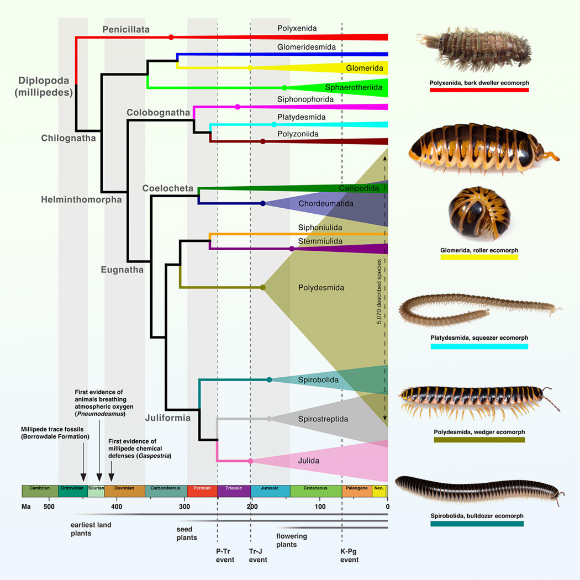
To date, 14,232 millipede species have been described, with at least as many still awaiting discovery. Image credit: Vasquez-Valverde et al., doi: 10.1016/j.cub.2026.05.035.

Two elusive groups of millipedes, Siphoniulida and Siphonocryptida, were the last missing pieces in the evolutionary history of Earth’s oldest land animals, according to a team of entomologists led by Virginia Tech.

The post Entomologists Reconstruct Evolutionary History of Millipedes appeared first on Sci.News: Breaking Science News.

  •  
❌