❌

Reading view

Belgium unveils low-cost laser-guided rocket with proximity sensor for drone hunts

Countering small drones has become as much a financial challenge as a military one. Armed forces increasingly find themselves using costly interceptors against targets that are cheap to build and easy to deploy. Thales says its newest guided rocket was developed to restore that balance.

The company has unveiled the LGR275 Proxy, a 70mm laser-guided rocket designed specifically to intercept small unmanned aerial systems. Unlike traditional air defense interceptors, the new weapon aims to bring down drones without imposing unsustainable costs on military budgets.

Designed for drone hunts

At the heart of the LGR275 Proxy is a proximity sensor designed to improve engagements against aerial targets, adding a new capability to Thales’ established 70mm guided rocket family.

Instead of relying solely on direct impact, the sensor increases the chances of neutralizing fast-moving drones by triggering the rocket at the optimal moment. Thales paired the sensor with a military-grade warhead engineered to engage smaller airborne threats.

The result is a weapon designed to strike a balance between effectiveness and affordability. Modern militaries often deploy expensive missiles against low-cost drones. That mismatch can drain inventories and stretch defense spending during prolonged operations. Thales says the LGR275 Proxy addresses that problem by offering a more economical interception option.

The rocket supports both surface-to-air and air-to-air missions, giving commanders greater flexibility in how they deploy it. Forces could integrate the system into layered defense networks to engage threats before higher-end interceptors become necessary.

Class 1 and Class 2 drones have emerged as some of the most persistent threats on contemporary battlefields. They conduct reconnaissance missions, direct artillery fire, and carry explosive payloads. Their low cost and widespread availability make them difficult to counter using traditional methods alone.

Production set to expand

Thales Belgium plans to significantly increase the output of its guided rocket family over the next several years. The company expects production capacity to triple between 2026 and 2028. It also intends to strengthen its industrial footprint to support international customers seeking faster deliveries and dependable supply chains.

The production ramp-up reflects growing global demand for counter-drone capabilities. Recent conflicts have shown how quickly drone attacks can overwhelm traditional defenses and deplete interceptor stockpiles.

For defense manufacturers, production capacity has become almost as important as technical performance. Armed forces increasingly seek suppliers that can deliver at scale while maintaining consistent quality and shorter lead times.

Part of a broader shield

The LGR275 Proxy will also reinforce SkyDefender, Thales’ multi-layered Integrated Air and Missile Defence architecture. By adding a lower-cost interception layer, the company aims to provide customers with more sustainable protection against evolving aerial threats. Layered defenses allow operators to match the right weapon to the right target rather than relying on a single interceptor type.

Alain Quevrin, Country Director for Thales Belgium and Luxembourg, said the company developed the new rocket to help nations strengthen their readiness against the expanding drone threat.

He said Thales Belgium remains a leading producer of NATO-standard rockets and noted that the planned production increase would help meet the operational requirements of armed forces facing increasingly complex security environments.


  •  

Pentagon boasts of using AI to write reports mandated by Congress

The US Department of Defense has a lot of congressionally mandated homework to do every year involving hundreds of required reports on various national security topics. But Pentagon officials have been proudly describing a new shortcut—using generative AI tools to write such reports for Congress.

Pentagon Chief Technology Officer Emil Michael highlighted AI-generated reports to Congress as a key example of how the Department of Defense—stylized as the Department of War under the Trump administration—has adopted generative AI during an event hosted by the Hudson Institute think tank in Washington, DC, on June 12. The Pentagon has made AI tools, starting with Google Cloud’s Gemini for Government, widely available to members of all six military branches through the department’s bespoke GenAI.mil platform since December 2025.

“I have to report to Congress every year on this thing,” Michael said. “Let me load all the papers onto it and have it draft me a congressional report that would otherwise take 200 hours of staffing time and do it in five hours.”

Read full article

Comments

© SAUL LOEB / AFP via Getty Images

  •  

Europe’s answer to the Tomahawk? MBDA unveils cruise missile with 600+ mile range

European missile manufacturer MBDA has unveiled a new long-range strike weapon that could significantly expand Europe’s ability to hit targets deep behind enemy lines without relying on US-made systems.

Introduced at the Eurosatory defense exhibition in Paris, the new Naval Cruise Missile–Land Cruise Missile (NCM-LCM) Mk2 combines MBDA’s combat-proven Naval Cruise Missile with a mobile ground-launch capability, creating what many analysts describe as Europe’s closest equivalent to the US Tomahawk cruise missile.

The company says the missile can strike targets at ranges exceeding 1,000 kilometers (621 miles) while maintaining precision even in heavily jammed electronic warfare environments. A first operational ground launch system is expected to become available from 2029.

Why the new missile matters

The unveiling comes as European militaries seek greater strategic autonomy and long-range strike capabilities amid growing geopolitical tensions.

Long-range cruise missiles allow militaries to destroy command centers, air-defense systems, logistics hubs, and critical infrastructure far behind enemy lines without exposing aircraft or troops to enemy defenses.

While Europe already fields air- and sea-launched deep-strike weapons such as SCALP/Storm Shadow and the Naval Cruise Missile, it has lacked a dedicated ground-launched cruise missile with comparable range and operational flexibility. The LCM Mk2 is designed to fill that gap.

Unlike conventional artillery systems, which typically reach tens or hundreds of kilometers, the new missile can engage targets more than 1,000 kilometers away, allowing commanders to project firepower across entire theaters of operation.

Built for GPS-denied warfare

One of the most significant upgrades in the Mk2 variant is its ability to operate in highly contested electronic warfare environments. Modern battlefields increasingly feature GPS jamming and spoofing systems designed to disrupt precision-guided weapons. Rather than relying solely on satellite navigation, the NCM-LCM uses multiple guidance methods.

The missile uses a combination of inertial navigation, terrain-reference navigation, satellite positioning, and an imaging infrared seeker. In the terminal phase of flight, the seeker compares the target area against stored reference imagery, helping maintain precision even when satellite navigation signals are degraded or unavailable.

This multi-layered approach allows the weapon to maintain accuracy even in GPS-denied environments. MBDA has also equipped the Mk2 with a new-generation anti-jamming system, upgraded avionics, and enhanced mission electronics designed for high-intensity conflict scenarios.

How the missile survives enemy defenses

Unlike hypersonic weapons that rely on extreme speed, the NCM-LCM survives by remaining difficult to detect.

The missile flies at low altitude, closely following terrain features such as hills, valleys, and coastlines to remain below enemy radar coverage. MBDA says the Mk2’s redesigned nose section and updated electronics allow even lower-altitude flight, further improving survivability.

The missile also incorporates stealth features that reduce its radar signature, making interception more difficult. MBDA has also showcased a complementary concept known as Deluge, a low-cost expendable drone designed to saturate enemy air-defense networks and create opportunities for long-range missiles to penetrate contested airspace.

A mobile launcher designed to disappear

The land-based version is designed for rapid deployment and survivability. According to MBDA, a launcher vehicle can move into an unprepared location, deploy, and have four missiles ready to fire in under 15 minutes. Once launched, the battery can relocate before enemy forces identify its position. 

This “shoot-and-scoot” capability has become increasingly important in modern conflicts, where drones and counter-battery systems can rapidly detect and target static launch sites. The company also notes that the missile can be integrated into synchronized multi-domain strike operations, enabling launches from ships, submarines, and ground batteries to coordinate attacks on the same set of targets.

NCM-LCM Mk2 signals Europe’s growing ambition to field sovereign long-range strike systems capable of operating in the highly contested battlefields of the future.

  •  

The robot takeover of warfare is already happening and it doesn’t look like Hollywood

Will AI robot soldiers take over the battlefield? If your image of a robot soldier comes from The Terminator, the answer is probably no. If your image is a swarm of AI-guided drones, autonomous ground vehicles, robotic tanks, and software making battlefield decisions faster than humans ever could, then the answer is that it is already happening.

There is no doubt that warfare in our times is increasingly becoming a contest between machines. The war in Ukraine has demonstrated this more clearly than any conflict in history. Millions of drones are now being produced annually by both Ukraine and Russia, transforming reconnaissance, logistics, artillery spotting, and strike missions. 

Unmanned systems already outnumber human combatants in active zones like Ukraine, where tens of thousands of drones and autonomous platforms are deployed. While this conflict points to a future in which sensors, drones, and weapons are integrated into unified, AI-assisted networks, the US-Israel war on Iran highlights a the economic reality of modern warfare. 

Cheap drones and missiles costing tens of thousands of dollars have repeatedly forced defenders to launch interceptors worth hundreds of thousands, or even millions, of dollars, proving that future conflicts may be determined as much by cost-exchange ratios as by technological superiority.

The robot takeover has already begun

The first generation of battlefield robots does not look human. Instead, it looks like first-person-view drones carrying explosives, autonomous reconnaissance aircraft, robotic ground vehicles delivering ammunition, and uncrewed boats attacking warships.

In April, Ukraine announced that one operation to capture a Russian position was conducted entirely using unmanned systems, including aerial drones and robotic ground vehicles, without direct human assault troops. While humans still planned and supervised the mission, the operation offered a glimpse into how future battles may unfold.

This is where military investment is currently focused. The United States, China, Russia, Ukraine, and many NATO countries are developing autonomous aircraft, robotic vehicles, uncrewed submarines, and AI-powered targeting systems designed to reduce risk to soldiers while increasing battlefield effectiveness.

What about humanoid robot soldiers?

That future remains much further away. One of the most closely watched examples is the Phantom MK-1, a humanoid robot developed by the US company Foundation. In early 2026, two units were sent to Ukraine for battlefield evaluation, primarily for reconnaissance and logistics missions. The deployment marked one of the first known attempts to test a humanoid robot in an active war zone. But the tests also highlighted the technology’s limitations.

The Phantom MK-1 can carry only modest payloads, has limited battery endurance, and still struggles with many tasks humans perform effortlessly. Reports from the Ukrainian trials suggest the robots were mainly useful for logistics and support missions rather than combat.

Even Foundation’s leadership argues that humanoid robots are more likely to serve as a first line of defense, reconnaissance platform, or force-protection system than as replacements for infantry soldiers. The company’s philosophy is simple: “Don’t send a human where you can send a robot first.”

Why do humanoids still struggle

The problem is that battlefields are among the most demanding environments imaginable. A humanoid robot must walk over rubble, mud, snow, trenches, stairs, and debris. It must manipulate unfamiliar objects, survive electronic warfare, operate for hours without recharging, and make decisions in rapidly changing environments.

Robots may need to master household chores before they master warfare. Folding laundry, loading dishwashers, cleaning kitchens, and navigating cluttered homes require many of the same perception, manipulation, and reasoning capabilities that would eventually allow robots to operate independently on a battlefield.

That is one reason why companies such as Tesla, Figure, Agility Robotics, and Unitree continue to focus heavily on factories, warehouses, and logistics operations rather than combat applications.

The real future of AI warfare

The future battlefield is unlikely to be dominated by armies of humanoid robots carrying rifles. Instead, it will probably consist of human soldiers working alongside large numbers of autonomous systems. AI software will process intelligence, drones will conduct surveillance and strikes, robotic vehicles will handle dangerous missions, and uncrewed platforms will increasingly take on tasks once assigned to humans.

The biggest transformation may not be robotic bodies at all. It may be AI becoming the invisible operating system behind military decision-making. In other words, robot soldiers are coming. They just may not look anything like the ones in Hollywood movies.

  •  

China’s neighbor tests 2-layer ballistic missile defense shield for nuclear threats

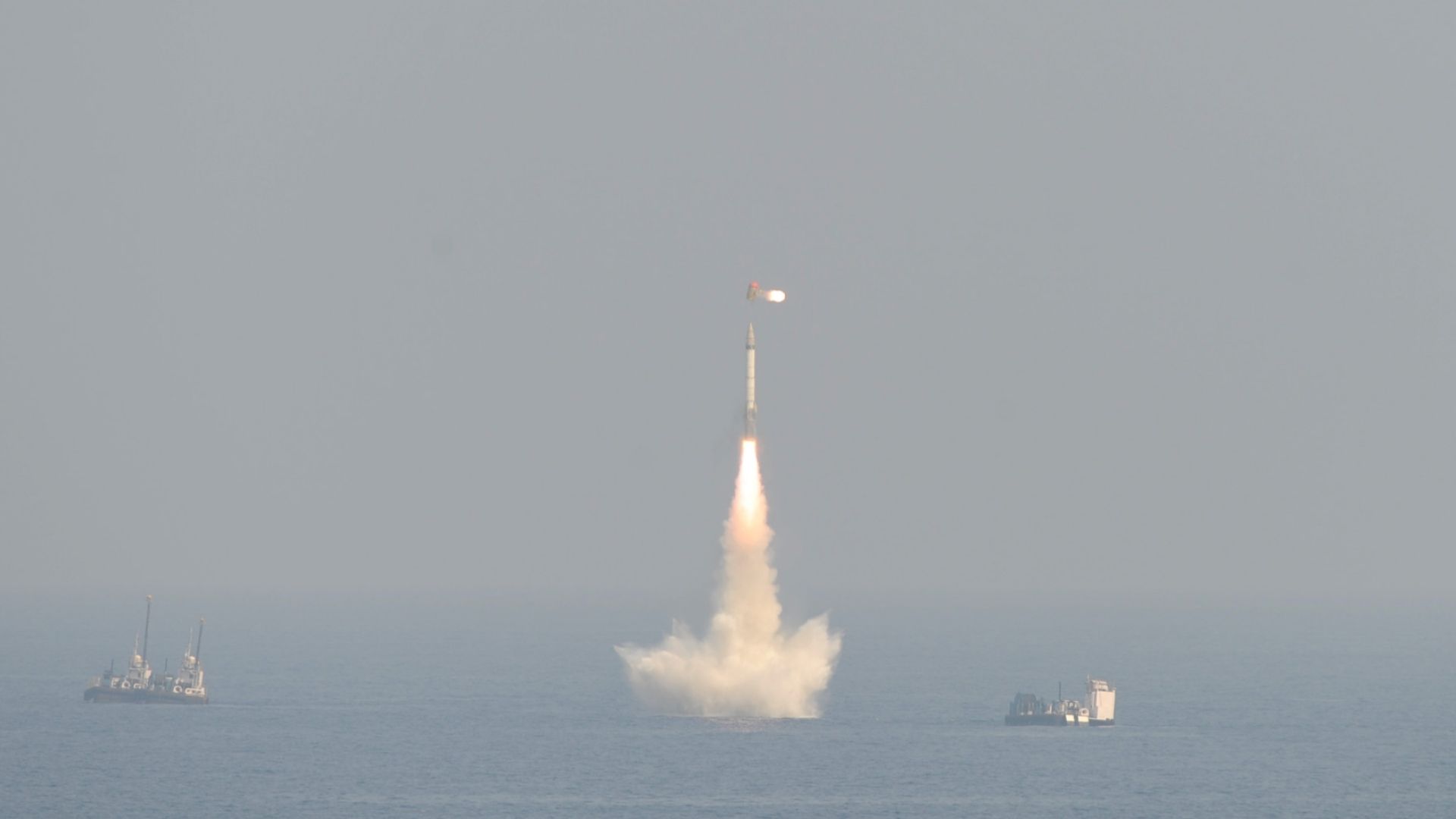
India’s Defence Research and Development Organisation (DRDO) has completed three back-to-back flight tests of its Phase 2 Ballistic Missile Defence (BMD) system, marking a major step in the country’s effort to build a credible multi-layered missile shield.

The trials were carried out on June 10 and 11 and saw interceptors destroy targets in both the endo-atmospheric and exo-atmospheric regions.

In simpler terms, the system demonstrated its ability to engage incoming missile threats both within Earth’s atmosphere and outside it.

The Phase 2 shield is designed to counter faster and longer-range ballistic missiles than the earlier version of the program. It is also expected to eventually scale up toward intercepting intercontinental ballistic missile threats.

“The interceptors successfully engaged their respective targets. The systems are designed and developed with the latest technologies to address the emerging missile threats,” the ministry stated.

“These tests have put the country in the elite group of nations having BMD capability to engage up to Intercontinental Ballistic Missiles.”

Designed for longer-range threats

The Phase 2 system includes two interceptors, AD-1 and AD-2, which are meant to destroy ballistic missile threats during different phases of flight. The system is network-centric, relying on launchers, long-range radars, launch control centers, and a mission control center.

While the Ministry of Defense said the system can engage threats up to the ICBM class, the latest demonstrations reportedly involved targets in the 2,000 to 5,000-kilometer range.

Missiles in this range are generally classified as intermediate-range ballistic missiles, while ICBMs are usually defined as missiles with ranges above 5,500 kilometers.

The trials still represent a significant step up from the earlier Phase 1 system, which was developed to defend against shorter-range ballistic missile threats.

Two decades in the making

India’s BMD program began in the late 1990s, after Pakistan’s 1998 nuclear tests. Its first major success came in 2006, when a Prithvi-II ballistic missile target was intercepted in an endo-atmospheric test at an altitude of around 48 kilometers.

Phase 1 of the missile shield was completed in 2019 and was designed to protect key cities such as Delhi and Mumbai.

It used the Prithvi Defense Vehicle for high-altitude interception and the Advanced Air Defense interceptor for lower-altitude engagements.

Phase 3 eyes hypersonic weapons

DRDO is already working on the next stage of the program. Phase 3 is expected to focus on more complex threats, including hypersonic glide vehicles and missiles carrying Multiple Independently Targetable Re-entry Vehicles, or MIRVs.

Hypersonic glide vehicles are especially difficult to intercept because they travel above Mach 5 and can maneuver during flight. MIRV-equipped missiles pose another challenge because a single missile can release multiple warheads aimed at different targets.

The next-generation interceptors, reportedly designated AD-AH and AD-AM, are still at an early conceptual stage, with flight testing yet to begin.

The latest BMD trials come as China continues to field advanced missile systems and Pakistan develops longer-range and MIRV-capable weapons. For New Delhi, the tests mark another step toward a more advanced defensive shield against evolving missile threats.

  •  

New Archimedes laser weapon system for low-cost drone kill trialed for Pentagon

US firm Aurelius Systems has completed live testing of its Archimedes autonomous directed-energy system for the Pentagon, demonstrating the laser weapon’s ability to counter unmanned aerial system threats in a live exercise.

The test was held at Camp Atterbury in Indiana and formed part of a broader evaluation effort involving nearly 60 platforms being assessed for their potential to improve warfighter protection, operational effectiveness, and next-generation defense capabilities.

During the exercise, Archimedes engaged more than 20 quadcopter drones and five U.S. Army-supplied unmanned aerial systems. According to the company, the event marked the first time the system was tested against military-provided targets.

Laser tested against army drones

The California-based defense firm said Archimedes successfully neutralized the simulated aerial threats during the demonstration.

The result, it said, validated the system’s readiness as a counter-drone tool at a time when small unmanned aircraft are becoming a growing concern for military bases, frontline units, and critical infrastructure.

The live test also showed the system’s ability to autonomously detect, identify, track, and defeat drone threats without relying on traditional missile-based interceptors.

“Archimedes proved that autonomous directed energy systems are ready to play a meaningful role in modern air defense operations,” said Michael LaFramboise, CEO of Aurelius Systems.

Built for Group 1 and 2 UAS

Archimedes is designed to counter Group 1 and Group 2 unmanned aerial systems.

These include smaller drones and UAS platforms weighing up to 1,320 pounds (599 kilograms), with speeds of up to 250 knots, or around 288 miles per hour (463 kilometers per hour).

The system combines high-energy laser output with advanced sensing technology, allowing it to repeatedly engage targets at ranges beyond 1,000 meters, or about 3,281 feet.

Unlike missile interceptors, which can be expensive and limited by magazine depth, directed-energy systems offer a different approach.

They use concentrated energy to disable or destroy threats and can potentially deliver multiple shots at a much lower cost per engagement.

That cost advantage is becoming increasingly important as relatively cheap drones are being used in large numbers across modern battlefields.

Low-cost air defense option

Aurelius Systems has positioned Archimedes as a compact, scalable counter-UAS system that can support force protection missions.

The company says the platform offers low size, weight, power, and cost characteristics, making it easier to deploy than larger air defense systems.

“The ability to autonomously acquire, identify, track, and defeat aerial threats in a compact, [low size, weight, power, and cost] platform at a significantly lower cost than traditional systems provides America with a powerful new option for protecting military forces,” La Framboise said.

The demonstration comes as the Pentagon continues to search for faster, cheaper, and more sustainable ways to defeat drones.

Small UAS threats can be difficult to detect and expensive to counter with conventional weapons, especially when launched in swarms or used repeatedly.

With its latest live test, Archimedes has now shown that it can operate against both commercial-style quadcopters and Army-supplied targets, giving Aurelius Systems a stronger case for the laser weapon’s role in future layered air defense.

  •  

US Army backs General Atomics’ artillery shell that can strike targets 74 miles away

The US Army has awarded General Atomics Electromagnetic Systems (GA-EMS) a contract to advance a next-generation 155 mm artillery projectile capable of hitting targets at significantly greater distances than conventional shells while maintaining accuracy even when GPS signals are unavailable.

The award falls under the Army’s Extended Range Artillery Projectile (ERAP) program, an effort to develop a new class of long-range precision munitions that could dramatically increase the reach of existing artillery systems. 

According to General Atomics, the project will fund a series of flight demonstrations to validate the projectile’s performance before the Army moves toward achieving initial operational capability by fiscal year 2030.

The announcement follows earlier testing that demonstrated the munition’s potential. During trials conducted at Yuma Proving Ground in Arizona, a version of the projectile successfully struck targets more than 74 miles (119 kilometers) away after being fired from an M777 howitzer, far beyond the range of standard 155 mm artillery rounds.

Extending artillery range without rockets

One of the most notable aspects of the GA-EMS design is its ability it achieve extended range without relying on rocket assistance. Most modern long-range artillery rounds use rocket motors to extend their reach after launch. General Atomics has instead developed a glide-based approach that employs deployable wings and advanced aerodynamic design to travel farther while remaining compatible with existing artillery systems.

According to the company, the projectile can be fired from legacy cannons and loaders already in service, potentially allowing the Army to increase battlefield range without replacing large portions of its artillery fleet.

The design also incorporates redundant guidance systems and maneuvering capabilities. Unlike conventional artillery shells that largely follow a fixed ballistic trajectory, maneuvering projectiles can alter their course during flight, improving accuracy and increasing survivability against countermeasures.

Designed for GPS-denied battlefields

Future conflicts may occur in environments where satellite navigation systems are degraded, jammed, or entirely unavailable. The new projectile must retain the ability to engage targets even when GPS signals cannot be used. General Atomics says its munition includes advanced guidance technologies designed to maintain precision under those conditions.

That capability is becoming increasingly important as high-tech electronic warfare systems have the ability to disrupt navigation, communications, and targeting networks across large areas of the battlefield.

According to reports, the Army’s 2024 ERAP solicitation stated that future projectiles should be capable of engaging a broad range of targets, including infantry fighting vehicles, self-propelled artillery, multiple-launch rocket systems, air defense systems, main battle tanks, and even maritime targets.

Significance and broader push of long-range artillery   

Over the past decade, the service has invested heavily in programs designed to increase the range of cannon artillery, missiles, and hypersonic weapons. The goal is to allow US forces to strike targets from greater distances while reducing exposure to enemy fire.

General Atomics has also attracted interest from other branches of the military. In late 2024, the US Navy selected the company to continue development of a maritime version of the projectile, highlighting the technology’s potential beyond traditional land warfare.

  •  

U.S. Army transforms Alaska cavalry unit into airborne mobile assault force

In a major structural realignment aimed at maximizing rapid deployment capabilities, the United States Army has officially converted a key cold-weather cavalry unit into a dedicated airborne assault force.

The strategic transition, executed within the 11th Airborne Division based in Alaska, shifts the unit’s operational focus from ground-based reconnaissance to high-mobility vertical insertions.

This pivot is specifically designed to project power across two highly challenging environments: the frozen terrain of the Arctic and the sprawling, island-dotted waters of the Indo-Pacific region.

The restructuring centers on the inactivation of the 1st Squadron, 40th Cavalry Regiment, a unit long trained in specialized cold-weather scouting and ground reconnaissance. In its place, the Army has activated the 3rd Battalion, 509th Infantry Regiment.

While the personnel remain stationed in the critical sub-Arctic theater, their core tactical mandate has been completely overhauled, turning them into a light, paratrooper-driven infantry asset that can be air-dropped into austere locations at a moment’s notice.

Shifting focus to vertical mobility

Traditional cavalry units rely heavily on ground vehicles, such as light armored transports and tactical trucks, to scout ahead of main forces and screen large geographic sectors. However, the unique geography of the Arctic—defined by extreme permafrost, shifting mountain ranges, and a lack of developed road infrastructure—frequently limits the mobility of heavy wheeled or tracked vehicles.

Similarly, the Indo-Pacific theater demands a force that can bypass vast oceanic stretches to quickly seize isolated airfields or secure contested coastal bridgeheads.

By transitioning into an airborne light infantry configuration, the battalion eliminates its dependence on heavy ground transport. The unit can now pack its entire operational footprint into long-range military transport aircraft, allowing forces to deploy via parachute directly onto objectives.

This vertical mobility ensures that the 11th Airborne Division can insert a combat-ready force into remote regions without roads, providing commanders with a rapid-response option for sudden regional crises.

Strategic alignment and global readiness

The re-designation is more than a change in naming conventions; it represents a comprehensive overhaul of the unit’s training pipeline and logistics. The transformed battalion will undergo rigorous airborne qualification cycles, focusing on cold-weather parachute operations and small-unit tactics tailored for high-altitude or sub-zero environments.

This specialized preparation ensures that the soldiers can operate effectively immediately after landing, maintaining structural cohesion despite harsh environmental stressors.

Military leadership noted that this transformation directly aligns with the broader defense strategy of maintaining a highly agile, lethal force capable of multi-domain operations. As global interests intensify across both the Arctic shipping lanes and Indo-Pacific maritime borders, the availability of a modernized, air-droppable infantry unit based in Alaska bridges a critical logistical gap.

The successful activation of the 3rd Battalion, 509th Infantry Regiment establishes a flexible, highly scalable framework for projecting American military readiness into the world’s most isolated geographic corridors.

  •  

France’s next nuclear missile will fly at hypersonic speeds, launch from Rafale F5 jets

France is moving forward with its next-generation nuclear cruise missile, taking a big step in modernizing its airborne nuclear deterrent. The country’s defense procurement agency recently announced it had given MBDA a contract to develop the ASN4G hypersonic missile. This new weapon is expected to enter service around 2035 and will replace the current ASMPA-R missile.

This announcement comes after the Direction générale de l’armement (DGA) formally notified the framework agreement and development contract on June 2. The program is now moving from years of research and concept studies to full-scale development.

France advances next-generation nuclear missile

The Air-Sol Nucléaire de 4ème Génération, or ASN4G, will be the next airborne nuclear strike weapon for the French armed forces. MBDA, a European missile manufacturer, is developing the missile as a key part of France’s long-term defense modernization plans in the 2024-2030 military programming law.

MBDA is owned by Airbus, BAE Systems, and Leonardo. The company has worked for years with France’s national aerospace research center, ONERA, to study possible designs for the new weapon.

The ASN4G is meant to replace the ASMPA-R, the latest version of France’s nuclear-capable air-launched cruise missile. Although the ASMPA-R is still in use, defense planners have been preparing for its replacement as air defense systems worldwide improve.

According to the DGA, the new missile’s high speed will help keep France’s airborne nuclear deterrent effective and credible as threats become more advanced. The agency called the program a major technological leap that depends on specialized industrial skills found in only a few countries.

[#Programme 🚀] La DGA commande le développement du missile hypersonique ASN4G à MBDA

La DGA a notifié, le 2 juin 2026 à @MBDAGroup, l’accord cadre de réalisation et le marché de développement du missile Air-Sol nucléaire de quatrième génération #ASN4G ⤵ pic.twitter.com/4kRTzdNOh1

— Direction générale de l'armement 🇫🇷 (@DGA) June 12, 2026

Hypersonic approach selected after years of studies

French researchers evaluated two competing concepts before selecting the final direction for the ASN4G program. One idea was a stealthy ramjet-powered missile designed to be less detectable by radar. The other focused on hypersonic speed and advanced maneuverability. After many studies, the hypersonic option was chosen.

MBDA previously explained that extreme speed combined with the ability to maneuver in flight gives important advantages. These features can shorten warning times, make radar tracking more difficult, and make it harder for enemy air defenses to intercept the missile.

While the official details are still classified, defense experts think the ASN4G will use scramjet propulsion. It is also expected to fly much faster than the ASMPA-R, which can reach about Mach 3 and has a range of around 311 miles (500 kilometers).

The DGA also shared a new image related to the Thémis technology demonstrator. The picture showed a winged vehicle rising into the air with the help of two booster rockets. However, officials did not say when or where the test took place, and details about the Thémis program remain limited.

Conformément à la loi de programmation militaire, la DGA travaille à la modernisation de la composante nucléaire aéroportée

➡ Le missile ASN4G remplacera le missile ASMPA rénové actuellement en service

— Direction générale de l'armement 🇫🇷 (@DGA) June 12, 2026

Rafale F5 to carry the new hypersonic weapon

The ASN4G is being developed together with the future Rafale F5 fighter, which is expected to enter service around 2030.

France chose to fund the Rafale F5 program on its own after talks about sharing costs with the United Arab Emirates ended in December 2025.

When it becomes operational, the missile will be used by both branches of France’s airborne nuclear force. These are the Forces Aériennes Stratégiques (FAS), which is the nuclear part of the French Air and Space Force, and the Force Aéronavale Nucléaire (FANu), which flies Rafale M fighters from the aircraft carrier Charles de Gaulle.

Nuclear deterrence gains greater strategic role

The ASN4G contract comes as France is placing greater emphasis on the airborne component of its nuclear deterrent strategy.

On March 2, 2026, President Emmanuel Macron announced a new deterrence plan that could see nuclear-capable Rafale aircraft deployed to allied bases across Europe. This idea shows France’s growing concern about regional security and the need for a more flexible deterrence approach.

France is also growing its nuclear aviation force. The FAS plans to double its number of nuclear-capable squadrons by 2035, aided by the return of a nuclear mission at Luxeuil Air Base.

  •  

US Air Force B-52 bomber crashes after takeoff, shutting down Edwards airfield

A US Air Force B-52 Stratofortress crashed shortly after takeoff from Edwards Air Force Base in Southern California on Monday, sending a towering plume of black smoke over the desert installation and triggering a large-scale emergency response.

The bomber went down at about 11:20 a.m. local time at the base, located roughly 100 miles northeast of Los Angeles in the Mojave Desert. Officials have not said how many people were aboard the aircraft or whether anyone survived.

Video captured by local news helicopters showed smoke continuing to rise from the crash site hours later. The area near the runway appeared heavily scorched, with blackened ground marking the impact zone. Few recognizable pieces of the aircraft could be seen from the air. The cause of the crash remains unknown.

Emergency response continues

Edwards Air Force Base said emergency crews rushed to the scene immediately after the aircraft went down. In an initial statement, the base said the situation remained ongoing and that additional details would be released as they became available.

🇺🇸 A US Air Force B-52 bomber crashed shortly after takeoff from Edwards Air Force Base in California. pic.twitter.com/G56SEDLkkS

— PAryan 8🪽8 (@RebelGoy88) June 15, 2026

Officials later posted an update on X, saying the installation had shut down its airfield while first responders carried out rescue and recovery operations. Aircraft headed to Edwards were diverted elsewhere, and the base suspended all non-commercial visitor passes until further notice.

Update- 12:48 PDT: The airfield has been closed, and all inbound aircraft are being diverted.

All non-commercial visitor passes have been suspended until further notice to allow the installation to focus entirely on emergency response operations.

— Edwards Air Force Base (@EdwardsAFB) June 15, 2026

A spokesperson for the installation declined to provide additional details from local media as authorities focused on the response effort. Investigators are expected to examine the wreckage, maintenance history, and flight information to determine what led to the accident.

Questions surround crew

The Air Force has not identified the crew members involved or disclosed their condition. The B-52H typically operates with a five-person crew consisting of pilots and specialized officers responsible for navigation and electronic warfare duties.

As news of the crash spread, lawmakers offered support to those affected. Rep. Jay Obernolte, whose district includes Edwards Air Force Base, said he and his wife were praying for everyone involved, including the crew, their families and the first responders working at the scene. Rep. Lisa McClain also expressed support, saying her prayers were with those impacted by the crash.

My prayers are with everyone involved in the B-52 crash at Edwards Air Force Base this afternoon. Thank you to the emergency crews responding right now. Our service members carry the weight of this nation’s defense every single day. We are with them.

— Chairwoman Lisa McClain (@RepLisaMcClain) June 15, 2026

Aging bomber fleet

The B-52 Stratofortress first entered service in the 1950s and remains one of the oldest aircraft still flying in the US military inventory. The Air Force currently operates 76 B-52H bombers. Despite their age, the aircraft continue to fly operational missions and have undergone repeated modernization efforts.

Monday’s incident marks the most serious B-52 accident in years. The last fatal crash involving the bomber occurred in 2008, when six Air Force personnel died after a B-52 crashed near Guam during preparations for a ceremonial flyover.

Boeing stopped building the aircraft in 1962, meaning the Air Force can no longer replace lost bombers with newly manufactured airframes. For now, investigators remain focused on the immediate task of understanding what happened at Edwards Air Force Base and determining the fate of those aboard the aircraft.

  •  

Gilat to buy Comtech satcoms business six years after failed merger

Gilat VSAT - Optus SC 4

Israel’s Gilat Satellite Networks plans to expand its defense capabilities by acquiring most of Comtech’s space-related communications business, six years after the U.S. company’s own takeover bid collapsed.

The post Gilat to buy Comtech satcoms business six years after failed merger appeared first on SpaceNews.

  •  

New sub-450-gram mini drone system sustains autonomous surveillance despite GPS jamming

As armies look for ways to keep soldiers under armor while maintaining constant awareness of the battlefield, Teledyne FLIR Defense has introduced a micro-drone system designed to do both.

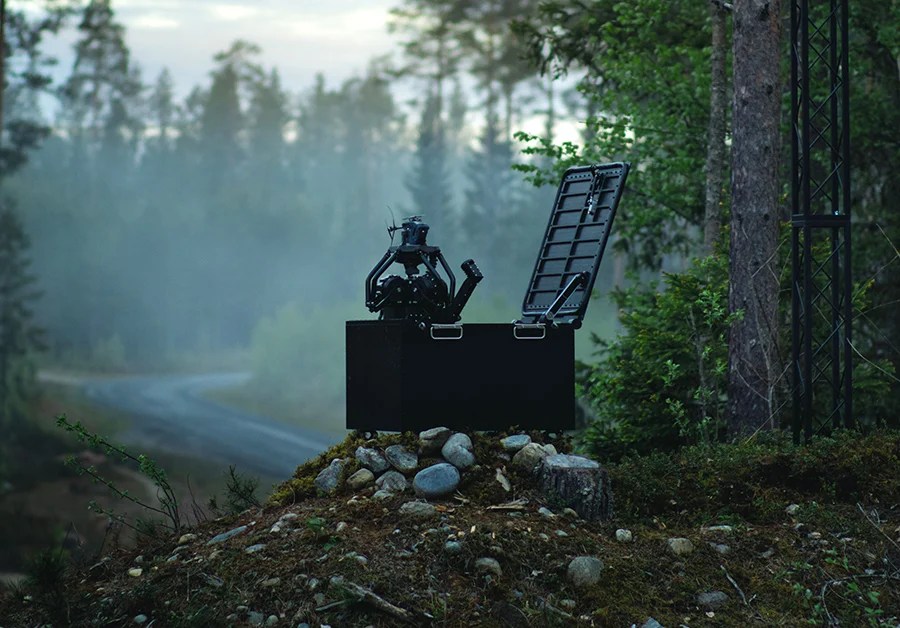
Unveiled at the Eurosatory defense exhibition in Paris, the Black Recon system enables troops to send out small reconnaissance drones from military vehicles and fixed installations while remaining under protection. The same platform retrieves the aircraft after each mission and prepares them for their next deployment.

The launch reflects a broader shift in military technology. Armed forces increasingly want autonomous systems that can shorten decision cycles, extend reconnaissance beyond line of sight, and continue operating in electronic warfare environments where GPS signals and communications links face disruption.

Keeping troops protected

At the center of Black Recon is a docking station that houses and supports up to three micro-unmanned aircraft. Rather than relying on a single drone and human operators in the field, the system cycles aircraft through missions. One drone can conduct reconnaissance while another recharges, creating what Teledyne describes as near-continuous intelligence, surveillance and reconnaissance coverage.

Each aircraft launches autonomously, carries out reconnaissance and target acquisition tasks, then returns to the vehicle or installation for capture and recharging before the next sortie begins. The approach could prove particularly valuable for mechanized units operating in contested environments where even brief exposure outside a vehicle carries risk.

“Black Recon represents a major step forward in integrated reconnaissance for ground forces,” said Dr. JihFen Lei, president of Teledyne Defense and Aerospace Group and senior vice president of Teledyne Technologies.

Lei said integrating launch, recovery, and recharging capabilities directly into military platforms gives operators persistent situational awareness while speeding access to intelligence and improving force protection during fast-moving operations.

Built for contested skies

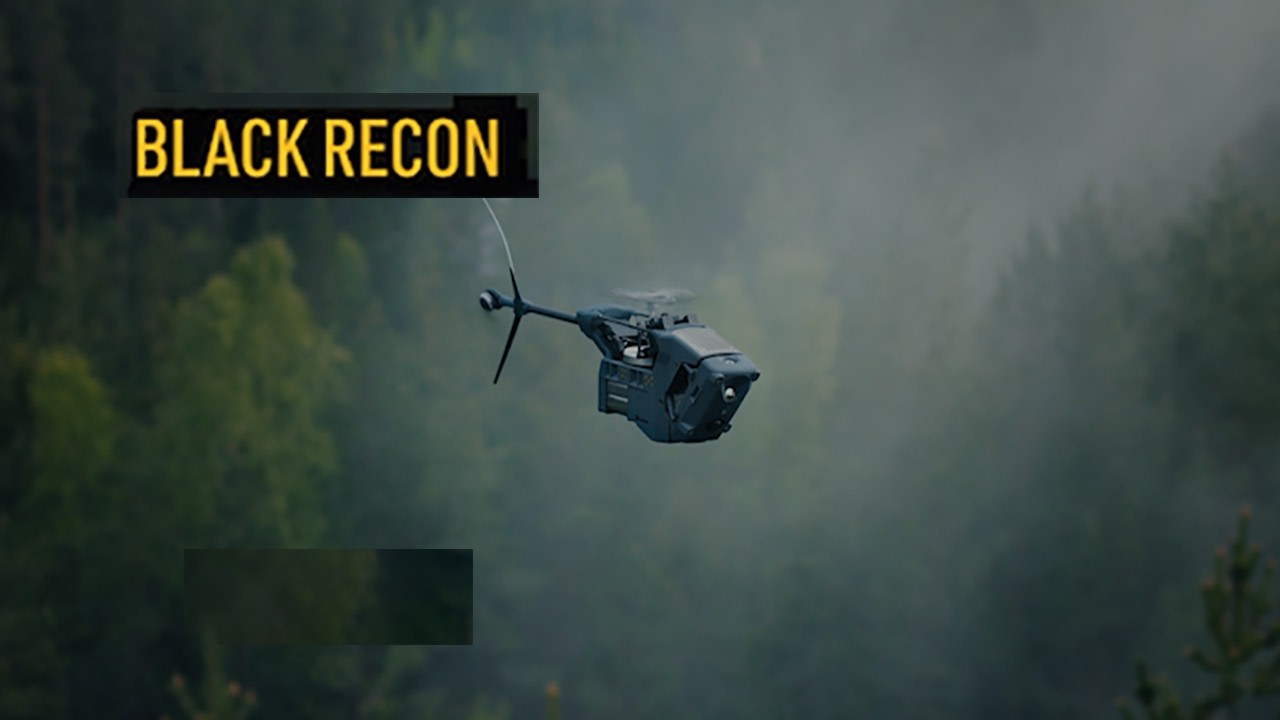
The system was designed specifically for mounted operations instead of being repurposed from equipment meant for troops on foot. Teledyne said each drone weighs less than 450 grams and can stay aloft for about 50 to 60 minutes. The aircraft can also travel at speeds of up to 25 meters per second, extending surveillance beyond traditional engagement ranges.

Black Recon mini-drone system swapping. Credit – Teledyne FLIR Defense

Black Recon also targets one of modern warfare’s growing challenges: operating in electronically contested environments. The company said the drones can continue missions in GPS-denied conditions using advanced sensors and visual navigation systems. Visual inertial navigation also enables radio-silent operations without depending entirely on traditional radio-frequency links.

Additional capabilities include onboard relay functions to extend communications coverage and compatibility with the Black Hornet 4 nano-drone, which is already in service with several military customers.

The company also said the system can support thermal and visible imaging payloads, providing troops with real-time imagery and targeting data during operations.

Beyond reconnaissance missions

Although Teledyne developed Black Recon with military users in mind, the company said the technology could eventually support public safety missions, including border security, critical infrastructure monitoring and maritime patrol operations.

The platform’s modular design also leaves room for future payloads. Planned additions include chemical, biological, radiological, and nuclear detection sensors, as well as lethality modules that could expand the system’s role beyond surveillance.

Black Recon is available for order now, with customer deliveries expected to begin in 2027. The launch comes as defense companies race to develop autonomous systems capable of maintaining battlefield awareness while reducing the burden and risk placed on human operators.

💾

Teledyne FLIR unveils Black Recon micro-drone system, which lets vehicles deploy, recover, and recharge compact UAVs without exposing crews.
  •  

US and European firms test autonomous strike technology for future cruise missiles

Shield AI and Destinus have completed a flight test exercise demonstrating autonomous collaborative strike capabilities from an interceptor drone system, named Hornet.

Hornet is designed and manufactured by Destinus, a European defense technology company. It is a multi-role autonomous platform capable of counter-unmanned aircraft system, strike, reconnaissance, and data relay missions. It can also be integrated into the existing multi layered air-defense architecture for protecting forward bases and critical infrastructure from kamikaze drone swarms. Hornet can operate in GPS denied environments, has a minimum range of 75 km (46.6 miles) and can carry a payload of 1.5 kg (3.3 pounds).

According to the company the Hornet serves as an initial integration baseline for Shield AI’s Hivemind AI pilot across the Destinus product line. The company’s product line of unmanned aircraft systems and cruise missiles is based on a common architecture which facilitates cross platform integration. The integration also serves as a technical risk reduction measure.

Tim Moser, chief technology officer at Destinus, said: “Destinus platforms operate on our own flight control architecture, and Hivemind validated that we can integrate third-party autonomy without surrendering system design authority.”

What the exercise involved

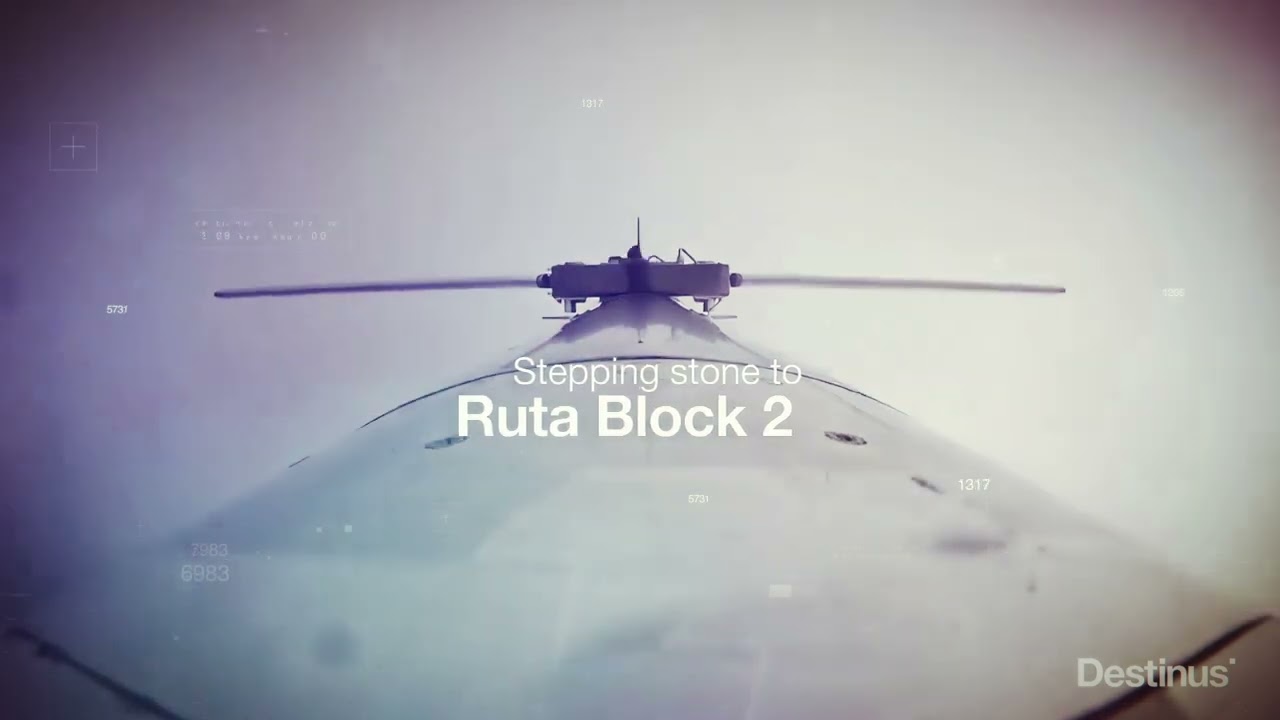
The main aim of the full mission flight test is to facilitate the integration of Hivemind with Ruta cruise missile. The missile is intended for precision strike against hardened and high-value military targets. It will be fielded in two blocks with iterative capability enhancements in range and payload. The missile will be capable of flying low-altitude terrain-following flight trajectories and can operate in GPS denied and contested electronic warfare environments.

The flight test covered the complete mission sequence akin to the Ruta’s operational engagement. It included autonomy-assisted mission planning via ground control station, radio testing, autonomous terrain following, in-flight target updates, and autonomous terminal maneuver execution on operator command.

Previously, the company has also carried out tests demonstrating an inflight teaming of Hornet with Shield AI’s V-BAT UAS. In these tests, the V-BAT served as a communications relay between the ground station and multiple Destinus Hornet interceptor drones.

How Hivemind functions in a teaming role

Shield AI’s Hivemind AI pilot is a platform agnostic autonomy software. It enables platforms to sense, decide, and act independently, within operator-defined parameters under established command authority. It can dynamically reroutes mission plans, responds to unexpected conditions, avoids obstacles, and executes complex tasks.

In a teaming context, individual aircraft running Hivemind communicate peer-to-peer to distribute situational awareness and coordinate maneuvers to lessen reliance on a ground control station. The architecture is intended to preserve mission continuity even when datalinks are jammed or severed.

Destinus intends to transition these capabilities via the Ruta platform to Ukraine. This will enable the coordinated strike behaviors between V-BAT and multiple Ruta systems to be tested in a combat environment.

💾

Destinus intends to transition the autonomous strike and teaming capabilities via the Ruta platform to Ukraine.
  •  

Hanwha Ocean to Build Six KDDX Destroyers Featuring AESA Radar, VLS, and IEP Options

South Korea has formally advanced its Korea Destroyer eXperimental (KDDX) program by designating Hanwha Ocean as the prime contractor for the construction of six next-generation destroyers, according to reports.

The move signals a concrete step in Seoul’s broader naval modernization effort, aimed at replacing aging KDX-I class frigates that have been in service since the late 1990s.

Program architecture and Hanwha Ocean’s role

Hanwha Ocean, formerly known as Daewoo Shipbuilding and Marine Engineering (DSME) before its acquisition by the Hanwha Group in 2023, will serve as the lead shipbuilder for the KDDX fleet.

The company brings substantial warship construction experience, having previously built KDX-II Chungmugong Yi Sun-sin-class and KDX-III Sejong the Great-class destroyers for the Republic of Korea Navy (ROKN).

The KDDX is designed as a roughly 6,000-ton displacement vessel — placing it between a conventional frigate and a full destroyer — optimized for multi-domain operations covering anti-surface warfare (ASuW), anti-submarine warfare (ASW), and anti-air warfare (AAW).

The design incorporates an integrated mast architecture that consolidates radar, electronic warfare, and communications systems into a single structure to reduce radar cross-section.

Propulsion and combat systems specifications

The KDDX is expected to adopt a combined diesel and gas (CODAG) or integrated electric propulsion (IEP) system, with final propulsion architecture still subject to program refinement. The ship’s combat management system is slated for domestic development, consistent with South Korea’s stated goal of reducing dependence on foreign defense electronics.

The vertical launch system (VLS) configuration will likely accommodate the domestic Hyunmoo cruise missile family alongside the Korean Air and Missile Defense (KAMD) interceptors.

The radar suite is anticipated to include an Active Electronically Scanned Array (AESA) system, developed in collaboration with LIG Nex1, which has been involved in previous Korean naval electronics programs. Integration of a domestically produced 127mm naval gun is also under consideration, though supplier finalization remains pending.

Industrial and procurement timeline

The six-ship order represents a significant production run by regional standards. South Korea’s Defense Acquisition Program Administration (DAPA) has been managing requirements definition, and the program has faced iterative delays tied to technology readiness levels for some onboard systems.

Full-rate production is expected to extend through the mid-2030s, with the lead vessel delivery targeted within the current decade pending contract finalization.

From an industrial standpoint, the contract reinforces Hanwha Ocean’s position in the domestic naval shipbuilding sector following its competition against HD Hyundai Heavy Industries, which builds the existing Sejong the Great-class Aegis destroyers.

The award consolidates naval surface combatant work at a single yard, which carries both efficiency benefits and supply chain concentration risks if production bottlenecks emerge.

Operational context and regional calculus

The KDDX program does not operate in isolation. The ROKN is simultaneously pursuing the KDX-III Batch II Aegis destroyer and expanding its submarine fleet under the KSS-III program. Sustaining parallel major acquisition tracks places pressure on defense budgets and domestic industrial bandwidth.

Questions remain about whether Korea’s shipyards can absorb concurrent destroyer, submarine, and future light aircraft carrier workloads without schedule compression on any individual program.

For engineers and defense analysts tracking South Korea’s evolving naval engineering programs, the KDDX contract award with Hanwha Ocean represents a procurement decision with tangible technical and strategic consequences that will play out across the next decade of ROKN fleet development.

  •  

US defense firm unveils 22-pound backpackable robot for bomb disposal teams

American defense firm AeroVironment (AV) has introduced the TOM 50 RE, a lightweight, backpackable uncrewed ground vehicle (UGV) designed for rapid deployment in complex and contested environments.

Developed by its subsidiary Telerob, the system was unveiled at Eurosatory 2026 in Paris. Weighing under 10 kilograms (22 pounds), the TOM 50 RE has a compact form factor, making it easy to be carried and operated by a single soldier or team member.

The robot features a stair-climbing flipper system and optional attachments, allowing it to navigate stairs, uneven terrain, and confined indoor spaces. This makes it ideal for bomb disposal operations in high-risk environments.

AV’s bomb disposal robot

AV’s rolling robot offers up to five hours of endurance and can carry payloads of up to five kilograms. The vehicle was designed to address key requirements of ground forces, explosive ordnance disposal (EOD) teams, special operations units, and SWAT operators.

It supports four primary roles: mobile exploration for initial situational awareness in unknown areas; mission-accompanying reconnaissance with autonomous mapping; defusing operations using modular disruptors or drop-charge payloads; and operational support as a communications relay or additional sensor platform.

A core feature is its simultaneous localization and mapping (SLAM) capability. SLAM allows the TOM 50 RE to generate detailed digital maps of multi-level buildings and GPS-denied environments. This includes underground structures and dense urban terrain. Operators can mark points of interest on these maps and export data for immediate intelligence use and mission planning.

For situational awareness, the system includes four high-resolution wide-angle cameras with infrared capability, providing 360-degree coverage in day, night, and low-visibility conditions. Its IP-mesh radio architecture ensures secure, resilient communications and allows the UGV to act as a mobile repeater. This allows it to extend network connectivity for teams operating deep inside structures.

Addressing the ‘realities of modern ground combat’

The vehicle’s modular design features a Mission Module Interface that supports integration of specialized payloads, including advanced cameras and EOD tools. It is controlled via AV’s Halo command software on Tomahawk Grip systems or the Robo Command Control System, enabling coordination with other uncrewed assets.

“The introduction of TOM 50 RE reflects AV’s commitment to delivering robotic systems that directly address the realities of modern ground combat and explosive threat environments,” Wahid Nawabi, AV’s chairman, president, and CEO, explained in a press statement. “Today’s operators need systems that move with them, adapt to multiple missions, and provide immediate intelligence while reducing risk to human life.”

Florian Gruener, Managing Director of Telerob, meanwhile, added that the system delivers robotic capability at the point of need, allowing forces to gain awareness, mitigate threats, and decide faster while protecting personnel.

The TOM 50 RE expands AV’s portfolio of ground robotic systems for defense, security, and public safety applications. It builds on the company’s broader work in integrated autonomous capabilities across multiple domains.

  •  

LeoLabs’ new 3D radar fits in 20-foot box, tracks objects 143 miles above Earth

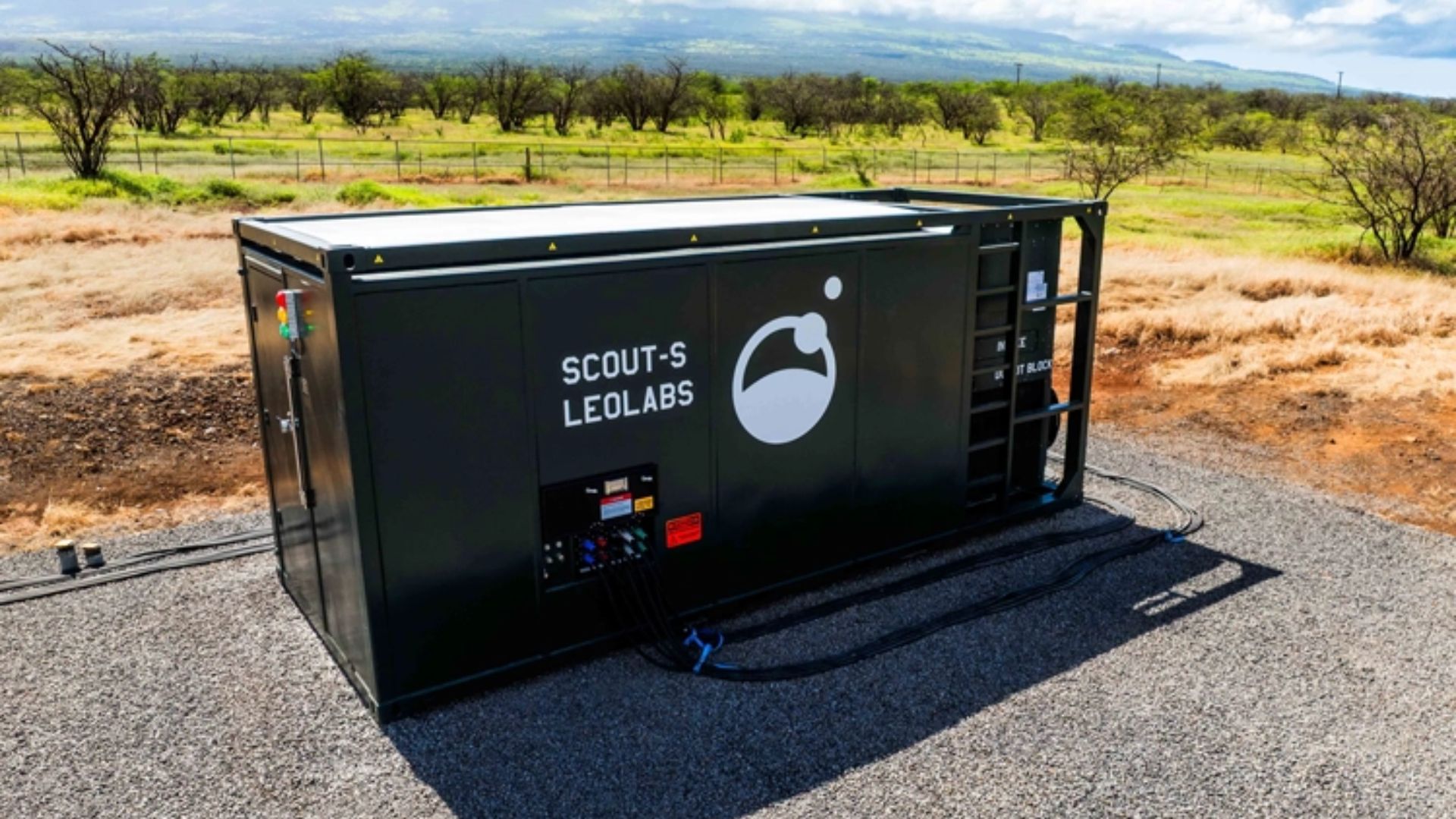
A new mobile space surveillance radar is now active as military planners focus more on tracking potential threats in orbit, including satellites used for nuclear command, control, and intelligence. LeoLabs, a space monitoring company, announced that its latest radar, Scout Hawaii, began operating and will take part in the Valiant Shield 2026 exercise in the Pacific.

This is the first time the company’s Scout-S radar has been used in the field. It is designed to better track objects in low Earth orbit (LEO) and very low Earth orbit (VLEO).

Radar heads to major Pacific military exercise

Valiant Shield is a major joint military exercise held every two years by the United States in the Indo-Pacific. Since 2024, regional allies have also taken part.

This year’s exercise will take place from June 22 to July 1 in Hawaii, Guam, Japan, and nearby waters.

LeoLabs has not shared details about the contract for the radar’s participation. The company said the Scout-S program is funded by private investment and support from the US Space Force, including a Tactical Funding Increase (TACFI) award announced in 2025.

The company views the exercise as an opportunity to test the radar in real-world conditions and demonstrate how it can support military space awareness missions.

A new class of radar is here.

Scout-S™ delivers persistent custody, dynamic tracking, and deployable sensing for LEO and VLEO — extending coverage where mission demand is greatest.
It's more than a radar. It’s a new approach to space sensing.

Deploy Where the Mission Demands. pic.twitter.com/If1pt0N2E9

— LeoLabs (@LeoLabs_Space) June 10, 2026

Built for rapid deployment anywhere

One of the key features of the Scout-S system is its mobility. The radar fits in a standard 20-foot shipping container, so it can be moved by truck, plane, or ship.

The system uses 3D scanning, direct-radiating-array technology, and a modular S-band electronic system. LeoLabs said these features help the radar find and track objects in busy orbital areas.

A company spokesperson said the improved design greatly increases how long the radar can observe a satellite as it passes by.

From snapshots to continuous tracking

Traditional tracking systems usually watch satellites for only short periods before waiting for the next pass. LeoLabs said Scout-S is built to provide much longer observation periods, helping operators track objects in orbit more continuously.

The company thinks this feature is more important now that military and commercial satellites can maneuver more often.

“The acceleration of adversarial activity in space is challenging U.S. and Allied Space Superiority. Tracking objects periodically to predict orbits is no longer enough. What matters now is the ability to maintain persistent custody of maneuverable payloads so our customers can respond to emerging threats,” said LeoLabs CEO Tony Frazier in the release.

The design also allows multiple units to be deployed quickly, helping to cover surveillance gaps that fixed radar sites cannot easily reach.

Tracking Chinese satellites and future expansion

Scout Hawaii is already sending data to LeoLabs’ global monitoring network. The company said the radar has consistently tracked Chinese intelligence, surveillance, and reconnaissance satellites, including the Yaogan military spacecraft.

According to the firm, the system has tracked China’s reusable spaceplane in low Earth orbit. The radar has also shown it can monitor objects flying at very low altitudes. The company reported successfully tracking an object orbiting at 143 miles (230 kilometers) above Earth.

The firm plans to keep the Hawaii-based radar running after Valiant Shield ends, using it for more experiments and testing new features. The company also said a second Scout-S unit should be built by early 2027, with more production expected later that year.

  •  

US Navy revives submarine squadron after 14 years, sends it to Australia

The US Navy has reactivated a submarine squadron that was disbanded more than a decade ago and relocated it from Hawaii to Western Australia, marking a major milestone in the AUKUS security partnership and the growing strategic importance of the Indo-Pacific.

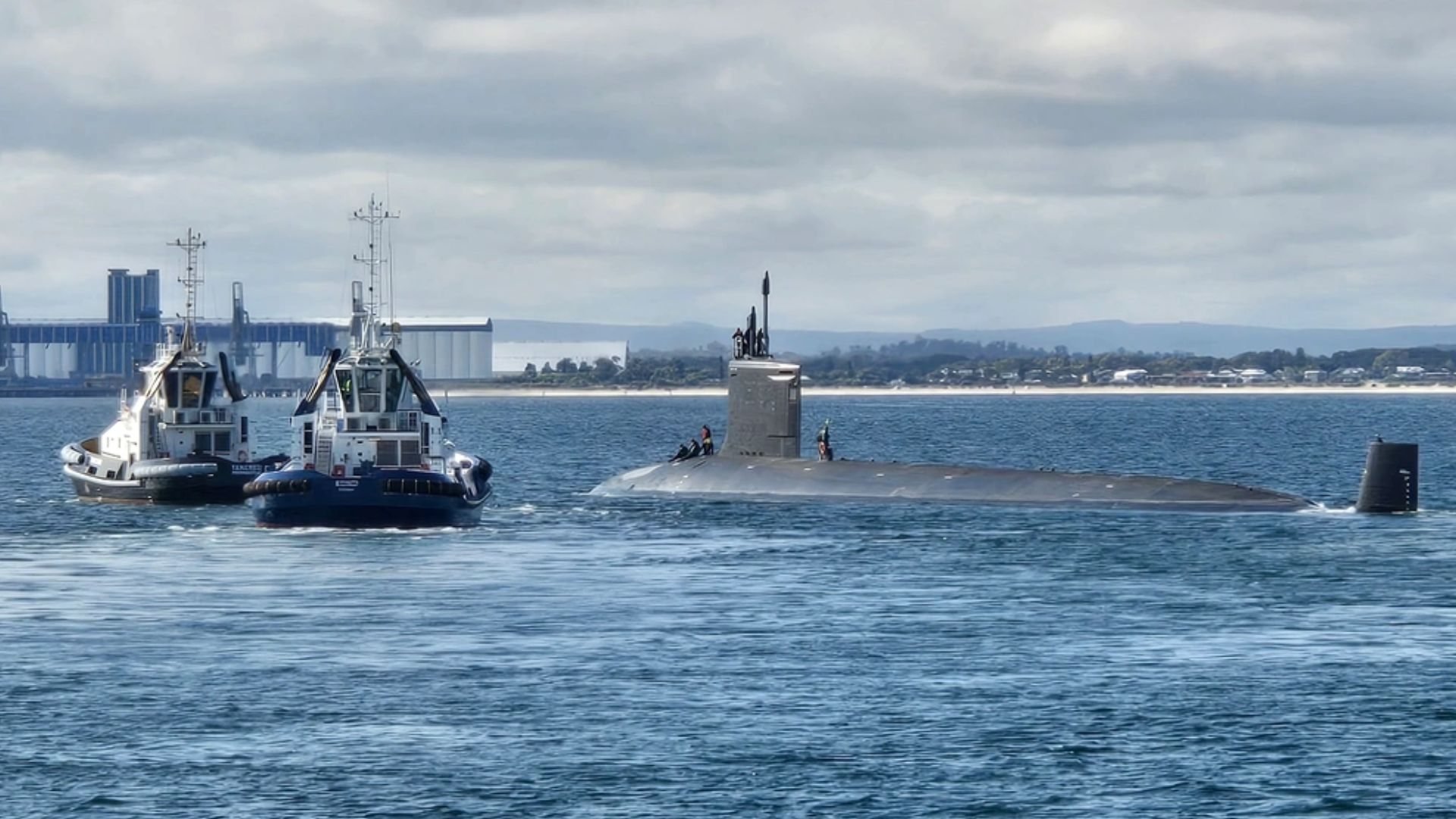
The newly reestablished Submarine Squadron 3 (CSS-3) will operate from HMAS Stirling near Perth, Australia, after previously being based at Pearl Harbor, where it was decommissioned in 2012. The move supports the development of Submarine Rotational Force-West (SRF-West), an initiative that will see US and UK nuclear-powered attack submarines regularly deployed from Australia beginning in 2027. 

According to the US Navy, CSS-3 personnel will work alongside members of the Royal Australian Navy to establish maintenance, logistics, and operational support infrastructure for future submarine rotations.

The reactivation was announced by the US Pacific Fleet’s submarine force and follows a recent trilateral AUKUS statement confirming that key milestones remain on track. Under the AUKUS agreement signed in 2021, Australia is expected to acquire nuclear-powered submarines and eventually operate its own conventionally armed nuclear-powered fleet. Sources: US Navy, DVIDS, AUKUS Joint Statement.

Why bring back a squadron that no longer exists?

Submarine squadrons serve as operational headquarters responsible for overseeing submarine deployments, maintenance, crew readiness, logistics, and mission support.

While the move may appear administrative, it represents a significant expansion of US submarine infrastructure in the Indo-Pacific. Rear Adm. Chris Cavanaugh, commander of the US Pacific Fleet’s submarine force, said the additional forward-positioned squadron would improve the Navy’s responsiveness and operational flexibility across the region.

Strategically, HMAS Stirling is located in a key position on Australia’s western coast.  The base provides access to the Indian Ocean and sits closer to many Indo-Pacific operating areas than traditional US submarine hubs in Hawaii or the continental United States. The facility is expected to become one of the most important submarine support locations in the Southern Hemisphere. 

Preparing for submarine rotations

The squadron’s return is tied directly to SRF-West, one of the first major operational components of AUKUS.

Beginning in 2027, American Virginia-class and British Astute-class nuclear-powered attack submarines are expected to conduct rotational deployments from HMAS Stirling rather than being permanently based there. The arrangement is designed to increase allied submarine presence in the region while helping Australia develop the expertise needed to operate and maintain its future fleet. 

The effort extends beyond military operations. The US Navy has already established Naval Support Activity Stirling to provide housing, healthcare, logistics, and support services for personnel assigned to the rotational force.

Meanwhile, Pearl Harbor Naval Shipyard is preparing to establish a dedicated maintenance detachment in Western Australia. According to Navy officials, Australian civilian maintainers and naval personnel are already training in Hawaii, with hundreds expected to participate in submarine maintenance programs.

AUKUS enters a new phase

The reactivation of CSS-3 shows how AUKUS is evolving from a political agreement into a functioning military and industrial partnership.

Rather than focusing solely on future submarine transfers, the alliance is now building the infrastructure, workforce, and maintenance capabilities needed to sustain nuclear-powered submarines in Australia over the coming decades.

With rotational deployments expected within two years, the revived squadron may prove to be one of the earliest visible signs of how the AUKUS submarine plan is taking shape in practice.

  •  
❌