L’image de carcasses de voitures empilées à perte de vue dans des casses à ciel ouvert est en train de changer, grâce une filière en pleine mutation qui permettra à terme de fabriquer les véhicules selon un modèle circulaire.
The carmaker will follow Tesla in making components for large batteries used by electric utilities, data centers and other businesses to handle fluctuations in power supply and demand.
The carmaker will follow Tesla in making components for large batteries used by electric utilities, data centers and other businesses to handle fluctuations in power supply and demand.
The main active ingredient in the storage batteries that General Motors plans to produce is sodium, which is cheaper and easier to process than lithium.
Preparations for Next Moonwalk Simulations Underway (and Underwater)
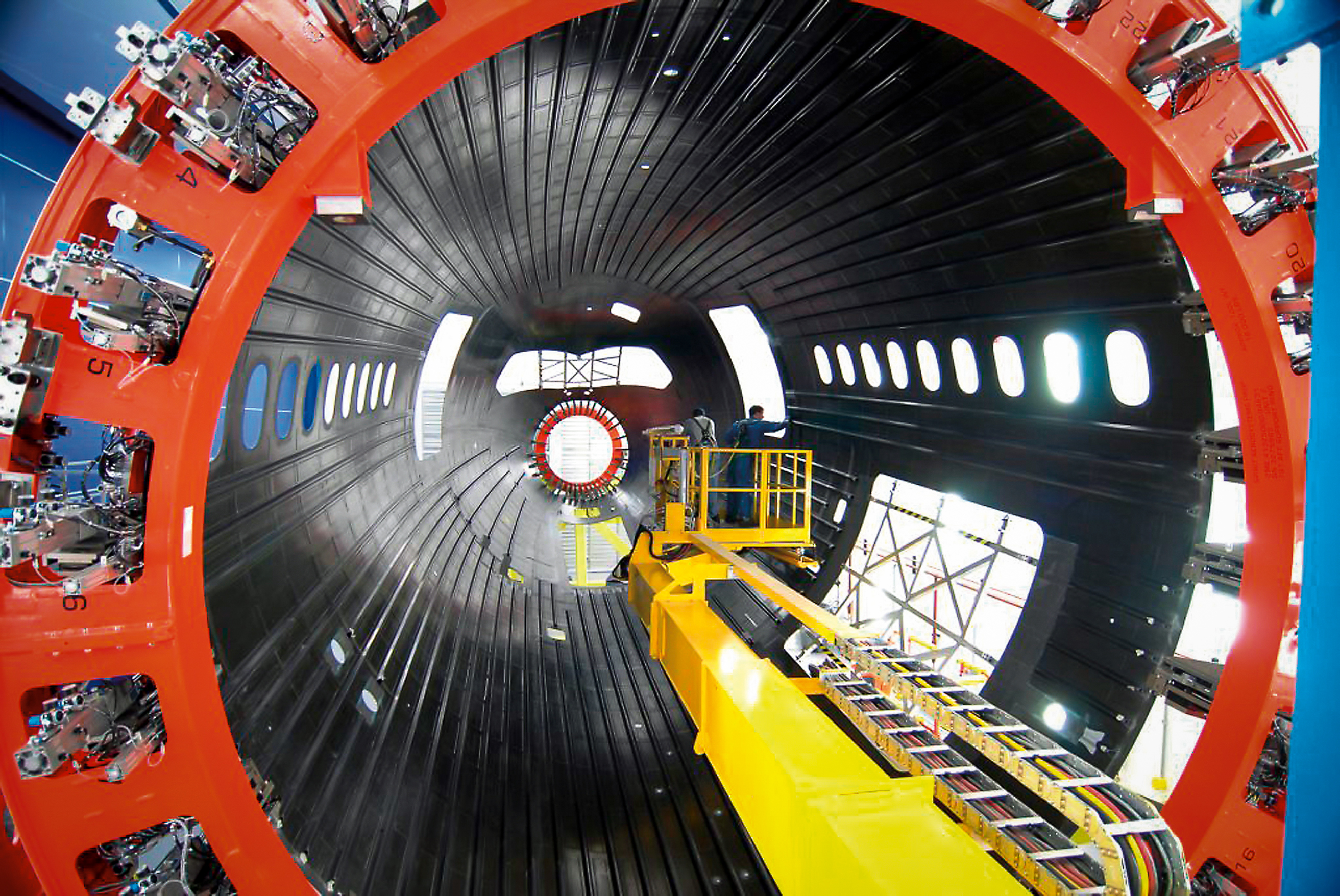
Boeing assembles a composite aircraft fuselage section in one of its production facilities. Composite materials are used in major portions of modern aircraft, including sections of the fuselage and wings on aircraft such as the Boeing 787. NASA’s HiCAM project aims to help accelerate manufacturing processes for future composite aircraft.
Boeing
NASA’s Hi-Rate Composite Aircraft Manufacturing (HiCAM) project brought together its full team of Advanced Composites Consortium partners for a 2026 spring review at NASA’s Langley Research Center in Hampton, Virginia.
The meeting took place May 5-7, bringing together about 150 people from the consortium, a 22-member public-private partnership.
The review gave NASA and industry partners a chance to look at recent progress and plan for the work ahead. NASA announced recent portfolio decisions, selecting technologies that can have the greatest impact on manufacturing rate for the next airplane program.
During the meeting, teams reviewed the latest results from the project’s Development Phase and discussed early progress under Phase 2, known as the Demonstration Phase. This phase will scale up key manufacturing technologies in the coming years.
A major part of the event included full-day workshops focused on assembly demonstrations of two large aircraft structures: the wing and fuselage. These sessions brought together NASA researchers, industry engineers, and partners to share updates, exchange ideas, and discuss long-term plans. Many teams said they noticed stronger collaboration and coordination across the group this year.
That collaboration supports HiCAM’s goal of large-scale manufacturing demonstrations of a composite fuselage barrel and wing box in 2028 and 2029. These demonstrations represent major project milestones and will help show how advanced composite materials and processes could support faster, lower cost aircraft production.
NASA and its partners continue to make steady progress toward the project’s goals. The project’s work could help pave the way for new manufacturing methods for lightweight composite structures that make future aircraft easier to build and more efficient to operate.
Apex has raised more than $200 million to expand in-house satellite production capabilities, announcing a funding round June 5 it says nearly doubled the four-year-old manufacturer’s valuation to $2.3 billion.
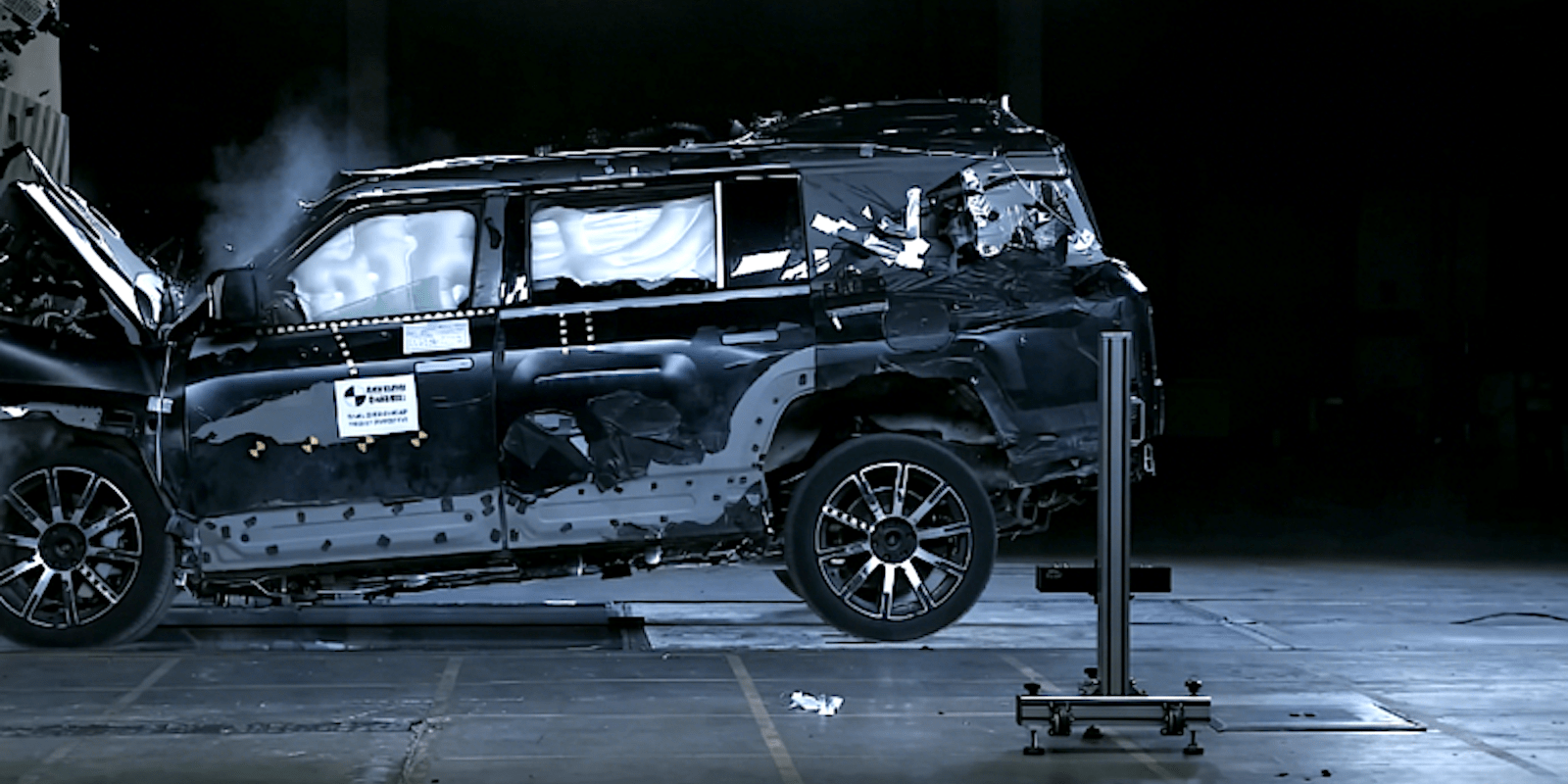
If you’re from Pittsburgh, you may want to sit down for this one: global EV sales leader BYD claims the aluminum frame that underpins its new Yangwang U8L SUV passes a brutal, 12 ton lift test – despite weighing over 100 lbs. less than a comparable steel frame.
Muon Space announced a Starship-class satellite platform June 3 designed from the ground up to meet the demands of the emerging orbital data center market, with an initial launch slated for 2028 after securing customers.

 Login