Login

Hidden Pollutants Drive 15 Percent of Global Warming, Wildlife Trade Creates ‘Pandemic Roulette’ With Billions of Animals — Today’s Environmental Briefing for Sun, Jun 14 2026

Across the stories today, a common thread emerges: the gap between what we know and what we’re able to protect is narrowing, but not fast enough. From hidden pollutants driving 15 percent of global warming to fungal networks stretching nearly a billion times the distance to the sun, science continues revealing the intricate systems that sustain life on Earth—even as political and economic forces test our commitment to preserving them.
The day’s coverage points to growing momentum around conservation breakthroughs. In the Marshall Islands, researchers hunt for “super reefs” that could survive rising ocean temperatures, while Brazil celebrates Amazon deforestation dropping to nearly decade-low levels. Young Stanley the giraffe joins breeding programs in Wiltshire, osprey chicks hatch successfully in North Wales, and Australia’s PlantBank emerges as a global leader in seed conservation. These aren’t just feel-good stories—they represent systematic efforts to build resilience into ecosystems under unprecedented pressure.
Yet the challenges are accelerating too. A century of Antarctic research data now helps scientists track El Niño patterns, but current observations show Antarctica missing a France-sized area of sea ice while winter temperatures soar 20 degrees above normal. The Hoover Dam faces massive power cuts as Lake Mead approaches critical lows, and millions of climate-displaced people find virtually no legal pathway to safety in the United States. It’s a reminder that progress and pressure often arrive together.
Perhaps most striking is how these environmental shifts intersect with human communities. Behind the numbers are real communities adapting in real time—from families near the massive illegal waste dump behind a UK primary school that’s become an election flashpoint, to Florida volunteers mounting dramatic rescue operations for endangered sea turtles. When botanist Beronda Montgomery explores connections between trees and Black American history in her new memoir, she’s mapping how environmental and social justice have always been intertwined.
The global wildlife trade, operating like “pandemic roulette” as it moves billions of animals across continents, exemplifies how our interconnected world amplifies both risks and opportunities. Commercial satellite launches threaten the night sky that has guided humanity for millennia, while SpaceX prepares for a massive public offering. Each technological leap forward carries environmental trade-offs that ripple across systems we’re still learning to understand.
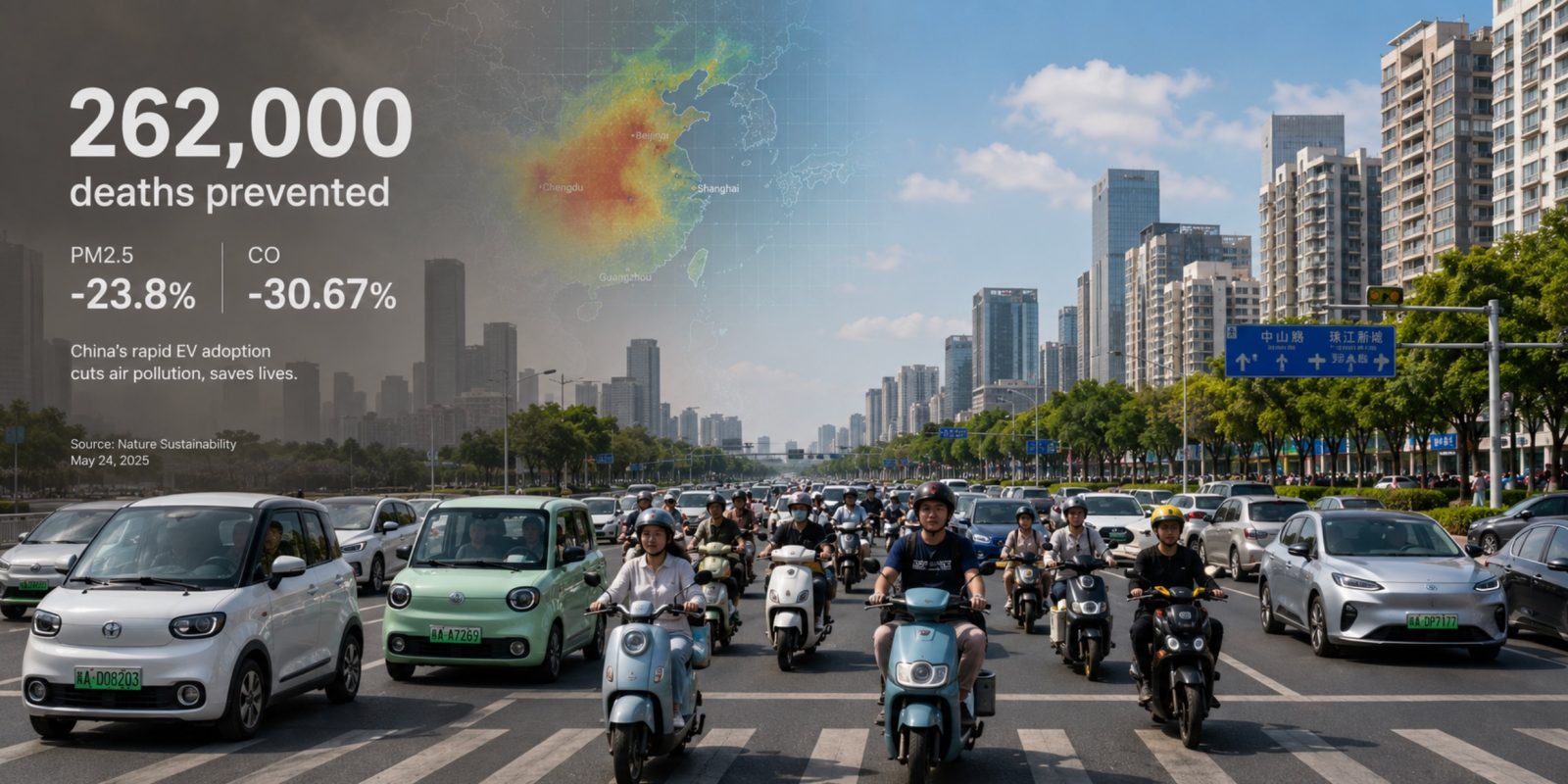
China’s story encapsulates these tensions perfectly: achieving a historic drop in power sector emissions for the first time in a decade, yet simultaneously surging coal power that threatens to reverse those gains. Australia faces a similar paradox, preparing to lead international climate negotiations even as climate denial gains political ground domestically.
What emerges from today’s reporting is a picture of accelerating change on multiple fronts. Scientists are racing to identify heat-resistant corals and document rare butterfly discoveries in Surrey, while bird enthusiasts fly across Australia for a single gull sighting—small acts of attention that collectively map our changing world.
As the week unfolds, all eyes will be on how these parallel tracks—scientific discovery, conservation innovation, political resistance, and community adaptation—continue to intersect. The federal judge ruling against the Trump administration’s cancellation of environmental justice grants signals that legal frameworks remain crucial battlegrounds. But the deeper story may be in the fungal networks beneath our feet: vast, interconnected systems working largely unseen to sustain life, reminding us that resilience often operates at scales both smaller and larger than we imagine.
The post Hidden Pollutants Drive 15 Percent of Global Warming, Wildlife Trade Creates ‘Pandemic Roulette’ With Billions of Animals — Today’s Environmental Briefing for Sun, Jun 14 2026 first appeared on EnviroLink Network.