Scientists discovered that the brain begins preparing for social connection before we even make the first move. Why do we decide to approach other people? According to new research, the answer may start unfolding in the brain several seconds before any movement takes place. A team of scientists from the Hebrew University of Jerusalem has [...]
O próximo processador de IA da Google terá uma arquitetura de fabrico dividida. A TSMC deverá produzir o núcleo computacional, cabendo à Samsung o fabrico do componente de interligação à memória. A Intel poderá também entrar na equação com a produção da TPU.
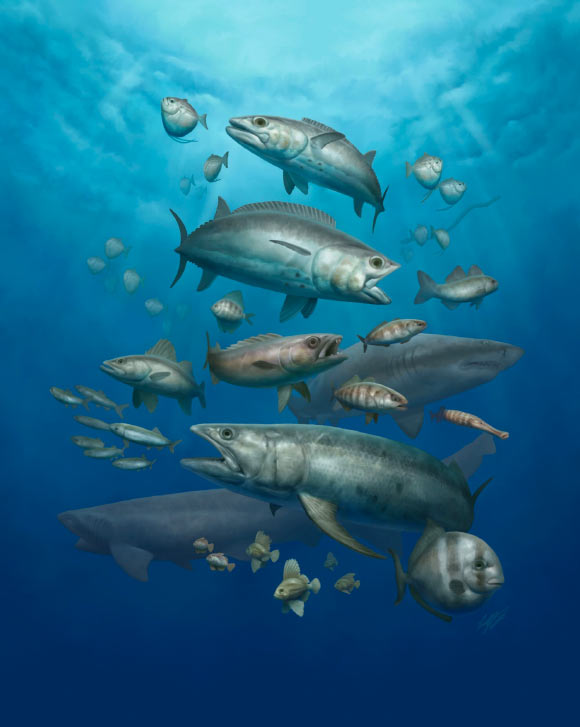
Paleontologists have described an assemblage of marine fish fossils from the 62.2-million-year-old site of Qreiya 3 in the Eastern Desert of Egypt, providing a window into this transition.
Scientists have uncovered evidence that tiny microbes living inside fish may be helping shape the chemistry of the world’s oceans. The new study, led by former graduate student Anthony Bonacolta at the University of Miami Rosenstiel School of Marine, Atmospheric, and Earth Science, suggests that bacteria in fish intestines may work together with their hosts [...]
Veganism is criticized as a detrimental lifestyle, akin to a curse that disregards necessary nutrients for survival. Jesus was neither a vegan nor a vegetarian, as He consumed fish and instructed the preparation of lamb for Passover. The notion that food choices bear spiritual significance is deemed irrelevant.
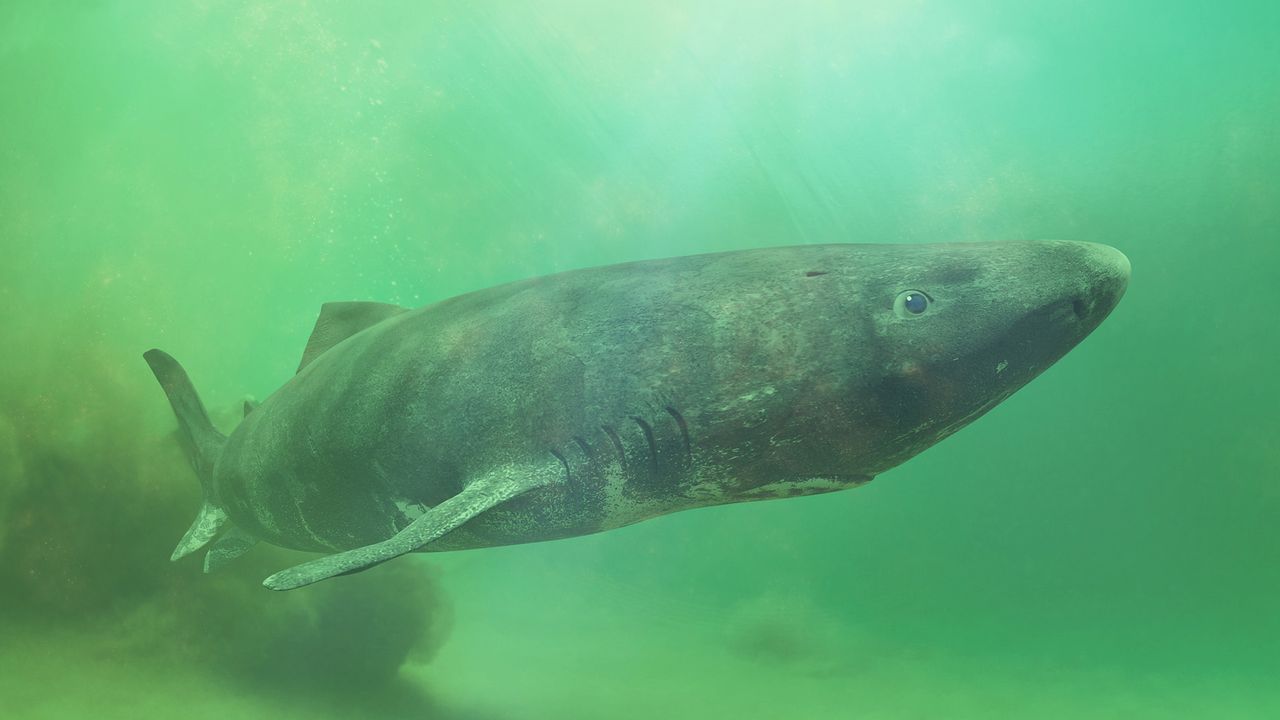
A genomic study of Greenland sharks, thought to be the longest-lived vertebrates on the planet, is hinting at the secrets to their epic lifespan and cancer resistance.
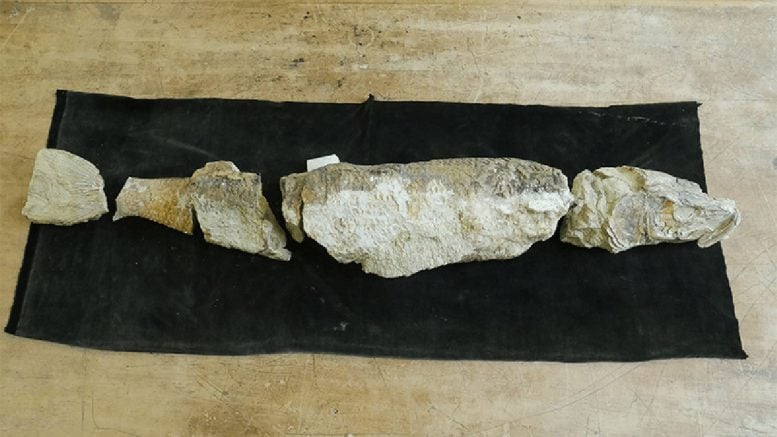
Field notebooks from the late Richard Köhler allowed researchers to finally catalog a remarkable fossil tarpon from Aotearoa New Zealand. Recently disclosed notebooks from a late paleontologist supplied the missing details researchers needed to complete their study of a “remarkable” fossil found nearly 30 years ago. Dr. Richard Köhler discovered the fossil fish in 1999 [...]
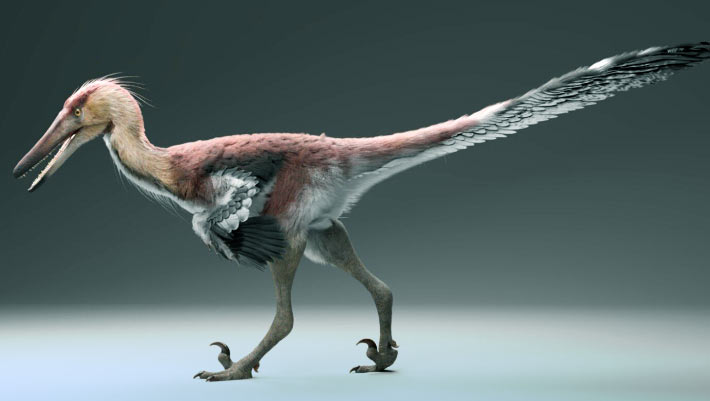
Paleontologists in Argentina have identified a previously unknown species of unenlagiid dinosaur that stalked freshwater wetlands during the Late Cretaceous epoch, adding to evidence that some dinosaurs specialized in catching fish.
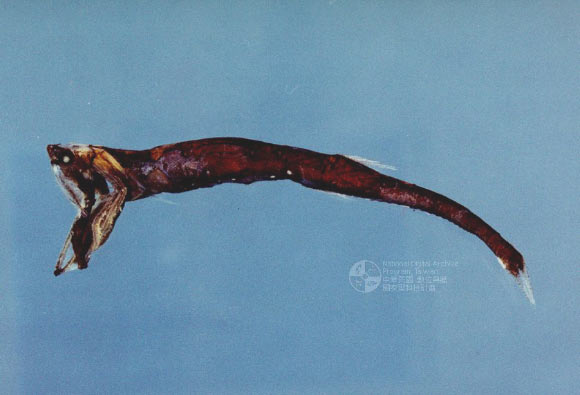
A marine biologist studying the photophores of a bioluminescent fish species found needle-shaped guanine crystals that scatter and redirect light instead of merely reflecting it, a discovery that could inspire more efficient biomedical and optical devices.
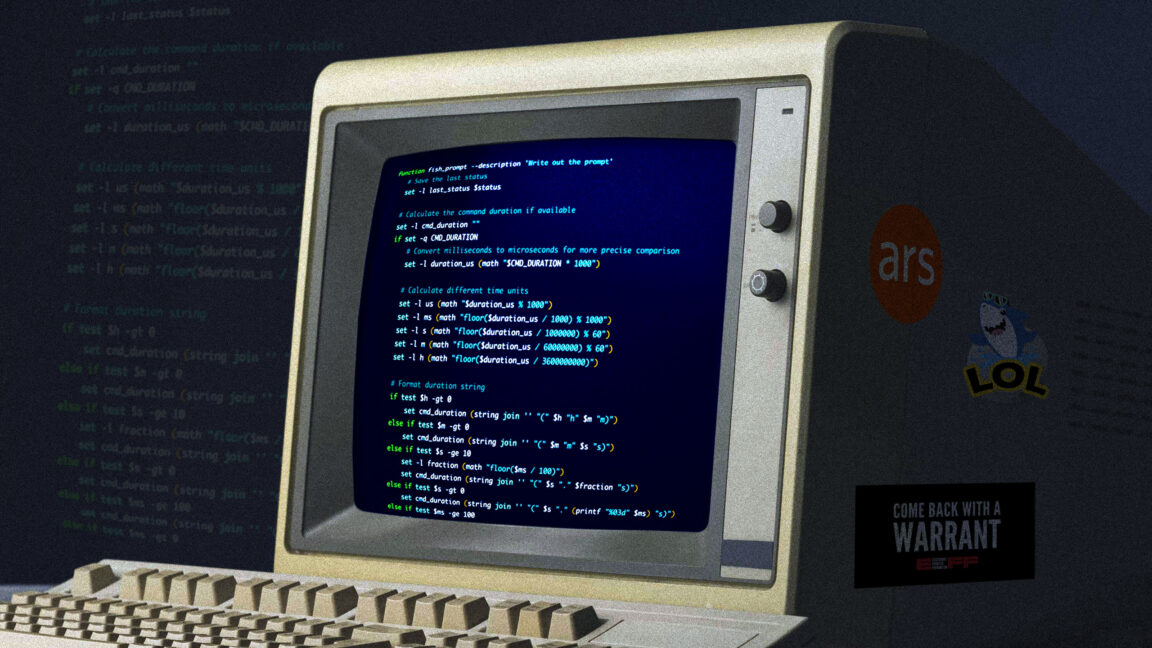
I spend more time today than ever before interacting with terminal windows, which is something I don't think Past Me would have believed in the early '90s. Back then, poor MS-DOS was the staid whipping boy of the industry, and at least on the consumer side, graphical environments like Windows (and maybe even odder creatures like AmigaOS) seemed poised to stamp the command line into oblivion, leaving text interfaces behind as we all blasted into the ooey-GUI future.
As it turns out, though, the command line is still the best tool for some jobs—many jobs, in fact. I read a wise post some years ago (probably on Slashdot) arguing that a mouse-driven point-and-click interface essentially reduces the user to pointing at something on the screen and grunting, "DO! DO THAT!" at the computer. (The rise of right-click context menus adds the ability for the user to also grunt "MORE THINGS!" but doesn't otherwise add vocabulary.)
The command line, by contrast, gives the user the opportunity to precisely tell the computer what they want done, using words instead of one or two gestalts that the computer must interpret based on context.

 Login

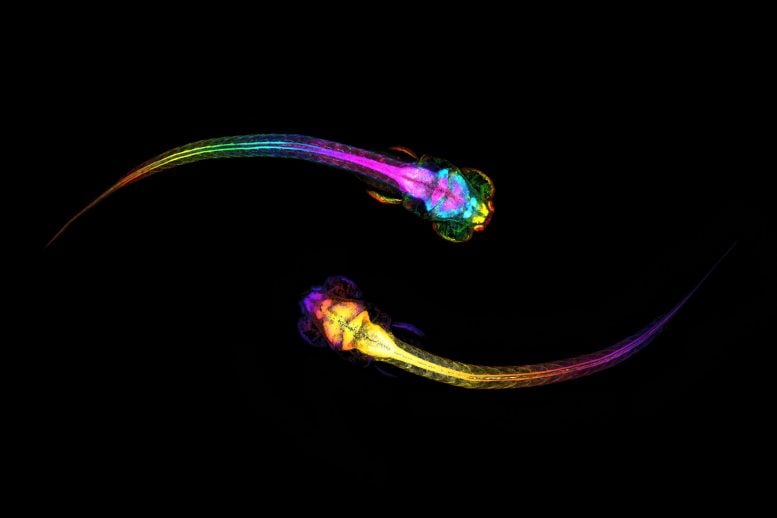 Scientists discovered that the brain begins preparing for social connection before we even make the first move. Why do we decide to approach other people? According to new research, the answer may start unfolding in the brain several seconds before any movement takes place. A team of scientists from the Hebrew University of Jerusalem has [...]