❌

Reading view

The fastest humans in the galaxy just got a spiffy patch to prove it

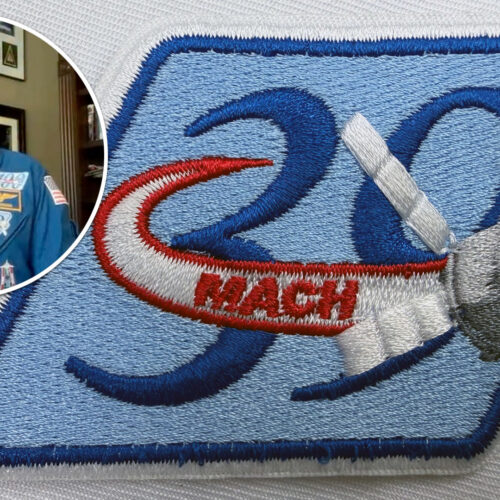
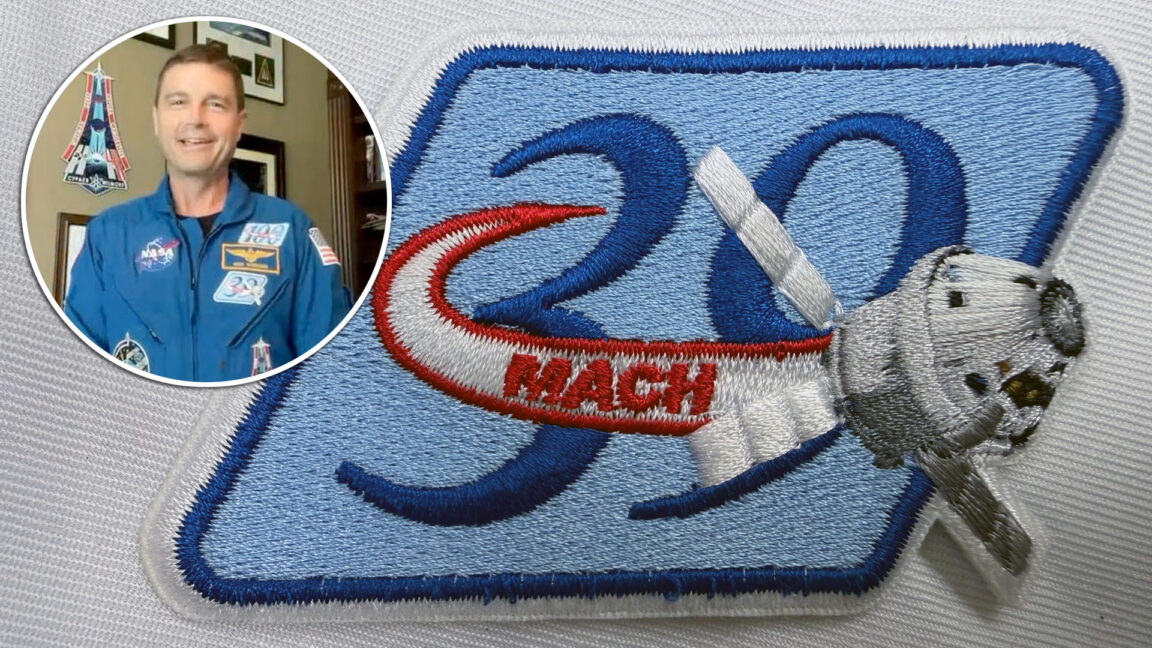
NASA's Artemis II crew are the fastest people alive, and now they have the patch to prove it.

Mission Commander Reid Wiseman, pilot Victor Glover, and mission specialists Christina Koch and Jeremy Hansen (the latter with the Canadian Space Agency) spent 10 days in early April flying by the Moon. Their journey took them farther away from Earth than any humans have gone (52,756 miles [406,771 km]) and then, on the way back on board their Orion spacecraft Integrity, they sped up to about 24,664 miles per hour (39,693 k/ph) reentering the atmosphere.

Only three other people in history have traveled faster. NASA's Apollo 10 astronauts Thomas Stafford, John Young, and Eugene Cernan set the record for the highest speed attained by a crewed vehicle relative to the Earth's surface: 24,791 mph (39,897 kph) on May 26, 1969.
Read full article

Comments

© Reid Wiseman/A-B Emblem/collectSPACE

  •  

Alarme na Estação Espacial ultrapassado: NASA cancela evacuação de astronautas devido a fuga de oxigénio

Os quatro astronautas da missão Crew-12 foram instruídos pela NASA a vestir os fatos espaciais e a refugiarem-se na cápsula Dragon, enquanto cosmonautas russos tentam uma reparação mais extensa no módulo Zvezda.

The post Alarme na Estação Espacial ultrapassado: NASA cancela evacuação de astronautas devido a fuga de oxigénio appeared first on Tek Notícias.

  •  

Células estaminais cultivadas no espaço podem ajudar a combater o cancro

Entre células estaminais, plantas e fluidos, a Estação Espacial Internacional continua a funcionar como um laboratório único, onde cada dia de trabalho ajuda a preparar o futuro da exploração espacial e, em muitos casos, a melhorar a vida na Terra.

The post Células estaminais cultivadas no espaço podem ajudar a combater o cancro appeared first on Tek Notícias.

  •  

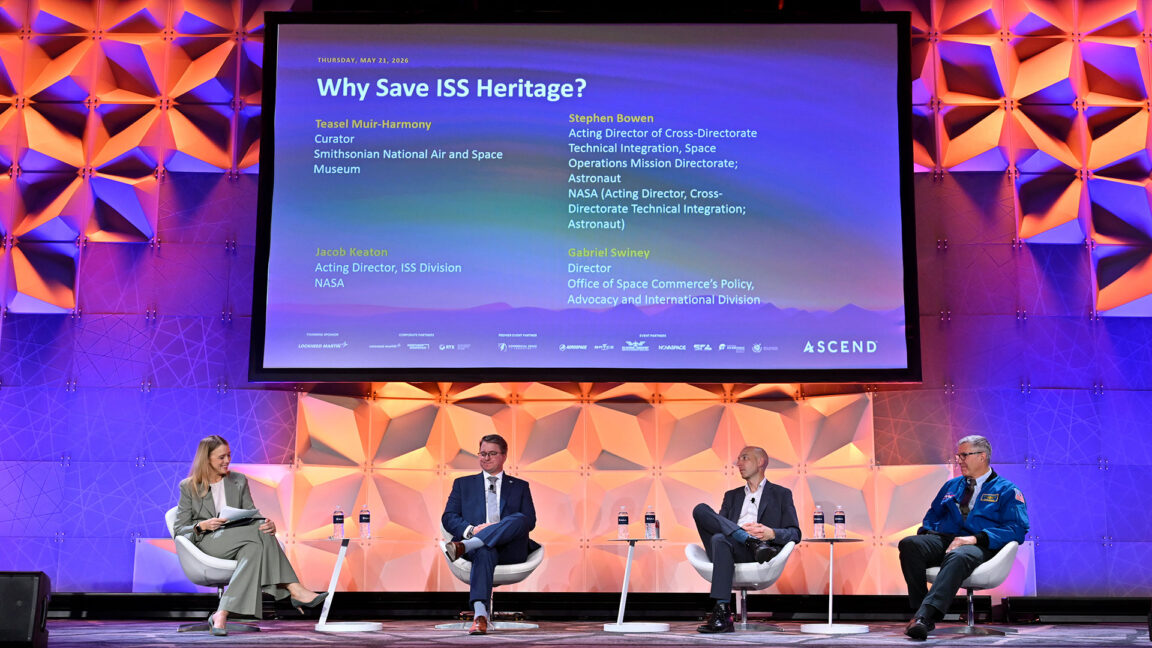
Before it comes down, what should be saved from the International Space Station?

Humans do not just visit space; they live there, but a major part of that is coming to an end. The platform that made the longest continuous human presence in space possible is becoming history.

With NASA and its partners beginning preparations for the destructive end of the International Space Station (ISS) as soon as 2030, those who collect, curate, and study the station are now asking how to preserve the historic and culturally significant artifact, given that it is far too large and complex to keep intact.

The Smithsonian National Air and Space Museum on Thursday hosted a three-part panel discussion, bringing together space program officials, museum curators, an archeologist, and an astronaut to begin answering the why, what, and how the ISS might be saved. The sessions were part of the American Institute of Aeronautics and Astronautics' (AIAA) ASCEND conference in Washington, DC.

Read full article

Comments

© AIAA/David Becker/PWHL

  •  

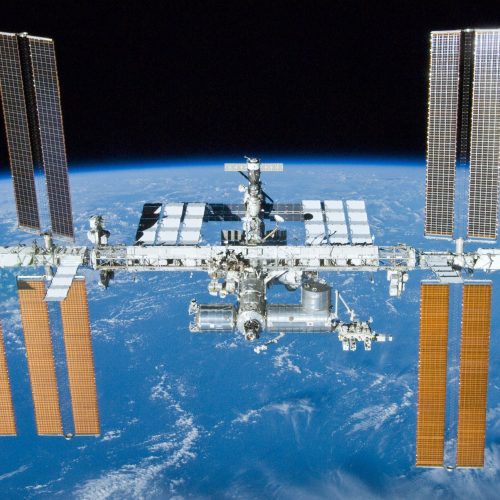
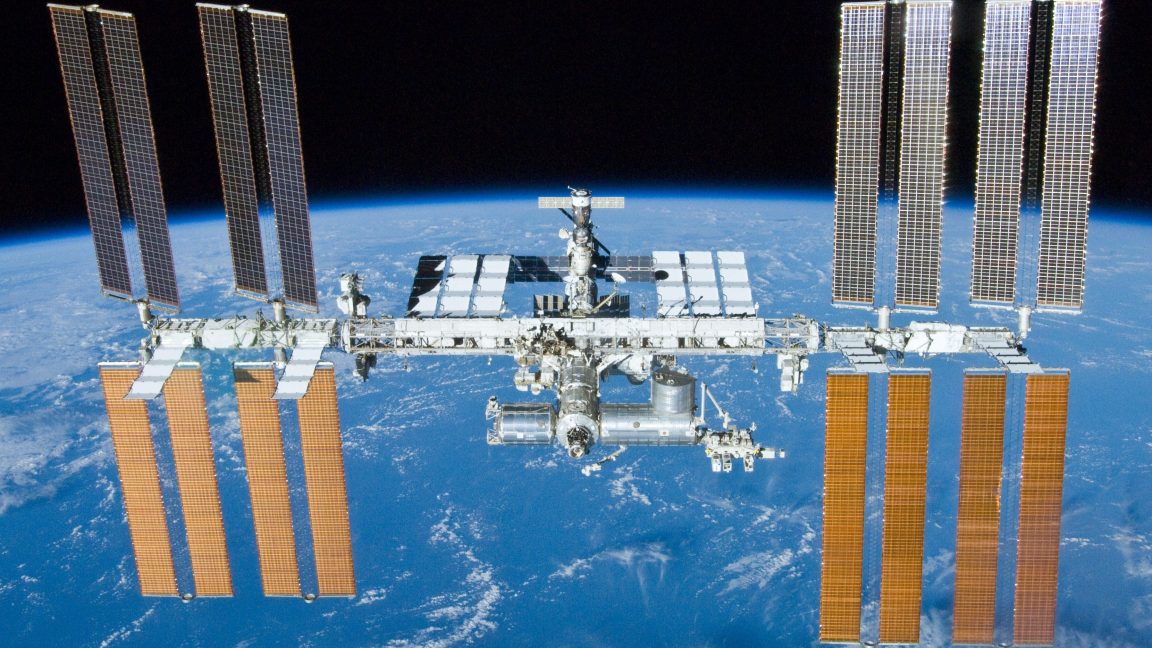
Uh-oh, the International Space Station is leaking again

NASA confirmed Thursday that the Russian segment of the International Space Station has begun leaking atmosphere into space again. It's an old problem that NASA recently hoped was resolved.

For more than half a decade, engineers from Roscosmos and NASA have been tracking the leak rate from a small Russian module attached to the space station that leads to a docking port. The source of these leaks, microscopic structural cracks, have been difficult to find and address.

In January, NASA said that after multiple inspections and sealant applications, the pressure inside this segment, known as the PrK module, had reached a "stable configuration." The PrK module is essentially a transfer tunnel attached to the Zvezda Service Module on the Russian segment of the space station.

Read full article

Comments

© NASA

  •  
❌