❌

Reading view

US’ first vertically integrated solar factory starts production to power 1.3M homes

Qcells has begun manufacturing solar cells at its new facility in Cartersville, Georgia, bringing the company closer to operating what it says is the United States’ first and only fully vertically integrated solar manufacturing factory.

The company announced that the plant is now producing solar cells and expects all production lines to reach full capacity by the third quarter of 2026. Once fully operational, the facility will manufacture ingots, wafers, cells, and solar modules under one roof.

The start of cell production marks a significant milestone for domestic solar manufacturing, as most solar panels installed in the US still rely on imported components. Qcells said the Cartersville site will become the largest operating solar cell factory in US history.

Module assembly operations at the facility are already running at full capacity, producing about 16,700 solar panels every day.

Building domestic supply chains

When fully ramped up, the Cartersville factory will produce 3.3 gigawatts (GW) of annual capacity each for ingots, wafers, and cells, along with 3.5 GW of solar modules.

Combined with Qcells’ expanded manufacturing facility in Dalton, Georgia, the company’s total US module production capacity is expected to reach 8.6 GW annually by the end of the third quarter. According to the company, that output is enough to generate the equivalent annual electricity needs of roughly 1.3 million American homes.

“Producing the first solar cells at Cartersville is a milestone for Qcells and for American manufacturing,” said Andy Park, Global CEO of Qcells.

The company said producing key solar components domestically could provide customers with greater certainty around supply availability, pricing, and potential tariff-related disruptions.

Tax credits and jobs

Qcells said the Cartersville operation could also help project developers qualify for the federal Domestic Content Bonus tied to the Investment Tax Credit. Because major solar module components are produced in the US, developers may find it easier to meet domestic sourcing requirements.

The company added that its vertically integrated manufacturing approach allows it to claim production incentives under Section 45X of the Advanced Manufacturing Production Tax Credit across multiple stages of the solar supply chain, including ingots, wafers, cells, and modules.

The investment is also expected to support thousands of manufacturing jobs in Georgia. Together, the Cartersville and Dalton facilities are projected to employ nearly 4,000 workers, including about 3,800 direct jobs across Bartow and Whitfield counties.

Qcells said the Cartersville factory is the first US facility of its kind built in more than a decade and includes what it describes as the largest ingot and wafer production plant ever constructed in the country.

  •  

Russia’s 4,400-MWe nuclear plant gets 132-ton core catcher for Unit 7 safety

Engineers at the Titan-2 Holding, the construction company tasked with building the third unit at Leningrad Nuclear Power Plant in Russia, recently oversaw the installation of a 120-tonne (132 U.S. tons) core catcher in the reactor containment building. This construction is part of phase II of the Leningrad plant, one of the largest nuclear facilities in Russia. 

With an eye on climate goals, countries are turning back to nuclear energy to meet their energy demands without releasing carbon into the atmosphere. While this is a major shift for other countries, for Russia, it is just a matter of upgrading its nuclear facilities with more powerful home-built reactors. 

The Leningrad Nuclear Power Plant, for instance, is one of the largest power facilities in Russia, providing about 55 percent of the electricity demand in the city of St. Petersburg and the Leningrad region at large. With an installed capacity of 4,400 MWe, the nuclear power plant singlehandedly meets 30 percent of the electricity demand of northwest Russia. 

After over five decades of operation, the original nuclear reactors have been shut down, and their replacement is being built as Phase II of the Leningrad Power Plant. 

Construction in Phase II

The Leningrad Nuclear Power Plant consisted of four RBMK units, one of the earliest Generation II reactors, some of which are still operational elsewhere. At Leningrad, the first two units were shut down in 2018 and 2020, after 45 years of operation each. 

In Phase II, Russia is building VVER-1200 reactors with an estimated service life of 60 years, with a possibility of an extension of another 20 years. This will see the reactors in operation, well beyond the 2080s. The first two units at Leningrad Phase II (Leningrad II-1 and II-2) are commonly known as Units 5 and 6, while the other two units, Leningrad II-3 and II-4, are referred to as Units 7 and 8. 

While Units 3 and 4 at the Leningrad Nuclear Power Plant remain operational, work to replace them has already begun, with concrete pouring for Units 7 and 8 scheduled to start in March 2024 and March 2025, respectively. The core catcher for Unit 7 (Leningrad II-3) was completed recently. 

What is the core catcher? 

Made out of thermally resistant steel, the core catcher is a safety device that springs into action in the event of an emergency. In a situation where the core has melted, the core catcher is designed to hold the radioactive material within the containment of the reactor and not let it spill out. 

Engineers at Titan-2 oversaw the installation of the core catcher into a concrete shaft of the reactor containment building for Unit 7. 

“The likelihood that this passive safety system will ever be truly needed is extremely low,” said Alexey Mochalov, Deputy Chief Engineer for the Construction of New Power Units at Leningrad. 

“All the decisions made in the design of domestic power units with VVER-1200 reactors, the high-quality construction, installation, and commissioning work, as well as the highly qualified and responsible personnel of the nuclear power plant, will leave the trap in standby mode for the entire design life of the unit.”

The construction will now proceed to install the thermal insulation, support and thrust trusses, and other equipment and measuring channels to enable reactor vessel assembly as early as next year. 

  •  

Renewable Groups Ask Courts to End Pentagon’s ‘Total Halt’ of Wind Power

More than 100 planned wind farms in 21 states are now stalled indefinitely as the Pentagon delays military reviews once seen as routine.

© Brandon Thibodeaux for The New York Times

The freeze affects 41 wind projects in Texas, which produces more wind power than any other state in the U.S., as well as projects in Colorado, Illinois, Iowa, Kansas, New Mexico, Oregon and Washington.
  •  

This simple ‘battery bath’ could bring dead lithium-ion batteries back to life

A team of researchers at Cornell University has developed a new way to restore worn-out lithium-ion batteries, allowing them to recover up to 95% of their original performance. The breakthrough could make battery recycling much cheaper, reduce environmental pollution, and help ease growing shortages of critical battery materials. Lithium-ion batteries power everything from smartphones and […]

The post This simple ‘battery bath’ could bring dead lithium-ion batteries back to life appeared first on Knowridge Science Report.

  •  

El Niño Officially Begins as Solar Power Surpasses Coal, SpaceX Eyes Historic IPO — Today’s Environmental Briefing for Fri, Jun 12 2026

Satellite view of Pacific Ocean showing temperature patterns indicating El Niño weather phenomenon

**

Across the stories today, a common thread emerges: the planet is sending signals, and communities are finally learning to listen—sometimes by choice, sometimes by necessity.

The day’s most prominent signal comes from the Pacific, where scientists have confirmed the arrival of a powerful El Niño that could rank among the century’s strongest climate events. This naturally occurring phenomenon, which emerges every few years to reshape weather patterns globally, arrives at a moment when human communities are already stretching to adapt to climate disruption. For families from Florida to California already spending an extra $400 to $900 annually on climate-related costs—rising to over $1,300 in the hardest-hit areas—the prospect of intensified extreme weather represents more than meteorological curiosity. It’s a reminder that progress and pressure often arrive together.

Yet the day’s coverage also points to growing momentum around solutions that seemed impossible just years ago. Solar power has quietly crossed a historic threshold, generating more electricity than coal in the United States for the first time ever—12.8% versus coal’s 12.2% in May alone. Meanwhile, engineers in Barcelona have finally realized Antoni Gaudí’s sustainable architecture vision at the Sagrada Familia, using modern technology to complete designs that were ahead of their time by more than a century. These breakthroughs suggest that patient innovation can eventually bridge the gap between ambitious vision and practical reality.

The tension between environmental protection and human needs surfaces repeatedly across today’s stories, revealing communities grappling with complex tradeoffs. In Queens, residents debate whether an abandoned railway should become green space or renewed transit infrastructure. Nebraska towns that fiercely rejected wind and solar projects are welcoming nuclear power plants. Even Britain found time to celebrate, with the peacock butterfly claiming the crown in the nation’s first-ever favorite species poll—a small but significant reminder that public engagement with nature remains strong.

Behind the numbers are real communities adapting in real time. In London, new research shows that clean air zones have measurably reduced emergency hospital visits, translating policy into tangible health benefits. But the challenges run deep: in Alabama, a community that lacks basic sanitation infrastructure now faces a proposed data center that would strain resources further, while in Ecuador’s Amazon, an Indigenous community surrounded by two rivers cannot access clean drinking water due to mining pollution.

The natural world continues revealing both its resilience and vulnerability. Scientists captured the first-ever footage of goblin sharks in their deep-sea habitat, while researchers documented how elephant loss triggers immediate dung beetle extinctions in Kenya—the first direct evidence of coextinction in action. Perhaps most remarkably, new research has mapped the underground fungal networks that span 110 quadrillion kilometers worldwide, moving billions of tons of carbon in an invisible web beneath our feet.

These discoveries underscore how much we’re still learning about the systems that sustain life on Earth, even as we’re rapidly changing them. From pharmaceutical pollution in East African waters to the transformation of Miami’s Biscayne Bay into saltier, more acidic habitat threatening endangered sharks, the impacts of human activity continue cascading through ecosystems in ways we’re only beginning to understand.

As these stories unfold, they reveal a world where environmental challenges and solutions are increasingly inseparable from questions of justice, economics, and community resilience. The coming months will test whether the momentum behind renewable energy and conservation can match the scale of changes already underway.

The post El Niño Officially Begins as Solar Power Surpasses Coal, SpaceX Eyes Historic IPO — Today’s Environmental Briefing for Fri, Jun 12 2026 first appeared on EnviroLink Network.

  •  

Solar Power Surpasses Coal in US Electricity Generation for First Time in History

Solar Power Surpasses Coal in US Electricity Generation for First Time in History

In a landmark moment for renewable energy, solar power generated more electricity than coal in the United States for the first time ever during May 2024. Solar supplied 12.8% of the nation’s electricity, edging out coal at 12.2% – marking coal’s fourth-lowest monthly share on record.

This historic milestone represents the continuation of a dramatic energy transformation happening across America. Despite federal policies favoring traditional fossil fuels, solar energy has maintained its position as the leading source of new power capacity in the country. The shift reflects broader market forces driving the transition to cleaner energy sources, including declining costs of solar technology and increasing investor confidence in renewable infrastructure.

The milestone comes from data released by global energy think tank Ember, alongside supporting analysis from the Solar Energy Industries Association and Wood Mackenzie. These figures underscore how solar power has evolved from a niche alternative energy source to a mainstream electricity provider capable of competing directly with traditional fossil fuel generation.

The achievement highlights the resilience of the renewable energy sector and suggests that market dynamics may be more influential than policy directives in shaping America’s energy future. As solar installations continue expanding nationwide and costs continue declining, this May milestone may represent just the beginning of solar’s dominance over coal in the US electricity mix.

The post Solar Power Surpasses Coal in US Electricity Generation for First Time in History first appeared on EnviroLink Network.

  •  

These tiny microbes can clean water and produce electricity at the same time

Imagine a technology that can generate electricity while cleaning wastewater at the same time. According to a recent review published in the International Journal of Environment and Waste Management, microbial fuel cells (MFCs) could help make that idea a reality. Microbial fuel cells are a unique type of energy system that use naturally occurring microorganisms […]

The post These tiny microbes can clean water and produce electricity at the same time appeared first on Knowridge Science Report.

  •  

US safety design approval advances next-gen Aurora nuclear reactor initiative in Idaho

Oklo has moved one step closer to bringing its first advanced reactor online after securing another key federal approval. The milestone advances the company’s efforts to demonstrate that next-generation nuclear plants can move from concept to deployment under existing government oversight.

The U.S. Department of Energy’s Idaho Operations Office has approved the Preliminary Documented Safety Analysis for Oklo’s Aurora powerhouse at Idaho National Laboratory. The decision pushes the project further through the Department of Energy’s Reactor Pilot Program, which aims to accelerate advanced reactor deployment while maintaining rigorous safety reviews.

For Oklo, the approval represents more than a regulatory checkpoint. It also provides momentum for a technology that supporters believe could strengthen America’s future energy mix and domestic industrial capacity.

Building toward deployment

The approved safety analysis establishes Aurora-INL’s preliminary safety basis. It evaluates potential hazards, accident scenarios, safety controls, and major design commitments that will guide the project through its next stages.

“This approval represents an important milestone for Aurora-INL and helps establish a foundation for future Aurora deployments,” said Jacob DeWitte, Oklo’s co-founder and chief executive officer. He added that the Idaho project is demonstrating how advanced reactors can progress through real-world safety reviews, construction activities, and eventually commercial licensing.

Aurora-INL will be the first of Oklo’s planned fast fission power plants. The project has steadily advanced since 2019, when the company received a site-use permit at Idaho National Laboratory and later secured access to recovered fuel from the Experimental Breeder Reactor-II through a competitive DOE process.

Oklo also received approval to begin site characterization work at the Idaho site in November 2024. Those activities helped prepare the groundwork for future construction and deployment efforts.

Reactor with historic roots

Aurora differs from traditional nuclear plants through its fast neutron reactor design and compact architecture. The system uses heat pipes to move heat away from the reactor core and into a supercritical carbon dioxide power conversion system that generates electricity.

The reactor builds on operating experience from the Experimental Breeder Reactor-II, which operated in Idaho between 1964 and 1994. Oklo says Aurora uses metallic fuel to provide both electricity and usable heat while offering greater operational flexibility.

The design can operate using either fresh high-assay low-enriched uranium, known as HALEU, or recycled fuel derived from used nuclear material. That capability has attracted attention as the United States seeks reliable, carbon-free energy sources to support growing electricity demand.

Expanding fuel strategy

Aurora’s progress comes as Oklo works to secure multiple fuel pathways for future reactor deployments. The company is developing the Aurora Fuel Fabrication Facility in Idaho, where it plans to produce the initial fuel assemblies for Aurora-INL using material recovered from EBR-II.

The Department of Energy approved the facility’s preliminary safety analysis in late 2025. That decision made A3F the first project authorized under the agency’s Fuel Line Pilot Program.

Oklo also entered advanced negotiations last month under the Department of Energy’s Surplus Plutonium Utilization Program. The initiative aims to make designated surplus plutonium available for conversion into reactor fuel under strict security and safeguards requirements.

  •  

Dodge Charger maker road-tests solid-state EV battery hitting 90% charge in 18 minutes

Stellantis has integrated Factorial Energy’s solid-state battery cells into a Dodge Charger Daytona development vehicle and begun road testing the technology, marking a key step toward bringing solid-state batteries into production vehicles.

The milestone is the first time Factorial’s FEST (Factorial Electrolyte System Technology) solid-state cells have been installed in a Stellantis vehicle. The companies will now evaluate battery performance, reliability, and safety under real-world driving and charging conditions.

The development follows laboratory validation completed in 2025, when Stellantis and Factorial demonstrated automotive-scale FEST cells with an energy density of 375 Wh/kg. The cells also achieved charging from 15 percent to 90 percent in 18 minutes and operated across temperatures ranging from -22 °F to 113 °F.

Moving from laboratory testing to an on-road vehicle required engineers to redesign parts of the battery system. Stellantis said it developed a patented mechanical architecture that allows the solid-state cells to fit within an existing battery pack while maximizing performance.

From lab to road

Engineers also modified battery controls and pack design to meet automotive requirements for durability and safety. According to the companies, these changes were needed to ensure consistent performance under a range of driving and charging conditions.

The battery pack is based on Stellantis’ STLA Large platform and serves as the first vehicle in a previously announced multi-stage development program.

“Battery development is a balancing act. It’s not enough to optimize a single metric. We need a system that delivers real benefits in a real vehicle,” said Ned Curic, Stellantis Chief Engineering and Technology Officer.

“This milestone shows we are bringing solid-state batteries closer to our customers with the potential for longer range, faster charging, and lower costs. Just as important, FEST’s strong compatibility with lithium-ion manufacturing processes gives us a critical path to scale this technology.”

Solid-state batteries replace the liquid electrolyte used in conventional lithium-ion batteries with a solid material. The technology is expected to improve energy density, increase safety, and reduce charging times. However, scaling production and integrating the cells into vehicles have remained major challenges for automakers and battery developers.

Scaling battery technology

With the battery now installed in a working vehicle, Stellantis and Factorial have launched a testing and calibration program to gather performance data from real-world operation.

The companies said the program will evaluate charging behavior, vehicle safety, and long-term reliability. The results will also help refine battery management systems and pack-level controls before any future commercial deployment.

“We are deeply honored to work alongside Stellantis, one of the world’s great mass-market automakers, on this STLA Large-based development car,” said Siyu Huang, CEO of Factorial.

“What we have built together, from cell chemistry to pack architecture to enable real-world road testing, is exactly the kind of deep, full-stack collaboration that solid-state has always required.”

Factorial, which is backed by Stellantis, Mercedes-Benz, Hyundai and Kia, is among several companies racing to commercialize solid-state batteries. The latest milestone moves its technology beyond cell-level testing and into vehicle validation, a critical stage before potential mass-market adoption.

  •  

Project to restore US uranium enrichment for defense programs commences operations

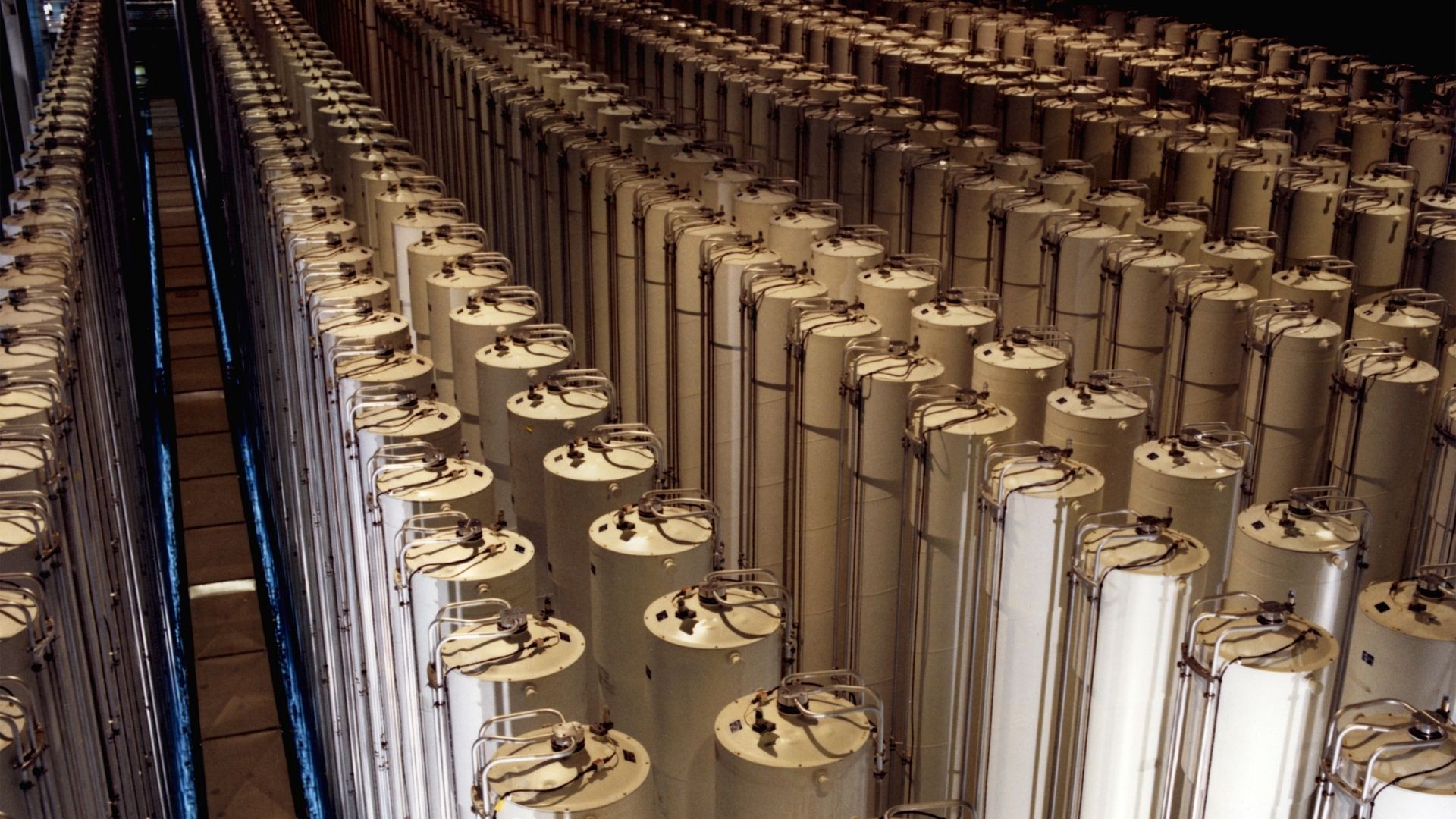
The United States is working to rebuild its domestic uranium enrichment infrastructure for its defense programs, through a project known as DUECE (Domestic Uranium Enrichment Centrifuge Experiment).

It began in 2016, with an objective to develop and demonstrate the next generation of gas centrifuges for uranium enrichment. DUCE is based out of Oak Ridge National Laboratory (ORNL).

The project is strategically significant as it aims to provide a domestic source of highly enriched uranium for powering US nuclear submarines as well as provide tritium for the US nuclear weapons stockpile.

The US imports low enriched uranium for its commercial power reactors but international treaties prohibit the use of imported uranium for military applications.

A capability gap decades in the making

The US once operated three large gaseous diffusion plants for uranium enrichment. These were located in Oak Ridge Tennessee, Portsmouth Ohio, and Paducah, Kentucky (which remained operational until 2013).

These facilities consumed enormous amounts of electricity and were gradually shut down as cheaper, more energy-efficient centrifuge-based enrichment became the global standard.

The US was also developing centrifuge technology at Oak Ridge to eventually replace gaseous diffusion. But events like the Three Mile Island nuclear disaster, the end of the Cold War, and the decrease in global demand for enriched uranium halted plans for commercializing the gas centrifuge technology.

The enrichment process

Gas centrifuge enrichment works by spinning uranium hexafluoride gas at high speed; the heavier uranium-238 isotope migrates toward the outer wall while the lighter, fissile uranium-235 concentrates near the axis. Cascades of thousands of centrifuges connected in series are required to achieve commercially useful enrichment levels.

In general the enrichment levels of uranium fuel in US nuclear submarines is 93-97%. These enable high power density and long-lived reactor cores. It also facilitates in building more compact naval reactors.

What DUECE is building

Currently the project is focused on building a pilot plant in collaboration with BWX Technologies (BWXT). BWXT built a Centrifuge Manufacturing Development Facility to support the pilot plant, it commenced operations in January 2026. The plant will use centrifuges based on the ORNL’s Generation 1 centrifuge design. Currently the Generation 1 design is deployed in a laboratory cascade at ORNL.

It commenced operations on June 1, 2026. Additional deployments of the Generation 1 machine at ORNL are planned through the early 2030s to mature the TRL (Technology Readiness Level) of the design in time for the pilot plant deployment.

Michael Whedbee ORNL’s technical project manager for DUECE said “ The DUECE project plans to use the developments in computing and in materials to continue to advance and develop new potential designs and capabilities in the centrifuge arena.”

Eventually the technical and operational learnings from the pilot plant will be utilized in building a follow on commercial scale facility in the 2040s. The DUECE project fits within a broader federal push to secure the nuclear fuel cycle, which includes funding for domestic uranium mining, conversion, enrichment and reprocessing.

  •  

Pennsylvania Activists Push for Solutions to Rising Electric Bills as Data Centers Strain Power Grid

Pennsylvania Activists Push for Solutions to Rising Electric Bills as Data Centers Strain Power Grid

Environmental advocates in Pennsylvania are calling for urgent action to address skyrocketing electricity costs that are burdening consumers across the state. The activists have proposed a three-pronged approach to tackle the crisis: requiring energy-intensive facilities like data centers to generate their own power instead of drawing from the public grid, reducing utility company profit margins, and accelerating the connection of new renewable energy projects to the electrical system.

The push comes amid growing concerns about the environmental and economic impact of the state’s rapidly expanding data center industry. These massive facilities, which house thousands of computer servers to support cloud computing and digital services, consume enormous amounts of electricity around the clock. Despite this surge in demand placing additional strain on Pennsylvania’s power infrastructure, industry representatives maintain that data centers are not responsible for the rising costs faced by residential and business customers.

The advocacy coalition, which includes major environmental organizations, argues that current policies unfairly burden ordinary consumers with the costs of supporting large-scale industrial electricity users. By requiring these high-demand facilities to develop their own power sources, advocates believe the pressure on the existing grid would be reduced, potentially leading to lower rates for households and small businesses. Additionally, streamlining the approval process for solar, wind, and other clean energy projects could help diversify the state’s energy portfolio while creating more competitive pricing options for consumers.

The post Pennsylvania Activists Push for Solutions to Rising Electric Bills as Data Centers Strain Power Grid first appeared on EnviroLink Network.

  •  

Critical rare earth elements recovered from coal waste with new acid-free process

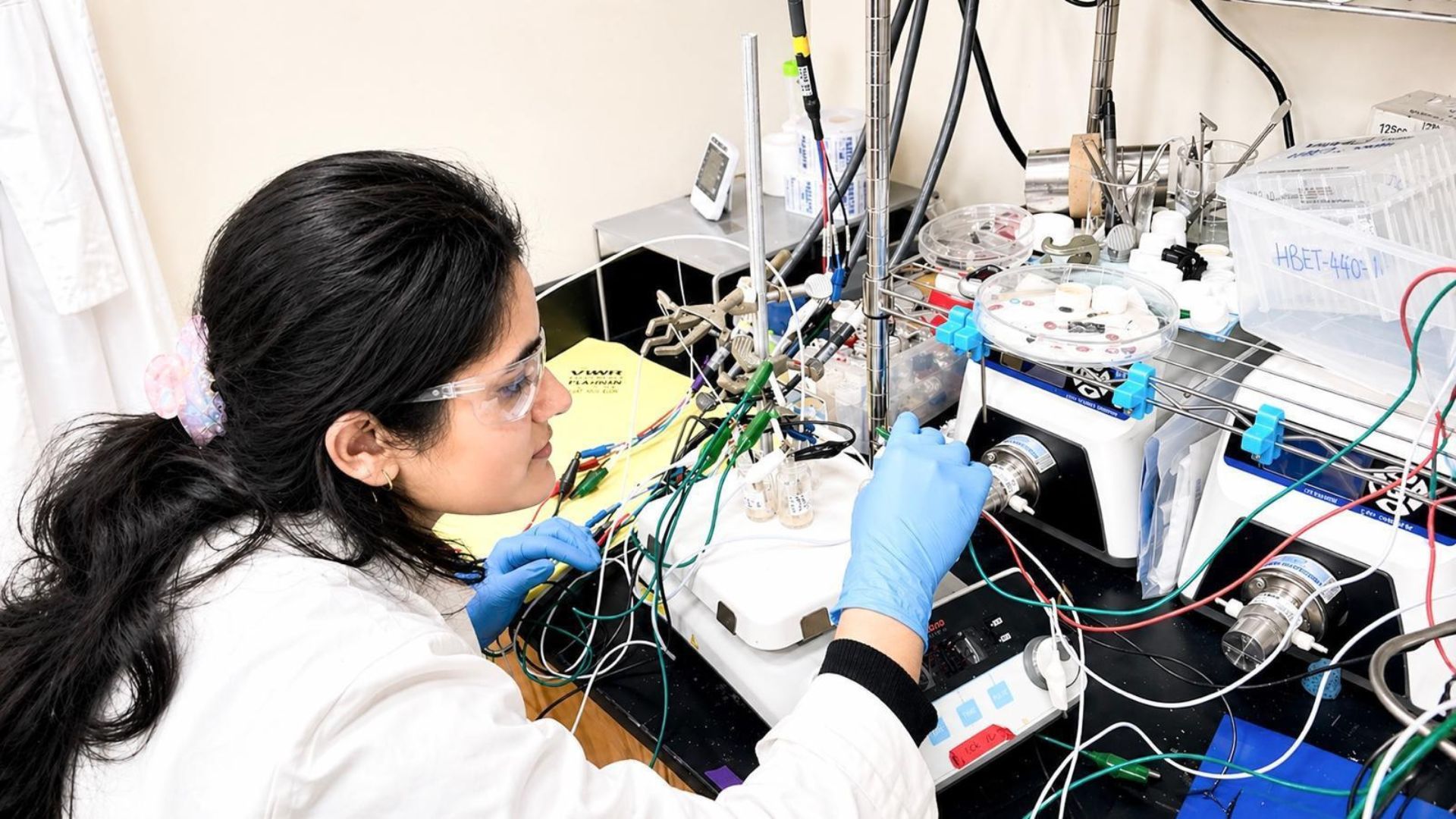
Researchers at Georgia Tech have developed a method to harvest rare earth elements (REEs) directly from coal waste.

Anuja Tripathi, a postdoctoral researcher, co-developed this innovative method to recover critical rare earth elements from this industrial waste. 

Working alongside professors Ching-Hua Huang and Xing Xie, Tripathi transformed what she once viewed as a childhood nuisance into a valuable resource. It offers a way to extract the essential materials needed for modern technology from America’s massive stockpiles of coal fly ash.

Mining coal waste

Do not let the name fool you. Rare earth elements are not actually rare. But these are deeply scattered. Finding them in concentrations high enough to mine efficiently is a global game of hide-and-seek.

Yet, modern society cannot function without them. These elements are the invisible muscles inside electric vehicle motors, wind turbines, defense weapons systems, and smartphones.

Right now, the United States relies mostly on foreign supply chains to get them. This heavy dependence creates massive geopolitical and national security vulnerabilities. The pressure is on to find a domestic source. 

The solution sits in America’s coal landfills. Right now, about 2 billion tons of fly ash are trapped in storage ponds and dump sites across the nation.

Left alone, it can leak toxic chemicals into groundwater or spill during major storms.

But coal naturally holds trace amounts of REEs. When coal burns, those valuable elements get left behind in the ash, concentrated and waiting.

Mining it, however, is a dirty business. Conventional extraction requires intense heat and toxic, corrosive acids. It often creates more pollution than it solves.

Without toxic acids

Tripathi’s breakthrough eliminates the harsh chemicals.

Her system relies on a recyclable, salt-based “ionic liquid.” This specialized liquid remains stable under conditions that would cause water-based chemistry to break down completely.

“The beauty of this system is that it works beyond the limits of water,” Tripathi explained.

First, the ionic liquid washes over the ash, acting like a magnet to pull the rare earth elements away from the waste. Next, the scientists zap the liquid with an electrical current. The valuable elements instantly gather onto a collection surface, allowing researchers to scrape them off.

The best part is that the liquid is cleaned and reused. The process is also highly tunable.

The team can target specific metals by adjusting the voltage of the electrical current. At low voltages, the system isolates neodymium — a critical ingredient for the ultra-strong permanent magnets used in clean energy. In initial lab tests, the system successfully recovered nearly half of the available neodymium.

The laboratory chemistry is sound. Now comes the hard part: scale.

Tripathi and her team must prove that this system can handle tons of waste rather than small laboratory batches. It needs to be fast and cheap enough to survive in the commercial market.

If it works, the implications stretch far beyond coal. The same electrochemical process could eventually be used to mine discarded cell phones, dead EV batteries, and old medical waste.

The findings were published in the journal Environmental Science and Technology. 

💾

Researchers at Georgia Tech have developed a method to harvest rare earth elements (REEs) directly from coal waste.
  •  

Nuclear reactor accident testing equipped with real-time visual tracking tech by US lab

Researchers at Oak Ridge National Laboratory (ORNL) have added real-time visual tracking to their nuclear accident simulation equipment. By installing a camera window into a specialized furnace wall, scientists use digital image correlation to measure fuel cladding deformation as it happens. 

This is the first time researchers have captured these physical changes visually during a simulated loss-of-coolant accident (LOCA).

The severe accident testing station (SATS) at ORNL is the only domestic facility that can run these simulated failures on commercial, radioactive fuel rods. The protective outer layer, known as cladding, holds the nuclear fuel. Gathering precise data on this setup helps the nuclear industry reduce regulatory uncertainty.

This testing supports a broader national effort to approve accident-tolerant and high-burnup fuels, which allow commercial reactors to run longer and generate more power without raising costs.

Grid demand and regulatory approvals

Data centers and artificial intelligence systems are increasing the demand for steady electricity. Rather than building new facilities, power companies want to optimize current light-water reactors. This process, called a power uprate, increases electricity output by running fuel at higher temperatures and adjusting operational margins.

“A power uprate means increasing a plant’s electrical output by optimizing its operational margins — and removing overly conservative guidelines where appropriate — so that the fuel can operate at higher power levels,” said Nathan Capps, senior R&D staff in the Fuel Cladding and Core Internals group.

When utilities combine power uprates with extended fuel lifespans, they generate more energy from the same resources. To date, the Nuclear Regulatory Commission (NRC) has approved 171 power uprates. 

This has added power equivalent to eight new reactors to the U.S. grid without new construction. However, utilities must submit experimental data proving safety before the NRC approves these operational changes.

The simulation process

To replicate an accident where cooling water drops out of a reactor core, ORNL scientists follow a specific sequence. A fuel rod segment between 1 and 12 inches long is placed inside a quartz tube and centered with spacer disks. Next, researchers pressurize the inside of the segment to replicate the internal stress of a full-length active rod. 

An infrared furnace then heats the sample to a target temperature at a controlled rate. Finally, water floods the chamber to cool the segment back to room temperature. The entire process takes two to three minutes.

SATS uses two stations to complete this research. The first operates in a standard lab to map out experiments and test non-radioactive materials. The second station sits inside a heavily shielded hot cell to run identical parameters on radioactive commercial fuel. 

Beyond structural changes, the system tracks how trapped gases escape during temperature spikes and how fuel moves during a failure.

Industry applications

Fuel manufacturers use ORNL’s data to create safety reports for regulatory review. Over the past four years, ORNL has completed 16 LOCA tests alongside companies like Southern Nuclear, Constellation, Westinghouse, Framatome, and Global Nuclear Fuel. 

The laboratory plans to double its testing volume to help utilities meet rising grid demands.

  •  

Scientists turn ordinary water into a powerful energy storage material

Water is one of the most common substances on Earth, but scientists have now discovered that it may have a surprising new use: storing electrical energy. Researchers at the Hamburg University of Technology in Germany have developed a new type of energy storage device that uses pure water as its main working ingredient. The technology […]

The post Scientists turn ordinary water into a powerful energy storage material appeared first on Knowridge Science Report.

  •  

US backs commercial fusion plant design built for decades of continuous power

The US Department of Energy (DOE) has officially cleared the preconceptual design and technology development roadmap for Xcimer Energy’s fusion power plant architecture, named Athena.

This regulatory clearance follows an intense evaluation of a 724-page proposal that covered system engineering, safety protocols, economic projections, and environmental impacts.

The government’s sign-off concludes Xcimer’s initial 18-month budget cycle within the federal Milestone-Based Fusion Development Program, an initiative intended to advance commercial fusion through public-private partnerships.

This administrative milestone closely follows the activation of Xcimer’s prototype laser system, Phoenix, last week. Located inside a 74,000-square-foot facility in Denver, Phoenix is currently the largest operational private laser system globally.

“Phoenix is a proof of concept for an unconventional fusion architecture: a krypton fluoride (KrF) excimer laser using Stimulated Brillouin Scattering (SBS) to compress a microsecond-long pulse into the nanosecond timescales fusion requires,” said the company in a press release.

Viability of long-term power generation

While historical laboratory efforts, such as those at the National Ignition Facility, proved that laser fusion physics could surpass the scientific breakeven point, Xcimer’s program focuses on the financial and mechanical viability of long-term power generation.

The Athena platform serves as the blueprint for a projected fleet of commercial plants designed to operate continuously for multiple decades.

A central challenge in fusion engineering is protecting reactor structures from degrading under constant radiation. Xcimer intends to address this by using a moving curtain of molten salt inside the reactor chamber instead of a static solid wall.

According to Susana Reyes, Vice President for Chamber and Plant Design, this liquid barrier absorbs neutron flux, generates tritium fuel, and transfers heat while constantly renewing itself.

“We are designing Athena to run continuously at a repetition rate of up to 1 Hz, and the use of a liquid wall chamber maximizes availability by protecting the solid structures from the fusion reaction emissions over the entire plant lifetime,” said Reyes.

Establishing scalable industrial manufacturing

Company officials state that the primary obstacle to fusion energy is no longer validating the underlying science, but establishing scalable industrial manufacturing.

Conner Galloway, CEO and Chief Science Officer, noted that the DOE’s review confirms the mechanical viability of the Athena framework and establishes a structured pathway toward commercial deployment.

“The question facing laser fusion is no longer whether the physics works,” said Galloway. “The question is how fast we can industrialize it.

Xcimer’s engineering targets include limiting laser manufacturing expenses to less than $100 per joule to ensure competitive energy pricing. Following the federal approval of the Athena roadmap, the Denver-based firm plans to transition into its next operational phase.

The upcoming schedule requires Xcimer to begin full-scale subsystem testing, complete engineering validations, and finalize the technical preparations necessary for a comprehensive, integrated pilot plant demonstration.

“We designed Athena around that property from day one, and it shapes everything: the materials choices, the thermal management, the maintenance philosophy, the economics. And Xcimer’s laser architecture uniquely enables this design,” concluded Reyes.

  •  

“When We Build the ARC Fusion Power Plant, It Will Work”: Company Claims Nuclear Fusion Reactor Design Will Produce More Energy Than It Consumes


Researchers from the private nuclear fusion energy company Commonwealth Fusion Systems have published a series of papers that they claim confirm that their flagship ARC reactor will produce more usable energy than it consumes if built as designed.

Although the company projects it will deliver the first commercial fusion plants by the early 2030s, other researchers say there are remaining challenges to overcome, and won’t declare the ARC reactor successful until an operational version is constructed to validate the research team’s theoretical predictions.

ARC Fusion Reactor ‘Will Work’ When Built

Scientists have long dreamed of capturing the nuclear fusion reaction that fuels our Sun and using it to generate clean, renewable power. Private fusion firms like CFS have received nearly $10 billion in funding over the last decade alone.

The first laboratory “net-energy” controlled fusion reaction, which fusion scientists call “ignition,” didn’t occur until 2022, when physicists at the US National Ignition Facility in Livermore, California, successfully produced more energy than was used to generate the reaction. Although brief, that moment has fueled speculation that practical fusion energy generation may be right around the corner.

Now, the Commonwealth team, which includes 58 researchers from the company and partner institutes, has published scientific papers outlining the physics of their ARC reactor, including new models that they say account for the “expected behavior” of the superhot plasma at the heart of the design.

Brandon Sorbom, the company’s chief science officer, said that the published works  “confirm that when we build the ARC fusion power plant, it will work”.

Company Claims ARC Will Produce 400 Megawatts of Net Electricity

After nearly a decade of research, CFS, founded in 2018, is currently preparing its prototype for a 2027 demonstration it calls ‘SPARC.’ The company said they expect that trial run, which will demonstrate their technology’s ability to generate more energy than it needs to heat the plasma, will help them fine-tune ARC’s final design.

ARC fusion reactor
A peek inside the Commonwealth Fusion Systems magnet production facility. Image Credit: CFS.

According to the Commonwealth-led team, ARC will generate more energy than is required to operate the entire facility, including plasma heating, resulting in a true net-positive power-generation facility. This includes producing approximately 400 megawatts of net electricity, which the team noted is enough to power 280,000 average US homes. For comparison, recent census data indicates that Boston, Massachusetts, near the company’s headquarters in Cambridge, has around 271,000 U.S. homes.

Like SPARC, the ARC reactor uses high-temperature superconducting magnets to compress the plasma, which remains suspended by the magnetic fields, preventing it from damaging the chamber walls and terminating any potential fusion reaction. Under this extreme pressure, the nuclei of heavy hydrogen trapped inside the chamber fuse to form helium, the same reaction that takes place inside the Sun.

This fusion reaction results in the release of energy, primarily high-speed neutrons. At its hottest, the donut-shaped ring of plasma reaches seven times the temperature of the Sun.

Critics Applaud Publication While Highlighting Unproven Concepts and Systems

Tony Roulstone, a nuclear engineer at the University of Cambridge, UK, conceded that the CFS team and its collaborating authors are “some of the best in the fusion business” and noted the company’s ARC reactor concept is the result of “good work over many years.” However, Roulstone also warned of the pressure on researchers in privately funded companies to “claim things before the evidence is fully in place.”

David Hammer, a nuclear engineer at Cornell University in Ithaca, New York, said it is a good sign that the team is publishing at a high volume, but also warned that published papers will not guarantee that the built device will work as intended.

Their modeling “has to be proven correct by a fusion reactor that works as designed”, he adds. If the firm can get SPARC operating successfully next year, “it will be an important step forward”, he says.

Hamner also noted that several of the design’s subsystems require further development before it can be declared complete. This includes addressing how plasma will behave in the real world when it becomes unstable versus its modeled behavior, proving out the process for extracting usable energy from the generated heat, and demonstrating that the reactor is robust enough to operate for long periods.

The scientists also noted the challenges in sourcing tritium, the isotopic fuel the reactor requires to operate. Although CFS has outlined its tritium generation process, Hamner noted that the series of published papers neither details the process nor demonstrates its viability.

“There are candidate blanket materials and blanket designs, but there are many engineering person-years needed” to bring a functional ARC-style plant to fruition, he explained.

“We certainly have to build more on top of that foundation laid out in these papers,” a company spokesperson said, adding that they will “be able to produce tritium for operations and for future power plants.”

The following articles were published by the CFS-led team: “Overview of the physics basis for the ARC fusion power plant“; “ARC disruption physics and strategy“; “Performance and Transport in the ARC Tokamak“; “Power and particle exhaust for the ARC fusion power plant“; “ARC Physics Basis-Magnetohydrodynamics.”

Editor’s Note: This article was updated to correct a previous version that described neutrinos, rather than fast-neutrons, in the context of the reporting, and to clarify that the first achievement of a “net-energy” controlled fusion reaction (ignition) occurred in 2022. 

Christopher Plain is a Science Fiction and Fantasy novelist and Head Science Writer at The Debrief. Follow and connect with him on X, learn about his books at plainfiction.com, or email him directly at christopher@thedebrief.org.

  •  

US firms to make non-lithium grid batteries that deliver 99% uptime without active cooling

US energy storage startup Peak Energy has recently joined forces with leading car manufacturer General Motors (GM) to develop sodium-ion batteries designed for grid storage.

The Colorado-based energy storage company announced the new partnership on June 9. The project will bring together its proprietary passively cooled battery and GM’s sodium-ion cells.

Under the novel agreement, General Motors will design and develop the sodium-ion cells at its battery laboratories in the state of Michigan. It will moreover retain exclusive manufacturing rights. Peak Energy will integrate the cells into its energy storage systems.

“In grid-scale stationary storage systems, if we can make the cell safer and more robust, we can remove complexity elsewhere in the system,” GM reported. “That can translate into a quieter, simpler, lower-maintenance ESS for the customer.”

Sodium-ion storage push

According to both companies, the technology could provide a cheap alternative to today’s dominant lithium-iron phosphate (LFP) battery systems. It could also improve reliability and reduce energy waste.

“Lowering the cost of energy is one of the most important issues facing America today,” Landon Mossburg, Peak Energy CEO and co-founder, said. He added that the firm aims to deliver a safer, lower-cost, and faster-to-deploy energy storage system that can meet the growing US power demand without raising consumer costs.

Peak Energy teamed up with General Motors (GM) to develop sodium-ion battery cells for grid storage.
Credit: Peak Energy

Peak Energy has developed a proprietary passively cooled battery energy storage system. In essence, this means that it does not rely on active cooling to maintain safe operating temperatures. The firm argued that eliminating cooling equipment reduces both upfront costs and operational complexity.

The sodium-ion system can reportedly reduce energy storage costs by around 20 percent compared with conventional solutions. It can furthermore deliver over 99 percent uptime.

Mossburg stressed the significance of the project. “The future of grid storage will be defined by affordability, reliability and American innovation,” he noted. “We’re thrilled to partner with GM to bring a better solution to the American energy economy.”

A strategic partnership

Replacing conventional LFP-based storage systems with Peak Energy’s passively cooled technology could potentially cut annual battery storage energy waste in the US by up to two terawatt-hours (TWh). That amount of electricity would be enough to power a mid-sized city for an entire year.

“At GM, we know that the application should determine the battery, and for grid-scale stationary storage, sodium-ion is the right solution,” Kurt Kelty, GM’s VP of battery and sustainability, said in a press statement.

According to GM, eliminating active cooling can significantly improve energy storage systems. Active cooling relies on additional equipment, leads to higher energy losses, requires more maintenance, and increases the risk of component failures. All of this can drive costs higher over time. The firm is certain that Peak Energy’s platform will deliver lower costs, greater reliability, and less maintenance.

“Peak is already demonstrating the value of sodium-ion through their innovative energy storage platform, and together we’re working to push those benefits even further with our next-generation cell – helping deliver more reliable, lower-cost energy storage at scale for the US grid,” Kelty concluded.

💾

Peak Energy and GM will develop sodium-ion batteries that promise 99 percent uptime and 20 percent lower grid storage costs.
  •  

New Analysis Confirms the Universe is Still Expanding, Refuting Controversial 2025 Claims and Prompting Immediate Response


A new study has taken a fresh look at a late 2025 Yonsei University study claiming the universe’s expansion is stalling out and instead has found that the universe is still expanding as previously believed.

Led by researchers from the University of Southampton, the team behind the new analysis acknowledged the scientific value of the 2025 team’s work, noting that their calculations were not wrong but lacked the additional data needed to confirm the universe’s expansion rather than refute it.

The lead author of the 2025 study, Dr. Chul Chung, told The Debrief that he and his colleagues “have already submitted our response to Wiseman, Riess et al. 2026 on May 14,” adding that the paper, “Still accelerating: age bias correction in supernova cosmology is robust to host-progenitor age mapping,” has also been posted on arXiv.

“The abstract summarizes the two main issues we identify in Wiseman et al., so I think it provides a concise overview of our position,” Chung told The Debrief.

Challenging Universal Expansion

According to a statement announcing the findings, scientists first confirmed the universe’s expansion was accelerating in 2011, a discovery that won astrophysicists Professor Adam Riess and Professor Brian Schmidt the Nobel Prize in Physics. Since that discovery, cosmological models have incorporated this accelerating expansion, with experiments on dark matter and dark energy attempting to explain it.

Then last year, a separate team of astronomers announced that a new analysis of stellar phenomena indicated that the universe was no longer expanding. Adding to the controversy was the team’s claim that dark energy may not exist, citing the lack of concrete evidence for a universe undergoing accelerating expansion.

According to the Southampton-led team behind the new study, the 2025 study suggested that previous methods used to measure the universe’s expansion, such as measuring supernovae, “were fundamentally flawed.”

“This points to a time-varying dark energy and a universe that is no longer accelerating, representing a potential paradigm shift in cosmology if confirmed,” explained Professor Chul Chung, co-lead author on the study, in a 2025 email to The Debrief.

The claims sent shockwaves through the scientific community, a result that the researchers note could have dismantled the Nobel Prize-winning team’s historic findings, and “nearly three decades of astronomical progress.”

When discussing the 2025 team’s work, the lead author of the new study, Dr Phil Wiseman, said the team’s findings and the resulting debate were not necessarily incorrect. Instead, the Southampton researcher said it was primarily a result of a scientific understanding.

“The previous and well-accepted measurements were, in fact, fine and our current understanding of the fate of the universe remains robust.”

Recalculating Galaxy Masses and White Dwarf Star Ages Reestablishes Expansion

In their reanalysis, the Southampton-led team recalibrated the original data to account for variables not in the original study. According to Wiseman, these included “different host environments and populations.”

For example, the research team looked at Type 1a supernovae, which are violet, extremely bright explosions of white dwarf stars. The authors of the 2025 study claimed that this class of supernova had “different maximum brightness,” which had tricked astronomers into thinking the cosmos was accelerating, when their analysis said it was actually slowing down.

When they took a fresh look at the data, the Southampton team found that they had incorrectly estimated the age of these stars. The new study also says the 2025 team didn’t account for the mass of the galaxies hosting these cosmological phenomena, which they described as “a standard correction used in modern cosmology to prove accuracy.”

When his team factored those data points in, Wiseman said the evidence for a stalling expansion was not supported. Instead, the researcher observed that “the evidence for cosmic acceleration remains remarkably consistent.”

In their reply on ArXiv, the Yonsei University team said the new research failed to factor in two variables of their own, adding that “when these two effects are consistently combined in computing the redshift-dependent magnitude correction, the final correction, and hence the resulting cosmological impact, remain largely unchanged,” from the original 2025 calculations.

“Extraordinary Claims Require Especially Careful Testing”

When discussing the new study’s findings, Southampton Professor Mark Sullivan highlighted the benefits of scientific review, noting that “this is how progress is made.”

“Although this idea did not turn out correct, it has opened up new ways of thinking about how supernovae explode and how we can measure dark energy more accurately,” the researcher added.

Paper co-author, Dr Brodie Popovic agreed, noting that the 2025 study provided astronomers a good opportunity to “go back over all of our assumptions,” adding that “it turns out, yes, we do understand this stuff, and we’re accounting for it in our cosmology measurement.”

In a salute to the Sagan Standard established by astronomer Carl Sagan, which says “extraordinary claims require extraordinary evidence,” Reiss seemed to celebrate the new findings that reestablish his original work by quipping that “extraordinary claims require especially careful testing.”

With the accelerating expansion of the universe seemingly reestablished, at least for now, Dr Wiseman said: “we can get back to trying to understand what dark energy actually is, rather than wondering if it exists at all.”

“Thankfully we have averted this crisis, but the mystery about why the universe is still accelerating in size remains,” he added. 

The study “Still Accelerating: Type Ia supernova cosmology is robust to host galaxy age evolution” was published in Monthly Notices of the Royal Astronomical Society.

Christopher Plain is a Science Fiction and Fantasy novelist and Head Science Writer at The Debrief. Follow and connect with him on X, learn about his books at plainfiction.com, or email him directly at christopher@thedebrief.org.

  •  
❌