Login

US firm makes history with first flight of electric aircraft using solid-state batteries

Helios Horizon, a Florida-based nonprofit, has completed what it claims is the first piloted flight of an electric aircraft using solid-state batteries.
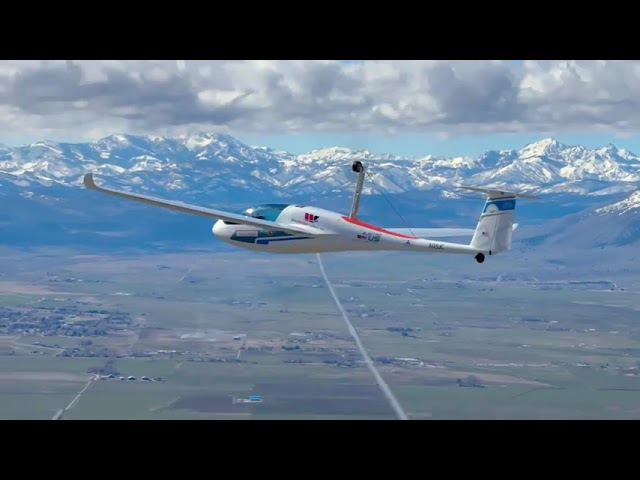
On June 5, founder and chief test pilot Miguel Iturmendi conducted a series of short test flights at Zephyrhills Municipal Airport in central Florida aboard a modified Pipistrel Taurus motor glider designated as the Helios Horizon.
The aircraft, previously equipped with lithium-ion batteries rated at 260 Wh/kg, was reconfigured to run on solid-state batteries delivering 410 Wh/kg.
According to the organization, these new cells are smaller than typical lithium-ion packs used in modern electric vehicles yet provide 60 to 80 percent greater energy density.
Helios Horizon performs first flight with solid-state batteries
Solid-state batteries replace the flammable liquid electrolyte found in conventional lithium-ion cells with a solid material.
This design allows for enhanced thermal stability and resistance to physical damage such as punctures. The batteries can draw power from standard AC electrical sources without specialized charging infrastructure. In flight, the aircraft can supplement its energy through integrated solar panels and by operating the propeller as a wind turbine during non-powered segments.
According to Helios Horizon, their solid-state batteries charge from near-empty to 80 percent capacity in less than 15 minutes. The organization is also aiming for further improvements of around 40 percent in energy density within two years.
“For the first time, we have a battery technology that yields the range and charging times necessary to make commercial electric aviation viable, while providing the safety the flying public will demand,” Iturmendi said in a statement.
He added that regenerative techniques, including gliding and windmilling the propeller during descents, “can significantly increase the range of the airplane.”
The June 5 flights primarily validated weight and balance after the battery installation, according to a post from RobbReport. The new power system performed better than expected during sustained operation, though specific range and top speed figures were not disclosed.
The future of solid-state battery aircraft
The Helios Horizon previously set a class altitude record at 24,000 feet. The team now plans stratospheric flights later this year, targeting altitudes above 40,000 feet—higher than typical passenger airliner cruise levels. Iturmendi believes the solid-state batteries will enable these missions on a single charge.
At this stage, the Helios Horizon serves as a technology demonstrator to illustrate potential gains in range and endurance for electric propulsion. While not intended for immediate commercial production, the project highlights progress toward practical electric aircraft that address key limitations in energy storage and safety.
The achievement arrives amid broader industry efforts to develop viable electric and hybrid propulsion for aviation. Solid-state technology has long been viewed as a potential breakthrough, promising higher performance and improved safety margins over current battery chemistries. Helios Horizon’s test marks a tangible step in applying that technology to a manned aircraft.