Login

New partnership aims to create local supply of recycled graphite for European EVs
The race for European battery independence just found its next battleground in an unexpected place: the trash heap.
On June 2, an advanced battery materials firm, Vianode, and German sustainable recycling pioneer, Cylib, signed an agreement to turn old batteries into vehicle components.
The memorandum of understanding (MoU) establishes a partnership to develop and supply recycled graphite for high-performance battery anodes.
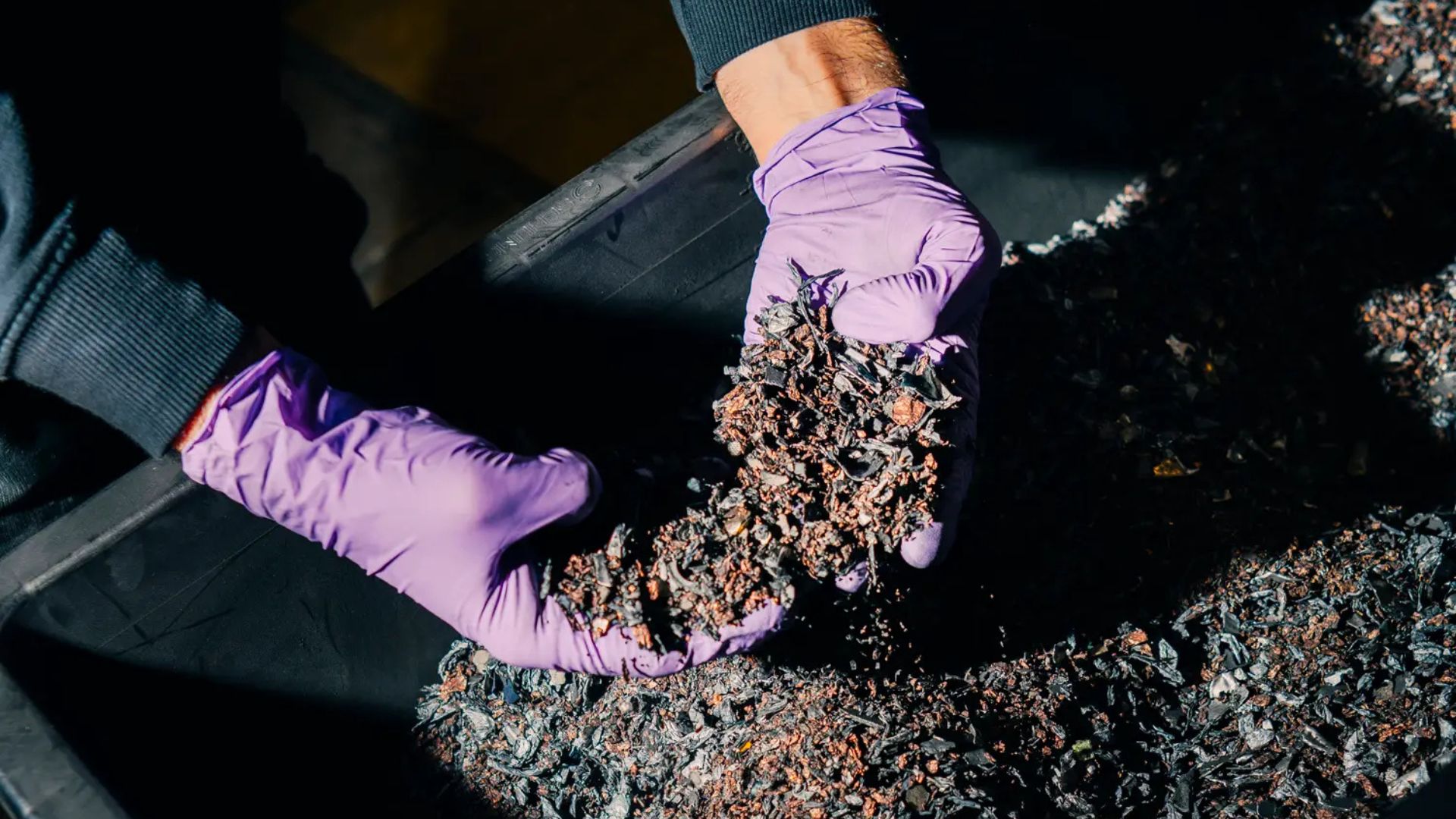
Under the agreement, Cylib will supply high-quality graphite concentrate recovered through its proprietary recycling technology, while Vianode will test and validate its performance in anode materials.
“Closing the loop on battery materials is essential for building a truly sustainable battery value chain,” said Burkhard Straube, CEO of Vianode.
“By collaborating with Cylib on the integration of recycled graphite into advanced anode materials, we aim to strengthen circularity for battery graphite, reduce reliance on virgin raw materials, and support the EU’s ambitions for a more resilient, low‑carbon battery ecosystem,” Straube added in the press release.
Recycled graphite supply chain
Graphite is an important material for lithium-ion battery anodes due to its unique crystalline structure, which enables efficient lithium-ion store and release.
In high-performance batteries, the anode requires either highly purified natural graphite or precision-engineered synthetic graphite to maximize electrical conductivity, enhance structural durability, and enable fast charging.
The material’s global demand has been increasing due to the high demand for tech like electric vehicles. For this reason, the industry is increasingly focused on sourcing high-performance graphite that balances extreme energy density with strict environmental standards. Hence, it is driving the shift toward localized production and advanced recycling methods.
Currently, Europe relies heavily on imports of virgin graphite, a critical mineral tightly controlled by global markets outside the bloc.
With the integration of Cylib’s proprietary recycling technology directly into Vianode’s advanced anode production process, the two companies plan to turn spent battery waste into high-performance vehicle components.
If successful, this closed-loop manufacturing system will create a sustainable, domestic supply chain that slashes carbon emissions while securing Europe’s material independence.
Slashing emissions
The process relies on a delicate handoff. First, Cylib will extract high-quality graphite concentrate from spent batteries using its water-based OLiC (Optimized Lithium and Graphite Recovery) technology.
As per the press release, this system has a 90 percent recovery rate for critical metals such as lithium, graphite, nickel, cobalt, and manganese. Better yet, it slices carbon emissions by 80 percent compared to normal mining.
Then, Vianode steps in.
The Norwegian company will test the recycled material at its pilot facilities, blending it into formulations for its next-generation synthetic anodes. Vianode’s synthetic graphite already has a carbon footprint 90 percent lower than that of standard industry materials.
Injecting recycled graphite into the mix pushes them closer to a strict 2030 climate target: emitting just 1.0 kg of CO₂ equivalent per kilogram of graphite produced.
If the pilot projects succeed at a commercial scale, both firms intend to negotiate a binding commercial supply agreement.
The European Union has placed immense pressure on automakers to slash manufacturing emissions and source materials locally. This partnership offers a glimpse of how the industry might actually pull that off without sacrificing vehicle range or battery life.