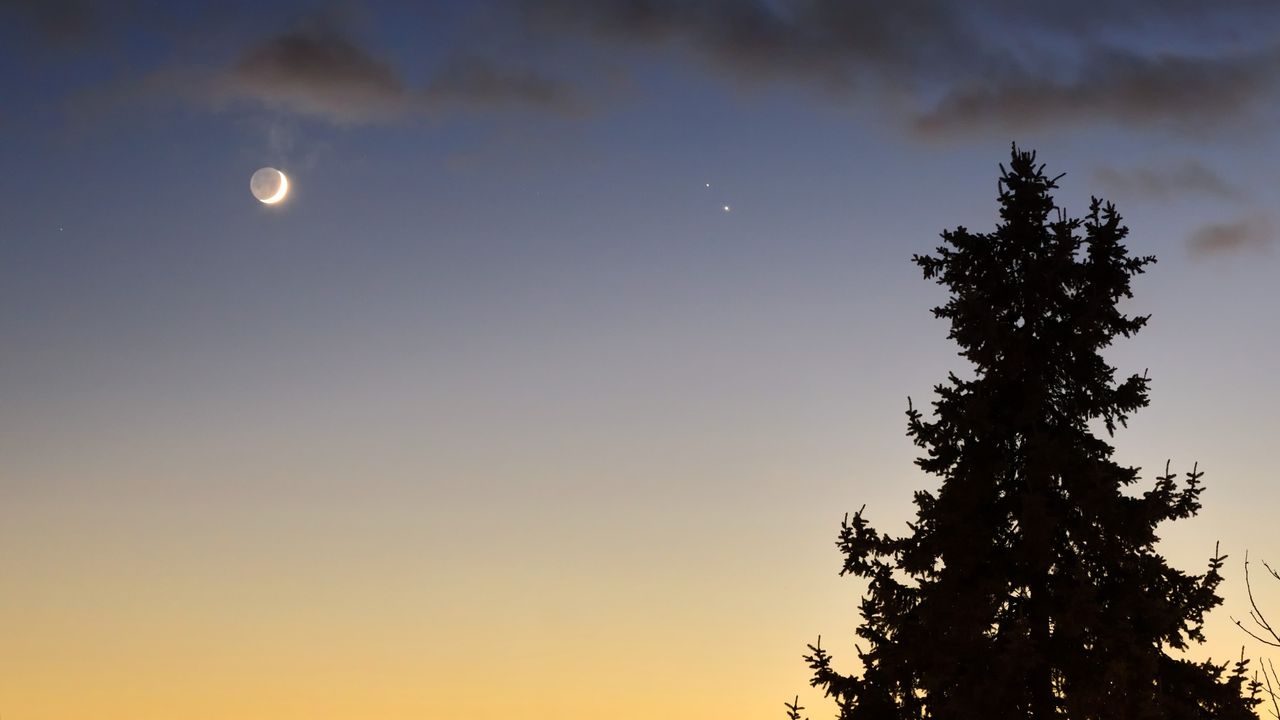
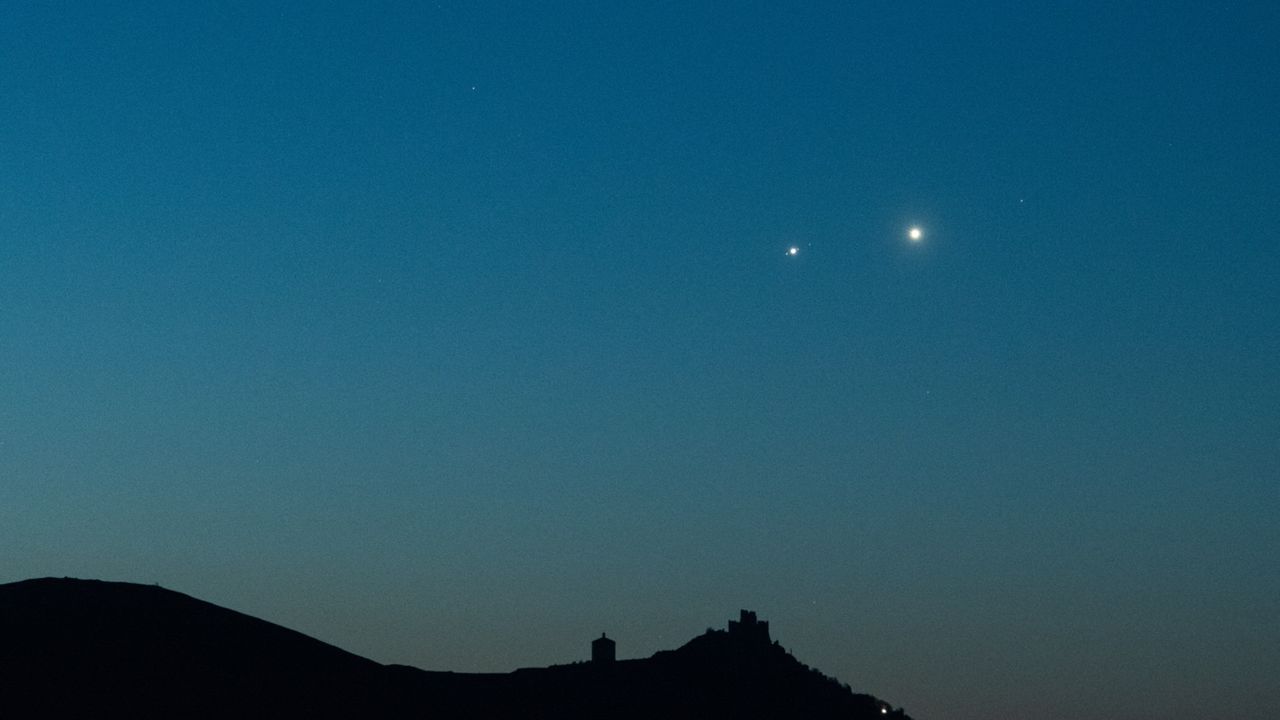
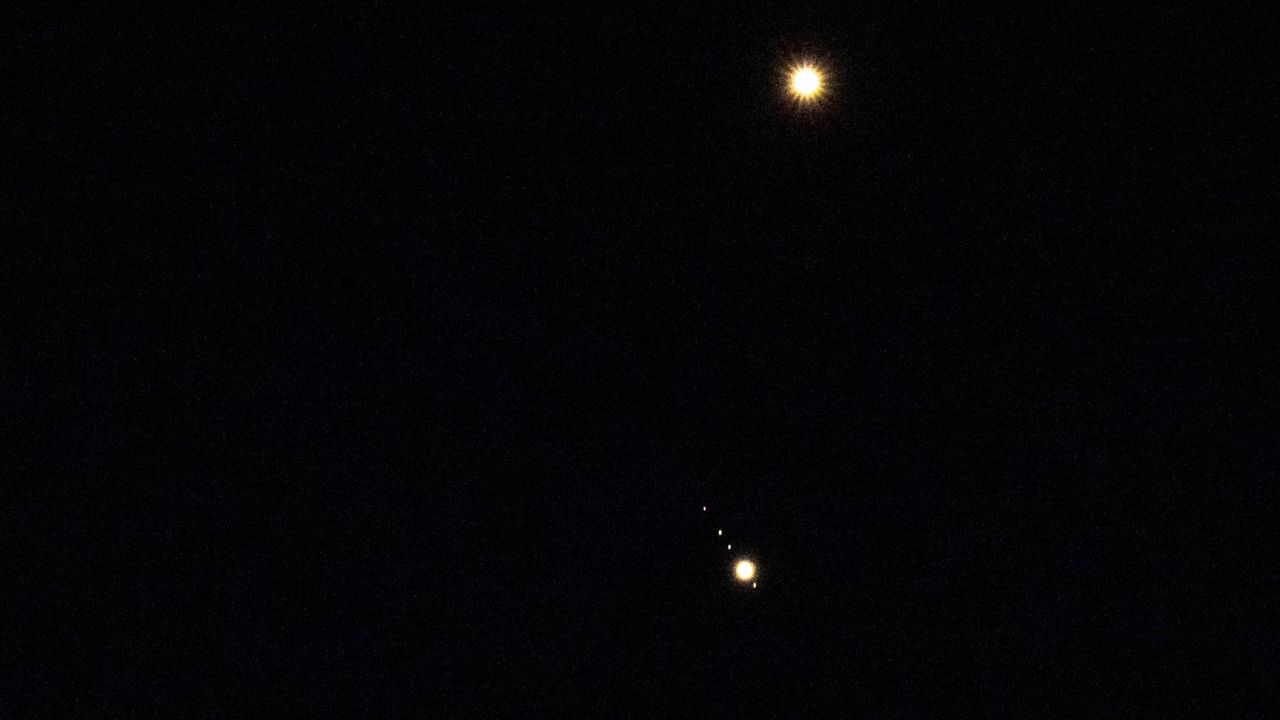
As it turns out, the conditions that set Venus and Jupiter up for their conjunctions in the sky are the same that are critical for life to survive on Earth.
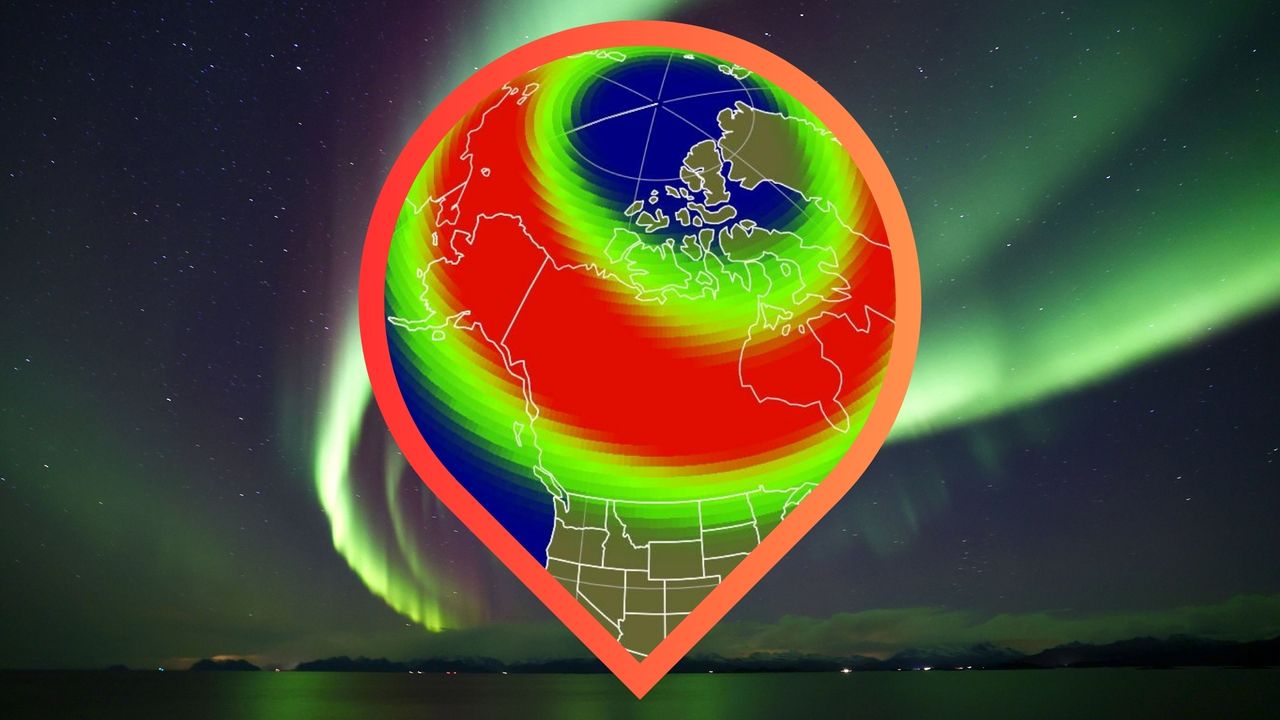
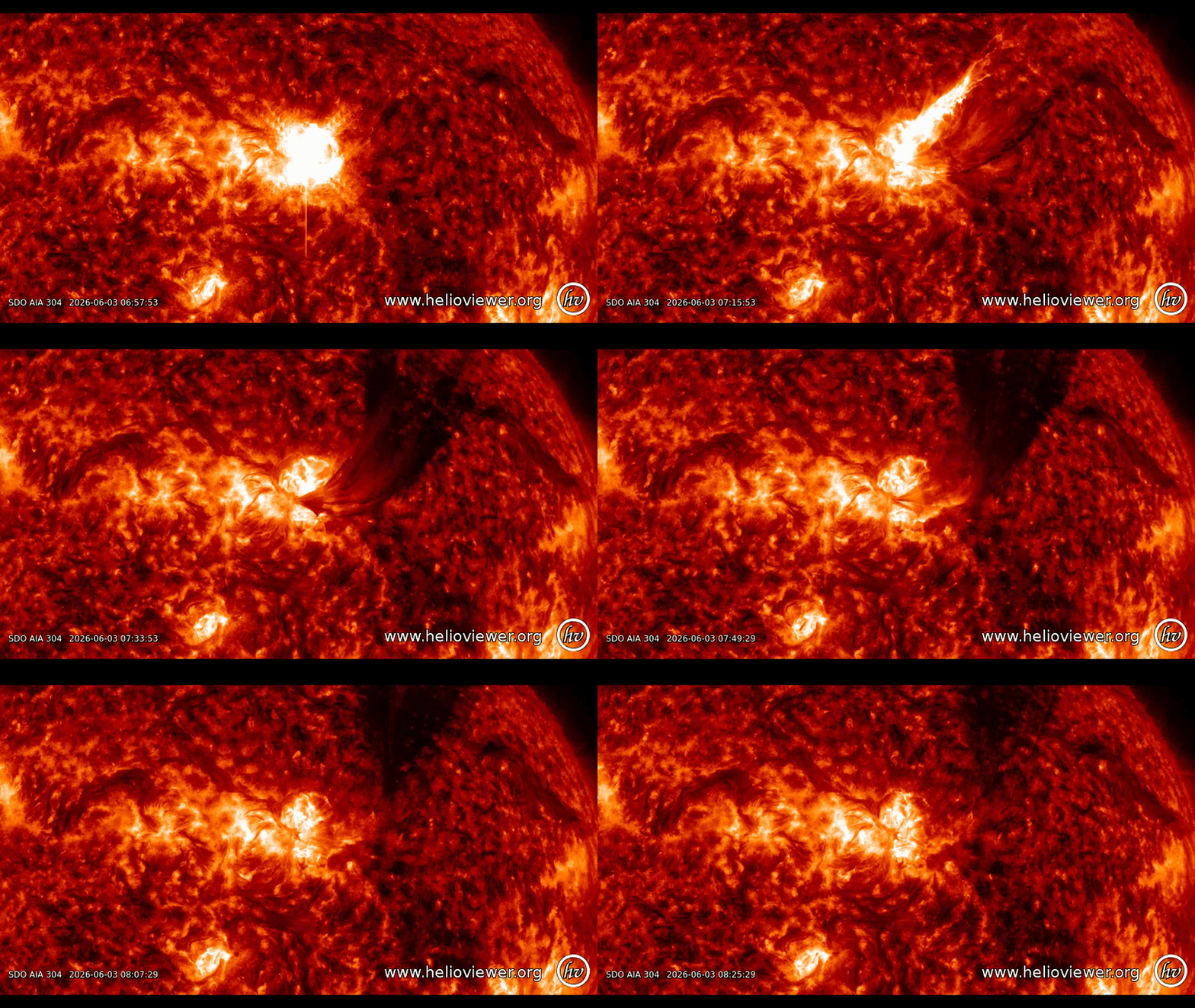
A coronal mass ejection is currently racing toward Earth and could trigger G2 to G3 geomagnetic storm conditions on June 8, potentially boosting aurora displays across northern latitudes.
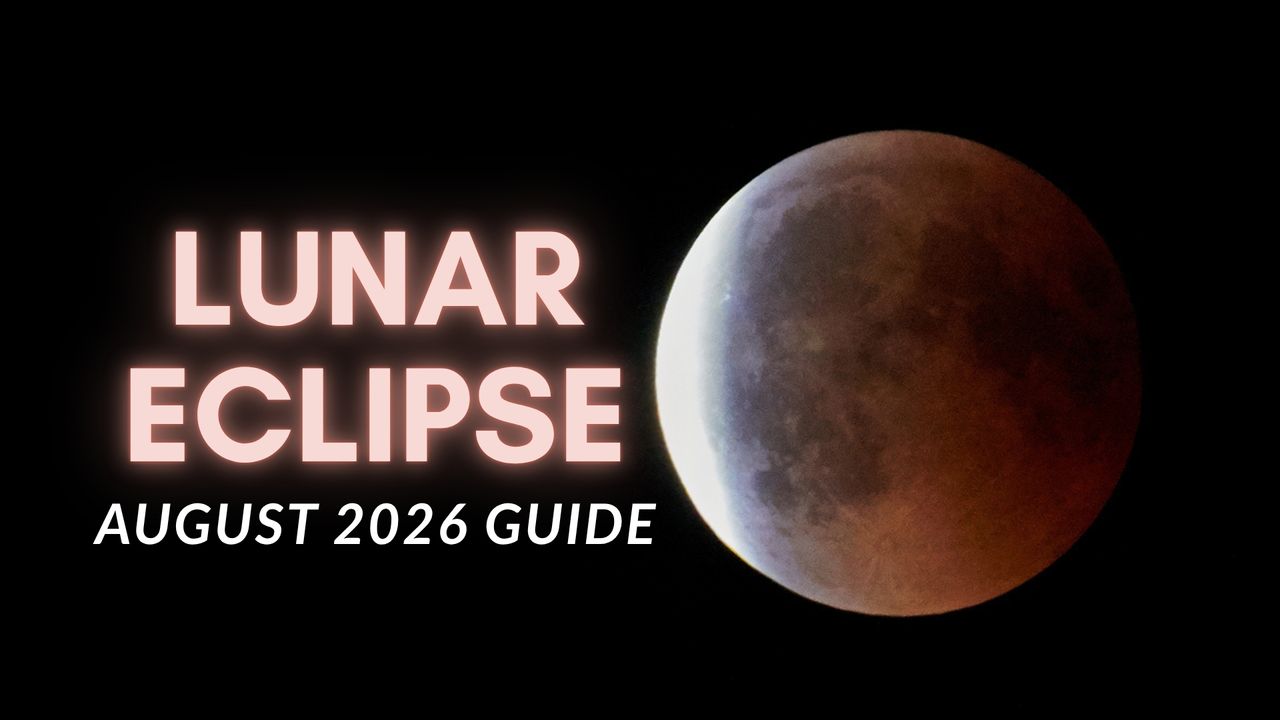
A deep partial lunar eclipse on August 27-28, 2026, will be visible in North America and will be the best lunar eclipse anywhere on Earth until New Year's Eve 2028.
Heads up aurora chasers! We could be in for a show! Multiple CMEs are en route and could spark strong geomagnetic storm conditions and auroras deep into mid latitudes.
With the eclipse occurring near sunset over a complex landscape, eclipse chasers must do their research before the big moment on Aug. 12, 2026. Here's what to do.
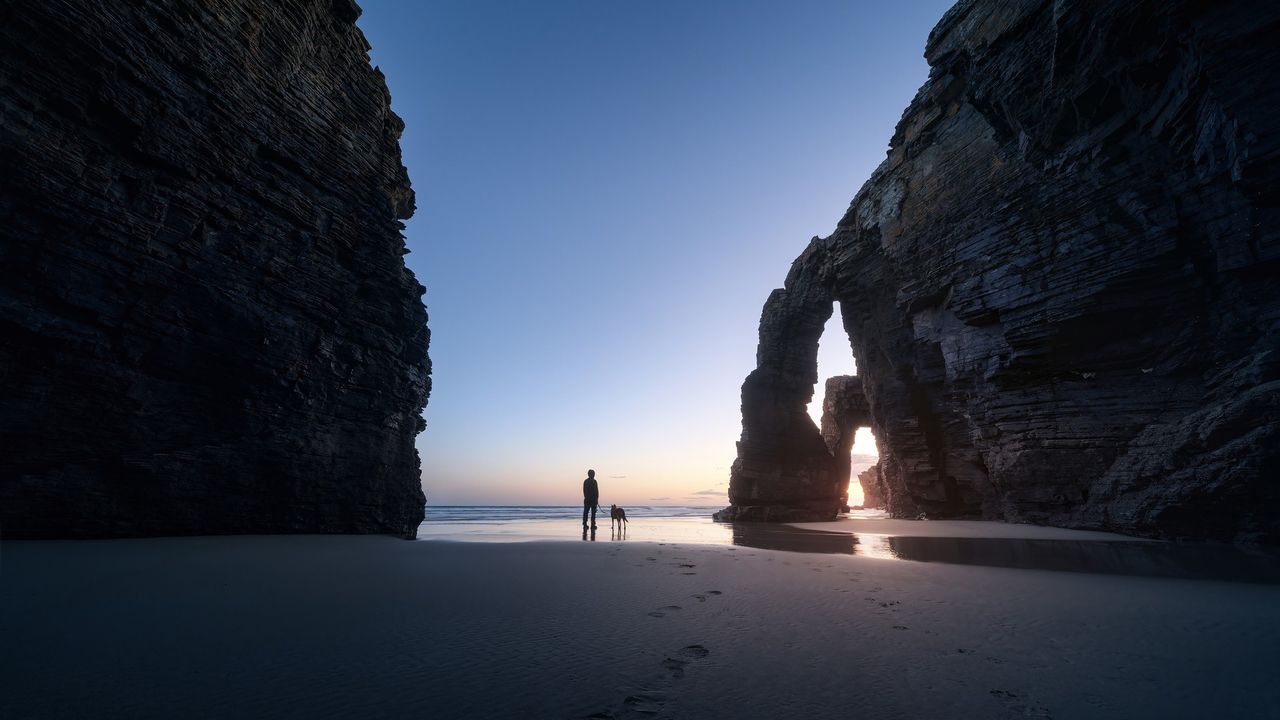
From urban beaches and hidden capes to lighthouses and mountain peaks, here's where to see the total solar eclipse on Aug. 12, 2026, if you're on Spain's east coast or in the Balearic Islands.
 Login