❌

Reading view

Researchers build 25-liter pilot reactor for recycling plastic waste into oil

A mobile pilot plant has been designed to convert various types of plastic waste into oil. 

Developed by the Catalysis Engineering Group at the University of Amsterdam (UvA), the Solvothermal Liquefaction (STL) process uses a potent mix of solvent, heat, catalysts, and intense pressure to cook mixed plastic waste back into oil.

Interestingly, the resulting dark brown oil contains the precise molecules needed to remake brand-new, virgin plastic, thereby closing the recycling loop.

The pilot plant is heading to Spain to face its ultimate test: real municipal plastic waste. It offers a viable solution for keeping these materials out of landfills and incinerators.

“We have gained a deep insight into the process and are confident that it merits scaling up to industrially relevant volumes. That’s why we have now designed and manufactured a pilot reactor system as a first important step towards actual application,” said Associate Professor Dr Shiju Raveendran.

Cooks unsorted trash

The underlying technology is called Solvothermal Liquefaction. 

Rather than requiring workers or optical sensors to sort polyethylene from polypropylene, the STL process accepts the mixed plastic stream as is. The waste is fed into a 25-liter reactor vessel. Inside, it is blasted with solvent, subjected to high heat, and exposed to elevated pressure.

The key ingredient of all is the specialized nanostructured solid catalysts developed by the UvA team. These microscopic structures accelerate the chemical breakdown without being consumed by the reaction. In just 30 minutes, the molecular bonds of the plastics collapse.

The process cleanly splits the waste into three distinct products: gas, which is diverted to help power the system; char, which is filtered out as a solid byproduct; and a dark brown oil. This oil is packed with the pure monomers needed to manufacture brand-new, high-quality plastic.

Interestingly, the entire process closes the loop completely. The resulting plastic is identical to material made from fossil fuels, completely overcoming the degradation that usually happens during mechanical melting.

Circular plastic recycling

Academic breakthroughs die in labs every day because scaling them up is highly difficult. The team is attempting to beat those odds.

Backed by over €1.5 million from the larger €20 million European “PLASTICE” project, the technology has officially reached Technology Readiness Level (TRL) 6/7. In engineering, it means that the tech is ready for operational reality.

The Amsterdam researchers also partnered with an industrial engineering firm in India. Together, they designed and manufactured a heavy-duty, transportable system. The entire plant is complete with storage tanks, remote-control software, and rigorous safety overrides. It is mounted on automated steel frames called skids.

In Spain, the public waste management company COGERSA will host the pilot plant. For the first time, the machine will run on raw municipal waste streams rather than controlled laboratory feeds.

“Our lab experiments already included actual plastic waste, but we will certainly encounter challenges we could not fully foresee. That is precisely the purpose of this scale-up phase—to move the technology toward genuine industrial relevance,” said Raveendran.

If the skid-mounted reactor can withstand the chaotic composition of Spanish household waste this summer, it could pave the way for modular, decentralized recycling plants worldwide. 

💾

The Solvothermal Liquefaction (STL) process uses a potent mix of solvent, heat, catalysts, and intense pressure to cook mixed plastic waste back into oil.
  •  

New 3D-printed metacrystal panels could help 6G signals reach every corner indoors

Next-generation mobile internet will be incredibly fast, but it has one major physical weakness. It can be stopped dead by a single concrete wall or a passing crowd.

Now, a new kind of “metacrystal panel” has been designed to address this major problem in 6G networks. 

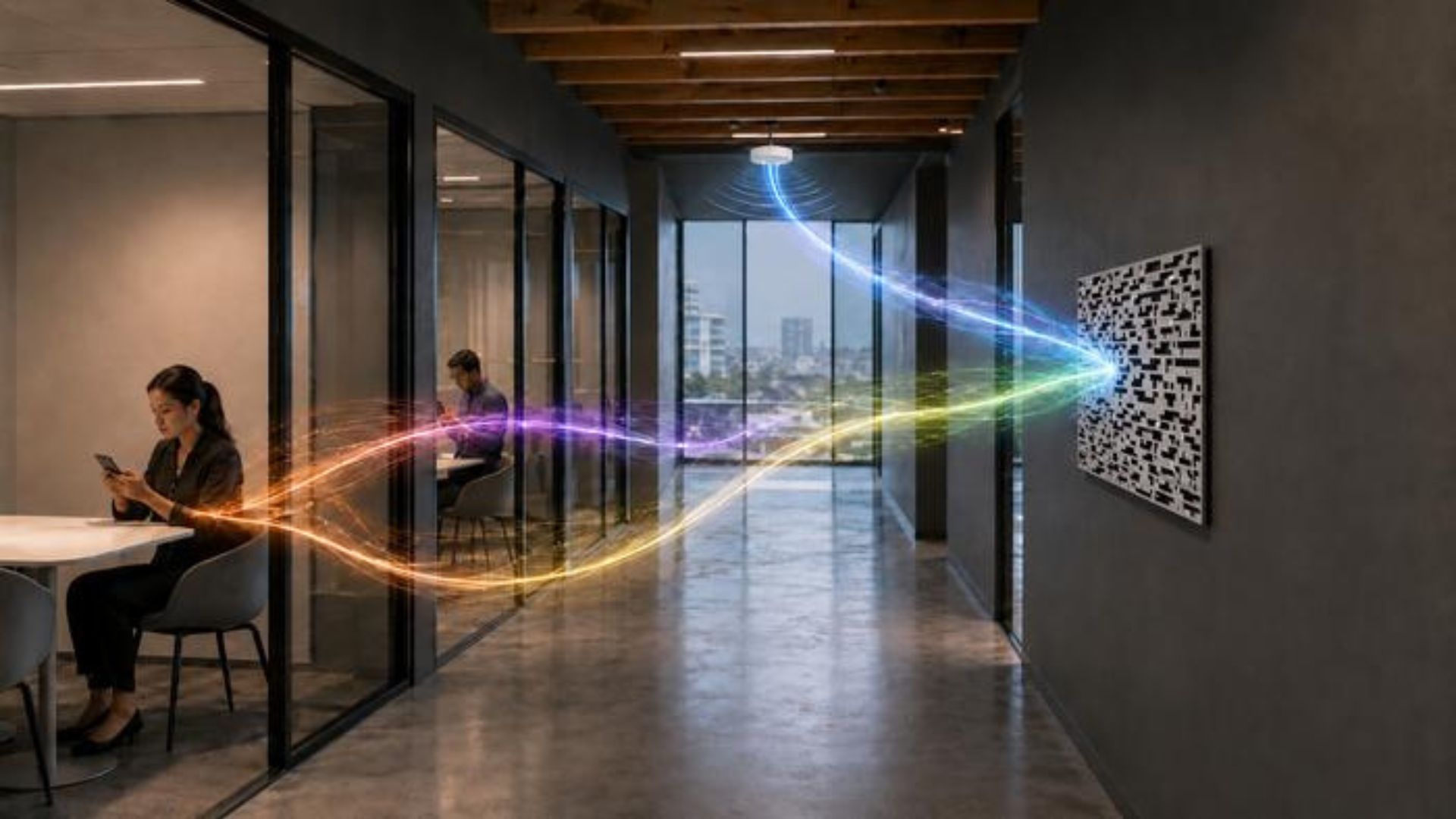
Developed by researchers at Finland’s Aalto University, these affordable, 3D-printed devices passively guide radio waves around physical barriers like walls and corners.

Interestingly, these smart panels can be mounted on walls, ceilings, or furniture to effortlessly bounce signals around corners, into dead zones, and directly toward specific devices.

6G signal blocking issue

The tech industry is currently sprinting toward ultra-fast 6G networks. Future 6G networks will likely achieve unprecedented terabit-per-second data speeds by utilizing terahertz waves (also known as submillimeter radiation or far-infrared light).

However, the higher-frequency channels needed to carry massive amounts of data are fragile. 

Compared with the broad waves of older networks, 6G signals struggle to bend around obstacles. Usually, fixing a dead zone means buying more electronics.

Carriers install power-hungry routers, complex repeaters, and expensive base stations just to push the signal into hard-to-reach places like basements, factories, or long corridors.

But the Aalto team thinks they can solve this issue using just a low-tech solution. Metacrystal panels are 3D-printed plastic blocks that bounce, bend, and shape radio waves without electricity.

“When a room is too dark, you can bring in more lamps – or use simple mirrors to guide the already available light. This is what these metacrystals do, but with radio waves,” explained Mahdi Asgari, doctoral researcher. 

Rather than relying on wires or microchips, these panels use geometry to do the work. These are volumetric structures designed using advanced computer optimization. 

Researchers can control multiple signals at the same time by precisely calculating how the internal plastic shapes interact with electromagnetic fields. 

Earlier attempts at this technology used flat, single-layer metasurfaces. However, a 2D flat surface lacks the physical degrees of freedom to manipulate multiple angles at once. If a signal hits it from the wrong angle, it becomes useless.

“Unlike previously proposed single-layer intelligent surfaces, these volumetric metacrystals can be designed to control multiple incoming signals or frequency bands independently — a key requirement for realistic wireless communication,” added Asgari.   

Low-cost solution

Compared with conventional intelligent surfaces that rely on expensive, high-maintenance control circuits, these 3D-printed metacrystal panels offer an affordable, low-maintenance alternative. 

Using cheap consumable materials costing only a few tens of euros per piece, the panels can be custom-fabricated to fit specific environments rather than relying on a one-size-fits-all model. 

For industrial spaces, this could be a massive win. Setting up a 6G layout in a sprawling warehouse or a complex factory floor usually requires a huge amount of infrastructure. Worse, those networks constantly pull power and demand routine maintenance.

According to researchers, this makes them highly attractive for industrial settings with static or slowly changing layouts, such as factories, warehouses, long corridors, and indoor 5G/6G networks. In these settings, passive, custom-designed structures can quietly route signals without requiring ongoing maintenance or active electricity.

The research team is currently looking for industrial collaborators to commercialize the technology. 

While the current prototypes are static, the next frontier is to make them adaptable. The team is already working on ways to create tunable, reconfigurable panels that can adjust as the environment changes, all while keeping the manufacturing simple and cheap.

💾

Developed by researchers at Finland’s Aalto University, these affordable, 3D-printed devices passively guide radio waves around physical barriers like walls and corners.
  •  

Scientists discover why similar volcanoes have vastly different eruptions

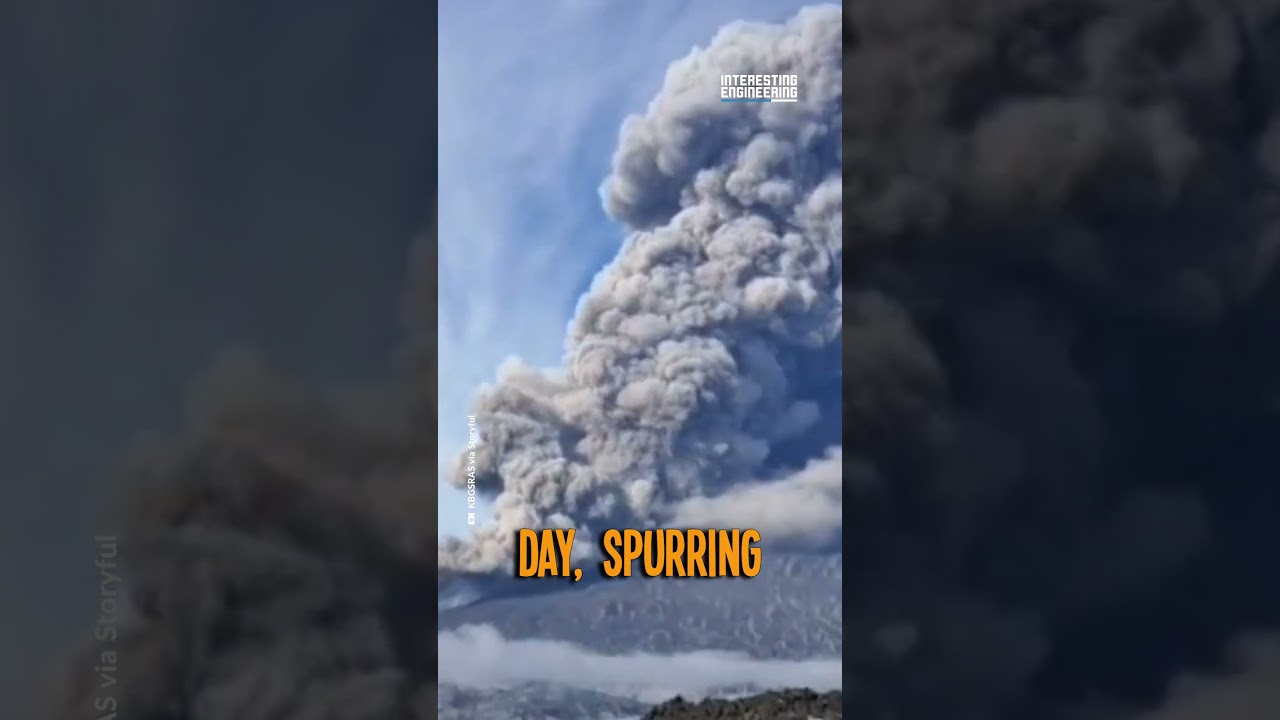
An international research team led by The University of Manchester has shown how superheating alters how a volcano erupts.

Superheating is a process where magma is heated beyond the temperature at which its crystals can remain stable. The new study found that superheating delays crystal formation strongly as it rises toward the Earth’s surface. 

It helps explain why similar volcanic systems exhibit vastly different eruptive behaviors.

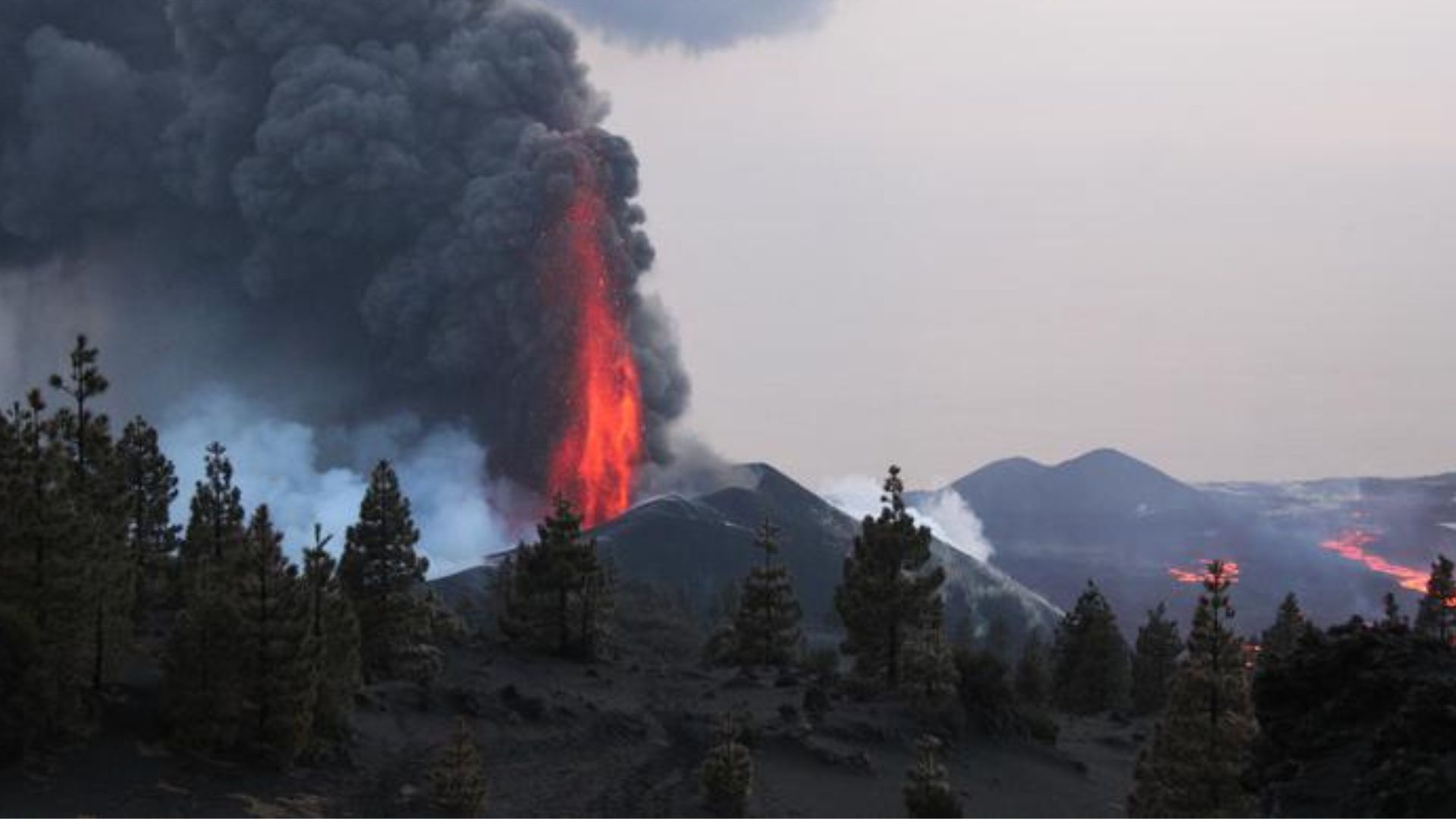
The researchers focused their investigation on magma collected from the 2021 Tajogaite eruption on Spain’s La Palma.  It was a devastating 85-day disaster that destroyed 3,000 buildings and displaced thousands of residents.

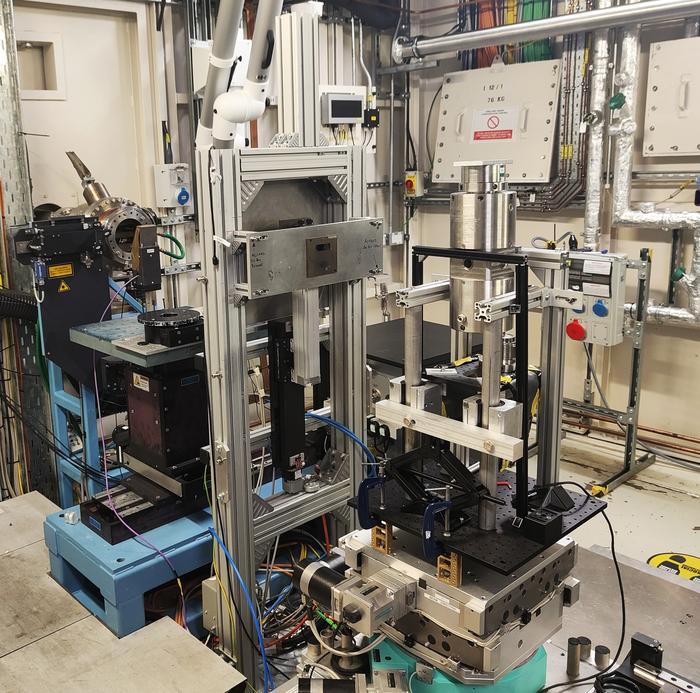
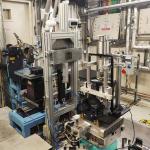
Experimental setup showing the X-ray transparent internally heated pressure vessel used at Diamond Light Source (UK) for real-time experiments. Credit: Barbara Bonechi.

Creating volcanic conditions

Imagine two identical volcanoes. These two have the exact same chemical makeup, the same gas content, and the same underground pressure. Yet when the eruption occurs, one gently oozes harmless sludge, while the other violently blasts curtains of fire into the sky.

Experts have long struggled to explain this erratic behavior. Now, they have an answer. 

It turns out that magma’s hidden thermal history dictates how dangerously it behaves.

To unlock this secret, the researchers traveled to La Palma, Spain, and collected cooling rock from the Tajogaite eruption. 

The team took these volcanic samples and recreated the thermal process using a newly designed X-ray-transparent pressure vessel. The rocks were blasted with intense heat and pressure. Then, the team watched the magma melt in real time using high-powered synchrotron X-ray microtomography.

What they saw changed everything. Normally, as liquid magma cools on its way to the surface, it relies on microscopic crystal “seeds” to start solidifying.

It is like dust in the atmosphere, helping raindrops form. But when magma experiences a sudden injection of extreme heat before its ascent —a state known as superheating — those tiny crystal seeds dissolve.

The underground alchemy in volcano

The study shows that extreme temperatures melt away microscopic crystal seeds and homogenize the magma’s internal structure, severely hindering new crystal growth. 

This structural change keeps the magma highly fluid, directly dictating how fast it rises to the surface and how easily trapped volcanic gases can escape. These two critical factors ultimately determine whether an eruption will be a violent explosion or a gentle flow.

It was discovered that non-superheated magma crystallizes in just 20 minutes, while superheated magma delays crystal growth for over eight hours. 

When these delays were plugged into computer simulations of magma ascent, the models revealed a stark contrast in volcanic behavior. The prolonged fluid state of superheated magma allows it to rush rapidly to the surface and trigger spectacular lava fountains. On the other hand, early-crystallizing magma becomes thick and sluggish, allowing gases to safely escape and resulting in much gentler, slower lava flows.

Until now, standard volcanic hazard models have completely ignored this thermal history. Scientists only measured a volcano’s current chemistry, gas levels, and pressure.

“This work suggests that pre-eruptive thermal history and crystallization kinetics may also play an important role in controlling magma ascent and eruptive behavior, with implications for volcanic hazard assessment,” said Dr Margherita Polacci, Senior Lecturer in Volcanology at The University of Manchester. 

The discovery could help decode volcanic monitoring signals and anticipate impending eruptions.

The study was published in the journal Nature Communications on June 8.

💾

An international research team led by The University of Manchester has shown how superheating alters how a volcano erupts.
  •  
❌