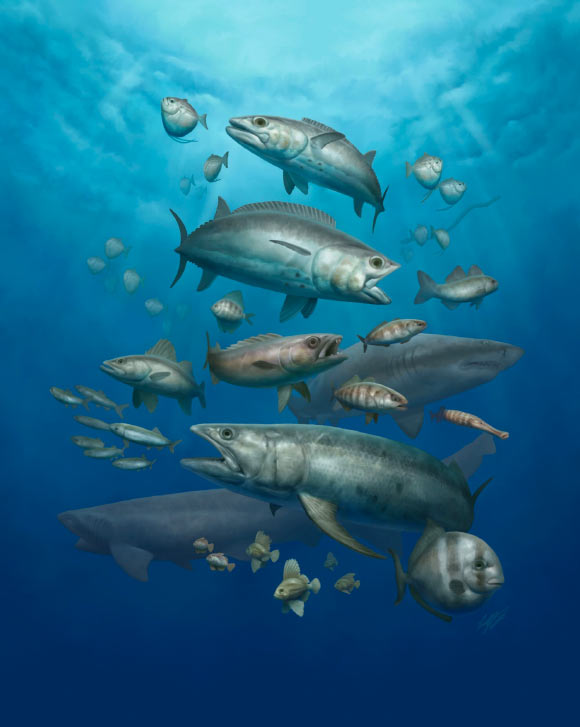
Paleontologists have described an assemblage of marine fish fossils from the 62.2-million-year-old site of Qreiya 3 in the Eastern Desert of Egypt, providing a window into this transition.
Near-complete bovine skeletons unearthed the Early Pliocene site of Camp dels Ninots in northeastern Spain reveal that the ancestors of today’s buffalo and cattle were already growing to impressive sizes long before humans arrived on the continent.
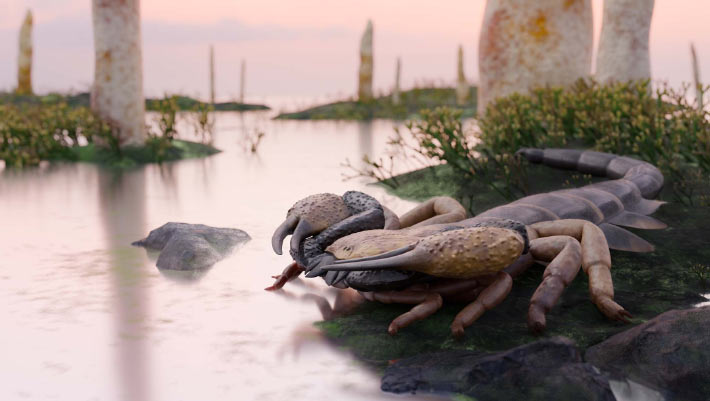
Paleontologists have confirmed that Praearcturus gigas, a creature that prowled shallow waters during the Devonian period, 415 million years ago, is the largest scorpion ever found.
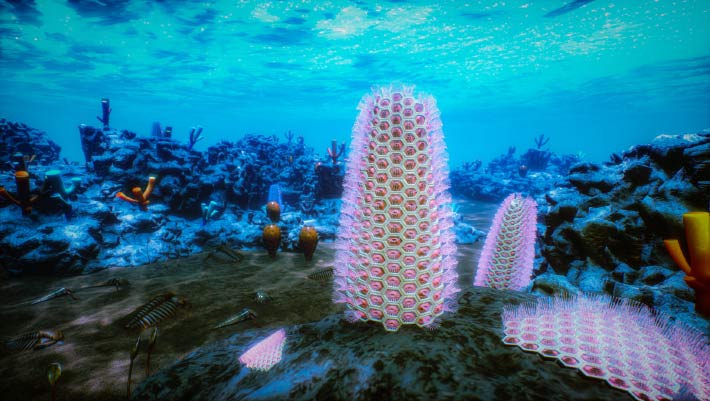
Chemical traces preserved in ancient rocks indicate that marine environments were deteriorating long before the catastrophe that wiped out vast numbers of species at the end of the Triassic period, around 201 million years ago.
A newly discovered crocodile relative from the Triassic had a beak, tiny arms, and walked on two legs, making it look more like an ostrich-like dinosaur than a crocodile. During the Triassic Period, the ancestors of many modern animal groups were branching into an astonishing variety of shapes and lifestyles. Evolution was experimenting with body [...]
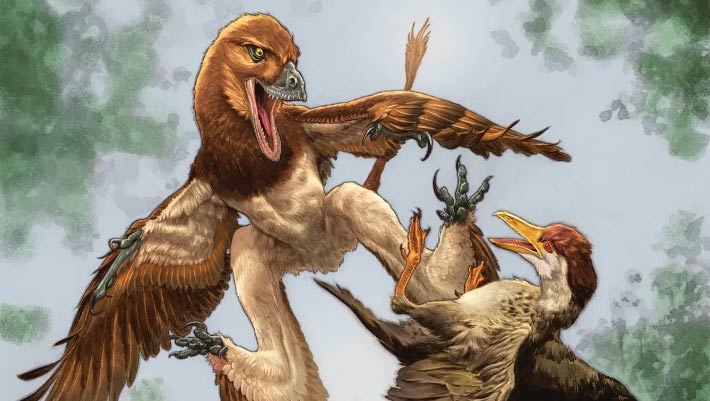
Scientists have uncovered a fish-hunting raptor from Patagonia that may have stalked prey like a giant prehistoric heron. A newly identified dinosaur from Patagonia is giving scientists fresh insight into how some raptor relatives lived during the final chapter of the age of dinosaurs. The species, named Kank australis, appears to have spent much of [...]
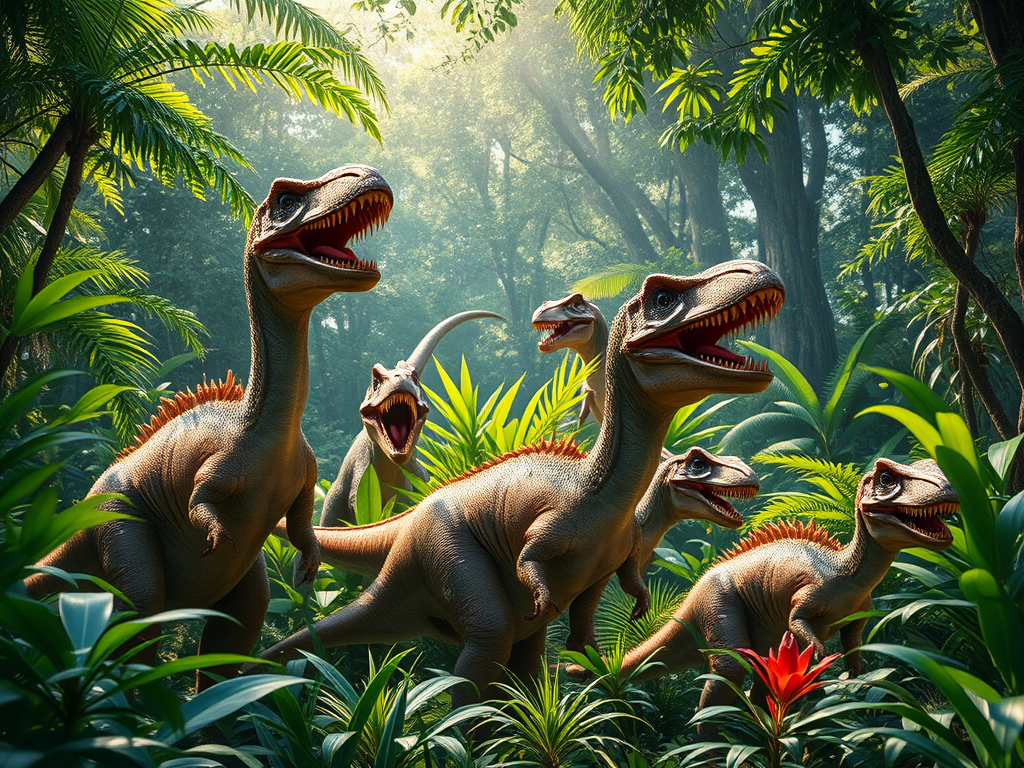
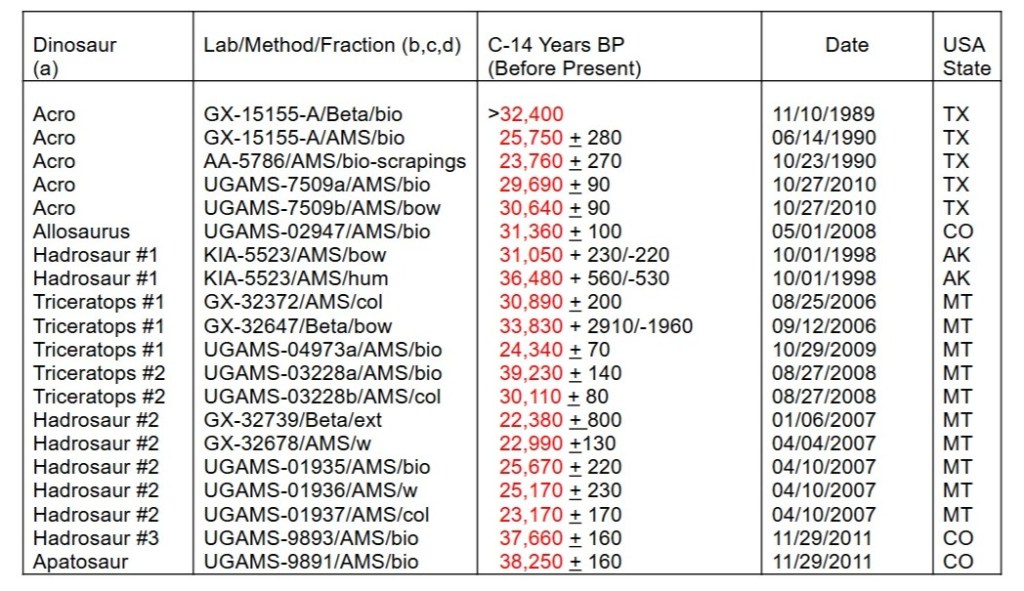
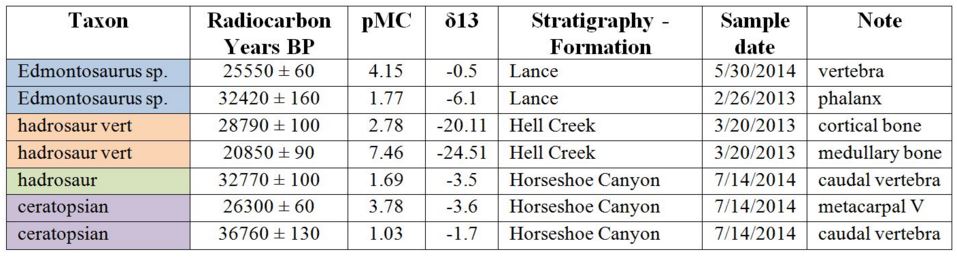
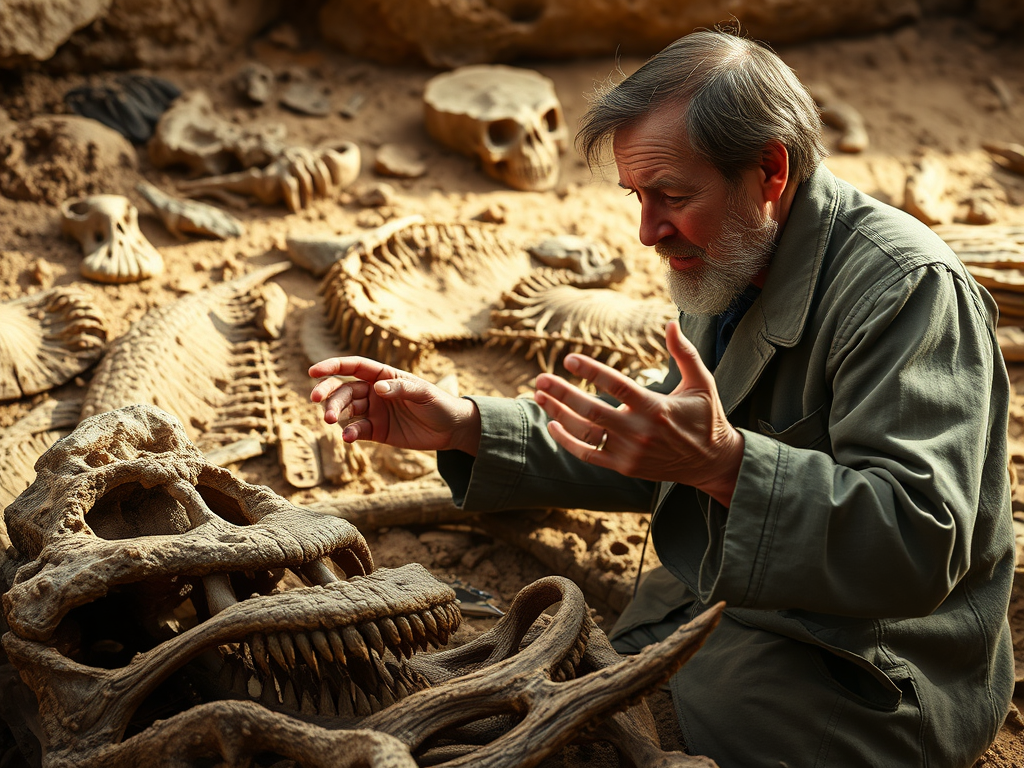
Carbon-14 dating consistently reveals that dinosaur remains date to less than 40,000 years old, contradicting the conventional geological timeline of millions of years. This finding, along with evidence of preserved soft tissue, supports a Young Earth perspective and challenges the Old Earth paradigm as presumed in mainstream science.
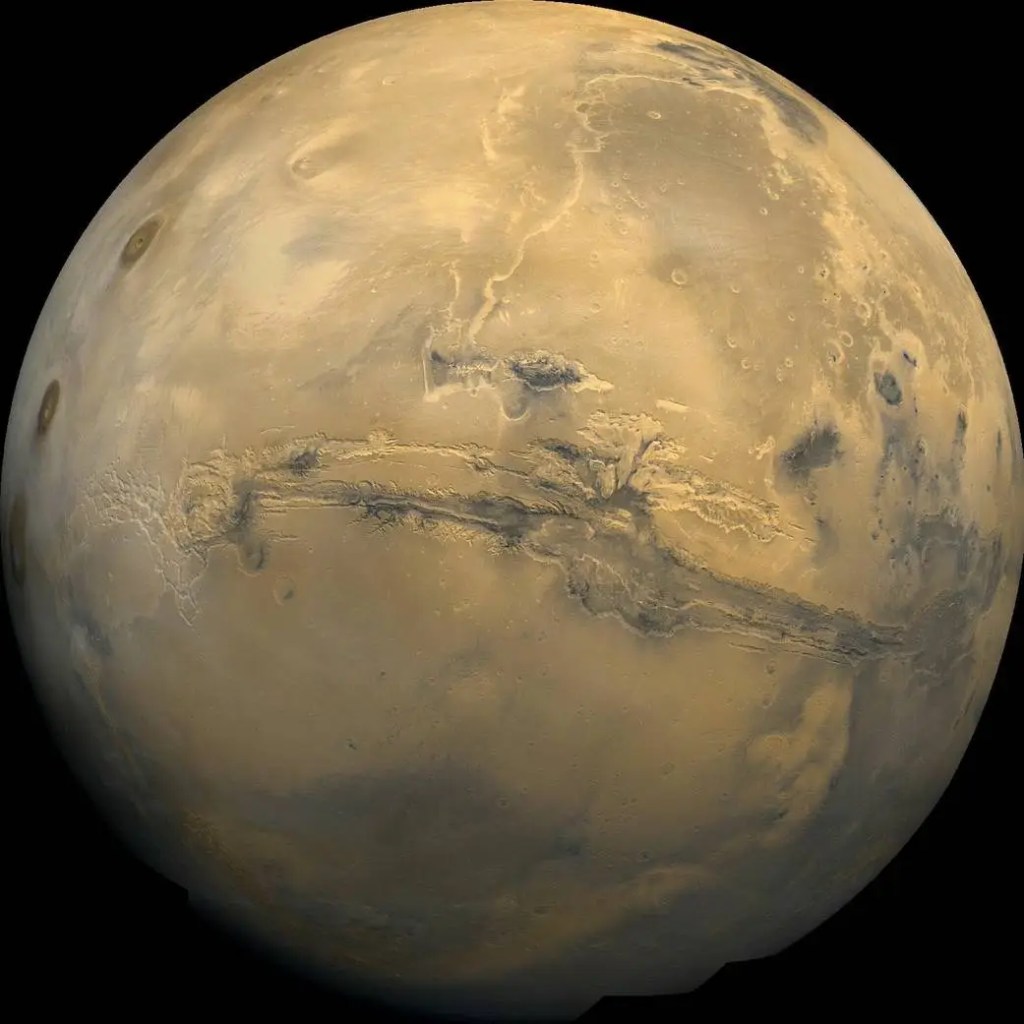
Recent research suggests Mars may have once hosted oceans and sandy beaches, contradicting claims of insufficient water for a worldwide flood on Earth. While geological features indicate past water flow on Mars, the planet remains lifeless due to its harsh conditions.
The biblical account of Noah’s Ark and the global Flood as a divine judgment on humanity's wickedness is discussed. That includes the processes of water covering the Earth, and tectonics theories to explain geological changes during the Flood and implications for Earth's environment post-Flood.
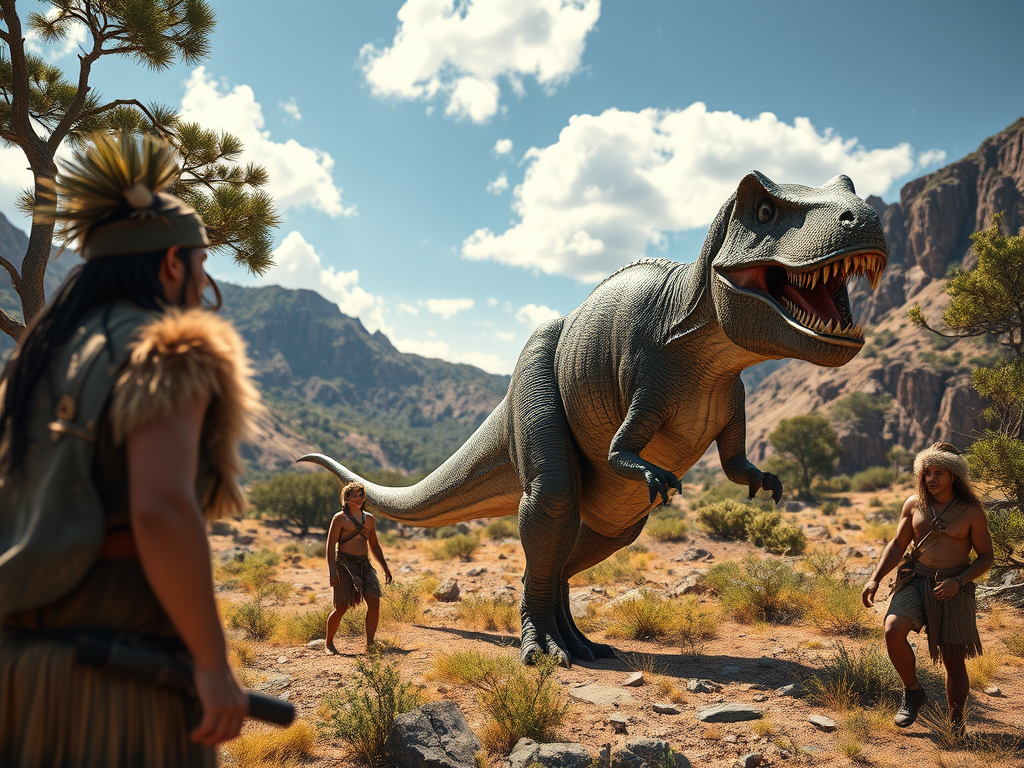
Day 6 of creation, God created air-breathing land animals and the first humans, Adam and Eve, who were to have dominion over all creatures. I discuss the theological and scientific implications of this creation, emphasizing the unique role of humans and the perfection of the original creation, free from all defects.
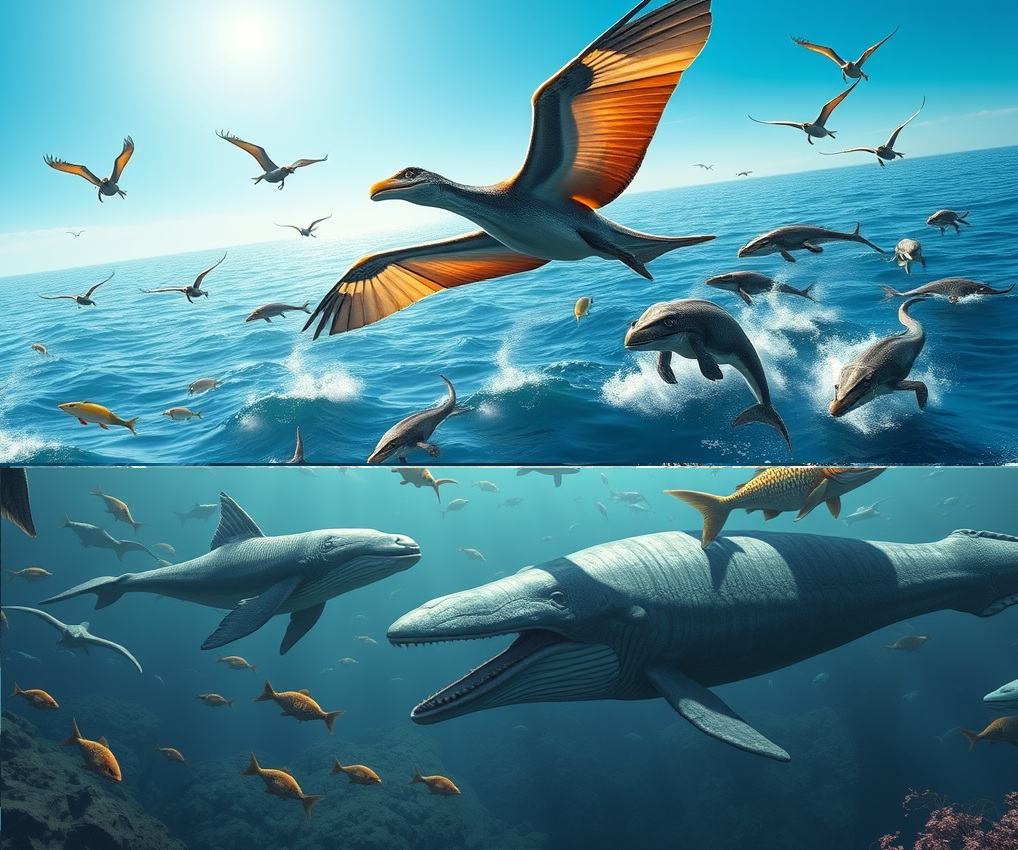
Day 5 of creation, God created aquatic and aerial life, including fish, whales, and birds, along with marine reptiles like plesiosaurs and pterosaurs. I critique the evolutionary perspective, arguing that a biblical worldview supports the coexistence of humans and these dinosaurs, countering mainstream scientific thought regarding their extinction.
Recent research claims that all life on Earth originated from a single ancestor called LUCA, existing about 4.2 billion years ago. This notion is based on unprovable assumptions and circular reasoning. The conditions in the Hadean Eon were unsuitable for life, deeming LUCA a fabricated concept anchored in speculation and opposing the biblical account.
A newly identified prehistoric crocodile relative, Eosphorosuchus lacrimosa, was discovered alongside another croc species in New Mexico fossils dating back 210 million years. Around 210 million years ago, two crocodile relatives about the size of modern jackals stood together along a humid riverbank in what is now northern New Mexico. One of them, Hesperosuchus agilis, [...]
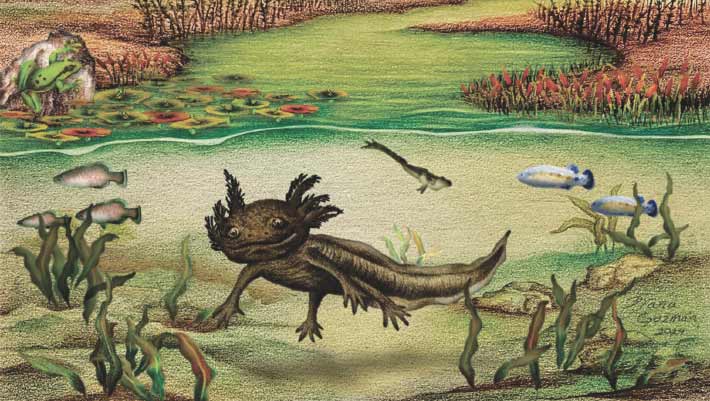
Paleontologists have identified a new species of the axolotl genus Ambystoma from several fossilized specimens found deep in the rocky outcrops of the Mexican state of Hidalgo.
Field notebooks from the late Richard Köhler allowed researchers to finally catalog a remarkable fossil tarpon from Aotearoa New Zealand. Recently disclosed notebooks from a late paleontologist supplied the missing details researchers needed to complete their study of a “remarkable” fossil found nearly 30 years ago. Dr. Richard Köhler discovered the fossil fish in 1999 [...]
A newly described fossil goose shows that New Zealand’s bird history involved repeated arrivals, extinctions, and rapid island evolution. A rare fossil goose found in the remains of an ancient lake in Central Otago is changing how scientists understand the bird history of Aotearoa New Zealand, according to a researcher at the University of Otago [...]
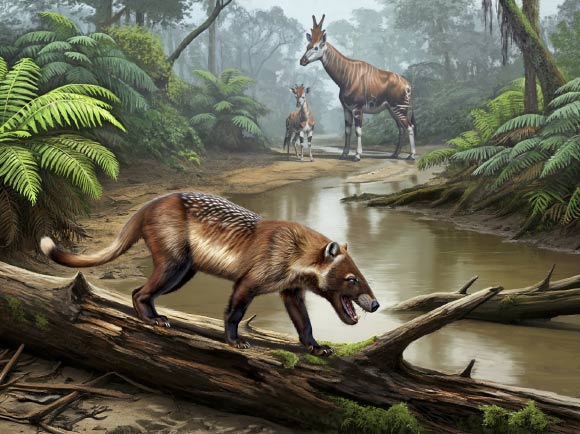
Paleontologists have recovered the fossilized remains of three hyaenodont species, including one previously unknown to science, from Miocene sediments in Pakistan.
 Login



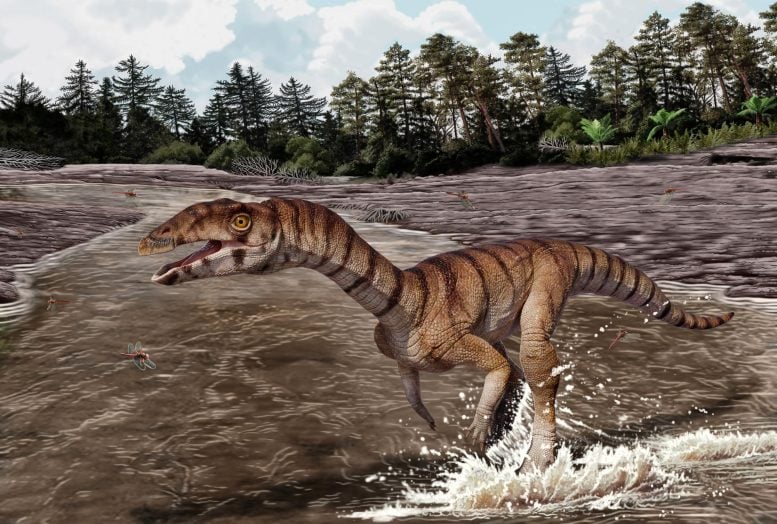 A newly discovered crocodile relative from the Triassic had a beak, tiny arms, and walked on two legs, making it look more like an ostrich-like dinosaur than a crocodile. During the Triassic Period, the ancestors of many modern animal groups were branching into an astonishing variety of shapes and lifestyles. Evolution was experimenting with body [...]
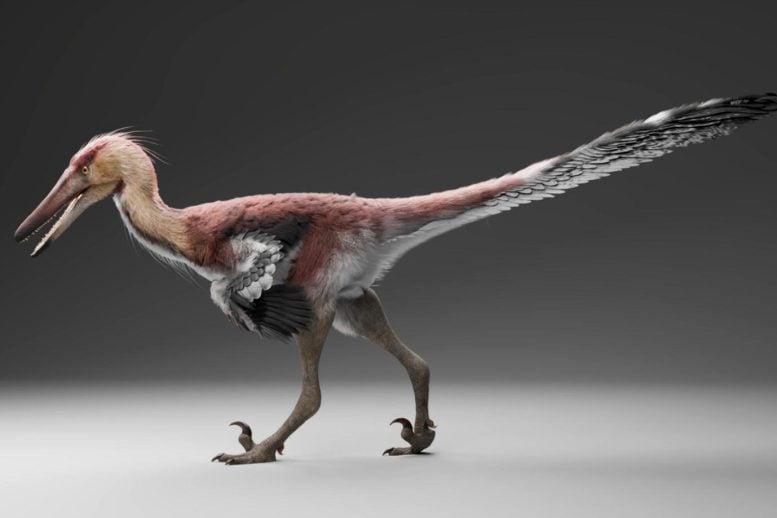 Scientists have uncovered a fish-hunting raptor from Patagonia that may have stalked prey like a giant prehistoric heron. A newly identified dinosaur from Patagonia is giving scientists fresh insight into how some raptor relatives lived during the final chapter of the age of dinosaurs. The species, named Kank australis, appears to have spent much of [...]














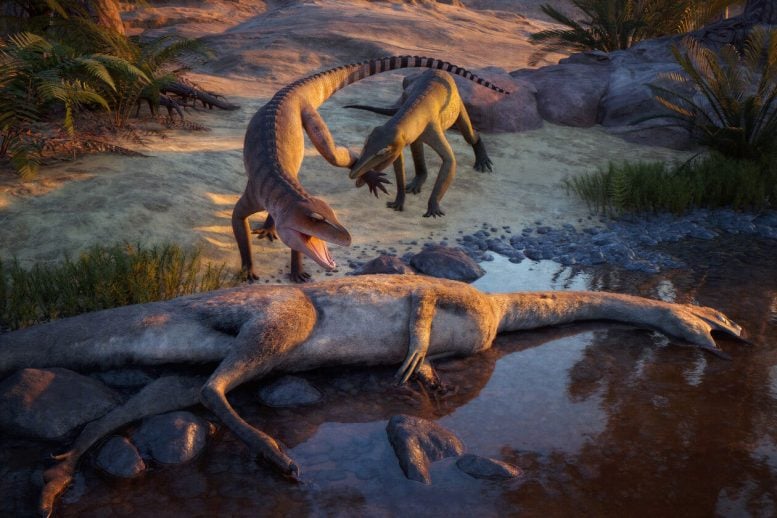 A newly identified prehistoric crocodile relative, Eosphorosuchus lacrimosa, was discovered alongside another croc species in New Mexico fossils dating back 210 million years. Around 210 million years ago, two crocodile relatives about the size of modern jackals stood together along a humid riverbank in what is now northern New Mexico. One of them, Hesperosuchus agilis, [...]
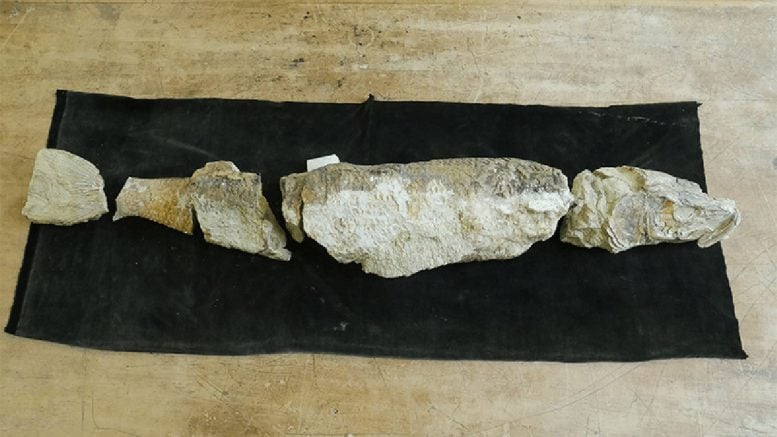 Field notebooks from the late Richard Köhler allowed researchers to finally catalog a remarkable fossil tarpon from Aotearoa New Zealand. Recently disclosed notebooks from a late paleontologist supplied the missing details researchers needed to complete their study of a “remarkable” fossil found nearly 30 years ago. Dr. Richard Köhler discovered the fossil fish in 1999 [...]
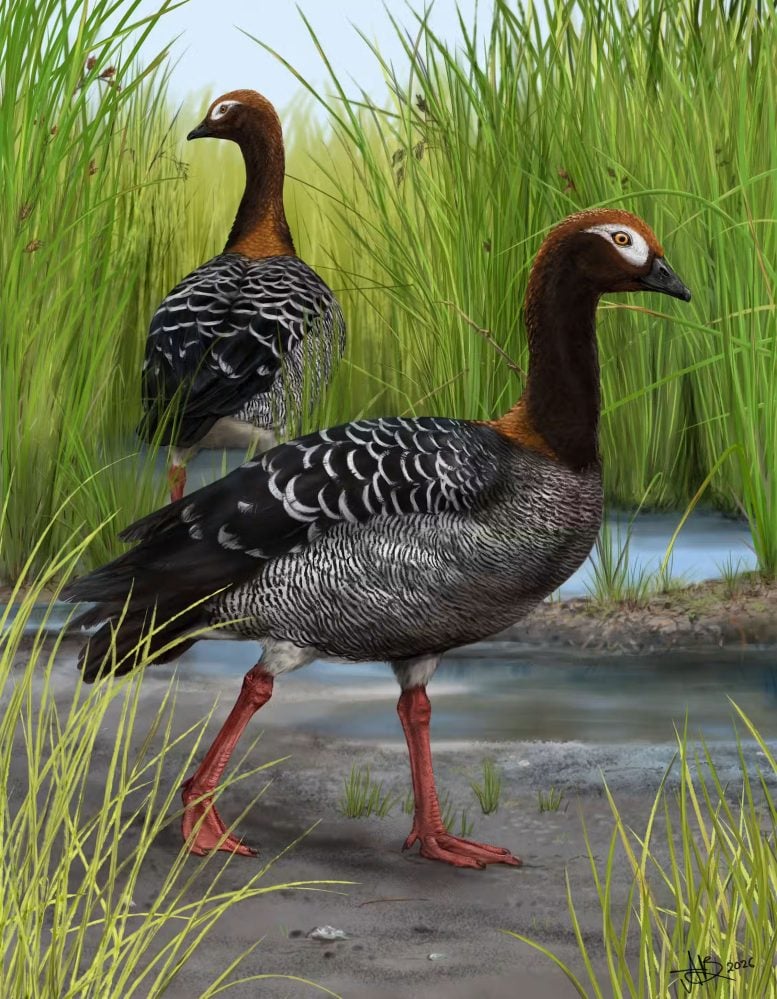 A newly described fossil goose shows that New Zealand’s bird history involved repeated arrivals, extinctions, and rapid island evolution. A rare fossil goose found in the remains of an ancient lake in Central Otago is changing how scientists understand the bird history of Aotearoa New Zealand, according to a researcher at the University of Otago [...]