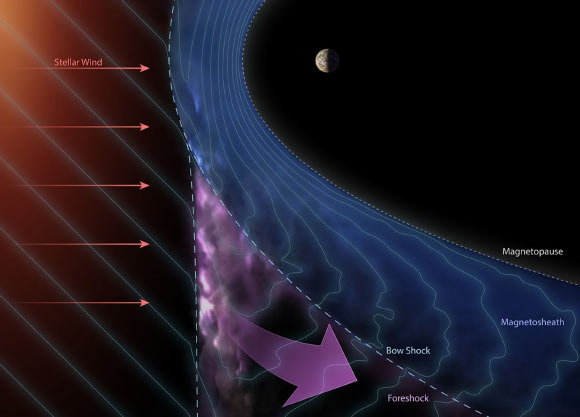
The giant planet’s bow shock isn’t just deflecting the solar wind, it’s acting as a powerful particle accelerator, firing electrons to relativistic energies of at least 1 MeV, according to a new analysis of data from NASA’s Juno spacecraft.
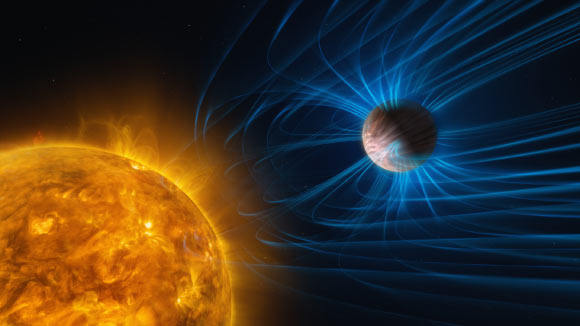
By tracking fierce winds racing through the atmospheres of seven ultra-hot Jupiters, astronomers have uncovered the strongest evidence yet that magnetic fields shape weather on worlds beyond our Solar System.
Last year, the first few months of data from the US grid suggested that fears of a data-center-driven surge in demand were becoming a reality. Demand had risen by about 3 percent, triggering a surge in coal, interrupting what had been a long downward trend. But over the course of the year, both trends slowed considerably.
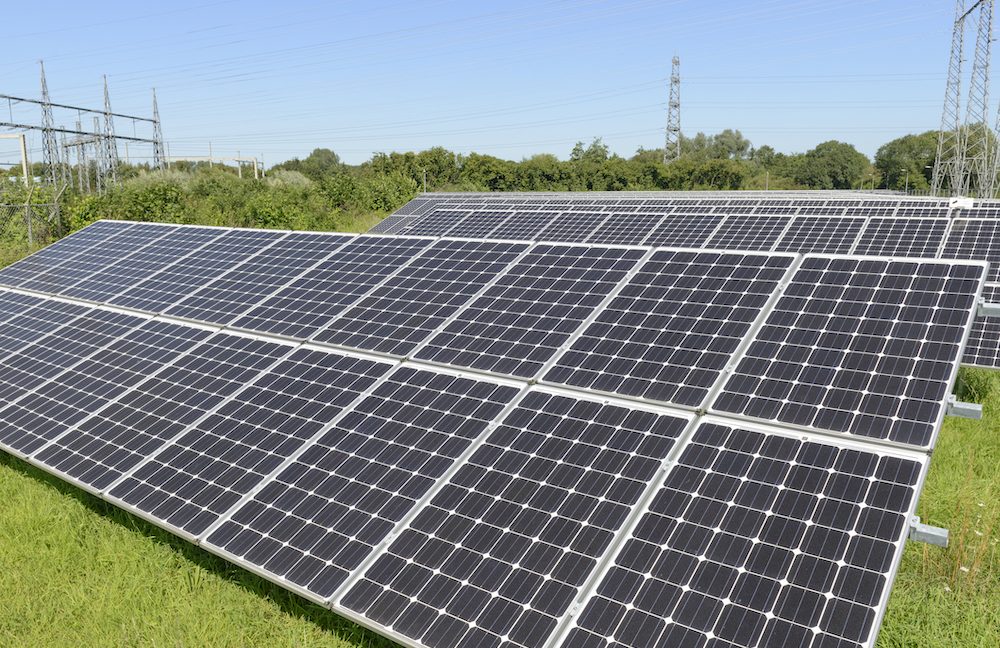
A year later, all of that seems to be in the past, as the US has returned to its normal pattern: slow growth, with renewables pushing coal off the grid. The one oddity is that hydroelectric production has surged without a corresponding increase in capacity, likely due to unusually warm weather in the western US causing the snowpack to melt early. That may have consequences later in the year.
Pushing fossil fuels out
Overall demand in the US grew by only 1.5 percent in the first quarter of 2026 compared to the same period the year before. Often, changes in demand during this part of the year are driven by weather-related heating demand. But the US had an unusual combination set of weather conditions to start 2026, with the western half baking in unseasonal warm temperatures, while the eastern half suffered a deep freeze. So we'll probably need data from more of the year before we read too much into the small rise in demand we've seen so far.

 Login