
❌

Reading view

If I had a hammer... it might actually be a rhino tooth

One way archaeologists learn how ancient people, including Neanderthals, did things is to attempt to do those things themselves, a process called experimental archaeology. Normally, that involves making stone tools, butchering deer, or distilling birch tar. But in a new study, it meant doing very destructive things to teeth from one of the world’s most carefully protected animals.

That's because the archeologists suspected that Neanderthals once used rhino teeth as tools. By using the teeth to make stone tools, the researchersΒ demonstrated that Neanderthals probably did the same thing,Β adding to what we know about the wide range of items in their toolkits.

We need to hit some rhino teeth with rocks for science

Some Neanderthal archaeological sites in Europe and Asia seem to have many more rhinoceros teeth lying around than you’d expect. We know Neanderthals hunted a now-extinct species of rhinoceros in Europe and eastern Asia, but the people who had inhabited these sites looked like they had been collecting rhino teeth for some reason.
Read full article

Comments

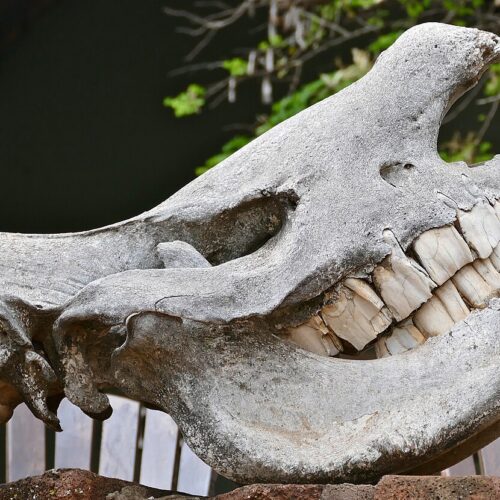
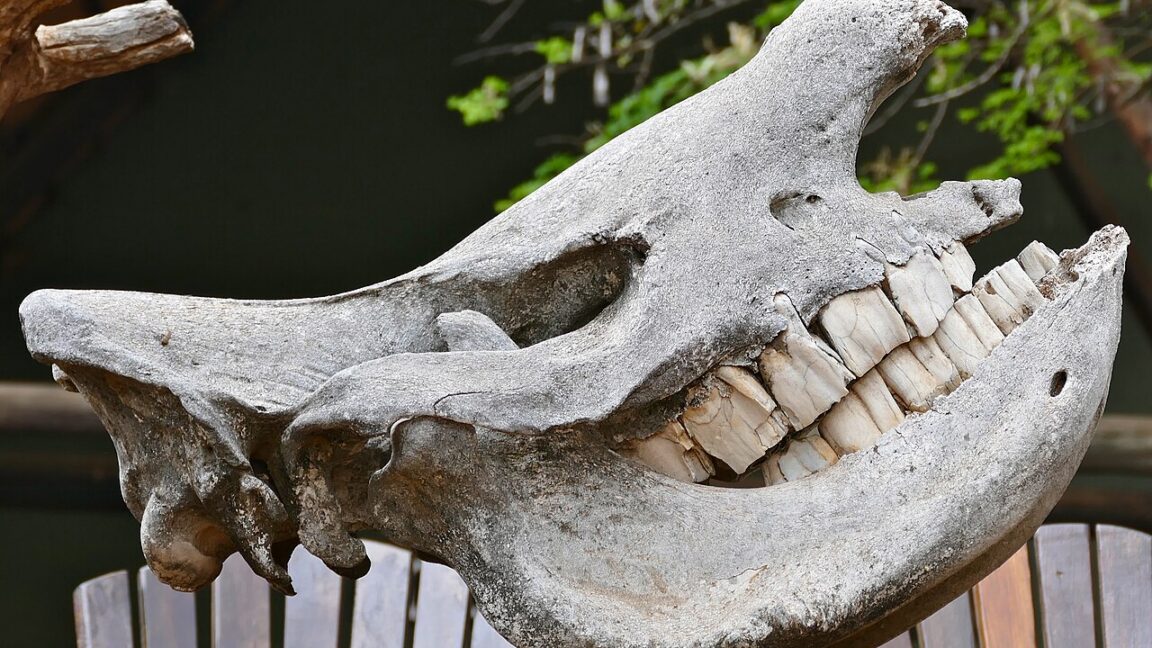
Β© By Bernard DUPONT from FRANCE - White Rhino Skull, CC BY-SA 2.0, https://commons.wikimedia.org/w/index.php?curid=55453022


  •  

Widely used Daemon Tools disk app backdoored in monthlong supply-chain attack

Daemon Tools, a widely used app for mounting disk images, has been backdoored in a monthlong compromise that has pushed malicious updates from the servers of its developer, researchers said Tuesday.

Kaspersky, the security firm reporting the supply-chain attack, said it began on April 8 and remained active as of the time its post went live. Installers that are signed by the developer’s official digital certificate and downloaded from its website infect Daemon Tools executables, causing the malware to run at boot time. Kaspersky didn’t explicitly say so, but based on technical details, the infected versions appear to be only those that run on Windows. Versions 12.5.0.2421 through 12.5.0.2434 are affected. Neither Kaspersky nor developer AVB could be contacted immediately for additional details.

Hard to defend against

Infected versions contain an initial payload that collects MAC addresses, hostnames, DNS domain names, running processes, installed software, and system locales. The malware sends them to an attacker-controlled server. Thousands of machines in more than 100 countries were targeted. Out of the many machines infected, about 12 of them, belonging to retail, scientific, government, and manufacturing organizations, have received a follow-on payloadβ€”an indication that the supply-chain attack targets select groups.

Read full article

Comments

Β© Getty Images

  •  
❌