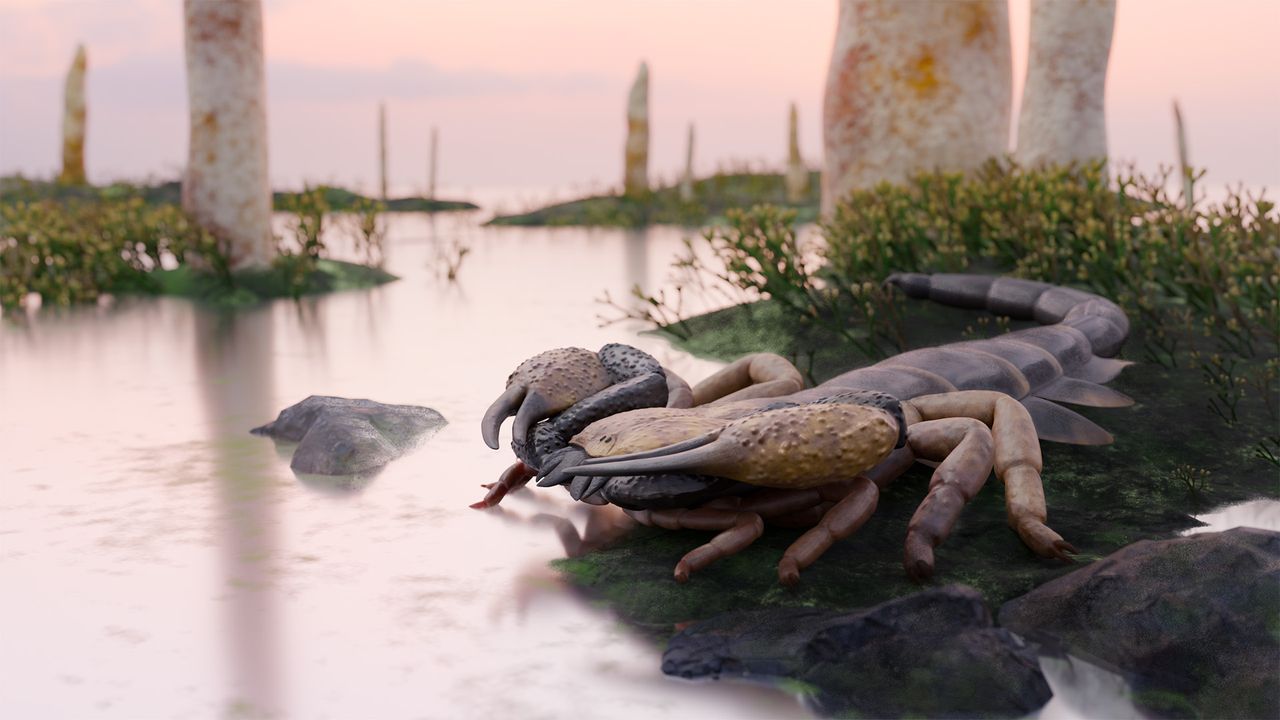
Enigmatic 415 million-year-old fossils belong to a giant scorpion that may have reached lengths of around 3 feet (1 meter), a remarkable body size because most life on land at that time was small.
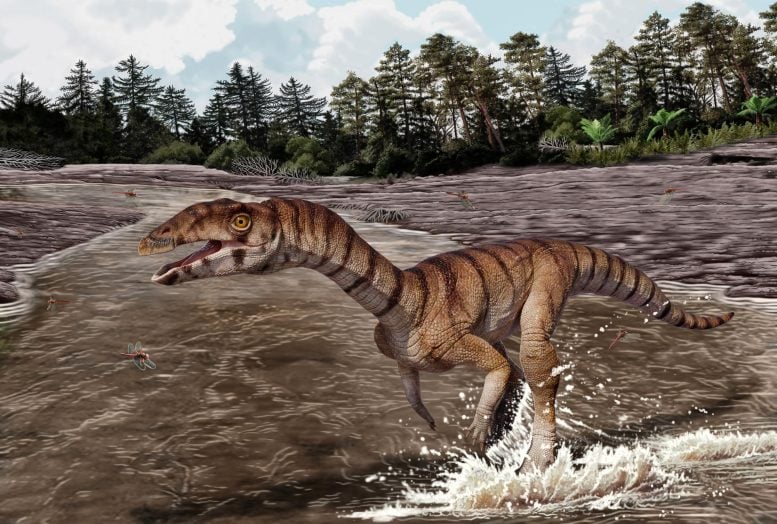
A newly discovered crocodile relative from the Triassic had a beak, tiny arms, and walked on two legs, making it look more like an ostrich-like dinosaur than a crocodile. During the Triassic Period, the ancestors of many modern animal groups were branching into an astonishing variety of shapes and lifestyles. Evolution was experimenting with body [...]
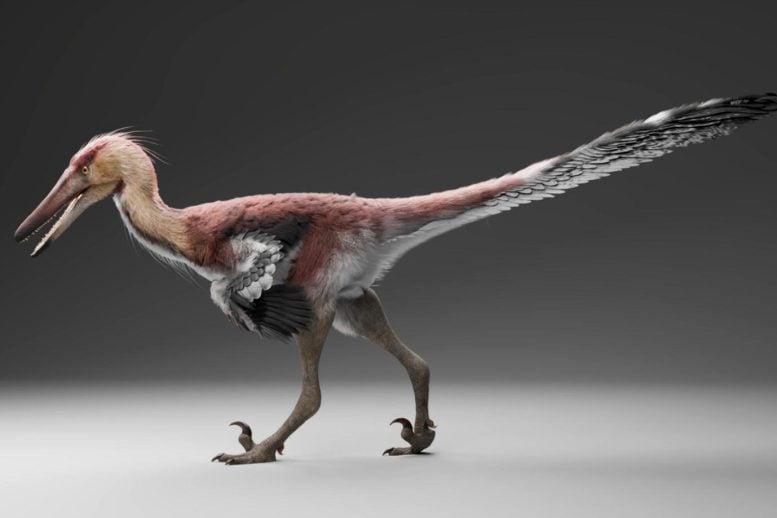
Scientists have uncovered a fish-hunting raptor from Patagonia that may have stalked prey like a giant prehistoric heron. A newly identified dinosaur from Patagonia is giving scientists fresh insight into how some raptor relatives lived during the final chapter of the age of dinosaurs. The species, named Kank australis, appears to have spent much of [...]
Climate-Only Models Likely Underestimate Species Extinction, Study Finds To accurately predict species’ distributions and risk of extinction, models must include more than just climate, according to new UArizona research. Mikayla Mace Kelley Today University Communications 7441156692_edfdac8bbf_b.jpg Piñon pine forests near Los Alamos, N.M., had already begun to turn brown from drought stress in the image […]
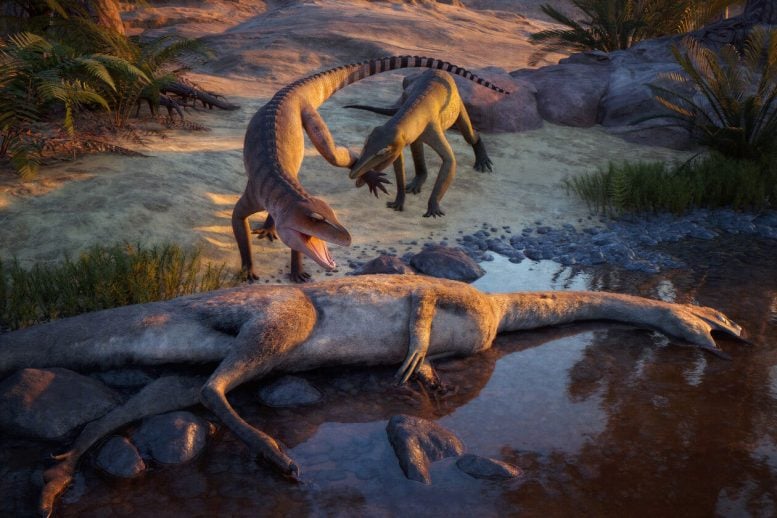
A newly identified prehistoric crocodile relative, Eosphorosuchus lacrimosa, was discovered alongside another croc species in New Mexico fossils dating back 210 million years. Around 210 million years ago, two crocodile relatives about the size of modern jackals stood together along a humid riverbank in what is now northern New Mexico. One of them, Hesperosuchus agilis, [...]
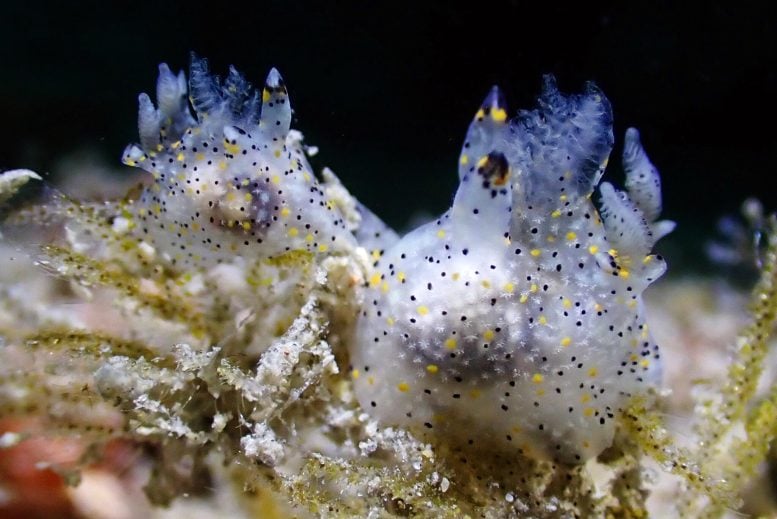
A sesame-seed-sized sea slug discovered in Taiwan is revealing a hidden world of tiny ocean life. A newly identified species of sea slug, so small that it is barely larger than a sesame seed, has been discovered in the coastal waters of Keelung, Taiwan. The tiny marine animal, named Thecacera sesama, features a translucent body [...]
A tiny worm discovered in the Great Salt Lake could help scientists better understand the origins and resilience of life in extreme environments. Its story remains largely a mystery. The Great Salt Lake is famous for brine shrimp, brine flies, and water so salty that few animals can survive in it. Now scientists have added [...]
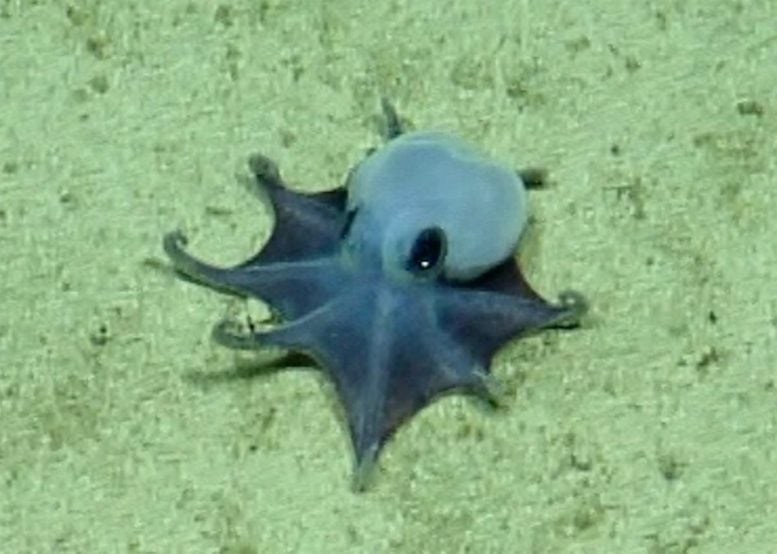
A newly discovered tiny blue octopus from the Galápagos is a striking reminder that the deep ocean still holds countless secrets. The Galápagos Islands, located off the coast of Ecuador, are famous for their remarkable wildlife. More than a thousand species of plants and animals found there exist nowhere else on Earth, including giant tortoises [...]
Innovative systems to keep ships from hitting North Atlantic right whales are coming into use. The Trump administration is weighing whether they can replace a bedrock protection.
Innovative systems to keep ships from hitting North Atlantic right whales are coming into use. The Trump administration is weighing whether they can replace a bedrock protection.
The finding effectively paves the way for continued use of atrazine, a widely used herbicide that has been linked to birth defects and cancer in humans.

 Login