❌

Reading view

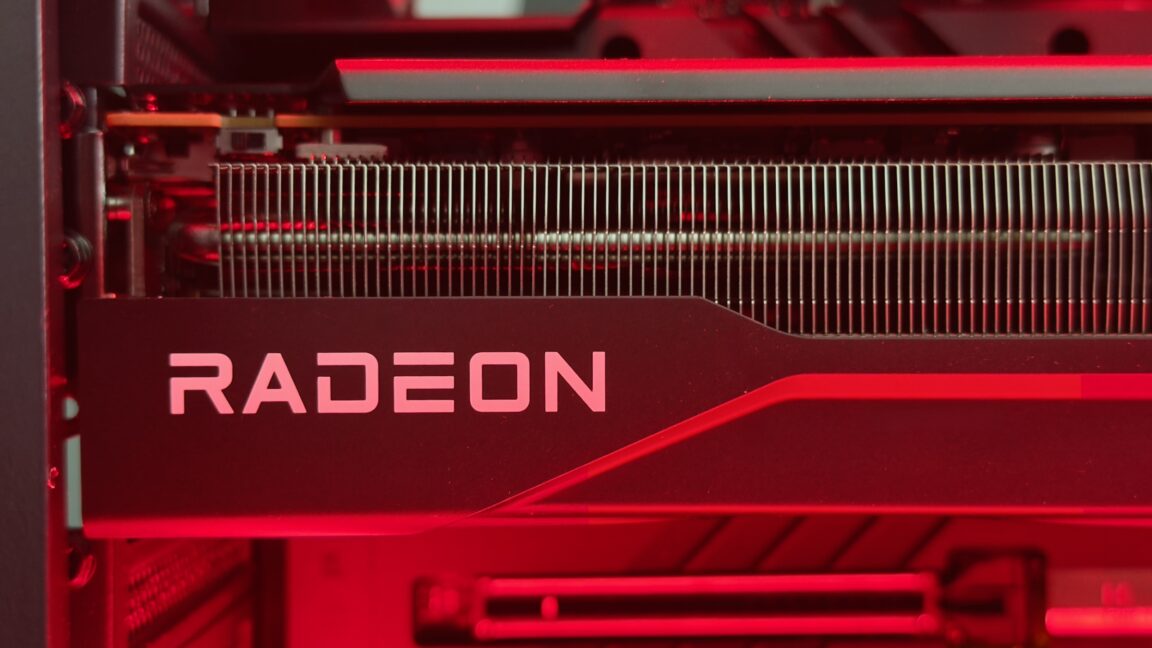
Review: AMD's Radeon RX 9070 GRE is a disappointing way to spend $549

At some point during the fog of 2021 or 2022, I noticed that my son's preferred brand of fruit snacks had switched from including 0.9 ounces per pouch to 0.8 ounces per pouch. Most shrinkflation is meant to fly under the radar, but in this case, I just happened to notice it. It felt bad! It's tangible evidence that your money is not going as far as it did in the very recent past.

A little over a year ago, AMD launched the Radeon RX 9070 for a suggested retail price of $549. This month, it's launching the similarly named Radeon RX 9070 GRE for a suggested retail price of $549. This new card (actually the US launch of a GPU that's been available in China for a year or so) has 85 percent as many GPU cores, 75 percent as much memory, and 66 percent as much memory bandwidth as the regular RX 9070.

We'll evaluate the RX 9070 GRE in the context of the current GPU market, where prices have been edging upward due to the same AI-driven RAM shortages and price hikes that have made PC building and buying such a miserable experience for the last few months. But it's hard not to be a little upset about such a clear example of GPU shrinkflation—the same money for a markedly inferior product.
Read full article

Comments

© Andrew Cunningham

  •  

How long will it take to rebuild Blue Origin's launch pad? We asked some SpaceX vets.

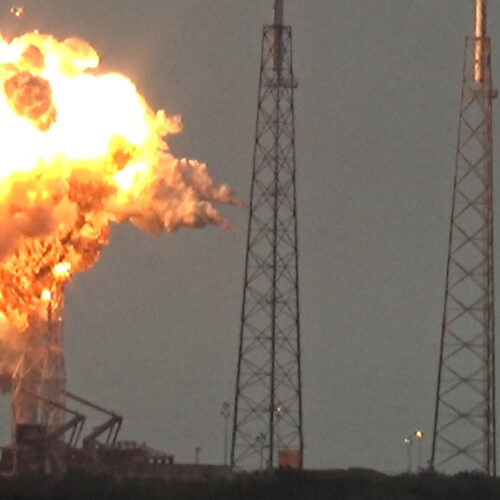
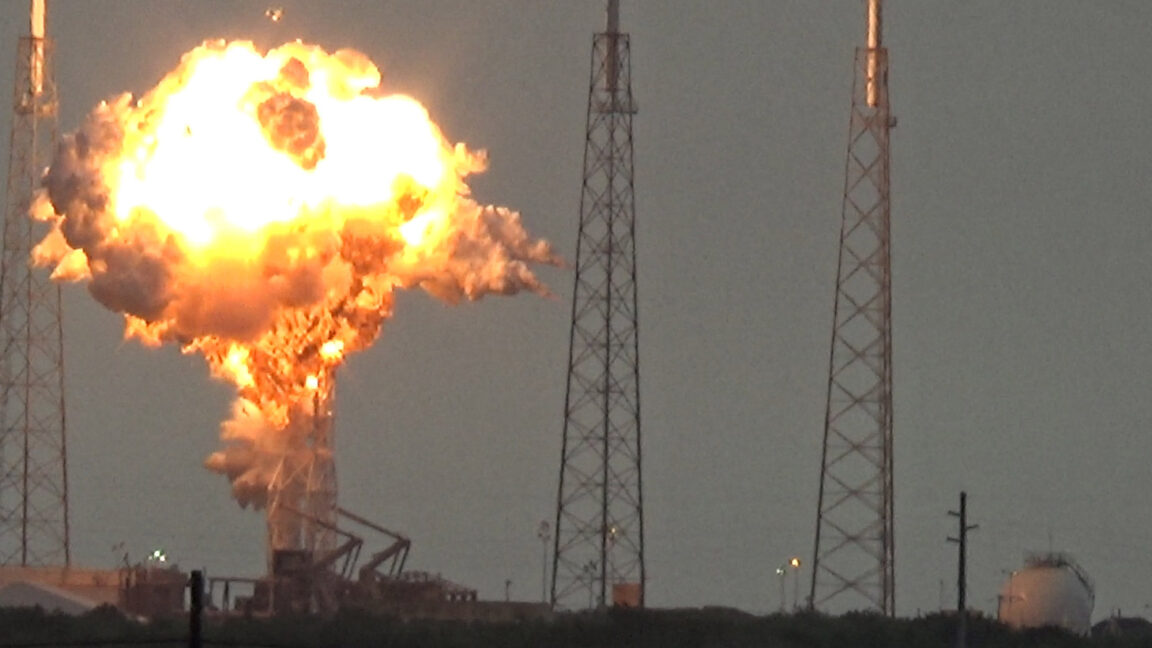
A former NASA engineer named John Muratore sat on console as launch director in early September 2016 as propellant flowed onto a Falcon 9 rocket in Florida. Ahead of a planned launch two days later, SpaceX was preparing for a static fire test of the vehicle.

Then, all of a sudden, the rocket exploded. "It came out of nowhere, and it was really violent," Muratore said. This fireball resulted in the destruction of the rocket, much of its launch site, and the AMOS-6 satellite already attached to the vehicle.

Nearly a decade later, on May 28, Blue Origin conducted a static fire test of a new rocket, with its larger New Glenn vehicle a few miles down the Florida coast. The company had gotten further into its test, reaching engine ignition, before its rocket also exploded.

Read full article

Comments

© USLaunchReport

  •  

An OpenAI model solved a famous math problem that stumped humans for 80 years

In mid-May, OpenAI announced that an internal AI model had disproved the Erdős unit distance conjecture, a famous problem in discrete geometry that had stumped human mathematicians for the last 80 years.

OpenAI gave several mathematicians early access to the result and published their reactions. Tim Gowers—who won the Fields Medal, the most prestigious prize in mathematics—wrote that “there is no doubt that the solution to the unit-distance problem is a milestone in AI mathematics.”

University of Toronto professor Daniel Litt wrote that “this is the first example of a result produced autonomously by an AI that I find exciting in itself, as opposed to as a leading indicator.”

Read full article

Comments

© Getty Images

  •  

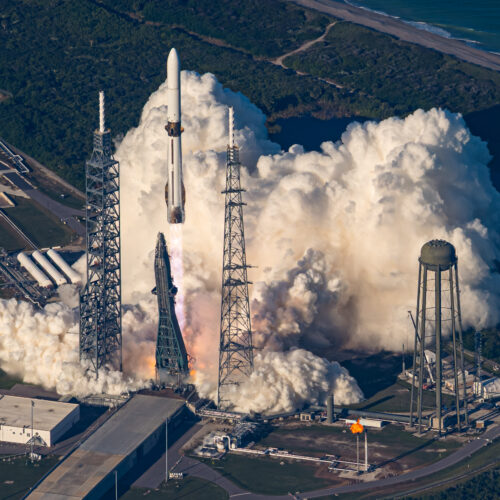
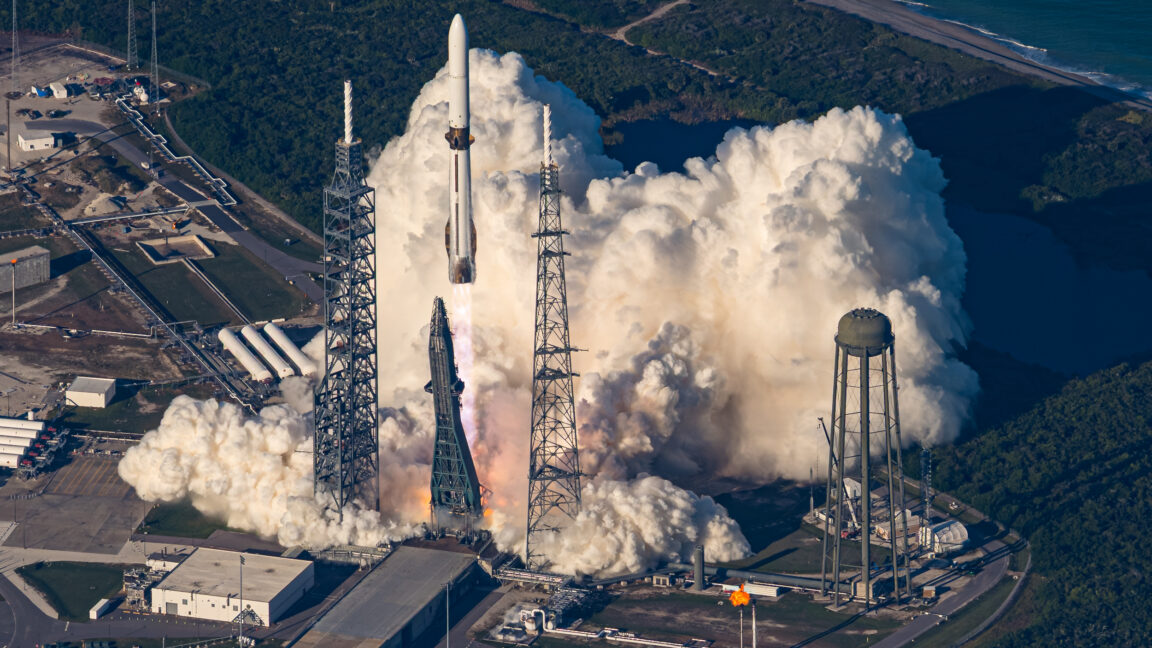
Here's why the failure of Blue Origin's New Glenn rocket is so catastrophic

Thursday night's detonation of Blue Origin's New Glenn rocket during a static-fire test produced a spectacular fireball over Florida, sending shards of the rocket flying far and wide, into the sea and across the coastal scrubland nearby.

With sunrise on Friday teams from Blue Origin, the US Space Force, and NASA will be able to begin more thoroughly assessing the damage to Blue Origin's facilities and begin picking up pieces of the rocket.

pic.twitter.com/EfYn4QWW9M

— Nick Johnson (@NickJohnson315) May 29, 2026

Read full article

Comments

© Blue Origin

  •  

Yearslong fight over users' right to tweak smart TV software heads to trial

For years, owners of Vizio smart TVs have had little control over the software running on their sets—software that can track viewing habits, push ads, and generally shape the experience of using the device.

The Software Freedom Conservancy (SFC), a US nonprofit that promotes and provides legal support for free and open source software projects, isn't happy about that—so much so that it has spent eight years trying to force the release of the complete source code for Vizio's Linux-based smart TV operating system.

Now, after numerous delays since the SFC filed suit in 2021, a California jury will decide in August whether Vizio must provide that code in executable form to SFC and any Vizio TV owner who wants it.

Read full article

Comments

© Aurich Lawson | Getty Images

  •  

Ars Asks: Share your shell and show us your tricked-out terminals!

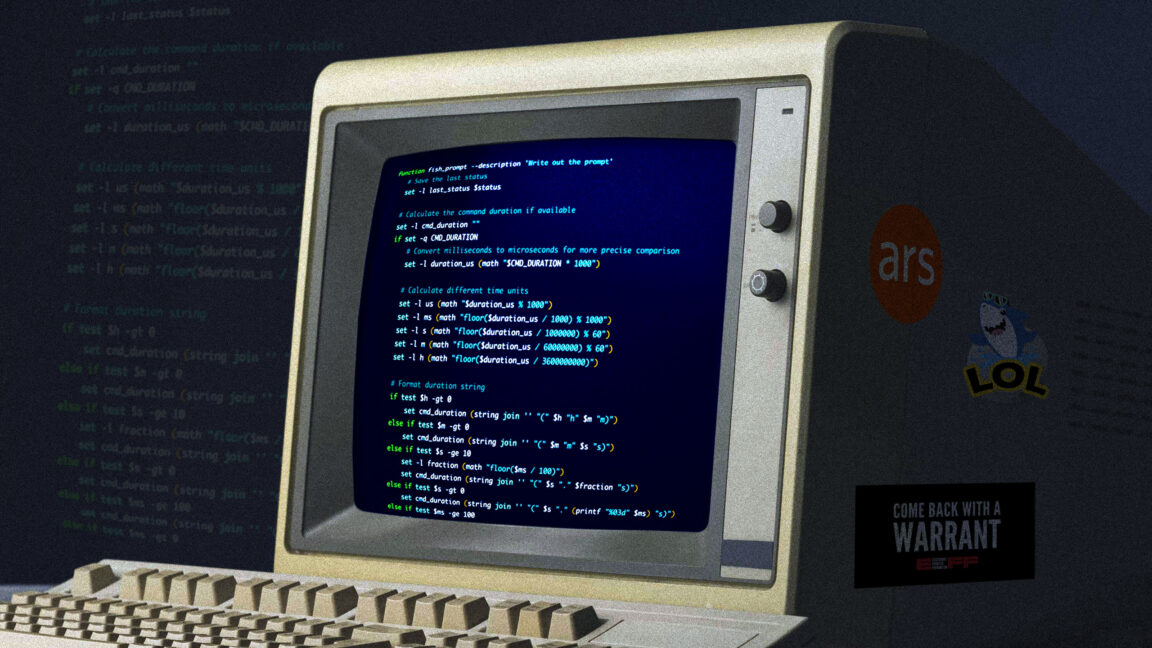
I spend more time today than ever before interacting with terminal windows, which is something I don't think Past Me would have believed in the early '90s. Back then, poor MS-DOS was the staid whipping boy of the industry, and at least on the consumer side, graphical environments like Windows (and maybe even odder creatures like AmigaOS) seemed poised to stamp the command line into oblivion, leaving text interfaces behind as we all blasted into the ooey-GUI future.

As it turns out, though, the command line is still the best tool for some jobs—many jobs, in fact. I read a wise post some years ago (probably on Slashdot) arguing that a mouse-driven point-and-click interface essentially reduces the user to pointing at something on the screen and grunting, "DO! DO THAT!" at the computer. (The rise of right-click context menus adds the ability for the user to also grunt "MORE THINGS!" but doesn't otherwise add vocabulary.)

The command line, by contrast, gives the user the opportunity to precisely tell the computer what they want done, using words instead of one or two gestalts that the computer must interpret based on context.

Read full article

Comments

© Aurich Lawson | Getty Images

  •  
❌