❌

Reading view

Oscillations in the Change of Earth’s Obliquity

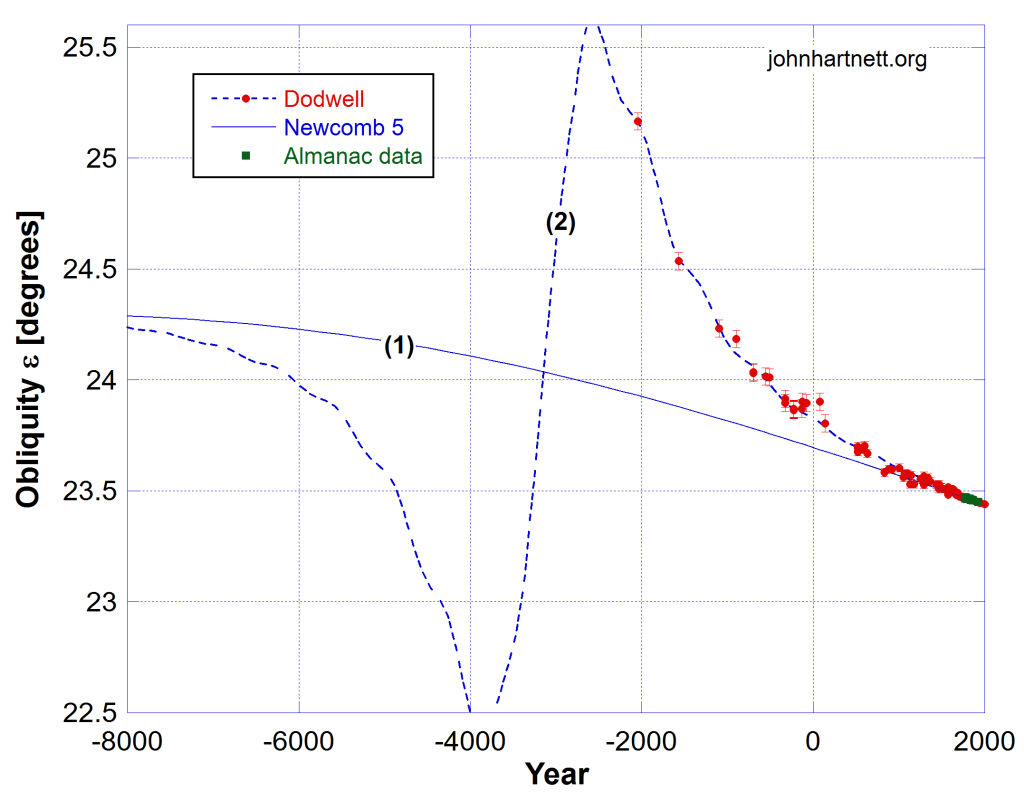
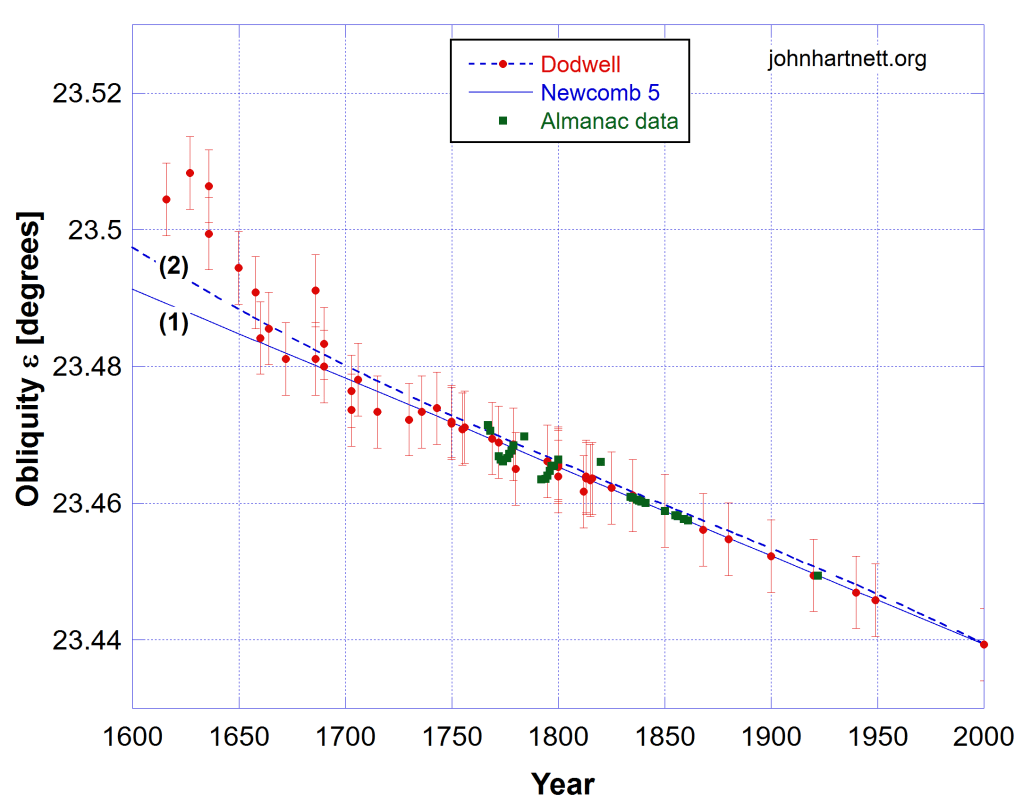
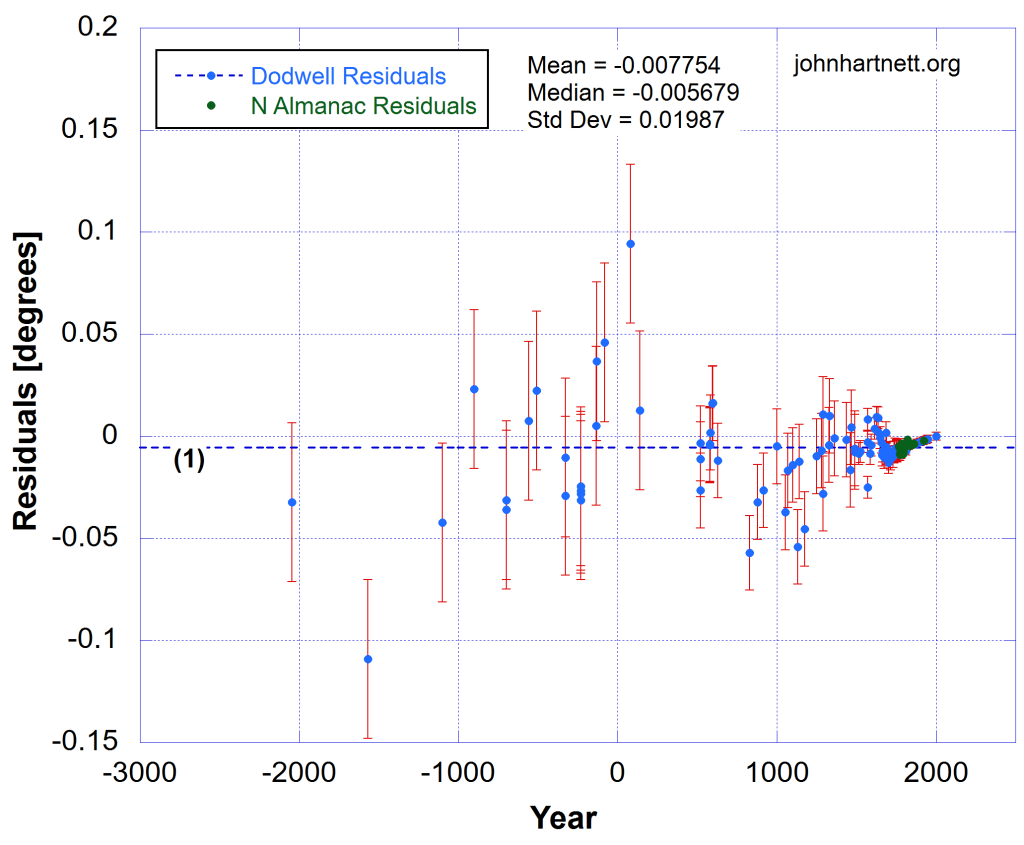
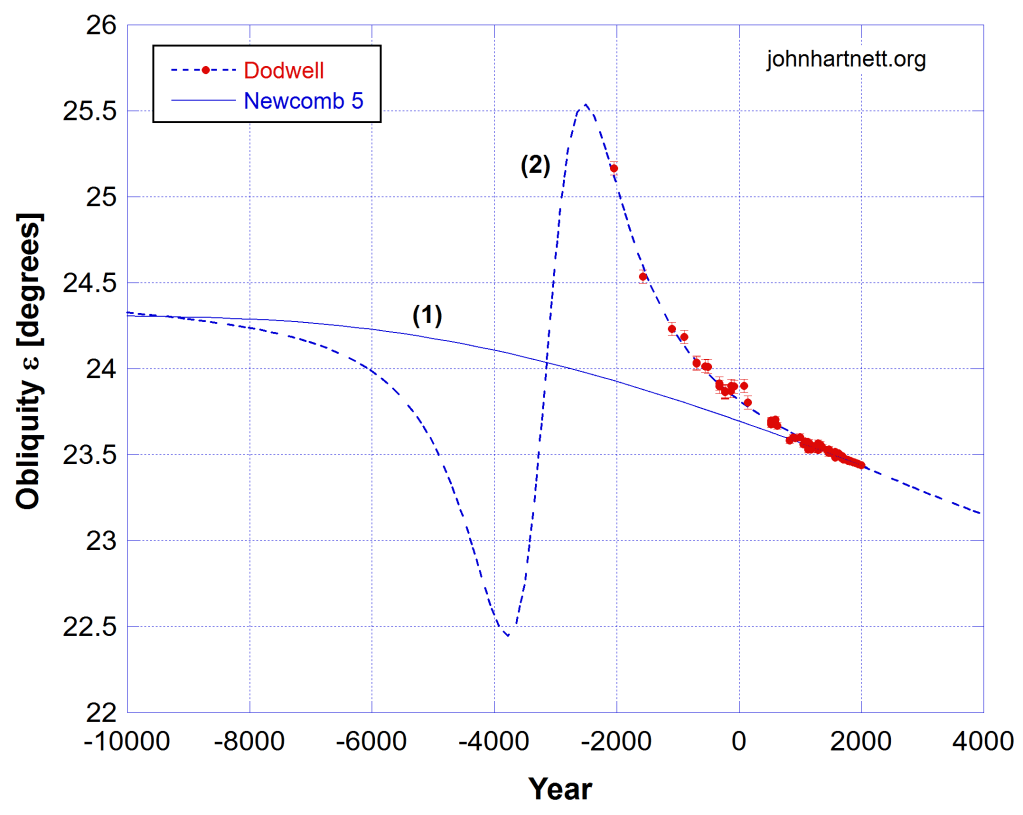
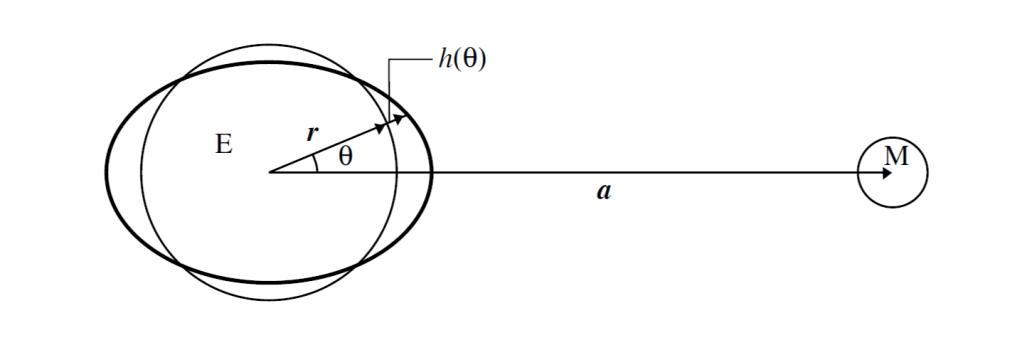
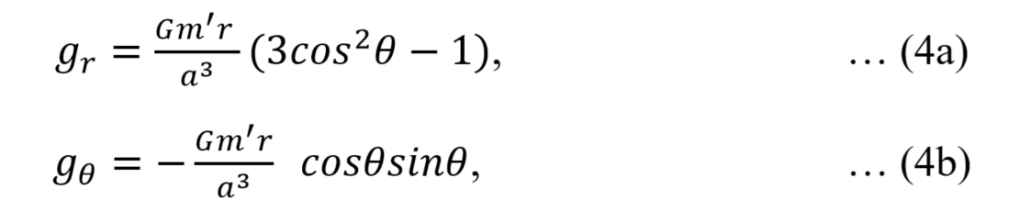
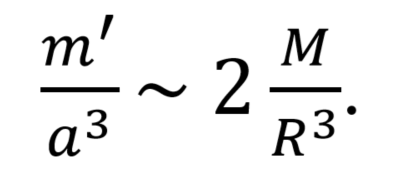
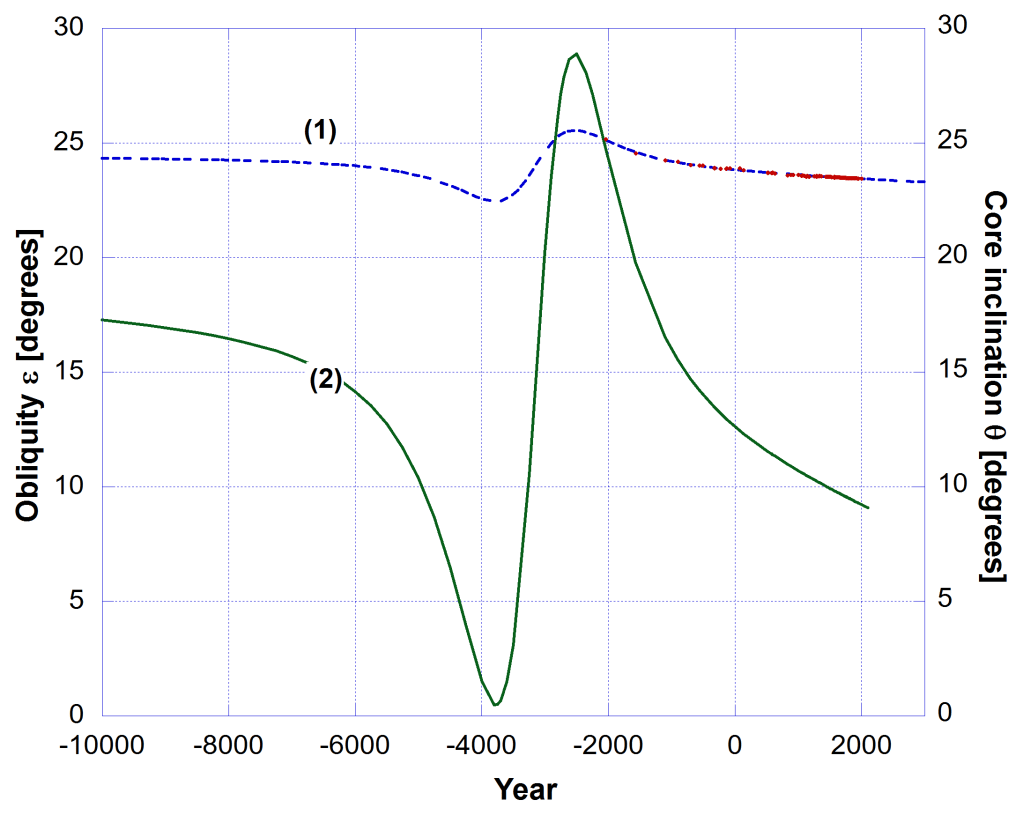
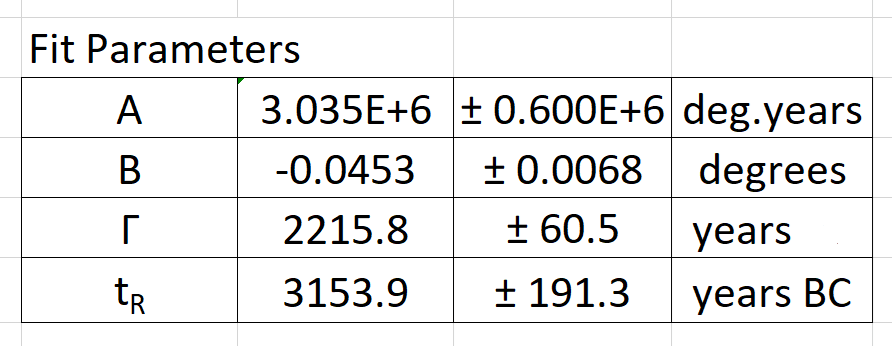
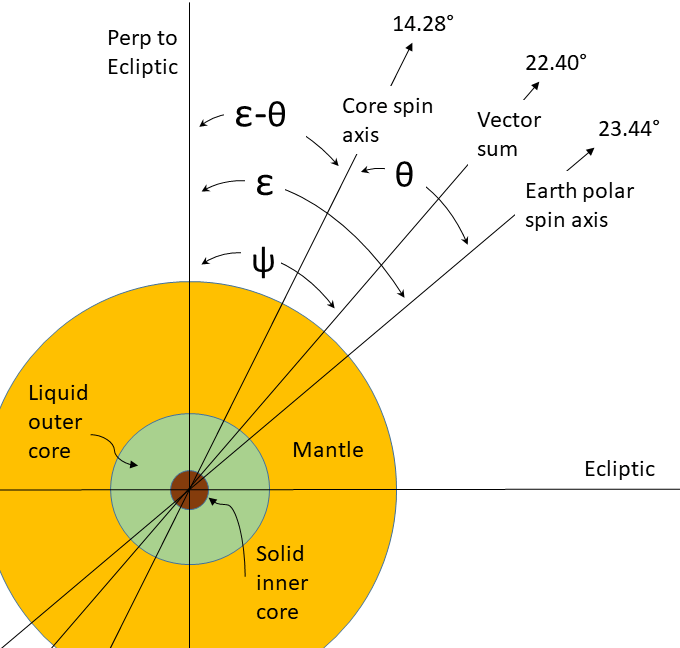
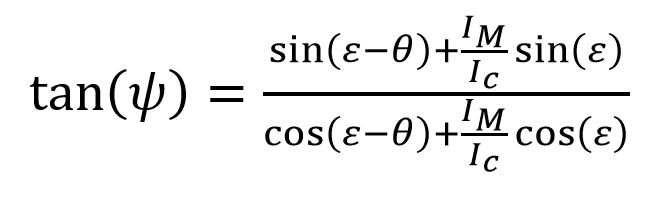
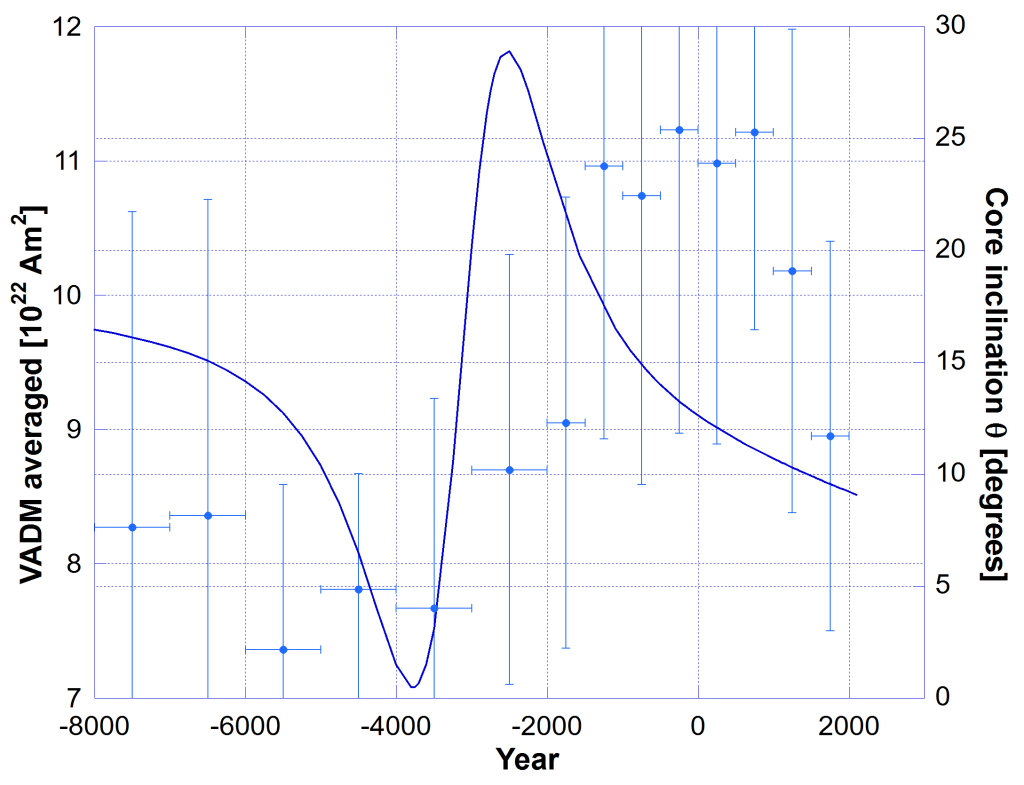
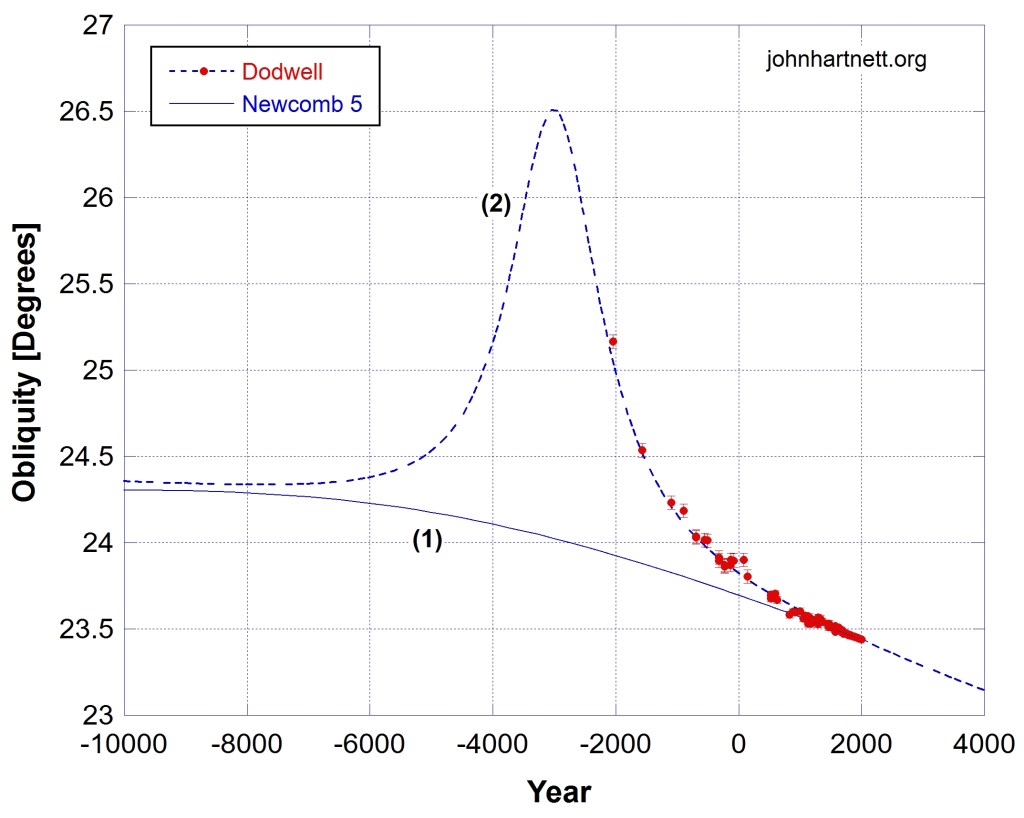
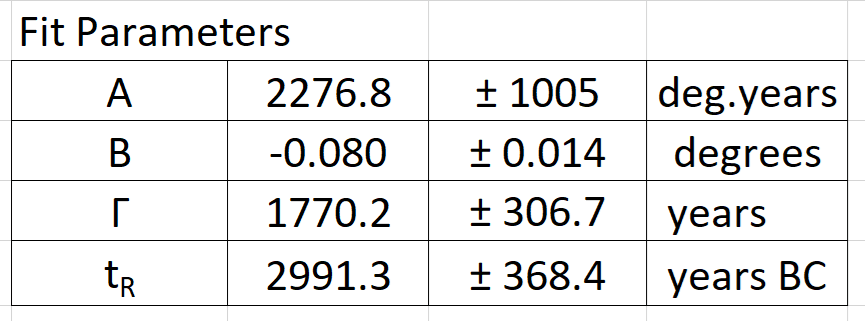
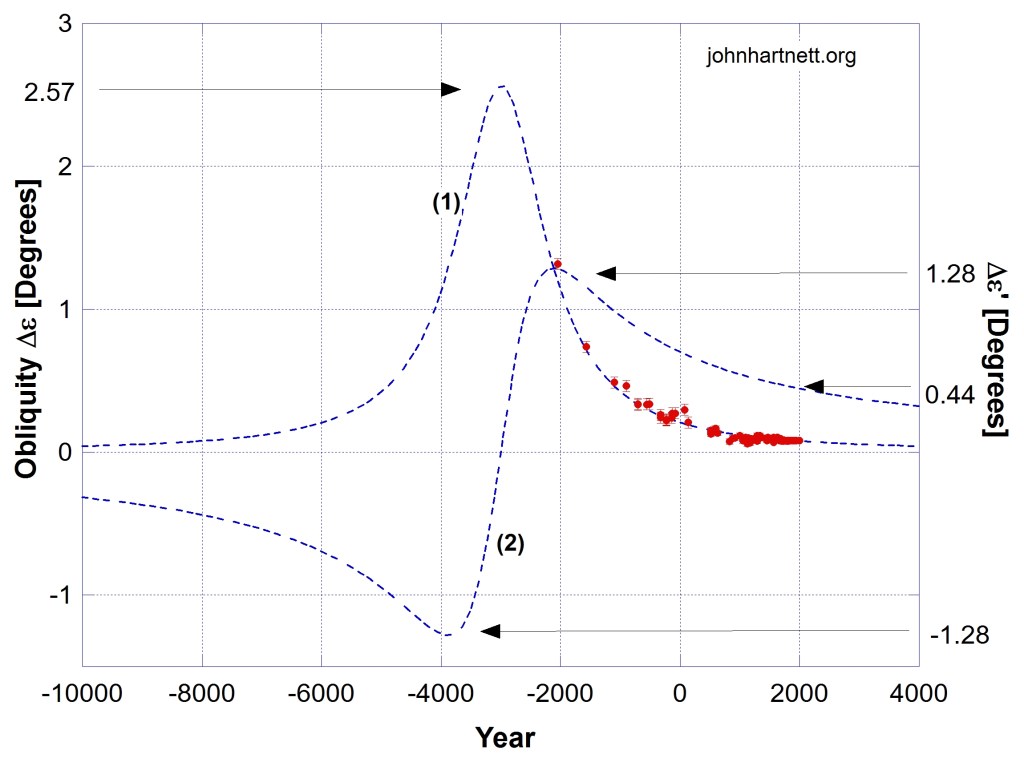
Here I explore a modified biblical model for the Earth's axial obliquity with the great deluge occurring around 3154 Β± 191 BC. A sinusoidal oscillation is proposed to account for small deviations in the model. 30 additional Nautical Almanac data are also added.

  •  

Evidence of Creation | Mechanism Causing Perturbation in Obliquity of Planet Earth

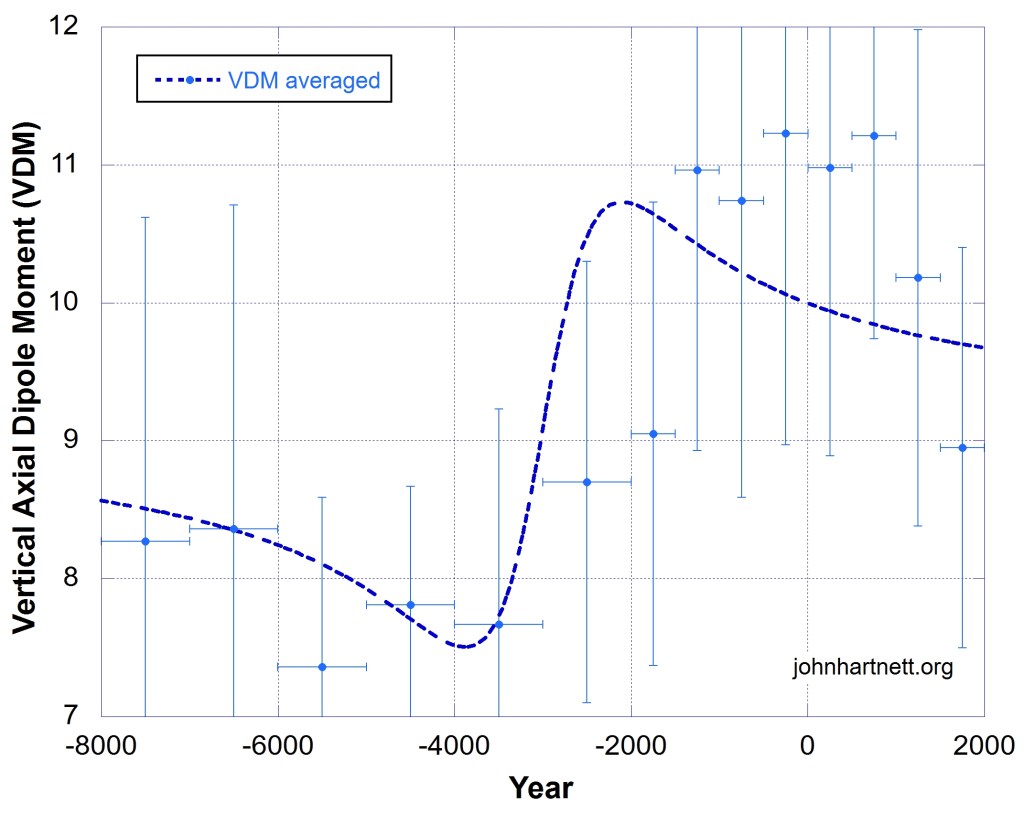
I propose a toy model where the Earth's anomalous obliquity changes stemmed from a process initiated by God post-creation, rather than from rapid events like the great deluge.

  •  

Can We Know the Year of Noah’s Flood?

At some time in the past 8,000 years the planet Earth rocked and reeled on its polar rotational axis. The question is, did that coincide with Noah’s flood? And if so, can we determine from observational data when that was?

  •  

Obliquity of Earth’s Axis | How Has It Changed?

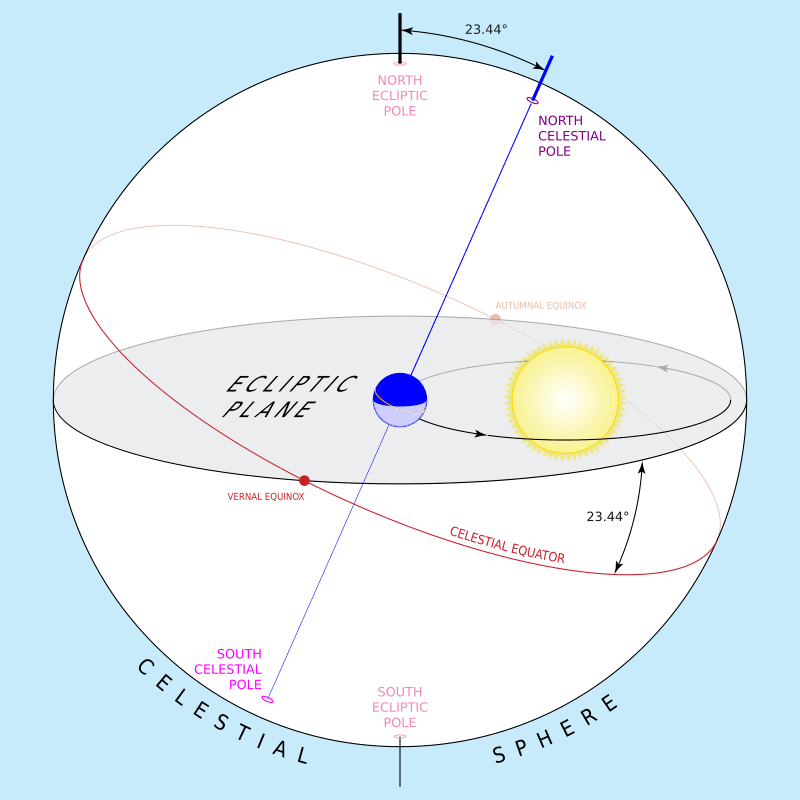
The rotational axis of Earth is tilted at an angle of 23.44 degrees to the plane of the planet's orbit around the Sun. How has it changed over the past 7,000 years? Is there evidence of an extraordinary event that changed it?

  •  

Gemini North Telescope Peers into Crystal Ball Nebula

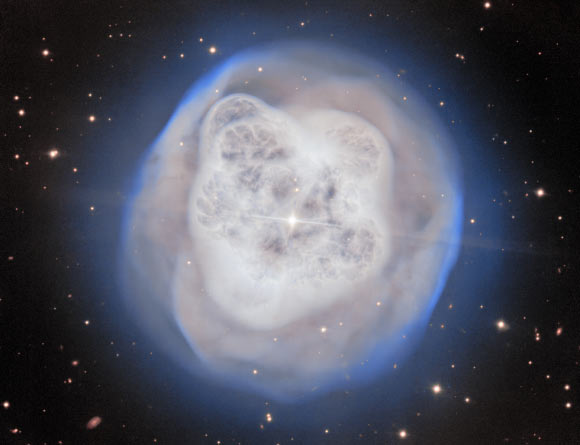
This image of the Crystal Ball Nebula was captured by the 8.1-m Gemini North telescope at the International Gemini Observatory. Image credit: J. Miller & M. Rodriguez, International Gemini Observatory & NSF’s NOIRLab / T.A. Rector, University of Alaska Anchorage & NSF’s NOIRLab / D. de Martin & M. Zamani, NSF’s NOIRLab.

A stunning new image from the 8.1-m Gemini North telescope, located on the summit of Maunakea in Hawai’i, reveals the Crystal Ball Nebula in unprecedented detail: a lumpy, glowing sphere of gas sculpted by a pair of stars.

The post Gemini North Telescope Peers into Crystal Ball Nebula appeared first on Sci.News: Breaking Science News.

  •  

Antarctica: The ultimate classroom

A new Australian initiative is sending Year 9-12 students to one of the most extreme scientific environments on Earth, and asking them to contribute to real research while they’re there. For most students,...

The post Antarctica: The ultimate classroom first appeared on Science Illustrated.

  •  
❌