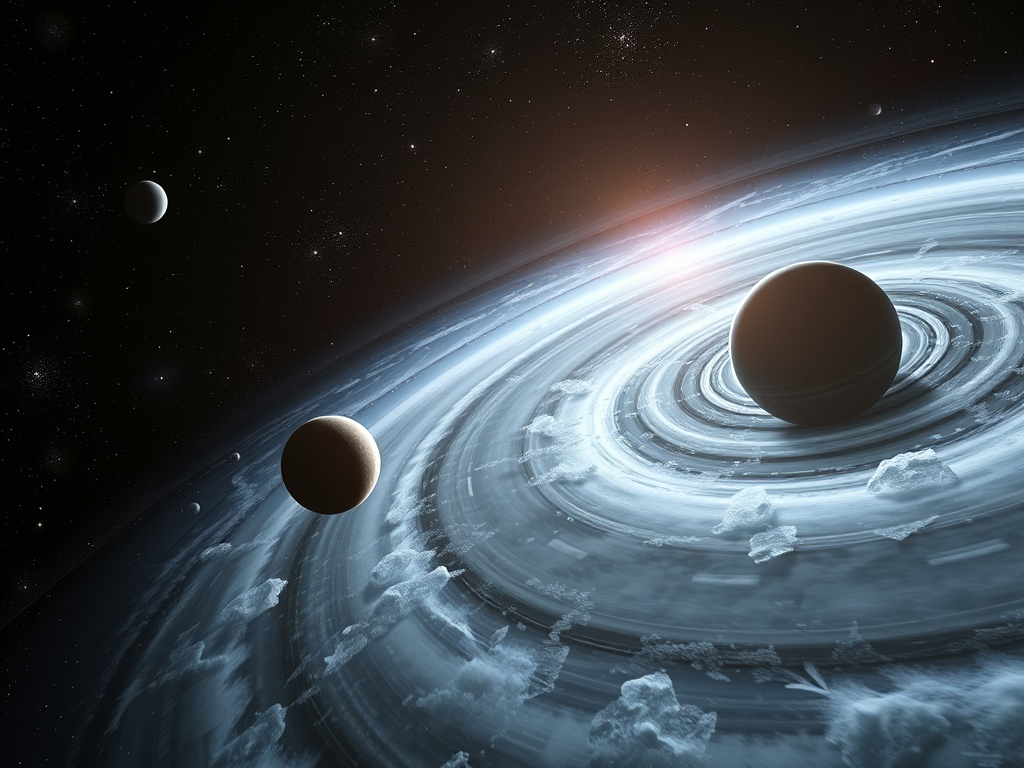
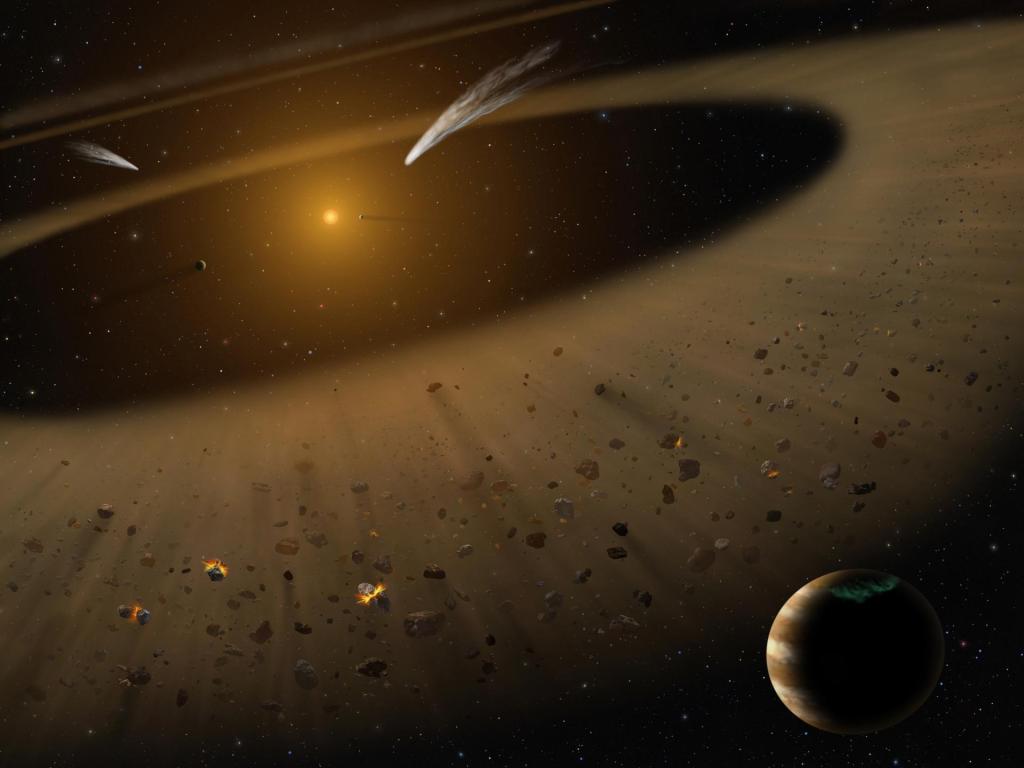
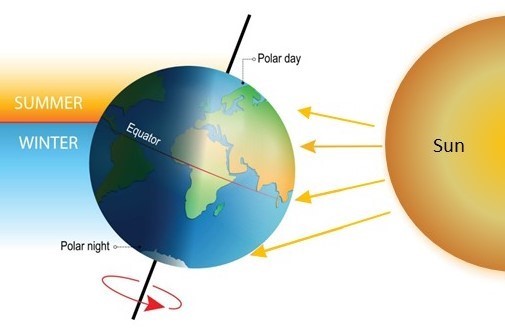
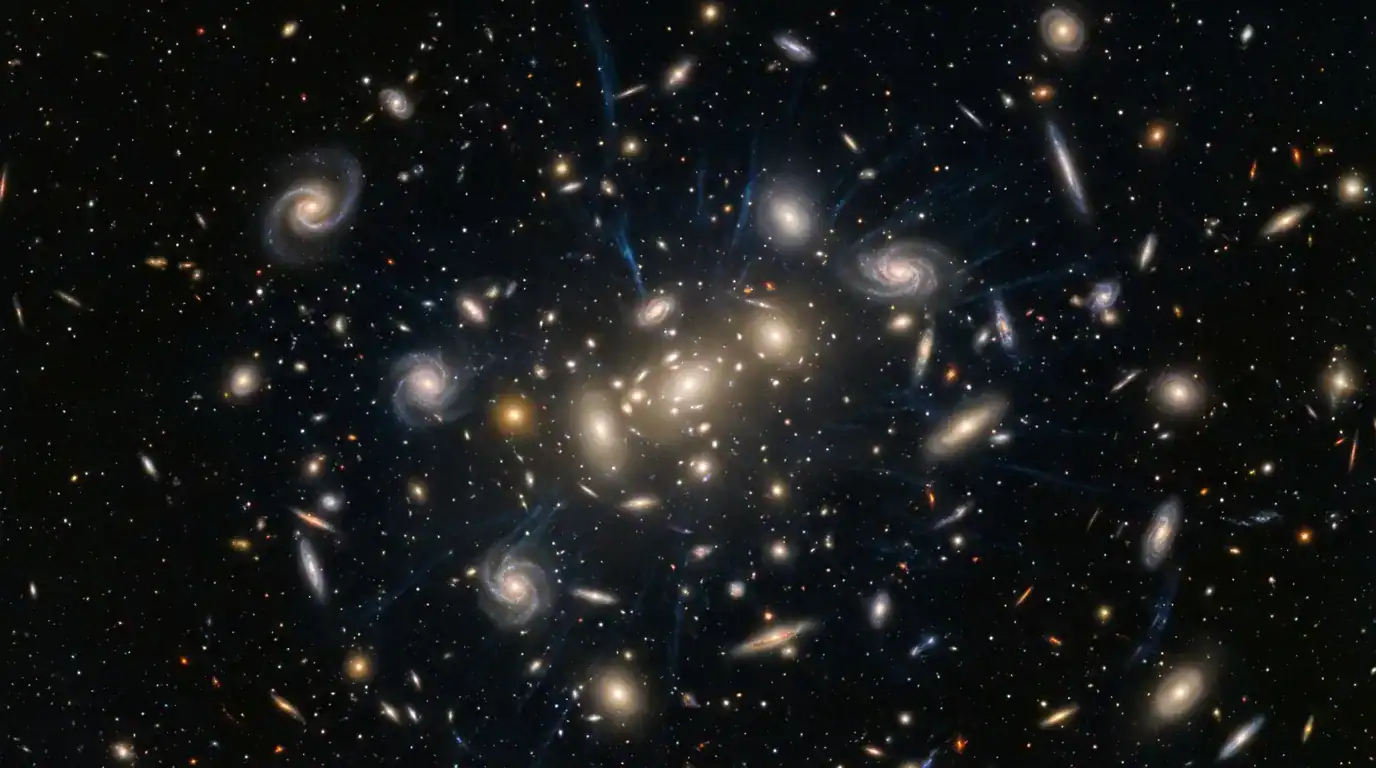
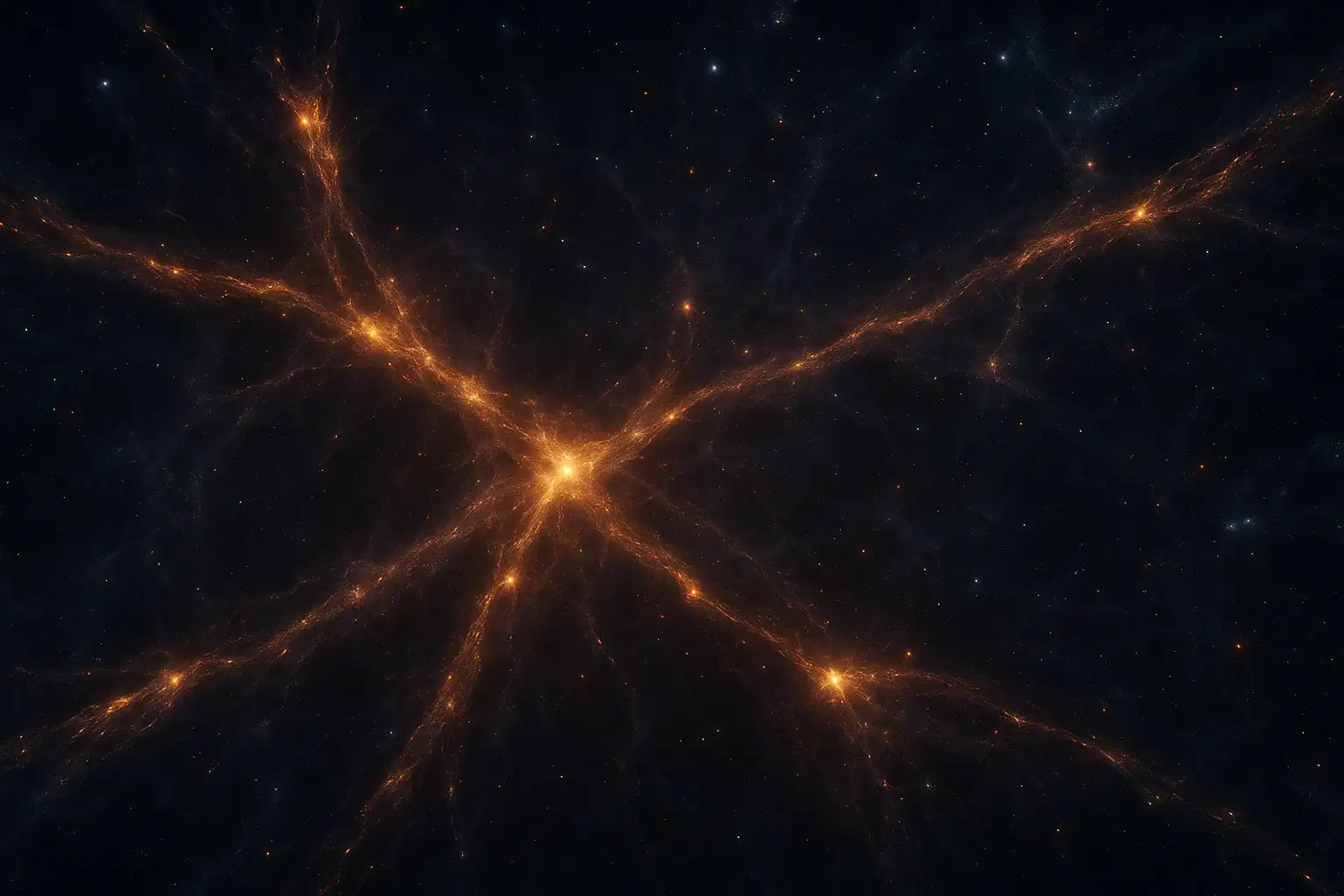
Day 4 of creation, God made the Sun, Moon, planets, and stars, establishing them as luminaries in the heavens. The language of the Bible uses an Earth-observer perspective, meaning that light from celestial bodies was instantly visible. Additionally, I confront naturalistic explanations for celestial origins, proposing a creationist model.
Michael Guillén, a physicist who has taught at Harvard University and worked as a science editor at ABC News, has pushed a provocative claim into the public bloodstream: that the biblical Paradise may have a physical “address” in the universe. In a January 18, 2026 opinion essay for Fox News, Guillén argues that modern cosmology, […]
Although Halley’s Comet will not return to our vicinity for another 35 years, a new analysis has sparked media attention with the claim that this famous object is wrongly named. Professors Michael Lewis of the British Museum and Simon Zwart of Leiden University have presented evidence that the monk Eilmer of Malmesbury recognized the comet’s […]
Dark matter is one of the biggest mysteries of modern science, because we can’t see it, touch it or feel it with our current instruments, and yet, we know it’s there because we can see how it affects galaxies, and its presence is felt through its gravity. Light bends around it as it travels across […]
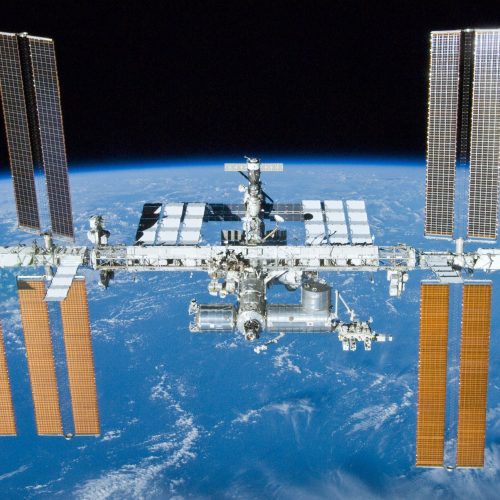
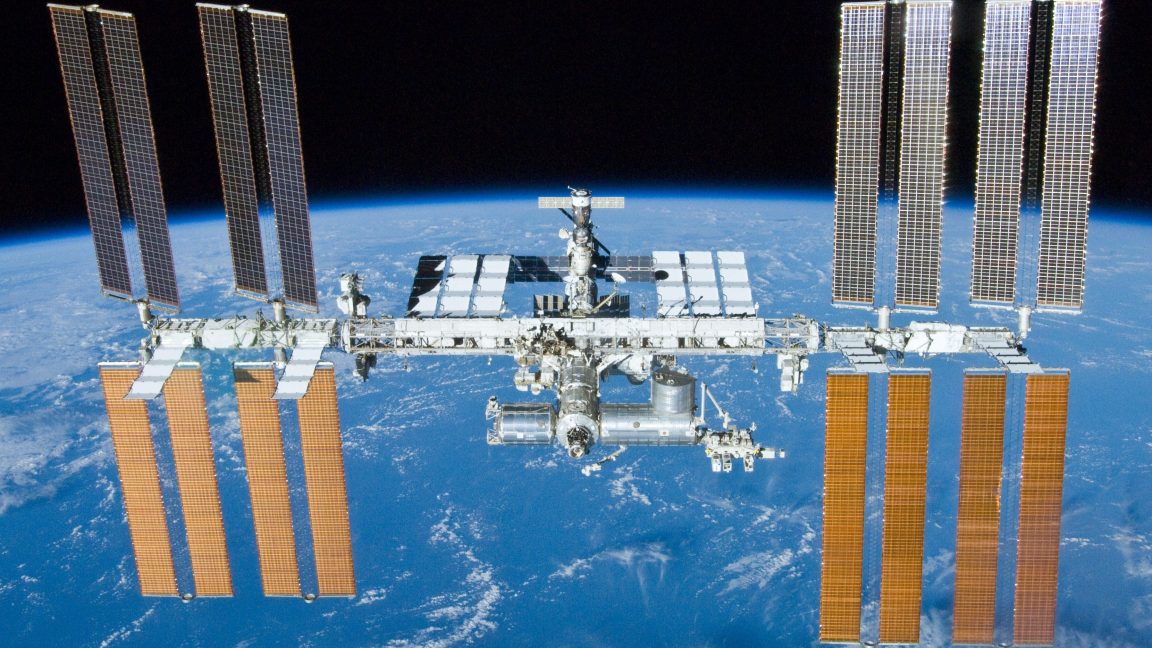
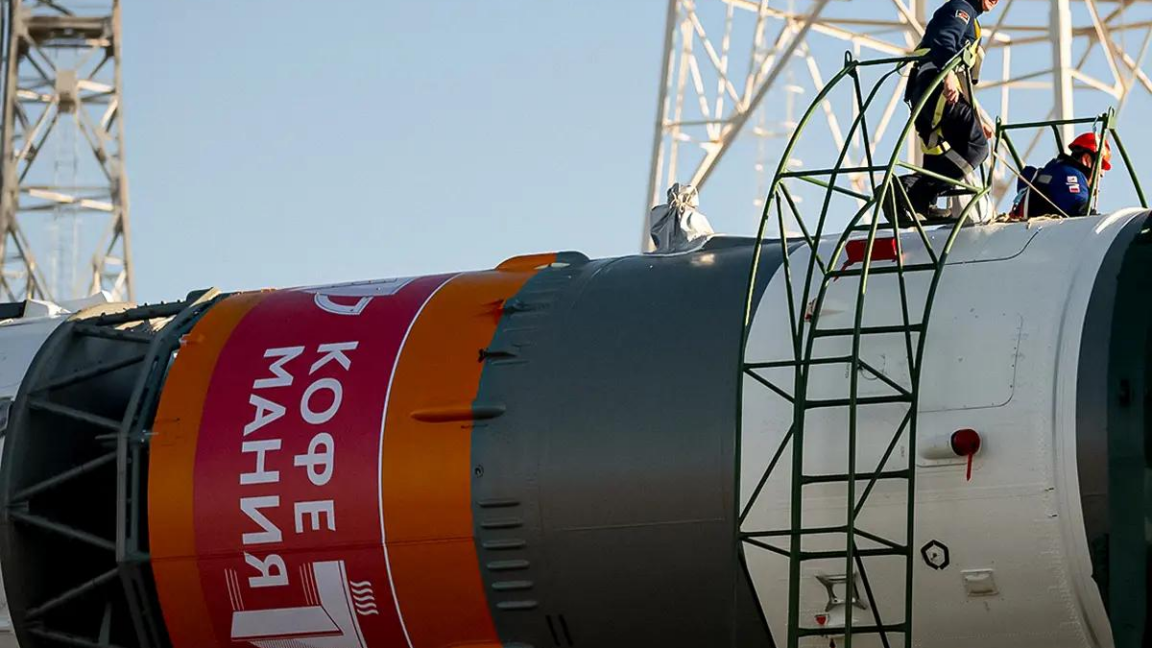
NASA confirmed Thursday that the Russian segment of the International Space Station has begun leaking atmosphere into space again. It's an old problem that NASA recently hoped was resolved.
For more than half a decade, engineers from Roscosmos and NASA have been tracking the leak rate from a small Russian module attached to the space station that leads to a docking port. The source of these leaks, microscopic structural cracks, have been difficult to find and address.
In January, NASA said that after multiple inspections and sealant applications, the pressure inside this segment, known as the PrK module, had reached a "stable configuration." The PrK module is essentially a transfer tunnel attached to the Zvezda Service Module on the Russian segment of the space station.
It's difficult to know the true state of the Russian economy, both because the country's financial reporting is sparse and because official figures are unreliable. But things probably aren't great.
This week, Sweden's minister of foreign affairs, Maria Malmer Stenergard, shared her country's assessment that the Russian economy has likely contracted over the last five years amid the war in Ukraine. Inflation is also high, and international sanctions have cost Russia $450 billion since the onset of the war in February 2022. Russia's economy is currently smaller than that of Texas, Stenergard said.
By most measures, then, the economy is not in tip-top shape. Moreover, the war is draining a large amount of the country's financial resources, with defense spending reaching a post-Soviet record of about 7 percent of government spending.

 Login