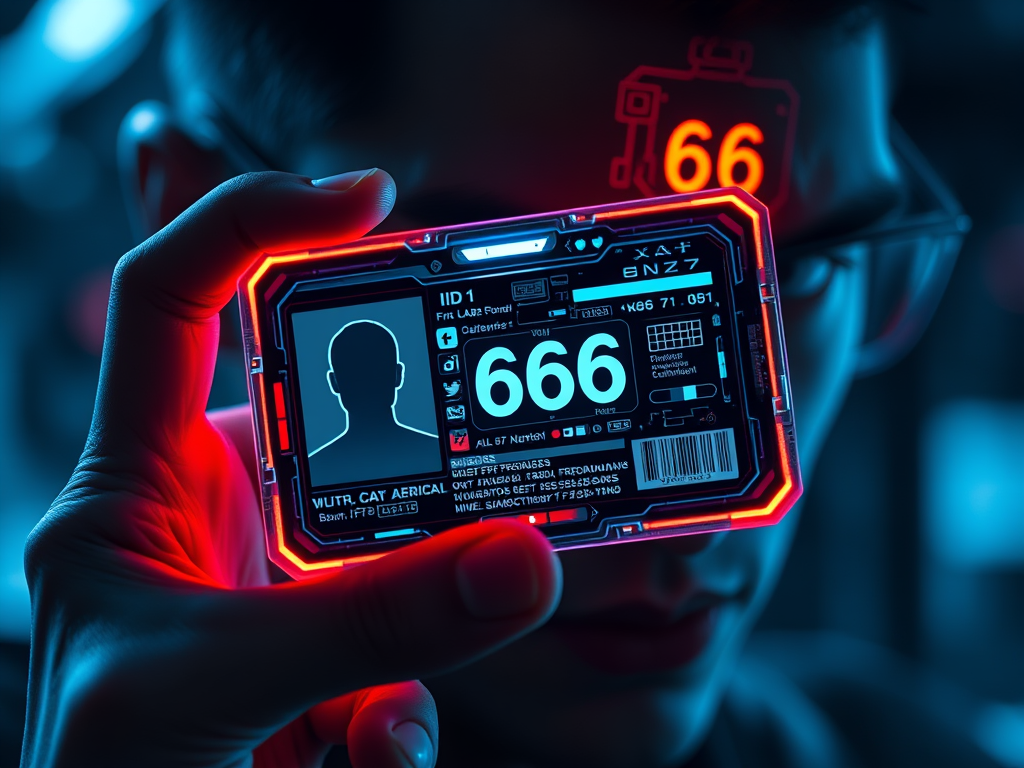
Believers are sealed by the Holy Spirit for redemption. The mark of God signifies salvation, contrasting with Satan's mark, which represents servitude and slavery. The coming digital ID system potentially fulfills the mark of the beast prophecy. Don't accept any digital ID!
The Digital ID Act 2024 in Australia is a vehicle for extensive surveillance, potentially linking personal data such as biometrics to financial accounts and digital currency. Governmental assurances of voluntary participation do not help, fearing that such measures may become mandatory, leading to total control and loss of individual freedoms.
A simple writing task may offer clues about aging brains. Researchers found that dictation, in particular, exposed subtle differences linked to cognitive impairment. Handwriting depends on both fine motor skills and complex mental processes, including selecting, organizing, and interpreting sensory information. Because writing places heavy demands on the brain, changes in handwriting may help reveal [...]
Activists had sued in a bid to secure her the fundamental human right to bodily liberty. Zoo officials said she was well cared for and called the lawsuit frivolous.
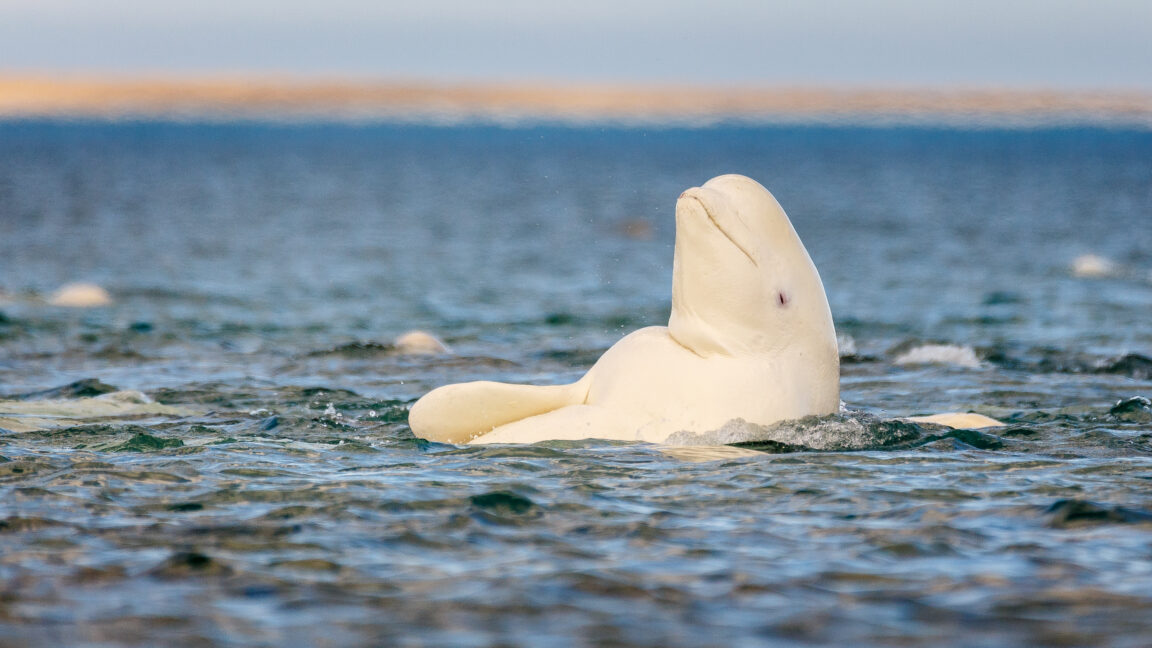
In hours of underwater video footage from a New York aquarium, a beluga whale named Natasha stretches her neck, pirouettes, nods, and shakes her head in front of a two-way mirror. Her daughter Maris does much the same. According to a new study published in PLOS One, both animals show the behavioral hallmarks of mirror self-recognition—a cognitive ability long considered a marker of self-awareness, and one that had never before been documented in beluga whales.
If the result holds up, belugas join a remarkably short list. The mirror self-recognition test (MSR) has been passed, with varying degrees of confidence, by humans (starting around age two), a handful of great apes (chimps, bonobos, orangutans, and—somewhat contentiously—gorillas), Asian elephants, bottlenose dolphins, probably magpies, possibly orcas, and, if you can believe it, a cleaner wrasse. That's it. No dogs, no cats, no monkeys. Plenty of species we had assumed were self-aware have been tested and failed.
Looking at the mirror
So what is this test, exactly, and what is it supposed to tell us?

 Login