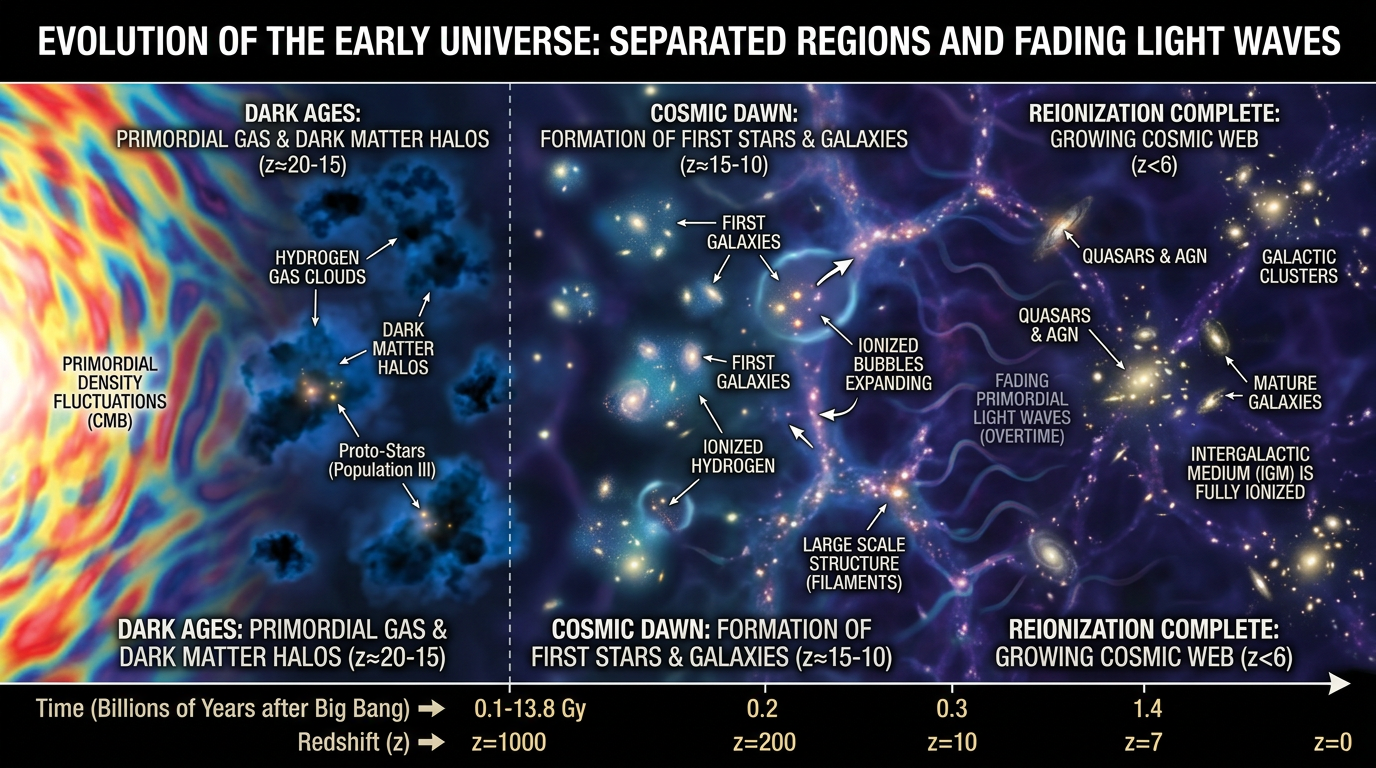
The big bang has causality issues, particularly the "horizon problem." I critique suggested solutions like cosmic inflation and negentropy, arguing that they require unproven concepts. The Creator, as described in the Bible, provides a coherent explanation without causality violations, in contrast with those scientific storytelling fairy tales for adults.
When we look out into space, even with the most powerful telescopes, are we seeing the universe in real time? Are we observing events as they happen, that is, at the time measured on our local clocks?
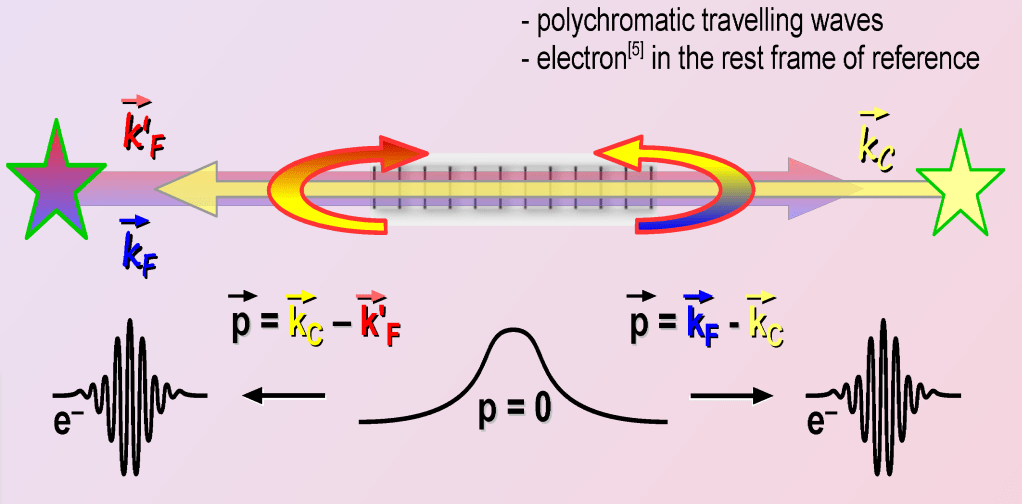
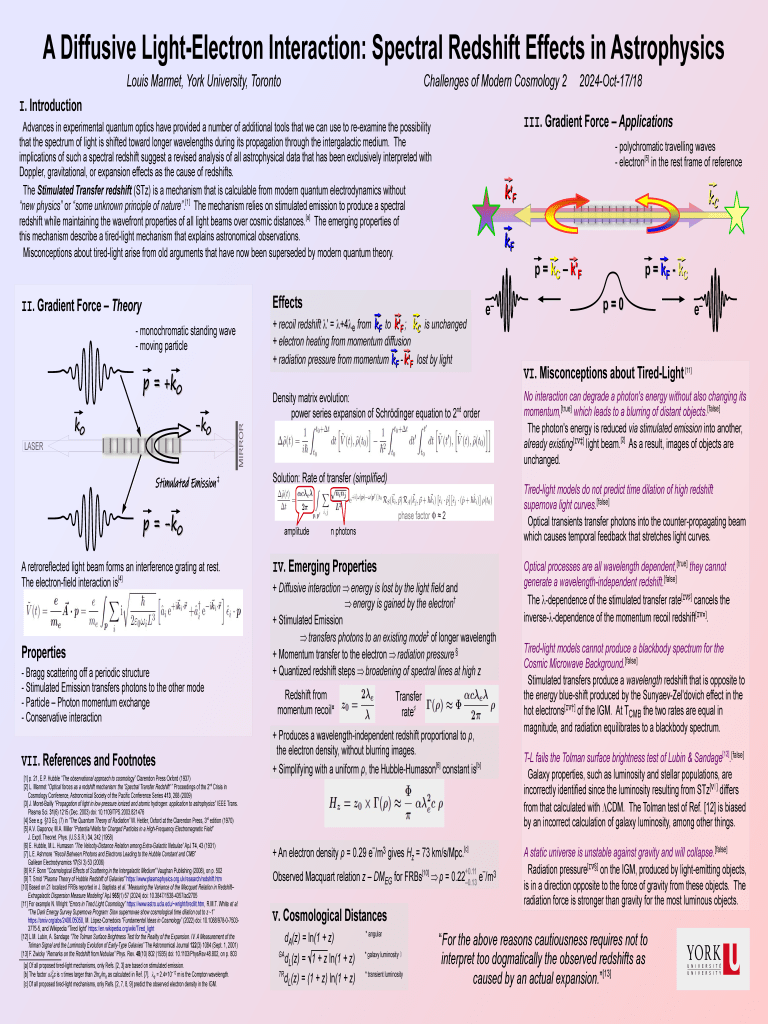
Stimulated Transfer redshift, a newly discovered phenomenon predicted by quantum electrodynamics, results in electron heating and a redshift of light from distant galaxies. The mechanism not only explains the extreme heating of the solar corona, but also provides an alternative explanation for astronomical redshifts without invoking an expanding universe.
The video clip of orbs circling a passenger plane prompts speculation about its origins, including faked footage, extraterrestrial craft, or military technology. After analysis, I dismiss the latter two due to physical impossibilities, instead propose that these are interdimensional craft linked to the spiritual realm.
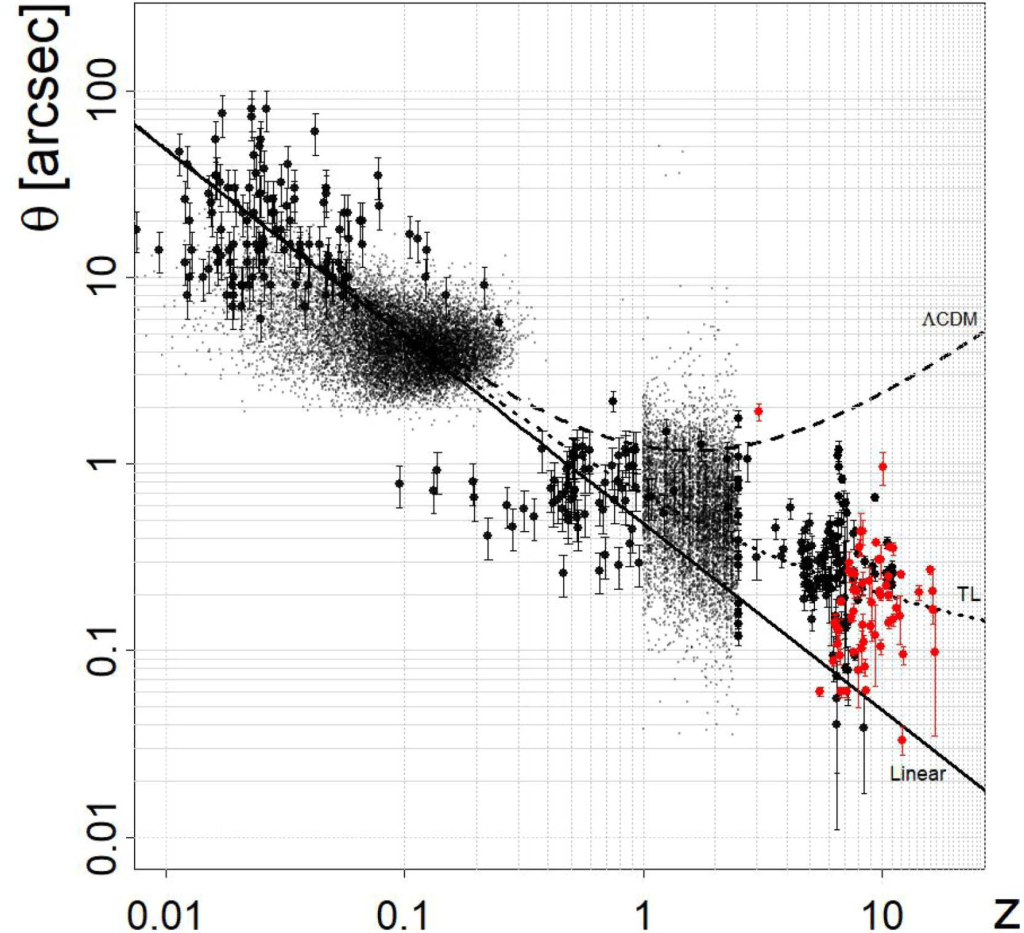
The presentation presented here explores how light from distant galaxies could reach Earth in a universe less than 8,000 years old. This is from a biblical creationist perspective based on the scriptures and science.
There are many sightings of multiple UFOs around important military sites. Also that the US government has covered up the truth of visiting aliens / UFOs for decades. It all adds to the mystique which might be used to get the masses to comply with authoritarian diktats.
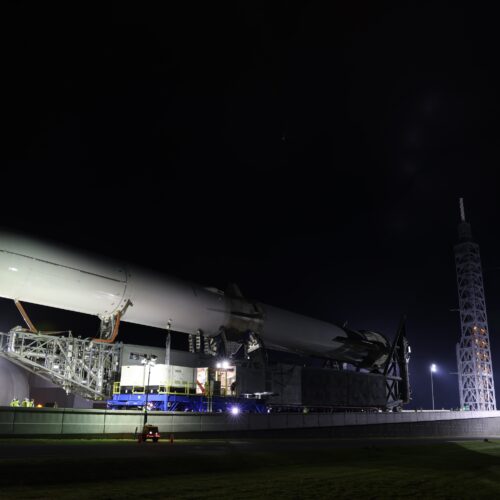
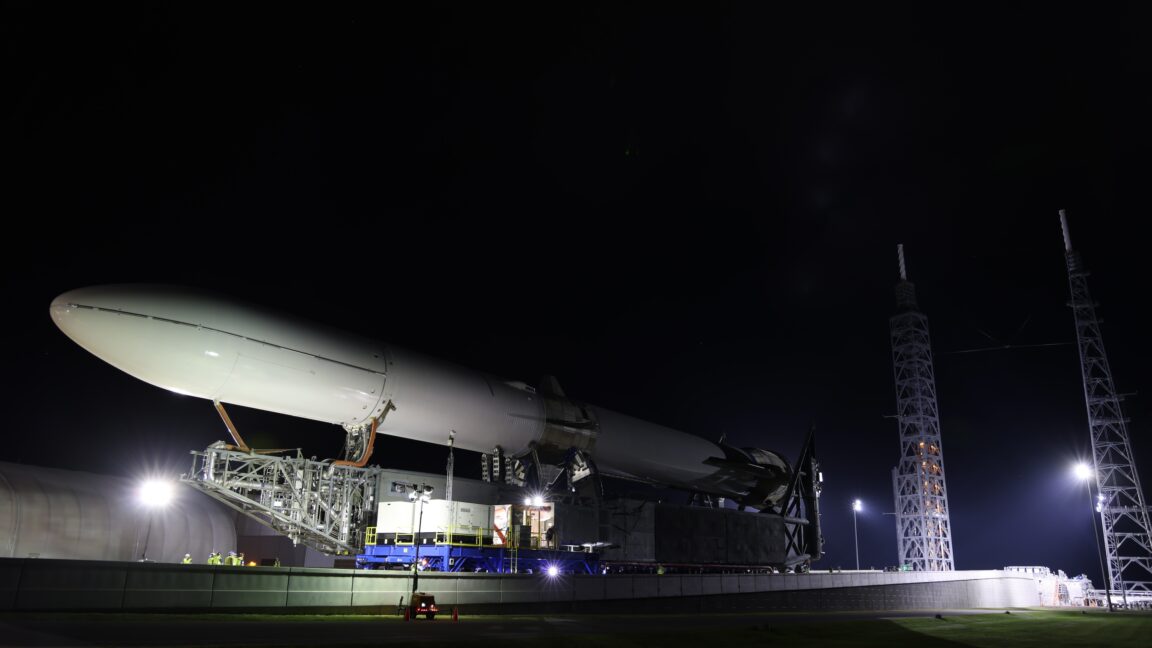
The chief executive of Blue Origin, whose large New Glenn rocket exploded spectacularly less than a week ago at the company's launch site in Florida, vowed Monday night that the company would launch again before the end of 2026.
Writing on the social media site X, Blue Origin's Dave Limp said the company had been able to complete a preliminary survey of the LC-36A launch site.
"Now that we’ve had access to the pad and integration facility, we can share a bit of good news," Limp said. "The propellant farm, oxygen, liquid hydrogen and LNG tanks are all in good shape. This is good luck because these are very long lead items. The water tower is also good."
NASA’s Parker Solar Probe captured the first visible light images of Venus from space. The images, taken during two recent flybys, show a faint glow from the surface, revealing features like continents, plains, and plateaus. The images could help scientists learn about Venus’s geology and mineral make-up and understand why it became inhospitable while Earth […]
What’s launching this week Early this morning, Monday, June 1, the state owned China Aerospace Science and Technology Corporation (CASC) successfully completed the maiden flight of the reusable Long March 12B — a two-stage, 236-foot (72-meter) rocket powered by nine liquid oxygen and kerosene engines with a 44,000-pound (20,000 kilogram) payload capacity. The mission launchedContinue reading "SpaceX, China set for busy launch week"
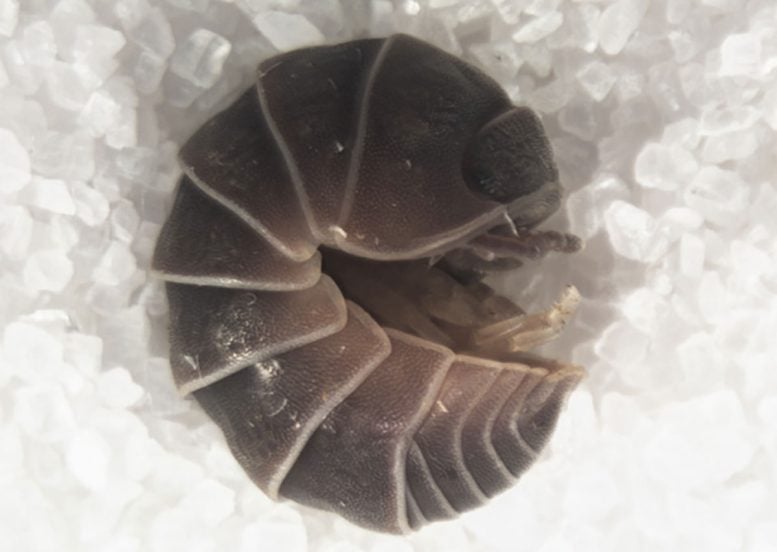
Artificial streetlights can lure isopods into massive circular processions that may leave them vulnerable to predators. Researchers have made a world-first observation of thousands of Israeli isopods leaving their normally solitary shelters and moving together in huge synchronized “death spirals” caused by artificial streetlights. By testing different light arrangements, the team found that vertical beams [...]
In the 1960s, two organizations were formed for cooperation around a European presence in space: the European Space Research Organization, which focused on scientific research, and the European Launcher Development Organization, which concentrated on engineering launch systems. By the end of the decade, however, dissatisfaction was growing with this split structure, and in 1968, theContinue reading "May 31, 1975: ESA begins operations"
After completing what it said was a “thorough assessment,” the FAA on Wednesday ordered SpaceX to investigate anomalies that its Super Heavy booster experienced during the 12th test flight of its behemoth Starship rocket. The aviation regulator on Tuesday was ambiguous about whether an investigation would be required into Starship Flight 12, which launched Friday evening fromContinue reading "FAA grounds SpaceX Starship after V3 debut"
Ahead of what observers anticipate will be the largest initial public offering (IPO) in history, SpaceX debuted its largest rocket yet on a mostly successful mission. Though Starship and the Super Heavy booster — which combined stand more than 400 feet (122 meters) tall, nearly the length of a Boeing 777 — suffered multiple engineContinue reading "What Starship Flight 12 means for SpaceX’s IPO"
The rocket, built by the Jeff Bezos-owned space company, was to carry 48 satellites into space. Blue Origin reported on social media that “all personnel have been accounted for.”
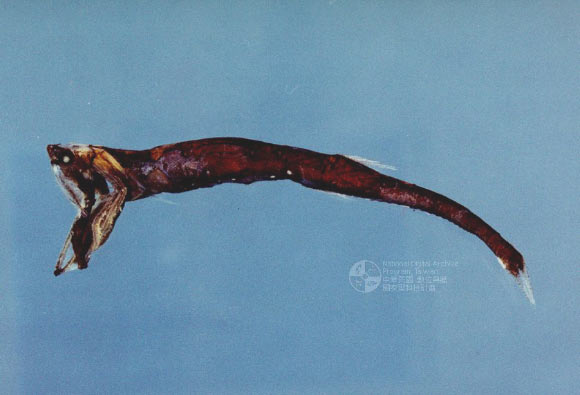
A marine biologist studying the photophores of a bioluminescent fish species found needle-shaped guanine crystals that scatter and redirect light instead of merely reflecting it, a discovery that could inspire more efficient biomedical and optical devices.

 Login