Some analysts said the main international oil price, which was up 6 percent on Monday, could climb much higher in the coming weeks if the Strait of Hormuz doesn’t reopen.
An oil refinery in Carson, Calif. The possibility of continued fighting has raised concerns about how long the world’s stockpiles of oil and fuels will last if the Strait of Hormuz does not reopen.
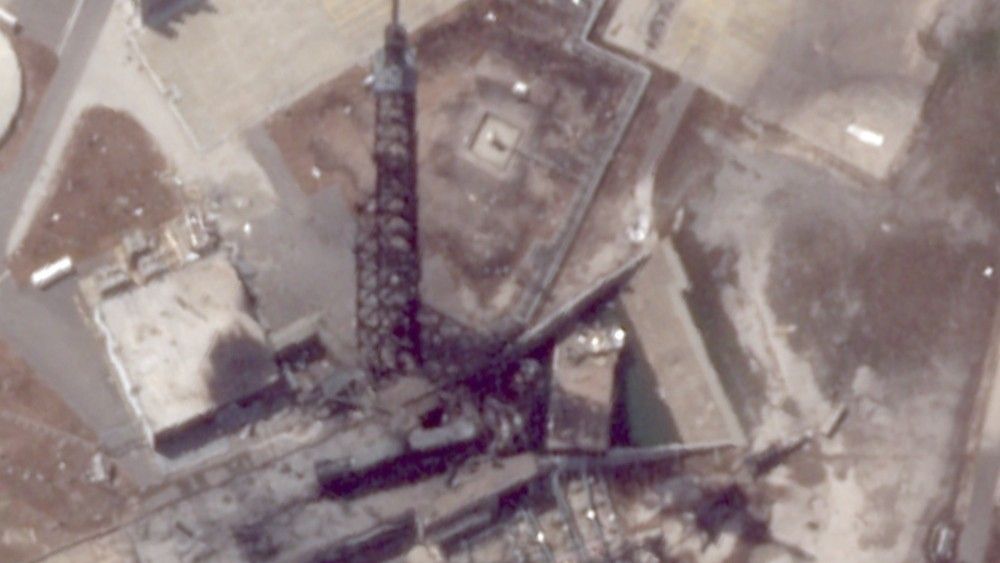
Satellites zoomed-in on the aftermath of the New Glenn rocket explosion at Blue Origin's LC-36 launchpad, and the extent of the damage is visible from orbit.
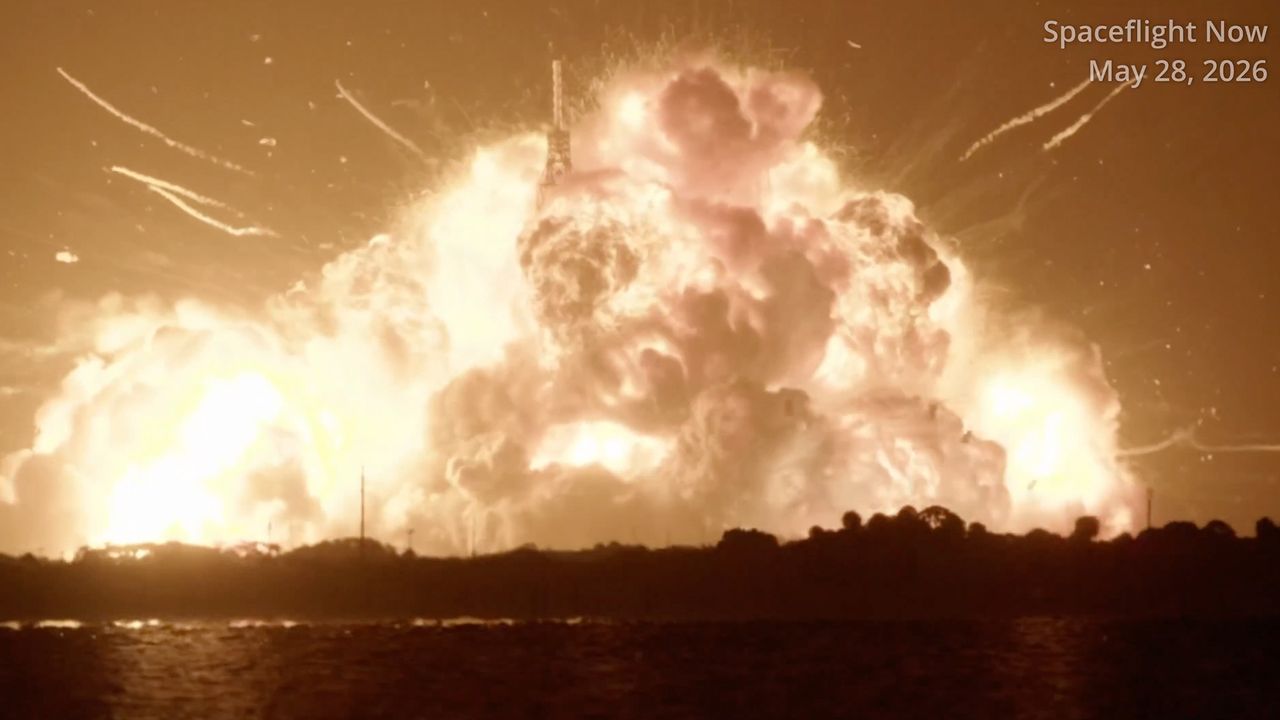
The explosion of Blue Origin's New Glenn rocket is a big setback for the spaceflight company and will have implications for NASA's plans to return astronauts to the surface of the moon.
Model analyses and projections of sediment heatwave duration, intensity and frequency across 41,499 representative lakes suggest that lake sediment heatwaves are more persistent and frequent than lake surface heatwaves and will intensify under global warming.
Nour Haydar speaks with Christopher Knaus about the BHP files – the cache of internal documents leaked to the Guardian and the ABC’s Four Corners – which show that the world’s biggest miner has war-gamed ways to massively delay decarbonisation
Additional audio in this episode was sourced by Financial Times Live
Samsung Electronics narrowly averted a walkout by nearly 48,000 workers this week, after executives agreed to a tentative deal over bonus payments. But the labor union’s demand for a bigger...
Scientists are discovering that some of the cells linked to aging may also be key to staying healthy. A growing body of research is changing how scientists view one of aging biology’s most studied cell types: senescent cells, often called “zombie cells.” While these cells have long been associated with aging and chronic disease, new [...]
A remarkable new study of the world’s oldest verified living person reveals a surprising picture of extreme longevity. Maria Branyas lived through two world wars, the 1918 flu pandemic, the Spanish Civil War, and COVID-19. When she died in 2024 at age 117 years and 168 days, she was the oldest verified living person in [...]
A new study challenges the widely accepted idea that word meanings are organized around emotion. After analyzing billions of words, scientists found that language may be shaped by something more basic: the need for safety. Researchers at the University of Vermont have found a new way to understand language, challenging a major assumption in psychology, [...]
An oil drilling site in Wyoming. The S.E.C. rule would have required companies to disclose their contributions to climate change and the risks they faced from a warming planet.
Last August, the Trump administration issued an executive order intended to fundamentally alter how grant funding is handled by the US government. Under the system that had made the US a scientific superpower, peer reviewers rated the scientific quality and feasibility of grant applications, and subject-matter experts within the funding agencies used these ratings to determine which grants got funded. Under the proposed rules, political appointees would have the final say, and they were specifically instructed not to "routinely defer" to peer reviewers.
In the interim, the administration has lost many court cases because it turns out that issuing executive orders doesn't circumvent legal requirements, and the orders can be vacated if they lack strong justification. To avoid that same fate, the Office of Management and Budget (OMB) has decided to merge the executive order with other administration priorities and send it through the formal federal rulemaking process.
The result is a horror show for US science research. Not only is peer review made a secondary consideration, but the new rules would allow any federal agency to cancel any grant at any time based on the vague assertion that it isn't in the "national interest." The document would also ban any grants on a number of culture war topics, limit international collaborations, and block spending on things like publishing papers and attending conferences.
Blue Origin's powerful New Glenn rocket exploded during testing Thursday night, May 28, blasting flames and debris high into the sky in a display visible across wide swaths of Florida.
In the foothills of the Ecuadorean Amazon, a 101-year-old farmer and a young scientist turned an amateur collection into a scientific survey of one of the most diverse snake habitats on Earth.
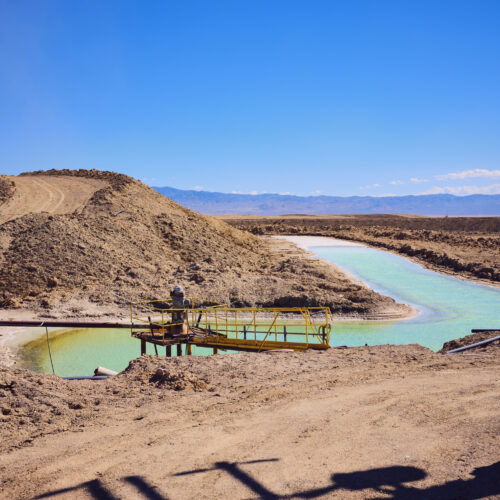
While we make batteries based on many different chemistries, nothing has approached the massive scale at which we can produce lithium batteries. That scale makes the economics of lithium-ion batteries hard to compete with. Even if we develop a superior battery technology, it's unclear whether we can get manufacturing costs down quickly enough to compete with the efficiency of the lithium supply chain and manufacturing.
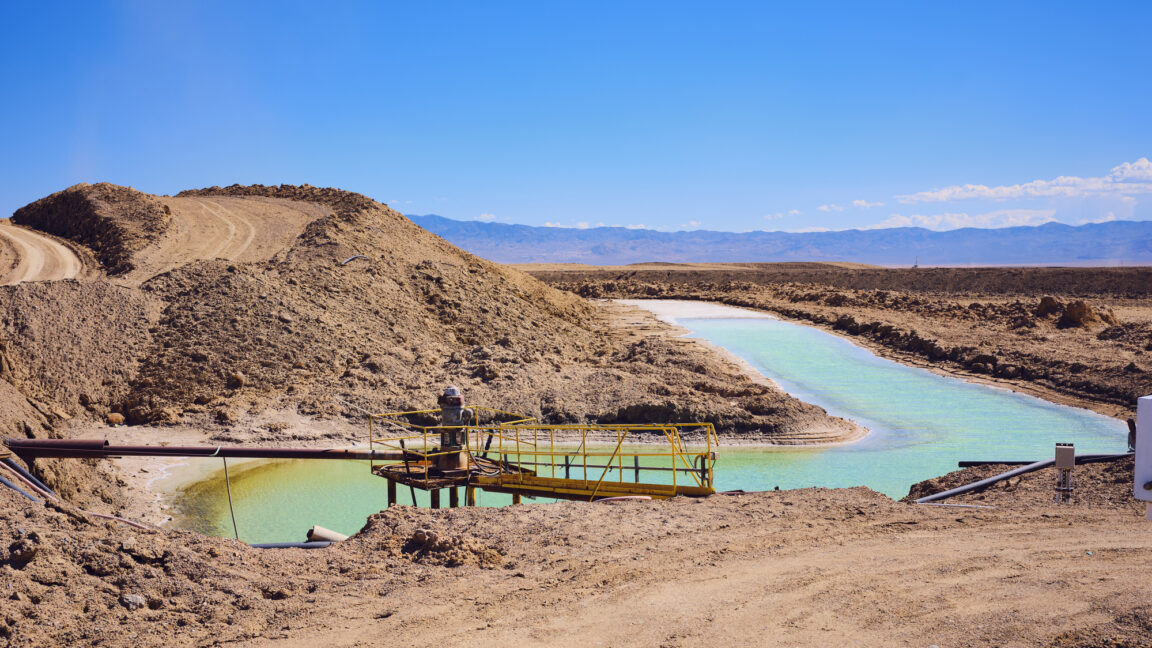
The one thing that could change the dynamics is a supply crunch. While lithium is extremely widespread, lithium that can be extracted economically is a different matter. It's cheapest to extract it from brines, and lithium-rich brines are largely limited to South America. We do obtain some lithium from other sources, but it's considerably more expensive.
In today's issue of Science, however, a research team has identified an energy-efficient means of extracting lithium from rocks. The process they've designed uses far less energy than existing ones, regenerates all its starting chemicals, and produces byproducts that could also be sold.
With early tests suggesting the presence of crude oil, the Caribbean island has begun to debate whether it could justify becoming a producer
Jamaica is closer than ever to drilling for oil. Tests on samples from the seabed off the Caribbean island’s south coast earlier this year identified hydrocarbons, which suggest the presence of crude oil below ground.
The James Webb Space Telescope (JWST) was designed to give us the ability to look at one of the earliest periods in the evolution of the Universe, a time when some of the earliest stars were putting out enough light to ionize the hydrogen that accounted for almost all of the normal matter present at the time. There were lots of ideas about what we might see, but the Universe is full of surprises.
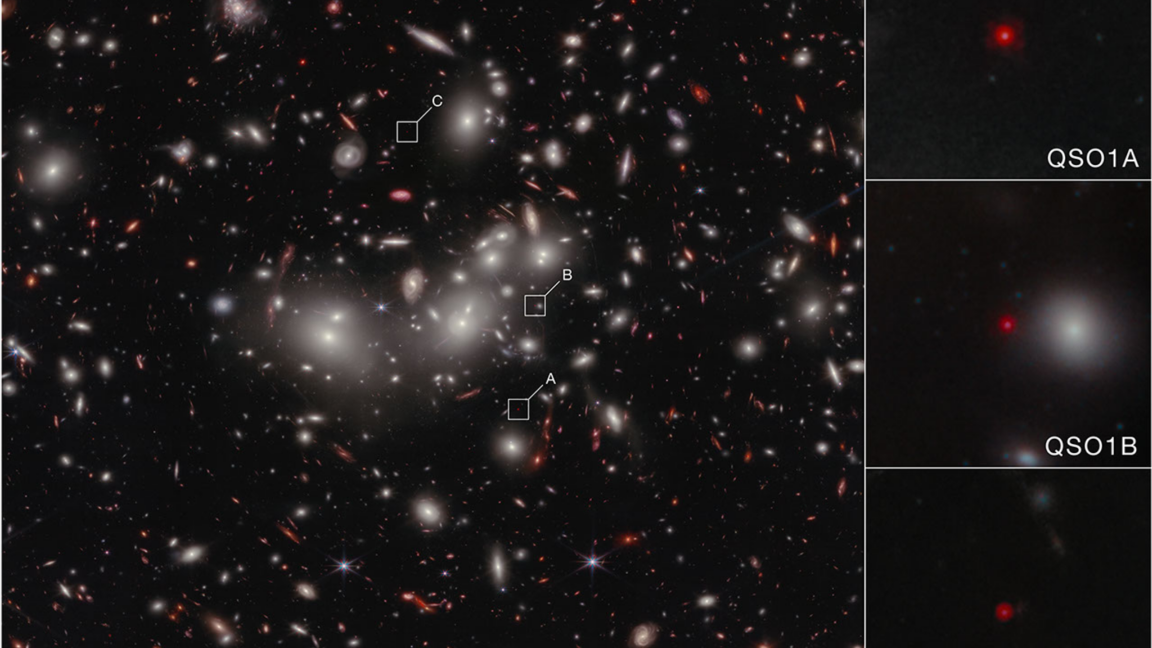
One of the first surprises was the existence of what picked up the moniker "little red dots," which are exactly what their name suggests. After some initial arguments, it became clear that these were early versions of the supermassive black holes that presently sit at the center of almost every galaxy. Now, gravitational lensing has allowed astronomers to confirm that a little red dot is little more than a supermassive black hole without much in the way of a galaxy around it.
Making a little red dot bigger
The little red dot in question is called Abell 2744−QSO1, and gravitational lensing has both magnified it and caused it to appear three times in the vicinity of the galaxy cluster that did the lensing. Based on details in its spectrum, we're looking at the object as it appeared just 700 million years after the Big Bang.

 Login