 Login

Hear the Sonic Blasts Affecting Endangered Rice’s Whales in the Gulf of Mexico
Fewer than 100 Rice’s whales remain on Earth. Researchers say sonic blasts from oil exploration are a top threat to the species. See and hear why.

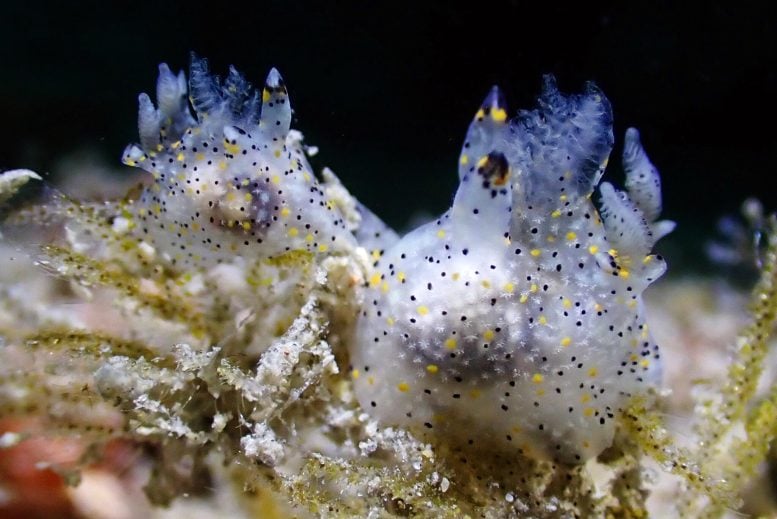 A sesame-seed-sized sea slug discovered in Taiwan is revealing a hidden world of tiny ocean life. A newly identified species of sea slug, so small that it is barely larger than a sesame seed, has been discovered in the coastal waters of Keelung, Taiwan. The tiny marine animal, named Thecacera sesama, features a translucent body [...]
 A tiny worm discovered in the Great Salt Lake could help scientists better understand the origins and resilience of life in extreme environments. Its story remains largely a mystery. The Great Salt Lake is famous for brine shrimp, brine flies, and water so salty that few animals can survive in it. Now scientists have added [...]
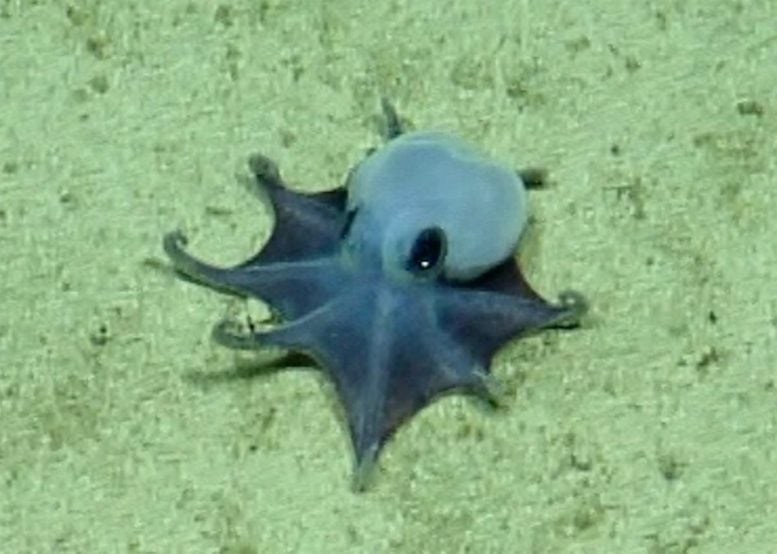 A newly discovered tiny blue octopus from the Galápagos is a striking reminder that the deep ocean still holds countless secrets. The Galápagos Islands, located off the coast of Ecuador, are famous for their remarkable wildlife. More than a thousand species of plants and animals found there exist nowhere else on Earth, including giant tortoises [...]

© Sophie Park for The New York Times

© Diana Cervantes for The New York Times

© Julie Ingwersen/Reuters
