 Login

How Box Created 13 New Types of Jobs Because of A.I.
Box, a Silicon Valley software maker, expects to have more employees, not fewer, as it hires A.I. architects, A.I. solutions managers and other new A.I.-related positions.

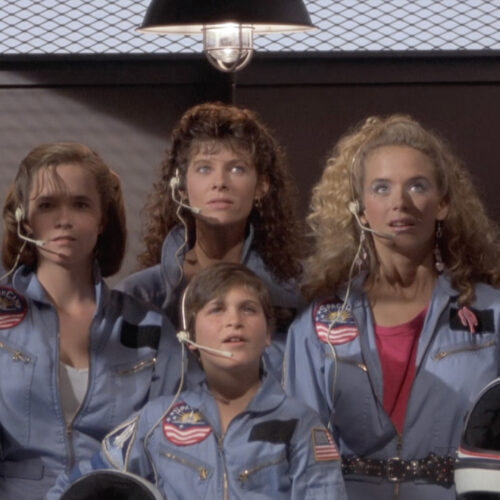
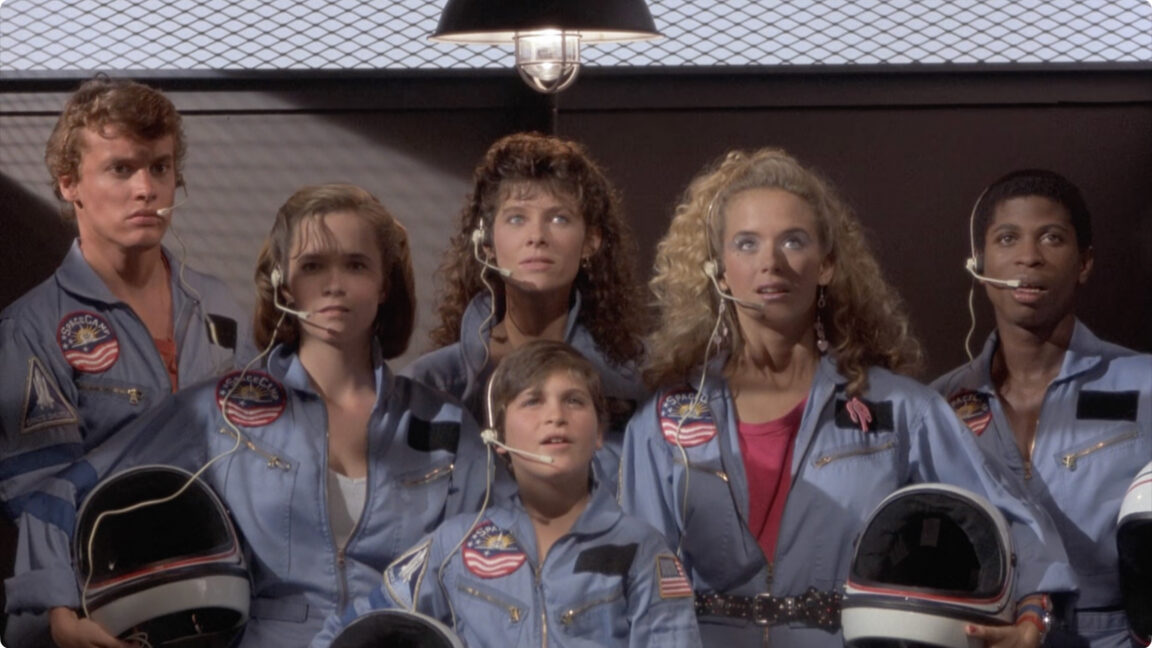
Forty years ago, the future seemed just around the corner—and the vehicle that was going to take us there was NASA's Space Shuttle. Originally envisioned as part of a larger integrated space transportation system, the shuttle was billed as a fully reusable vehicle, totally unlike the one-and-done capsules of the fading Apollo era, capable of making monthly (and perhaps even weekly) ferry flights to low Earth orbit.
The shuttle, it was hoped, would transform human space flight from extraordinary to mundane. Brands like Coke and Pepsi were quick to hop aboard and expand the Cola Wars into space, and there were even plans to blast Sesame Street's Big Bird into orbit.
The loss of Challenger in January 1986—carrying educator Christa McAuliffe, who would have been the first private citizen in space—put the kibosh on all of that. The shuttle, while fantastically advanced, would never be the vehicle to help humankind slip all of our surly bonds, so to speak. Even operating at its most frantic peak in 1985 just before Challenger's loss, the shuttle hardware managed a maximum of nine flights in one calendar year; for most of the 1990s, it performed at five or six flights per year. Civilians in space—to say nothing of Big Bird—would have to wait.
© 20th Century Fox
Stanley Plotkin, 93, was instrumental in developing a number of vaccines over the course of his career. He recently said that he’s “beginning to regret having lived so long—because we’re going downhill.” How could we possibly have gotten here?
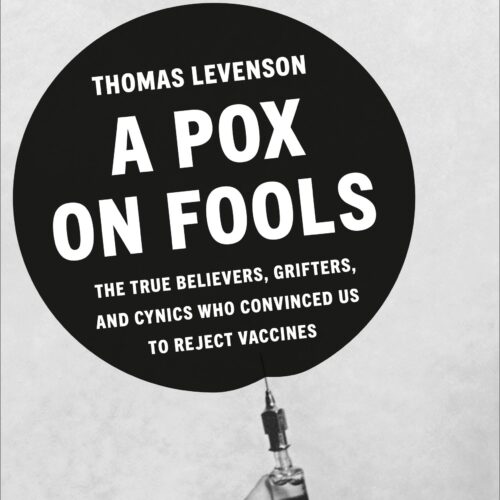
Maybe we’ve always been here. It turns out that the anti-vaccine arguments currently flooding the Internet have been around for as long as vaccines have. In his new book A Pox on Fools, Thomas Levenson breaks them down into three categories, as made clear in the book’s subtitle: “The True Believers, Grifters, and Cynics Who Convinced Us to Reject Vaccines.” The accusations these people levy against vaccines can just as easily be used to categorize the arguments themselves: They are wrong, they are bad, and they are intolerable.
As Levenson tells it, in the early 18th century, a couple of forward-thinking Westerners learned about inoculations against smallpox from Ottoman women and an enslaved African. At that point, infectious disease was by far the leading cause of death, as it had been forever. In the 19th century, roughly 40 percent of babies died of infection before they turned 5.

© Penguin Randomhouse

© Ulysse Bellier/Agence France-Presse — Getty Images
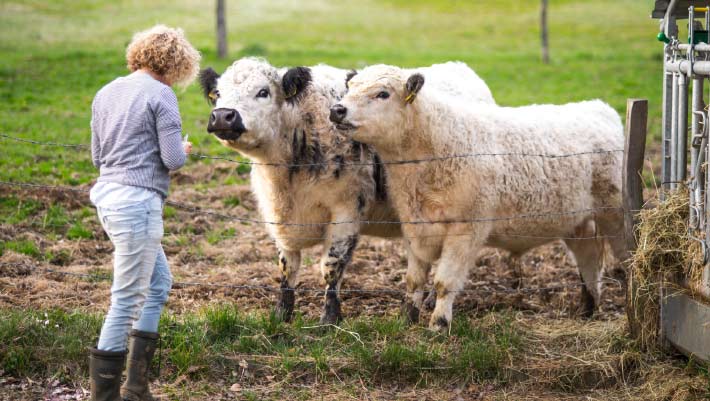
New research led by scientists from the French National Institute for Agriculture, Food, and Environment (INRAE) suggests cows (Bos taurus taurus) can distinguish between known and unknown people, and even match a familiar voice to the correct face.
The post Cows Can Recognize Familiar Human Faces, New Study Finds appeared first on Sci.News: Breaking Science News.
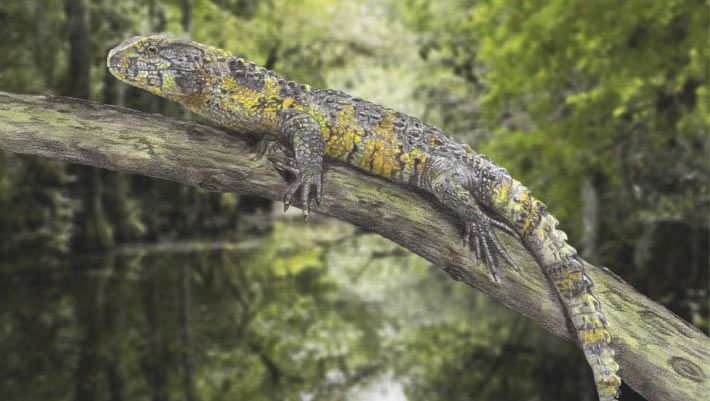
Paleontologists have identified a new genus and species of pan-shinisaur lizard from a partial upper jaw discovered in southern France, pushing the presence of its lineage in Europe back by at least 30 million years.
The post 83-Million-Year-Old Crocodile Lizard Fossil Unearthed in France appeared first on Sci.News: Breaking Science News.
Deep Sky is directed by Oscar-nominated filmmaker Nathaniel Kahn: a new film which uses the scale of giant IMAX screens to take audiences on a journey to the beginning of time and space,...
The post INTERVIEW: Talking telescopes with the Director of new IMAX movie ‘Deep Sky’ first appeared on Science Illustrated.
