❌

Reading view

Pigeons May Sense Earth’s Magnetic Field Using Superparamagnetic Immune Cells in Their Livers
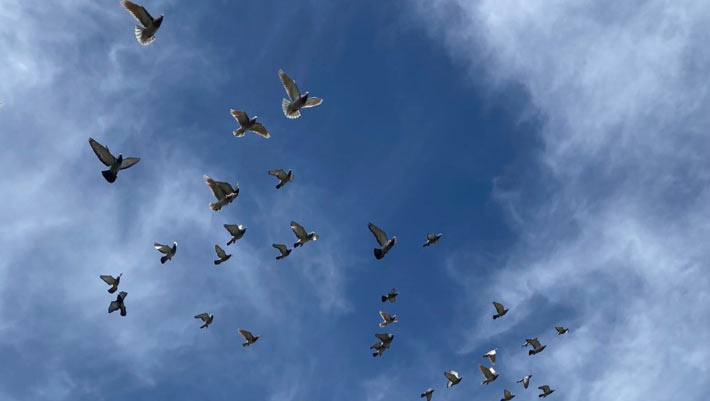
Lisowski et al. used physical, morphological, functional, and genomic assays to identify the presence of superparamagnetic macrophages in the liver of homing pigeons (Columba livia domestica). Image credit: Spanishguitar101 / CC BY-SA 4.0.

Scientists have identified supermagnetic macrophages in the livers of homing pigeons (Columba livia domestica) that appear essential for navigation when the Sun is not visible, pointing to an entirely new mechanism for animal magnetoreception.

The post Pigeons May Sense Earth’s Magnetic Field Using Superparamagnetic Immune Cells in Their Livers appeared first on Sci.News: Breaking Science News.
  •  

Scientists Challenge a 70-Year-Old Theory of Language With a Surprising Discovery

Man Speaking Language LettersA new study challenges the widely accepted idea that word meanings are organized around emotion. After analyzing billions of words, scientists found that language may be shaped by something more basic: the need for safety. Researchers at the University of Vermont have found a new way to understand language, challenging a major assumption in psychology, [...]
  •  

Brain Study Overturns Long-Held Beliefs About How Humans Learn Speech

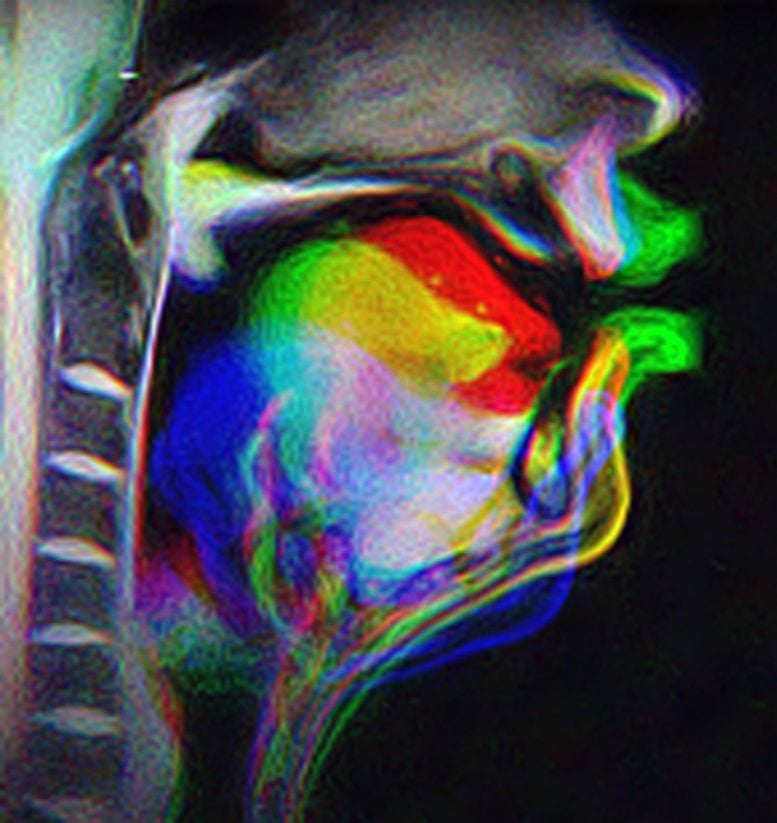
Lip and Tongue Position During the Production of VowelsScientists have discovered that the brain’s sensory systems play a much larger role in speech learning than previously believed. New research suggests that learning to speak a new language, or recovering speech after injury, relies more heavily on the brain’s sensory systems than on regions responsible for controlling movement. The findings, from researchers at McGill [...]
  •  

Before it comes down, what should be saved from the International Space Station?

Humans do not just visit space; they live there, but a major part of that is coming to an end. The platform that made the longest continuous human presence in space possible is becoming history.

With NASA and its partners beginning preparations for the destructive end of the International Space Station (ISS) as soon as 2030, those who collect, curate, and study the station are now asking how to preserve the historic and culturally significant artifact, given that it is far too large and complex to keep intact.

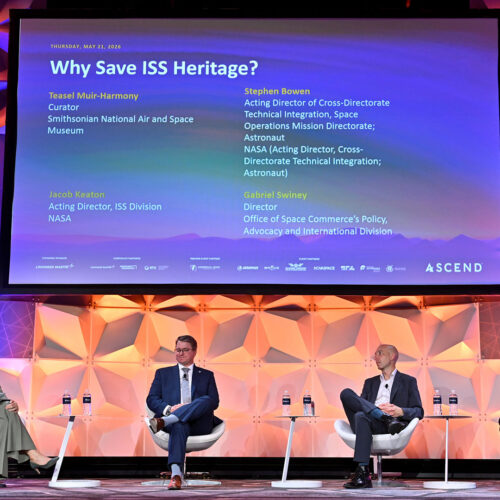
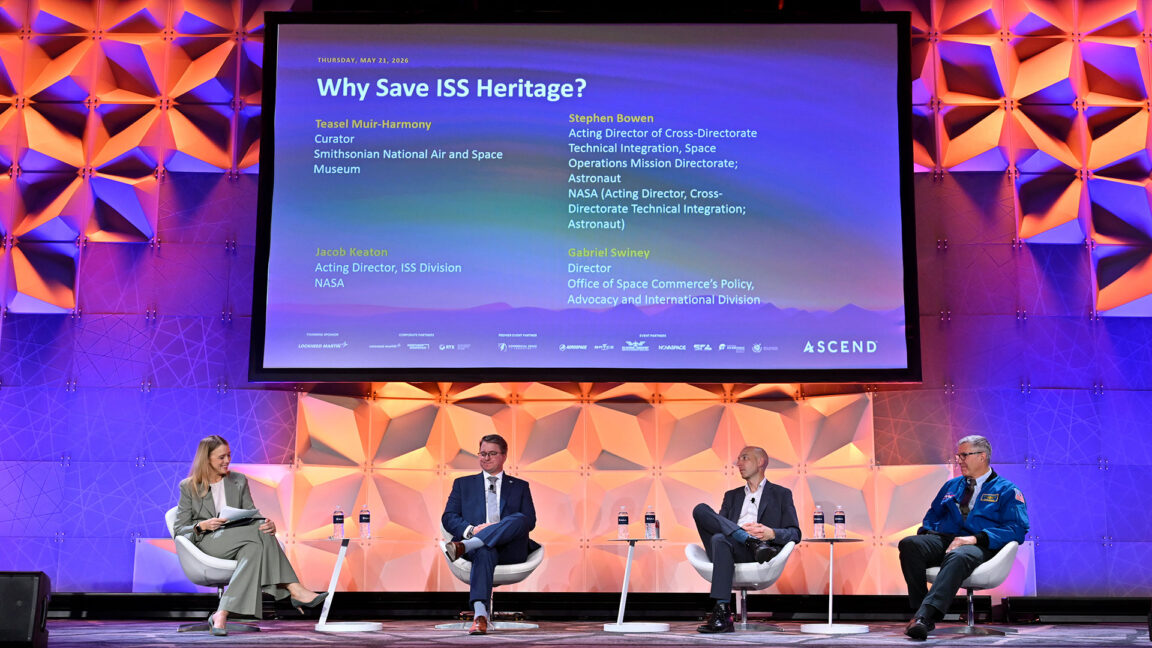
The Smithsonian National Air and Space Museum on Thursday hosted a three-part panel discussion, bringing together space program officials, museum curators, an archeologist, and an astronaut to begin answering the why, what, and how the ISS might be saved. The sessions were part of the American Institute of Aeronautics and Astronautics' (AIAA) ASCEND conference in Washington, DC.

Read full article

Comments

© AIAA/David Becker/PWHL

  •  

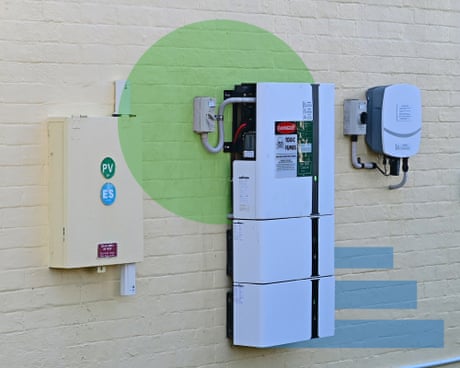
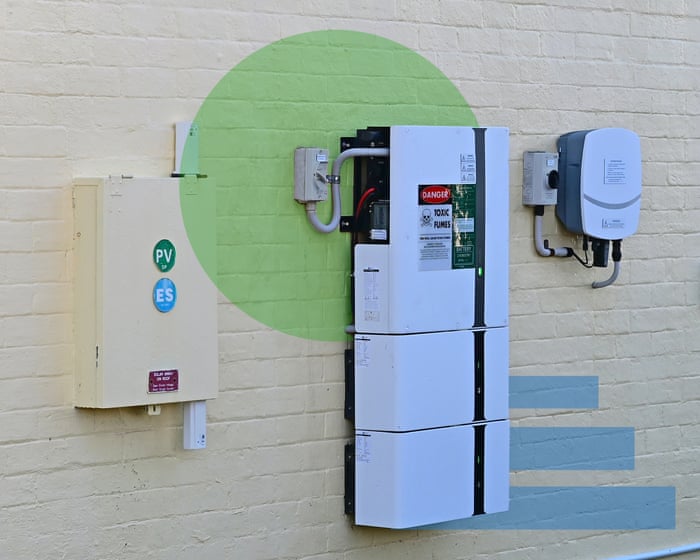
Power play: what to consider when installing a home battery in Australia

More than 400,000 batteries have been installed under the cheaper home batteries scheme. Here’s how to get the best bang for your buck

  • Change by degrees offers life hacks and sustainable living tips each Saturday to help reduce your household’s carbon footprint

  • Got a question or tip for reducing household emissions? Email us at changebydegrees@theguardian.com

If Australians love solar, they are head over heels for home batteries. More than 400,000 batteries have been installed under the government’s subsidy scheme.

Here’s what you need to consider if you’re looking at getting one installed.

Continue reading...

© Composite: Getty Images

© Composite: Getty Images

© Composite: Getty Images

  •  

Revealed: the internal BHP memo that slammed the brakes on world’s biggest miner’s climate push

Exclusive: BHP once dubbed climate change an ‘existential’ threat. But leaked documents show it has backtracked on decarbonisation at a vast network of mines

In the middle of 2019, London was sweltering through a heatwave.

Temperature records tumbled. Frail, ill and elderly people died in their hundreds.

Continue reading...

© Composite: Guardian

© Composite: Guardian

© Composite: Guardian

  •  
❌