❌

Reading view

The best 'Star Trek' spaceships: 14 classic vessels from the Federation and beyond

Raise shields and charge phasers, because we're running down the best "Star Trek" spaceships from across the galaxy.

When Matt Jefferies started designing the original USS Enterprise, "Star Trek" creator Gene Roddenberry told him he didn't want to see rockets or jets propelling the ship. "I bought whatever I could find on 'Buck Rogers' and 'Flash Gordon' and pinned it up on the wall," Jefferies explained. "I said, 'That we will not do.'"

It's fair to say the artist came up with a truly brilliant solution, as the saucer/warp nacelle design of Kirk's Enterprise became a cultural icon. Its legacy survives 60 years later, with an updated version of that famous ship currently flying through "Strange New Worlds", and every other "Trek" spin-off featuring a descendant of that famous design. Starfleet crews have also faced off against some similarly iconic alien spacecraft along the way.

Now, 60 years after James T Kirk launched his original five-year-mission, we've looked back at some of the most memorable vessels ever to leave Spacedock (or its non-Federation equivalents).

We've limited ourselves to three Enterprises β€” Captain Archer's NX-01 did not make the cut β€” but you'll find plenty more of the best "Star Trek" spaceships below, whether friendly or hostile.

Watch Star Trek on Paramount+:
Essential (ads): $8.99/mo or $89.99/yr
Premium (no ads): $13.99/mo or $139.99/yr

1. Galileo shuttlecraft
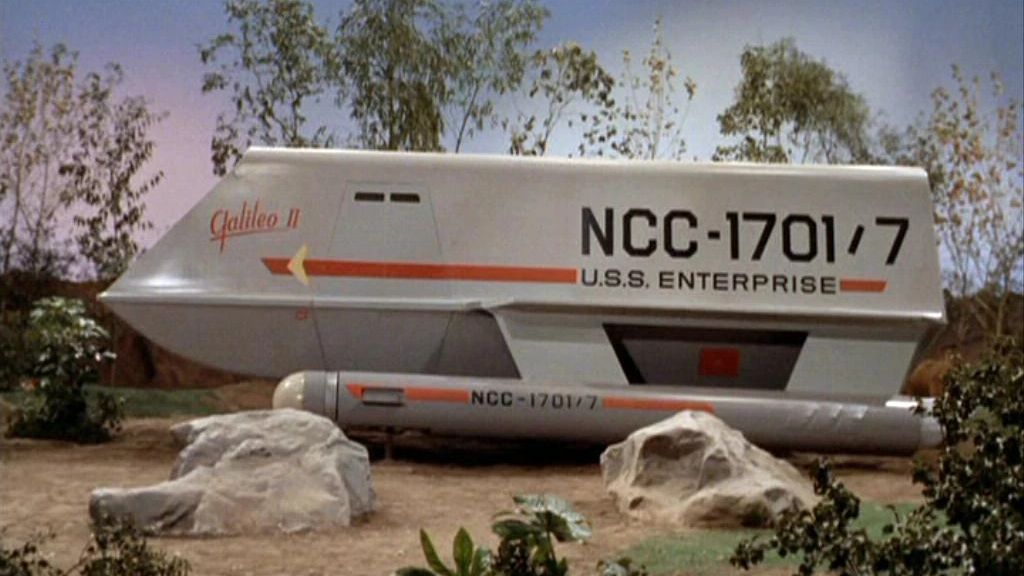
The Galileo shuttlecraft from Star Trek: The Original Series

(Image credit: Paramount)

"Star Trek" famously got around the challenge of landing on a new planet every week by inventing the transporter beam. There are times, however, when only a shuttlecraft is up to the task, and the Galileo flew its first mission in "Star Trek"'s first season β€” it even gives its name to an episode, "The Galileo Seven".

It's essentially just a box with warp nacelles stuck to the bottom, but the design is so timeless that the shuttlecraft of "The Next Generation" era and beyond are essentially variations on the same theme. The Galileo may be small, but it's also perfectly formed.

2. USS Enterprise (Constitution Class, post-refit)
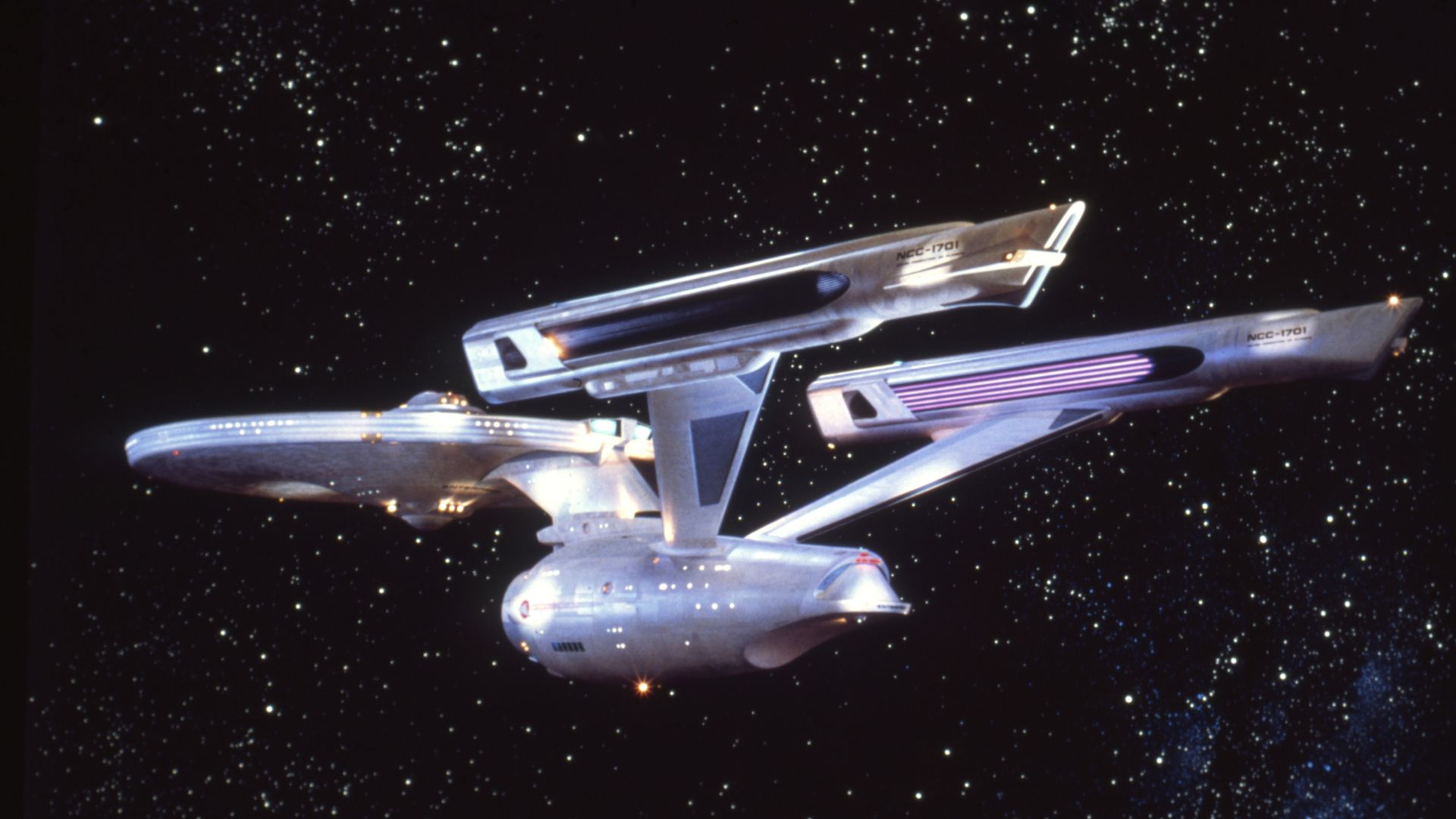
The USS Enterprise Constitution Refit from Star Trek: The Motion Picture

(Image credit: Getty Images (Sunset Boulevard))

Matt Jefferies' Original Series Enterprise was β€” like the crew's uniforms β€” an instant design classic, but the NCC-1701 reached its peak when it got a top-to-bottom refit for "Star Trek: The Motion Picture".

Andrew Probert's update replaced the cylindrical nacelles with a squarer, sleeker look, and thoroughly modernized the saucer and stardrive sections. This iteration would ultimately be destroyed in "The Search for Spock", but the follow-up NCC-1701-A used the same blueprints. Arguably the most iconic Enterprise of them all.

3. USS Reliant (Miranda Class)
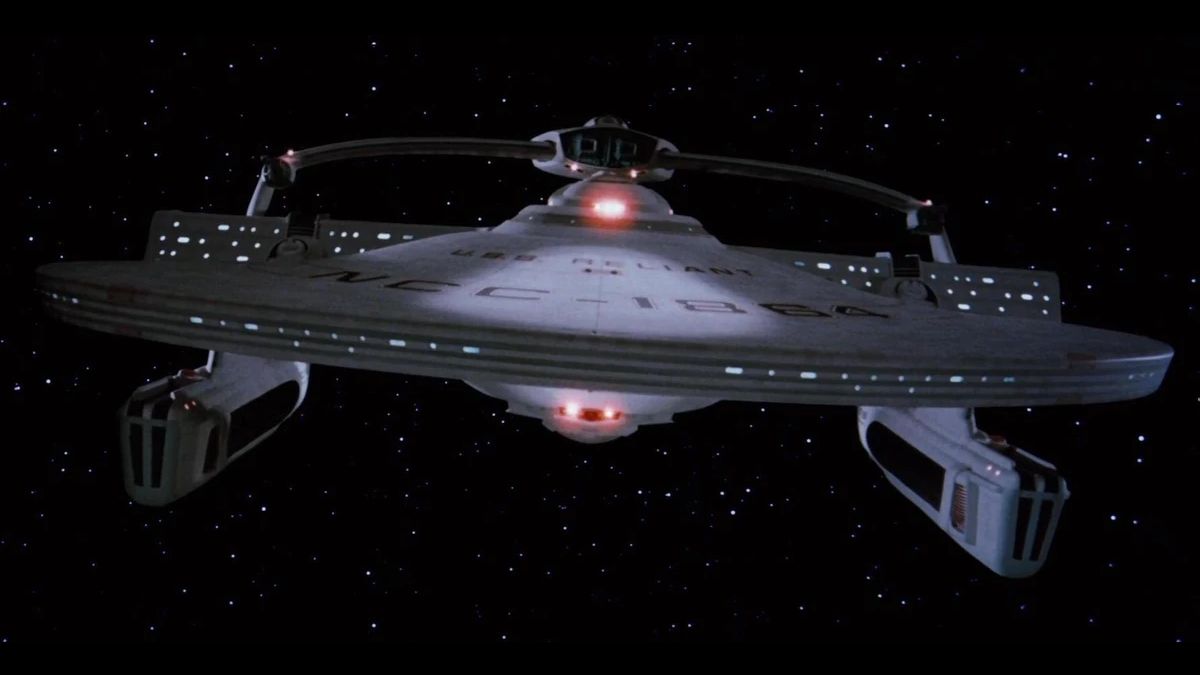
The USS Reliant from Star Trek II: The Wrath of Khan

(Image credit: Paramount)

The script for "Star Trek II: The Wrath of Khan" necessitated Kirk's crew going head-to-head with another Starfleet vessel. A clone of the Enterprise would have made things confusing, while a complete design overhaul would have seemed incongruous.

The USS Reliant was the perfect halfway house, a design that kept things consistent with its trademark Federation saucer section, but shook things up by putting the warp nacelles under the primary hull. Less elegant than the Enterprise, perhaps, but still much more noteworthy than "The Search for Spock"'s USS Grissom and USS Excelsior.

4. HMS Bounty (Klingon Bird of Prey)
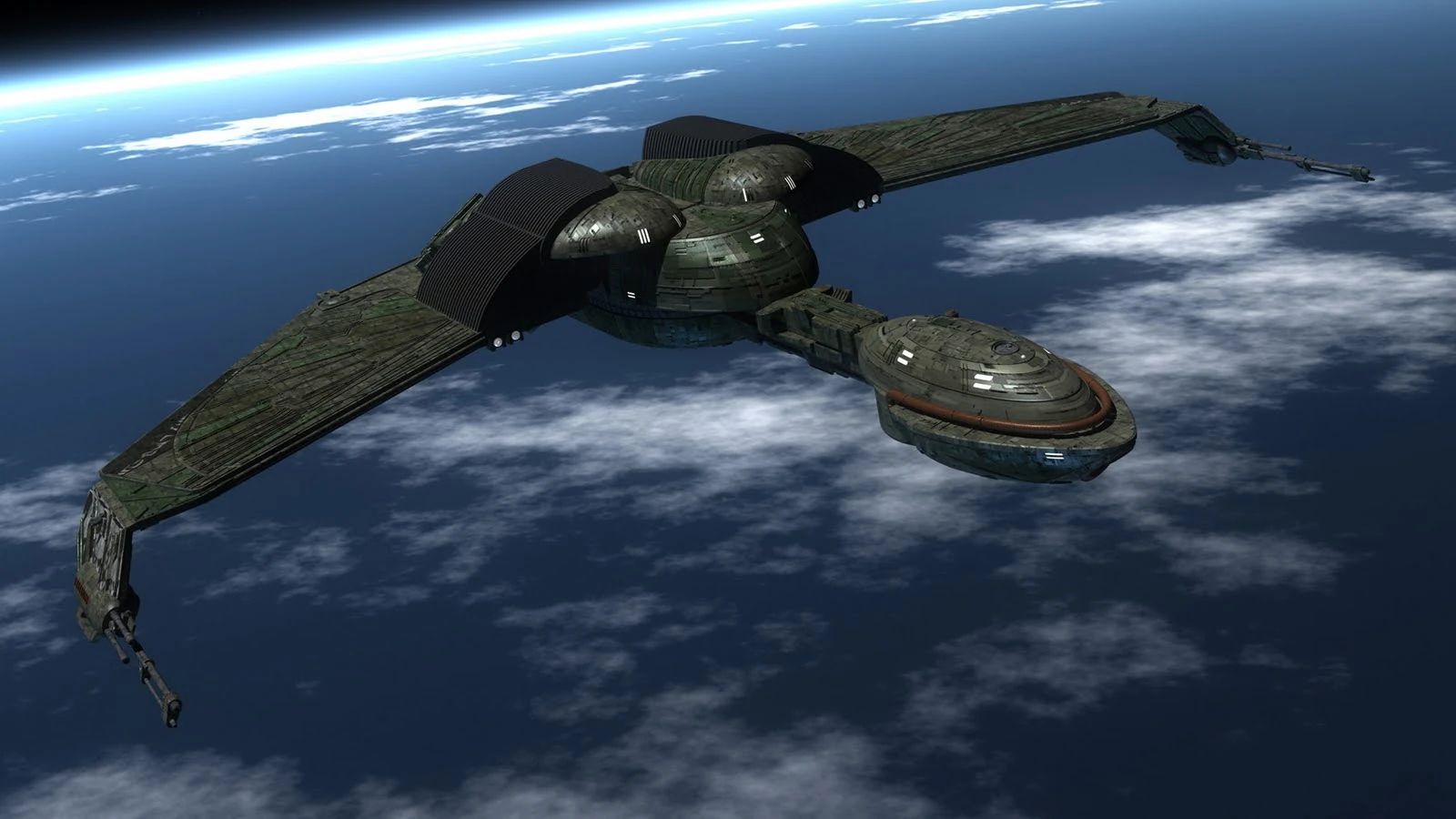
The HMS Bounty (a Klingon Bird of Prey) from Star Trek III: The Search for Spock.

(Image credit: Paramount)

It was the Romulans who flew Birds of Prey in the Original Series, and they were all set to be the primary antagonists of "The Search for Spock" until Paramount executives pushed for the more famous Klingons. Luckily, Commander Kruge was allowed to hold on to the ship, because variants of this design went on to become a mainstay in later movies and into the "Next Generation" era.

There's a pleasing, "Star Wars"-like grubbiness to the hull, while the powerful weapons and movable wings make it look like an apex predator. The cloaking device is helpful, too, particularly when Kirk takes the rebranded "HMS Bounty" to the 20th century to pick up some whales in "The Voyage Home".

5. The whale probe
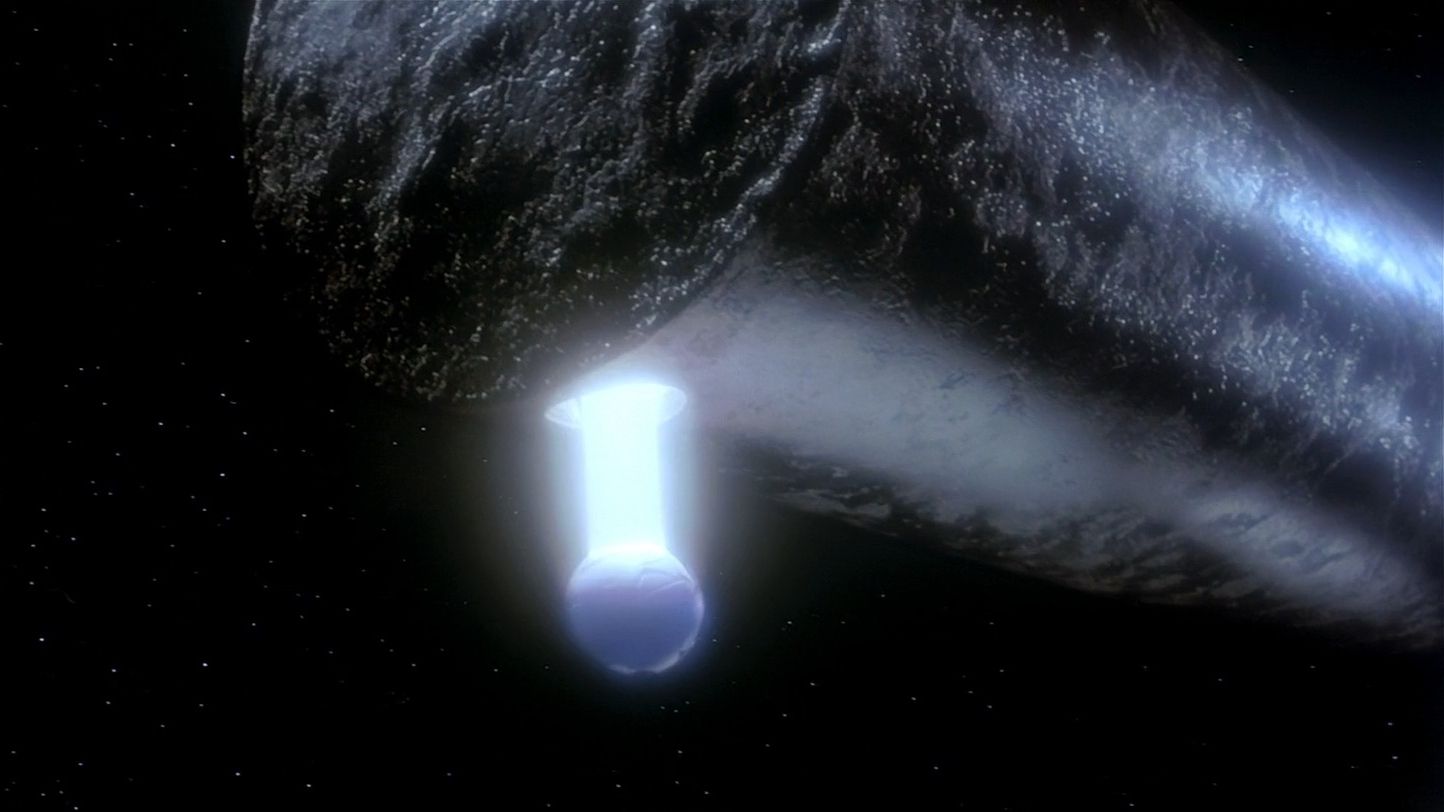
The Whale Probe ship from Star Trek IV: The Voyage Home

(Image credit: Paramount)

It's never entirely clear whether the whale probe is a vessel or a lifeform in its own right, but we're going to assume the former. What is obvious is that this vast probe possesses great power, enough to threaten human existence as it tries to make contact with humpback whales who β€” thanks to their extinction in the 21st century β€” have stopped phoning home.

It's the probe's design that's the masterstroke, however: a minimalist and surprisingly effective combination of giant log, energy beam and floating ball. The spacecraft's unknowability β€” along with its haunting cry β€” is what makes it so intimidating.

6. USS Enterprise-D (Galaxy Class)
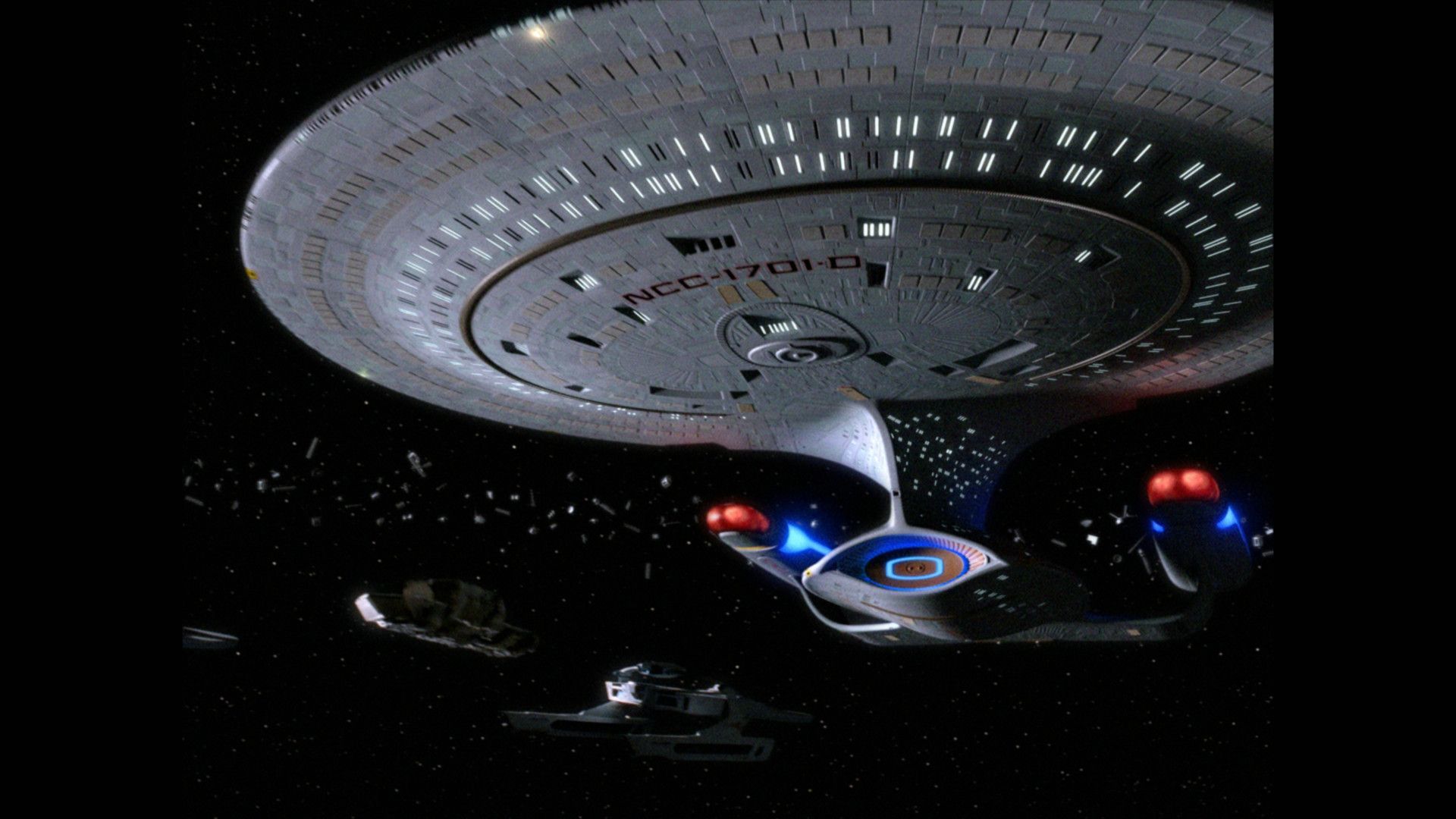
U.S.S. Enterprise (NCC-1701-D) Star Trek The Next Generation (1987)_Paramount Pictures

(Image credit: Paramount Pictures)

Probert also designed the flagship of "The Next Generation", albeit with a very different brief. Set decades after the voyages of Kirk and Spock in an even more enlightened future, the new show needed a friendlier home for its space explorers.

"I felt like it was an ambassador for Starfleet," said Probert. "It should look unthreatening, it should be very soft." That meant an oversized saucer section, a curvier secondary hull, and plenty of room for families.

It also has the rarely used capability to split into two sections β€” something that came in very handy in the brilliant episode "The Best of Both Worlds".

7. Romulan Warbird (D'Deridex Class)
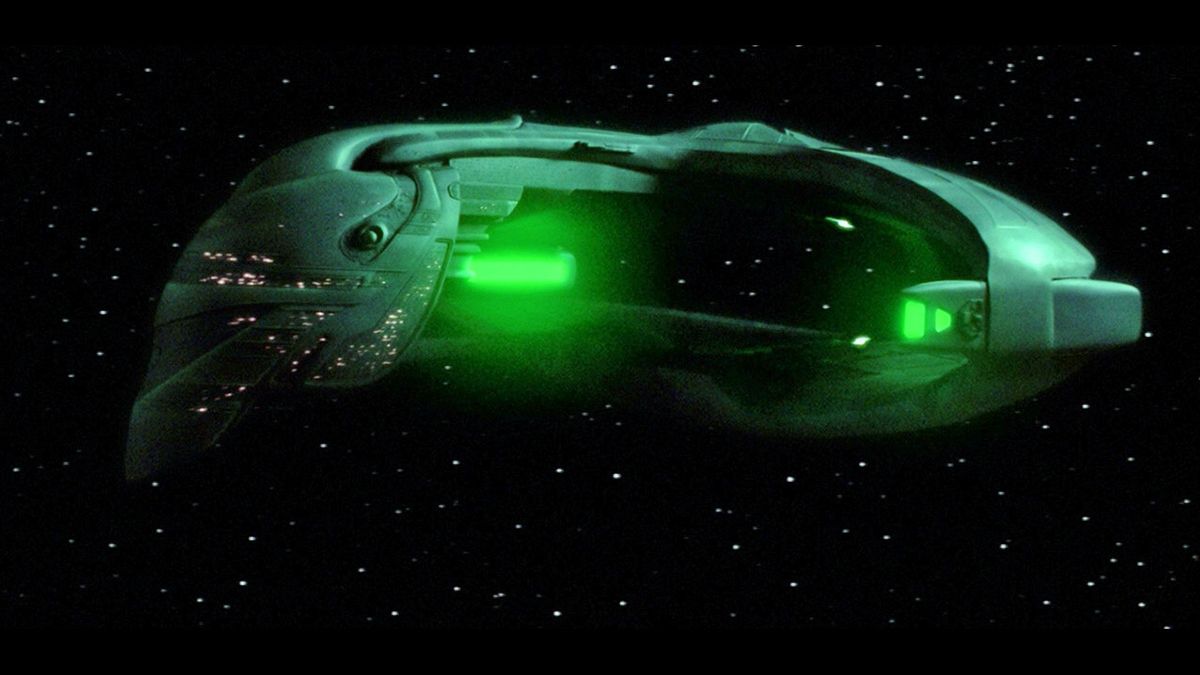
Romulan Warbird from Star Trek: The Next Generation

(Image credit: Paramount)

Nobody had heard a peep from the Romulans in decades when they turned up in "The Next Generation" episode "The Neutral Zone".

It turned out they'd gone back to the starship drawing board in a big way, replacing the veteran Bird of Prey with a creepy, green design light years away from the shiny white exteriors beloved of the Federation.

The front of the hull is reminiscent of "Battlestar Galactica"'s OG Cylon helmets (Probert worked on both), while their decloaking maneuver is disconcertingly ghostly.

8. Borg Cube
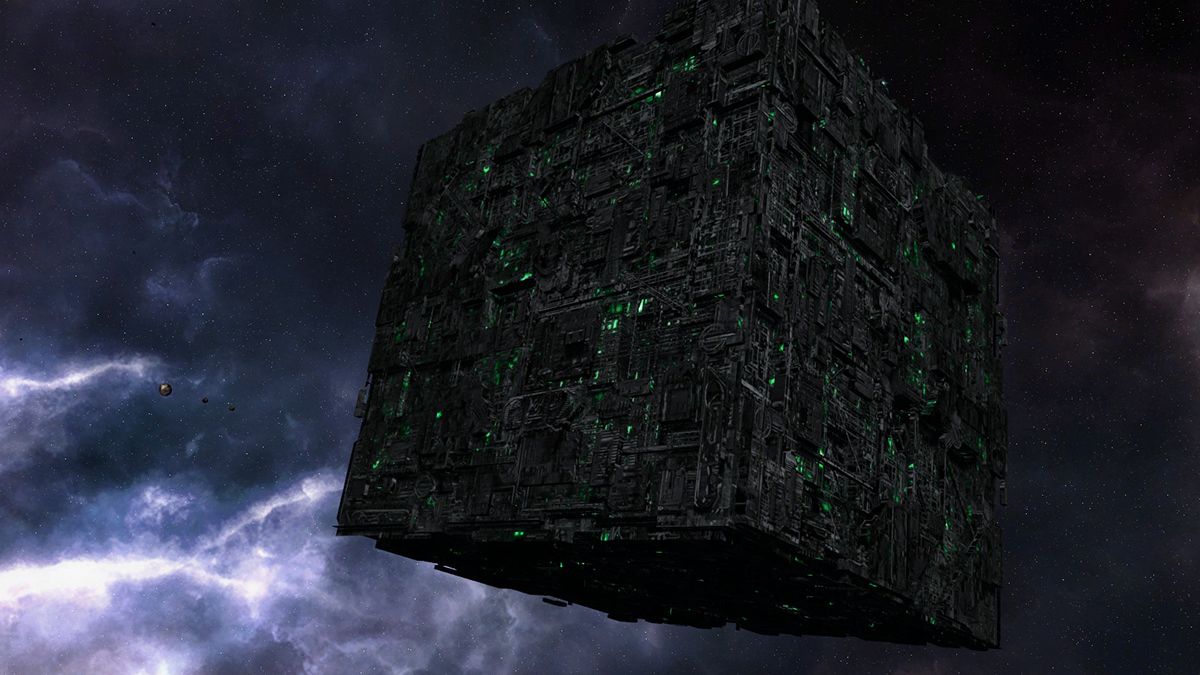
A Borg Cube from Star Trek

(Image credit: Paramount)

It may look like what happens when other ships get crushed at a scrapyard, but the standard-issue Borg Cube is one of the most intimidating sights in the "Star Trek" universe.

Lacking a front or back β€” or, indeed, any distinguishable features β€” the design's uniformity is a cover for seemingly limitless power. Frustratingly impervious to most forms of attack, capable of self-repair, and surprisingly speedy (largely thanks to their ability to negotiate transwarp conduits), Borg Cubes are something you never want to see on your viewscreen.

9. Cardassian Galor Class
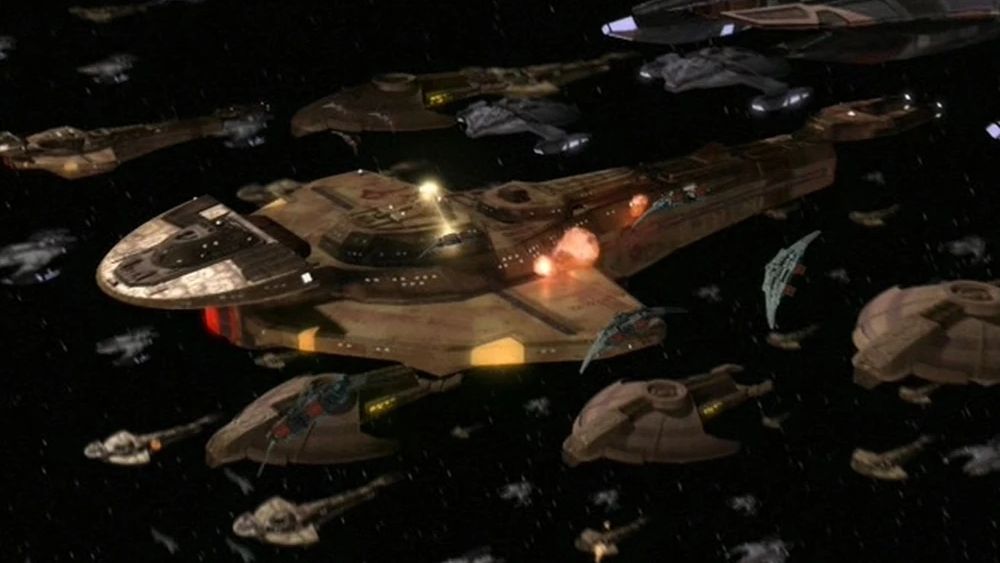
The Cardassian Galor Class Cruiser from Star Trek: Deep Space Nine

(Image credit: Paramount)

Cardassian designs had a major role in "Deep Space Nine", seeing as they built the original Terok Nor station.

Their most significant contribution to "Star Trek" aesthetics, however, may just be their military cruiser, an elaborate design inspired by the emblem of the Cardassian Union (Not the last time a Trek ship would be designed around a logo, as "Starfleet Academy"'s USS Athena also looks a lot like the combadges worn within the faculty).

The Galor Class isn't much to look at in profile, but from above there's a definite invertebrate vibe to the silhouette, even if the ship's back-to-front styling makes it look like it's perpetually in reverse gear.

10. USS Defiant (Defiant Class)
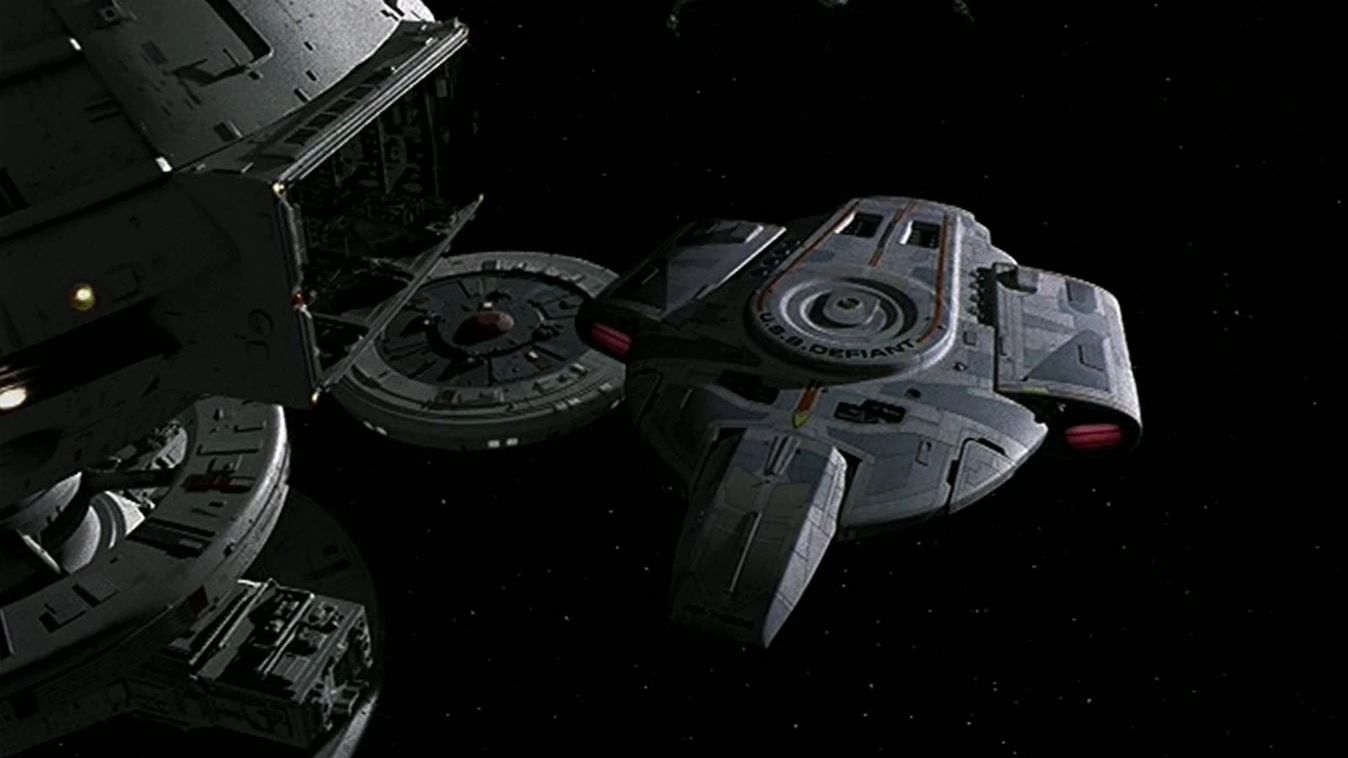
The USS Defiant from Star Trek: Deep Space Nine

(Image credit: Paramount)

"Deep Space Nine"'s space station setting ensured it was more static than its predecessors, with the crew's occasional away missions undertaken on Runabouts.

The onset of the Dominion War ensured Sisko and co were given something with a little more punch, a "tough little ship" built for battle, supplied with special "ablative armor" and β€” thanks to a unique deal with the Romulans β€” its own cloaking device.

Color scheme aside, it's a complete break from Starfleet norms, the design owing as much to the Millennium Falcon as the USS Enterprise. So iconic that β€” following the destruction of the original USS Defiant β€” the replacement USS Sao Paulo took its name.

11. USS Voyager (Intrepid Class)
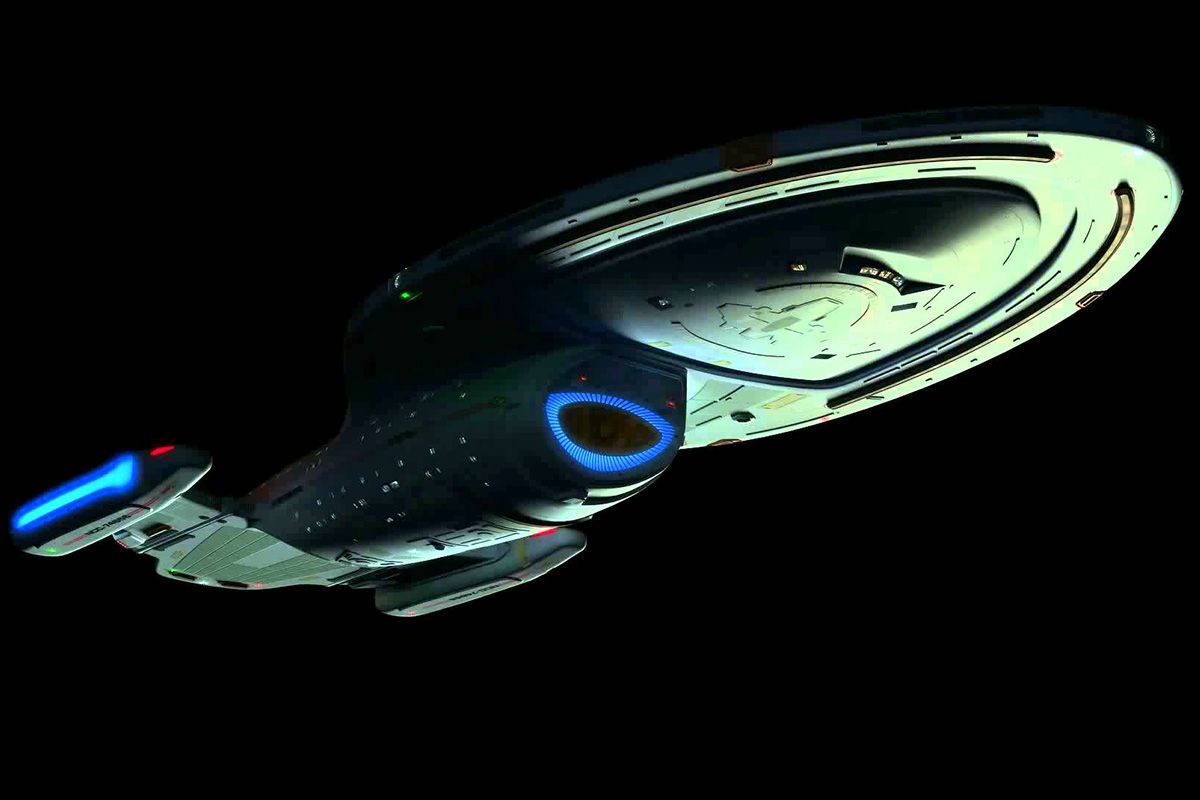
The USS Voyager from Star Trek Voyager

(Image credit: Paramount)

Unlike the Enterprises, Voyager was never designed to be the flagship of the Federation. This was always a more midtable vessel, equipped with some state-of-the-art technologies but only headline-worthy thanks to its extended jaunt across the Delta Quadrant.

Still, this nimble ship is one of the most good-looking in the fleet, with saucer and drive sections that feel like an organic whole, and β€” in a cool innovation β€” nacelles that move before a jump to warp.

It also, in season 2 "Voyager" episode "The 37s", became "Star Trek"'s first lead ship to intentionally land on the surface of a planet.

12. USS Enterprise-E (Sovereign Class)
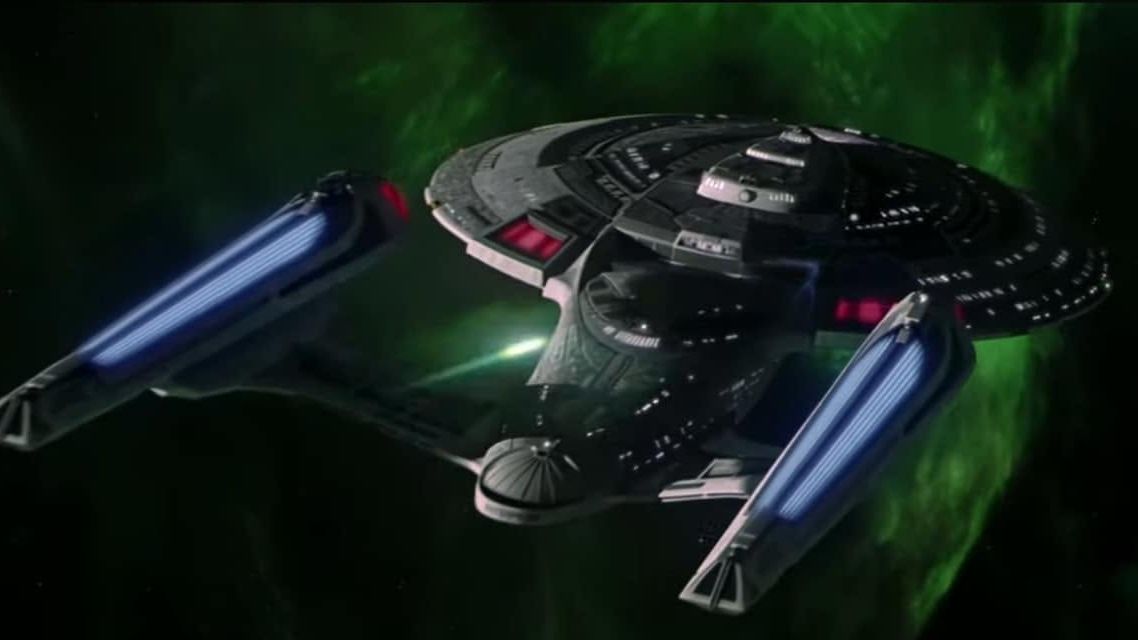
Sovereign-class starship, registry NCC-1701-E, commanded by Jean-Luc Picard. Enterprise-E appeared in the films Star Trek: First Contact, Star Trek: Insurrection, and Star Trek Nemesis.

(Image credit: Paramount)

After the Enterprise-D's saucer section crash-landed on the surface of Veridian III in "Generations", Picard and the "TNG" crew needed a new home.

The new-look USS Enterprise-E is more divisive than its predecessors, though it was a result of designer John Eaves' efforts to create a ship that looked better at multiple angles than the notoriously hard-to-shoot Enterprise-D model. In canon, the design reflected the Federation's shift to a more warlike stance after tussles with the Borg and the Dominion.

This was a more functional ship, crafted for battle rather than comfort, with a flatter, more streamlined profile, and β€” controversially β€” an elongated saucer section.

13. The Phoenix
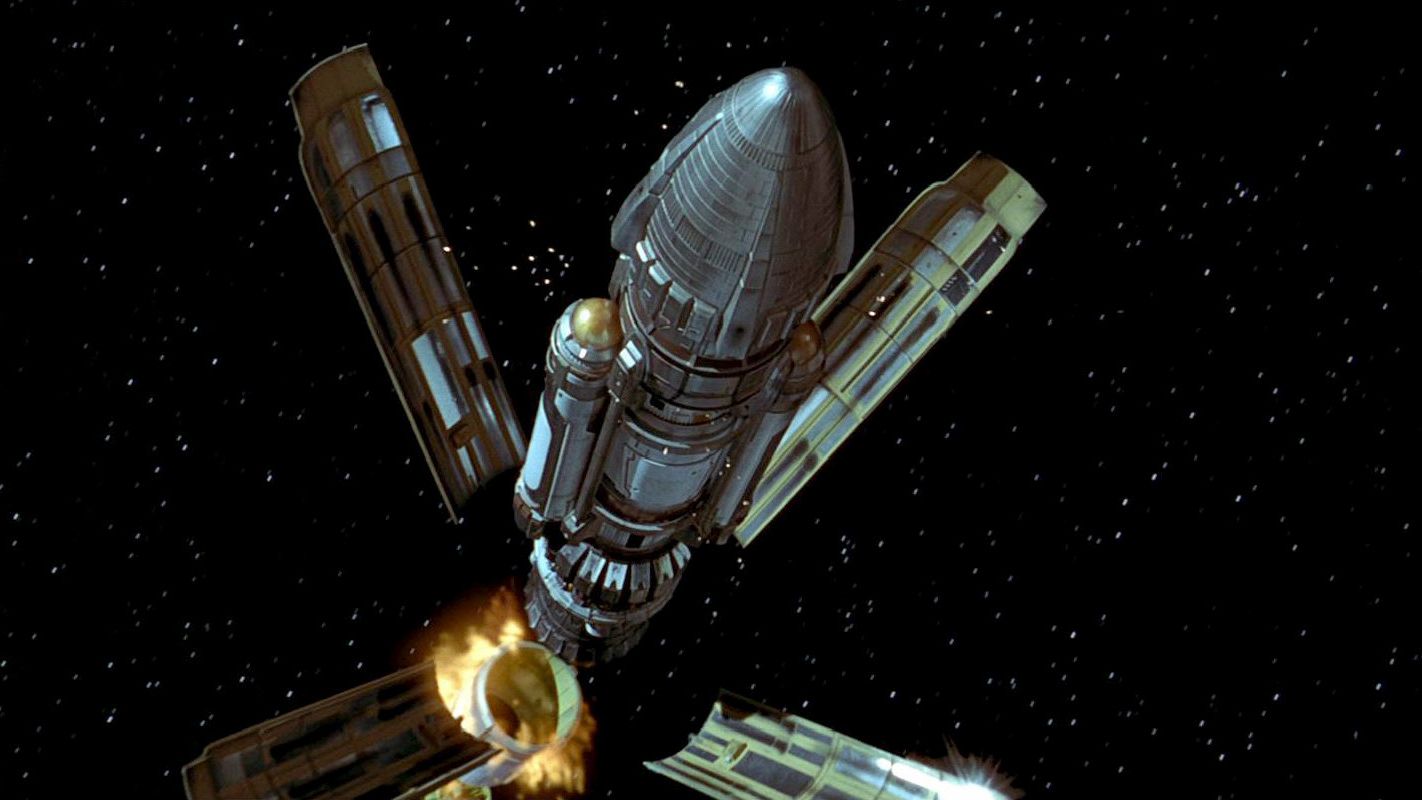
The Phoenix from Star Trek: First Contact

(Image credit: Paramount)

AKA where it all began. The Phoenix is the ship warp pioneer Zefram Cochrane used to break the lightspeed barrier, attract the attention of some passing Vulcans, and usher in an era of (give-or-take) galactic peace.

The irony that it's constructed from a World War III nuclear missile is noted, though it's the optional extras that make the Phoenix so memorable β€” it's like a pair of extendable warp nacelles have been added to a modern-day rocket. There's also a built-in sound system.

The Phoenix is so important to the 'history' of spaceflight in canon that it featured alongside Apollo and the International Space Station in "Star Trek: Enterprise"'s opening credits.

14. Species 8472 Bioship
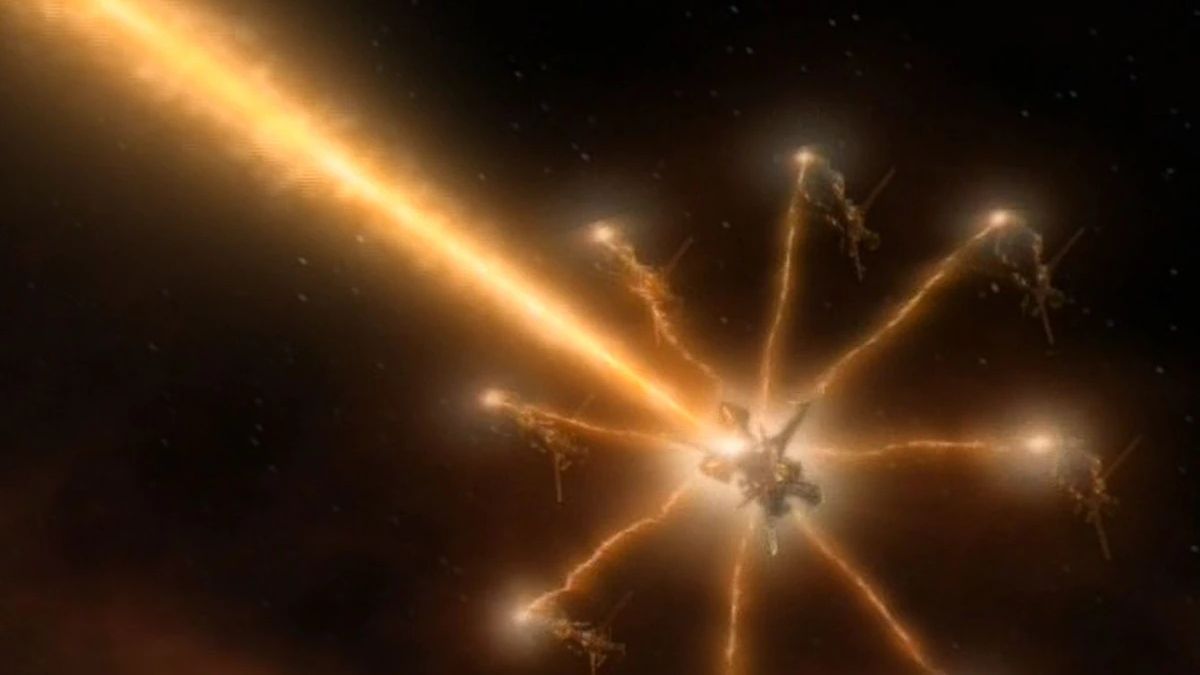
Species 8472 bioships from Star Trek: Voyager

(Image credit: Paramount)

"Babylon 5"'s computer-driven VFX meant the show featured organic designs from its early days, but with "Star Trek"'s space scenes still dominated by model work, the debut of Species 8472 in the 1997 "Voyager" episode "Scorpion" brought a whole new breed of starship to the franchise.

These squid-like vessels (created in "fluidic space", but similarly adept in a vacuum) were more than a match for the Borg and could join forces to fire a single energy blast of Death Star-esque proportions.

Watch Star Trek on Paramount+:
Essential (ads): $8.99/mo or $89.99/yr
Premium (no ads): $13.99/mo or $139.99/yr
  •  

60 years of Star Trek uniforms: Looking back at the everchanging wardrobe of Starfleet

To boldly dress as no one has dressed before… In another universe, that could have been the "Star Trek" mission statement.

Sure, the veteran franchise has spent much of its 60-year lifetime seeking out new life and new civilisations, but it's also been preoccupied with keeping crews fashionable as they explore the final frontier. It seems that nobody wants to make first contact sporting last year's jumpsuit.

The sheer volume of uniforms worn on Federation duty is mind-boggling, as Starfleet has turned regular style updates into one of its prime directives. So, as "Trek" celebrates its 60th anniversary, we take a warp-speed tour through the outfits Kirk, Picard, Sisko, Janeway, and the rest have hung in their wardrobes. Make it sew, number one!

Watch Star Trek on Paramount+:
Essential (ads): $8.99/mo or $89.99/yr
Premium (no ads): $13.99/mo or $139.99/yr
The Original Series era

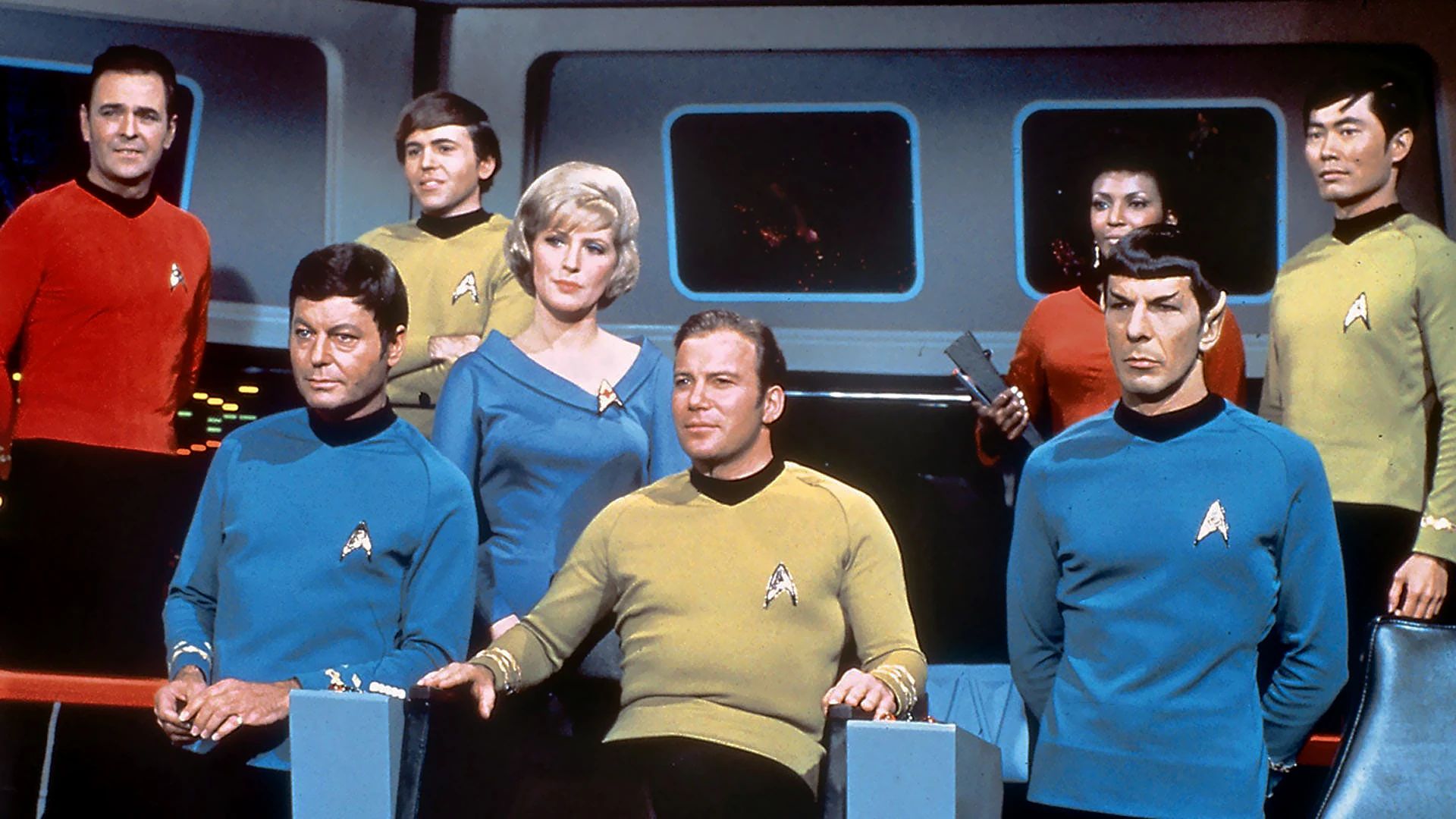
Screenshot from Star Trek: The Original Series.

Captain Kirk and his crew, sporting their iconic uniforms on "Star Trek: The Original Series". (Image credit: Star Trek: The Original Series)

Departments denoted by: Logos in Starfleet delta, color of sweater (Command: Gold/Green, Science/Medical: Blue, Operations: Red)

Rank denoted by: Bands on sleeve cuffs

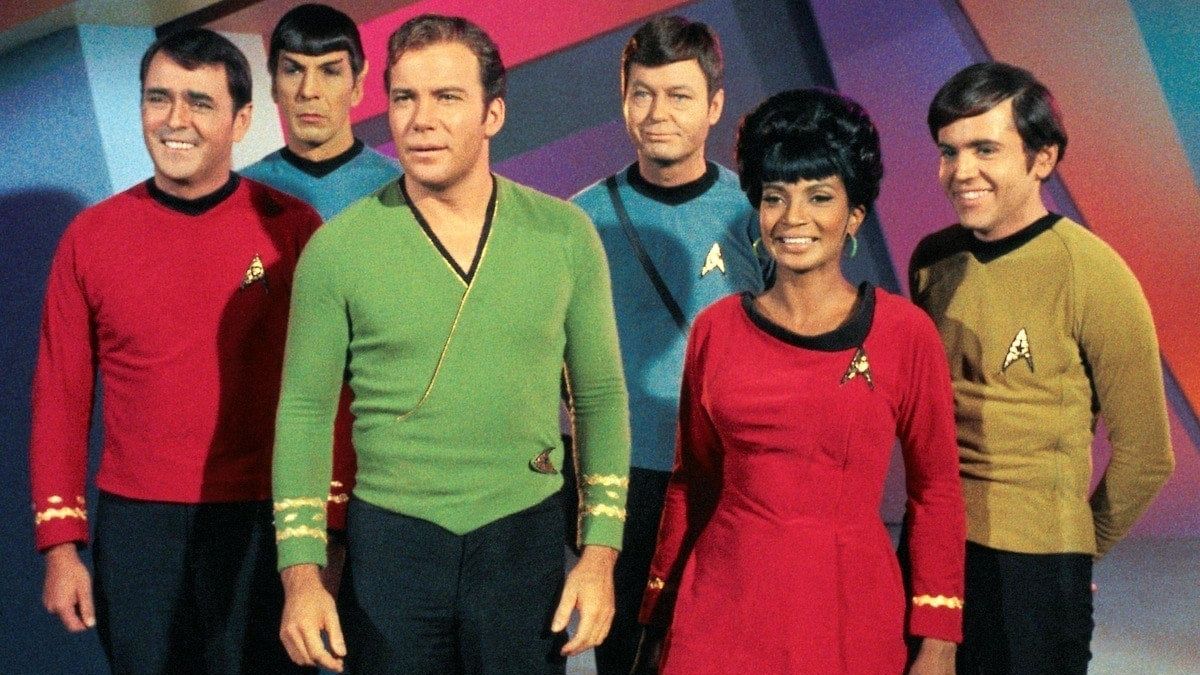
Although the ranks were lifted directly from the Navy, "Star Trek" creator Gene Roddenberry didn't want the Enterprise to feel militaristic β€” this was the enlightened 23rd century, after all, when exploration was more important than war. As such, the uniforms worn by Kirk and co were rather more casual than standard forces' issue.

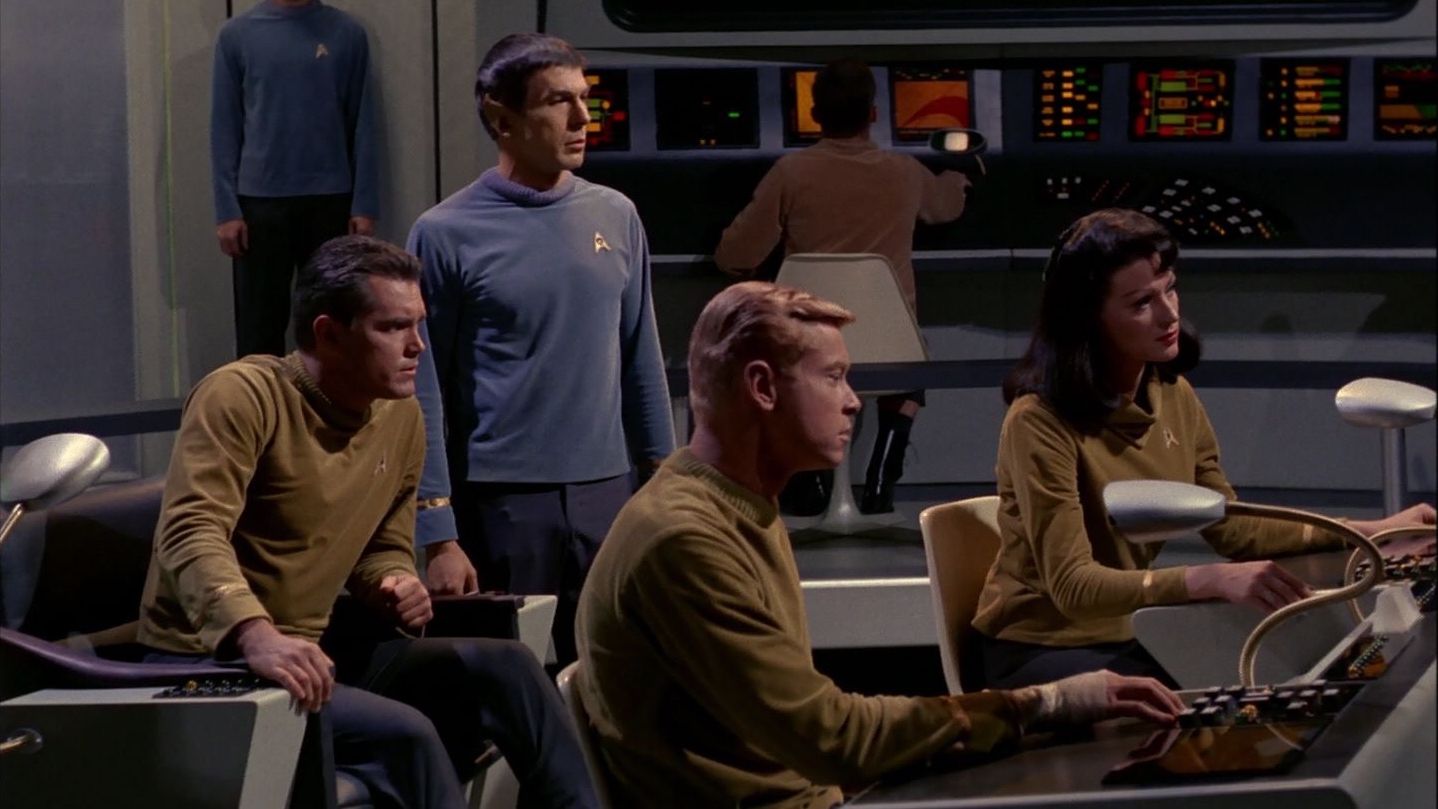
By the time the Enterprise started its five-year mission in earnest, the outfits had been through a couple of subtly different evolutionary stages (in pilot episodes "The Cage" and "Where No Man Has Gone Before") before costume designer William Ware Theiss zeroed in on those now-iconic designs.

Screenshot from Star Trek: The Original Series.

Captain Pike and his bridge crew in the "Star Trek: The Original Series" pilot episode "The Cage". (Image credit: Star Trek: The Original Series)

They featured sweaters and black pants for the men, peak-'60s minidresses for the women, and all of them were color-coded blue (Science/Medical), red (Operations), or green (Command) to show off the wonders of those new-fangled color television sets.

And yes, we did say green. The command sweaters worn by Kirk, Sulu, and Chekov were actually green in real life, but a combination of studio lights, early color TV tech, and the velour fabric made them appear gold on screen.

Screenshot from Star Trek: The Original Series.

Captain Kirk wearing his occasionally used green wraparound top in "Star Trek: The Original Series". (Image credit: Star Trek: The Original Series)

The casual wraparound number occasionally worn by Kirk was made from a different material, and hints at the green Theiss originally intended.

The Animated Series later retconned canon to match public perception, making gold Starfleet's official color of command.

The Motion Picture

Crew in Star Trek: The Motion Picture_Paramount Pictures

(Image credit: Paramount Pictures)

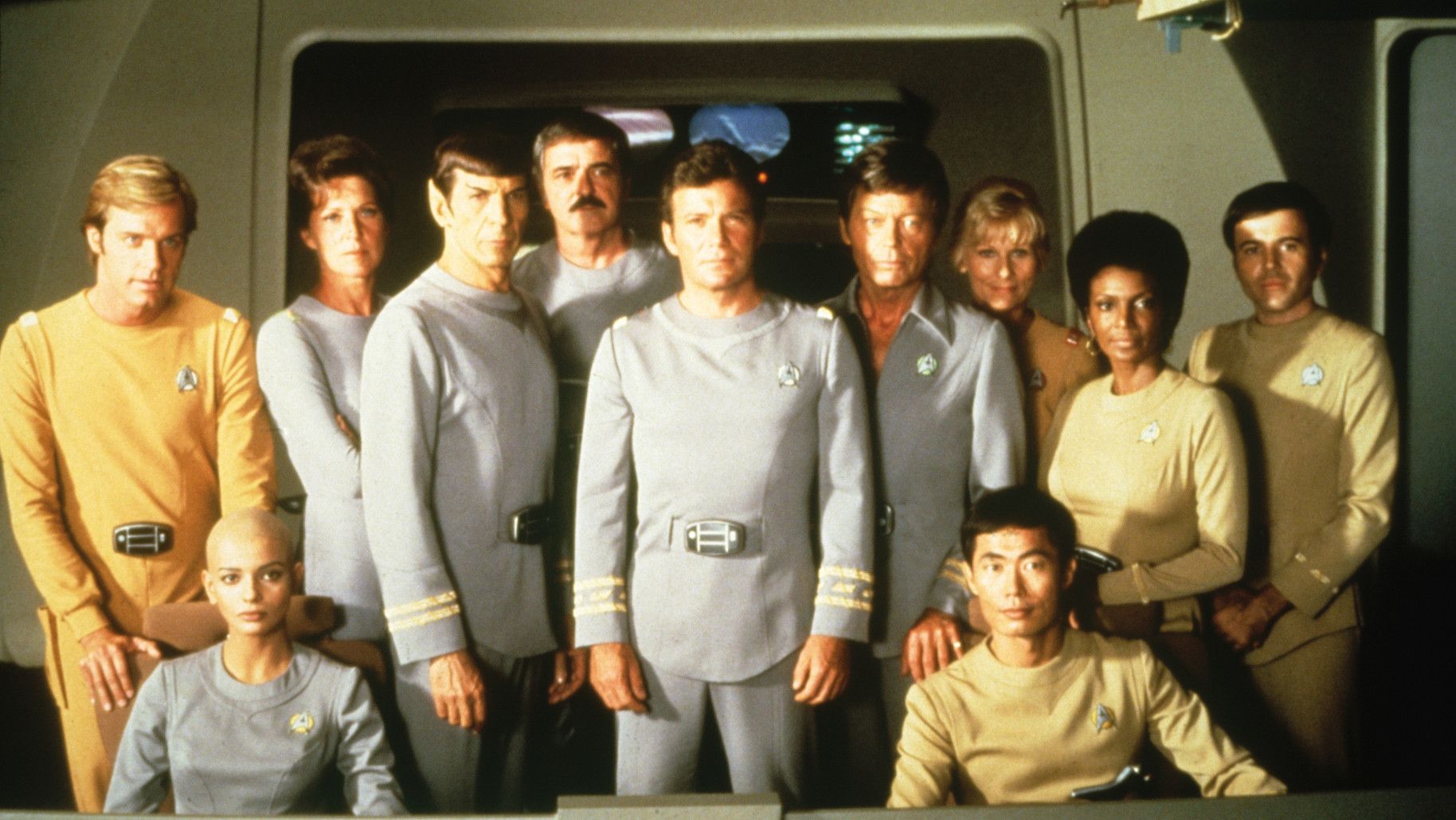
Departments denoted by: Flash of color behind badge (Command: White, Science: Orange, Medical: Green, Engineering: Red, Operations: Gold, Security: Silver)

Rank denoted by: Bands on sleeve cuffs

The primary colors were ditched for Trek's first big-screen adventure, as director Robert Wise and costume designer Robert Fletcher opted for subdued "Space: 1999"-esque pastels.

The loose-fitting, pajama-like uniforms came in an exciting range of light blue and beige (newly promoted Admiral Kirk had his own special design), with departments denoted by a flash of color behind the Starfleet delta logo.

Uniforms came with a built-in fanny pack (a medical monitor, apparently), while engineering and security were given protective clothing. The crew also got jackets to wear on chilly away missions.

The other Original Series movies

Screenshot from Star Trek VI: The Undiscovered Country

The iconic maroon Starfleet uniforms that debuted in "Star Trek II: The Wrath of Khan". (Image credit: Paramount)

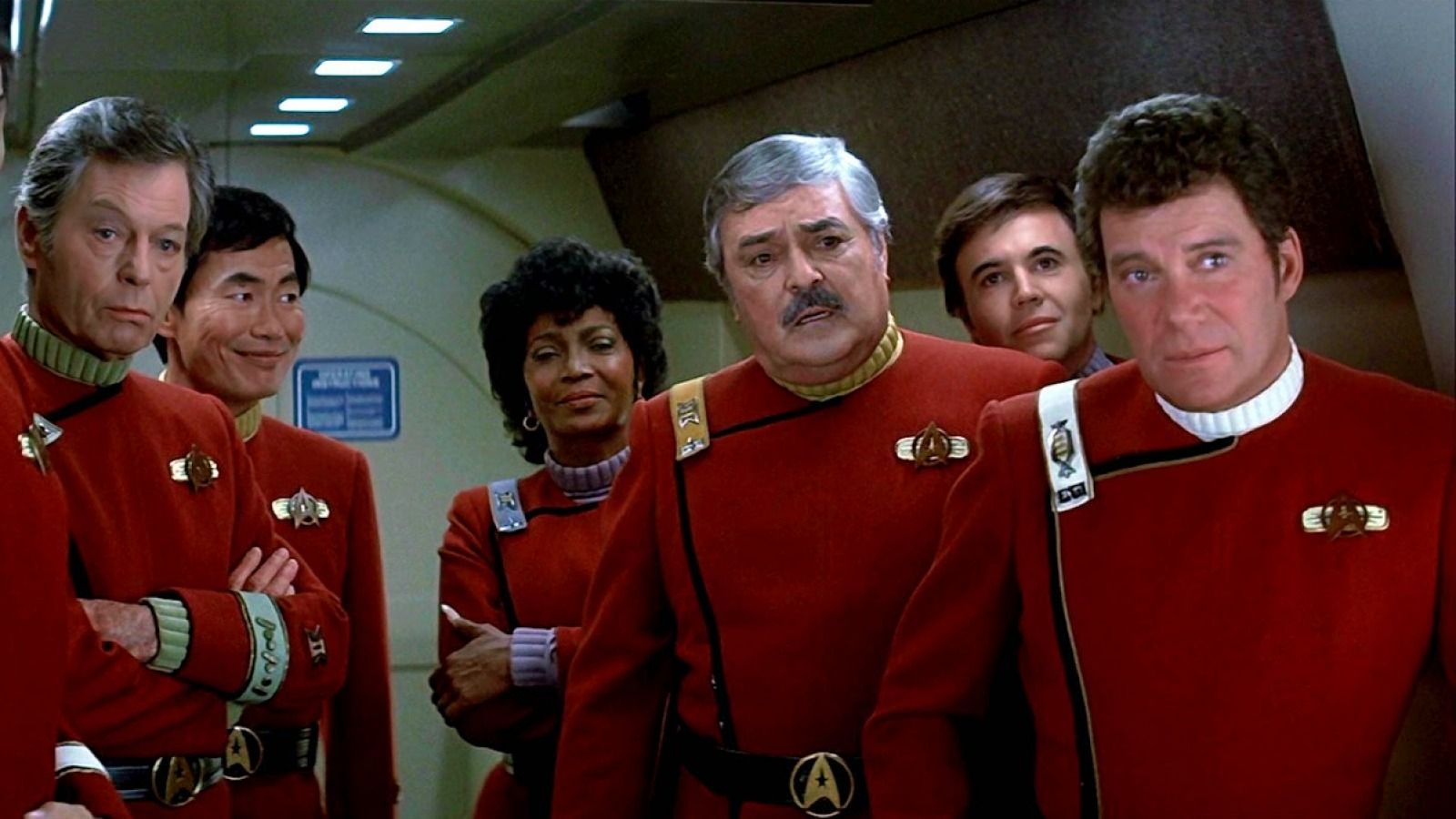
Departments denoted by: Color of turtleneck (Command: White, Science: Gray, Medical: Green, Operations: Ochre: Operations, Red: Cadets/trainees)

Rank denoted by: Metal insignia on epaulettes/cuffs

"The Motion Picture" uniforms didn't last long, as "The Wrath of Khan" director Nicholas Meyer decided he wanted a more militaristic look for his "Hornblower in space" epic. "When I watched the TV show, I never understood why they were all running around in pajamas," he said, "so I tried to change some stuff".

The one thing that did remain from the Original Series was the voluminous cut of the pants, albeit enhanced by a natty red stripe down the side. Otherwise, this was a complete overhaul, as Fletcher introduced maroon tunics β€” arguably more flattering to the ageing crew's waistlines β€” over color-coded turtlenecks. The tunic was secured via a matching epaulette that also carried rank-specific insignia.

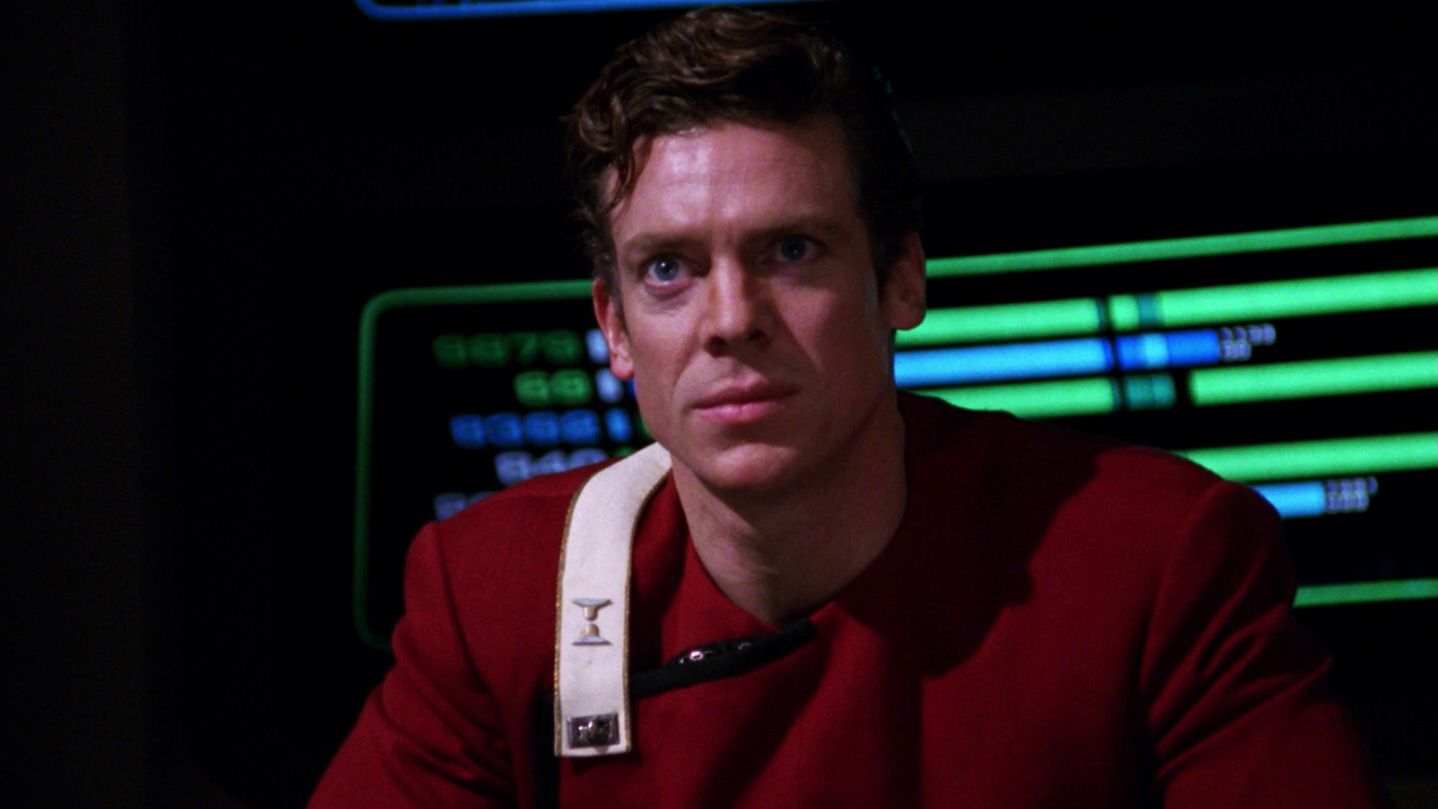
Screenshot of Starfleet officer Richard Castillo (Christopher McDonald) in

(Image credit: Paramount)

The "Wrath of Khan" look would remain intact until "Generations" 12 years later, and the design persisted in canon for decades β€” in classic "Next Generation" time travel episode "Yesterday's Enterprise", the doomed Enterprise-C crew still dressed in those maroon tunics, though by the mid-24th century they'd ditched the turtlenecks.

Variations appeared in later original crew movies, including bomber jackets and a vest which β€” handily for chief engineer Mr Scott β€” comes with multiple pockets.

The Next Generation era

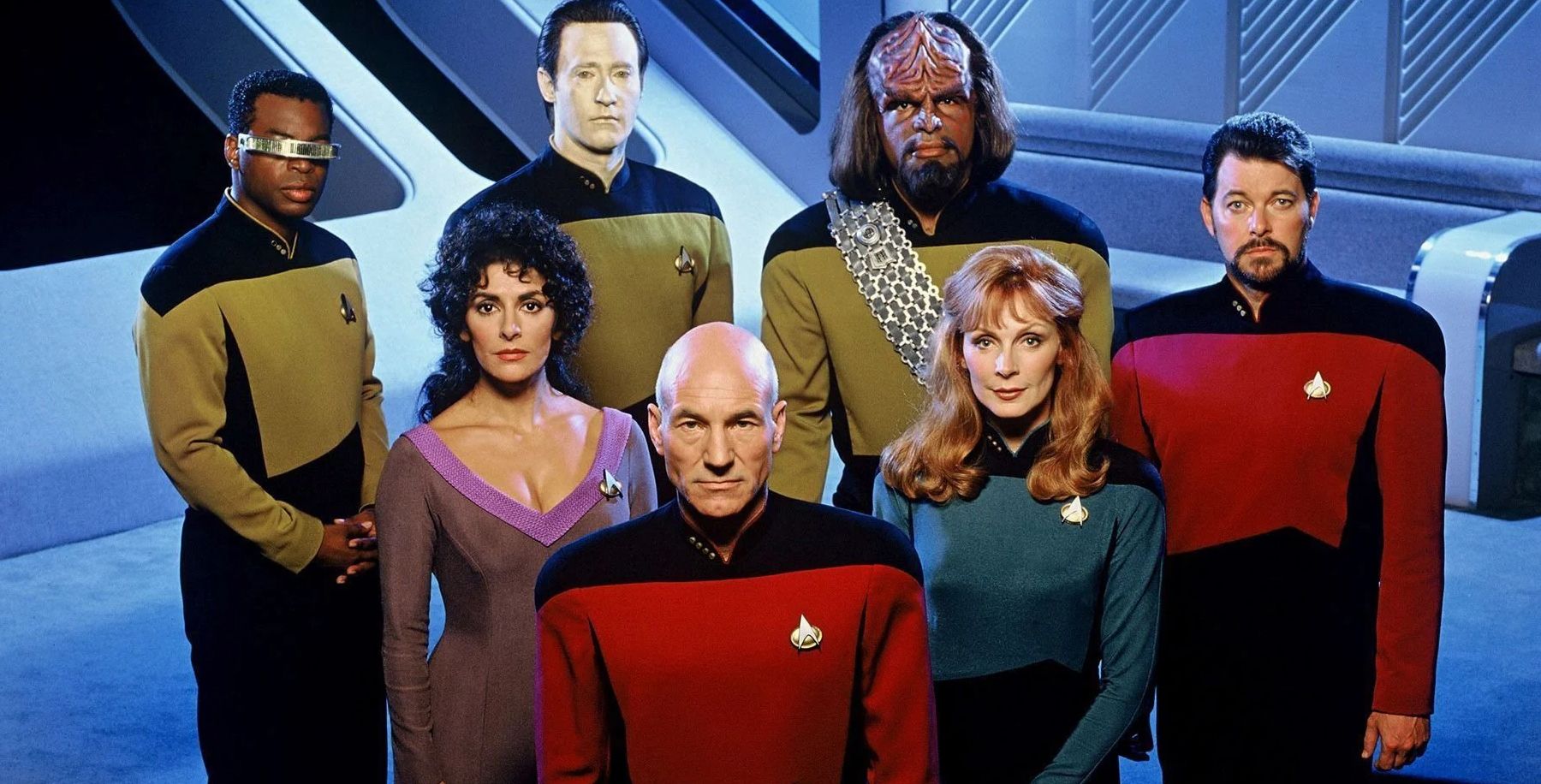
(Left to right) LeVar Burton, Marina Sirtis, Brent Spiner, Patrick Stewart, Michael Dorn, Gates McFadden and Jonathan Frakes.

(Image credit: Paramount+)

Departments denoted by: Color of uniform/shoulders/turtleneck (Command: Red; Science/Medical: Blue, Operations: Gold)

Rank denoted by: Metal pips on collar

Loose fits were out as "Star Trek" reached the late 24th century. Roddenberry demanded a future free from the tyranny of zippers and buttons, while returning TOS costume designer Theiss instituted a "no wrinkles" rule for fabrics.

The resulting skintight Spandex suits were a nightmare for the "Next Generation" cast, causing so many back issues that Patrick Stewart's chiropractor intervened. The suits also had an unpleasant knack of retaining body odor.

They subsequently switched to a two-piece design for the show's third season, though there were variations. Jean-Luc Picard occasionally stepped out in a bespoke red jacket, Worf donned a Klingon sash, acting ensign Wesley Crusher introduced his own brand of smart/casual to the Enterprise bridge, and Counselor Troi seemingly wore whatever the hell she wanted. Early seasons also featured occasional sightings of men in dress-like skants, intended to be a reflection of a more progressive future.

There was also a color scheme switch, with red worn by command, and gold allocated to operations. Rank was now depicted by metal pips pinned into the collar, and the Starfleet chest badge became a portable communicator.

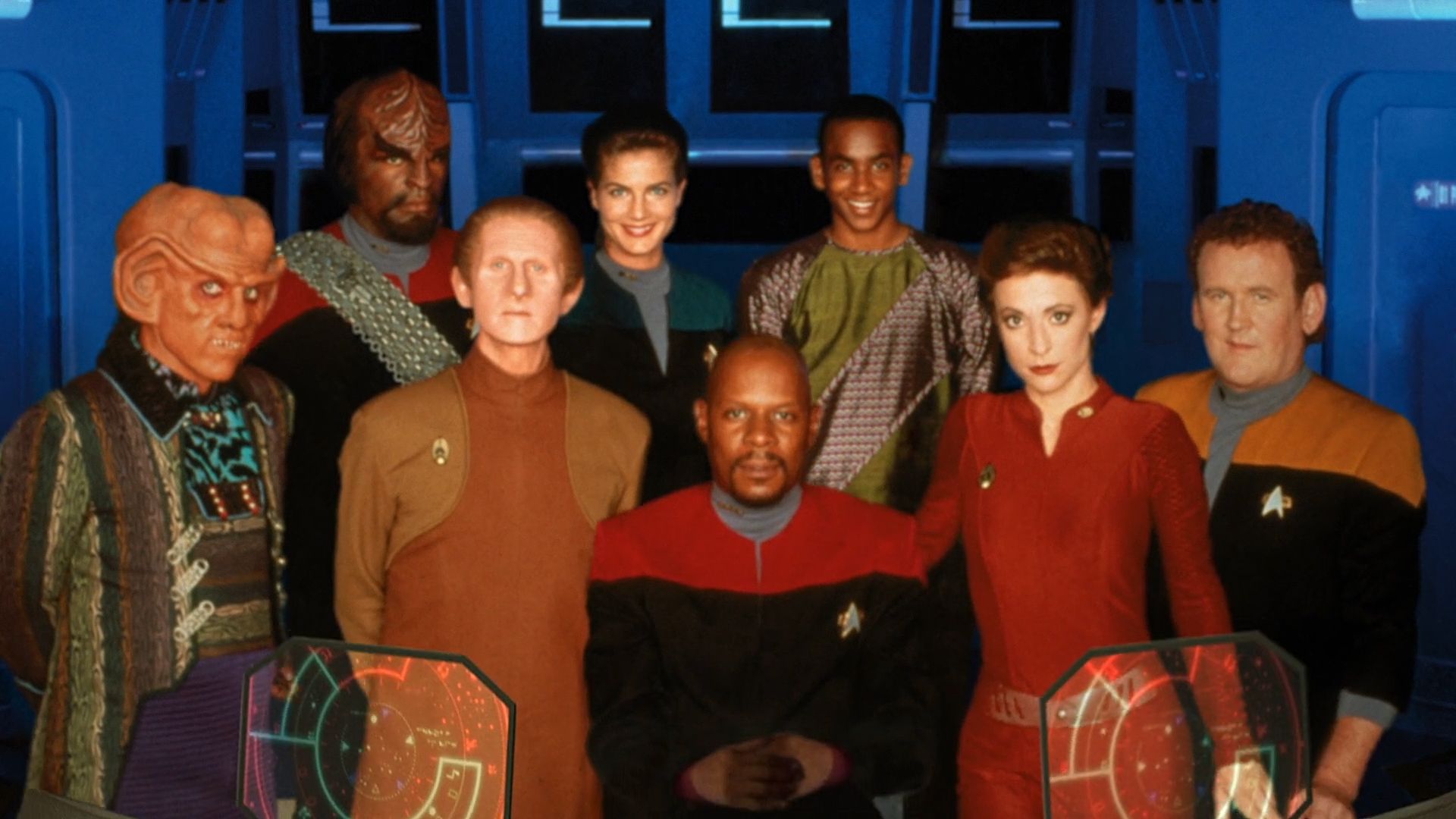
Star Trek: Deep Space Nine ran for seven seasons, between 1993 and 1999. Now, a new documentary will probe the lesser known series.

(Image credit: Paramount)

"Deep Space Nine" made comfort a priority, putting its crew in black jumpsuits with color-coded shoulders to denote department, and rank pips appearing on a light blue turtleneck.

They also turned up in the first "Next Generation" movie, "Generations", though that wasn't always the plan. The production had intended to dress the crew in new-look uniforms, but when they didn't work out, they instead turned out in a selection of "TNG" and "DS9" outfits.

Unfortunately, they didn't have time to tailor outfits for everyone, meaning that Jonathan Frakes (Riker) and LeVar Burton (LaForge) had to borrow suits previously worn by Avery Brooks (Sisko) and Colm Meaney (O'Brien) in "DS9" β€” rewatch the film, and it's clear they don't fit the actors properly.

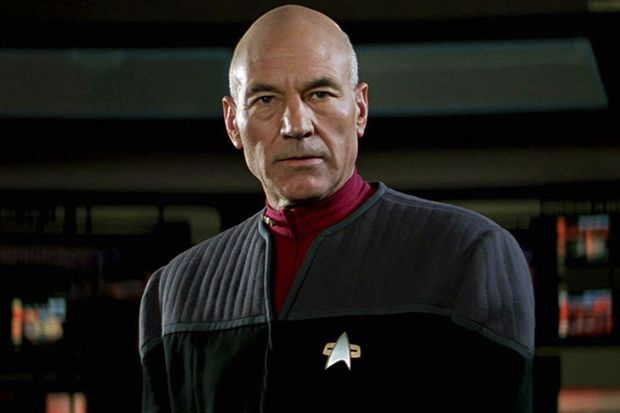
Patrick Stewart as Captain Picard in Star Trek: First Contact

(Image credit: Paramount Pictures)

When Picard and co returned to the big screen in "First Contact," they had new uniforms to go with their sparkly new Enterprise-E. The black jumpsuit look remained (albeit in a more tailored form), though everyone now sported the same blue/gray shoulders β€” the departmental color-coding was instead shifted to the obligatory turtleneck.

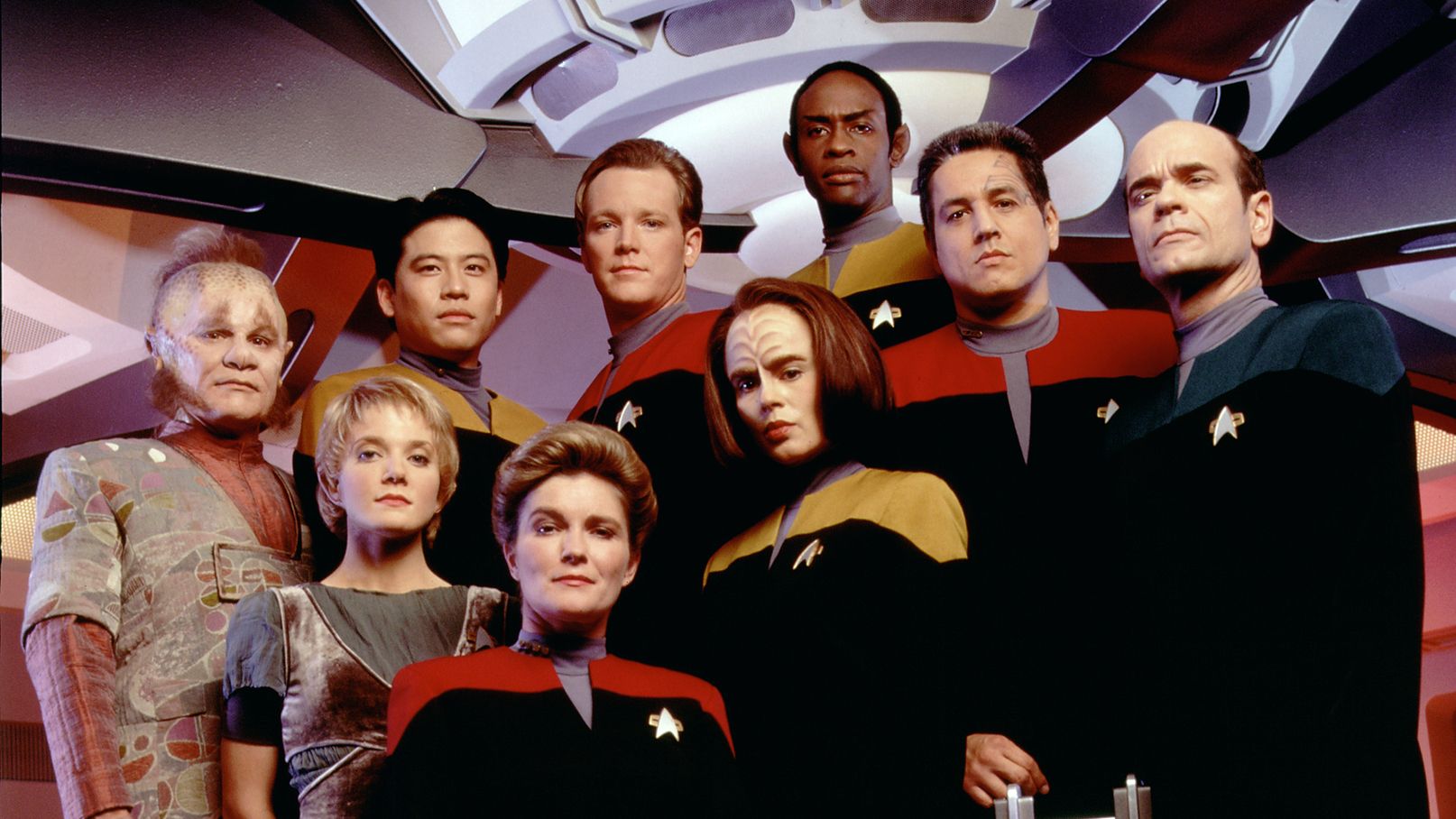
This design was quickly rolled out on board Deep Space Nine, though poor old Voyager β€” trapped thousands of light-years from Earth β€” had to stick with the old jumpsuits until the crew made it home.

Star Trek Voyager_Β© 1995 CBS Photo Archive - Image courtesy Getty Images

(Image credit: Getty Images)

The Enterprise era

Star Trek: Enterprise netflix quarantine

(Image credit: CBS)

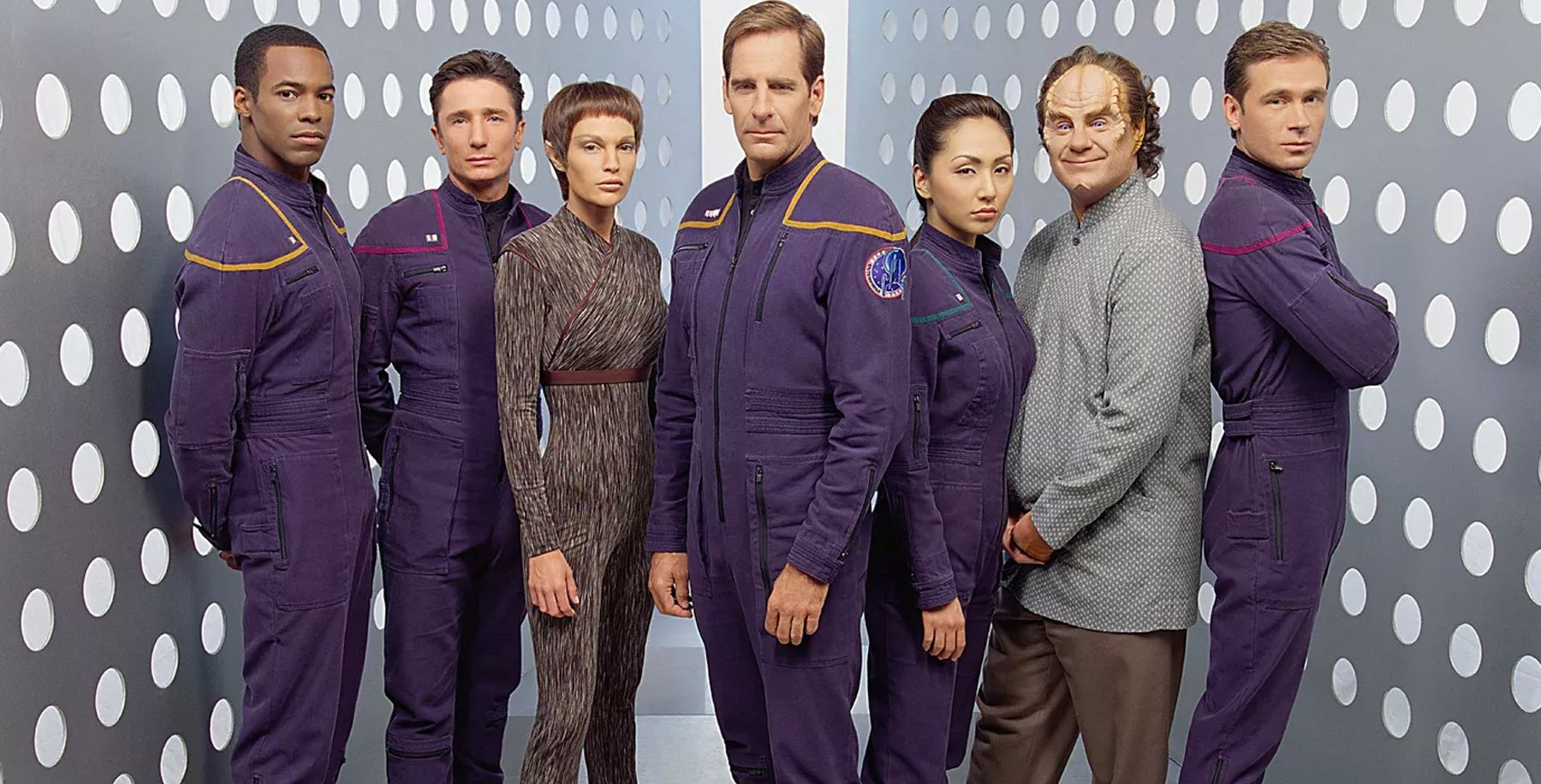
Departments denoted by: Colored piping on jumpsuit (Command: Gold; Science/Medical: Blue, Operations: Red)

Rank denoted by: Metal pips on chest

The uniforms in the prequel series were closer to contemporary designs than those from other "Treks". In fact, you could almost imagine a modern astronaut wearing those blue jumpsuits, well stocked as they were with zippers and pockets. The outfits worn by the admiralty even featured old-school collars and ties.

The departmental color scheme was the same as the Original Series. Slightly incongruously, however, "Enterprise" utilized the same ranking pips as the "TNG" era β€” Starfleet seemingly ditched this system for a century or so, before bringing it back for the voyages of the Enterprise-D.

The Kelvinverse

Star Trek 2009 Spock and Kirk

(Image credit: Paramount)

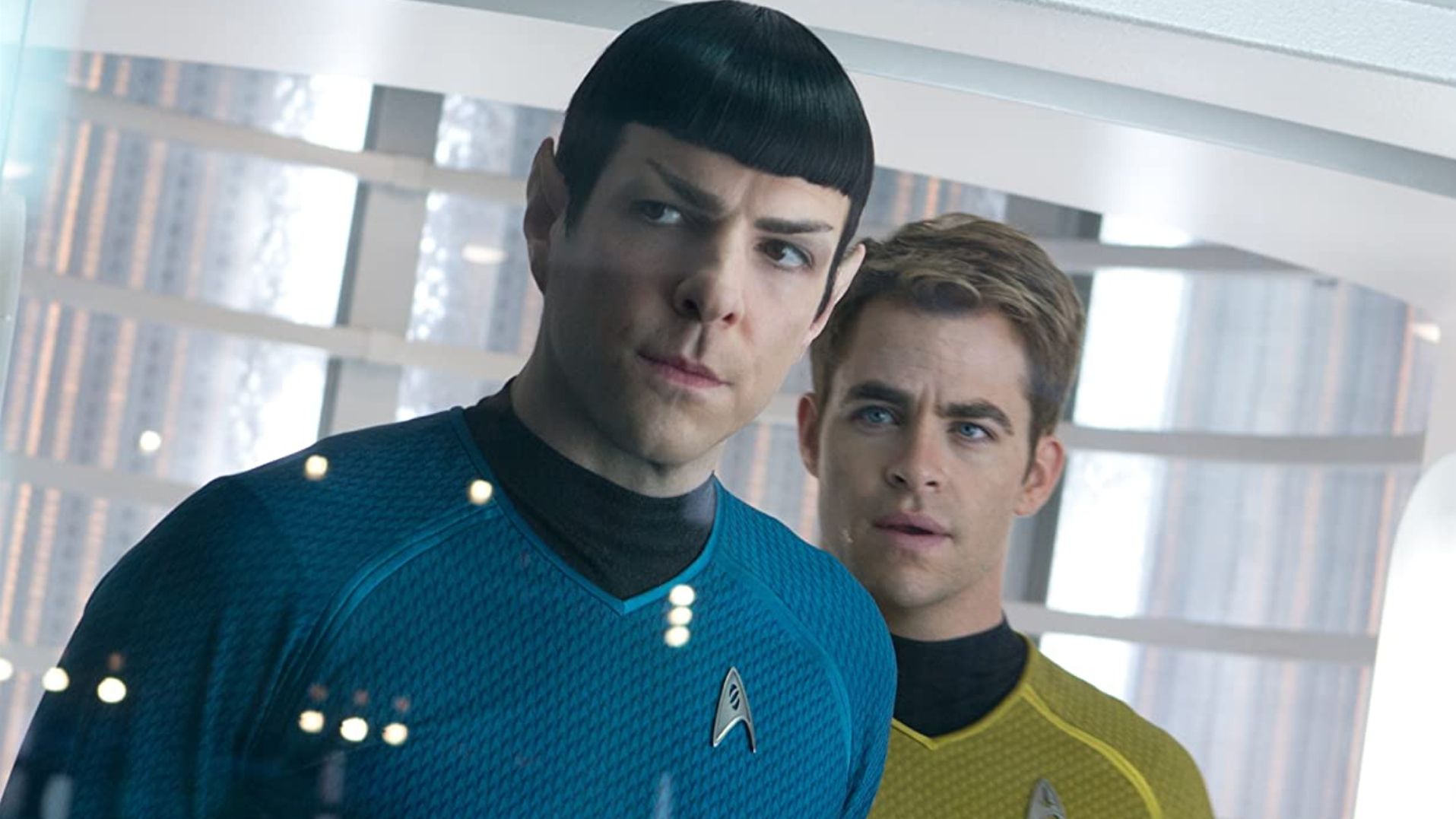
Departments denoted by: Color of sweater (Command: Gold/green, Science/Medical: Blue, Operations: Red)

Rank denoted by: Bands on sleeve cuffs

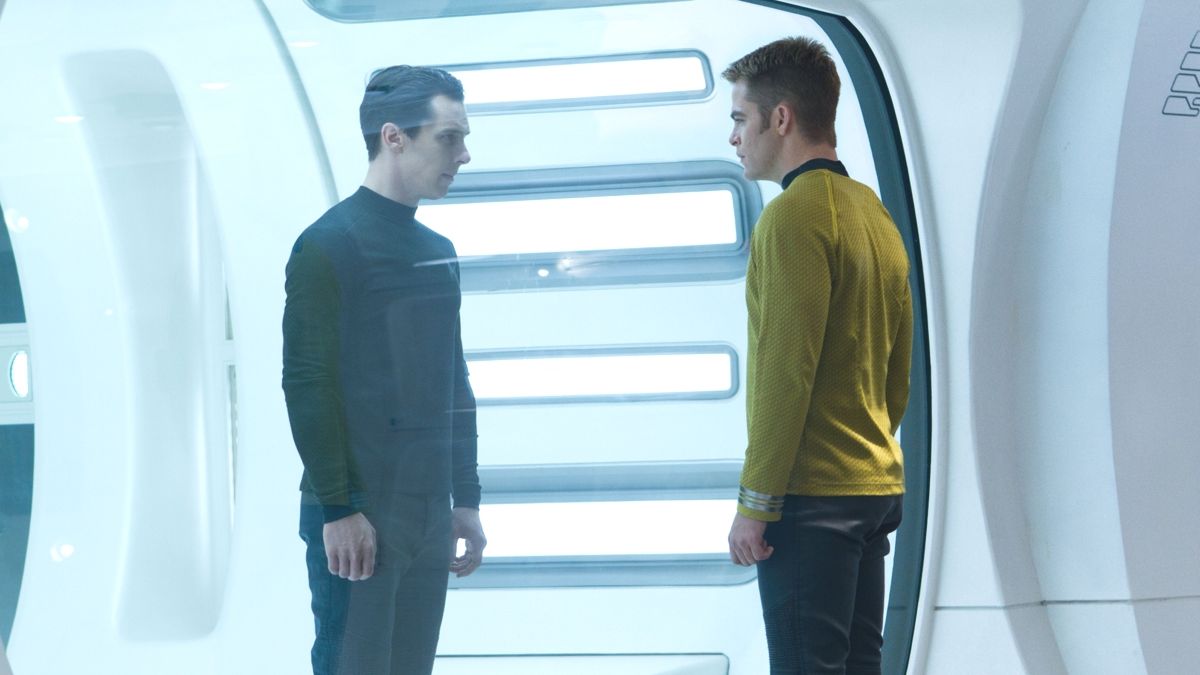
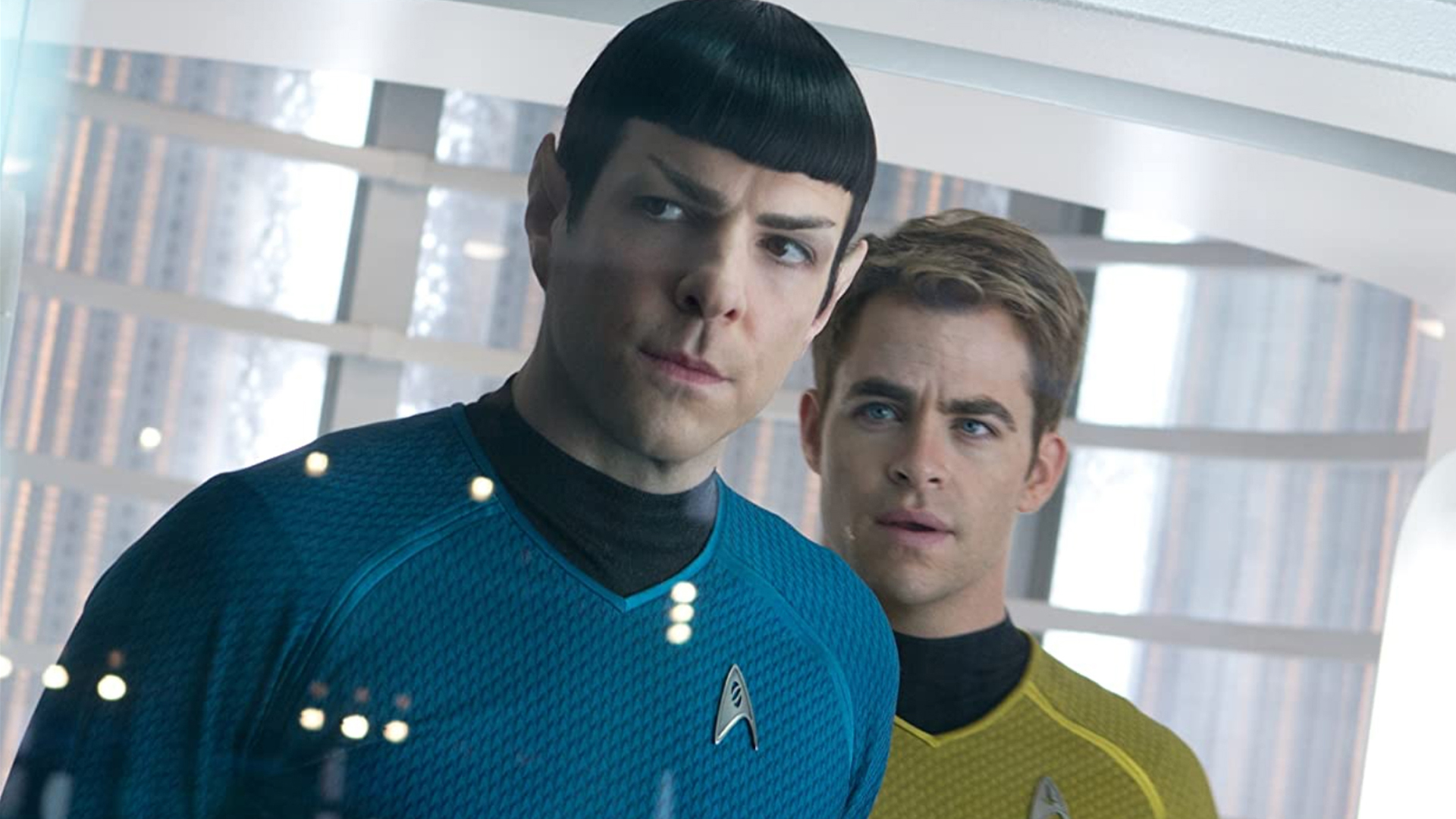
Starfleet uniforms in this alternative timeline were remarkably similar to the original TOS models, though they were given a thoroughly modern makeover.

The classic sweaters from the '60s now came in two parts, with a colored top sitting over a black crewneck undershirt. Adding to the look, costume designer Michael Kaplan integrated loads of tiny Starfleet deltas into the fabric.

Perhaps the most remarkable thing about the Kelvinverse trilogy, however, was how many distinct uniform designs there were. There was seemingly something for every occasion, and even the regular crew uniforms went through a significant overhaul for the third film in the series, "Star Trek Beyond".

The new TV era

The distinctive blue uniforms from Star Trek: Discovery.

(Image credit: Paramount)

Discovery (23rd century)

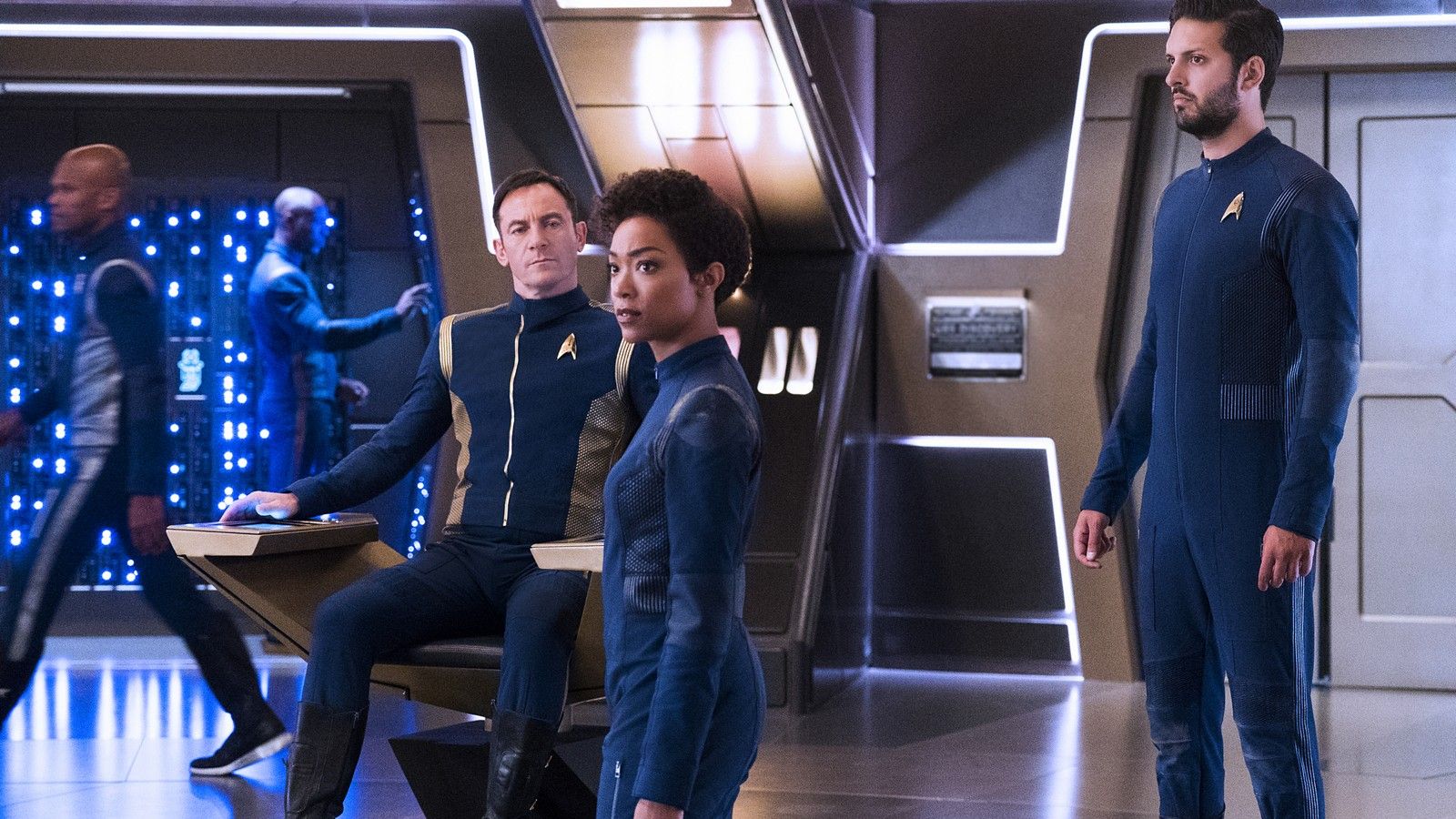
Departments denoted by: Accents on uniform (Command: Gold, Science/Medical: Silver, Operations: Bronze)

Rank denoted by: Pips on Starfleet delta

When "Discovery" brought "Star Trek" back to TV in 2017, Starfleet had given its couture a major rethink. This time out, the crew wore figure-hugging uniforms that looked a lot like tracksuits, featured Roddenberry-defying zippers, and used shiny, magpie-friendly styling for the obligatory departmental color coding. The design also 'homaged' the Kelvinverse look by integrating tiny Starfleet deltas into the fabric.

Strange New Worlds

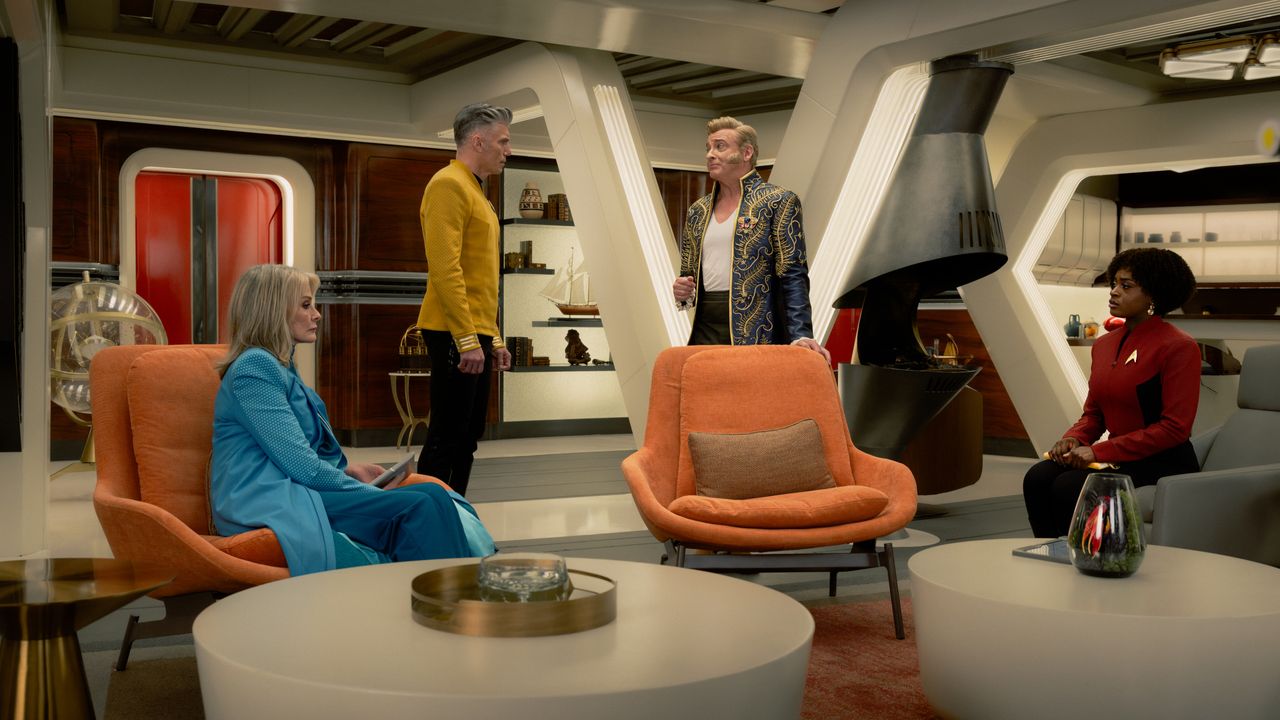
L to R Anson Mount as Capt. Pike, Melissa Navia as Erica Ortegas, Dan Jeannotte as Sam Kirk, Carol Kane as Pelia and Martin Quinn as Scotty in season 3 , Episode 5 of Strange New Worlds streaming on Paramount+. Photo Credit: Marni GrossmanParamount+

(Image credit: Paramount)

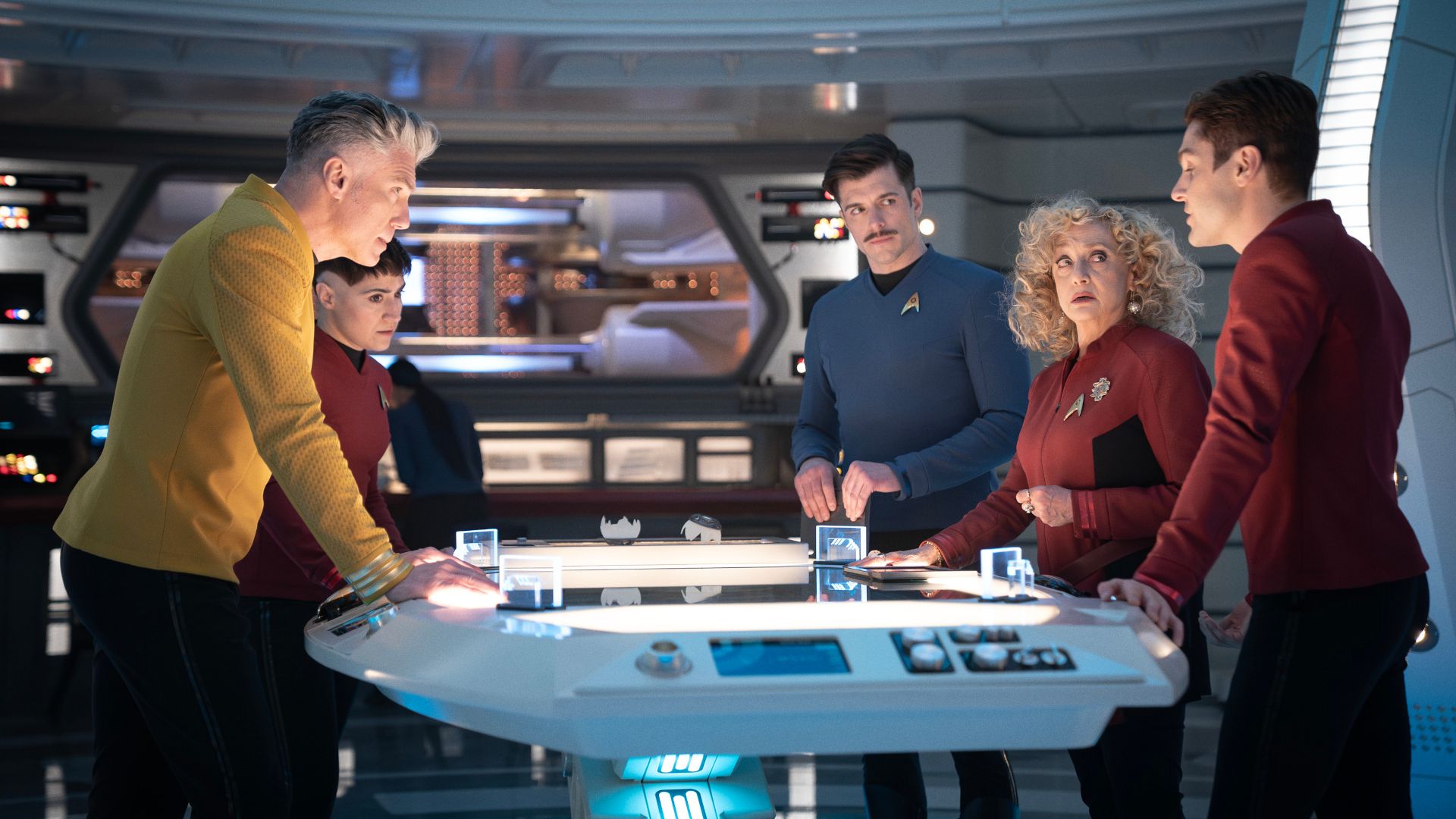
Departments denoted by: Logos in Starfleet delta/sleeve design, color of sweater (Command: Gold/green, Science/Medical: Blue, Operations: Red)

Rank denoted by: Bands on sleeve cuffs

When the Enterprise's Christopher Pike turned up in season two, he wore a modern riff on Original Series uniforms, which was subsequently given another update when he returned for "Discovery" spin-off/TOS prequel "Strange New Worlds". This borrowed heavily from the original Kelvinverse sweater/undershirt design, though with a more pronounced V-neck and tiny departmental logos (rather than Starfleet deltas) woven into the fabric of the sleeves.

Discovery (32nd century)

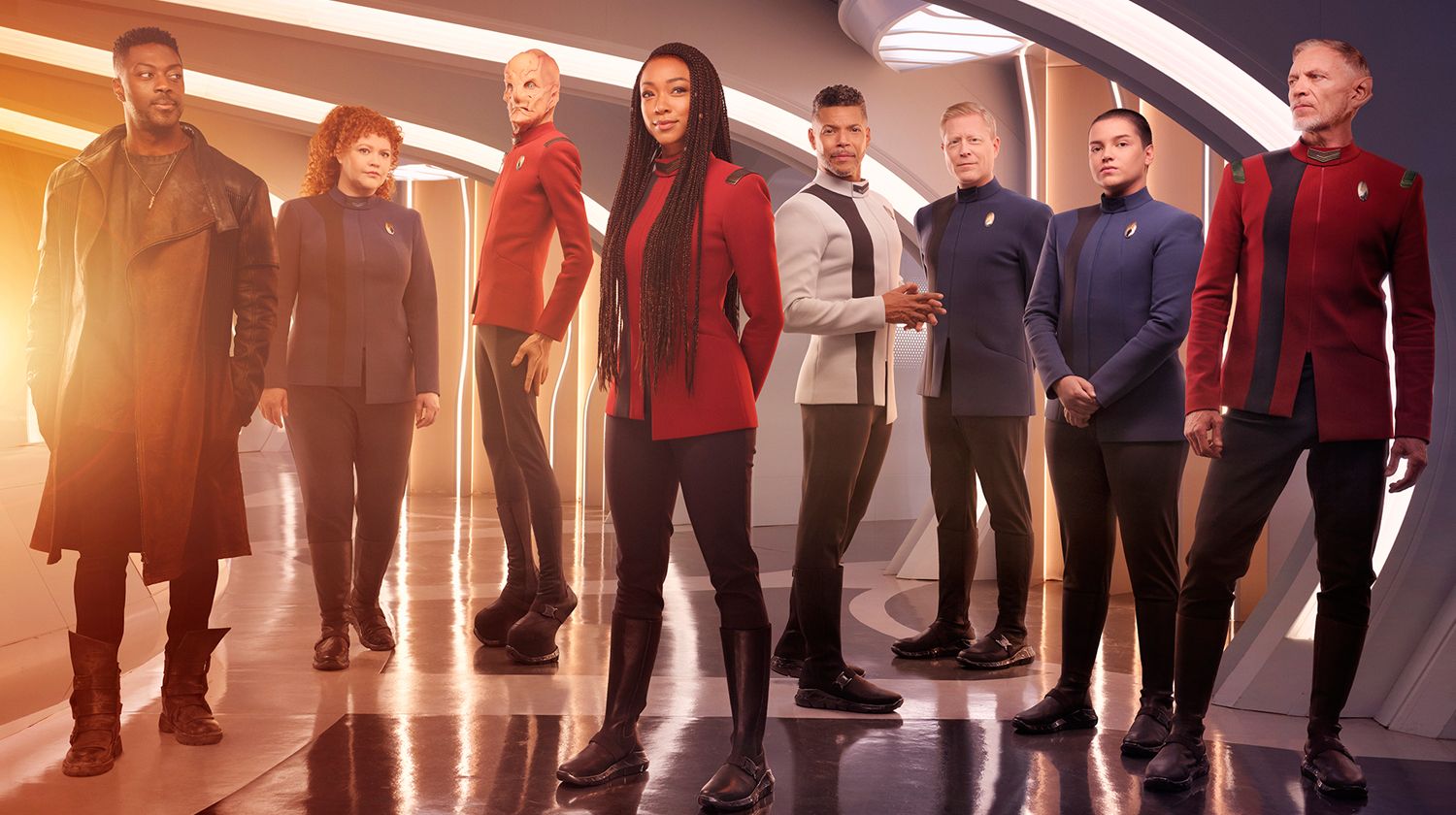
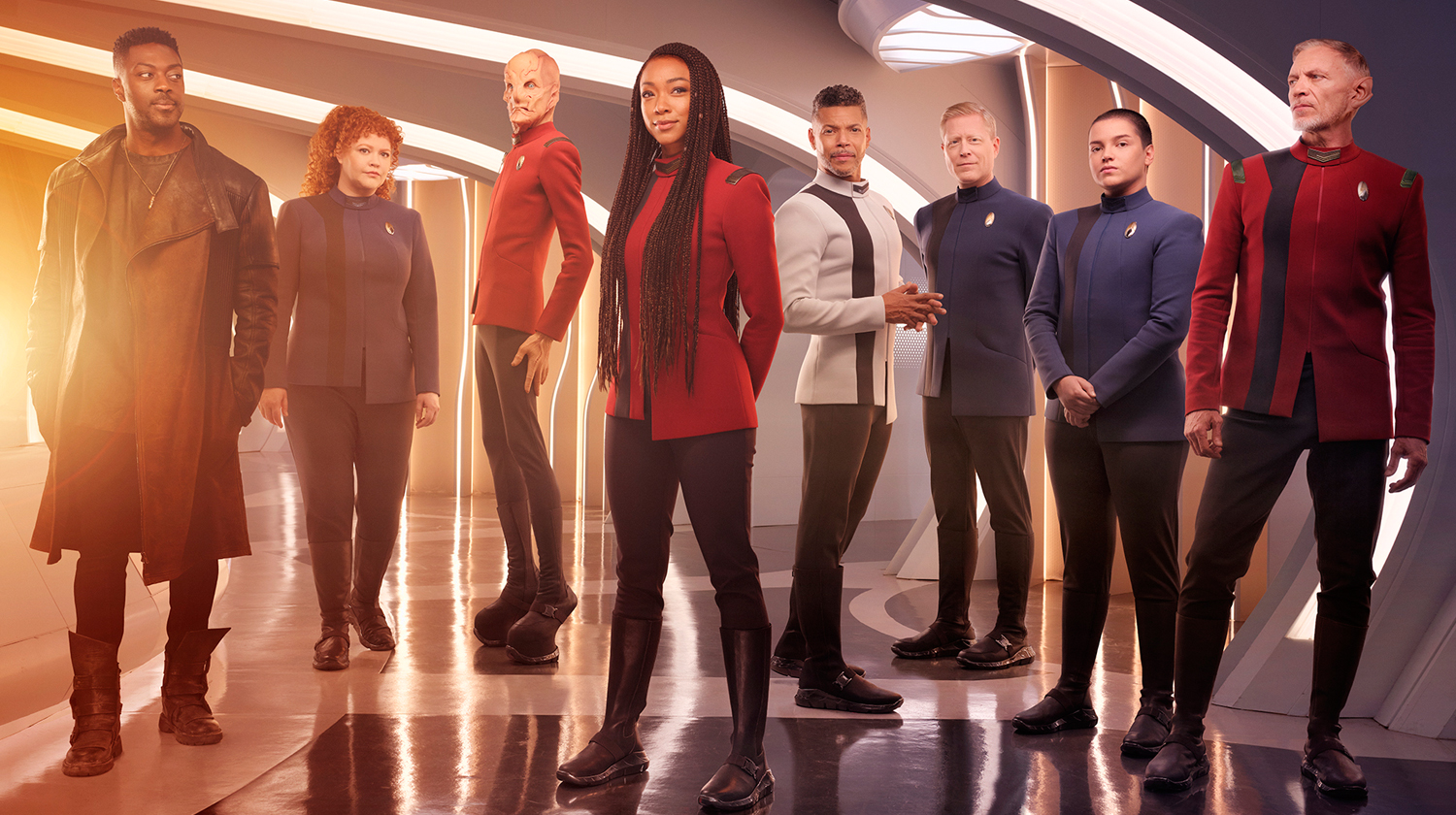
The cast of Star Trek: Discovery season 5

(Image credit: Paramount Plus)

Departments denoted by: Color of uniform (Command: Red; Science: Blue, Operations: Gold, Medical: White)

Rank denoted by: Pips on Starfleet combadge, collar, and epaulettes

Meanwhile, when the USS Discovery blasted off to the distant future, the crew were introduced to the asymmetrical fashions of the 32nd century.

It was never quite clear why the two halves of the tunic didn't line up properly, though future Starfleet had, at least, decided to stick with the "Next Generation"-era color scheme. Rank was advertised in at least four different places (shoulders, neck, and chest).

Starfleet Academy

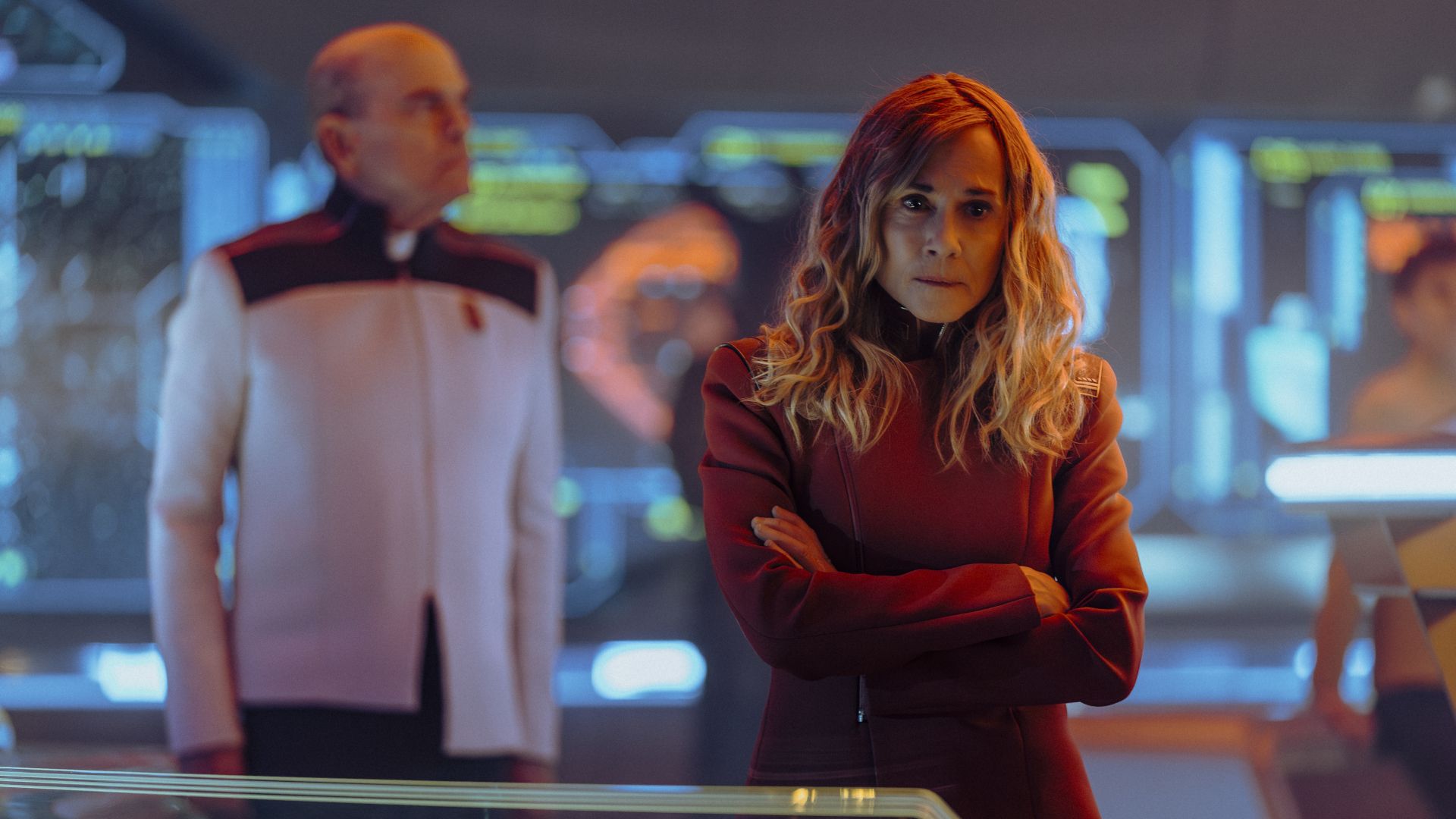
L-R: Robert Picardo as The Doctor and Holly Hunter as Captain Nahla Ake in season 1, episode 10, of Star Trek: Starfleet Academy streaming on Paramount+. Photo Credit: John Medland/Paramount+

(Image credit: Paramount)

Departments denoted by: Color of uniform (Command: Red; Science: Blue, Operations: Gold, Medical: White)

Rank denoted by (when used): Pips on Starfleet combadge, collar and epaulettes

Similar rules now apply in "Starfleet Academy", though cadets β€” like admirals, strangely β€” wear predominantly gray outfits.

Lower Decks

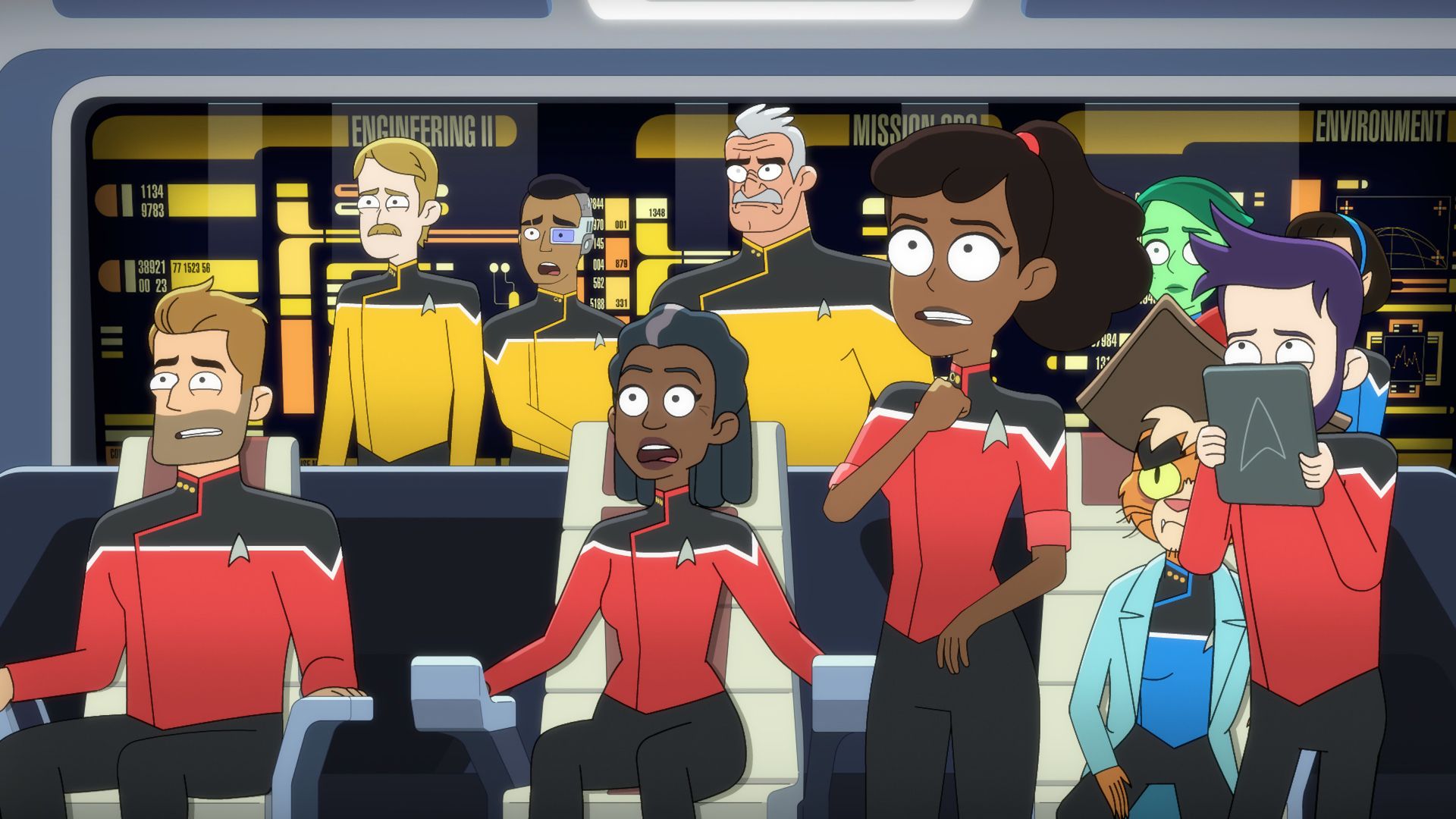
Star Trek: Lower Decks

(Image credit: Paramount)

Departments denoted by: Color of uniform (Command: Red; Science/Medical: Blue, Operations: Gold)

Rank denoted by: Metal pips on collar

And when "Lower Decks" and "Picard" returned to the (more-or-less) "Next Generation" era, the crews' stylists didn't break the wheel. The USS Cerritos uniforms were TNG-adjacent, though borrowed heavily from the aforementioned designs that were ditched ahead of "Generations"

They also allowed for some Chief O'Brien-homaging sleeve-rolling.

Picard

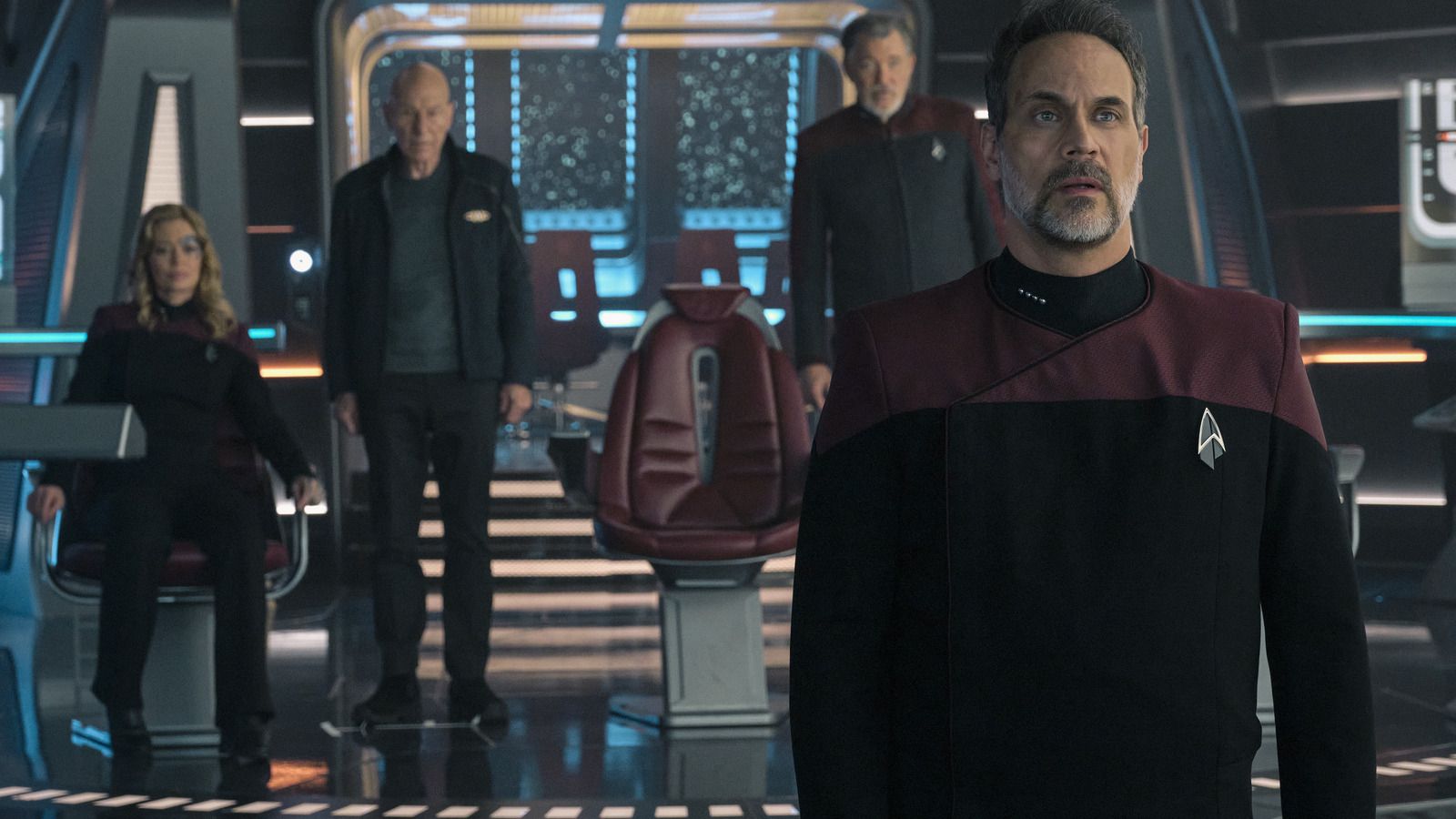
Jeri Ryan as Seven of Nine, Patrick Stewart as Picard, Jonathan Frakes as Will Riker and Todd Stashwick as Captain Liam Shaw in

(Image credit: Paramount)

Departments denoted by: Color of uniform (Command: Red; Science/Medical: Blue, Operations: Gold)

Rank denoted by: Metal pips on collar

The outfits in "Picard"'s third season, meanwhile, were effectively the "Deep Space Nine"/"Voyager" jumpsuits given a Kirk-style wraparound update.

As to the fashion future, no one knows what Trek has in store for us. There are no new shows announced yet, and only vague whispers of a new movie in the works. Time will tell, but we can't wait to see what the 24th century innovations they can bring to the jumpsuit next.

In the meantime, you can check out all of Star Trek on Paramount+.

Watch Star Trek on Paramount+:
Essential (ads): $8.99/mo or $89.99/yr
Premium (no ads): $13.99/mo or $139.99/yr
  •  

The next 'Star Trek' movie will be inspired by 'Crimson Tide', and 'Strange New Worlds' latest episode just showed them how to do it

During the recent press rounds for Apple TV's Ryan Reynolds/Kenneth Branagh vehicle "Mayday", writer/director duo Jonathan Goldstein and John Francis Daley talked about their plans for the next "Star Trek" movie. As well as confirming their story will feature an all-new crew, they mentioned that the in-development project will be inspired by a pair of hit films from the '90s and '00s, both of which β€” coincidentally β€” feature Denzel Washington operating at very different ends of the moral spectrum.

"Training Day" is a gritty police drama, where Ethan Hawke's rookie finds himself under the ethically dubious wing of the Oscar-winning Washington's corrupt cop Alonzo Harris. "Crimson Tide", meanwhile, is a tense submarine thriller in which Washington's executive officer argues with Gene Hackman's captain about whether to launch some nuclear weapons. The stakes? Only kicking off the Third World War.

The latter feels particularly suited to a Starfleet bridge. The greatest "Star Trek" movie of all, "The Wrath of Khan", also borrowed heavily from submarine movies, with the USS Enterprise given a naval makeover and space battles that played out like games of underwater cat-and-mouse. And while "Crimson Tide" doesn't necessarily fit with Gene Roddenberry's vision of a conflict-free professional environment, it's easy to picture a seasoned starship captain locking horns with an idealistic first officer about the right course of action.

In fact, if Paramount executives are having doubts about the premise, they should check out the latest episode of "Strange New Worlds", which has just given the premise a dry run. Because to all intents and purposes, "Orders of Magnitude" is "'Crimson Tide' in space" β€” and it's every bit as thrilling as that sounds.

MAJOR SPOILERS AHEAD! ANYONE YET TO WATCH "ORDERS OF MAGNITUDE" SHOULD PROCEED WITH CAUTION TO AVOID VIOLATING TEMPORAL PRIME DIRECTIVES.

(L-R): Anson Mount as Captain Pike, Jess Bush as Christine Chapel, Celia Rose Gooding as Uhura, Bianca Nugara as A'Sha, and Rebecca Romijn as Una in Star Trek: Strange New Worlds, episode 8, season 4

(Image credit: Paramount)

The chances of Captain Christopher Pike and first officer Una "Number One" Chin-Riley coming to blows on the bridge are slim, especially as Michael Burnham's mutiny on the USS Shenzhou (in the opening episode of "Star Trek: Discovery") will still be fresh in Starfleet minds. Writer Alan B McElroy instead makes the smart move of marooning Pike and Chin-Riley on an alien planet, forcibly detained by a group of Andorian mercenaries.

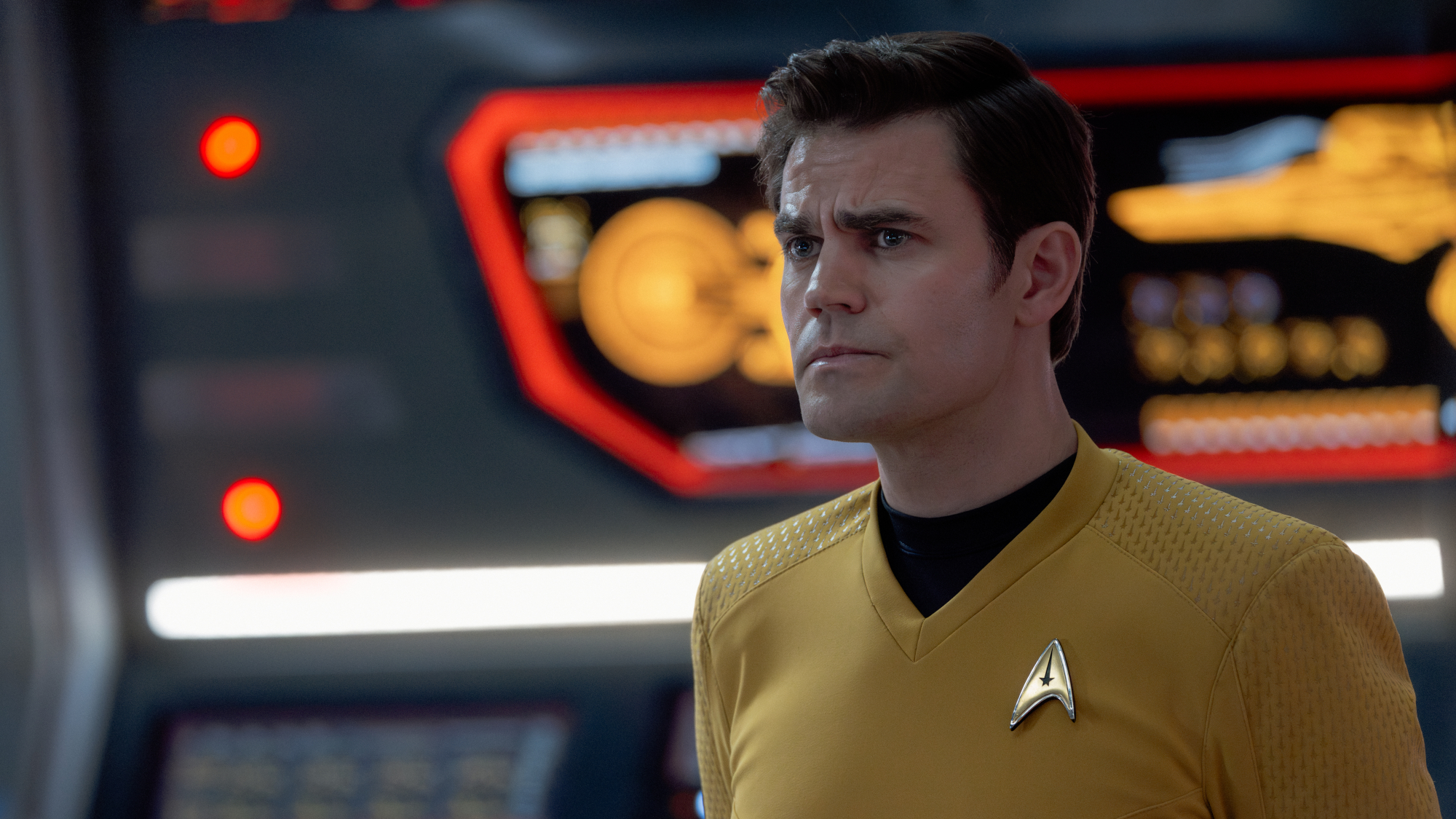
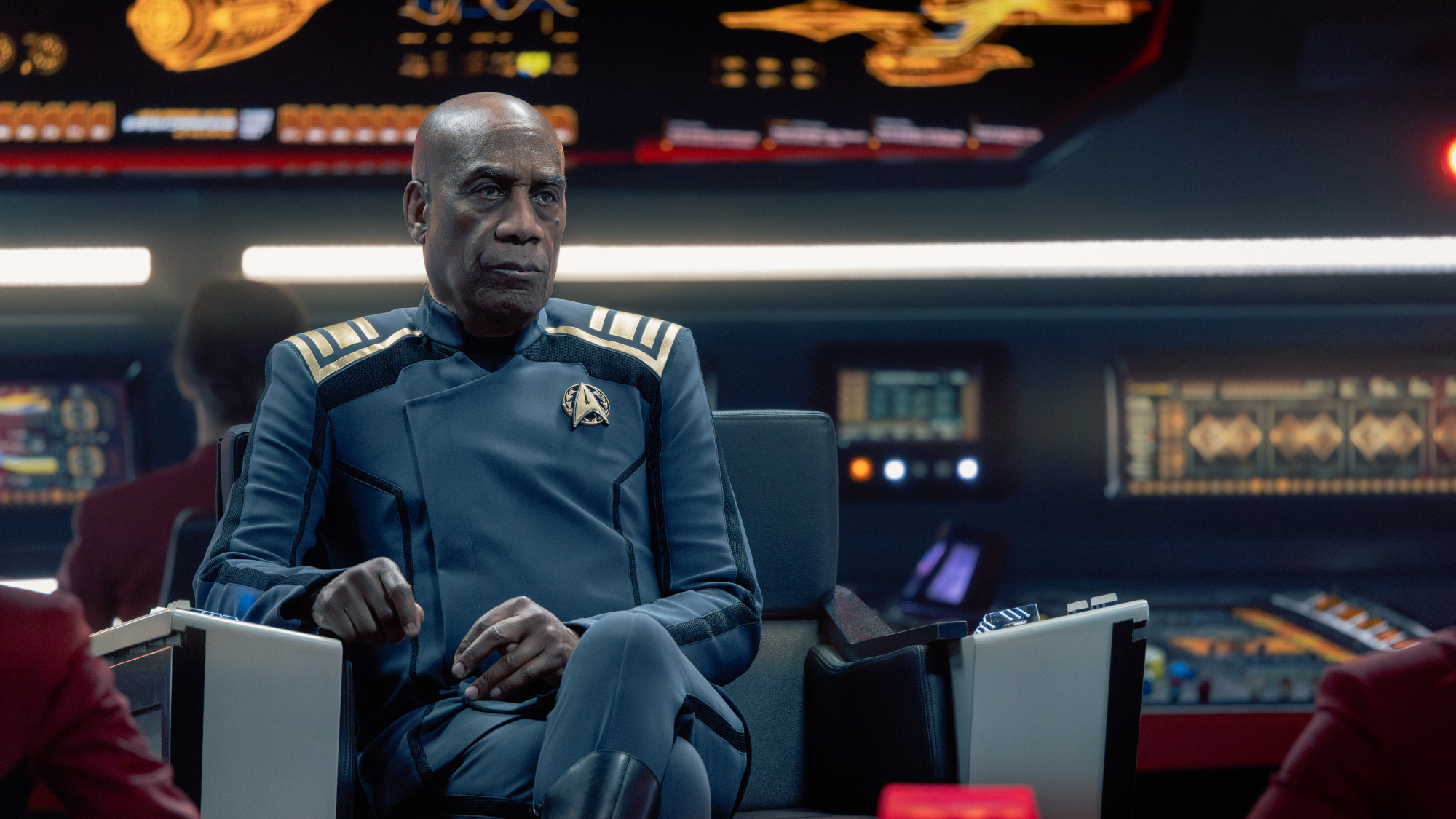
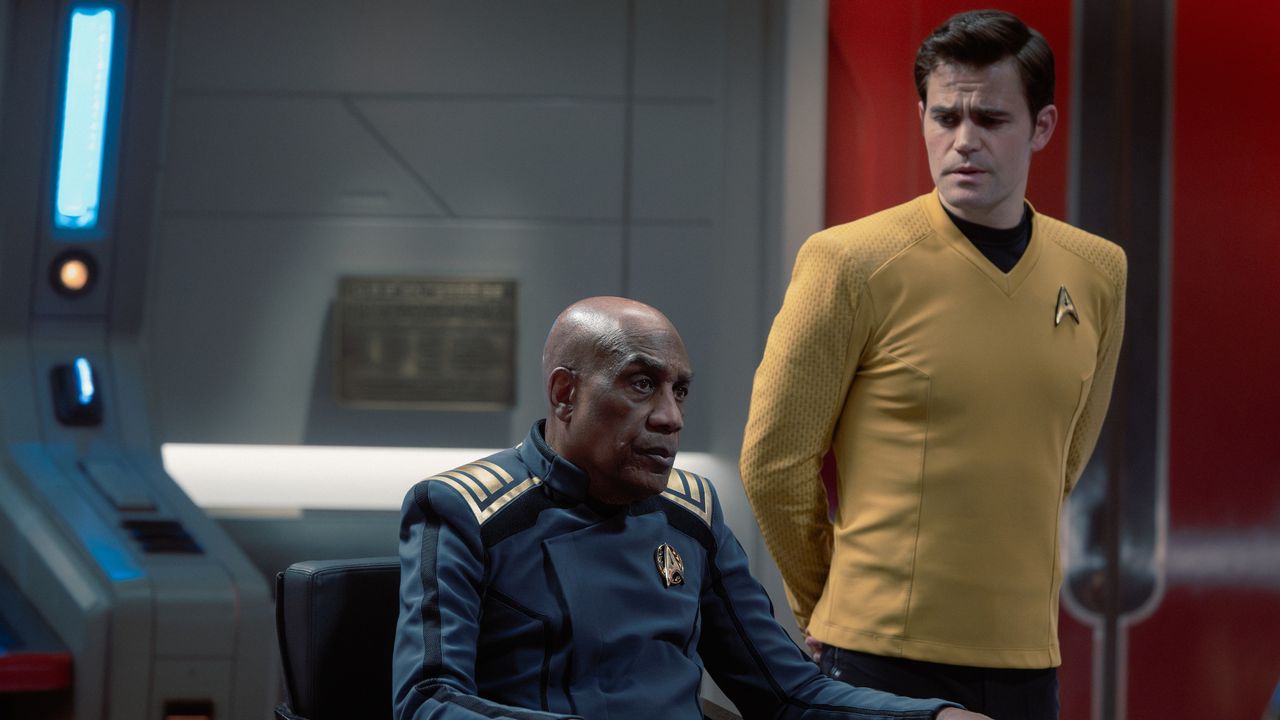
So when self-proclaimed "wily old war dog" Admiral Simon Reeger (guest star Joe Morton) comes on board to commandeer the Enterprise for the top-secret pursuit of a cloaked enemy vessel, it's ranking officer James T Kirk β€” making one of his implausibly frequent visits to his future home β€” who steps up to become the ship's temporary number one.

Paul Wesley as James T. Kirk in Star Trek: Strange New Worlds, episode 8, season 4

(Image credit: Paramount)

Reeger initially seems like the ideal commanding officer, friendly and considerate enough to learn his subordinates' names before he arrives. But β€” as happened with Captain Ramsey and Lt Commander Hunter in "Crimson Tide" β€” it quickly becomes clear that this working relationship with Kirk is going to be a fraught one.

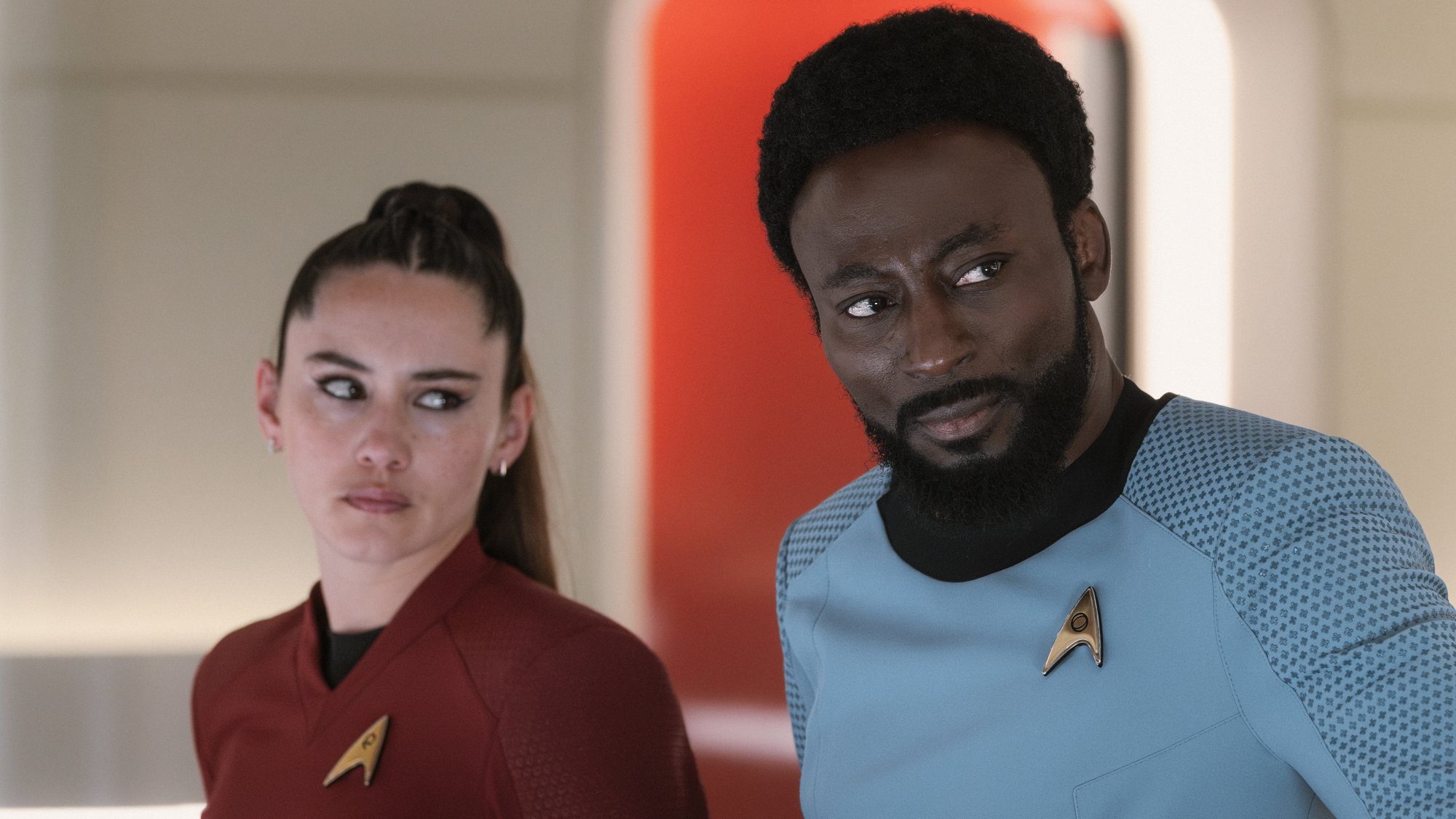
He scolds his new first officer for questioning his decision to leave Pike and the away team behind, and not being on the bridge quickly enough when red alert is sounded. This is a man who doesn't appreciate being undermined in public, for whom β€” as Dr M'Benga, who served under Reeger on the USS Constitution, puts it β€” the "mission is everything".

(L-R): Christina Chong as La’an Noonien-Singh and Babs Olusanmokun as Dr. M’Benga in Star Trek: Strange New Worlds, episode 8, season 4

(Image credit: Paramount)

The story also hinges on a very "Crimson Tide"-like dilemma. In director Tony Scott's movie, the USS Alabama receives incomplete firing orders β€” Captain Ramsey believes this means they should launch nuclear weapons at the proposed target, but Hunter advises caution, insisting they should pause until the orders are verified.

In "Orders of Magnitude", meanwhile, Reeger surmises that the ship the Enterprise is pursuing β€” believed to be responsible for the deaths of five million people in the Vaardan Massacre β€” is hiding on the surface of Argus II. Concerned the cloaked vessel might escape, he orders the destruction of everything on the planet's surface β€” but with thousands of innocent lives on the line, it's an order that Kirk cannot, in good conscience, execute.

What follows is right out of the "Crimson Tide" playbook, as chains of command are stretched past breaking point, the "math of command" is questioned, and the bridge crew throw increasingly awkward glances between themselves. Kirk risks putting himself on the fast track to a court-martial, receiving radiation burns to sabotage the phasers, and drugging Reeger so M'Benga can declare him unfit for duty β€” an act M'Benga ultimately takes the rap for.

Joe Mortin as Admiral Reeger in Star Trek: Strange New Worlds, episode 8, season 4

(Image credit: Paramount)

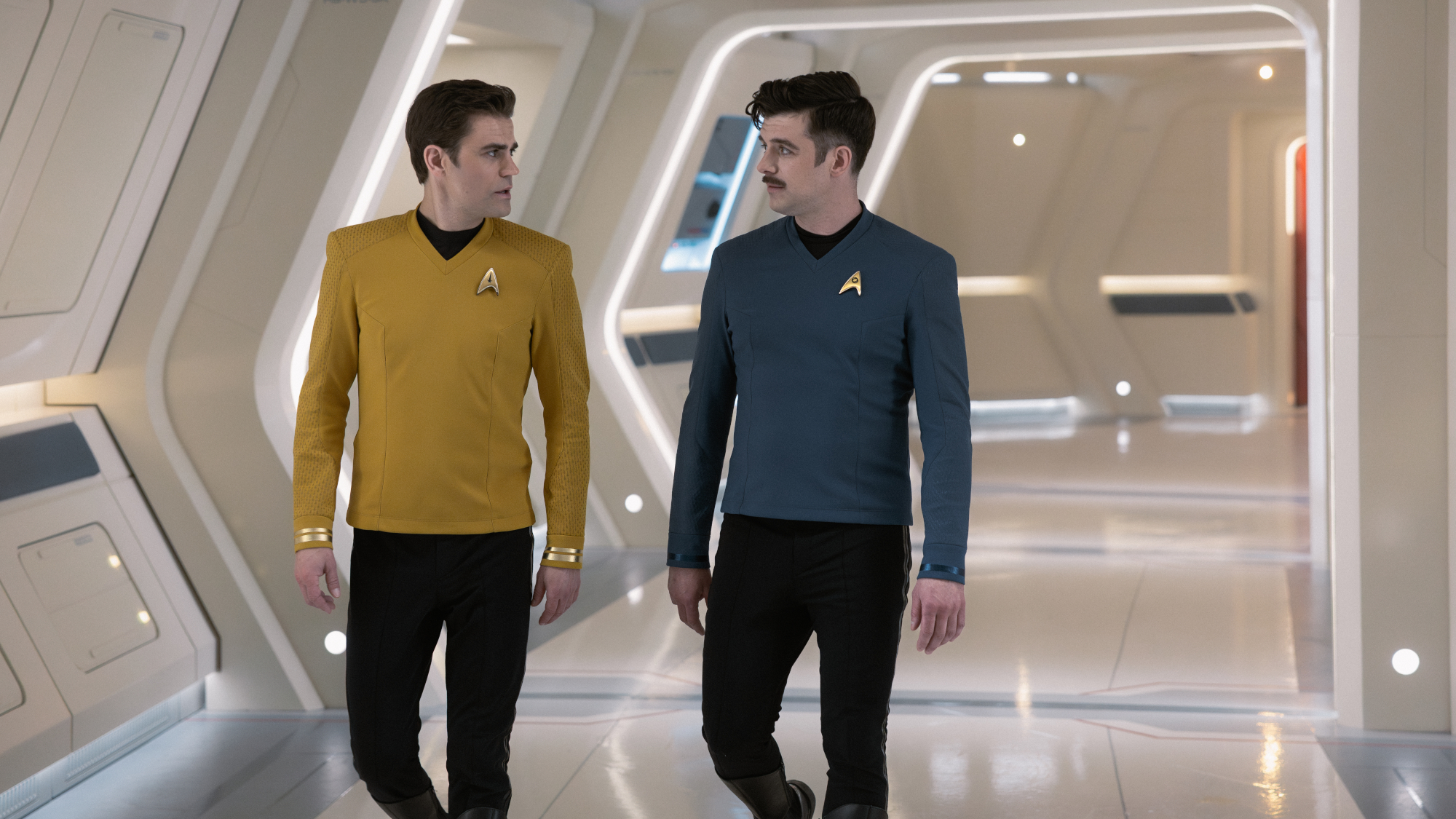
It also puts Kirk at odds with La'an (who's resolutely sticking to the admiral's orders), and forces him to ask big, potentially career-ending favors of big brother Sam.

"Orders of Magnitude" also makes things personal in a way "Crimson Tide" never did. Reeger lost his family on Vaardan and is out for revenge, but β€” perhaps more pivotally β€” he served with the Kirks' dad, George, on the Constitution.

Reeger became a hero after taking out several Klingon cruisers at the Battle of Zeta Reticuli, but he was actually incapacitated at the time and took the credit for George's heroic actions, stalling Kirk Sr's career in the process.

(L-R): Paul Wesley as James T. Kirk and Dan Jeannotte as Sam Kirk in Star Trek: Strange New Worlds, episode 8, season 4

(Image credit: Paramount)

In the episode's climactic bridge showdown, the tone shifts to another '90s classic, as Jim Kirk goads Reeger into a confession about the Constitution scandal. The admiral's "You're damn right!" is pretty much a direct lift of Jack Nicholson's "You're goddamn right I did!" in the famous final act of timeless legal drama "A Few Good Men". And yes, Kirk can handle the truth β€” even if he doesn't want to.

It's unclear whether "Strange New Worlds" showrunners had any idea a "Star Trek" movie inspired by "Crimson Tide" was on the cards β€” or if Goldstein and Daley knew this brilliant episode was on the way. But if their movie does become "Trek"'s first big-screen outing since 2016's "Star Trek Beyond", they could do worse than taking a few notes from "Orders of Magnitude".

New episodes of "Star Trek: Strange New Worlds" debut on Paramount+ on Thursdays.

Watch Star Trek: Strange New Worlds on Paramount+:
Essential (ads): $8.99/mo or $89.99/yr
Premium (no ads): $13.99/mo or $139.99/yr
  •  

As 'Star Trek' turns 60, we take the iconic sci-fi franchise to sickbay for a full health report

The date of 'Star Wars Day' is based on a "May the fourth be with you" pun. The date of 'Alien Day' (April 26), meanwhile, is inspired by an extremely tenuous link to LV-426, a moon pivotal to the first two movies.

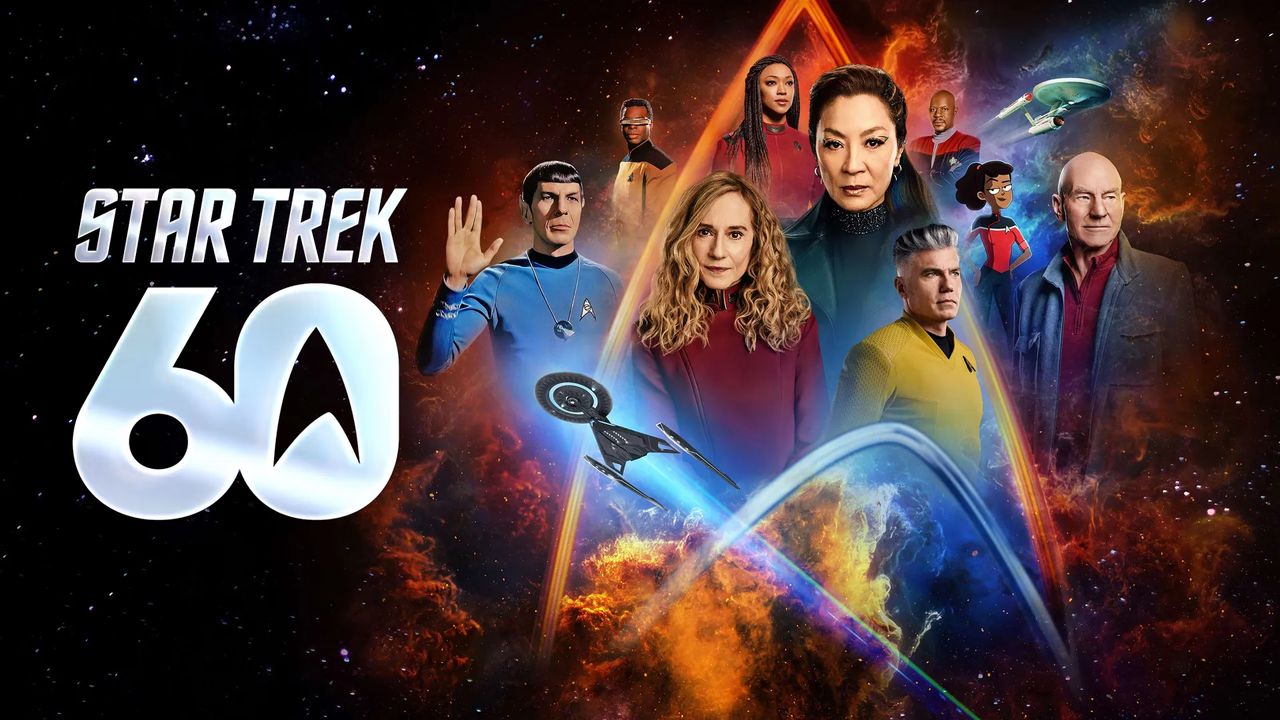
'Star Trek Day', however, is based on an actual date; September 8 is the anniversary of the Original Series' very first broadcast in 1966. This year's birthday is more important than most, as the "Star Trek" franchise reaches the ripe old age of 60 β€” Kirk and Spock's diamond jubilee.

Birthdays are traditionally a time to take stock of past, present and future, so we've taken this opportunity to deliver a status report on the legendary franchise, via TV, movies and 60th anniversary celebrations β€” including commemorative coins and record-breaking Vulcan salutes.

Will "Star Trek" continue to live long and prosper, or would Dr McCoy deliver one of his more pessimistic assessments, Jim?

It's time to give the veteran franchise a health check…

TV shows

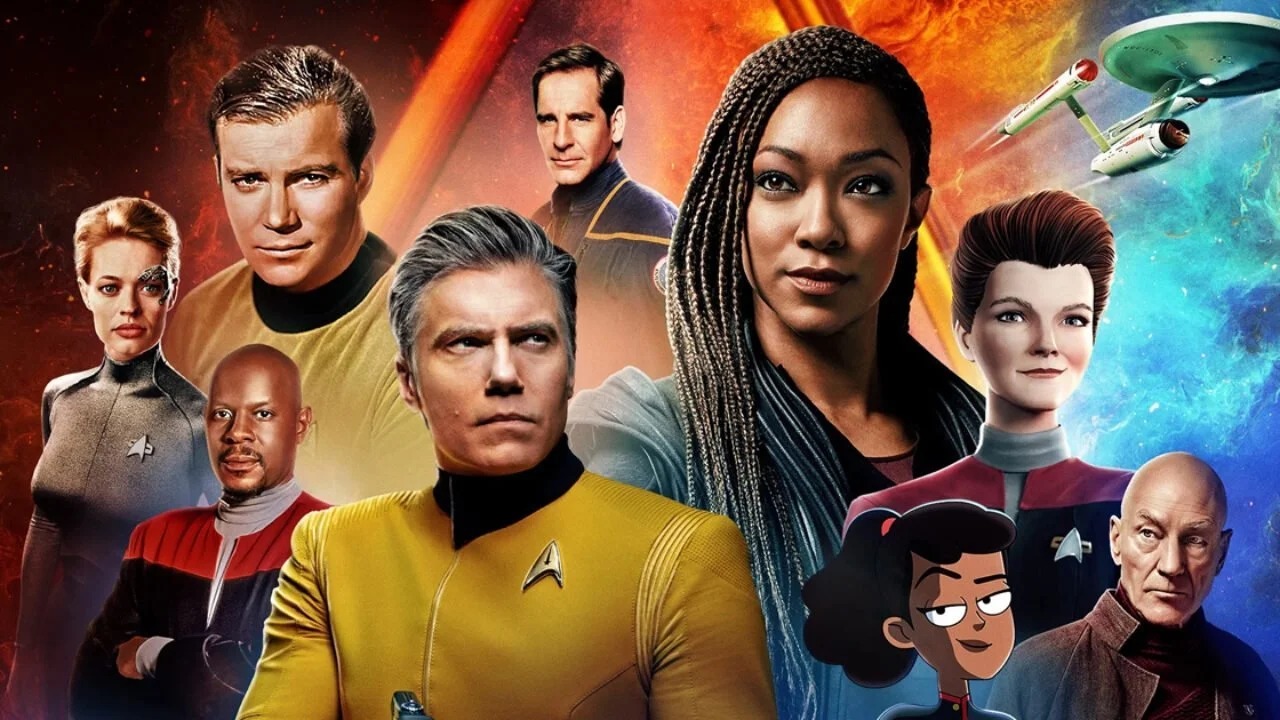
Star Trek image showing all captains

(Image credit: Paramount)

Television is where the voyages of the starship Enterprise began, and still feels like the franchise's natural home. There have now been 12 separate TV shows set in the "Star Trek" continuity β€” 14 if you throw in "Short Treks" and pre-school YouTube series "Star Trek: Scouts" β€” and the final frontier has flourished on the small screen over the last decade.

Indeed, since "Discovery" first spooled up the spore drive in 2017, we've enjoyed the most bountiful period of "Trek" since the glory days of the '90s, when "The Next Generation", "Deep Space Nine" and "Voyager" became appointment viewing. In many ways it's been a masterclass of universe-building, as executive producer Alex Kurtzman (with his Secret Hideout production company) has overseen an impressively large and varied fleet of shows.

Although Disney+'s "Star Wars" TV adventures have all β€” with the notable exception of "Andor" β€” tended to be relatively uniform in tone, "Trek" has generally taken much bigger swings. "Discovery" warped off to the undiscovered country of the 32nd century, while "Lower Decks" proved that "Star Trek" and out-and-out comedy can be natural bedfellows.

"Star Trek: Picard"'s peerless final run of episodes (arguably the best season of "Trek" ever made) skilfully mixed masterful storytelling with unashamed "TNG"-era nostalgia. "Strange New Worlds" managed to recruit the franchise's best ensemble since the '90s. "Prodigy" was a kids' show grown-up fans could enjoy, too.

The cast of Star Trek: Discovery season 5

(Image credit: Paramount Plus)

And for a brief period between May 2022 and April 2023, there were five active "Star Trek" shows at various stages of the production/release cycle. Little did we realize that would be a peak for the franchise and that β€” a little over three years later β€” we'd be facing the prospect of a future without any "Star Trek" TV at all.

At present, there are no "Trek" shows in production. "Strange New Worlds"' fifth season and "Starfleet Academy"'s second are already in the can, but both will be their respective show's final voyages; the sets have been dismantled, the casts have moved on to new projects.

Meanwhile, rumored spin-offs like "Picard" follow-up "Legacy" and "Strange New Worlds" sequel "Year One" seem destined to remain in the realms of Trekkie fantasy.

As "SNW" co-showrunner Henry Alonso Myers told TrekMovie in August 2026, "We haven't been told anything [about 'Year One']. It's not up to us. It's up to Paramount. We stand by and are ready to work at their discretion. We love 'Star Trek'. We'd be happy to do it again. It is out of our hands."

Nine character from a sci-fi tv show promo banner

(Image credit: Paramount+)

Rights holder Paramount (and its CBS subsidiary) is the unknown factor here. Skydance Media bought the studio last year, and β€” perhaps unsurprisingly β€” execs have been hesitant to invest in major new projects as they wait to learn the new regime's direction of travel.

Skydance's impending acquisition of Warner Bros may also be a factor β€” if, say, Paramount and Warner were to merge their respective streaming platforms, would "Trek" get as much prominence on HBO Max as it currently does on Paramount+?

Reports in early 2026 suggested that Kurtzman was in early negotiations to renew his production deal (the previous one expired with "Starfleet Academy"), but it's looking increasingly unlikely he'll return. Paramount, however, has reiterated the ongoing importance of the franchise to its bottom line.

"It's one of the reasons why Chris [Parnell, executive vice president of Paramount+ Originals] is here as the resident number one fan of the 'Star Trek' franchise," said head of Paramount+ Originals Jane Wiseman in an August 2026 interview with Deadline.

"And there’s so many people in this building, by the way, that are. It is our goal and it is our job to figure out what the next bounce of 'Star Trek' is. We're talking to a lot of writers, we are leaning on [production company] CBS Studios, and it is imperative that we figure out what the next iteration is in this franchise because it's just too important. We also are in touch with Paramount Pictures; they have a 'Star Trek' movie that’s in development." (More on that below…)

George Hawkins as Darem Reymi in Star Trek: Starfleet Academy, episode 3, season 1, streaming on Paramount+, 3035. Photo Credit: John Medland/Paramount+.

(Image credit: Paramount)

That still leaves an awful lot of questions. Would a new iteration of "Trek" stick with the current 10-episode format, or go back to the longer 20+ runs of the '90s? Has the disappointing "Section 31" killed the prospect of another "Trek" TV movie stone dead? Will Paramount see more value in its massive library of legacy "Trek" content? And how will "Trek"'s famously progressive and liberal outlook mesh with a new-look company whose CEO, David Ellison, is close to President Trump?

Like fellow veteran genre franchises "Doctor Who" and "Star Wars", "Star Trek" is still trying to find its place in a streaming world. There's little doubt that it will one day return to TV, as it did after a decade away following "Enterprise"'s 2005 cancellation. But the how and the when will have to wait for another day.

Movies

Star Trek Beyond

(Image credit: Paramount)

Nearly seven years elapsed between "The Rise of Skywalker" and "The Mandalorian and Grogu", but that's small fry next to the extended wait for a new "Star Trek" movie. It's now 10 years (and counting) since "Star Trek Beyond" brought the Kelvin-verse adventures of alt-Kirk and alt-Spock to a close, as movies from the final frontier took a backseat to their TV counterparts.

Having made a critically acclaimed start in 2009 β€” director JJ Abrams ramped up the fun, effectively using "Trek" as a calling card for "The Force Awakens" β€” this self-contained "Trek" offshoot gradually ran out of momentum. Released four years later, "Star Trek Into Darkness" made more money than its predecessor, but felt like a tired retread of past glories. "Star Trek Beyond" (2016) made less money than either, offering an enjoyable (though hardly memorable) planet-based romp that set up the crew for more voyages… voyages that would ultimately never happen.

JD Payne and Patrick McKay (now showrunners on "The Lord of the Rings: The Rings of Power") were hired to write a script, while SJ Clarkson ("Madame Web") and Matt Shakman ("The Fantastic Four: First Steps") were both attached as directors at one stage or another. One iteration would have seen timey-wimey stuff uniting two of the Hollywood Chrises, Pine and Hemsworth, bringing James T Kirk face-to-face with late dad George.

A still publicity image from film β€œStar Trek Into Darkness.”

(Image credit: Paramount Pictures)

"The conceit was that through a cosmic quirk in the 'Star Trek' world, they were the same age," McKay told Esquire. "It was going to be a grandfather-son space adventure β€” think 'Indiana Jones and the Last Crusade' in space. We were really thrilled about it."

"Alien: Earth" boss Noah Hawley also worked on a new story entirely separate from the Kelvin-verse, and even Quentin Tarantino pitched his take on "Trek" to the Paramount suits. The "Pulp Fiction" writer/director's Earth-bound story would reportedly have taken its cues from "A Piece of the Action", a 1920s-inspired episode from the Original Series.

"I think [Tarantino's] vision was just to go hard. It was a hard R. It was going to be some 'Pulp Fiction' violence," recalled "The Revenant" screenwriter Mark L Smith, who worked with Tarantino on the script (h/t Collider). "Not a lot of the language; we saved a couple things for just special characters to kind of drop that into the 'Star Trek' world, but it was just really the edginess and the kind of that Tarantino flair, man, that he was bringing to it. It would have been cool."

Star Trek: Section 31

(Image credit: Paramount+)

But after all those false starts, Paramount is seemingly moving ahead with another film, currently β€” as far as we know β€” the only "Trek" screen project in active development.

The as-yet-untitled movie is scripted by "Dungeons & Dragons: Honor Among Thieves" writer/director duo Jonathan Goldstein and John Francis Daley, will feature an entirely new group of characters, and will apparently be inspired by a pair of hit movies from the '90s and '00s.

"Two movies we cite as [comparisons] for what we're hoping to do are 'Training Day' and 'Crimson Tide'," Goldstein told Inverse on the recent press tour for Apple TV+'s "Mayday".

In Defense of the J.J. Abrams Star Trek Movies: image shows kirk and spock

(Image credit: Paramount Pictures)

"I think the portrayal of Starfleet and the people that work within it have always been generally idealized versions of what the future could be," added Daley. "And while this [script] isn’t a cynical or nihilistic take on it, I think it does acknowledge that there are some bad apples in every institution that can have a strong voice and can really make an impact on that institution and everything it stands for."

It's hoped that the new film will launch a new franchise of its own, though it seems to be a riskier franchise relaunch option than a TV show. Although "Trek" has spawned a long-running and successful movie franchise, its films have rarely ranked among the biggest earners in Hollywood β€” not since 1986's "The Voyage Home" has a "Trek" outing made it into an end-of-year top 10 in the US.

Maybe Paramount is eyeing up this "Training Day"/"Crimson Tide" format as an excuse to cast a pair of high-profile A-listers in the lead roles, following Disney/Lucasfilm's lead in recruiting Ryan Gosling for the upcoming "Star Wars: Starfighter". But with IP-based, space-set adventures "The Mandalorian and Grogu", "Masters of the Universe" and "Supergirl" all having floundered in multiplexes this summer, this film could be a gamble β€” especially as it'll need to appeal far beyond the traditional "Star Trek" heartlands to become a hit.

Beyond movies and TV

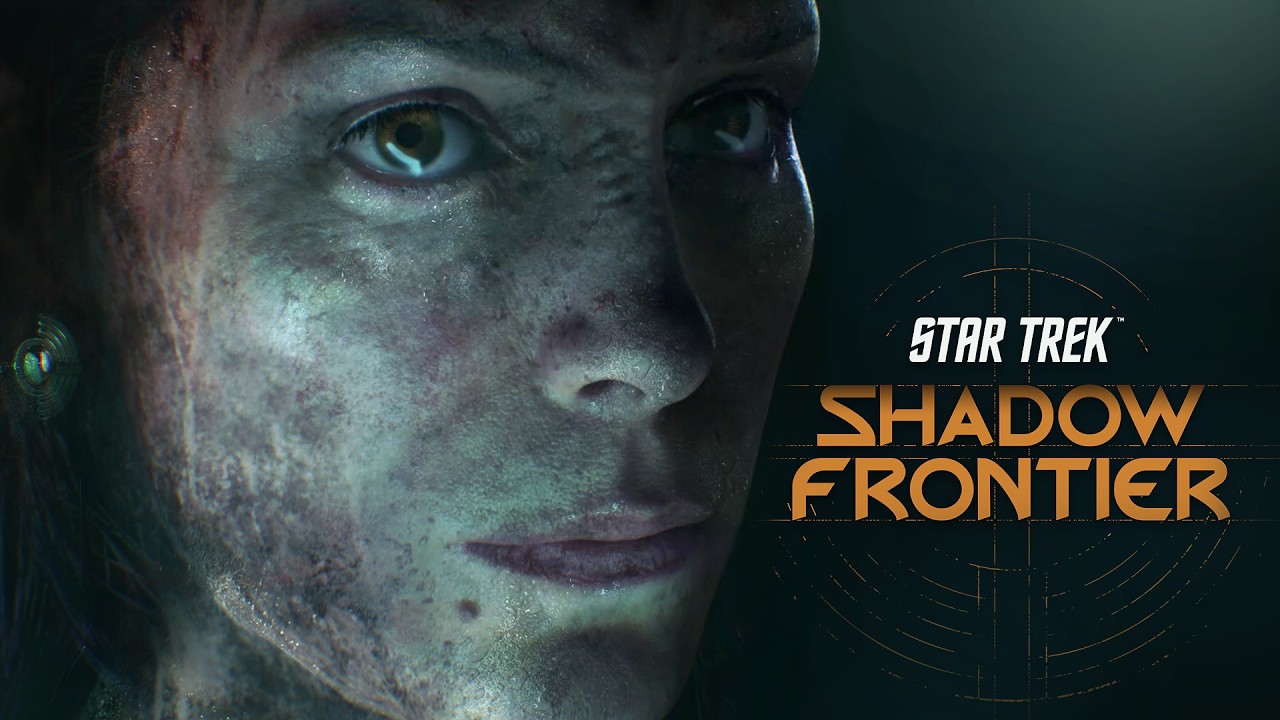
Star Trek: Shadow Frontier lead art showing the main character, Ro Laren.

(Image credit: Bloober Team)

As "Doctor Who" proved when it was off air between 1989 and 2005, a lack of new screen "product" can be good news for other platforms.

In other words, there's little chance of a shortage of new stories across media, old (novelisations and comics) and new (Webtoons, audiobooks and videogames) β€” way too much to list here, in fact.

You can also get stuck into some "Star Trek" Lego, which is a pretty good way to fill that Starfleet-shaped hole.

The 60th anniversary

a logo for Star Trek's 60th anniversary

(Image credit: Paramount)

A media franchise reaching its 60th anniversary is a massive deal, but is Paramount doing enough to celebrate one of its crown jewels becoming a sexagenarian?

The 30th birthday was marked by a couple of special episodes: "Voyager"'s literally titled "Flashback" saw Tuvok remembering his days on the USS Excelsior alongside a certain Captain Sulu, while "Deep Space Nine"'s "Trials and Tribble-ations" spliced Sisko and the gang with footage from Original Series episode "The Trouble with Tribbles".

But now, even though we're seven episodes into a run of "Strange New Worlds", there's no special birthday episode on the cards β€” it's no spoiler to say that this week's tense instalment, "Orders of Magnitude", is not very party-ish at all. It feels like a missed opportunity, seeing as "Doctor Who"'s 50th and 60th anniversary outings β€” most notably 2013's multi-Doctor "The Day of the Doctor" β€” have been memorable in their own right.

Sisko meets Kirk in Star Trek: Deep Space Nine episode 'Trials and Tribble-ations'

(Image credit: Paramount)

"The days of being able to know when your show was going to be on television are maybe behind us," "SNW" co-showrunner Akiva Goldsman lamented to SFX magazine. "God knows nothing would have been more fun than a 'Strange New Worlds' Christmas episode, and yet there'll not be one."

So we'll have to make do with 60th anniversary side events, like the cast of medical drama "The Pitt" performing a live reading of debut "Trek" episode "The Man Trap", birthday screenings, special episodes of game shows "The Price Is Right and "Let's Make a Deal", commemorative coins, and the London Science Museum's attempt to claim the Guinness World Record for the biggest ever simultaneous Vulcan salute.

And if you want to mark the occasion yourself, there are nearly 1,000 episodes of "Star Trek" β€” plus 13 movies β€” to enjoy, most of them on Paramount+. That's one hell of a legacy.

Live long, and prosper!

Watch Star Trek on Paramount+:
Essential (ads): $8.99/mo or $89.99/yr
Premium (no ads): $13.99/mo or $139.99/yr
  •  

'Strange New Worlds'' latest episode is a soap opera spoof, but hasn't 'Star Trek' always been a soap opera in space?

"Strange New Worlds"' fourth season has doubled down on the show's long-established penchant for seeking out new genres beyond "Trek"'s traditional frontiers.

So far the Enterprise has encountered Martians, hangovers and Muppets, and now its latest mission, "Like Chronitons Through the Hourglass", has made a detour into full-on soap opera territory.

Thanks to the meddling of Q junior Trelane (Rhys Darby), the ship's lighting is slightly off, day-to-day operations are punctuated by ad breaks, and the crew has developed a tendency to stare wistfully into the middle distance. Reminders that Starfleet's finest are living out their very own "Days of Our Lives"-style TV show are everywhere, but β€” for all the deliberate overacting and pauses. In. All the. Wrong. Places β€” is it really that different from regular life on a starship? Isn't "Star Trek" essentially a soap opera anyway?

Dictionary definitions of soap operas vary, but the general gist is that they follow the daily lives of a bunch of characters over an extended period of time. They're a broad church β€” the more glamorous US soaps are very different to their gritty, slice-of-life UK counterparts β€” but they're usually characterized by interpersonal dramas and a long-running nature.

So, aside from the fact that episodes of "Star Trek" are bunched into seasons, and there's usually a story of the week, the franchise effectively fits the bill.

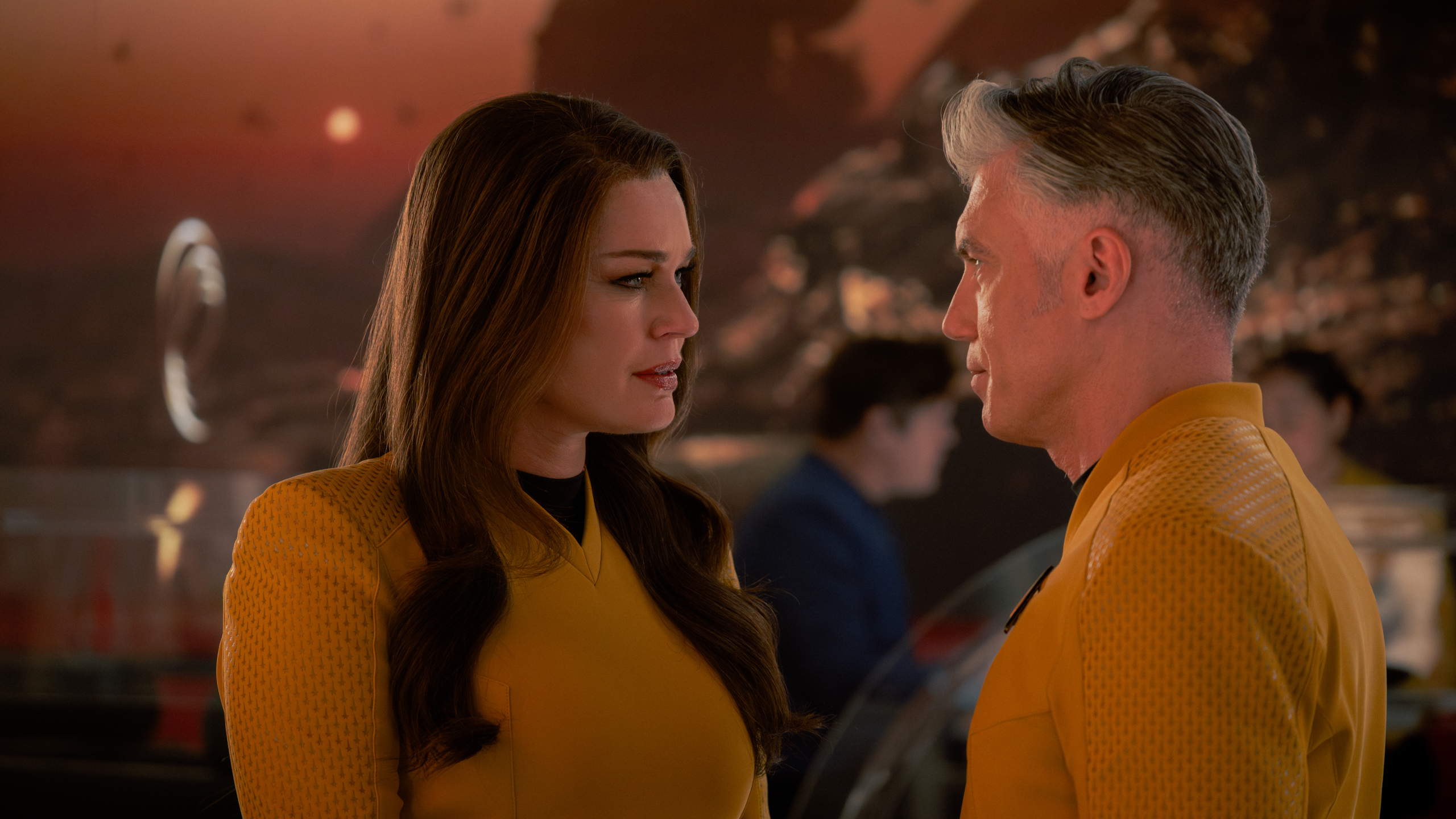
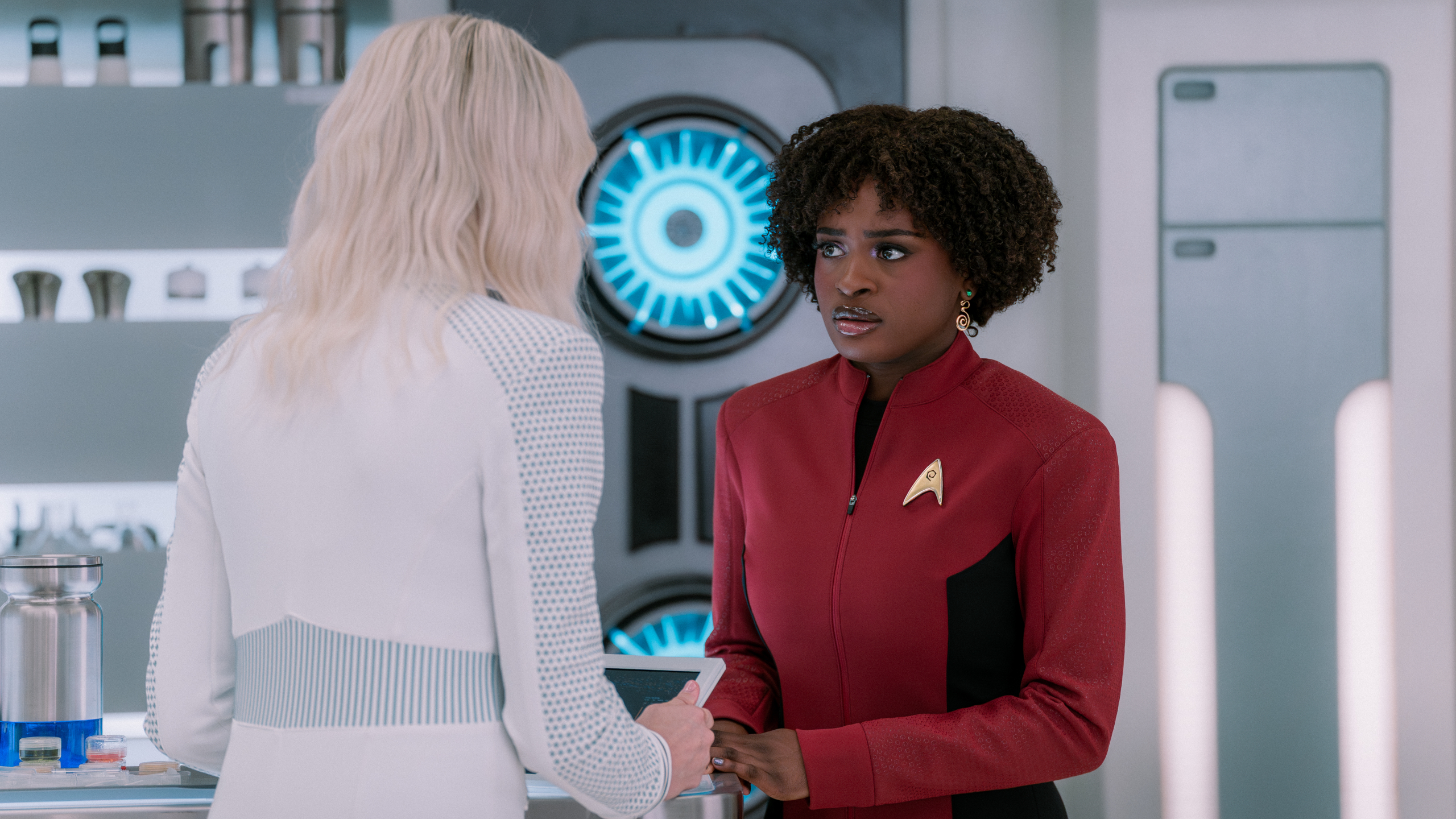
(L-R): Rebecca Romijn as Una and Anson Mount as Captain Pike in Star Trek: Strange New Worlds, episode 7, season 4

(Image credit: Paramount)

That wasn't so much the case in the Original Series days, where episodes were resolutely standalone and most of the regulars on the bridge β€” even Sulu, Uhura and Chekov β€” were given minimal character development. Even Uhura's famous kiss with Captain Kirk was a one-off affair.

But by the time "The Next Generation" left Spacedock, interpersonal relationships were very much on the agenda β€” so much so that the Enterprise-D needed a counselor on the ship's manifest.

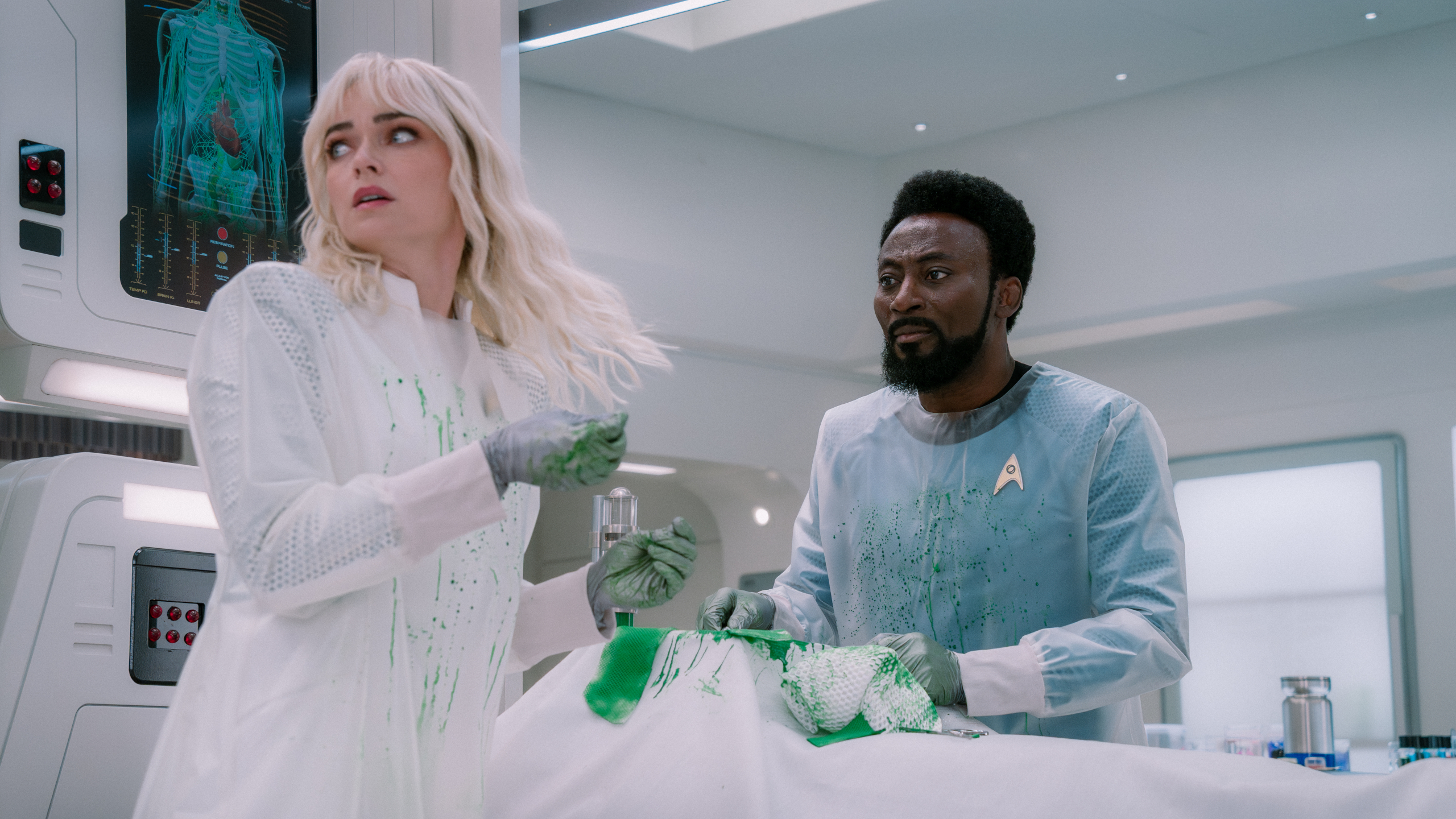
(L-R): Jess Bush as Christine Chapel and Babs Olusanmokun as Dr. M’Benga in Star Trek: Strange New Worlds, episode 7, season 4.

(Image credit: Paramount)

From day one, the show was getting busy establishing the backstories of the characters, with Commander Riker's previous relationship with Counselor Troi a matter of record, and Captain Picard's complicated past with Dr Beverly Crusher (her late husband, Jack, was Jean-Luc's best friend) adding an extra frisson to their working relationship.

Even as the show adhered, more or less, to its adventure-of-the-week format, these will they/won't they romances sizzled in the background (albeit on a very low heat), until belatedly coming to fruition in "Star Trek: Insurrection" and "Star Trek: Picard", respectively. We also met various members of Picard, Troi, and Worf's families, while Troi and Worf found the time for a brief fling β€” much to Riker's annoyance.

The more serialized nature of "Deep Space Nine" was even more suited to space opera-meets-soap opera storytelling. As the Dominion War rumbled on in the background, Worf and Jadzia Dax found love (and later married) against a backdrop of the Bajoran Wormhole, before widower Captain Sisko and new flame Kasidy Yates said "I do" for themselves, and became parents.

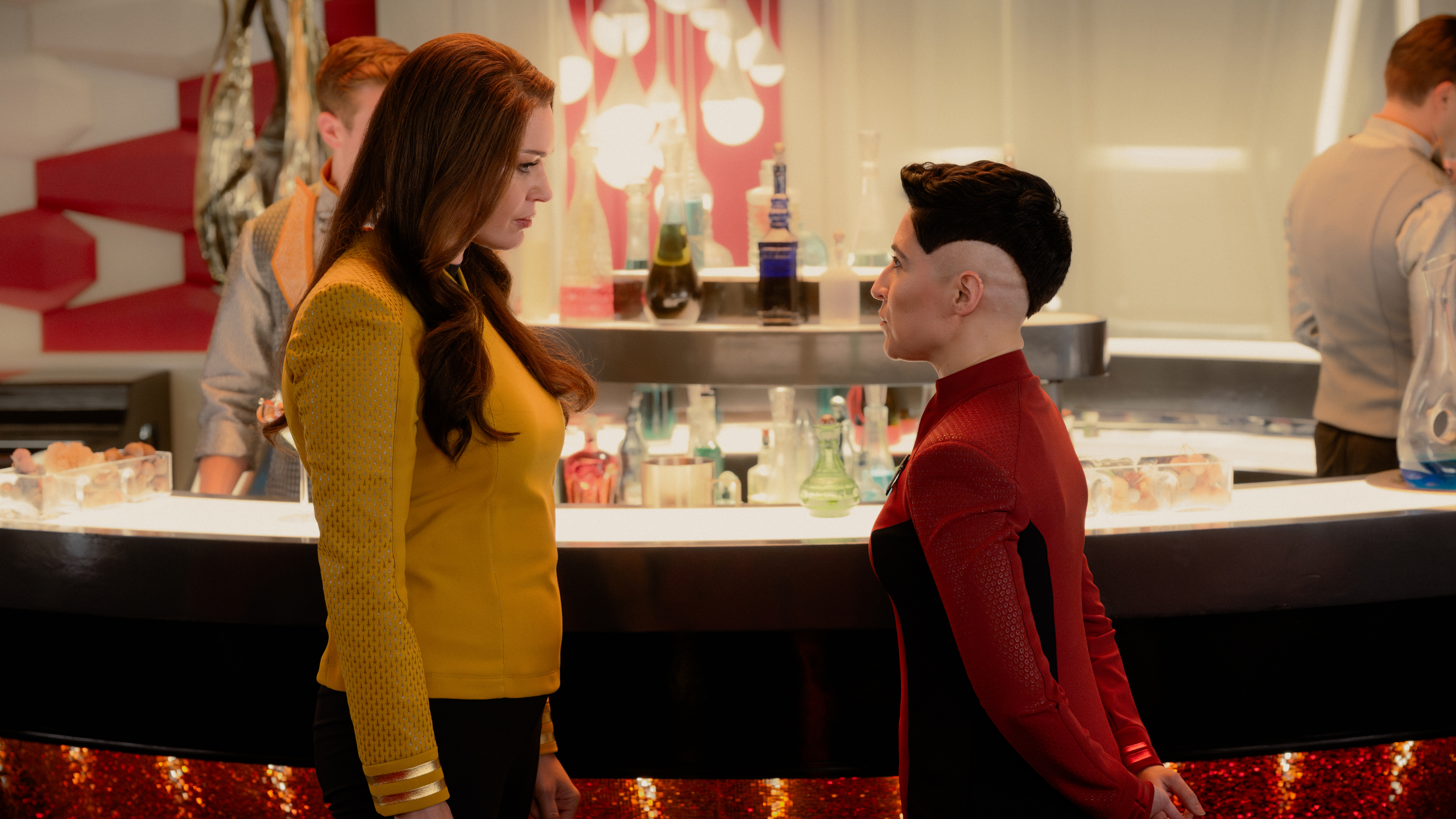
(L-R): Rebecca Romijn as Una and Melissa Navia as Lt. Erica Ortegas in Star Trek: Strange New Worlds, episode 7, season 4.

(Image credit: Paramount)

Romantic sparks also flew between Colonel Kira Nerys and shapeshifting security chief Odo, and Dr Julian Bashir and Ezri Dax. (The latter took on the Dax symbiont after Jadzia Dax's death, a complication that not even the craziest US soaps have dared to explore.) And then there was Chief O'Brien, the first "Trek" regular to juggle his Starfleet duties with a settled home life.

Meanwhile, "Voyager"'s journey through the Delta Quadrant was punctuated by various births, deaths, and marriages, alongside the various unlikely friendships that developed among the marooned crew. On "Enterprise", Trip Tucker managed to find his way past T'Pol's logical exterior to share a romance with the ship's resident Vulcan β€” though only after his captain had experienced some rather awkward feelings towards his First Officer in "A Night in Sickbay".

Crews in more recent "Trek" series have tended to be more in touch with their feelings than their predecessors. "Discovery" may be packed with 31st-century tech so advanced it resembles magic, but the crew hasn't evolved past old-school interpersonal drama (and hugging). And at "Starfleet Academy", dealing with hormones tends to be as important to the curriculum as learning to handle the Borg or Nus Braka.

(L-R): Jess Bush as Christine Chapel and Celia Rose Gooding as Uhura in Star Trek: Strange New Worlds, episode 7, season 4.

(Image credit: Paramount)

The difference with "Like Chronitons Through the Hourglass" is simply that it's more blatant in its references to soap operas, which β€” based on Pike's reaction to Trelane's shipwide experiment β€” are apparently still a thing in the 23rd century. Which raises the awkward question of why no one on the Enterprise has noticed that ship's counselor, Dr Chivers, looks a lot like Marlena Evans from "Days of Our Lives"? Both characters are played by actor Deidre Hall.

Overblown medical conditions like "cosmic amnesia" and "space madness" β€” or Pike learning he's Uhura's long-lost father β€” intentionally push the episode into the realms of ridiculousness.

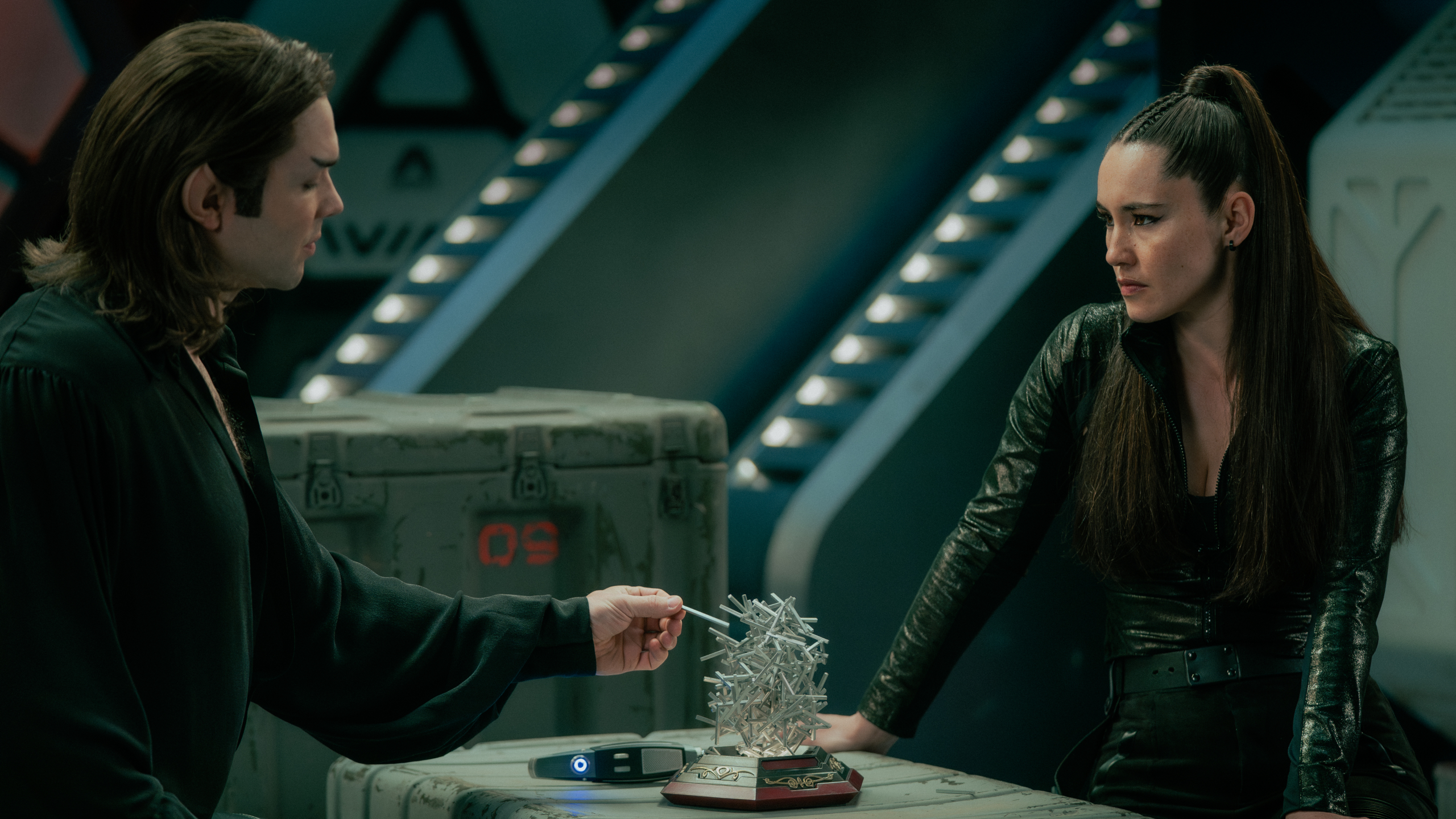
Tone down the silliness, however, and these twists wouldn't look out of place as "Trek" B-plots. Indeed, while La'an's meeting with Spock's "evil twin" Sybok is right out of the American soap opera handbook β€” remember Hans Ramoray, Dr Drake Ramoray's morally dubious sibling in the "Friends" version of "Days of Our Lives"? β€” a similar storyline has also played out in "Star Trek", courtesy of Data and his dodgy big brother Lore.

L-R): Ethan Peck as Spock and Christina Chong as La’an Noonien-Singh in Star Trek: Strange New Worlds, episode 7, season 4

(Image credit: Paramount)

Ultimately, this episode exists as an excuse for Pike to confront long-buried feelings about the loss of partner Marie Batel, and Juliet, the daughter he had in an imaginary existence.

That the captain can actually hear the episode's incidental music is kinda weird (that stuff's supposed to be non-diegetic), but "Like Chronitons through the Hourglass"'s soap opera stylings should otherwise be all in a day's work for the captain of the Enterprise.

New episodes of "Star Trek: Strange New Worlds" debut on Paramount+ on Thursdays.

Watch Star Trek Strange New Worlds on Paramount+:
Essential (ads): $8.99/mo or $89.99/yr
Premium (no ads): $13.99/mo or $139.99/yr
  •  
❌