With Alaska’s fat bears done packing on their winter weight and spooky season in full swing, it’s time to turn our collective animal-loving attention to a smaller mammal—bats. The Bureau of Land Management’s (BOEM) annual Bat Beauty Contest returns on October 24 and promises “plenty of batty puns.”
Beginning Saturday, October 24, BOEM will post photos of the competitors to their Facebook and Instagram accounts and ask you to vote for the best-looking one. All of the competing bats are part of wild populations that live on land managed by the public agency and are photographed by wildlife technicians. The winner will be announced (appropriately) on Saturday, October 31.
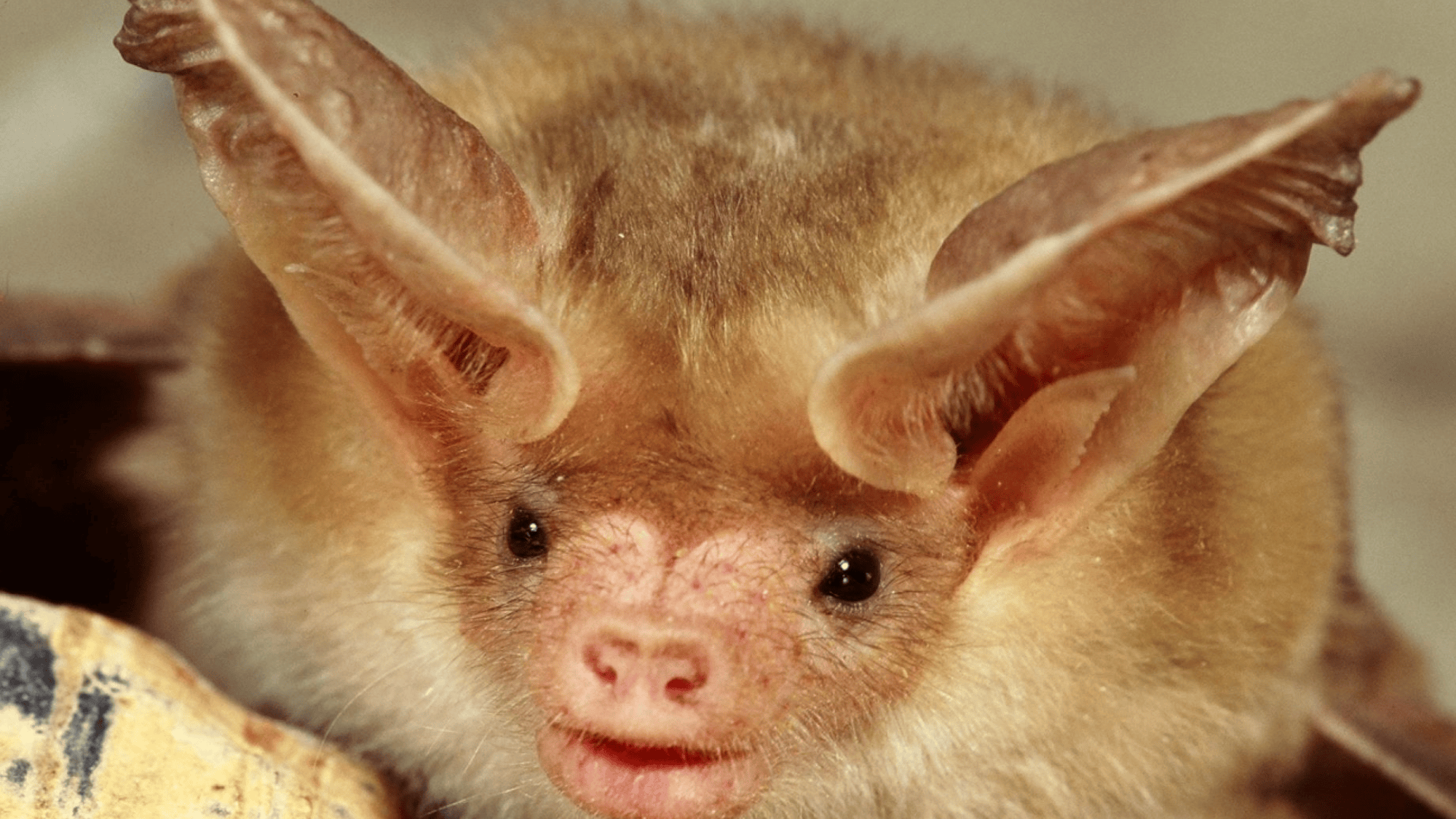
The bats in this competition are known for their squishy faces and clever names. In 2024, a hoary bat (Lasiurus cinereus) from Oregon named Hoary Potter took the crown. Other contestants included a long-eared myotis (Myotis evotis) named Honey Bunches of MyOtis, a myotis bat (Myotis myotis) named Robert Battinson, and western small-footed bats (Myotis ciliolabrum) named Batt Damon and Batlor Swift. The contest was not held in 2025 due to the 43-day-long federal government shutdown.
A hoary bat at Isle Royale National Park in Michigan. Image: NPS Photo/Bat Conservation International.
The contest is not all bat puns and a way to keep the spirit of Fat Bear Week alive. It falls during Bat Week (October 24-31). Bat Week raises awareness about the Earth’s only flying mammal. More than just a Halloween symbol, bats play a critical ecological role as plant pollinators and through eating insects that can threaten crops and forests around the world. According to Bat Week, one bat can eat up to its body weight in insects every night. Only three species of bats eat animal blood, with two specializing in bird blood. Female lesser long-nosed bats even make tequila possible. Every spring, they migrate from south-central Mexico up to the southwestern United States, following “nectar corridors” of columnar cacti and agave plants. They pollinate agave plants, which are then used to make tequila and mezcal. When they feed on cactus fruits and nectar, they may also help disperse cacti seeds. Other bats eat pollen, nectar, or fruit.
Bats are increasingly threatened due to habitat loss, light pollution, and diseases like white-nose syndrome. This fungal disease infects the skin of the muzzle, ears, and wings of hibernating bats. In about 20 years, it has killed millions of bats across North America and affects about half of the species on the continent. Bats also are often misunderstood as carriers of diseases such as rabies.
The planet is home to over 1,400 species of bats, and they make up almost 20 percent of all mammal species. Bats also can be found almost everywhere on Earth, even in desert and polar regions. To look up which bat species live near you, you can use Bat Week’s state bat database.
As companies create more applications using AI, corporate officers say demand is rising for a new type of software that stress-tests those apps, simulating how they handle network problems and other disasters that humans may not think to test for—including cyberattacks by rogue AIs.
Luis Chávez, CTO of coding assistant provider Replit, says his company uses an AI-assisted software known as a deterministic simulator, a kind of flight simulator for software. The deterministic part refers to how the simulator lets companies run the same disaster test again and again so they can try out different fixes for bugs that crop up during network failures or hacking attempts.
Traditional stress-testing methods rely on developers guessing every potential problem that may arise. Merely using today’s AI models to evaluate code often produces false alarms or fake warnings, corporate executives say.
Despite the name, the universe’s white dwarfs can glow in a wide range of colors—even green. For the first time, astronomers have spotted a star that appears green to the human eye, and the reddest ever recorded. These outlier stars help explain how certain white dwarf stars would shine in green, pink, cyan, yellow, and purple if we actually saw them up close in space. These colorful findings are described in a study recently published in the journal RAS Techniques and Instruments.
Looking for the ‘perfect radiator’
White dwarf stars are the dense remnants left behind after stars like our sun reach the end of their lifespan. For most stars, their color gives a hint to their temperature. Cooler stars appear orange, warm stars like our sun look white. The hottest glow pale blue, similar to how a blacksmith’s iron will go from red to orange to white hot. Astronomers believed that white dwarfs followed this same rule. They even earned their name after the earliest examples were surprisingly hot and glowed in a white/pale blue.
“Most stars, including most white dwarfs, behave like ‘perfect radiators,’ so their colour is set almost entirely by temperature. But nobody had really looked into what else might be possible for white dwarfs,” Mark Hollands, a study co-author and astronomer at the University of Warwick in England, said in a statement. “It turns out these incredibly dense stars can produce colours nobody expected, and some of them genuinely surprised me.”
According to the team, the key to these colors is density. The atmospheres surrounding the coolest white dwarfs can reach about the same density as water (roughly 1 gram per cubic centimeter). They are also millions of times denser than the sun’s photosphere, the lowest layer of its atmosphere. Under these higher density conditions, any trace elements present (carbon, calcium, sodium, etc.) interact with the surrounding dense helium plasma. As they interact with the plasma, they can absorb light across a wider spectrum of colors than they would at lower densities. This then shifts the star’s color away from the more typical orange, white, and blue.
Unfortunately, no white dwarf sky is close enough for its color to be seen directly. Instead, the team calculated their color from data astronomers routinely collect—a star’s spectrum. The spectrum is a “fingerprint” that’s produced when starlight splits apart by wavelength, similar to how a prism splits sunlight into a rainbow. Astronomers ran these spectra through a computer model of what colors human vision can see to check what color a star’s light would appear to our eyes.
Color-accurate simulated images of white dwarfs. Top Left panels: Sirius B is the nearest white dwarf to the Solar System, with a hot hydrogen atmosphere, resulting in a pale blue colour. WDJ1147-7449 is instead among the coolest nearby white dwarfs, giving it a featureless spectrum and an orange appearance. Top Right panels: Convective envelopes in these cool white dwarfs have dredged up carbon from their cores into their dense helium-dominated atmospheres, forming diatomic carbon molecules that lead to various pink hues. Bottom panels: Accretion of rocky debris from the white dwarf planetary systems enriches their cool helium atmospheres with elements such as calcium, magnesium, and sodium. The varying amounts/compositions of accreted material and white dwarf temperatures allow for a diverse array of colours, including green. In reality all stars would be many millions of times brighter than what can be shown on-screen. Image: Mark Hollands/University of Warwick
The first green and the reddest red
The team applied this method to several white dwarfs across the cosmos. They found that their colors fall into distinct groups linked to what makes up a star’s atmosphere. Carbon-rich white dwarfs generally appear pink or purple. Stars enriched with debris from busted asteroids and comets, the remains of old planetary systems, tend to be more yellow. Cooler white dwarfs with atmospheres of mixed hydrogen and helium show a more cyan or pale blue tinge. This cyan-pale blue is caused by hydrogen molecules colliding with helium atoms inside their ultra-dense atmospheres.
The most striking example is WD J1330+6435. This star is about 7,232 degrees Fahrenheit (4,000 degrees Celsius) and around 284 light-years away from Earth. Over time, it has gathered rocky material from its planetary system. All of this extra material enriched its atmosphere with calcium, lithium, and sodium. The result—a chartreuse green appearance in the team’s models. As far as the researchers are aware, no other star (living or dead) has ever been credibly reported as green.
Enriched from above: The cool white dwarf WDJ1330+6435 has accreted sodium-rich rocky material from its planetary system into its atmosphere. The immense atmospheric density causes the sodium to absorb light over broad range of yellow, orange, and red wavelengths, giving the WDJ1330+6435 a ghostly green appearance. Image: Mark A Garlick/University of Warwick.
“The traces of sodium in the atmosphere of this white dwarf absorb the orange part of the spectrum, leaving behind a ghostly green glow,” added Hollands. “Imagine standing on a planet and looking up at a green star. It feels like something out of science fiction.”
On the opposite end of the spectrum, the team identified what could be the reddest star ever recorded—WD J1011+2845. This white dwarf is only 48 light-years away from Earth, and has a deep convection zone. This zone is full of carbon that’s been lifted up from the star’s core to its surface. The carbon molecules then distort the star’s light so much that almost all of it is squeezed into wavelengths beyond 600 nanometres. This wavelength produces an unusual deep salmon-pink glow.
Enriched from below: The cool white dwarf WDJ0902+2010 has a deep convection zone within its helium dominated outer envelope. The convection zone has reached the white dwarf core, lifting interior carbon to the surface, and forming carbon molecules. These C2 molecules strongly absorb light across the optical range, including blue, green, and yellow wavelengths, resulting in WDJ0902+2010 appearing pink to the human eye. Image: Mark A. Garlick/University of Warwick.
What are the odds?
The team also studied 151 white dwarfs located within about 65 light-years (20 parsecs) from Earth. Only five of these showed unusual colors, two yellow and three pink. This suggests that about 1 in 30 of the universe’s white dwarfs shine with an unusually colored light.
The team then measured the color temperature of the remaining 146 white dwarfs. Color temperature is commonly used to describe light bulbs using degrees Kelvin—warm white at 3,000K, cool white at 6,000 K, etc. The median color temperature of the sample was approximately 6,800K, which our eyes perceive as white. This measurement corrects a common misconception that white dwarfs are typically blue. The hotter and bluer white dwarfs are mostly brighter, so they can be seen from further away and are over-represented in surveys that only look at a star’s brightness.
“One in thirty might not sound like a huge fraction, but across the entire population of white dwarfs in the Universe, that is still a lot of oddly coloured stars out there,” added study co-author and University of Warwick astronomer Boris Gänsicke. “Yet if we take the median across a representative population of white dwarfs, we found that the average white dwarf really is white.”
The Ojai Raptor Center released the final necropsy results for Jackie, an internet-famous bald eagle mother who was in their care this summer. Jackie was brought into the bird rehabilitation center weak and dehydrated following an altercation with another eagle in July.
Officially designated as Patient 26-519, Jackie’s necropsy revealed a “complex and unusual disease process involving severe, chronic inflammation and ulceration of the stomach, persistent internal bleeding, anemia and secondary bacterial sepsis.” She was also diagnosed with Highly Pathogenic Avian Influenza (HPAI) commonly called bird flu, which was behind severe stomach ulceration. Raptors (eagles, hawks, falcons, owls, etc.) are highly susceptible to the virus
All of these medical complications developed over time and ultimately contributed to her death on August 10.
“These findings have helped connect many of the pieces we were seeing throughout her hospitalization and provided a better understanding of the challenges she faced,” the Ojai Raptor Center wrote. “We are grateful to the many veterinary specialists, laboratories, wildlife agencies and partner organizations who worked alongside our team to understand her illness and provide her with the best possible care. Caring for her was an extraordinary privilege for our entire team.”
The full report can be read in Jackie’s veterinary medical journal. The necropsy was preformed by veterinary pathologists at the San Diego Zoo Wildlife Alliance.
Friends of Big Bear Valley (FOBBV), the non-profit organization that runs the live cameras where viewers from all over the world watched Jackie and her partner Shadow, said that they will follow up with their thoughts once their team has had time to process the report.
“The story of the Big Bear bald eagle reflects the powerful connection people feel to these iconic birds,” California Department of Fish and Wildlife Director Meghan Hertel added. “We’re grateful to everyone who cared for her and worked to support her well-being. Understanding the results of these tests is an important part of learning from this case and can help inform the care and treatment of other eagles and wildlife in the future.”
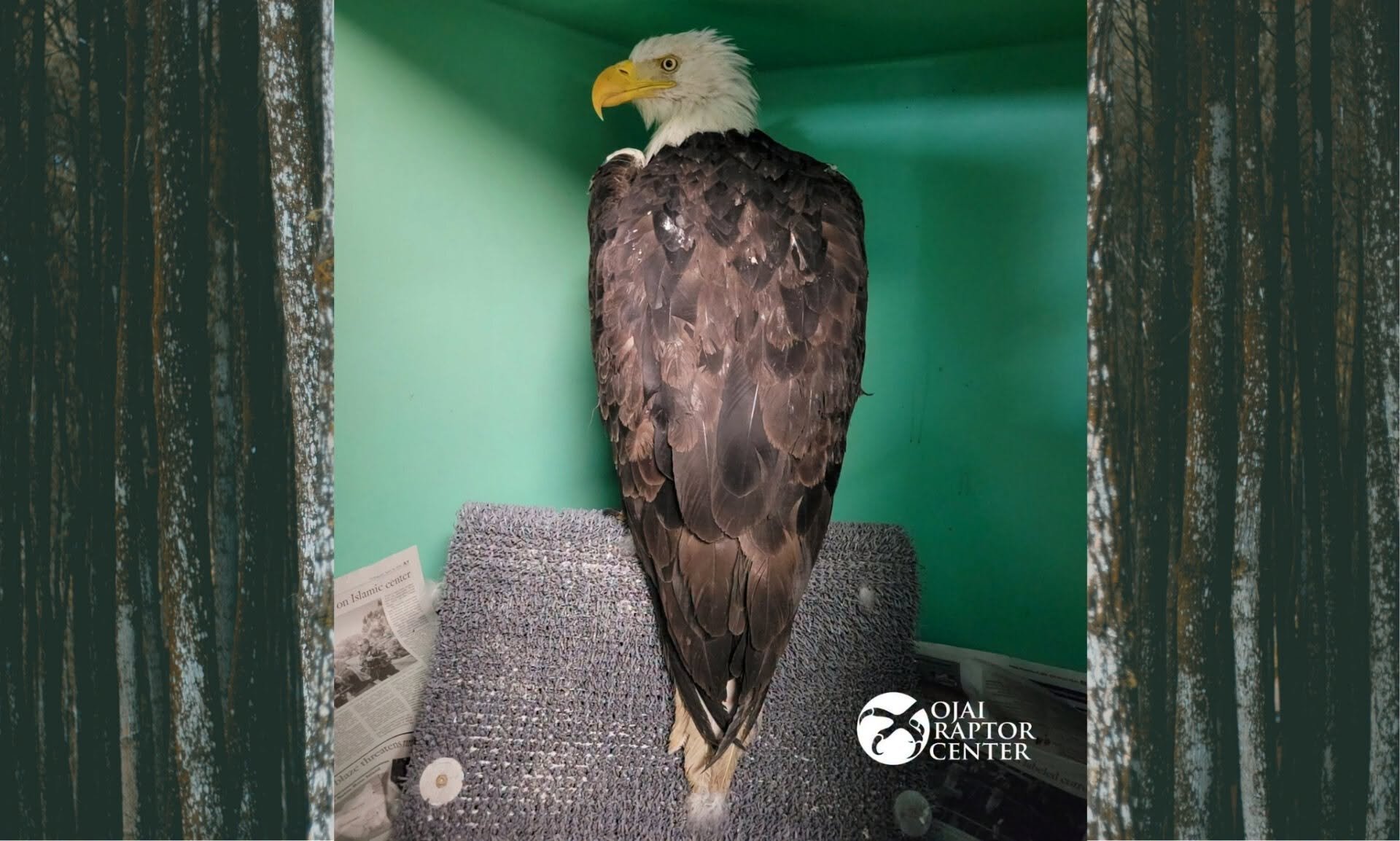
Jackie on a perch at the Ojai Raptor Center in July. Image: Ojai Raptor Center.
Jackie’s story
Jackie was born, raised, and lived in Big Bear Valley in Southern California. Prior to the 2011-2012 nesting season, no bald eagle chicks were known to have ever hatched in Big Bear Valley. Then came Jackie, named after a forest ranger and born to parents Ricky and Lucy in 2012.
During the 2016-2017 nesting season, Jackie took over a nest where Friends of Big Bear Valley (FOBBV) had a camera stationed. In 2018, she had two chicks named Stormy and Big Bear Baby (or BBB) with her first mate, Mr. B.
Her long-time partner Shadow entered the picture in summer 2018. He showed up at the nest and would not leave. FOBBV called the new male Shadow because he appeared so determined to stay in the nest, and the team initially believed he was one of Jackie’s siblings, also named Shadow. The eagle’s plumage indicated he was one year older than the other Shadow and not Jackie’s sibling, but the name stuck.
Shadow continued to hold his ground and Mr. B gave up and eventually left. Jackie then accepted Shadow as her new mate.
Wildlife cameras documented Jackie and Shadow’s life together, offering viewers a direct look into the brutality and beauty of nature. The pair successfully raised chicks in 2019 (Cookie and Simba) and 2022 (Spirit). The pair’s eggs failed to hatch in 2023 and 2024. In 2025, Jackie laid three eggs that all hatched in early March. However, a strong snowstorm dumped up to two feet of snow and battered the nest with strong wind and only two of the chicks (Sunny and Gizmo) survived.
In January, Jackie laid two eggs in the nest, but ravens destroyed them. She later laid two more eggs that hatched in April and named Luna and Sandy. The name Sandy is in honor of FOBBV’s former executive director Sandy Steers who died from cancer in February.
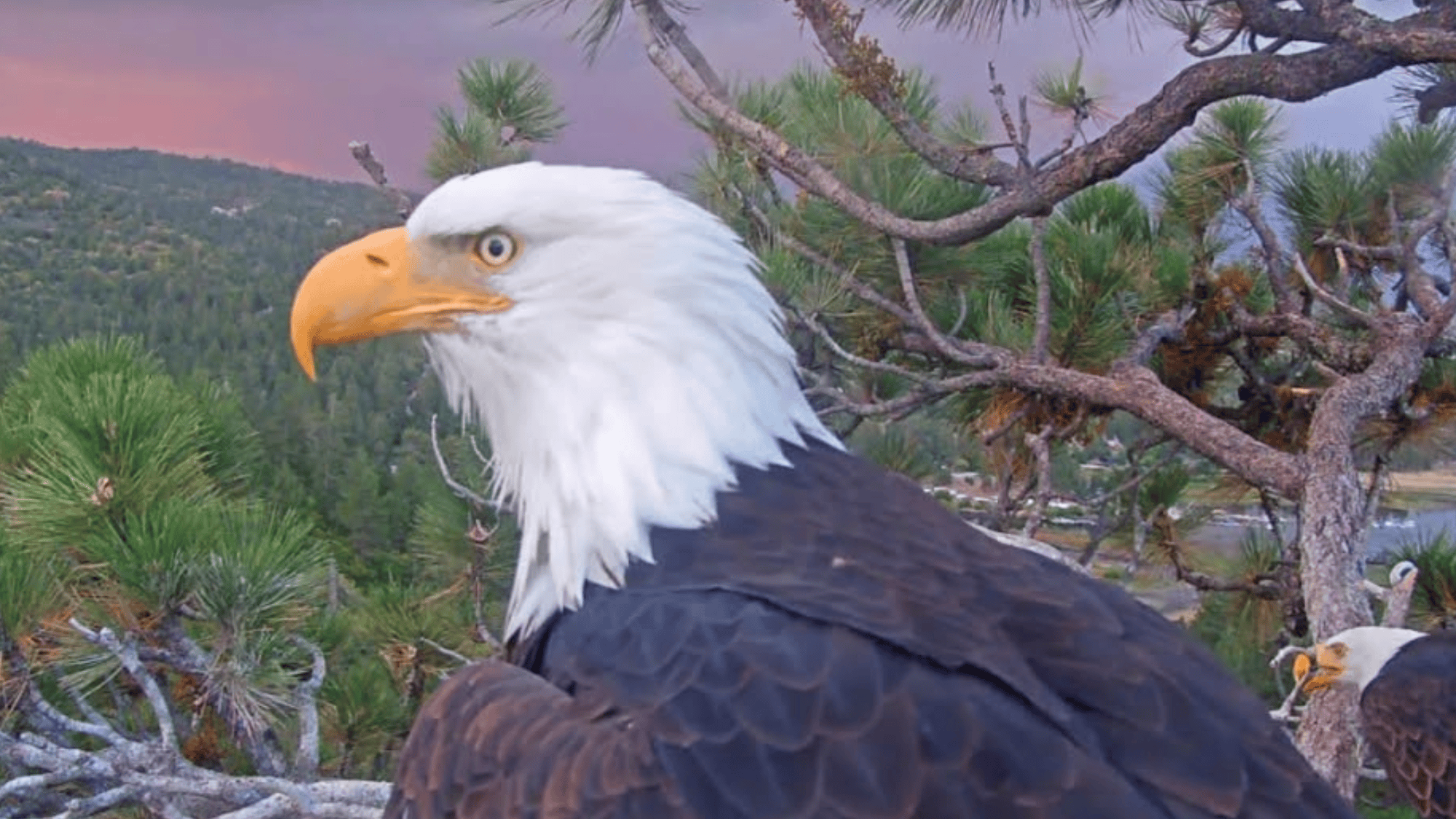
Jackie, Luna, and Sandy on their nest in May 2026. Image: Friends of Big Bear Valley.
Jackie’s injury and death
On July 17, Jackie was found injured on the ground near Dana Point Park, California. Cell phone video from a witness confirmed that she had an altercation with two other subadult eagles. She successfully fended off the other eagles by turning over and using her talons, but could not fly far away.
She was transferred to the Ojai Raptor Center, where she was diagnosed with severe anemia. Her anemia worsened during the first week of August, the Ojai Raptor Center said that she was in unstable condition on August 9. Her packed cell volume (PCV) fell below percent, before rising to nine percent.
On July 17, Jackie was found injured on the ground near Dana Point Park, California. Cell phone video from a witness confirmed that she had an altercation with two other subadult eagles. She successfully fended off the other eagles by turning over and using her talons, but could not fly far away.
She was transferred to the Ojai Raptor Center for care, where she was diagnosed with severe anemia. Her anemia worsened during the first week of August, the Ojai Raptor Center said that she was in unstable condition on August 9. Her packed cell volume (PCV) fell below percent, before rising to nine percent.
Jackie died early in the morning on August 10. The necropsy did not reveal a single cause of death, and instead pointed to several factors including severe anemia, blood clots in her wing and one kidney, and liver and lung abnormalities.
It’s a fungi-filled world and we are just living in it. There are roughly 150,000 to 157,000 known species of fungi, and now there is a new giant species to add to that tally.
A team of scientists exploring the forests of Yunnan in southern China discovered the new fungus, which shows just how large these organisms can grow. The new species Dianjunus rex grows vertical fruiting bodies (the top part of the fungi that we usually see as a mushroom) that can grow as high as a foot (50 centimeters) and weigh close to five pounds (2.2 kilograms).
This new fungus is the largest known species within the phylum Ascomycota, the largest known phylum of fungi with over 64,000 known species. The new fungus is described in a study recently published in the journal Frontiers in Fungal Biology.
“This remarkable species represents a new fungal family, Dianjunaceae, and provides a rare window into the evolution of extreme fungal body forms,” Indunil C. Senanayake, a study co-author and mycologist at the Germplasm Bank of Wild Species of the Kunming Institute of Botany in China, said in a statement. “The discovery illustrates how much fungus biodiversity remains to be discovered in East Asian forests.”
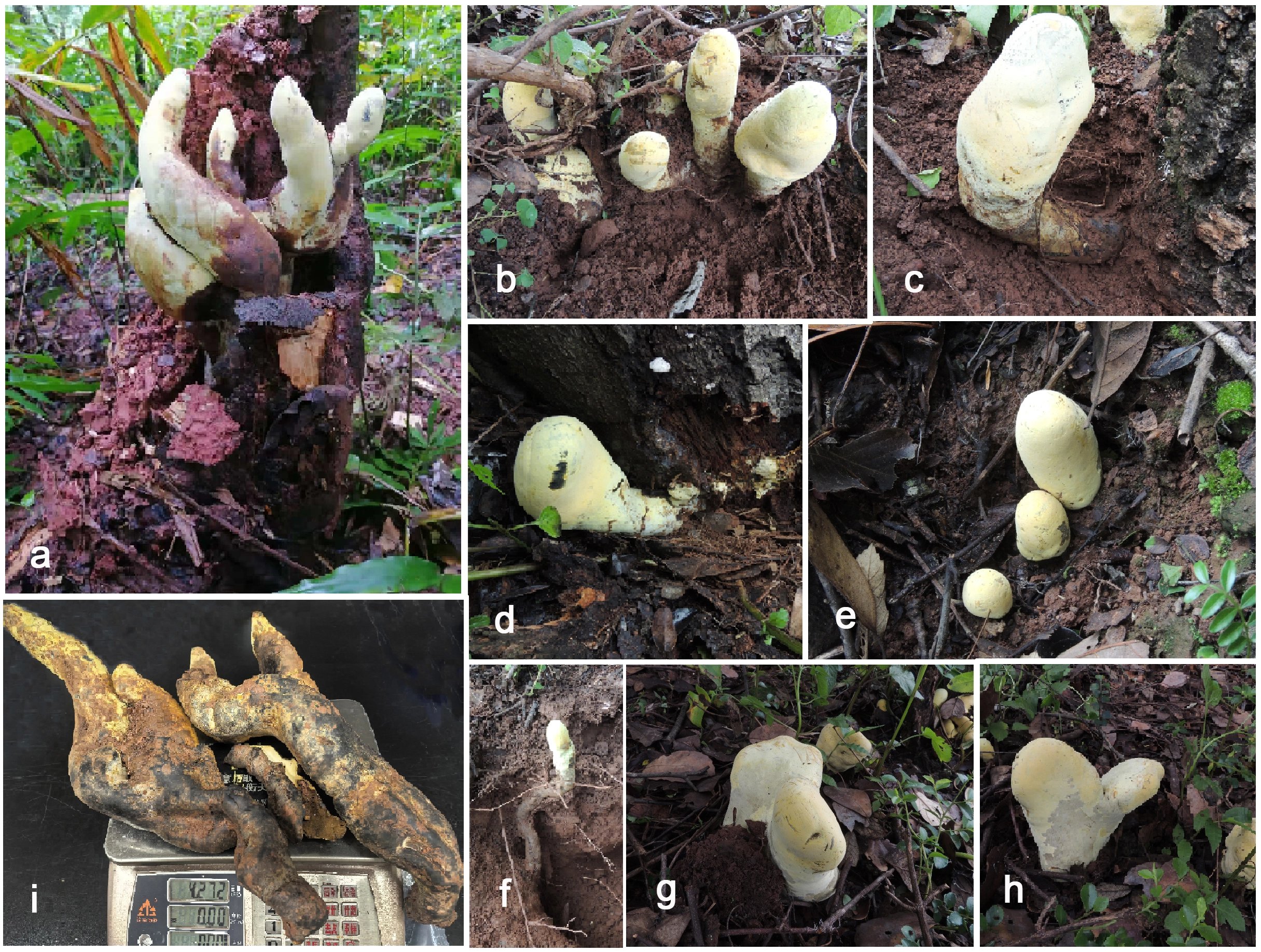
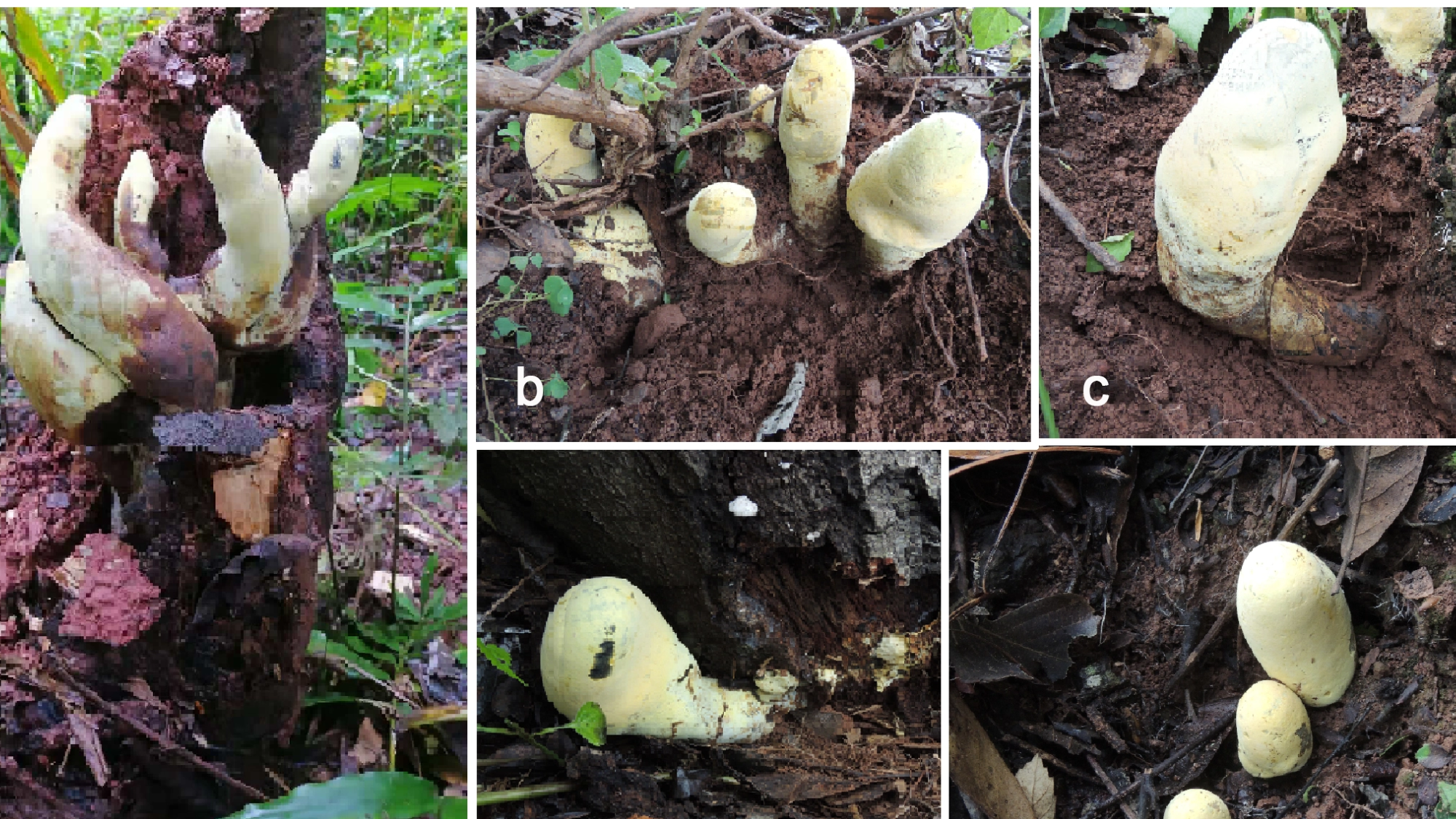
The scientists spotted the fungus during fieldwork in the temperate coniferous forests near Damaidi and Yipinglang and in a tropical rainforest near Nanbang in southern China. They noticed large whitish fruiting bodies (called stromata) coming out of some fallen wood that belonged to an unknown species of Ascomycete fungus.
Stromata of Dianjunus rex in the field. (a, c, d, f) Stromata attached to host roots. (b, e, g, h) Stromata around host plant. (a) Collectors. (i) Total weight of largest bilobedstromata. Image: Song, Yan, Pérez-Moreno, Zhang, Yang, Xie, Su, Liu, Wang, Liu, Yang, Yang, Liu, Shi, Wan, Cheewangkoon, Dai, Senanayake and Yu
Ascomycetes don’t always sprout traditional mushrooms, but release their spores from tiny, sac-like structures inside or on the surface of such fruiting bodies instead. They typically grow on woody roots of Chinese cork oak trees.
The team collected the curious fruiting bodies, and grew spores back in the lab to study the fungus’ morphology and its genome. The genetic tests and a detailed study of its morphology revealed that the fungus is a new species, a new genus, and even a new family.
They named it Dianjunus rex (which the team calls D-rex for short), for its regal size and the ancient Dian kingdom. This ancient civilization in Yunnan reached its height during the second and first centuries BCE.
The team also found a connection to dinosaurs beyond its nickname which sounds like T. rex. It appears that this fungi family arose around 65 million years ago, or only one million years after the Cretaceous-Paleogene mass extinction event. This most famous of Earth’s mass extinctions wiped out the dinosaurs and countless other animals and plants.
“This timing raises an intriguing possibility. After the mass extinction, forests experienced dramatic changes, including the sudden availability of large amounts of dead plant material,” added Senanayake.
For fungi, this kind of environmental disruption may have created new ecological opportunities for it to fill.
As for its size, D-rex’ fruiting bodies grow about 20 to 30 centimeters taller than other Ascomycetes. The team thinks this size might help the wind disperse their spores better in dense forests. However, a large fruiting body like D-rex requires a lot of energy, so the strategy may have evolved if the ecological benefits outweighed the energy costs.
The team also believes that there are more fungi waiting to be discovered in subtropical China—we just need to keep looking.
They’re some of Earth’s most powerful athletes, traversing thousands of miles of rough terrain in sub-zero temperatures, through blinding snow, and biting winds. Sled dogs have been helping humans travel across the planet’s coldest regions for centuries, hauling supplies, people, and equipment across the snow and ice. In the process, this important role that goes above and beyond simply being “man’s best friend” could have a visible impact on their evolution.
Sled dogs may have evolved shorter legs to help them pull loads more efficiently. Currently working sled dogs and those that lived about 2,000 years ago have six percent shorter leg bones than similar species, according to a study published today in the journal iScience. These findings could help biologists trace the origins of sled dogs and understand more about how dog-powered transportation spread over the past 9,000 years.
“Sled dogs have played an indispensable role in communities in the Arctic,” Mitya Kletzerman, a study co-author and an archeologist at the University of Haifa in Israel, said in a statement. “Without dogs, people couldn’t move as efficiently to hunt, relocate as conditions changed, or travel between communities to exchange knowledge and share new ideas. Understanding how the practice evolved could give us new insights into how people adapted to life in the Arctic.”
As of now, our earliest archeological evidence associated with dog sledding comes from 9,000-year-old sled parts and dog remains uncovered in 2017 on Zhokhov Island (present-day Russia). Sledding equipment like this is rarely found in the archaeological record, so it has remained difficult to pinpoint when and where the practice first emerged or spread.
Earlier studies have shown that work associated with humans can leave traces in an animal’s skeleton. Reindeer used for racing, carrying loads, and pulling have limb bone differences compared to those that do not pull. Kletzerman and her team were curious if sled dogs have also developed particular skeletal traits that have helped them adapt to all of the physical demands of pulling a sled.
In the study, the team developed a biomechanical model to help them understand how a dog’s body handles the work of pulling a sled. The model showed that one effective way to pull a sled loaded with material is for a dog to lower its center of gravity. This increases the canine’s ability to generate pulling force.
“When people or animals pull a load, it tends to tip them backward. A lower or more forward position of the center of mass counteracts this effect, allowing greater pulling force,” Kletzerman explained.
They then tested whether modern sled dogs have skeletal proportions that can lower their center of mass. They analyzed bones in 60 different modern canids, including sled dogs, wolves, spitzes, and mongrels. They then compared the lengths of five leg bones. Three in the forelegs (the humerus, radius, and ulna) and two in the hind legs (femur and tibia).
After accounting for overall skeletal size, they found that sled dogs have relatively shorter radius, ulna, and tibia bones than their non-sled pulling counterparts. These bones measured about six percent shorter on average.
“It’s unclear how this trait developed, but selective pressure may have preserved it, because it gave sled dogs an advantage over other dogs,” Kletzerman said.
To see if this characteristic already existed in ancient dogs, the team analyzed 82 ancient dog bones and three skeletons. The three skeletons were from ritually buried dogs uncovered from three archaeological sites associated with ancestral Inuit populations in present-day Chukotka, Russia, and date to 2,000 to 500 years ago.
Nearly 89 percent of the bones were consistent with the modern sled-dog pattern of shorter leg bones, as were all three ritually buried dogs. According to the team, this suggests that the skeletal pattern may be an effective way to identify that canine remains belonged to a sled dog, even when archaeological remains are incomplete or do not have any direct evidence of sled equipment.
“Dogs have been working alongside humans for thousands of years, but we’re only beginning to understand how that partnership shaped them,” Kletzerman concluded.
DFT investigations combined with spectroscopic and catalytic studies of disrupted subnanometric Rh2O3 clusters show that Rh+ centres in a zeolite-based catalyst are blocked with N-containing molecules, whereas Rh3+ sites are stabilized, allowing hydroformylation reactions with enhanced regioselectivity and efficiency.
Long-term live imaging of adult mouse ear skin reveals sex-specific differences in the clonal dynamics of epidermal stem cells and transit-amplifying cells during homeostasis.
A randomized controlled trial involving a health-education intervention in rural villages in Honduras shows that the intervention changed social network connections, including not only health-related connections but also friendships and financial ties.
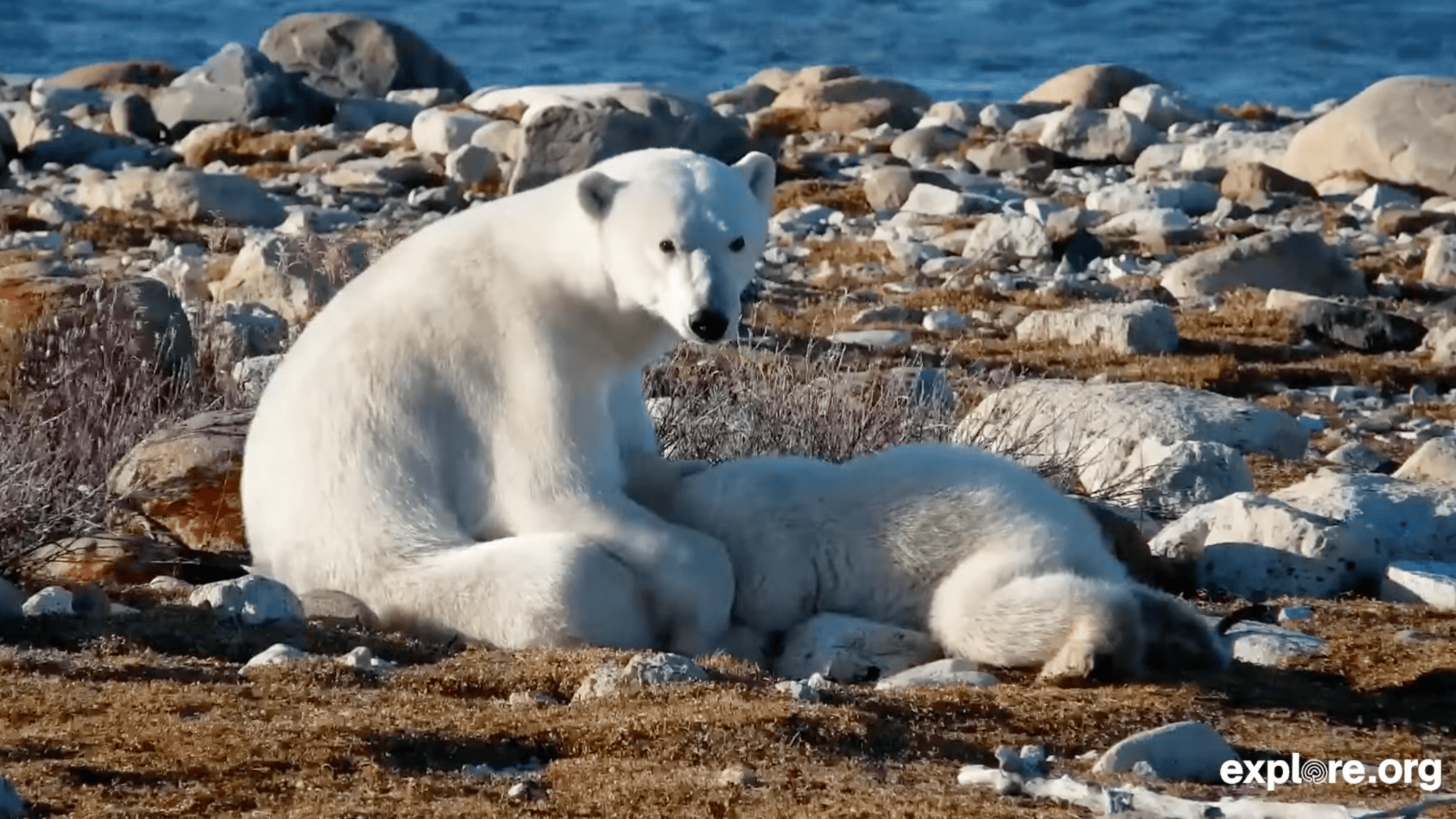
Explore.org and Polar Bears International run eight different livestreams from Churchill, Manitoba, Canada. Known as the polar bear capital of the world, Churchill’s Wapusk National Park is home to one of the world’s largest concentrations of polar bear (Ursus maritimus) maternity dens. During October and November, viewers can watch bear families wait for sea ice to form.
Twenty populations of polar bears live in the Arctic. The population living along the Western Hudson Bay is one of the most comprehensively studied and best known. It is part of Canada’s “Seasonal Ice Ecoregion.” In this area of the Arctic, the sea ice completely melts in the summer, typically in July. While the bears may remain sporadically active on land, in the summer, they generally create day beds or curl up in the bush to rest. The pregnant females will often settle in or near their dens for several months to rest where it is cooler and with less mosquitoes. Many of these dens were first excavated by bears generations ago.
In the fall, all of the bears except the pregnant female will increase their activity and move closer to the coast. Here, the bears will hunt for seals once the bay freezes over again. From early October onward, they will gather on the tundra along the shores of Hudson Bay, waiting for ice to form. As soon as the first coastal ice is thick enough to support their weight, they will head out to find seals. They may continue to trek back and forth between ice and land at first, but they primarily head out onto the bay until it begins to thin and they ashore again in the summer.
These cameras are one way for scientists and the public to aid in real scientific research. In December 2025, scientists here confirmed that a wild female polar bear adopted a cub that was not her own. This rare behavior was captured on cameras during the polar bear’s annual migration along Western Hudson Bay.
The mother bear (designated as bear X33991) was first spotted in spring 2025, when she came out of her maternity den with one tagged cub. When scientists saw her again in the fall, she had two cubs. One cub had a tag and one did not, indicating that the untagged cub was not hers. The survival rate for a polar bear cub into adulthood is about 50 percent, so only time will tell how this blended family will do.
Viewers can also take a virtual ride on the Tundra Buggy Lodge from two different angles. The lodge is made of tundra buggies that are linked together like a train. This moving hotel includes staff quarters, a dining area, a supply cart, and two carts for guests.
By night, viewers can also take in another of the north’s natural wonders with the aurora borealis cam. The northern lights livecam is on top of the Churchill Northern Studies Center and located directly underneath the aurora oval. This spot is considered one of the best places to watch the aurora dance across the night sky. The aurora season is only just beginning, with late winter and early spring being the best times to tune into this camera.
And if birds are more your thing, a raven cam is streaming from Cape Churchill Wapusk National Park. The resident ravens selected the topside of a radar reflector attached to the Cape Churchill observation tower for their nest. This “cabin in the sky” has also been home to numerous biologists researching the local wildlife since the 1970s. This camera will be switched off at night to preserve power.
The organizations also provide highlight reels to help viewers catch up on what to watch for this winter. Happy polar bear season!
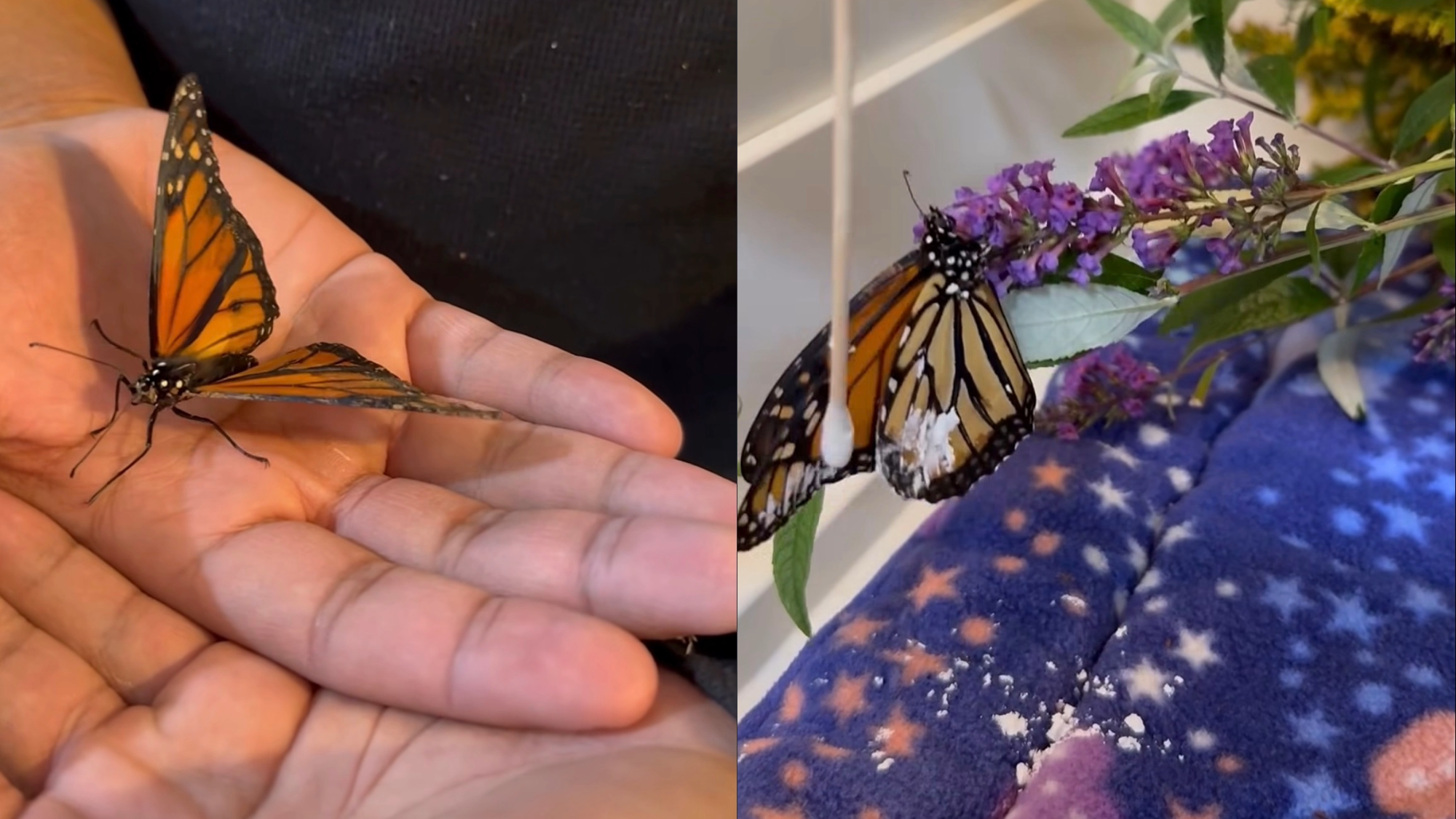
A migrating monarch butterfly (Danaus plexippus) recently brought into Sweetbriar Nature Center in Smithtown on New York’s Long Island came with a unique backstory. The male butterfly flew into a nearby house and landed on a pot of refried beans. The man living there took the butterfly out of the pan, but by morning the butterfly still could not fly. There was only one thing left to do for the injured insect—bring him to the professionals.
“Butterflies are incredibly delicate, and even handling them can cause additional damage or leave them unable to fly,” Janine Bendicksen, Sweetbriar Nature Center’s Director of Wildlife Rehabilitation, tells Popular Science. “That makes butterfly rehabilitation especially challenging—we have to be extremely careful with every step.”
The team got to work on fixing this unusual patient. They started by checking the butterfly for a parasite called OE (Ophryocystis elektroscirrha) that can live on monarchs. If the insect is parasite-free, the team can then assess the injuries and determine whether rehabilitation is possible. Butterflies are very delicate, and just handling them can cause additional damage.
“In cases where a monarch has lost part of a wing, we may be able to transplant a portion of a donor wing,” says Bendicksen. “When the circumstances are right, we can carefully attach the donor wing to the injured butterfly.”
The team gently sprayed the butterfly’s wings with water several times to remove the bean residue that prevented him from flying. Then, a challenge arose. How do you remove the greasy residue from such delicate wings? The solution came from a common powdery substance found in kitchen pantries—cornstarch.
“We use starch regularly in wildlife rehabilitation to help dry out materials, and we had also previously used starch when replacing a wing on another monarch,” Bendicksen explains. “Because we already knew it was safe and effective in that context, we felt it was a good option for this particular situation. We were looking for something that would help remove the remaining moisture and residue without causing additional damage to the delicate wings.”
The cornstarch trick worked. The monarch was able to fly again. The team gently transported him outside and he took to the skies. Monarchs are currently on their way to the overwintering grounds in the forested mountains of Central Mexico. Their migrations are multigenerational, with roughly four generations of monarch butterflies emerging throughout the year. This butterfly may have been in the third generation (lays eggs in the north, but does not migrate) of the fourth generation that treks south.
“It’s not often that we are called upon to rehabilitate a butterfly,” Bendicksen says. “Most butterflies have relatively short lifespans, but when we receive a monarch in the fall—especially one that will travel thousands of miles on its migration to Mexico—we do everything we can to give it the best possible chance.”
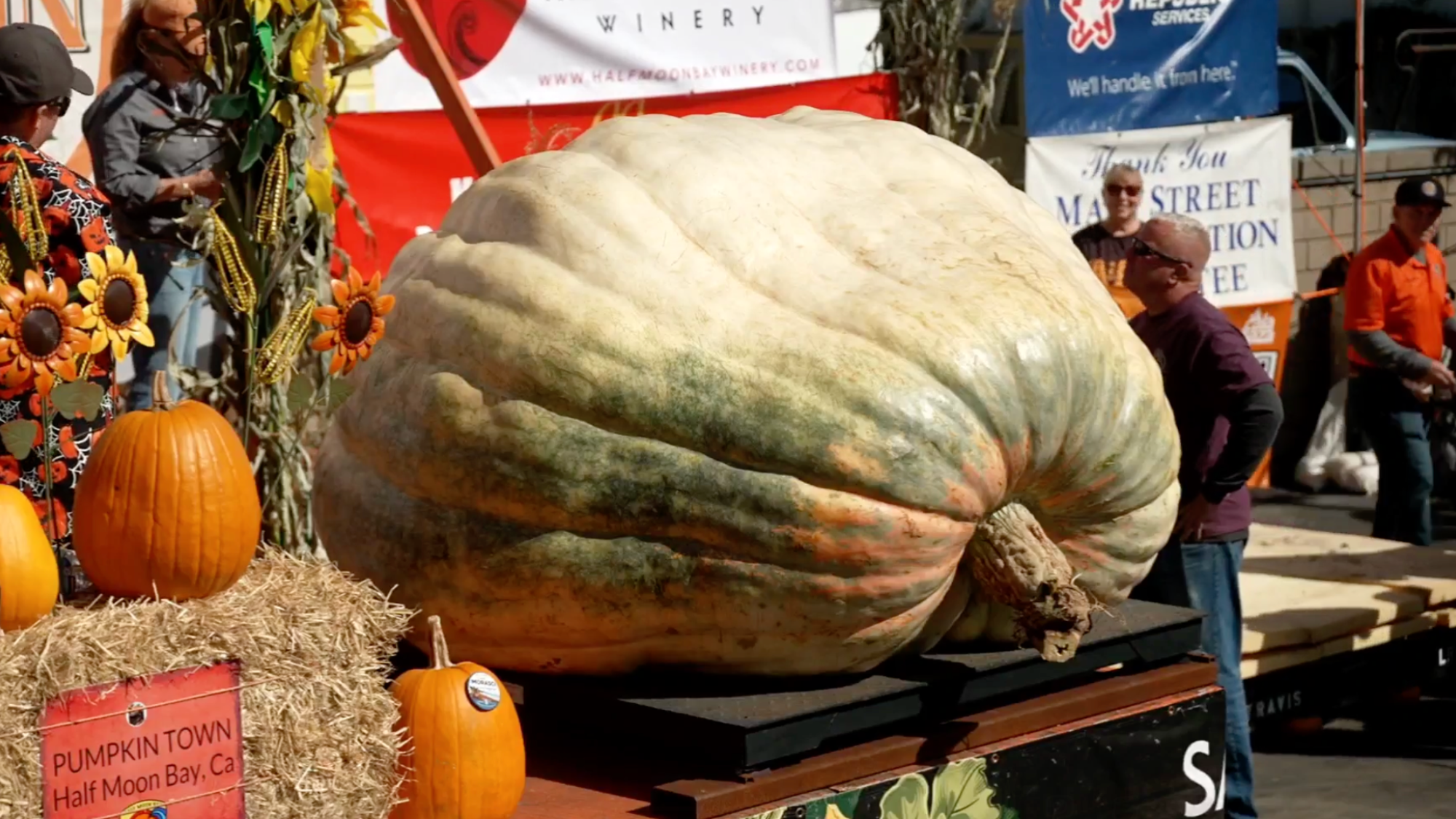
For the fifth time, pumpkin legend Travis Gienger won the Safeway World Championship Pumpkin Weigh Off today in Half Moon Bay, California. The gigantic gourd named Rocky weighed 2,389 pounds. It could be baked into approximately 1,194 pumpkin pies, and weighs about the same as an American bison (Bison bison) or a 2015 Chevy Spark.
The biggest gourd from this event tipped the scales 2,749 pounds and was grown by Gienger in 2023. On October 10, a new world record was set at the Southern New England Giant Pumpkin Growers Weigh-Off. Ron Wallace of Greene, Rhode Island’s pumpkin weighed 3,156 pounds, beating the previous record-holder by about 300 pounds.
As champion, Geigner will earn $9 per pound in prize money, so $21,900 total. He also will receive a Pumpkin King Champion Ring, the Mel Mello Sr. Grand Champion Growers Jacket, and other honors.
The 53rd annual event also featured a special appearance and carving by legendary pumpkin carver and farmer Mike Valladao. Affectionately called the “Picasso of Pumpkin Carvers,” the gourd artist commemorated his 40 years at the Half Moon Bay Art & Pumpkin Festival.
The pumpkin that Mike Vallado carved during the festivities. Image: Safeway World Championship Pumpkin Weigh Offvia Facebook.
The event began in 1974 as a friendly challenge between Half Moon Bay, California, and Circleville, Ohio, to see who could grow the biggest pumpkin. Half Moon Bay won that first showdown with a pumpkin weighing only 132 pounds. Today’s mega gourds can weigh more than 20 times as much. The event has also become an annual pilgrimage for the pumpkin growers who spend months nurturing their enormous Atlantic giants (Cucurbita maxima). These jumbo gourds sometimes gain dozens of pounds in a single day during peak growing season (August through September).
The event is an officially sanctioned Great Pumpkin Commonwealth competition, with weighing and inspection officiated by the GPC and San Mateo County Department of Agriculture Office of Weights and Measures.
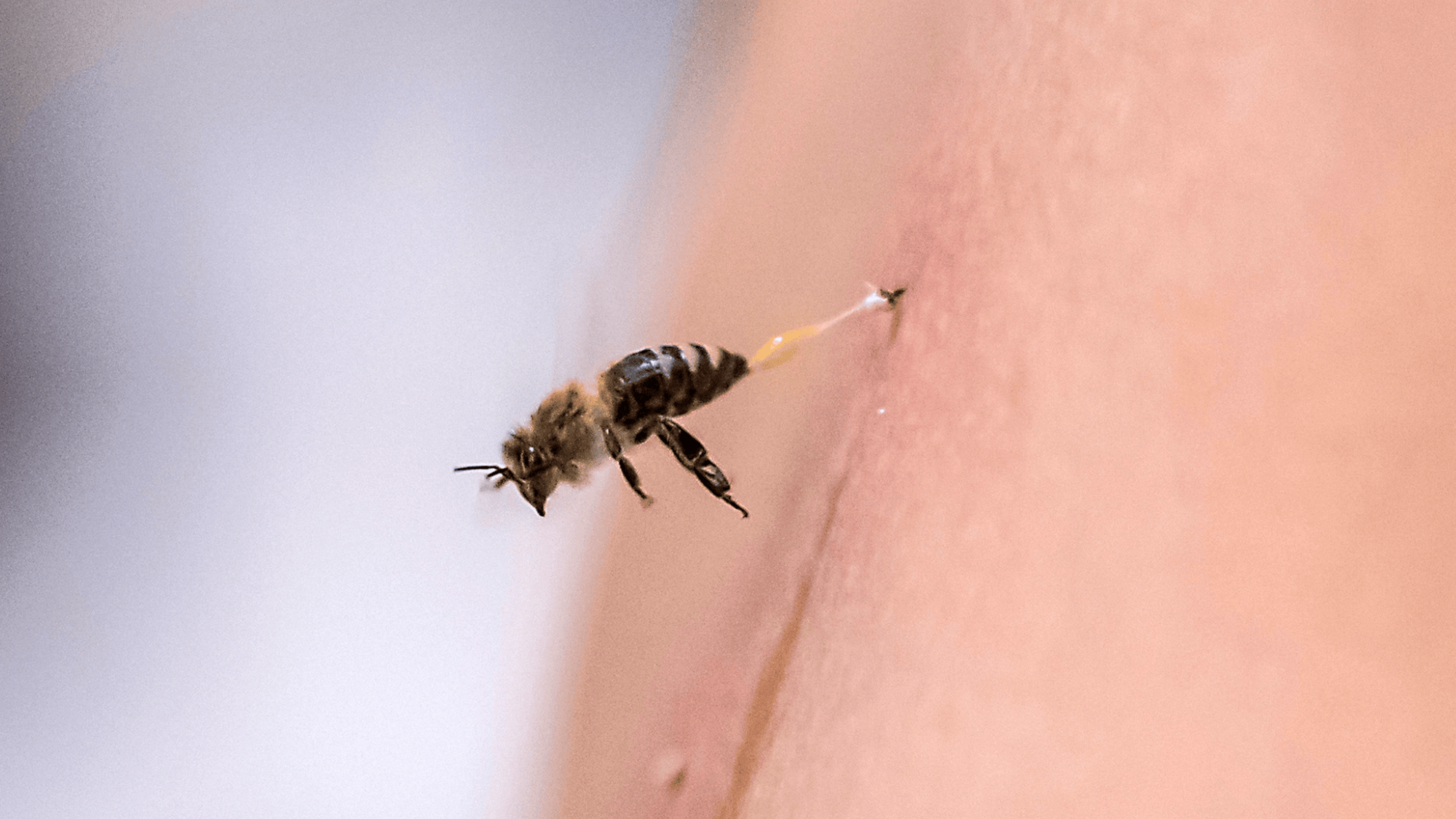
It’s one of nature’s seemingly magical tricks. A honey bee (Apis mellifera) stings a victim, and the stinger will still pump venom into a wound even after it has fully detached from the bee’s body. Thanks to some high-speed video, we may finally know the secrets behind this sting.
A team in Australia found that the tiny 2 millimeter (or only 0.08 inch) stinger of a honey bee works like a double-piston micro-pump. It pumps in two different directions and can deliver a continuous flow of venom. The findings are described in a study published today in the journal PNAS.
“We’ve known since as early as 1910 that the venom sac of a honey bee stinger empties into a chamber with little pumping elements called valves, but until now we didn’t know exactly how they work,” Fiorella Ramirez-Esquivel, a study co-author and entomologist at Macquarie University, said in a statement. “If you’ve ever been stung by a bee, you’ll know it’s a very painful process, but now we’ve been able to identify all the working parts packed into the tiny stinger.”
In bees, autotomy is when a worker bee thrusts its stinger into a target and then leaves the stinger behind. The stinger then continues to penetrate into the target tissue and inject venom all on its own.
To better understand how autotomy works, the team from Macquarie and the University of New South Wales had bees sting a clear gel that mimics human skin, while taking high-speed video. They saw that the tiny stinger itself contains several different components including one venom sac and a pumping chamber, muscles, and nerves. The stinger also has two sharp, pointed lancets. These lancets slide backwards and forwards on a system of rails (called the olistheter), similar to a reciprocating saw. These saw-like lancets are what pushes the stinger deeper into the skin and also pumps the venom.
Each of the two long lancets has a valve attached to it that sits inside of the pumping chamber. The team found that these valves change shape to form a seal during the downstroke. They then collapse during the upstroke, creating pressure for pumping while minimizing backflow when refilling.
“Finally, and perhaps most dramatically, as the valves meet in the middle of the stroke, they change shape again to push past each other,” said Ramirez-Esquivel. “This is a remarkable strategy to pump fluid since maintaining a seal is vital to effectively transmit pressure. The unique geometry of the valves is the key; they act as collapsible pistons and—by pumping in opposite directions—they’re able to deliver a continuous flow of venom.”
The team continued to explore the mechanics and flow of the stinger with microCT scans. They then used these scans to 3D print a small robot of the bulb chamber and lancets. The tiny bee-bot confirmed these key features of the pumping cycle.
“The double piston design adds complexity but it’s the key to the stinger being able to deliver venom continuously in a compact, autonomous unit,” said Dr Ramirez-Esquivel.
Understanding this mechanism could inspire designs for new micropumps to deliver medicine to human patients in a less invasive way.
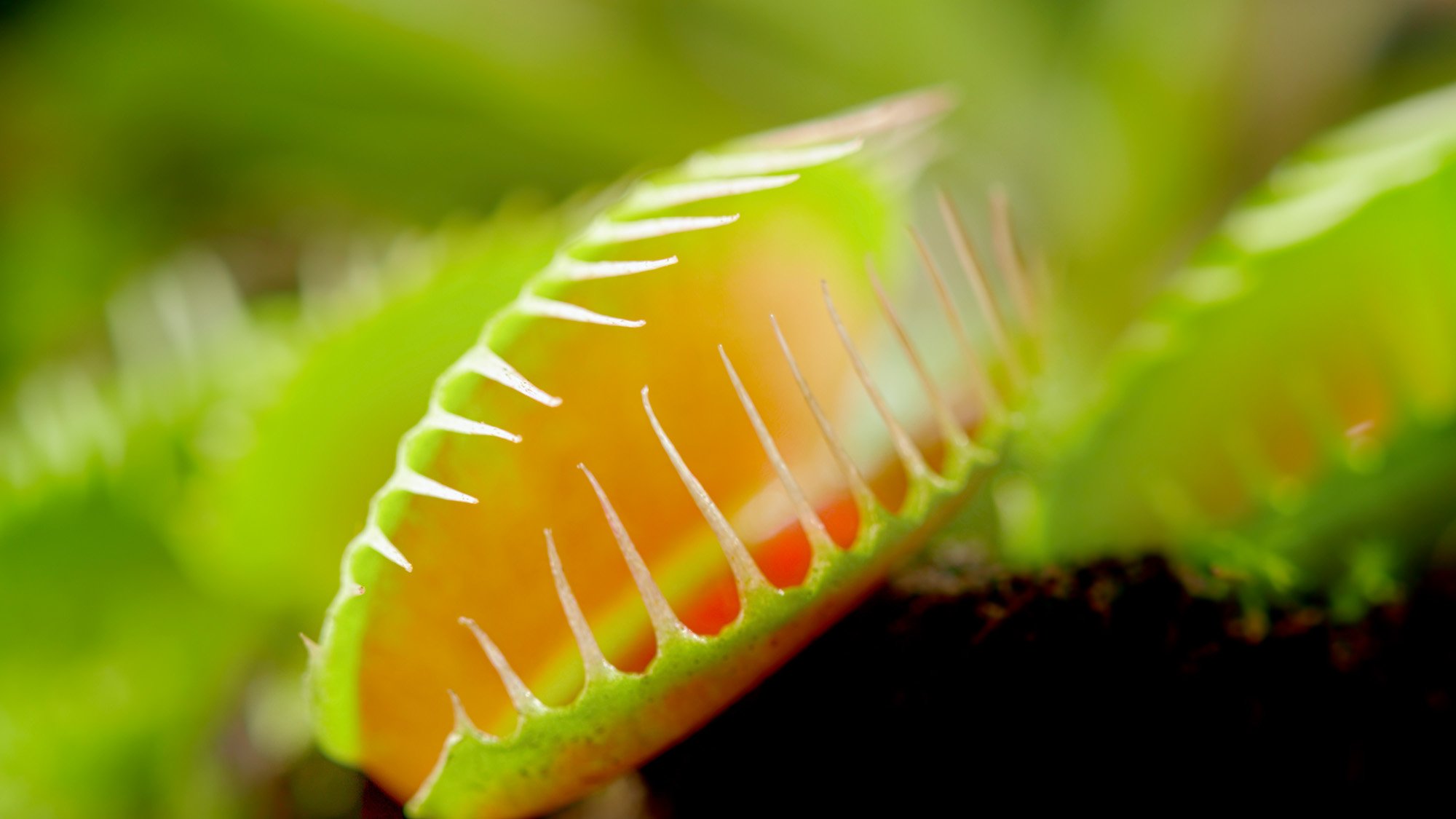
Anyone who’s seen the 1986 musical comedy, Little Shop of Horrors, is familiar with Audrey II. Audrey II looks like a towering, blood-eating Venus flytrap plant, even mimicking the jaw-like, snapping pod of real carnivorous plants. But while Venus flytraps consume insects, Audrey II feeds on humans.
On the other hand, plants that trap and digest bugs and, on occasion, small rodents are not only real, but actually quite diverse. Popular Science turned to Coogan to find out why some plants are carnivorous, while others simply soak up their necessary nutrients straight from the soil. We also asked Coogan to dig into all the details behind what makes these plants deadly, at least to birds and other small animals.
What are carnivorous plants?
Carnivorous plants are predatory flowering plants that attract, catch, and absorb animals for their nutrients. They’re both autotrophs, which are organisms that make their own food using light or chemical energy, and heterotrophs. This means that they also have to eat animal prey to survive.
“Carnivorous plants photosynthesize,” says Coogan. “They can use the sun to convert carbon dioxide and water into sugar,” he says, for substance. “They’re just getting some extra minerals or nutrients from the bugs or the organisms that they eat.”
In the 1986 film Little Shop of Horrors, a giant Venus flytrap-like plant proves deadly. Video: Little Shop of Horrors 4K | Seymour’s TV Interview Goes Horribly Wrong, Warner Bros. Entertainment
Meat-eating plants exist on every continent save Antarctica, and grow in sun-filled places with extremely poor, acidic, and nutrient-free soil. For instance, the bogs, swamps, and marshes of North Carolina and Florida, with their unique combination of sunlight and wetlands, allow these uniquely adapted flora to thrive. This includes Venus flytraps, which are native only to the U.S. Carolinas, and Tracy’s sundew, with its long, thread-like leaves that grow in spirals. It’s often seen blooming alongsidecarnivorous pitcher plants in the Florida Panhandle.
“Carnivory is primarily an adaptation for plants to get nutrients in low nutrient environments,” says Coogan. Carnivorous plants feed on insects to obtain the nitrogen, phosphorus, and other organic nutrients they need to survive, but are unable to absorb from the soil.
This isn’t to say that all plants that grow within poor-soil wetlands are carnivores. Take wiregrass, which is quite prominent in the southeast. “It has really heavy root systems,” says Coogan, which have formed a symbiotic or long-term relationship with mycorrhizal fungi. These fungi attach to the wiregrass roots and help them form nutrients from the region’s poor, sandy soils.
“There’s only a certain number of niches to be filled in an ecosystem, so some plants went one way,” meaning they became carnivores, “and then some plants went the other way.”
How did carnivorous plants evolve?
There are an estimated 800 to 860 species of carnivorous plants worldwide, with new species constantly being discovered. In fact, in the more than 140 million years that flowering plants have been around, carnivory has evolved independently at least a dozen times.
Carnivory is not inherited from a single meat-eating plant ancestor. Instead, carnivorous plants’ highly adapted leaf structures, which include sticky traps, snap traps, and pitfall traps for catching insects, have evolved and diversified more recently, largely between eight and 72 million years ago.
Carnivorous plants are a classic example of convergent evolution. This means that unrelated lineages have all developed similar traits separate from one another to adapt to their sunny, waterlogged, and nutrient-poor environments.
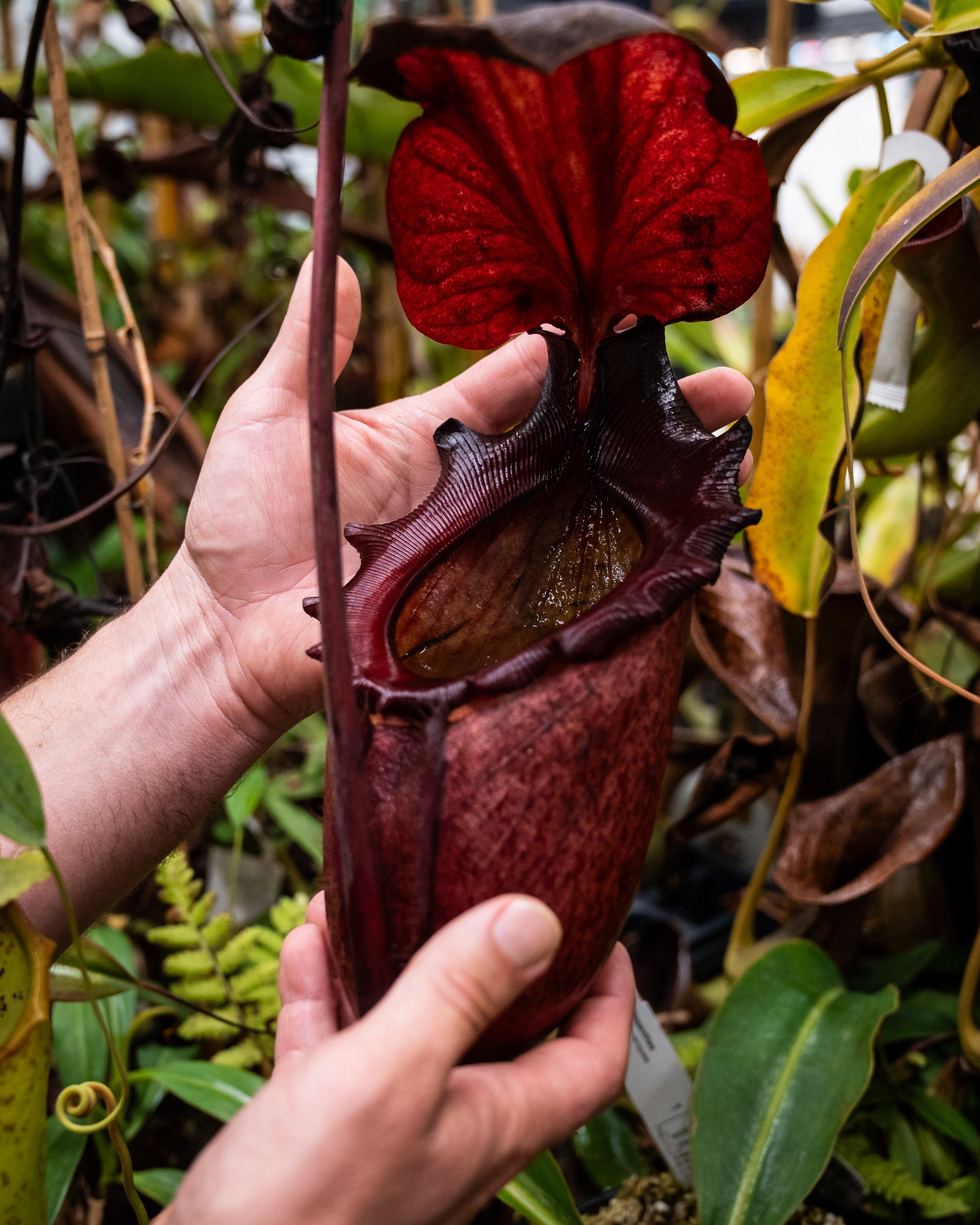
For example, “There are many different kinds of pitcher plants,” carnivorous plants that have hollowed-out pitcher-shaped leaves that act as pitfalls, says Coogan, and they’re completely unrelated. You’ve got low-growing Australian pitcher plants, which are evolutionarily closer to roses, beans, and broccoli, Asian pitcher plants that hang from tropical vines, and upright, trumpet-like North American pitcher plants. Despite their completely different DNA, they’ve all evolved the exact same, tube-shaped “pitfall trap,” says Coogan, to catch and digest insects.
Through convergent evolution, unrelated carnivorous plants like Venus flytraps, sundews, and pitcher plants have also independently repurposed ancient self-defense genes into ingenious digestive tools. While noncarnivorous plants have long used enzymes, called chitinases, to fight off fungal infections, carnivorous plants do the opposite. They use chitinases to break down the tough, chitin-rich exoskeletons of trapped insects. This then allows them to absorb vital nutrients like nitrogen and phosphorus, transforming what were originally passive, protective enzymes into active weaponry.
Are carnivorous plants harmful to larger organisms?
“I would say ‘no,’’ says Coogan. Almost all carnivorous plants feed exclusively on small insects like flies, mosquitoes, and spiders.
While there are some, like giant pitcher plants, that grow large enough to trap and digest small animals like rats and shrews, “the relationship is more mutualistic,” meaning both species benefit from each other.
This type of pitcher plant are the largest in the world and often consume small mammals. Image: Austin American-Statesman/Hearst Newspapers / Contributor / Getty Images Sara Diggins
Basically giant pitcher plant species produce a sweet, aromatic nectar on the underside of their pitcher lids that attracts small mammals. These mammals “sit on the lid of the pitcher plant to drink the exudate, which is a thick nectar-like substance,” says Coogan.
They’ll often defecate into the plant while feeding, and the giant pitcher absorbs nutrient-rich nitrogen and phosphorus directly from the droppings. It’s a win-win for both parties. “And one of many examples of mutualism in carnivorous plants.” If a small animal accidently falls in, the pitcher plant will then use its acidic digestive enzymes to consume it.
Some incredible carnivorous plants
Coogan’s favorite carnivorous plants run the gamut from small, semi-aquatic Genlisea, commonly known as corkscrew plants, to bladderwort, tiny, bladder-shaped traps that catch small, aquatic creatures and often resemble orchids.
“There are over 200 species of them,” he says, “and they come in three different habitat types. You have fully aquatic bladderwort that are floating in water. You have terrestrial ones that live in kind of soggy soils, and then you also have epiphytic ones that are living in trees and in moss.” They all use ultra-quick, vacuum-driven suction traps to capture prey.
In fact, bladderwort is one of the fastest predatory plants on Earth, and can suck in its prey in less than one millisecond. “The real reason I like them is because they are proliferous, meaning they flower en masse.”
Also popular: butterwarts. “Especially the Mexican butterworts or Pinguicula,” says Coogan. “The reason is that they’re excellent house plants. They look like succulents, but their leaves are sticky and they eat fruit flies and fungus gnats.” They act as a natural form of pest control.
What’s the largest carnivorous plant?
The world’s largest carnivorous plant by trap volume is the giant montane pitcher plant. It’s endemic to Malaysian Borneo and features massive urn-shaped traps that can grow up to 16 inches tall and eight inches wide. While lizards, frogs, and birds do occasionally fall victim to the plant’s digestive enzymes and acids, most wildlife is in the clear.
Humans can also count themselves safe, Audrey II aside.
In Ask Us Anything, Popular Science answers your most outlandish, mind-burning questions, from the everyday things you’ve always wondered to the bizarre things you never thought to ask. Have something you’ve always wanted to know? Ask us.
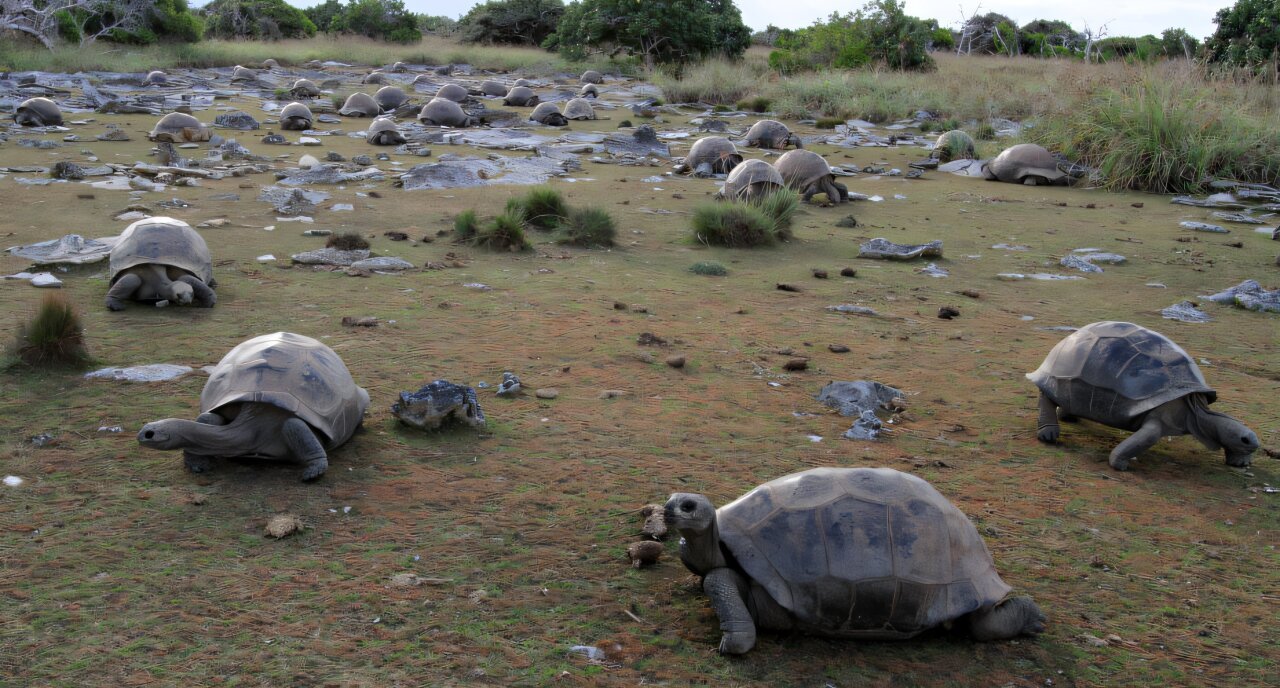
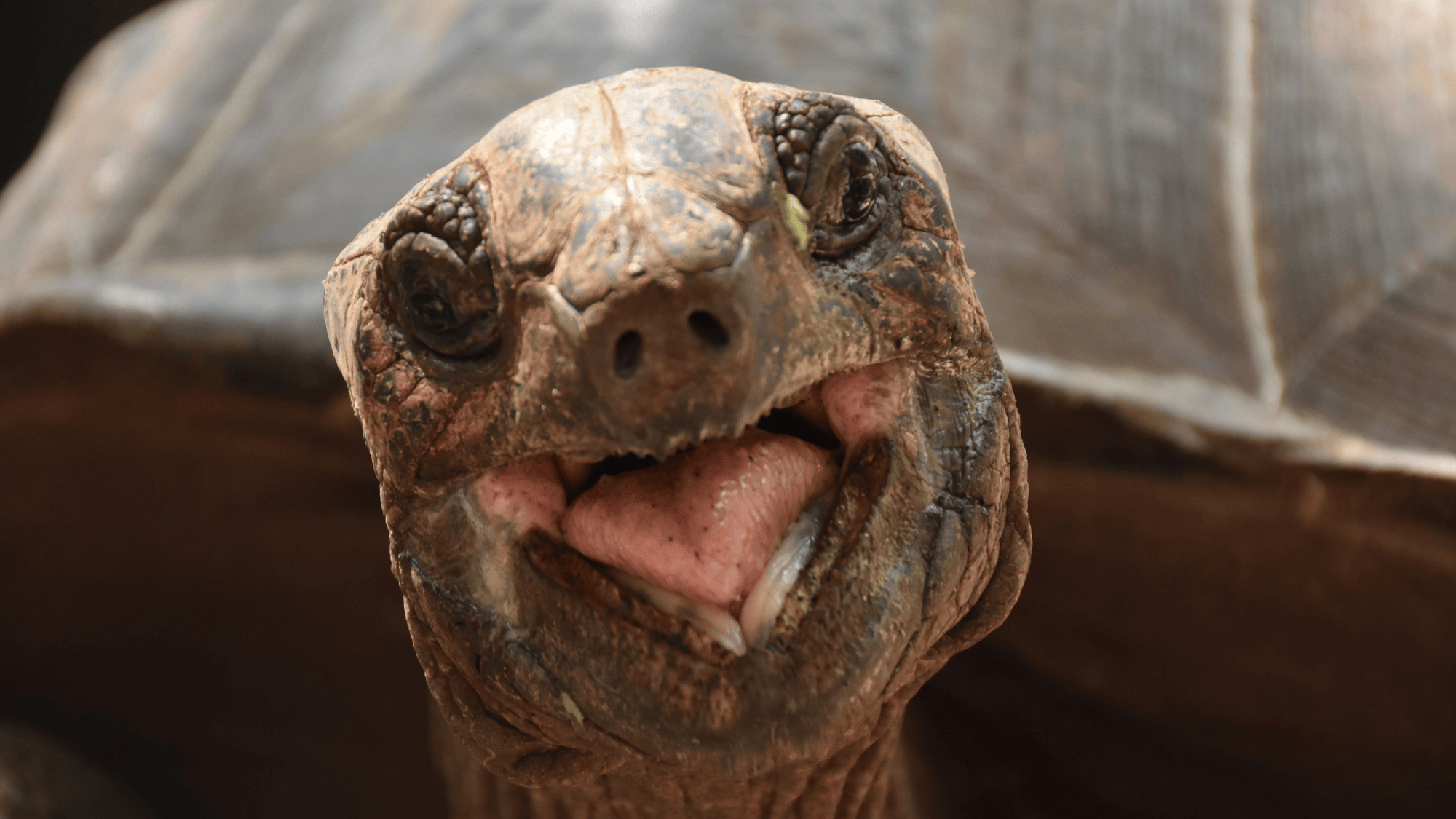
As Joanthan the Aldabra giant tortoise (Aldabrachelys gigantea) approaches his 195th birthday this December, there is some good news for his fellow tortoises. The previously endangered species is thriving and stable in the Seychelles, according to a study published this week in the journal Ecology and Evolution.
Aldabra giant tortoises are one of the world’s largest land tortoises. They weigh up to 550 pounds and live 150 years. These gentle giants are native to Aldabra Island, one of the Seychelles northeast of Madagascar in the Indian Ocean. They are also found in the Galápagos, but the population on Aldabra here is much smaller. As the largest animal on Aldabra, they play an ecological role that is similar to elephants. Tortoises are the main consumers of vegetation and will change the habitat while searching for food. They will knock over small trees and shrubs all to get those nutritious leaves. Any seeds not digested will pass through the tortoise’s digestive tract and become food for many other animals.
To check on the population at Aldabra, a team from the University of Exeter in England and the Seychelles Islands Foundation Aldabra analyzed giant tortoise counts collected between 2018 and 2022 on Aldabra Atoll. They found that the population currently stands at approximately 180,000 individuals.
The survey is the first rigorous, atoll-wide estimate of the population and the first update since the late 1990s. At the time, it was believed that about 100,000 tortoises were living on the island.
“More than 180,000 giant tortoises roaming freely on our atoll is proof of what long-term commitment to conservation can achieve,” Frauke Fleischer-Dogley, a study co-author and the CEO of the Seychelles Island Foundation, said in a statement. “This is wonderful news for Seychelles, for the world, and for everyone who has worked to protect Aldabra.”
The team found that the population was relatively stable during the survey period, with a best estimate of almost 183,000 adult and sub-adult tortoises. This number is a far cry from the 19th century. Heavy exploitation and overhunting reduced Aldabra’s tortoises to fewer than 1,000 individuals. Aldabra became a strict nature reserve in 1981 and a UNESCO site in 1982, and these and other conservation measures have helped them rebound.
Giant tortoises grazing in large numbers on Aldabra Atoll. Image: Dennis Hanse.
“Aldabra’s giant tortoise monitoring programme is one of the longest running in the region, but the atoll’s dense vegetation makes counting tortoises genuinely difficult in places,” added study co-author and University of Exeter biologist Nancy Bunbury. “By modelling what we didn’t see, as well as what we did, we’ve produced the most reliable baseline yet for this iconic Seychelles species, establishing a benchmark we can use to track the population for decades to come.”
However, the team cautions that this new figure does not mean that the population has nearly doubled since 1999. The earlier surveys did not account for tortoises present on the atoll, but not seen by surveyors, and were possibly hidden in dense scrub or shade. This new survey took advantage of a more sophisticated statistical technique called Bayesian hierarchical distance sampling. It corrects for both missed animals and for differences in visibility across habitats.
Since these earlier methods likely missed tortoises, the team suggests that previous figures were probably underestimated. At the same time, the population has genuinely grown and now appears healthy and stable.
The study also found that tortoises are at the highest densities in Aldabra’s grasslands, aka “tortoise turf.” They also are often found on open exposed surfaces and in open mixed scrub. The reptiles were harder to detect in dense scrub, mangrove, and habitats covered in a shrubby plant called Pemphis. The new modelling helped correct for reduced visibility from the scrub, Pemphis, and mangrove.
Even with this welcome good news, the team says that vigilance remains essential. Aldabra’s climate is changing, and seeing longer and more frequent droughts. Scientists suspect that these serious dry spells will reduce the shade and food available to tortoises, and rising sea levels threaten low-lying parts of the atoll.
The tortoises are also threatened by invasive mammals. Though feral goats were eradicated in 2012, cats and black rats will still eat tortoise eggs and hatchlings. While there are plans to eradicate the rest of these invasive species, reduced eggs could hinder further population growth.
“These results are great news for the tortoises and testament to the fantastic work done in the field,” added study co-author and University of Exeter, Cornwall statistical ecologist Dave Hudson. “But it’s important to remember that the numbers provide a baseline – not an endpoint. Hopefully we have provided the conservation managers the evidence they need to track future change and act early as the tortoises face increasing pressures from climate change, drought and invasive species.”
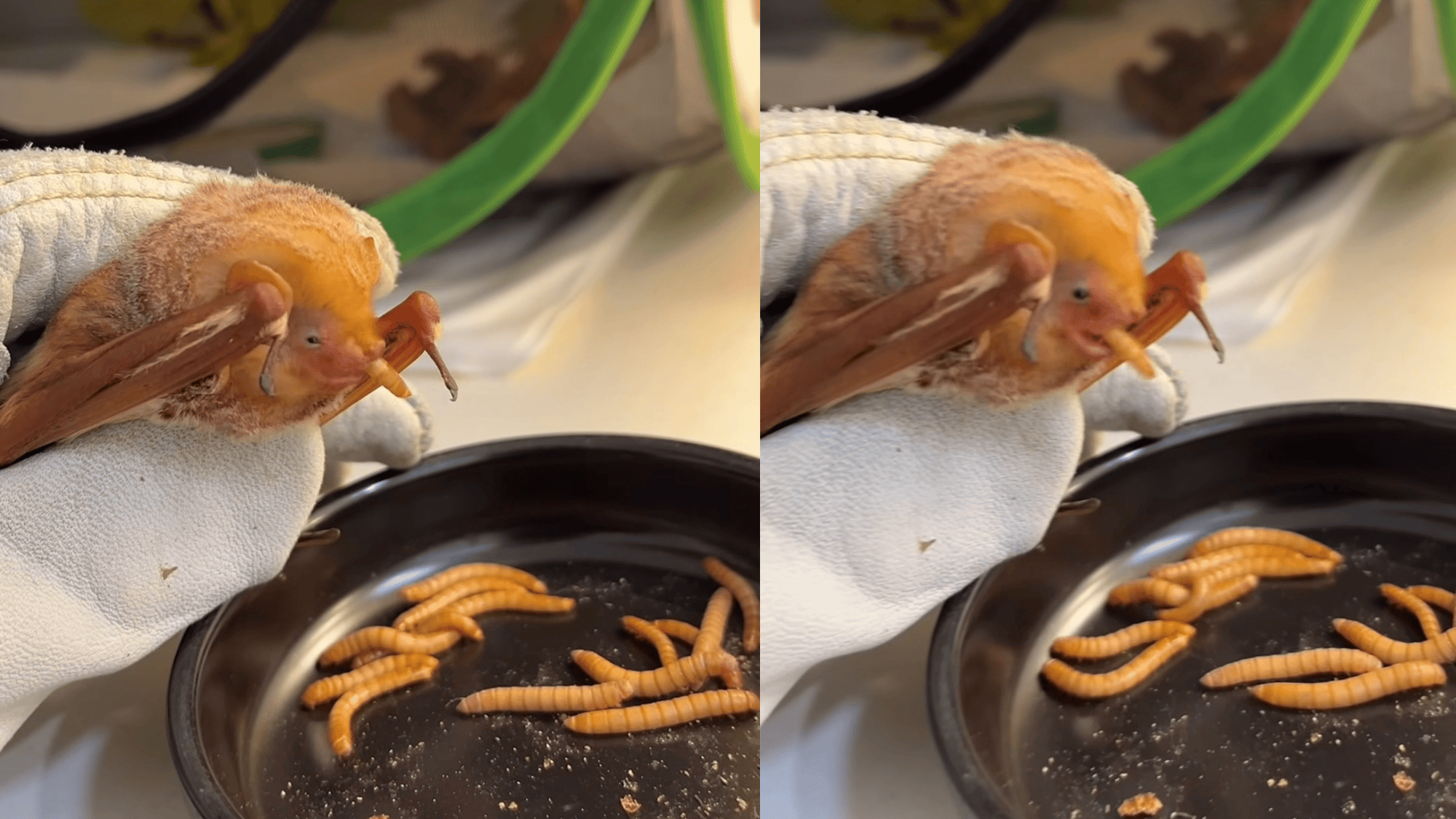
A rare Eastern red bat (Lasiurus borealis) is recovering after being found struggling in the surf on a Maine beach. Earlier this week, the Center for Wildlife in Cape Neddick, Maine, shared new footage of the winged mammal chowing down on a hearty plate of mealworms—a good sign for her recovery.
“She was very lethargic upon admission, and is now feisty and active,” Kristen Lamb, the Center for Wildlife’s Executive Director tells Popular Science. “She has been eating well, and responding to treatment including fluid therapy, temperature regulation and a specific bat habitat that allows her to mimic natural behaviors and reduces stress.”
Mealworms are the larval form of the yellow mealworm beetle and a common bat food. To keep these mealworm meals close to what a bat would be eating in the wild, the team even supplements what the worms themselves eat. This way, the nutrients inside of bugs resembles the contents of wild insects versus store-bought mealworms.
Eastern red bats like this one are one of eight bat species found in and around southern Maine. They are considered tree bats because they act more solitary and roost in trees among the foliage instead of in large communal groups or in caves like most bat species.
“They are camouflaged as they hang curled up in the furry membranes of their tails, suspended by usually one foot upside down, giving the appearance of a curled leaf or pine cone moving in the breeze,” says Lamb.
Red bats are also a species that eats “on the wing.” This means that they must be handfed or learn how to eat and drink from a dish if under human care. In the wild, they can grab insects from the air while flying, and glide and dip down to drink water while still flying.
Bats also have high metabolisms, and specific nutritional, temperature and humidity requirements. This isn’t because they are picky. These factors all help them roost.
“[Bats] hang upside down by their back feet, which their circulatory systems are adapted for versus ours which would result in a pounding headache!,” Lamb explains. “Clinic staff must have knowledge of this, along with their anatomy, physiology, sensitivity to medication and handling techniques in order to successfully treat them.”
Though humans generally think of bats more during spooky season, bats like these are a critical part of the ecosystem all year and directly tied to our health. They gobble up mosquitoes that can carry West Nile Virus or EEE, providing a natural and free form of pest control.
The team is hopeful that this little red bat can make a quick recovery and be released back into the wild, but also want to be sure she’s okay.
“Red bats are migrating right now and we don’t want her to miss her window,” Lamb says. “At the same time, she is recovering from the shock of being submerged in the cold Atlantic and if we release her before she can do everything healthy red bats can do in the wild, she would succumb to predators, the elements, or starvation shortly after release.”
The Center for Wildlife treats up to 2,500 injured and orphaned wild animals from a 100-mile radius per year. The center operates without federal funding and donations can be made through their website.
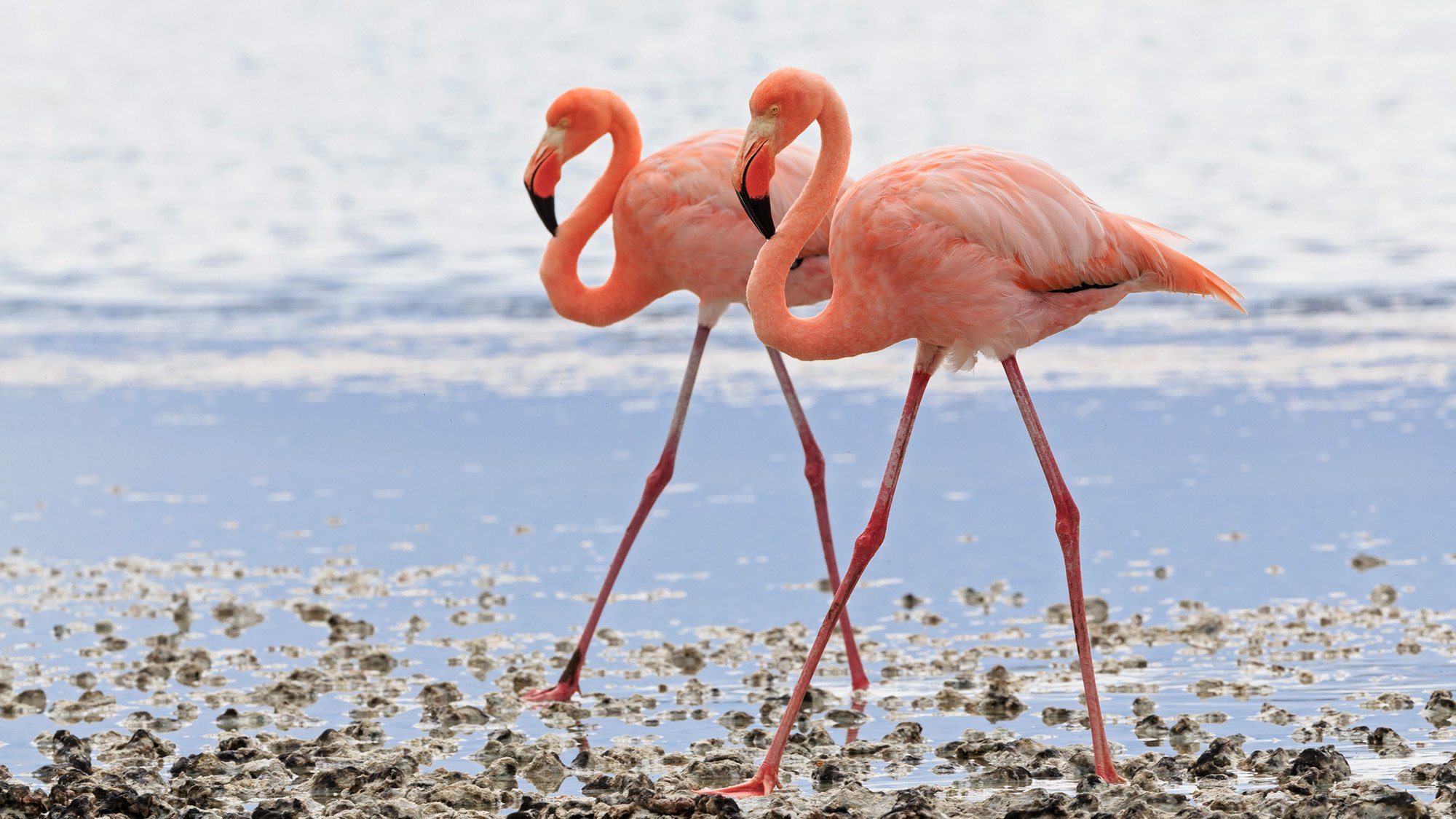
Ecuador’s Galapagos Islands are home to an incredible array of wildlife. Amid landscapes of black lava fields, scattered prickly pear cacti, lush highlands, and green mangrove fringes, you’ll spot lumbering land iguanas in striking shades of yellow, orange, and red, comical blue-footed boobies, and some of the pinkest flamingos around. But it turns out that these magnificent creatures aren’t born with their vibrant hues. They actually have to work for them!
To find out why some wildlife changes color according to their diets, and what these various tones and tints mean for survival,Popular Science turned to Jorge Alex Gutierrez Guerrero, an expedition leader on the Galapagos Islands’ Yacht Isabela II. Guerrero says it all comes down to naturally occurring pigments that play a major role in an animal’s immune system. They can even change the color of your skin!
What are carotenoids?
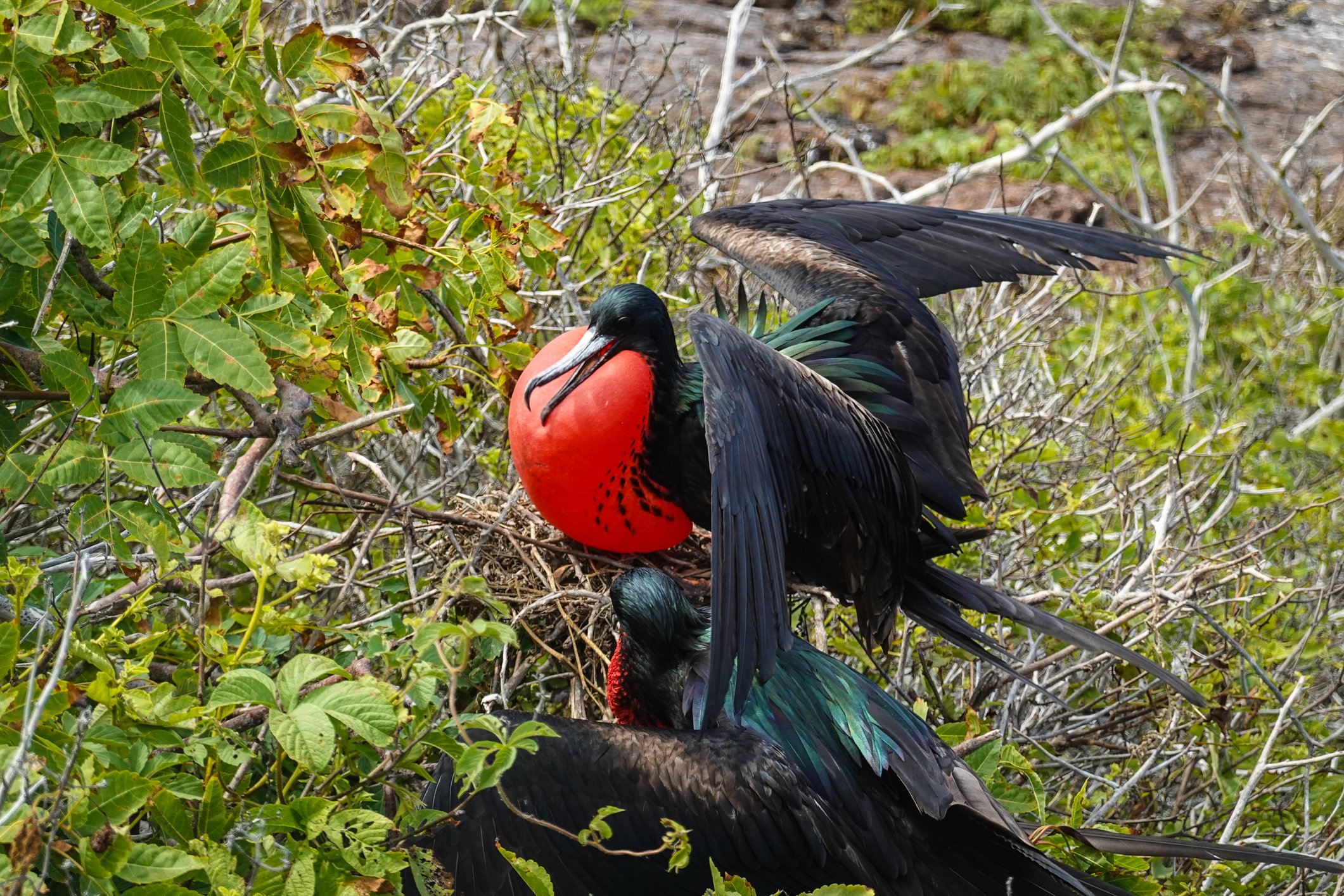
The colorful displays of Galapagos wildlife, including the bright cyan feet of blue-footed boobies and the impressive red throat pouch of magnificent frigatebirds that they inflate during courtship, are a direct result of their diet. Specifically, they result from the digestion of nature’s own punchy dyes known as carotenoids.
“Basically, carotenoids are natural pigments produced by plants, algae, and phytoplankton,” says Gutierrez. These organic chemical compounds play a vital role in nature. They help capture light for photosynthesis, which is how plants use sunlight to make their own food. They act as powerful antioxidants that can protect cells from damage. And they provide the vibrant colors that many animals, birds, and fish need to survive.
For instance, flamingos gradually lose their red pigmentation when their diet lacks carotenoids. According to Gutierrez, this is a perfect example of the “direct relationship between dietary carotenoids and coloration.”
Frigatebird with its inflated bright red pouch on the Genovesa island in the Galapagos. Image: @ Didier Marti / Getty Images Didier Marti
How Galapagos animals get their colors
Wildlife in the Galapagos gets carotenoids primarily through their diets, since these are pigments that they can’t produce naturally. The archipelago’s land iguanas eat cactus flowers and leaves to obtain carotenoids, while blue-footed boobies consume fresh fish like sardines and anchovies to acquire them. Pink flamingos get their fill of carotenoids through algae and brine shrimp.
Once the wildlife digests and metabolizes these natural pigments, the colors of carotenoids, which primarily produce shades of red, orange, and yellow, begin to show in everything from skin and shells to feet and feathers. In many cases, the more brilliant the shades, the healthier the creature. While carotenoids don’t naturally create the color blue, the archipelago’s iconic blue-footed boobies get their turquoise feet from a mix of yellow carotenoid pigments and the collagen structure of their skin.
How other animals get their vibrant hues
Examples of the power of carotenoids even exist in our own backyards.
The sunny yellow coloring of an American goldfinch is a direct result of its carotenoid-rich diet of summer weeds and sunflowers, while northern cardinals get their brilliant red hue through carotenoid-heavy foods such as honeysuckle, hackberries, and seeds.
Why do animals need carotenoids?
Carotenoids aren’t a core nutritional necessity. However, they are an important source of vitamin A, a key component in reproductive health, good vision, and a strong immune system.
While the bulk of birds and animals get carotenoids through their diets, a few rare invertebrates, like spider mites and gall gnats, can create their own carotenoids. They do so through a rare genetic accident, likely caused by a virus or parasite. An ancestor of the spider mite and an ancestor of the gall gnat had close encounters with ancient fungi, causing a horizontal gene transfer. Essentially, horizontal gene transfer is the transmission of DNA between different organisms—and, in this case, species.
Every animal processes these pigments slightly differently. For some animals, carotenoids completely change the color of their features. Others simply absorb carotenoids without changing color at all.
But all animals use carotenoids to fight off disease, such as boosting immune cells to destroy any harmful bacteria. Only healthy wildlife can spare excess carotenoids for bright skin, beaks, or feathers. So the more vibrantly hued birds, reptiles, and fish are, the healthier their immune system. They have enough carotenoids to spare for flashy colors.
For instance, blue-footed boobies with electric, turquoise-blue feet tend to be healthiest. In fact, boobies that go without food for a couple of days can end up with dull-colored feet. When animals get sick, they also lose their hue. First, their bodies divert carotenoids away from exterior features, like skin and feathers, and use them for fighting illness. Second, absorbing nutrients such as carotenoids becomes more difficult. Without carotenoids, an animal’s bright pigments will quickly fade.
Bright colors also come in handy during mating rituals
Carotenoids also play vital roles in mating rituals. When it comes to blue-footed boobies, “It’s very important for a female to find a male with the brightest blue feet, because she is choosing the best provider” for her offspring, says Gutierrez.
It’s a feature that these marine birds show off frequently in their oh-so-quirky mating dance, which includes an elaborate high-step strut. The bluer the feet, the more attractive males appear to their female counterparts.
Male blue-footed boobies do an elaborate mating dance for the ladies to show off their bright blue feet. Maybe there’s a reason Elvis sings about his blue suede shoes? Video: The Blue Footed Boobies Mating Dance | Wild Love, Nat Geo Animals
What’s more, a famous 2006 scientific study on blue-footed boobies showed that females lay smaller eggs for males with duller feet. Basically, a female will put in less reproductive investment if her male isn’t up to par.
Why are animals in the Galapagos so colorful?
“Carotenoids are prominent all over the world,” says Gutierrez. “But they’re especially visible among wildlife in the Galapagos, because it’s a limited environment where the ecosystems are well-marked.” What Gutierrez means is that the archipelago is so geographically isolated and far from the coast of Ecuador, many species—like marine iguanas—have nowhere else to go. Even within the Galapagos, a large percentage of wildlife stick closely to their specific islands.
Another reason the animals here are so colorful? Because an overall lack of predators has allowed the wildlife to evolve without needing dull or camouflage coats to protect them.
Most of the archipelago’s carotenoids come from the ocean, or in the case of land iguanas and yellow-beaked Darwin’s finches, through cactus nectar and pollen.
Further afield, the iconic pink-orange flesh of Pacific Northwest salmon is a direct result of their carotenoid-rich diet—in their case, chowing down on krill and small shrimp. Roseate spoonbills, found across the mangrove swamps, mudflats, and wetlands of the U.S. Gulf Coast, get their rosy pink sheen from dining on crustaceans, crabs, and crayfish.
The best known example comes from consuming carrots. These vegetables are loaded with a red-orange carotenoid called beta-carotene, which our bodies convert into vitamin A.
But when we consume more beta-carotene than we need, the excess pigment starts circulating in our bloodstream and leads to a yellow or orange glow. “It’s mostly visible in your palms,” says Gutierrez.
Still, he says, don’t worry if you have a penchant for sardines and anchovies—the main diet of blue-footed boobies. Since humans process and metabolize these compounds differently, “you’re not going to turn blue, too.”
In Ask Us Anything, Popular Science answers your most outlandish, mind-burning questions, from the everyday things you’ve always wondered to the bizarre things you never thought to ask. Have something you’ve always wanted to know? Ask us.
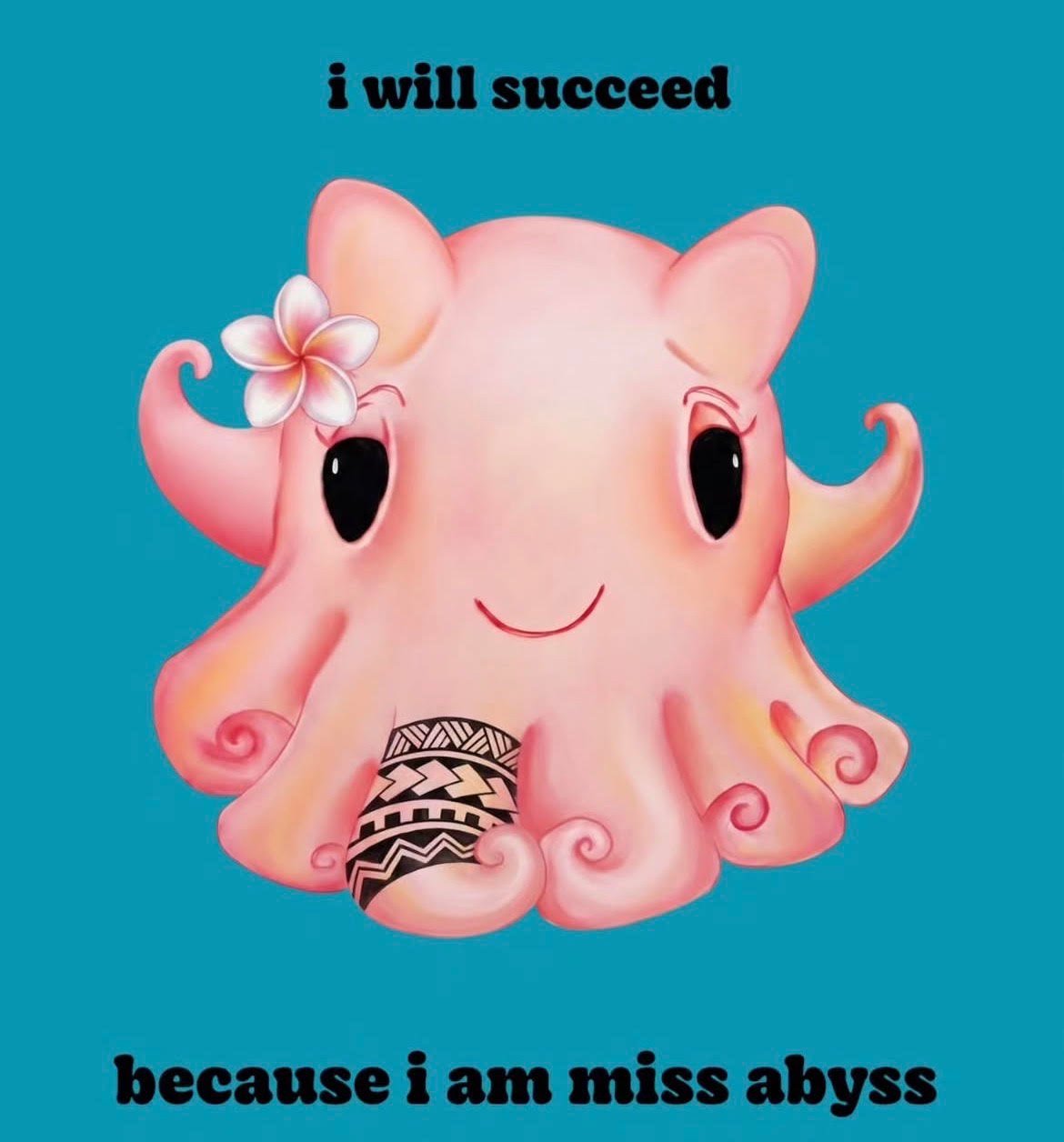
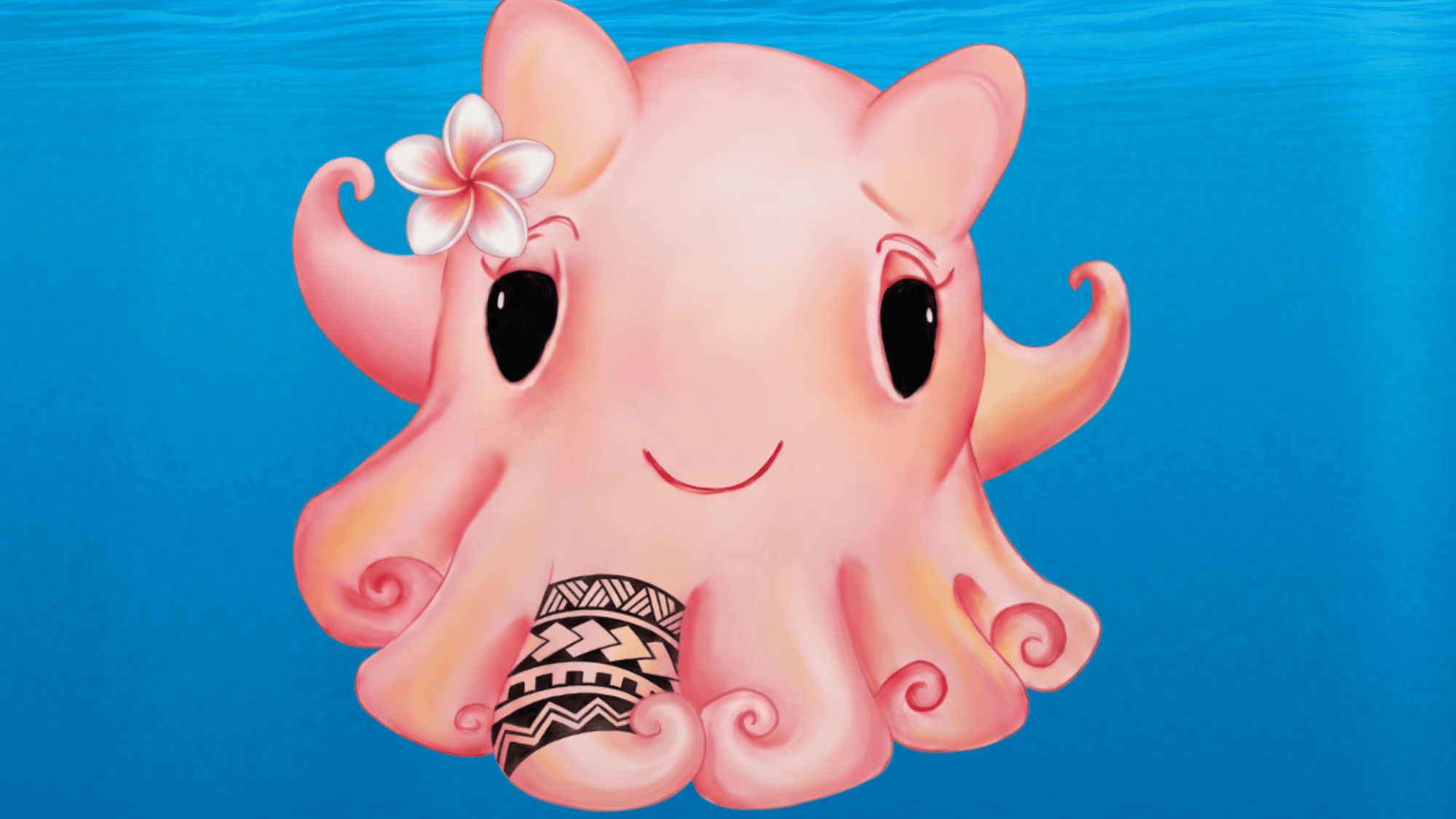
She’s bubblegum pink with a permanent little smile. She sports a pretty flower on her head sports a black tattoo on one of her eight arms. But don’t let this dumbo octopus’ adorable exterior fool you. Miss Abyss is here on serious business.
“Miss Abyss is a dumbo octopus from the deep-sea, and she is on a journey all across the country looking for allies to support her to help defend the deep-sea,” Angelo Villagomez, a research fellow at the Center for American Progress (CAP), tells Popular Science.
While Miss Abyss herself is an octopus illustrated by CAP research associate Jasia Smith, dumbo octopuses (genus Grimpoteuthis) are very real cephalopods. They live on the ocean floor, and many species can be found at extreme depths of 9,800 to 13,000 feet and are only about 8 inches tall.
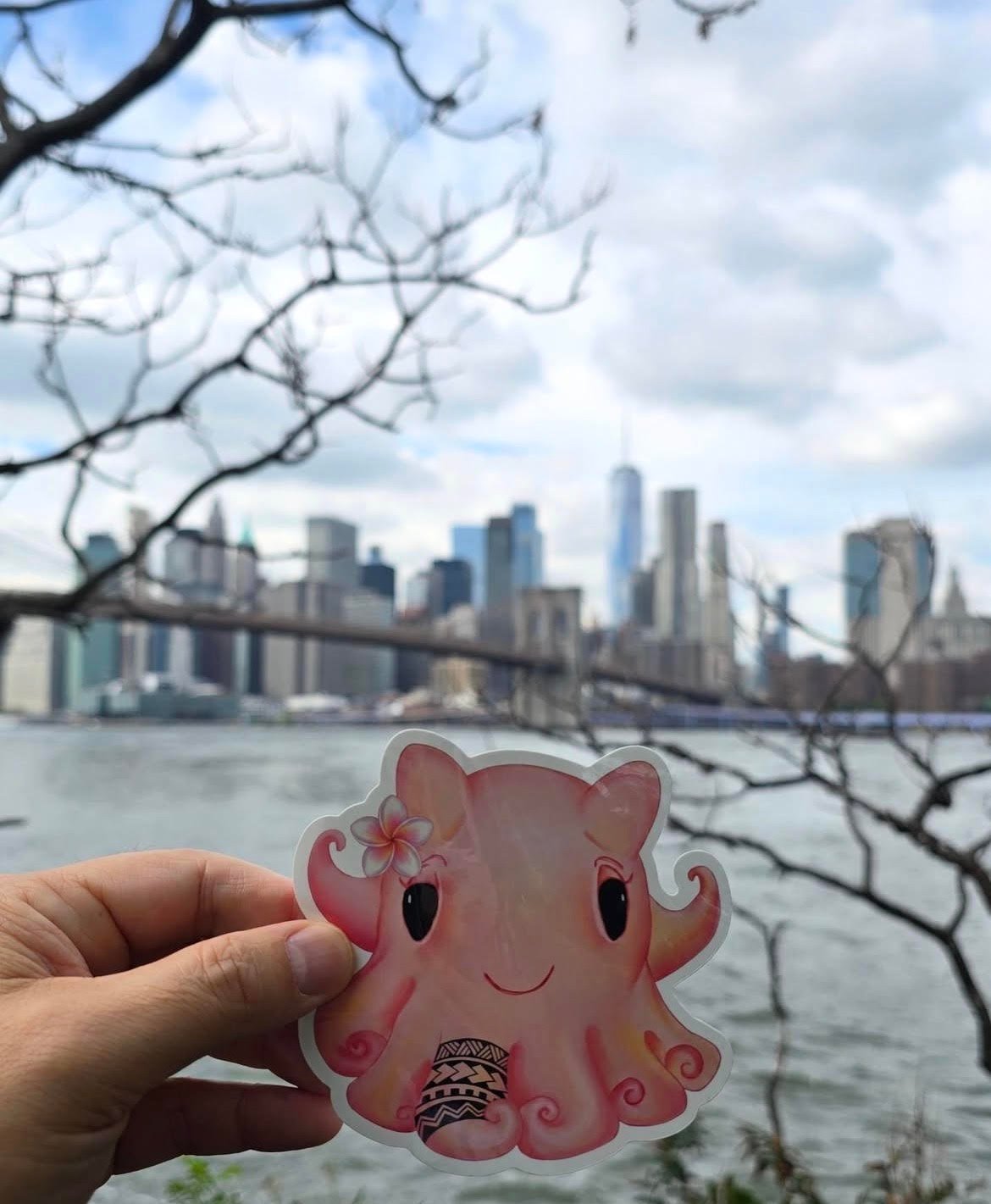
CAP’s’ Miss Abyss campaign is using the dumbo octopus to raise awareness about protecting public waters from deep-sea mining using the Flat Stanley method. Based on the children’s book Flat Stanley, children are are asked to take pictures of a paper doll in places near where they live for a popular school project. For Miss Abyss, supporters are asked to print out a picture of her and then take a photo or video of her in a place that represents their state or home and share it on social media. Supporters are also encouraged to sign CAP’s petition.
“One of the most popular things in the United States is our public lands and our public waters,” Villagomez says. “We’re creating a fun and engaging way for people of all ages to be creative and basically showcase their support.”
While Miss Abyss attempts to travel to all 50 states, real dumbo octopuses can be found in some of the deepest parts of the ocean. Image: Center for American Progress/Miss Abyss via Instagram.
What is deep-sea mining?
Deep-sea mining is the extraction of mineral resources including manganese, nickel, cobalt, copper, and rare earth elements from the ocean floor. Proponents of future deep-sea mining say that these and other minerals could help speed up the development of clean energy technologies. The global demand for nickel, cobalt and rare earth elements needed for digitization and decarbonization may double by 2040 to meet carbon emissions goals. Some also see the deep-sea as a safer alternative to mining on land.
But the process could cause destruction to a critical ecosystem that we still do not know much about. As of April, only 28.7 percent of the global seafloor has been mapped. A 2025 report commissioned by the National Ocean Protection Coalition found that in the next 15 years, the economic, environmental, and technical challenges associated with deep-sea mining would make its profitability or commercial success highly unlikely. Waste discharge from deep-sea mining could also reduce food availability for the species that live there.
On November 12, 2025, the Bureau of Ocean Energy Management (BOEM) announced a Request for Information and Interest (RFI) for leasing land off the Northern Mariana islands for mining. While the comment period ended on January 12, organizations from Guam and the Northern Mariana Islands and their national partners collected over 60,000 petitions, letters, and comments opposing the plans to allow deep sea mining near the Mariana Trench.
On August 17, BOEM announced a Proposed Leasing Notice (PLN) and a 60-day comment period that outlines the terms and conditions of the potential sale. The date for the lease sale is currently set for December 16, 2026.
“Some of the least disturbed coral reef ecosystems on the planet are on these isolated Pacific islands in the U.S. Pacific territories,” says Villagomez. “I think part of the human spirit is knowing that there are places that are unexplored, that there are things on our Earth that are still yet to be discovered.”
“We’re not talking about a small [mine on land] where it’s one open pit,” says Villagomez. “It’s as far as the eye can see in every direction.”
Environmental and indigenous rights
In addition to the environmental risks, deep-sea mining also presents an Indigenous sovereignty issue. The ocean is a sacred part of the identity, spirituality and traditions of the Chamorro and Refaluwasch people of the Marianas, and other communities of American Samoa.
“I am Indigenous Chamorro, born in Guam, but my family is from Saipan. I grew up knowing that I lived next to the Mariana Trench,” Villagomez says. “I remember being out fishing with my dad, and he would then tell dad jokes, like ‘Oh you see the mountain there? It’s the tallest mountain in the world because it stretches all the way down to the Mariana Trench.’”
That was not just a dad joke. At 6.8 miles below sea level, the Mariana Trench is deeper than Mount Everest is tall (5.5 miles).
Mining in the deepest parts of the ocean may not yield minerals companies want. CAP says that the proposed areas in the Marianas do not even have nodule fields of significant commercial value, and alleges that the mining is a pretext for testing prototype equipment for future operations elsewhere.
“This is a really new environmental issue. Up until about a year ago, deep sea mining was science fiction, so the types of people who would be organized on this if it was a public lands issue are not necessarily as organized,” says Villagomez. “So we’re going out there gathering allies, not just pictures of people with Miss Abyss, but also as that collective power to bring to conservation.”
Oh the places she’ll go
Since launching in August, Miss Abyss has already visited about 20 states, gone backstage at a Spin Doctor’s concert, sat beneath the Brooklyn Bridge, and visited the Grand Tetons.
Miss Abyss the dumbo octopus in a neighborhood called DUMBO near the Brooklyn Bridge. Image: Center for American Progress/Miss Abyss via Instagram.
While Miss Abyss travels the globe for support, the team at CAP continues working at the policy level. The courts could intervene and stop the lease sales, but the situation remains fluid and uncertain. In the meantime, Miss Abyss will continue her journey on social media.
And as for where Villagomez would like to see Miss Abyss continue to pop up? “I would love for her to visit our national parks.”
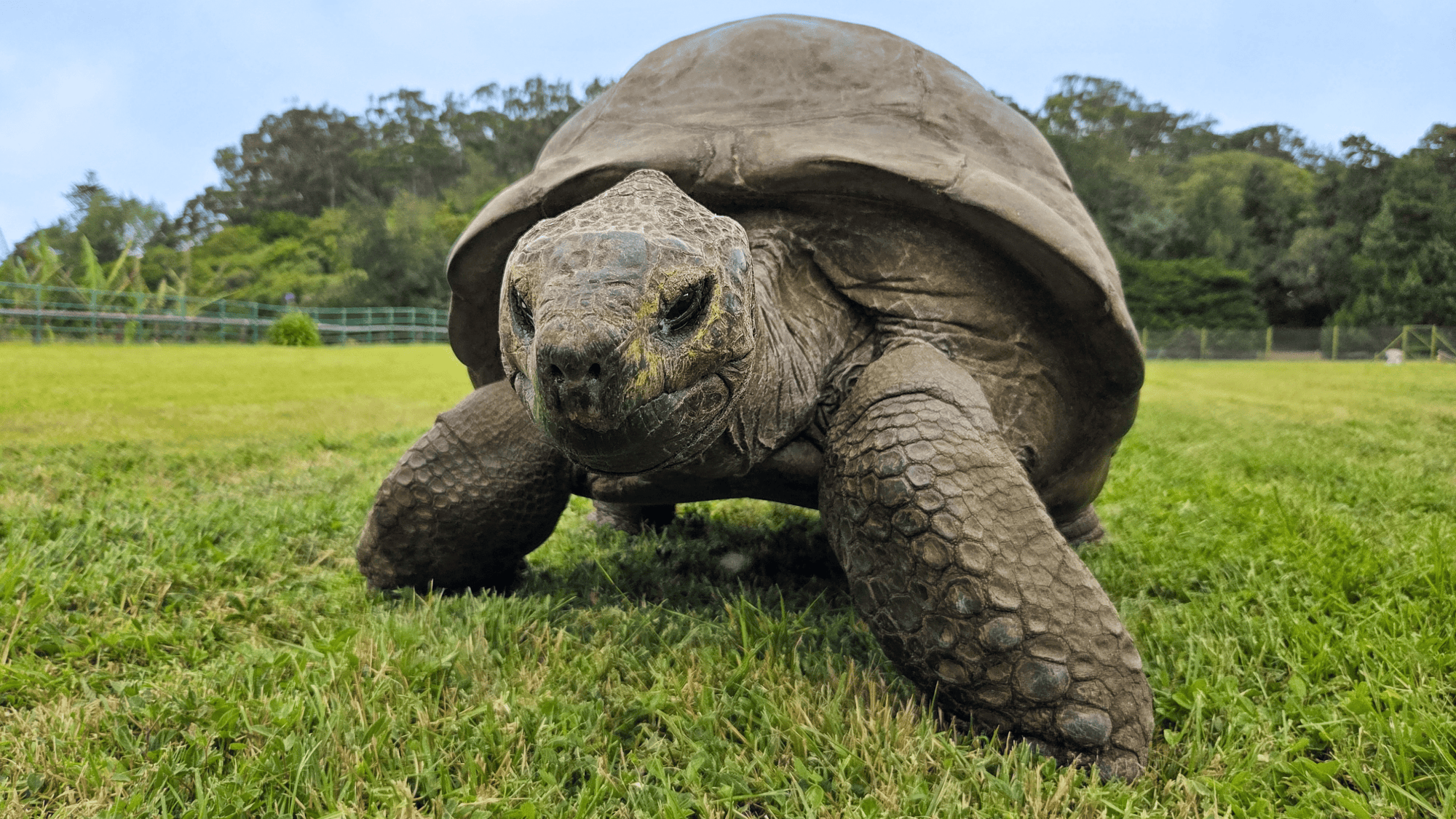
He lived at the same time as Charles Darwin, Queen Victoria, and President Andrew Jackson. He’s a gay icon, who was alive before Thomas Edison patented the lightbulb. At 194 years old, Jonathan the Aldabra giant tortoise (Aldabrachelys gigantea) is the world’s oldest known living giant tortoise and oldest land animal. But what is helping Jonathan stay alive this long?
Good genes alone are not responsible for Jonathan’s longevity but a lack of genetic wear and tear appears to be a major contributor to his epic lifespan. In a study published today in the journal Science Advances, scientists pinpoint 287 unique gene variants in Jonathan responsible for reducing the usual effects of aging. These variants control some of the body’s key processing, including repairing damaged DNA, reducing inflammation, regulating insulin, and even suppressing cancer.
Who is Jonathan?
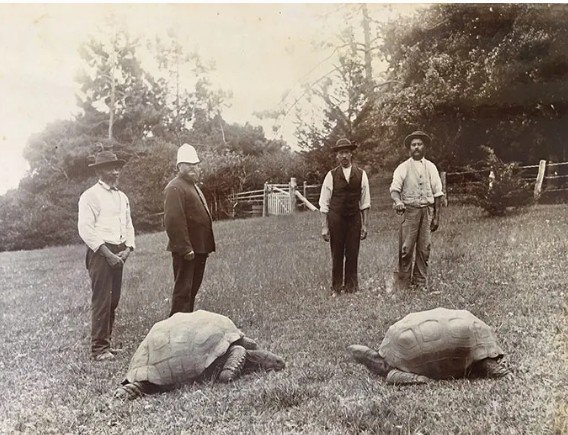
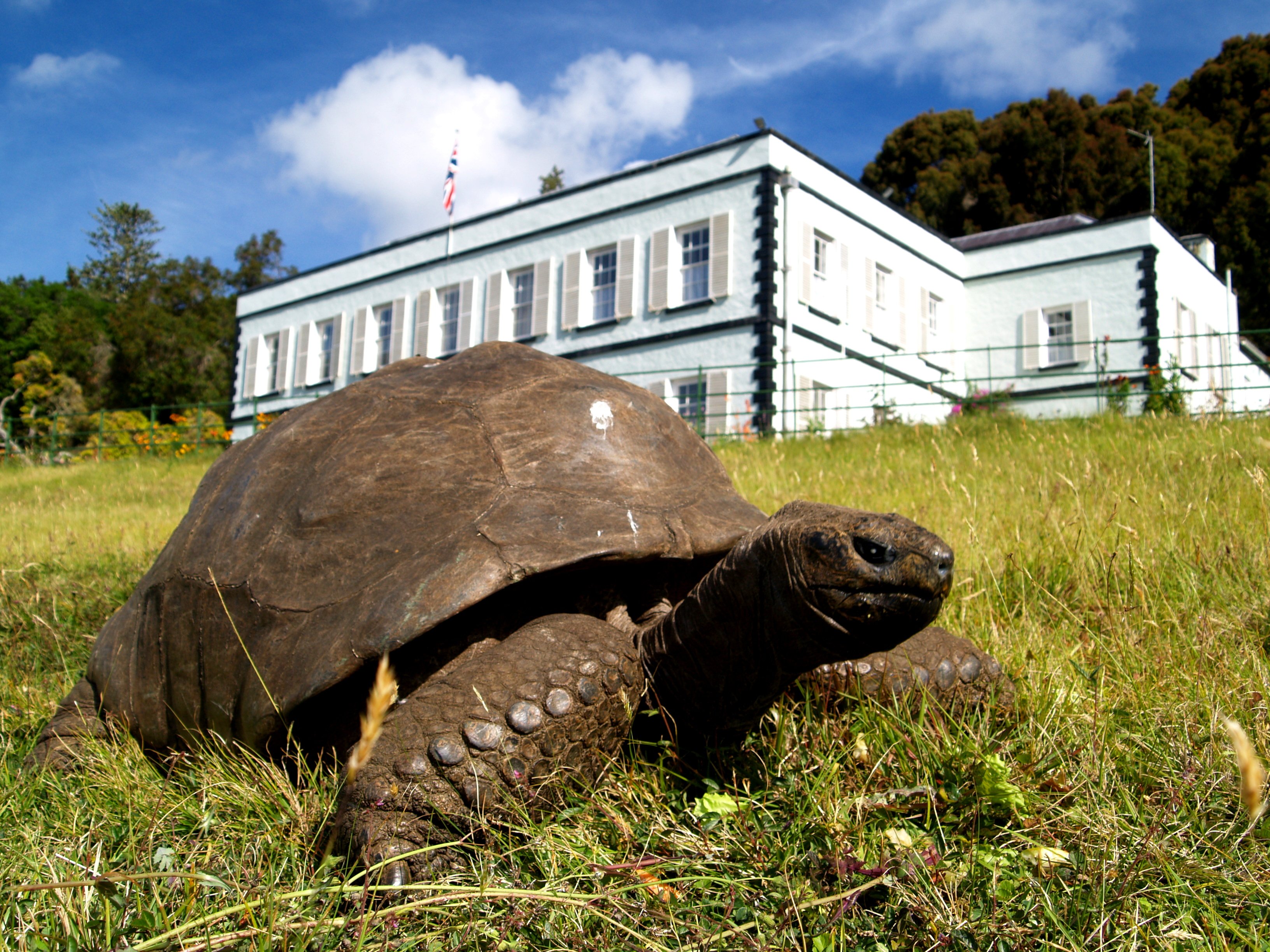
For most of his remarkable life, Jonathan the tortoise has lived on the island of St. Helena, a British Overseas Territory in the South Atlantic Ocean. He arrived from the Seychelles 144 years ago as a fully-grown adult and was given to the governor of St. Helena, and has lived at the governor’s residence ever since.
Jonathan arrived in St. Helena as a gift to Sir William Grey-Wilson in 1882, who later became governor of the island. This image was taken around that time, with Jonathan on the left. Image: A.L. Innes
“There are few creatures that could tell us more about ageing than the giant tortoises of the Galapagos and Seychelles islands,” Justin Gerlach, a study co-author and biologist at the University of Cambridge, said in a statement. “Working with a really old giant tortoise is such a privilege: you get a sense of the tortoise being your collaborator, not your study subject.”
Jonathan has been featured on the back of St. Helena’s five-pence coin, is also on a postage stamp, and has gained internet fame. In June, an online hoax claiming that Jonathan had died spread.
Jonathan in front of Plantation House on the island St. Helena. Image: Joe Hollins 2013.
Into the epigenome
In this new study, the team also compared Jonathan’s epigenome with those of younger Aldabra giant tortoises. The epigenome is what switches genes on and off. It is a group of chemical compounds that modify the genome and tell it what to do, where to do it, and when to do it. These can then be passed on as cells divide, and to the next generation.
The switches in controlling Jonathan’s DNA repair and metabolism genes were very similar to those found in younger tortoises. This surprised the team since the epigenome usually changes over time. These changes contribute to the aging process and are a major factor when things start to go wrong in older bodies.
“We found that the gene regulators involved in energy production and DNA repair have remained incredibly stable in Jonathan over almost two centuries,” explained Gerlach.
According to the team, this study marks the first time the epigenome of a giant tortoise has been investigated. Studying the genetic mechanisms during mid-life offers insights into extreme lifespans like Jonathan’s.
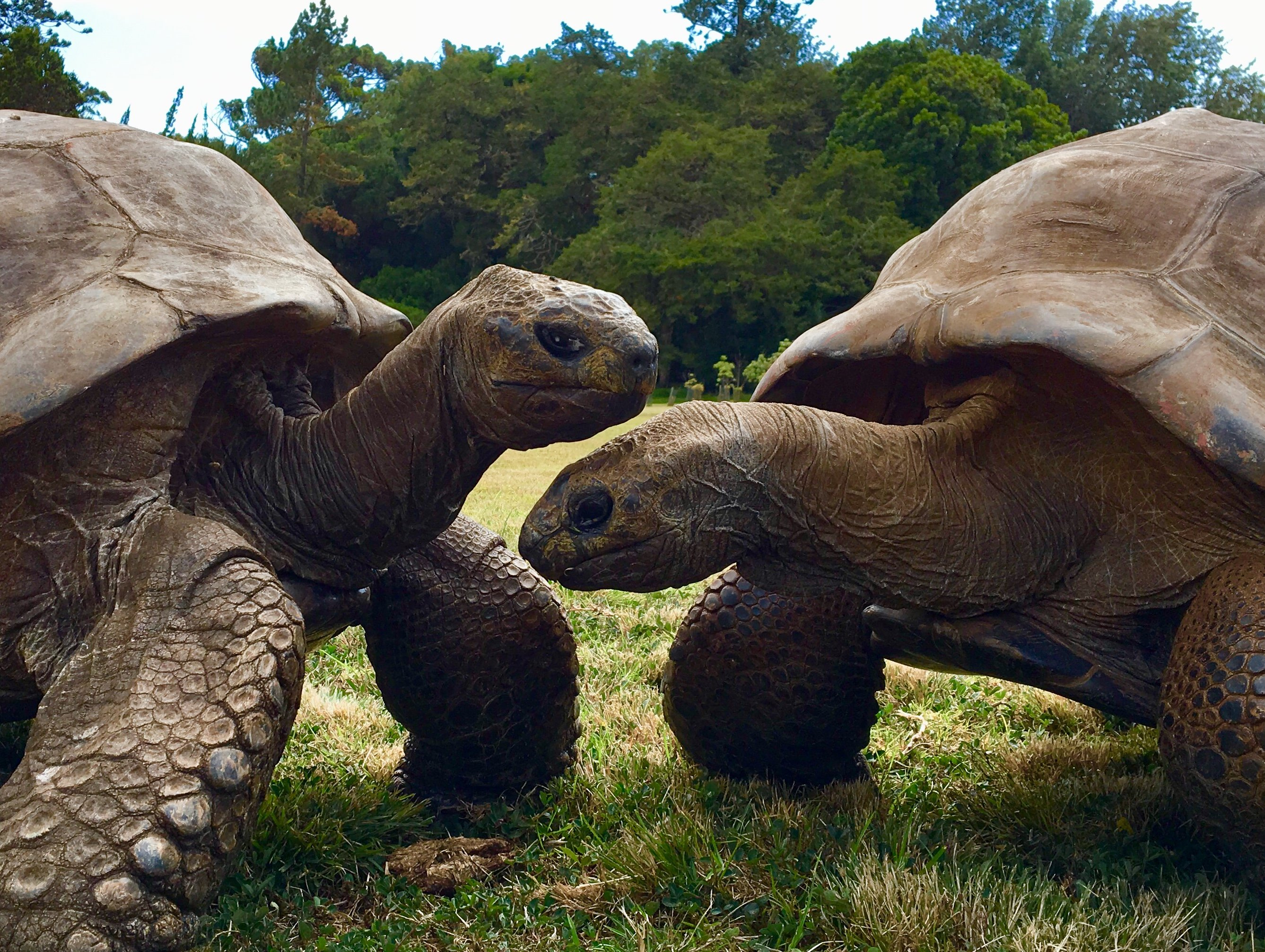
Jonathan (left) and David (right). The pair live together at Plantation House. Image: Joe Hollins 2019
“Nature has already solved the puzzle of aging in remarkable ways, and Jonathan’s genome provides a blueprint for cellular resilience,” added study co-author Dr. Stephen Clark.
Clark is also the founder of the Kallel Foundation, a non-profit dedicated to understanding aging by studying genetics.
“Our goal is to take these evolutionary insights and immediately translate them into practical, affordable treatments for everyday people,” Clark added. “Aging is the greatest risk factor for nearly every chronic disease we face, and through the generosity of philanthropic partners, we can democratise access to longevity medicine.”
For the first time since 2019, Union Pacific’s Living Legend No. 844 will be hitting the rails with Big Boy No. 4014. These historic locomotives will be together for a special holiday tour this November.
On November 21, the pair of steam locomotives will run during a fundraising tour from Greeley to Denver, Colorado. The trip will benefit the Make-A-Wish Foundation, with a donation from Union Pacific’s Community Ties Giving Program. The steam duo will also be on display to the public at Denver’s Union Station. Santa Claus and his elves will even be in the terminal handing out limited-edition gifts. Admission to this event is free and open to the public.
Tickets for the holiday fundraising tour to take a ride in vintage passenger cars pulled by Big Boy and No. 844 go on sale to patrons of the Union Pacific Railroad Museum on October 16. The general public can purchase any remaining tickets on October 19. Families can still visit Denver’s Union Station to view the locomotives free of charge.
Nicknamed the “Living Legend,” No. 844 is a famed high-speed passenger locomotive. It was built in 1944 and the last steam locomotive built for Union Pacific. It hauled some of the company’s most recognizable passenger trains, including the Overland Limited, Los Angeles Limited, Portland Rose, and Challenger. No. 844 is also the last Class I North American steam locomotive and never permanently retired from service. Instead, it was reassigned to freight service in Nebraska from 1957 to 1959, when diesel locomotives took over passenger service duties. Unlike nearly every other steam locomotive of its era, No. 844 escaped the scrap yard in 1960 and Union Pacific retained it for special service.
No. 844 was not scrapped in 1960 like other steam locomotives of its class. Image: Union Pacific.
No. 844 will chug alongside a more famous locomotive, Big Boy No. 4014. Big Boy is currently the world’s largest operating steam locomotive and one of only eight remaining Big Boys in existence and the only one still in operation. These powerful locomotives were constructed during World War II to transport heavy equipment to support the war effort.
Earlier this year, Big Boy drew millions of spectators during a coast-to-coast journey celebrating the United States’ 250th birthday. The first leg began on March 29. Big Boy then traveled to several states including California, Utah, and New York.
The steam locomotive celebrated the Fourth of July in Philadelphia, Pennsylvania, where the Declaration of Independence was written in 1776. Thousands of train enthusiasts braved temperatures of 102 degrees Fahrenheit (with a real-feel of 112 degrees) to catch a glimpse of the 133-foot-long and 1.2-million-pound train.

 Login