❌

Reading view

Traders brought Central American cacao to Georgia 1,000 years ago

A thousand years ago, feasts in what’s now northern Georgia state included cacao from Central America.

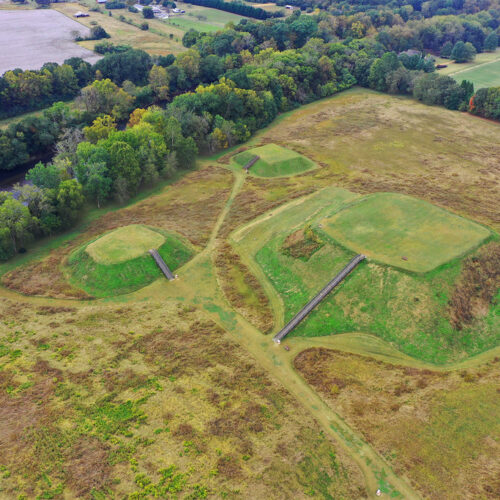
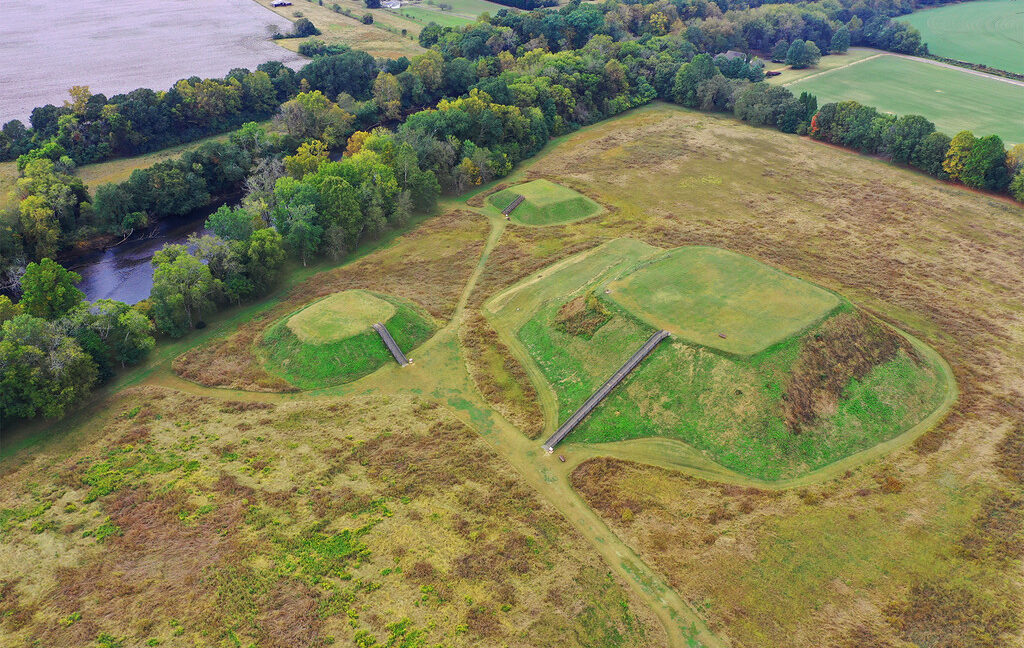
Potsherds discarded after an 11th-century feast at Etowah—an Indigenous city just north of what’s now Atlanta—contained traces of cacao, a raw ingredient of chocolate. The chemical residue and ancient DNA reveal that not only did the Mississippian people who built the city have excellent taste, they also had trade connections that reached at least 3,000 kilometers to Central America. And in a sense, chocolate may have helped build the Mississippian mounds.

Ancient dirty dishes

University of South Carolina archaeologist Adam King and his colleagues found fragments of ancient DNA from Theobroma cacao in the inner surfaces of potsherds from long-ago feasts at Etowah. Fruit from the cacao tree contains beans that, when dried and roasted, produce chocolate in all its glorious forms. Cacao only grows in the tropics, which means the nearest actual cacao trees would have been at least a 3,000-kilometer trek away from the woodlands of the eastern US. And that means the Mississippian people who lived in Etowah must have had continent-spanning trade connections.
Read full article

Comments

© Georgia Department of Natural Resources
  •  

Flores Hobbits' eating habits offer clues about their evolutionary past

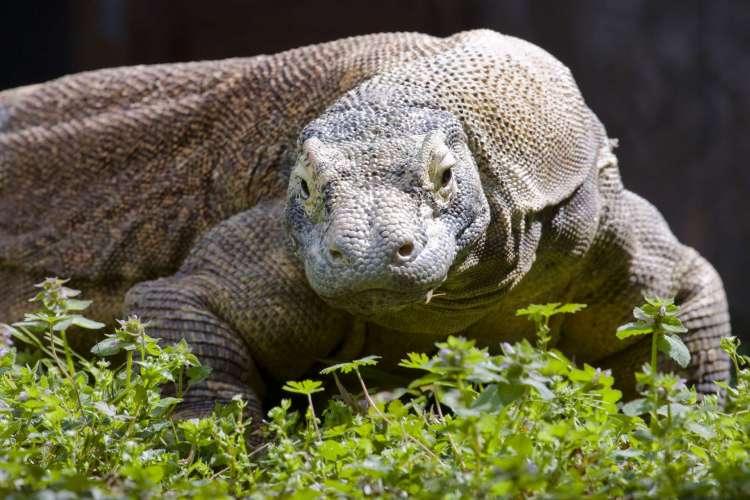
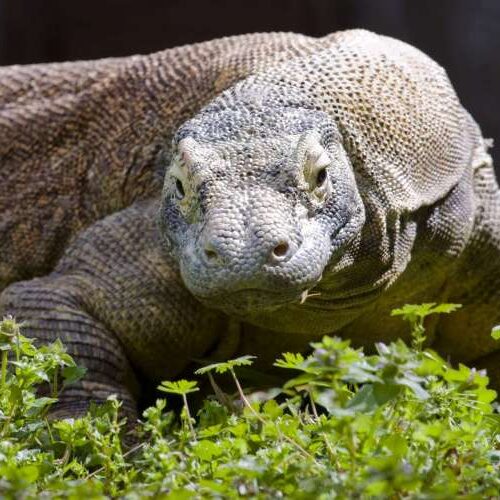
Until about 60,000 years ago, diminutive hominin cousins, Homo floresiensis (affectionately nicknamed Hobbits for obvious reasons), shared the island of Flores with Komodo dragons, pygmy elephants, and giant rats.

Based on the presence of hominin and pygmy elephant bones in the same layers of cave sediment, it originally looked like the Hobbits had hunted and butchered dwarf elephants—an impressive feat for such a tiny hominin. But according to University of Tübingen anthropologist Elizabeth Veatch and her colleagues, it was the Komodo dragons that were the hunters, while the Hobbits only showed up to scavenge what was left.

If Veatch and her colleagues are right, their findings may challenge some of the assumptions we’ve made about Homo floresiensis—and about which hominin species was the first to venture into the wider world beyond Africa.

Read full article

Comments

© Zoo Atlanta

  •  

Hunter-gatherers in Siberia died of a plague outbreak 5,500 years ago

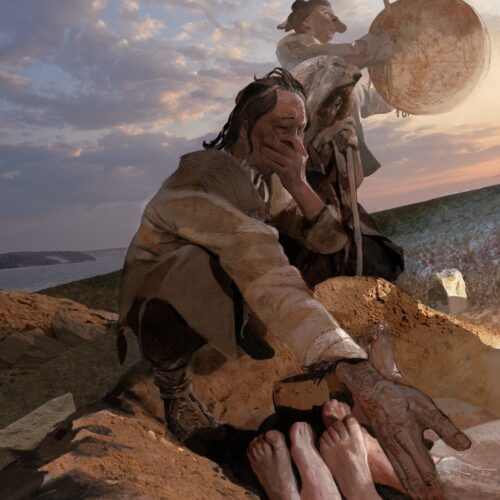
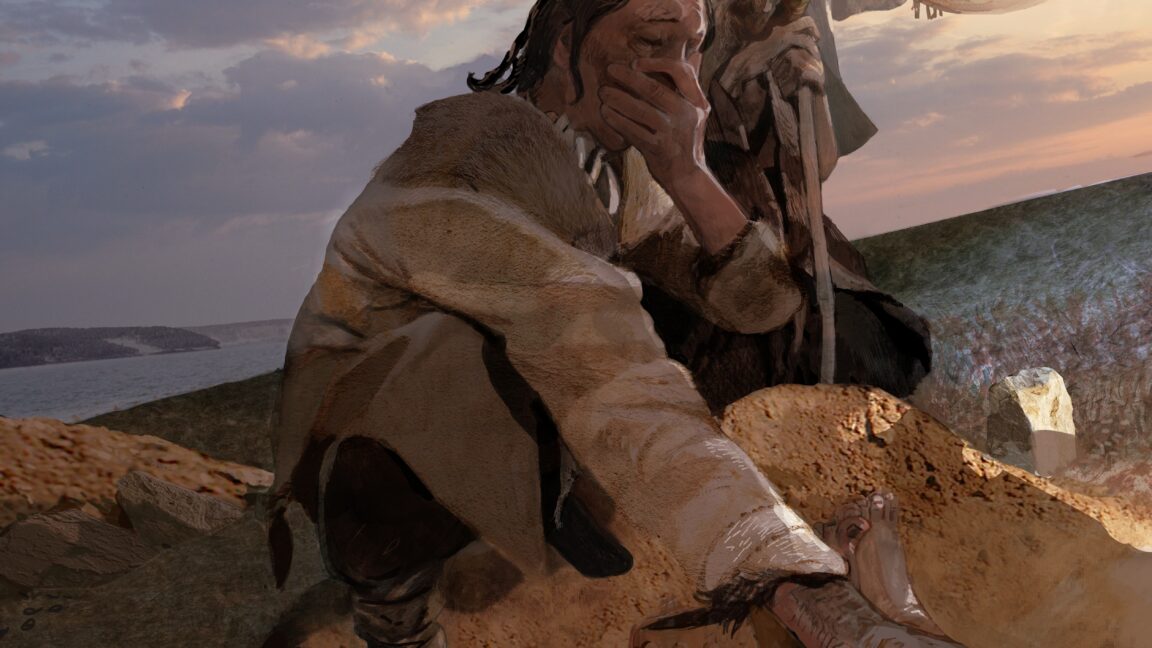
Plague swept through groups of hunter-gatherers in southeastern Siberia 5,500 years ago, leaving dozens dead in its wake—with DNA from Yersinia pestis bacteria still trapped inside their teeth.

University of Oxford ancient DNA researcher Ruairidh Macleod and his colleagues recently sequenced the telltale bacterial DNA in teeth from plague victims at four ancient cemeteries in the area around Russia’s Lake Baikal. The tragedy that befell these communities is now the earliest known plague outbreak, courtesy of the oldest strain of Y. pestis ever sequenced.

Unearthing a new backstory for the plague

Until recently, scientists who study the evolution of diseases have held two fairly solid ideas about the origins of plague, the disease caused by Yersinia pestis bacteria. It's a scourge so awful that it has gone down in history as not just a plague but the plague. The first idea is that the earliest strains didn't have the right genetic traits to be really lethal. And the second is that the plague first began menacing humans when the first farmers settled in densely packed towns alongside rats and domestic animals.

Read full article

Comments

© Kevin WIlson

  •  

Some ancient microbes frozen with Ötzi the Iceman are still growing

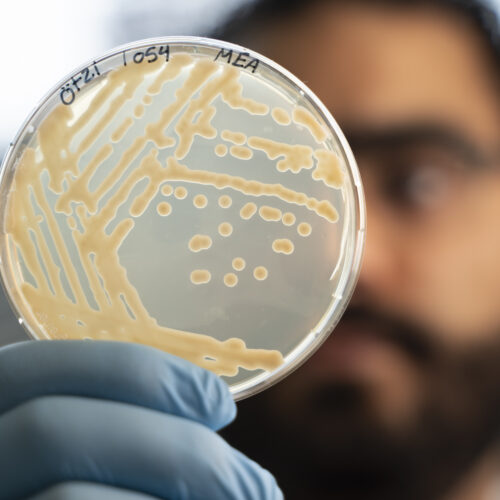
Ötzi the Iceman, Europe’s most famous mummy, is crawling with microbes, some long dead, some still eking out a living after thousands of years, and some very modern.

After he died in the Ötztal Alps, the Copper Age man now known as Ötzi lay alone and forgotten for 5,300 years, until a group of hikers stumbled on his freeze-dried remains in 1991. Since then, he’s received a lot of attention from scientists, who have sequenced his DNA, pored over his last meal and the remains of his gut microbes, and examined his clothes and his broken tools. Today, Ötzi lies in a high-tech resting place at the South Tyrol Museum of Archaeology in Italy, where, it turns out, his body is still home to a handful of cold-adapted yeast species that have probably been with him since just after he died.

Slightly morbid souvenirs from the Alps

Microbiologist Mohamed S. Sarhan (of the Institute of Mummy Studies at the private Eurac Research center) and his colleagues recently sampled material from Ötzi’s stomach and meltwater from inside his body, swabbed his skin, and even sampled airborne microbes from his frozen storage room and the lab outside it. They also took samples from a block of frozen alpine soil taken from next to Ötzi’s body back in 1991.

Read full article

Comments

© Sarhan et al. 2026

  •  

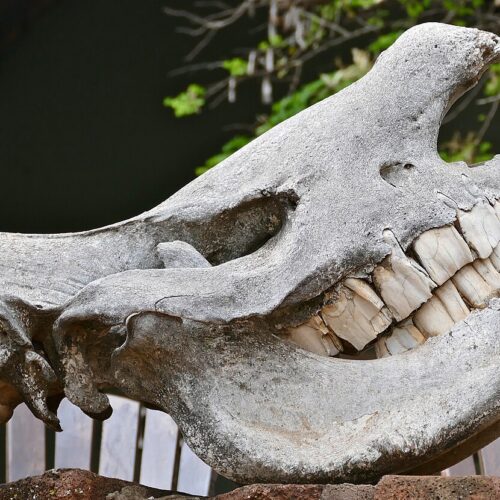
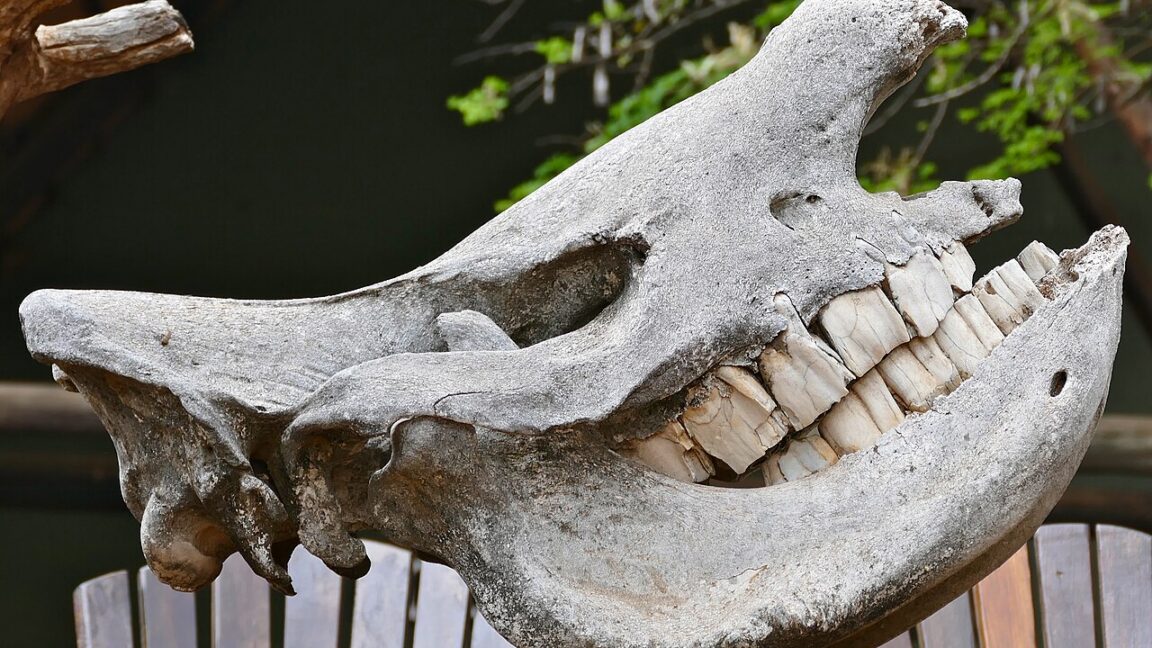
If I had a hammer... it might actually be a rhino tooth

One way archaeologists learn how ancient people, including Neanderthals, did things is to attempt to do those things themselves, a process called experimental archaeology. Normally, that involves making stone tools, butchering deer, or distilling birch tar. But in a new study, it meant doing very destructive things to teeth from one of the world’s most carefully protected animals.

That's because the archeologists suspected that Neanderthals once used rhino teeth as tools. By using the teeth to make stone tools, the researchers demonstrated that Neanderthals probably did the same thing, adding to what we know about the wide range of items in their toolkits.

We need to hit some rhino teeth with rocks for science

Some Neanderthal archaeological sites in Europe and Asia seem to have many more rhinoceros teeth lying around than you’d expect. We know Neanderthals hunted a now-extinct species of rhinoceros in Europe and eastern Asia, but the people who had inhabited these sites looked like they had been collecting rhino teeth for some reason.

Read full article

Comments

© By Bernard DUPONT from FRANCE - White Rhino Skull, CC BY-SA 2.0, https://commons.wikimedia.org/w/index.php?curid=55453022

  •  
❌